FREE SHIPPING OVER €30 FREE SHIPPING OVER €30

Morinda citrifolia — Noni | The Superfruit with 165 Healing Powers—Grow Your Own Medicine

Grow the Pacific’s most revered superfruit from seed. Noni’s fruit alone contains 165+ beneficial compounds—used for 2,000+ years to support immunity, inflammation, and vitality. You’ll harvest year-round fruits that juice into liquid wellness. Hardy, forgiving, and stunningly easy to grow in warm climates or indoors. Your ancestors knew the cure; now cultivate it yourself.

1.92

SKU: P-2056 Categories: , Tags: , ,

You May Also Like

Description

Imagine harvesting a fruit so powerful that Polynesian healers carried it across entire oceans, planting it at every new island as their living pharmacy. That’s Morinda citrifolia—the noni tree—and it’s waiting to grow in your home.

Noni has a long, intertwined history with Polynesian voyagers and healers; early records from Polynesian oral tradition describe it as a sacred plant used by Tahitian priests to treat wounds, fevers, and digestive troubles, and when canoe-based communities crossed the Pacific roughly 2000 years ago, they carried noni roots and cuttings as living medicine chests, planting them at every new atoll. Today, that same reverence surrounds it—not as mystique, but as measurable wellness.

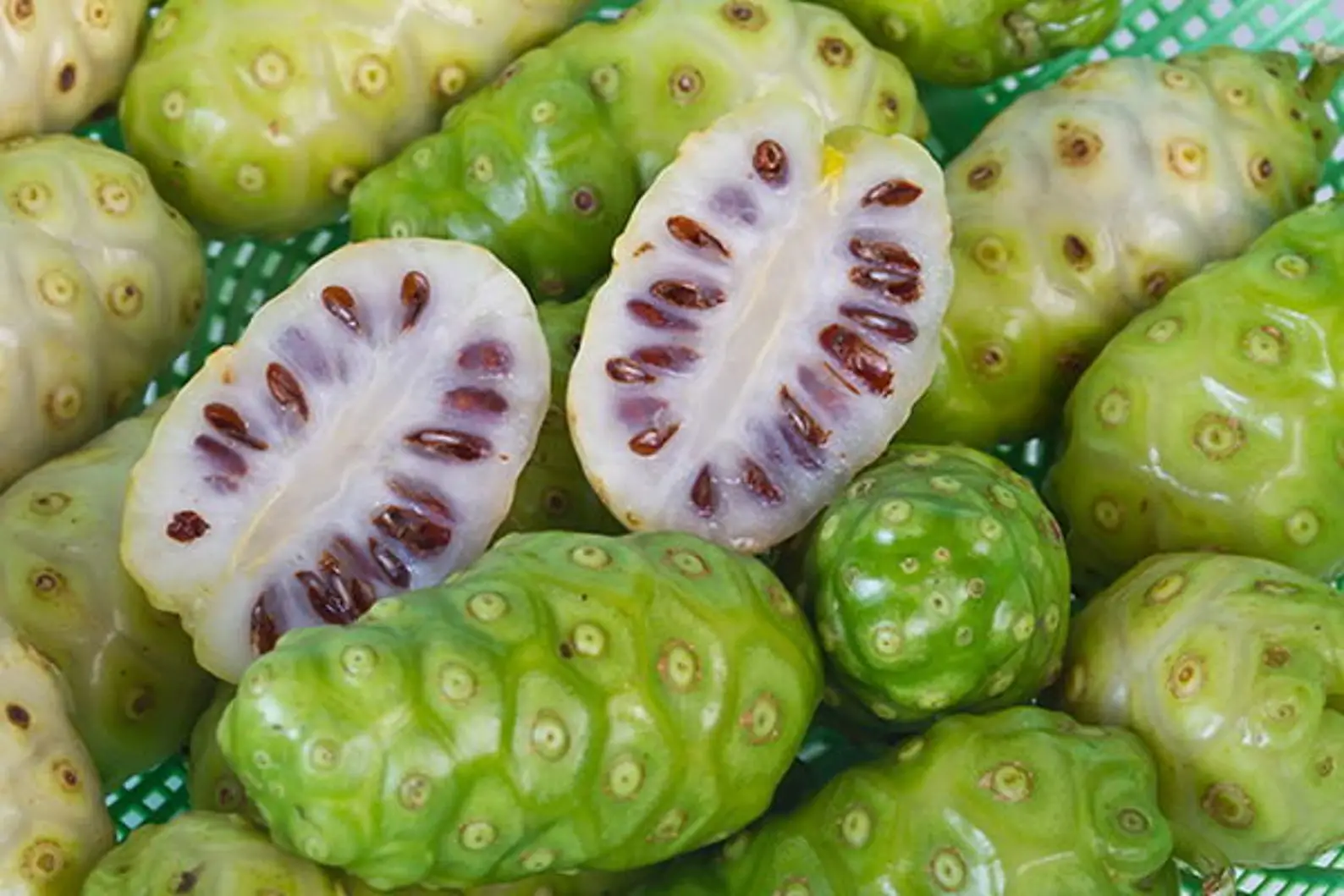
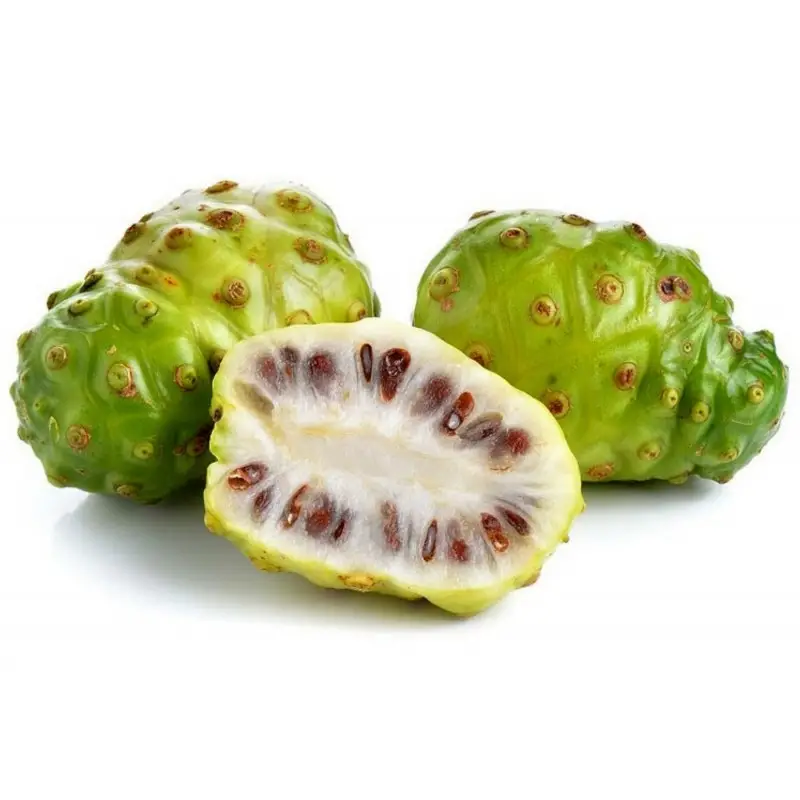
This is where noni becomes irresistible. The fruit contains 165 beneficial compounds and can grow to about the size of a potato. The extract contains antioxidants, vitamins, and minerals that contribute to skin health and beauty. The fruit juice is very high in potassium and also contains vitamin C, vitamin A, and many other chemicals that might help repair damaged cells in the body and activate the immune system. For centuries, traditional Polynesian healers use the fruit for many conditions, such as bowel disorders (constipation and diarrhea), skin inflammation, infection, mouth sores, fever, contusions, and sprains. Today you can make fresh noni juice from your own harvest, brew it as a tonic, or use the leaves in teas and poultices. All parts of the tree work: noni roots, stem, bark, leaves, flowers, and fruit have all been used as medicine. It’s used especially as a nutritious food supplement, but also as a dye plant. Whether your goal is a morning wellness ritual, skin rejuvenation, or natural pain support, noni delivers—and you grew it yourself from seed.

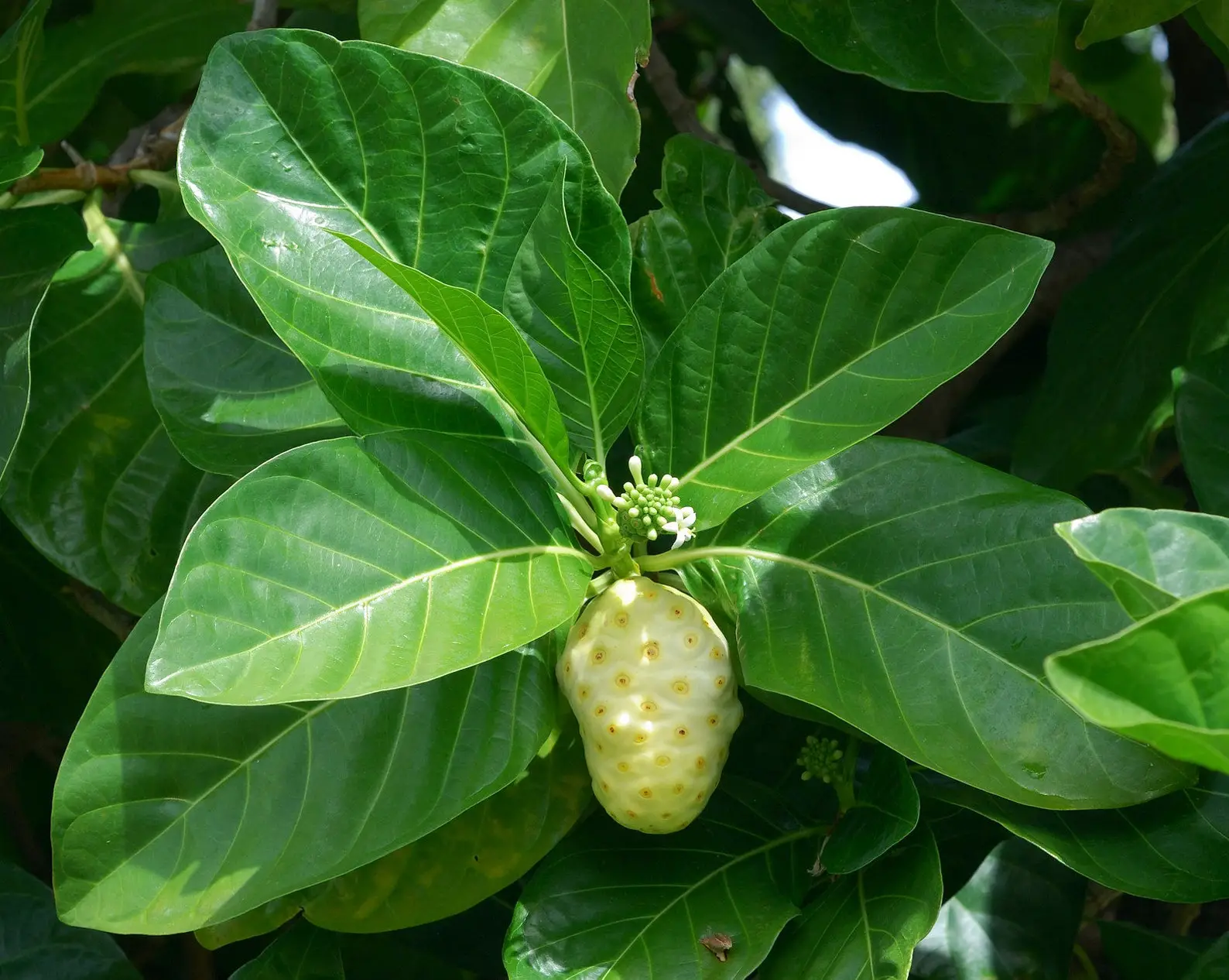
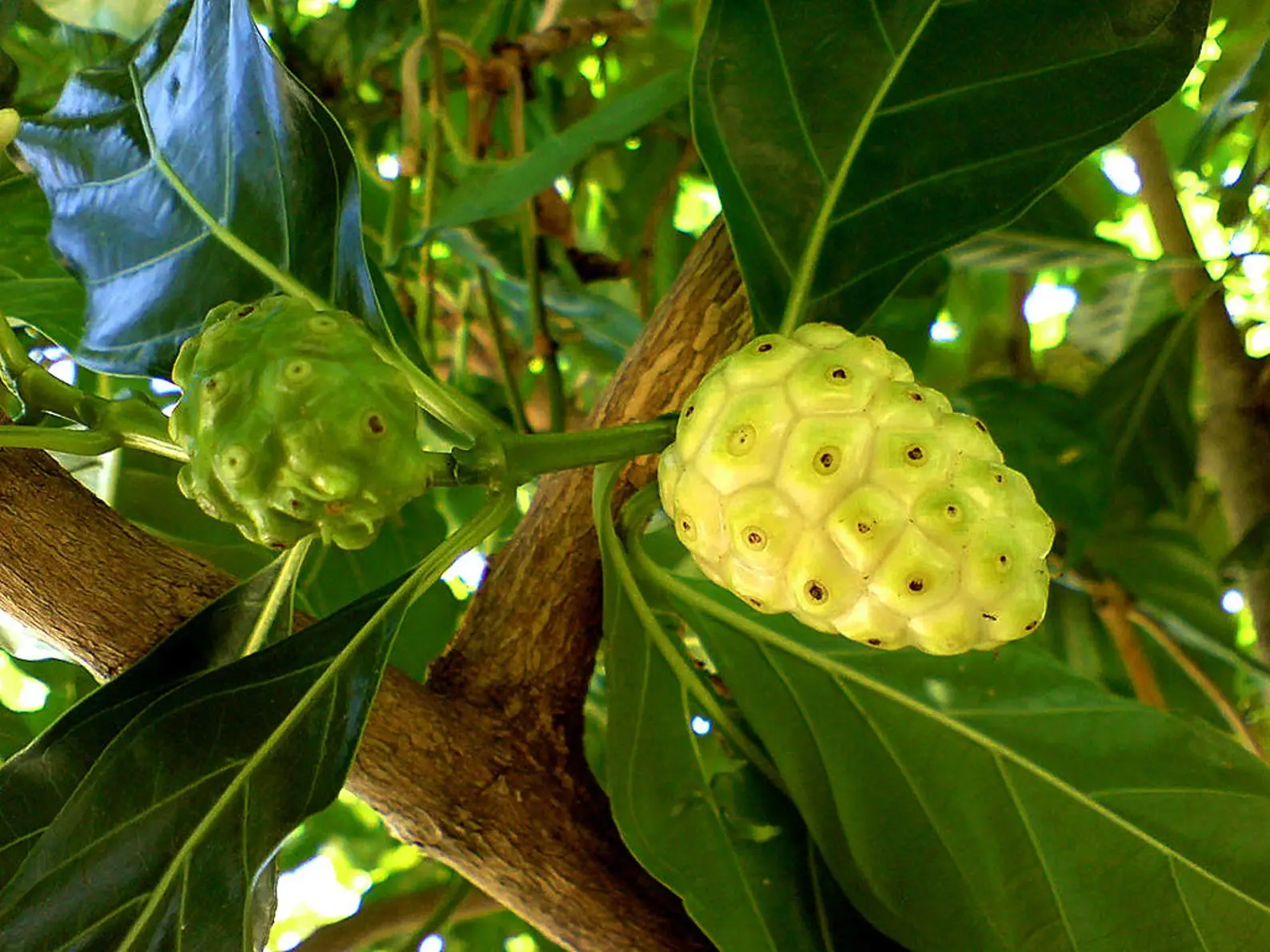
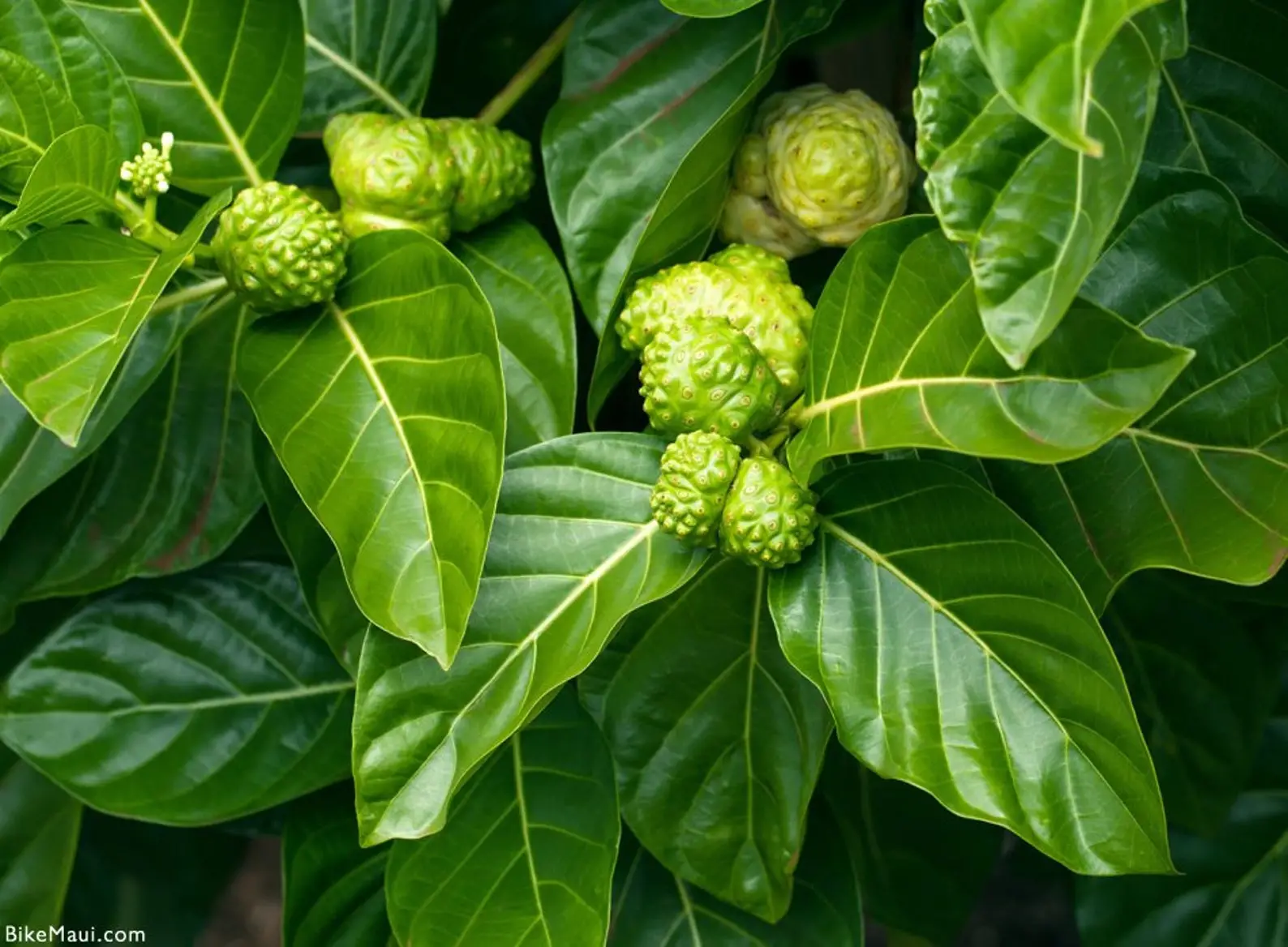
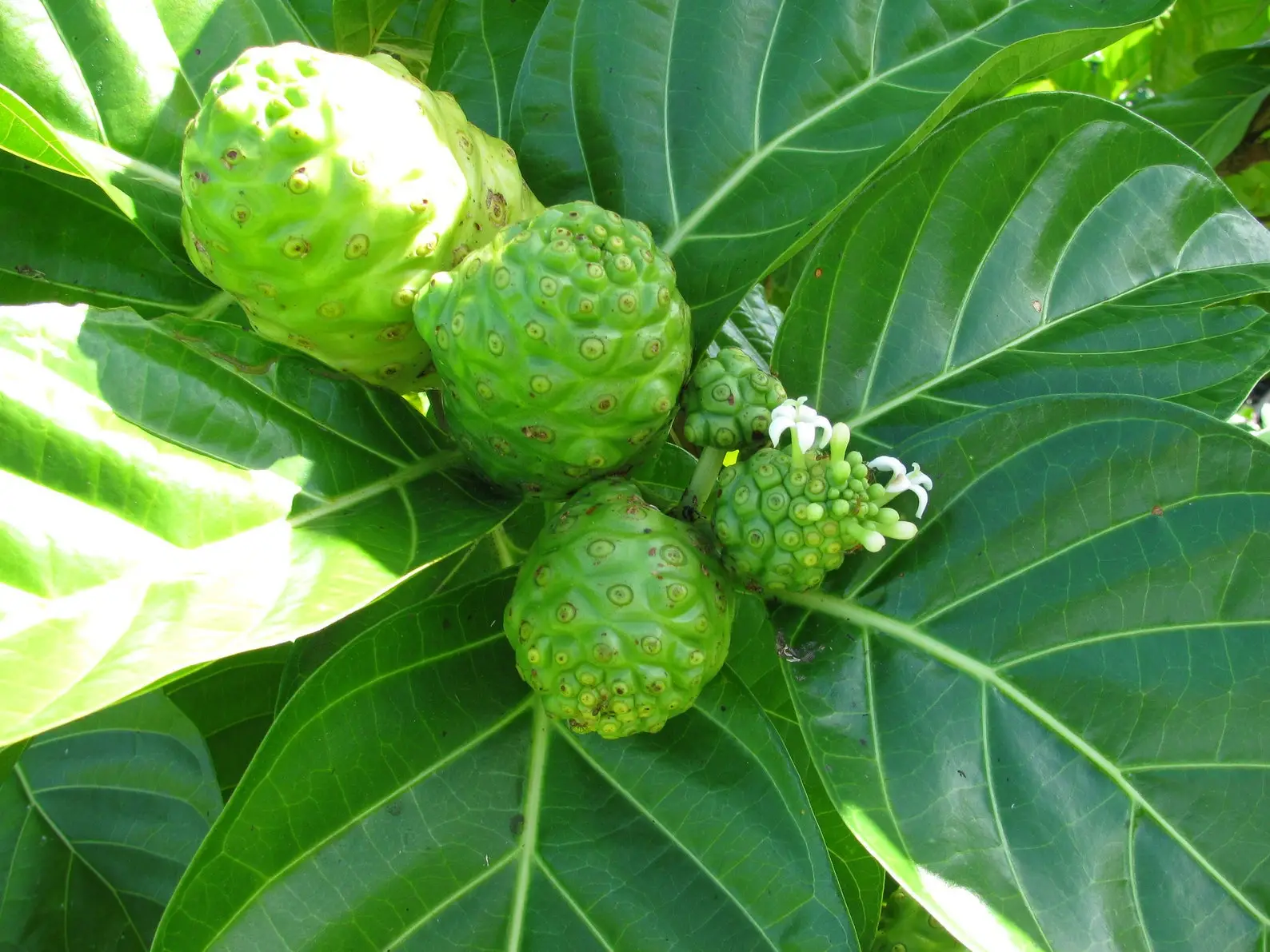
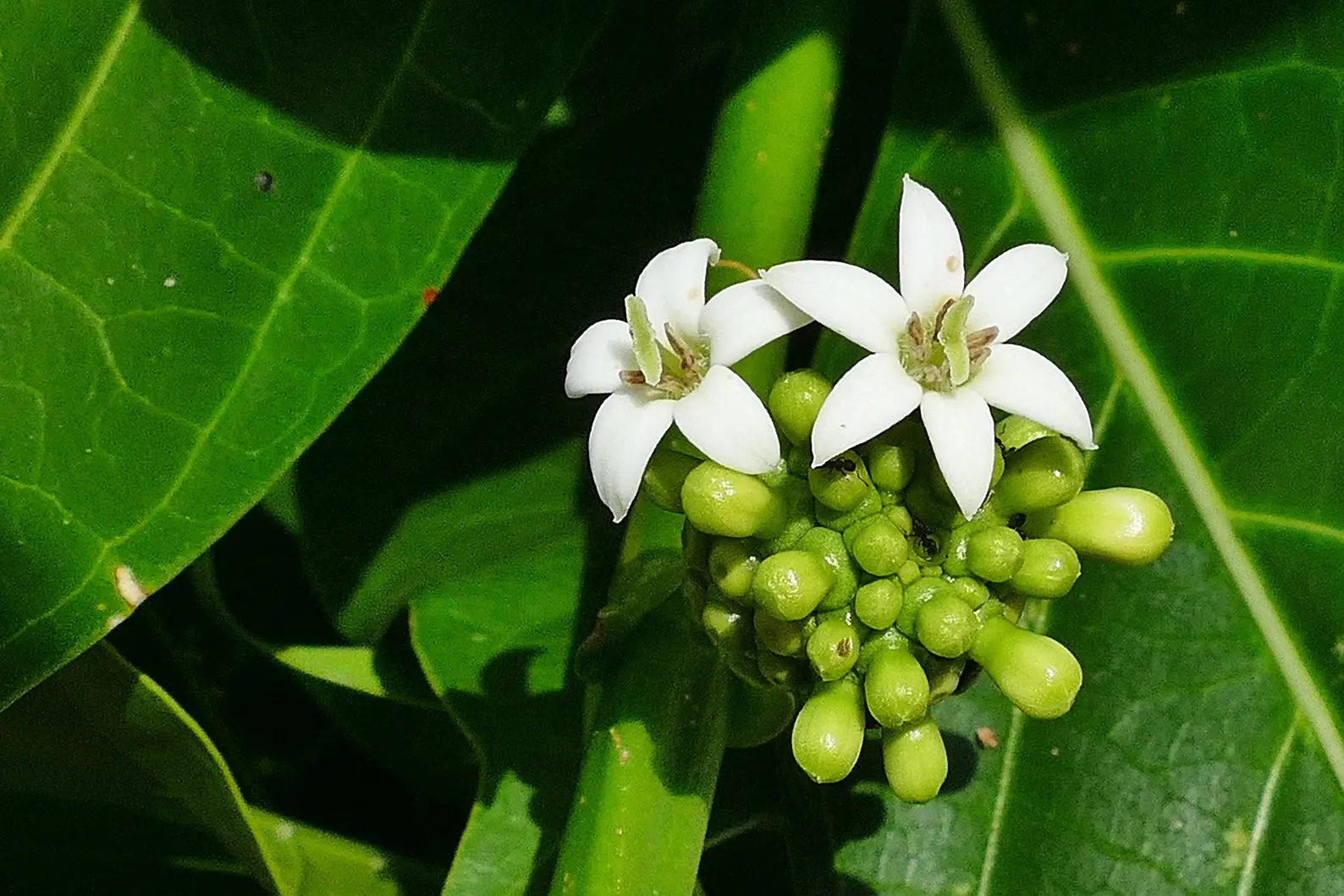
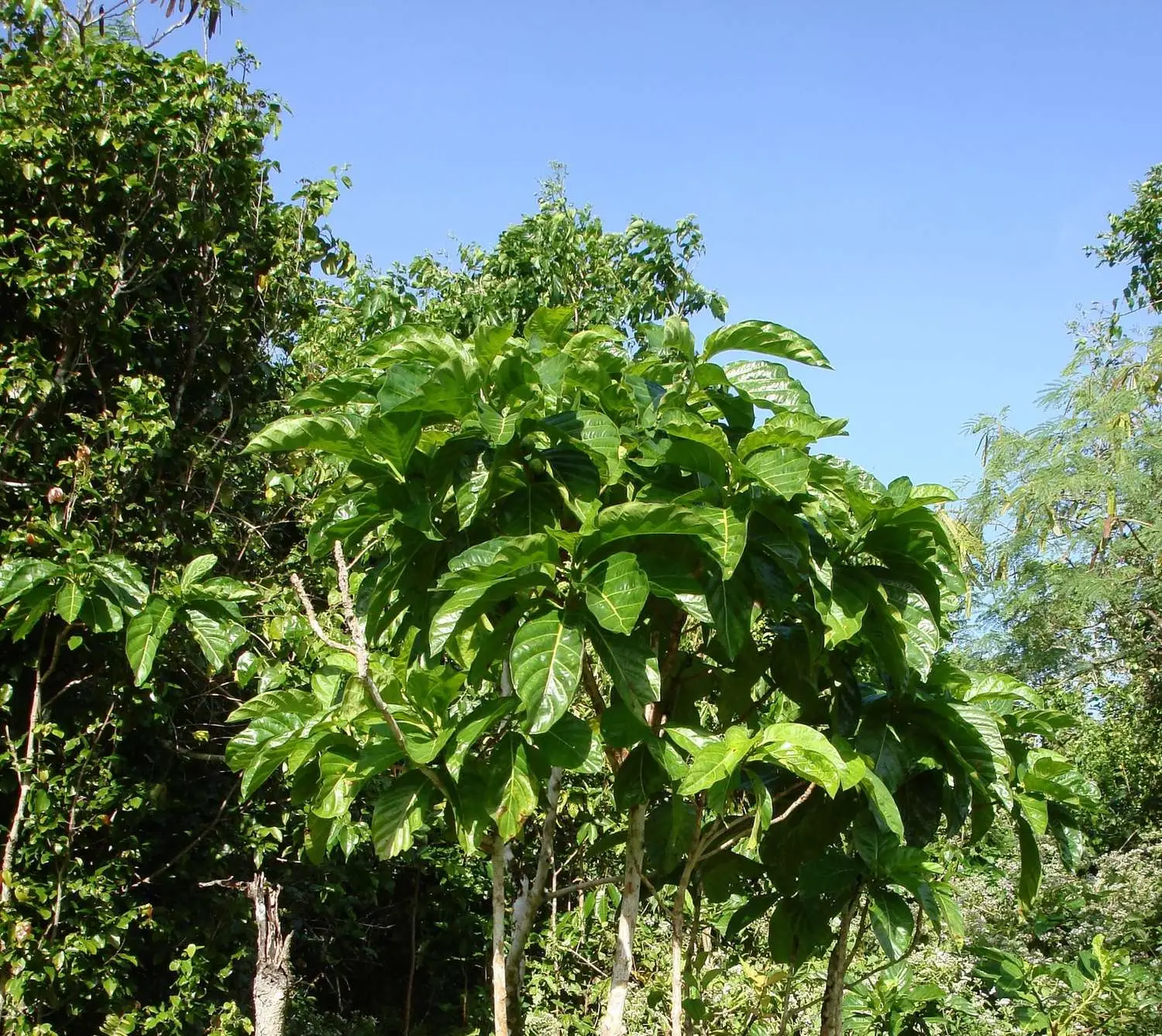
Growing noni is where the real magic of seed starting pays off. Noni is an exceptionally hardy tree that thrives in full sun and across a wide range of soil and climate conditions; mature trees can tolerate drought, shade, fire, waterlogging, salt spray, and high winds. Noni is relatively easy to propagate from seed and by cuttings. Noni plants are relatively easy to care for if their basic needs for light, water, and humidity are met, and they can be grown outdoors in tropical climates or in greenhouses that can replicate their natural environment. The plant yields 4 to 8 kg of fruit per month throughout the year. For indoor growers, Noni adapts well to containers; place it near a bright window or under grow lights, and it can tolerate lower light, though fruiting may slow. You’ll want bright, direct sunlight, warm humid conditions, and consistently wet soil, watering regularly to maintain moisture. The plant is suitable for light (sandy), medium (loamy) and heavy (clay) soils, prefers well-drained soil and can grow in nutritionally poor soil, and can grow in neutral soils and saline soils. Even the fruit production itself is botanically extraordinary: noni trees produce the fruit first with 50-75 flowers that bud from the fruit afterwards—there are only about a dozen other plants that do this in the whole plant kingdom! And visually? The tree can grow up to 9 m tall and has large, simple, dark green, shiny, and deeply veined leaves; white tubular flowers have pointy petals and emerge from the tops of developing compound fruits.

This is more than gardening—it’s reclaiming an ancestral practice. You’re planting a tree that fed healers, that crossed oceans in canoe hulls, that still hea

Germination Guide

🌍 Southeast Asia and Australasia
Moderate

Morinda citrifolia, commonly known as noni or Indian mulberry, is a tropical evergreen tree native to Southeast Asia and Australasia, traditionally valued in Pacific and Asian cultures for its medicinal properties. Seed germination is slow and variable, typically requiring 3-9 weeks with proper pre-treatment, and succeeding best in consistently warm, moist conditions with soil temperatures maintained above 24°C.

Germination
Germination time
Expect germination in

21 – 63 days

Temperature

Min 24°C
Ideal 30°C
Max 38°C

Light
☁️ Indifferent

Substrate moisture
💧💧 High

Sowing depth
Lightly covered

Germination rate
90 %


Seed Pre-treatment
  • 💧

    Soaking — 36 hours
    Soak in lukewarm water (28-35°C) for 24-48 hours to soften hard seed coat and improve germination
  • 🔨

    Mechanical scarification
    Mechanical scarification can accelerate germination to 6-12 weeks instead of several months
  • 📋

    Additional notes
    Seed coat softening through water soaking or mechanical scarification. Fresh seeds show germination rates over 90%.

Substrate & Container
Recommended substrate
Coconut coir and perlite (1:1 ratio) or sandy loam with compost, well-draining soil

Recommended container
Nursery beds or seedling trays, spacing 5 cm apart


Growing Tips
Use fresh seeds whenever possible for optimal germination rates (often exceeding 90%). Pre-treat seeds by soaking in warm water for 24-48 hours or mechanically scarifying to reduce germination time. Maintain warm soil temperatures between 28-35°C and avoid cooling below 24°C at night. Cover seedlings with transparent lid or plastic wrap to retain humidity, ventilate daily to prevent mold. Once seedlings develop 2-4 true leaves (approximately 10-15 cm tall), transplant into individual pots with compost + sand + garden soil (1:1:1 ratio). Gradually acclimate seedlings to direct sunlight over 1-2 weeks before moving to permanent location. Keep soil consistently moist but well-drained; avoid waterlogging.

Reviews

There are no reviews yet.

Only logged in customers who have purchased this product may leave a review.

Related Products