Description
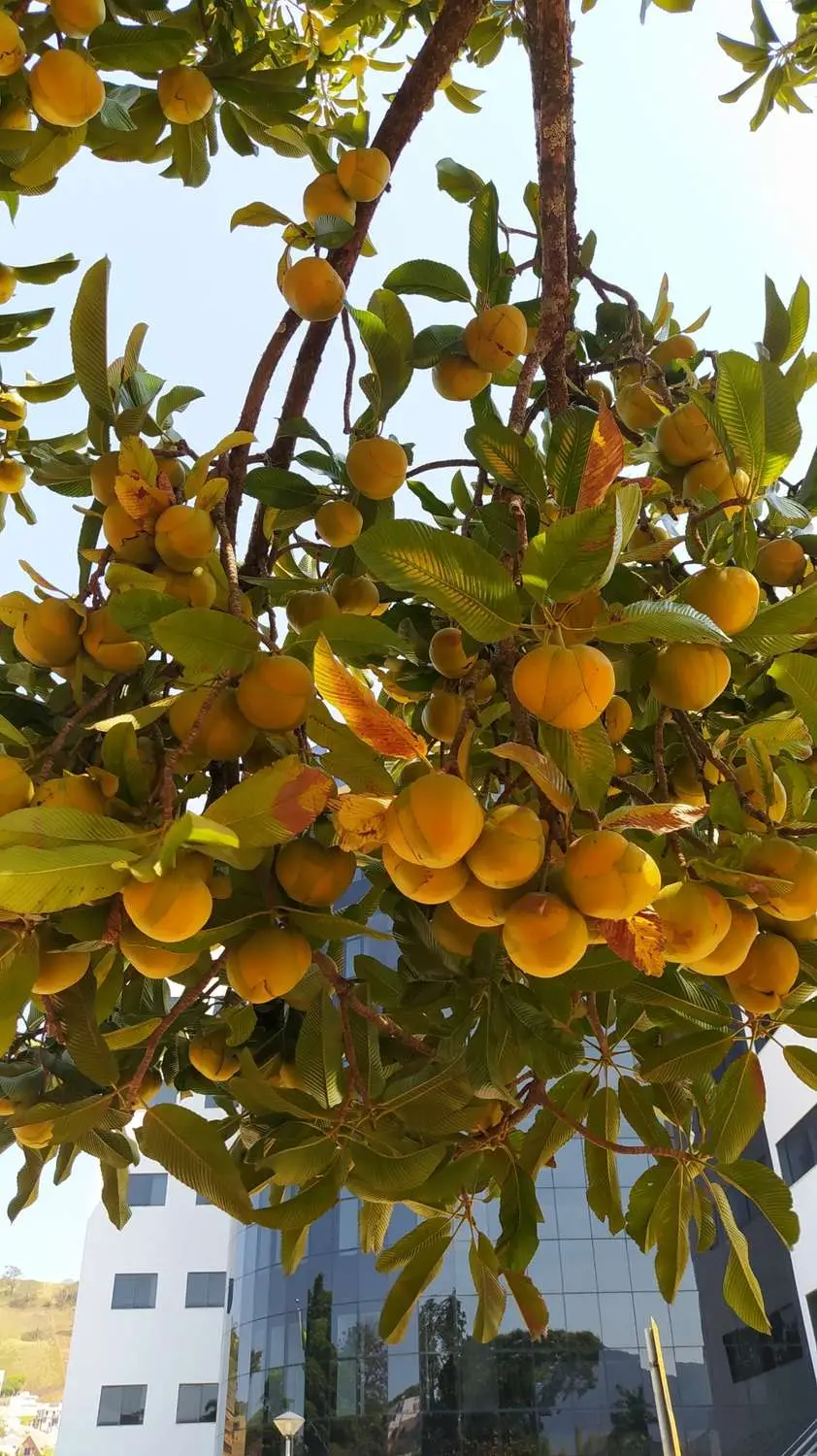
Dillenia indica, commonly known as elephant apple, is a species of Dillenia native to China and tropical Asia.
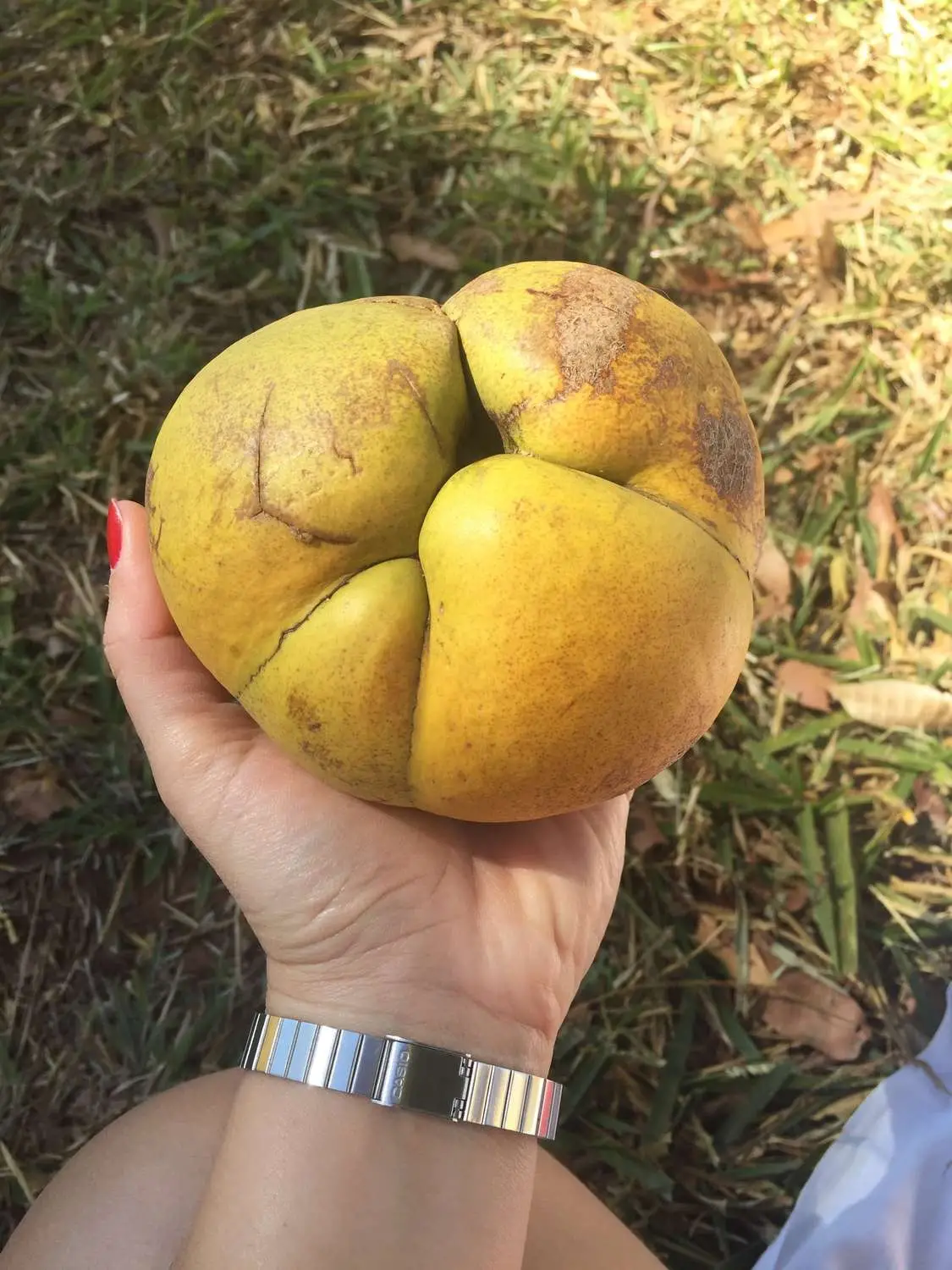
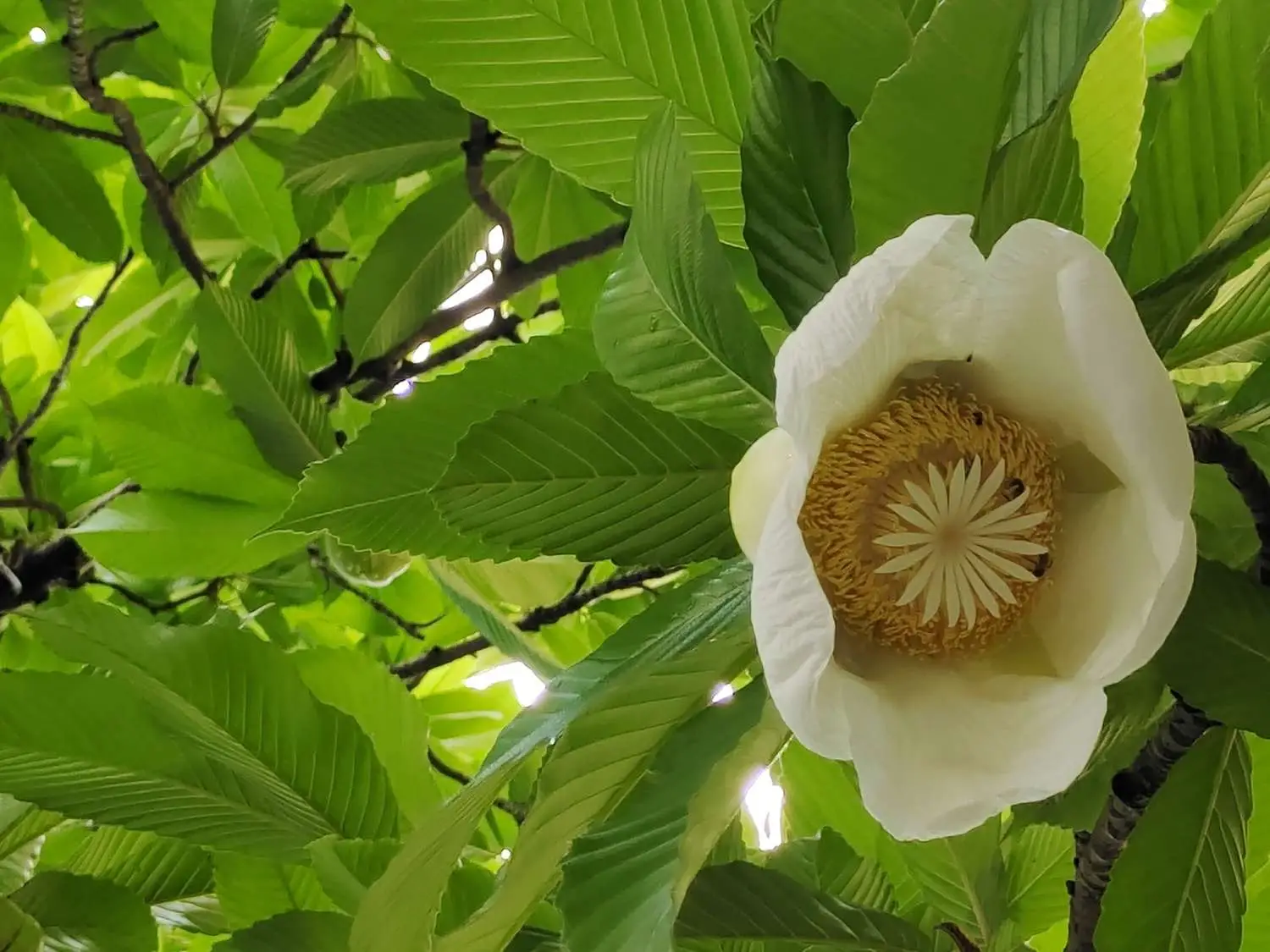
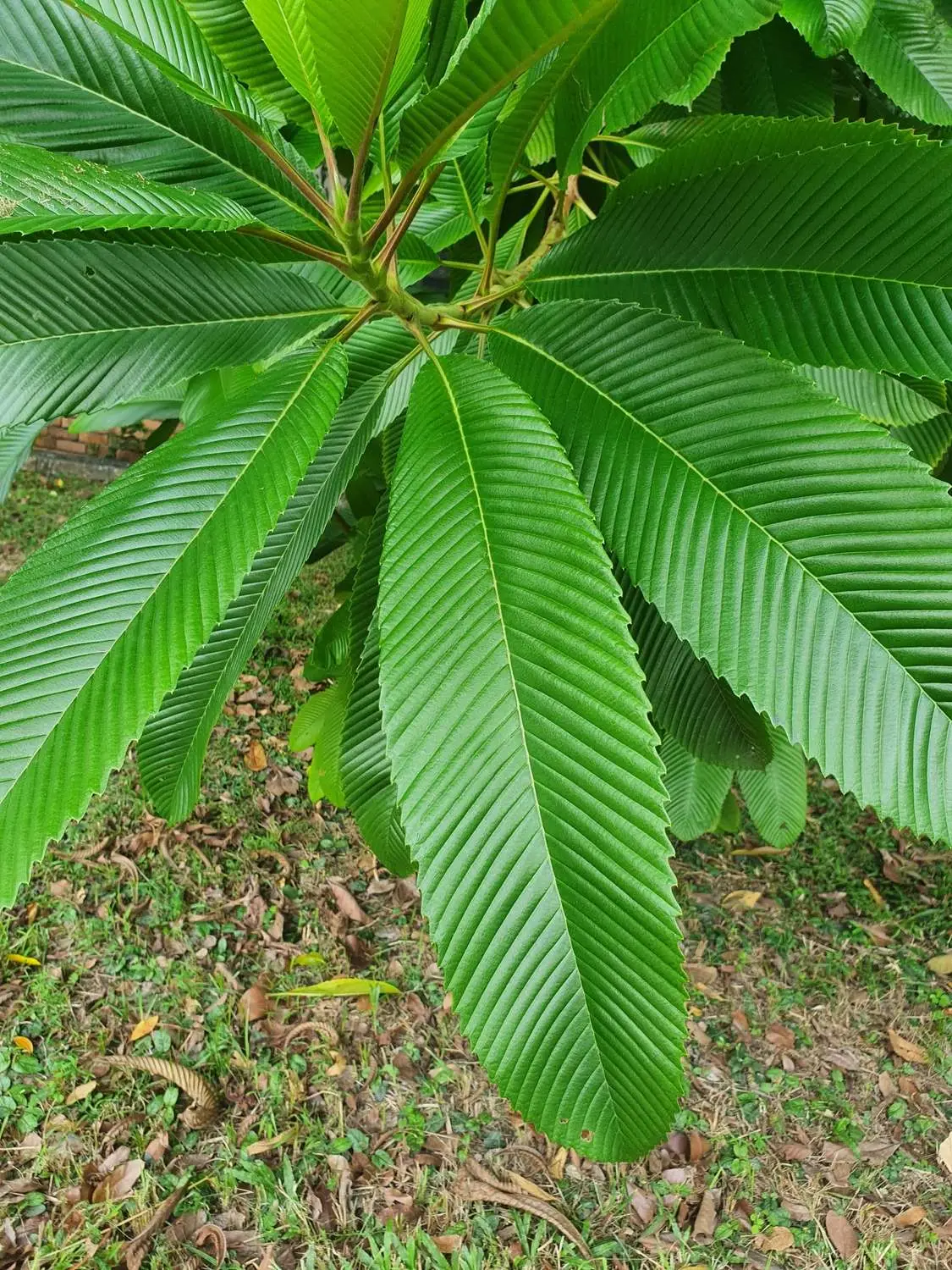
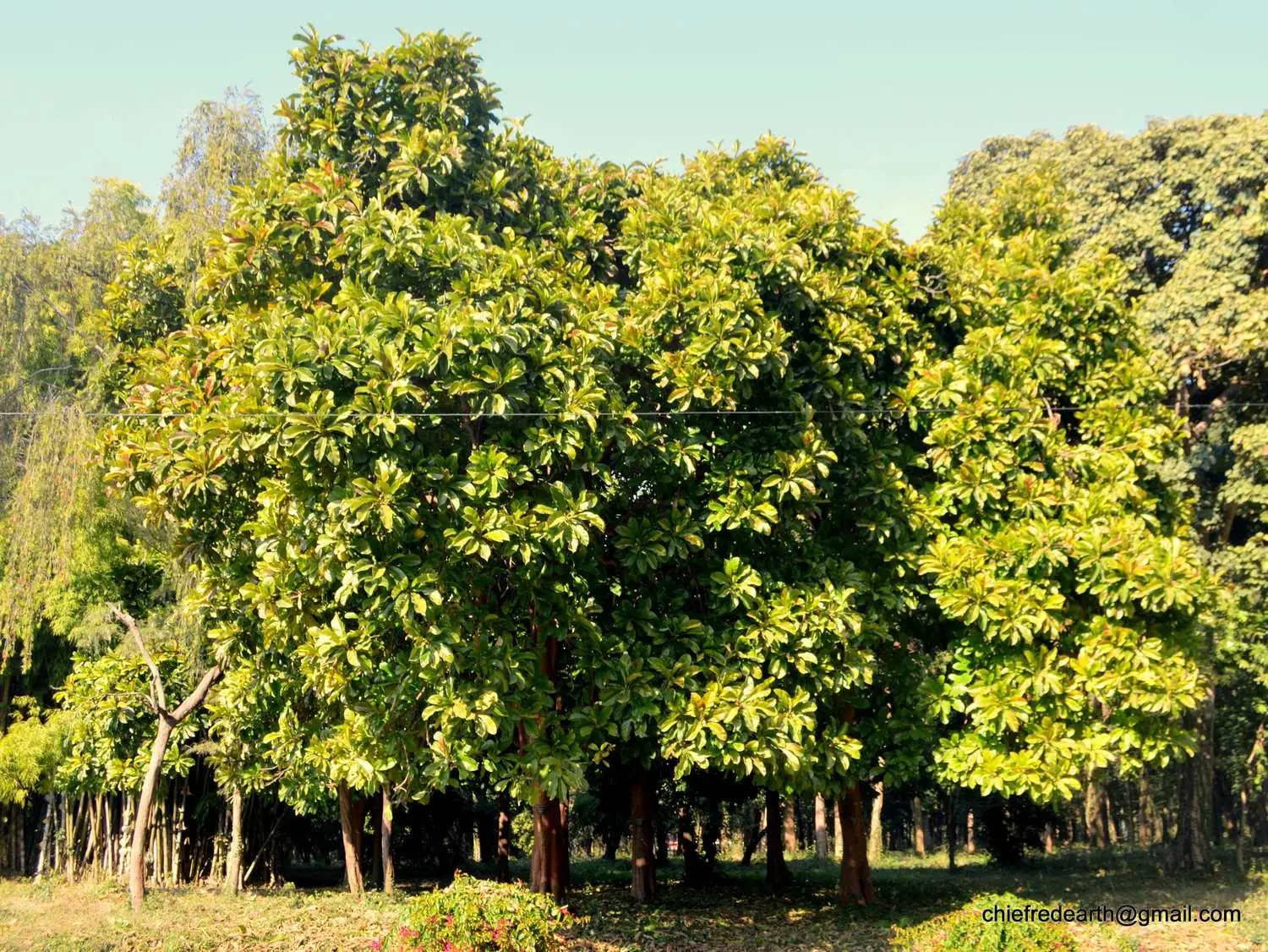
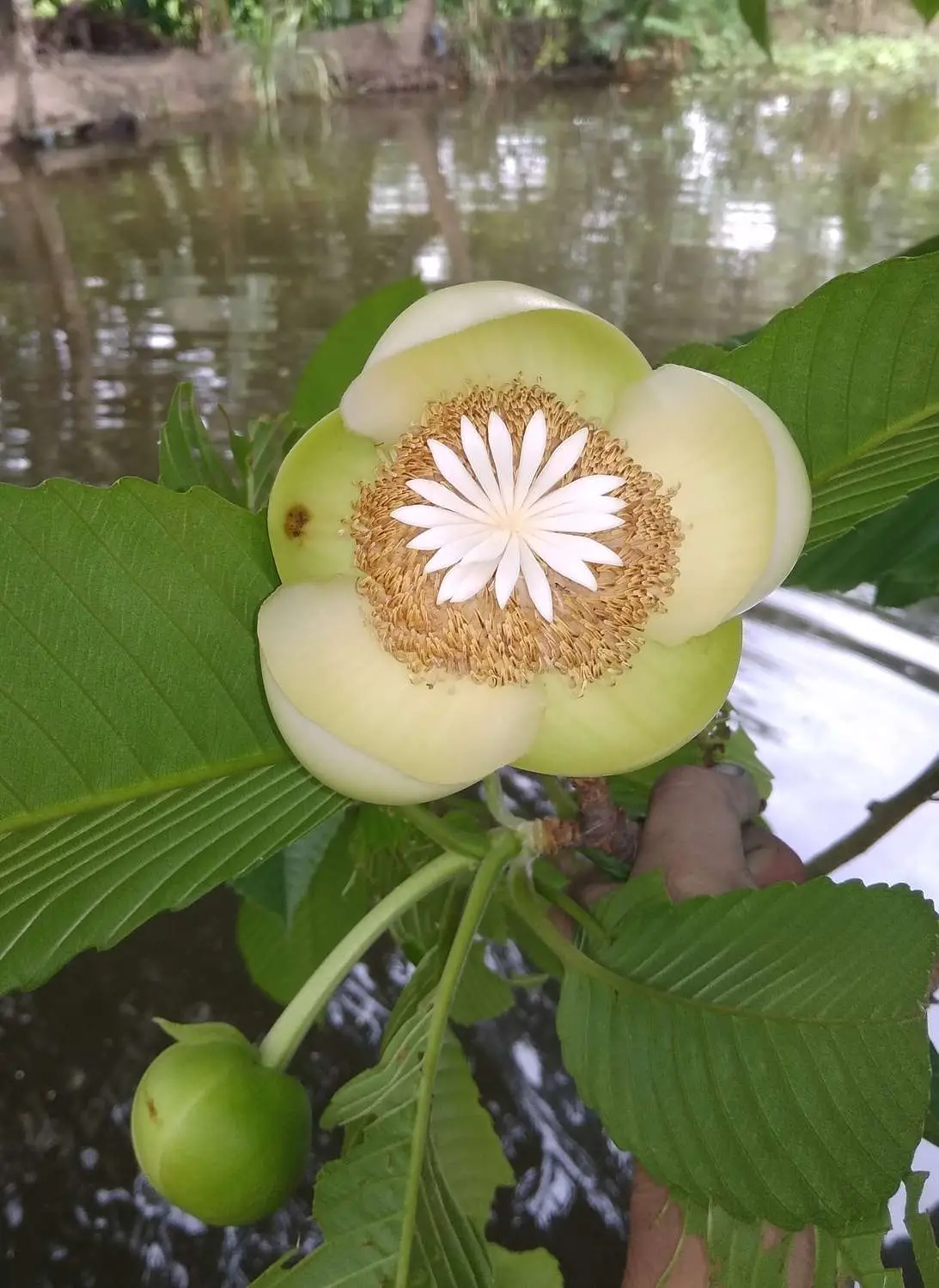
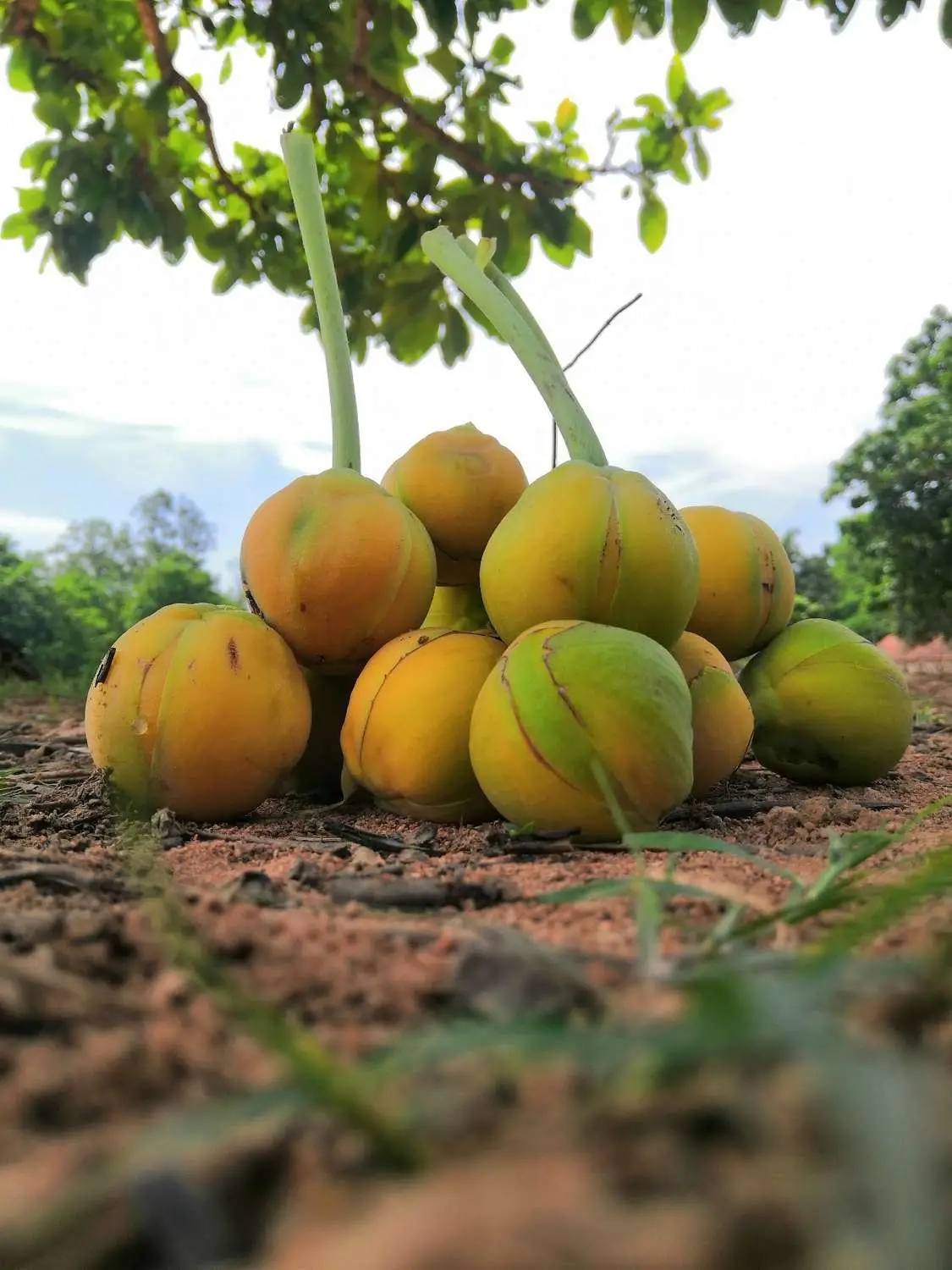
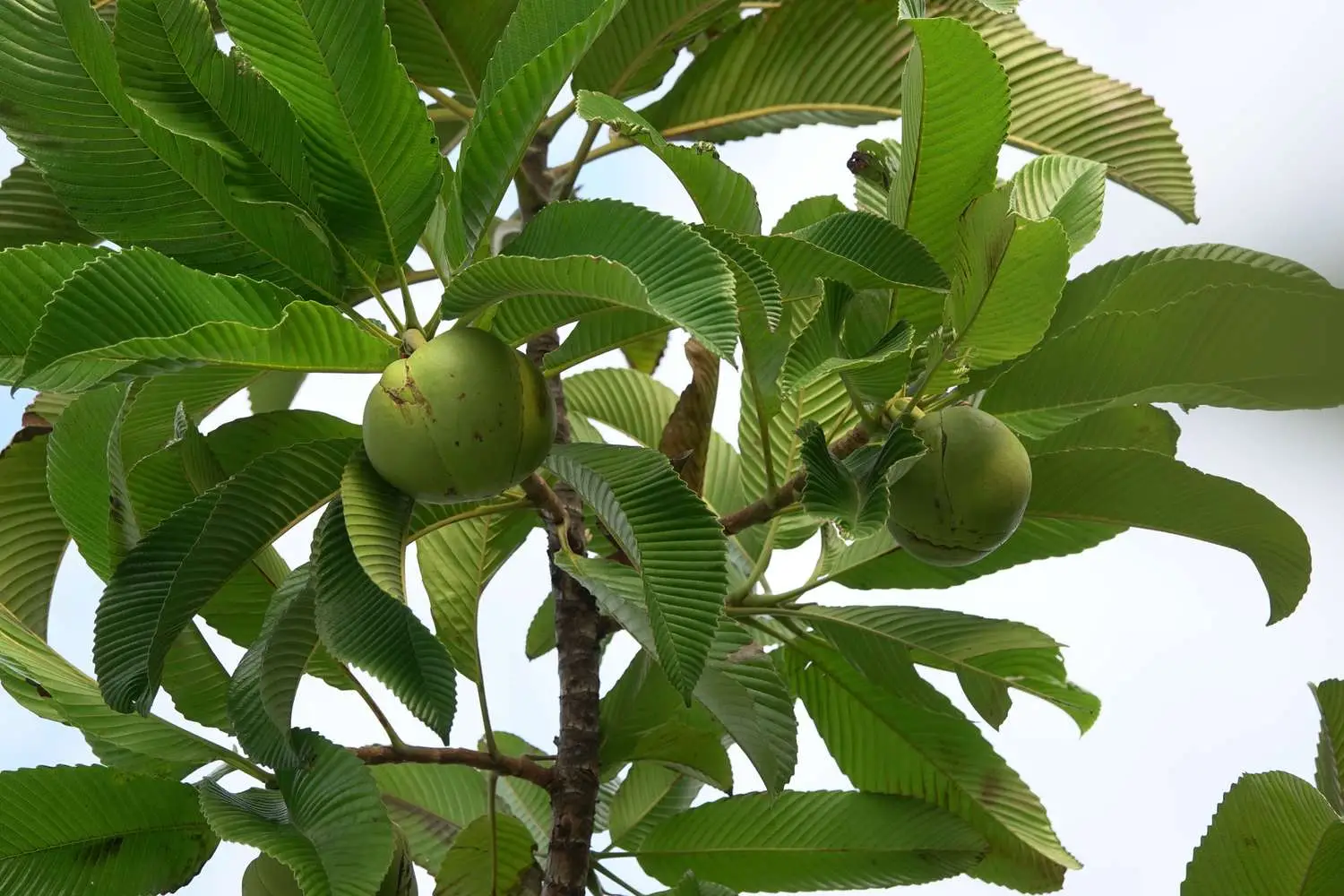
It is an evergreen large shrub or small to medium-sized tree growing to 15 m tall. The leaves are 15–36 cm long, with a conspicuously corrugated surface with impressed veins. Its branches are used to make good firewood. The flowers are large, 15–20 cm diameter, with five white petals and numerous yellow stamens. Its characteristic round fruits are large, greenish yellow, have many seeds and are edible. The fruit is a 5–12 cm diameter aggregate of 15 carpels, each carpel containing five seeds embedded in an edible but fibrous pulp.
Dillenia indica was one of the many species first described by Linnaeus in the 10th edition of his Systema Naturae in 1759.
Dillenia indica produces a large hard edible fruit which is accessible only to the megaherbivores in the wild. A study in the Buxa Tiger Reserve by ecologists Sekar & Sukumar has shown that Asian elephants appear to have a particular fondness for the fruits of D. indica, and are hence an important seed disperser for this tree. With the prospect of extinction of the elephants this tree has developed a back-up system, whereby its hard fruits that were only accessible to megaherbivores, slowly soften on the forest floor through the dry season to allow access to successively smaller animals such as macaques, rodents and squirrels. Seeds from both old and soft fruits are able to germinate well, enabling the persistence of this tree to be independent of the survival of its major megaherbivore disperser.
The fruit pulp is sour and used in Indian cuisine in curries, jam (ouu khatta), and jellies.
Because it is a main source of food for elephants, monkeys and deer, collection of fruit from the core areas of the forest is prohibited. Commercial sale of the fruit is also prohibited, in an effort to help keep the food-chain system of the forest from dismantling totally.
Germination Guide
🌍 China, India, and tropical Asia
Difficult
Dillenia indica, commonly known as elephant apple, is a tropical evergreen tree native to China, India, and Southeast Asia. The species is notable for its morphophysiological dormancy, requiring specific conditions and extended time for germination.
Germination
Germination time
Expect germination in
28 – 70 days
Temperature
Min 20°C
Ideal 22°C
Max 25°C
Substrate moisture
💧💧 High
Sowing depth
Lightly covered
Substrate & Container
Recommended substrate
well-drained sandy compost
Growing Tips
Clean seeds thoroughly before sowing. Keep substrate moist throughout germination period. Germination timing is variable; some seeds germinate within 4-6 weeks while others take considerably longer. Can be propagated by seeds or cuttings.
Only logged in customers who have purchased this product may leave a review.

Reviews
There are no reviews yet.