
Grow the tree that yields liquid gold. For centuries, growers have harvested Acacia catechu’s precious heartwood to extract catechu—a tannin-rich astringent prized in Ayurvedic skin treatments, betel traditions, and cosmetics worldwide. The pale yellow flowers and feathery foliage are stunning; the heartwood’s concentrated extract is transformative. This hardy, drought-tolerant tree thrives in poor soils and rewards patience with a harvest of pure heritage
€1.92
For nearly five centuries, Acacia catechu has been an export of immense value, treasured across India, China, Persia, Arabia, and Europe—not for ornament, but for the liquid treasure locked within its heartwood.
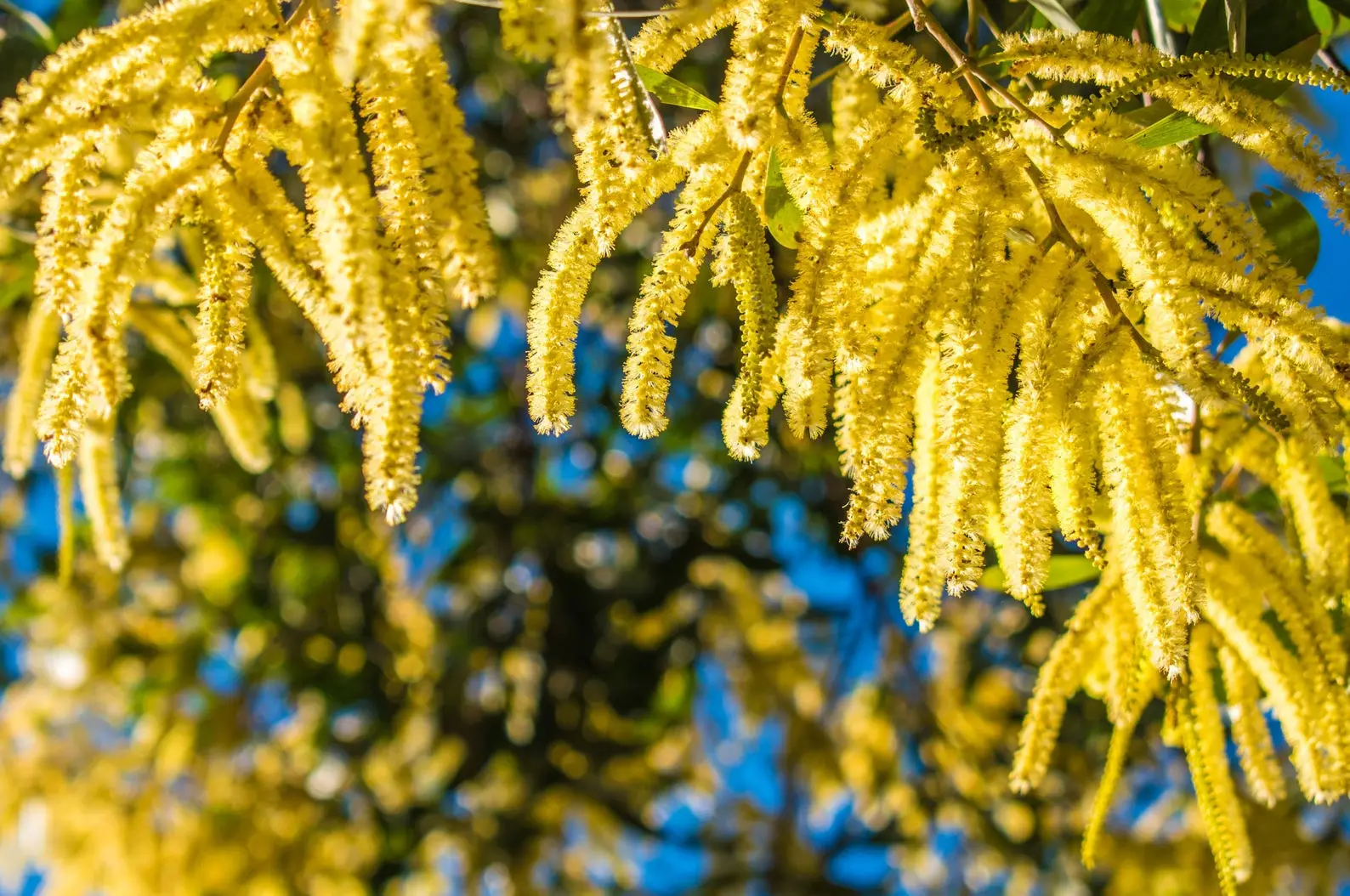
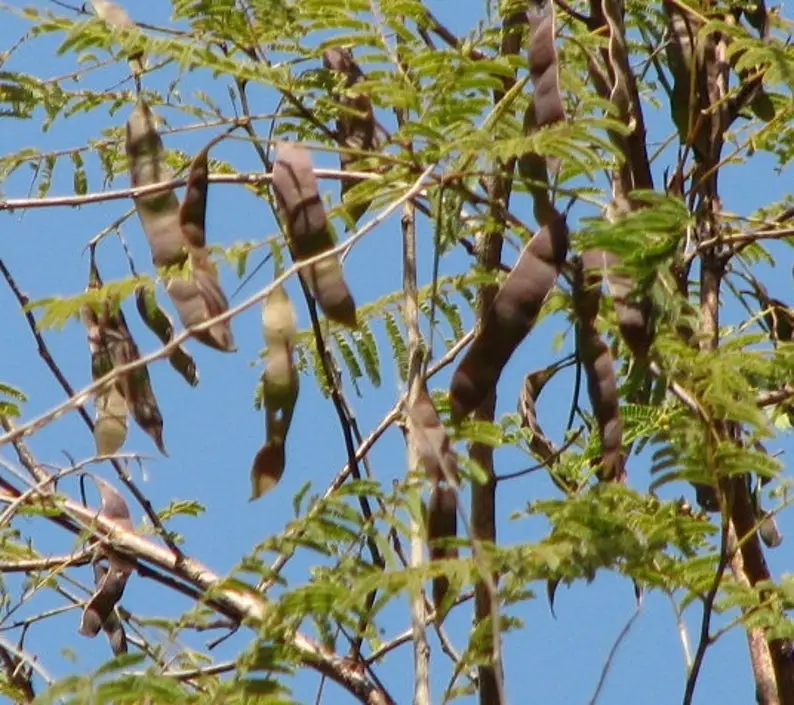
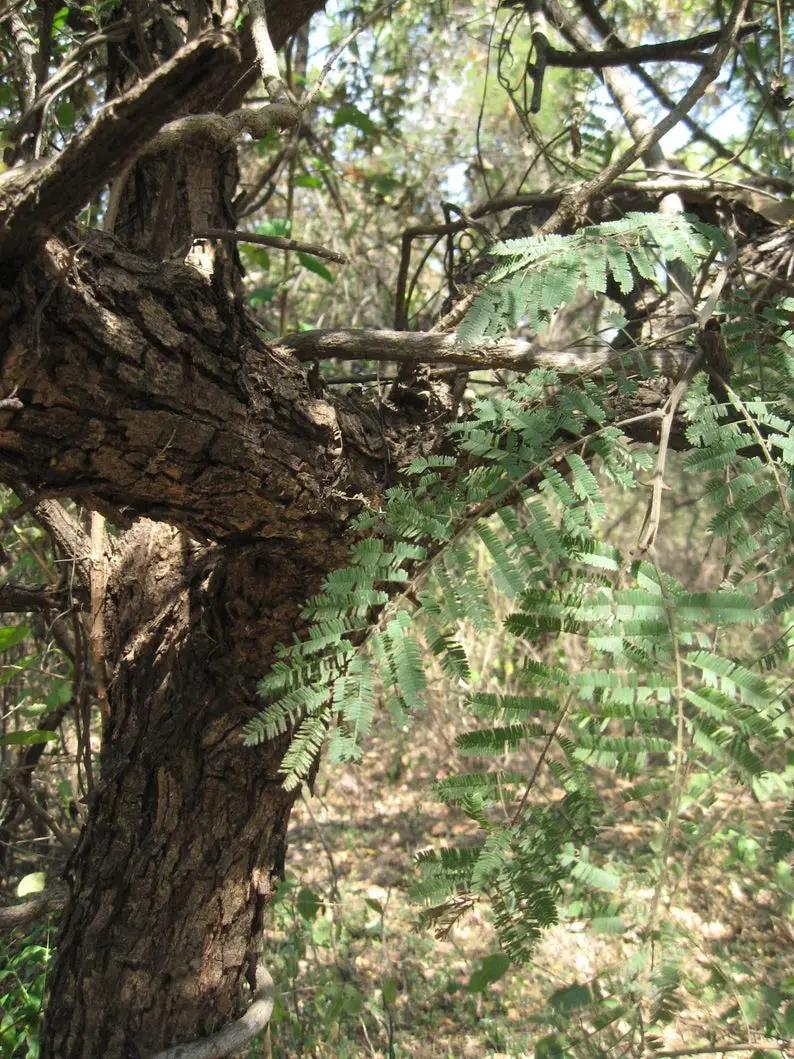
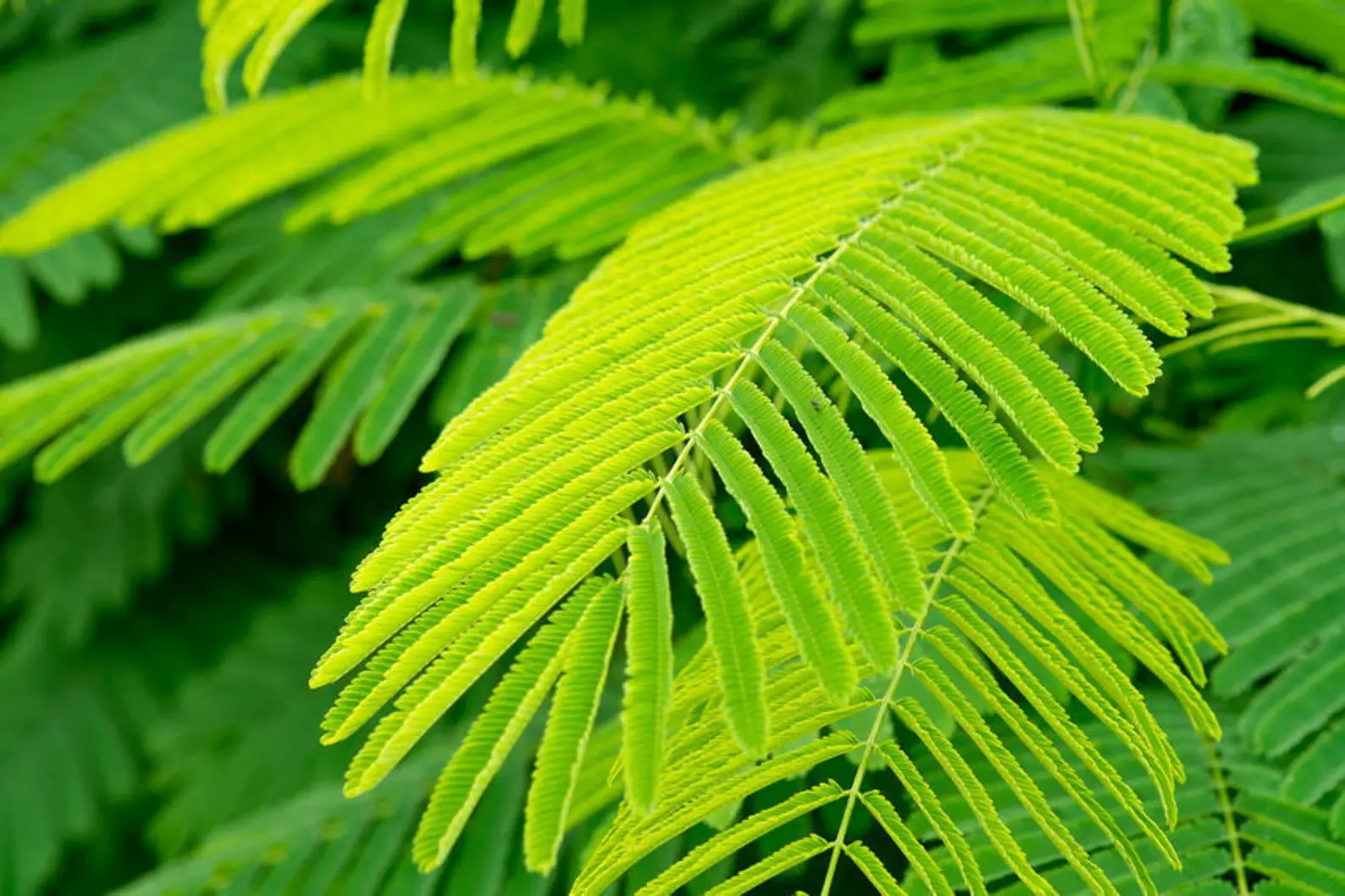
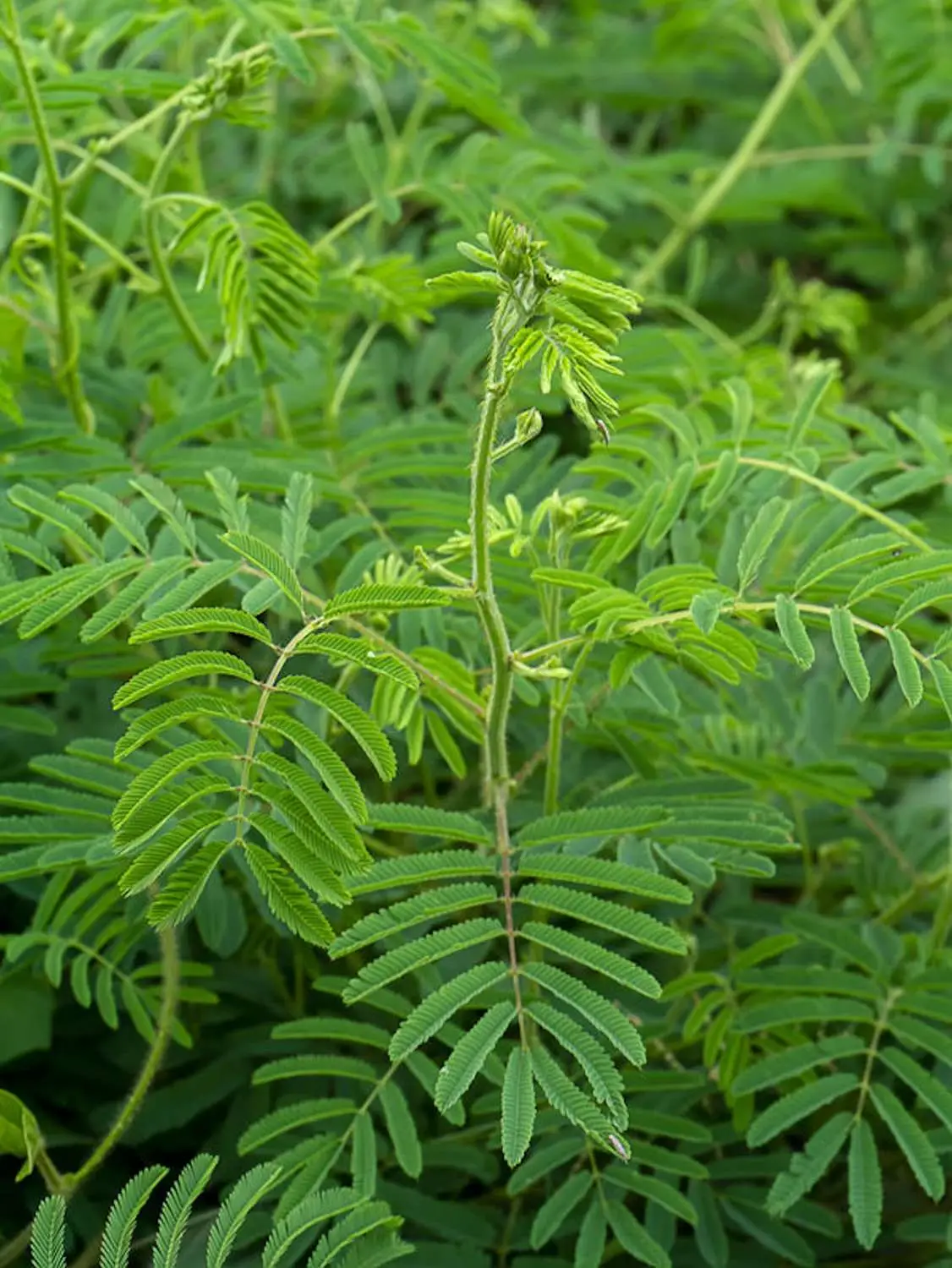
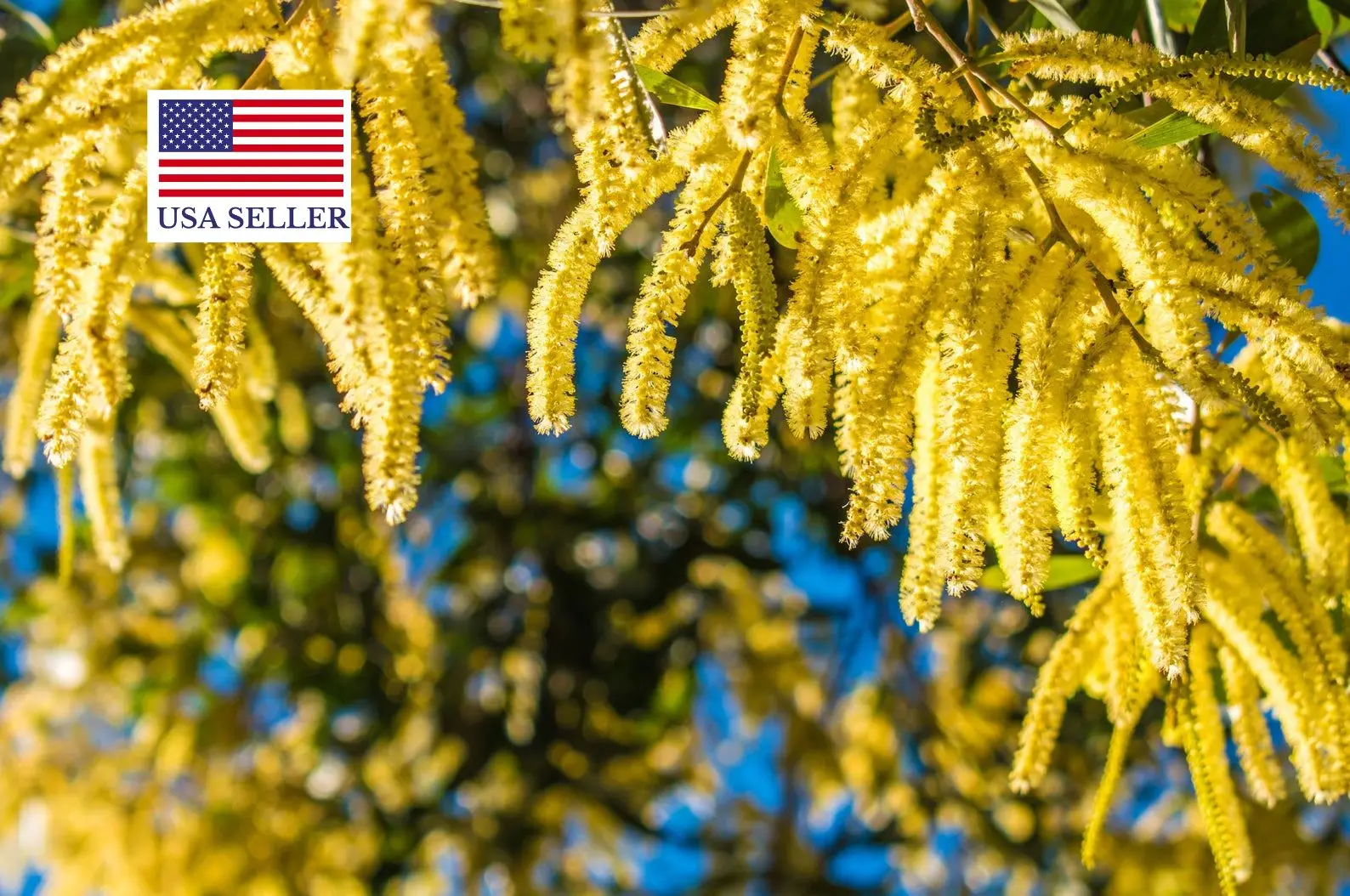
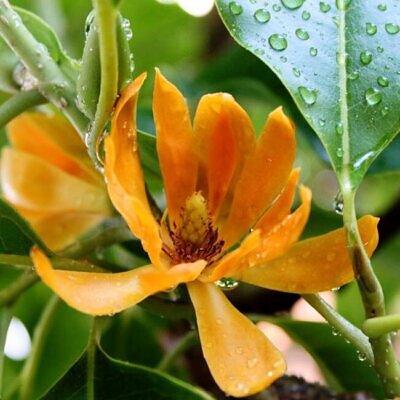
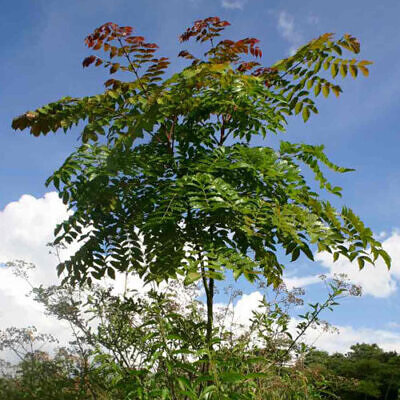
This deciduous, thorny tree grows up to 15 meters, bearing greyish-brown bark that exfoliates into long, narrow strips and pale yellow flowers arranged in cylindrical spikes. The foliage is bipinnately compound with approximately 50 pairs of leaflets, creating an elegant, feathery appearance that softens the tree’s protective thorns. Yet beauty is merely the prelude.
The true magic lies beneath the bark. The heartwood of this plant is a medicinally potent product known as Katha, made up of concentrated extracts of 10–20 year old trees and used as an ingredient in paan (betel leaf masticatory). But catechu’s legacy extends far beyond betel traditions. Acacia catechu is valued for two commercially important products: Katha, used as an ingredient of paan in South Asia and as a flavoring agent in ice cream, beverages, candy, and condiments. Cutch is used as a tanning agent for leather, dye, mail bags, and in oil-well drilling as a viscosity modifier. Most compellingly for the conscious grower: it is a famous herb used for skin problems and management of blood-related disorders, serving as a great blood purifier and skin-rejuvenating herb. In medieval Bengal, it was incorporated in cosmetic pastes for skin whitening and tightening—beauty rituals that persist in rural areas today.
From heartwood, growers extract the concentrated treasure through traditional boiling: heartwood chips are boiled in earthen pots or copper vessels, producing a solid, dry brown mass known as Katha or Khadira Sara, which is used commercially, for dyeing, medicine, and as an indispensable ingredient of betel-chewing preparations. The resulting extract is rich in tannins (25–33%), catechins such as catechin and epicatechin, flavonoids including quercetin, and other polyphenols that contribute to its therapeutic and industrial applications. This is why the tree has endured centuries of cultivation and trade—its heartwood is genuinely multipurpose wealth.
Cultivation rewards the patient grower. Acacia catechu is a deciduous tree growing to 15 meters at a fast rate. It is suitable for light sandy, medium loamy, and heavy clay soils and can thrive in mildly acid, neutral, and basic soils. It is a fairly sturdy plant growing in variable climatic conditions and is widely distributed throughout India and China except in humid and cold regions. It occurs naturally in mixed deciduous forests and savannas of lower mountains and hills, especially in drier regions on sandy soils of riverbanks and watersheds. It requires full sun and can tolerate drought once established, but thrives best in well-drained soils. Seeds benefit from brief treatment: soak in boiling water, then leave to cool for 24 hours before sowing. Early growth is moderate, but the tree’s rewards compound over years—by 10–20 years, your tree will harbor the concentrated heartwood extract that alchemists and healers have pursued for centuries.
This is not a tree you grow for immediate gratification or fleeting beauty. This is a tree you plant for legacy. You nurture it through seasons, watching its graceful foliage develop and its thorny branches reach skyward, knowing that within lies a treasure of tannins, flavonoids, and catechins—compounds with names derived from this very species. Imagine harvesting your own heartwoo
Only logged in customers who have purchased this product may leave a review.

Reviews
There are no reviews yet.