Description
Highly decorative, the species demanding on moist soils when young, is found in tropical and subtropical climates.
Rapid growth
A real wonder when in bloom.
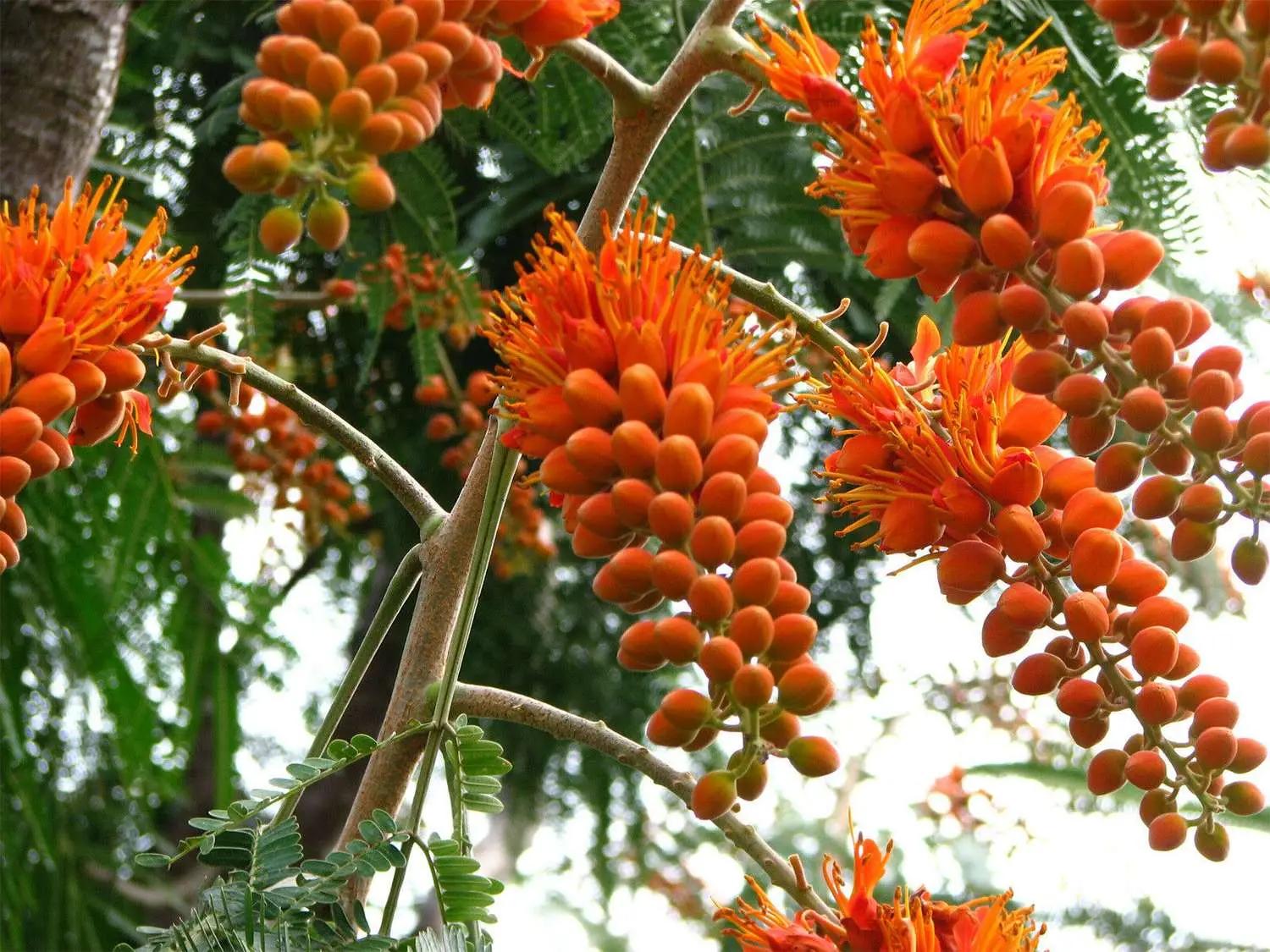
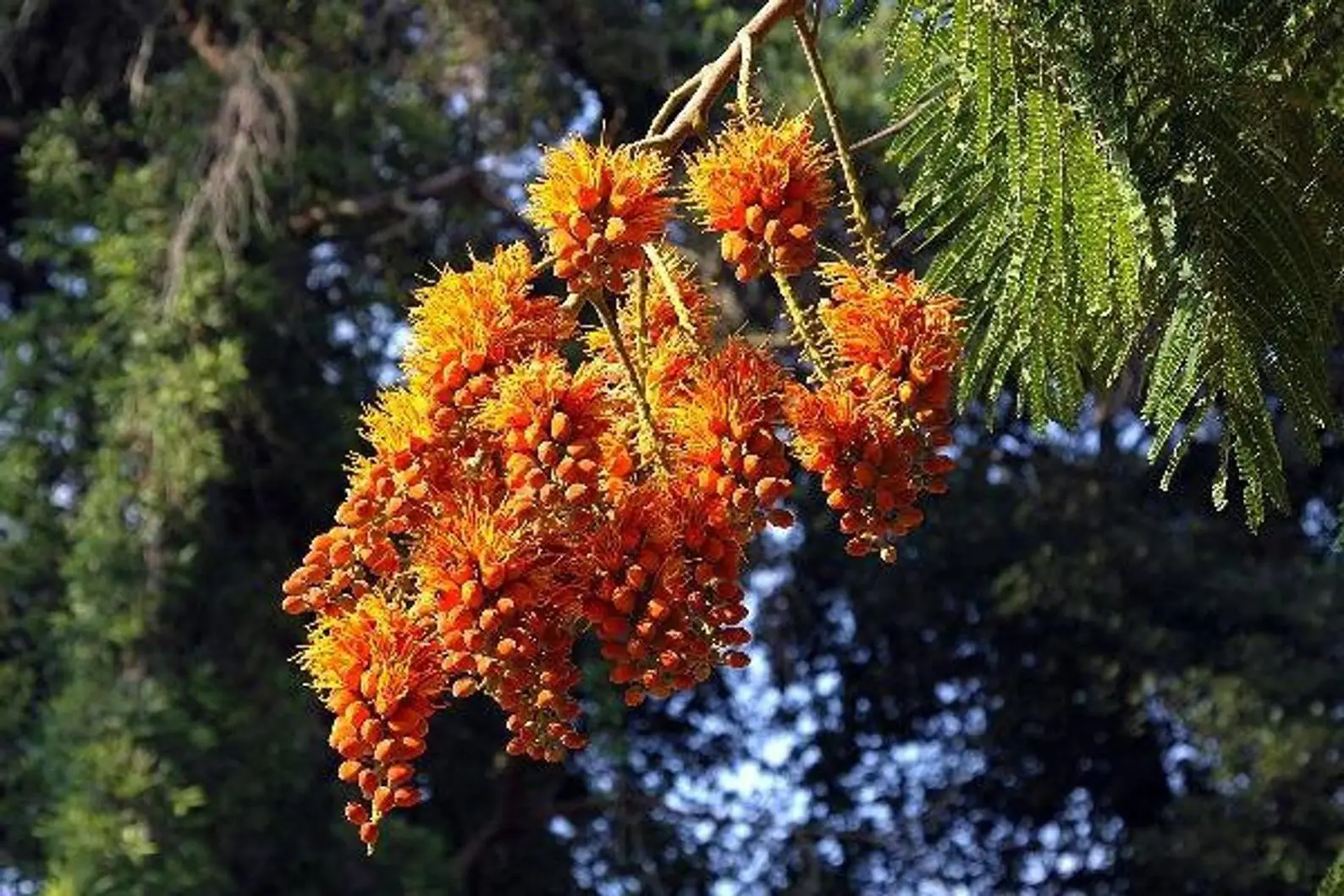
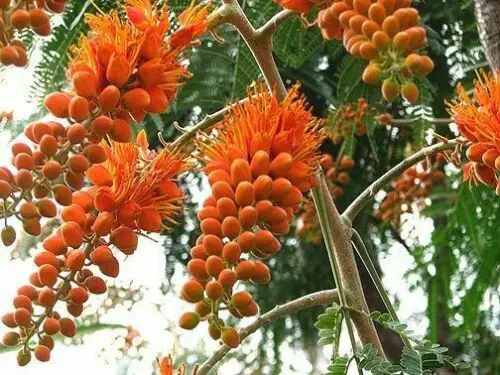
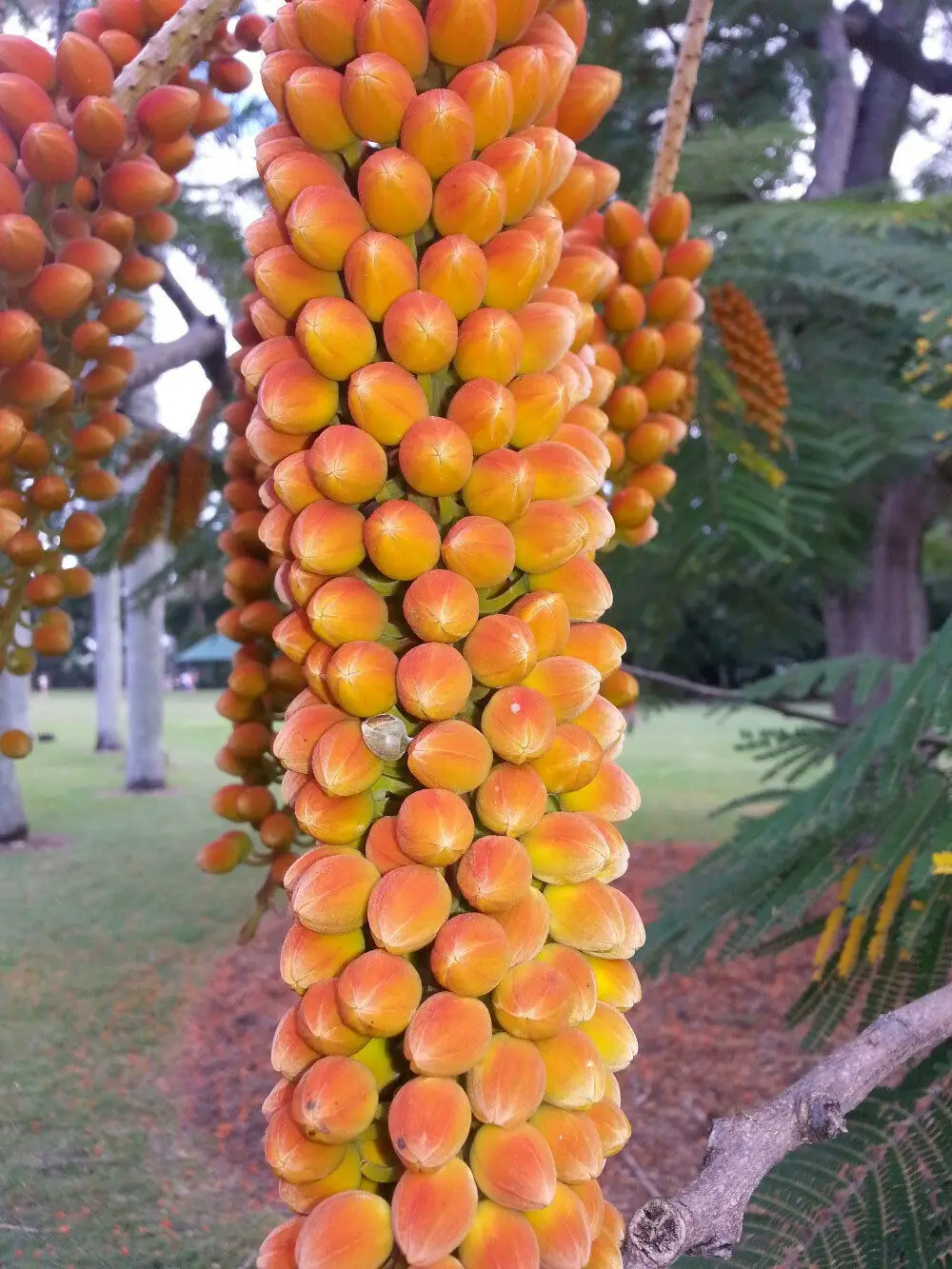
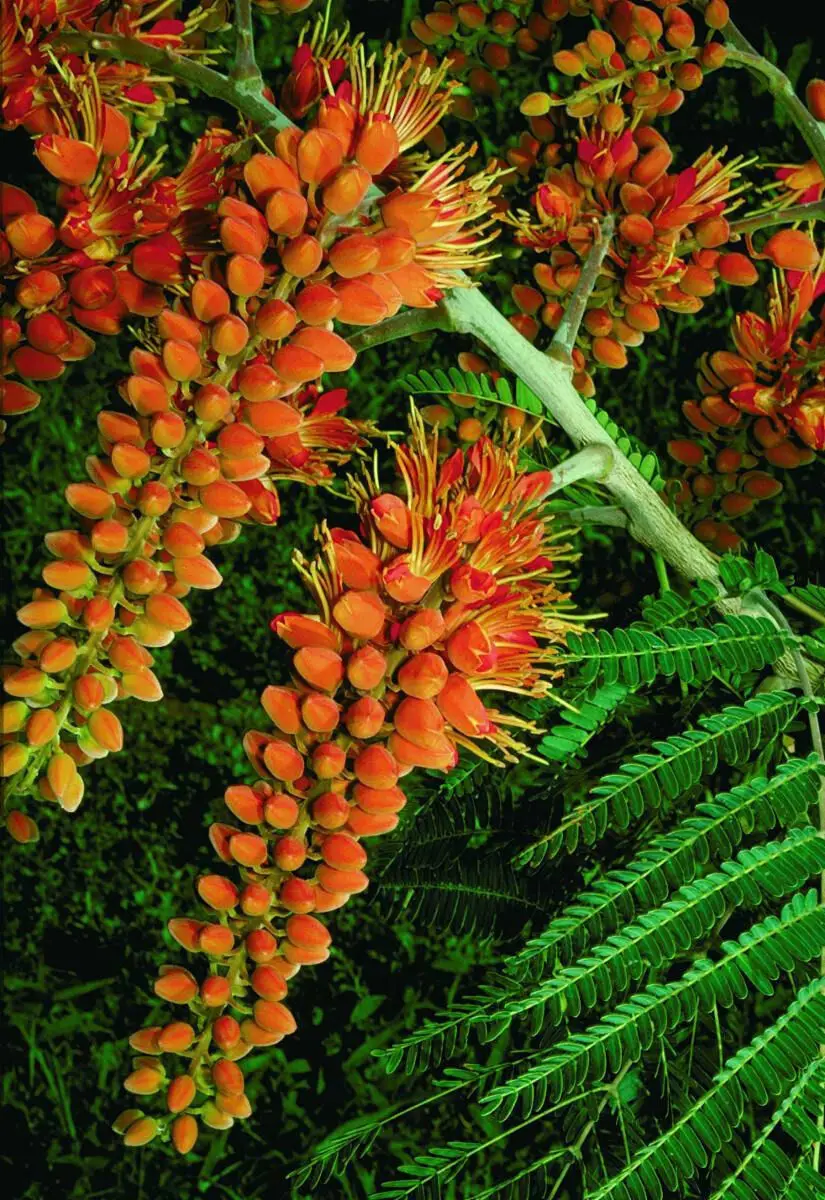
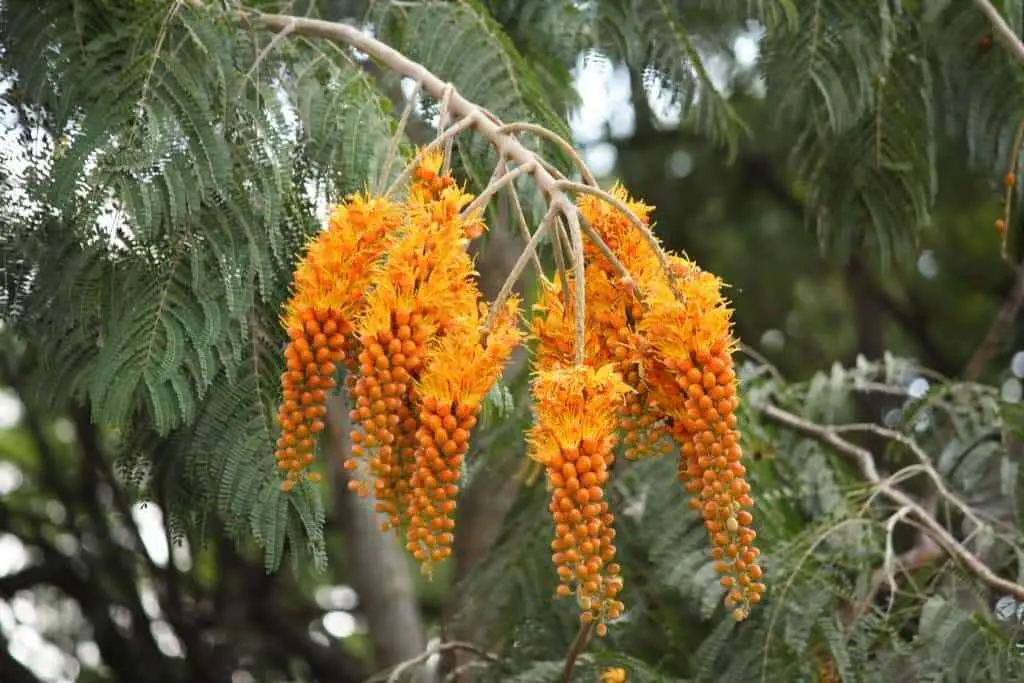
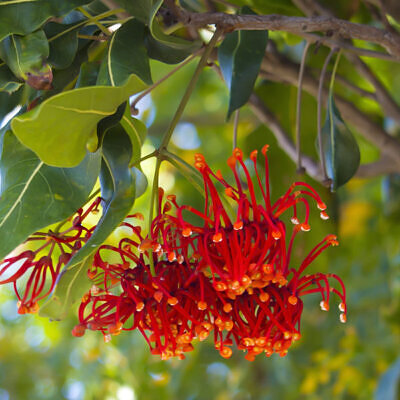
The flowers are very different, flowers grouped in hanging branches like a huge bunch of grapes, the flower buds start to open from top to bottom with long stamens forming the aspect of a beautiful plume around the flowers.
Each flower cluster measures on average 45 – 50 cm and is composed of hundreds of flowers, the flower buds start in reddish tones and turn richly orange, foliage bright like a giant fern.
A rare, easy and fast growing specimen, tolerant to drought once well established, prefers soil that retains moisture and promotes good drainage.
It can grow up to 15 meters in height, but it hardly exceeds 9 meters.
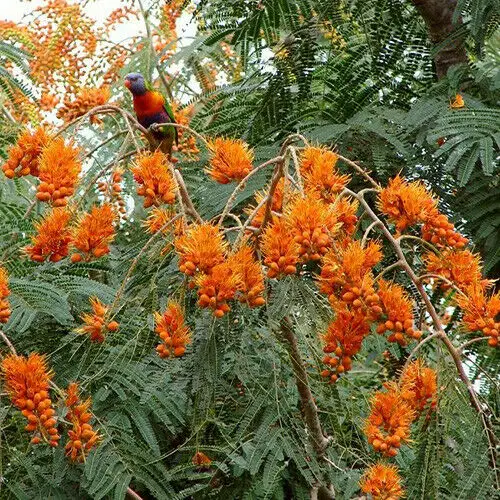
Extremely attractive species for various birds, hummingbirds, parakeets, butterflies and of great ornamental value.
A beautiful and rare acquisition that we are delighted to offer.
Germination Guide
🌍 Western and Northern Madagascar
Easy
Colvillea racemosa, commonly called Colville's Glory, is a fast-growing tropical tree native to Madagascar, prized for its spectacular clusters of bright orange-red flowers. Seeds have a hard coat and benefit from hot water scarification followed by warm water soaking to improve germination. This is an easy-to-grow species with germination occurring in 2-6 weeks under warm conditions, achieving typical rates of 50-70%.
Germination
Germination time
Expect germination in
14 – 42 days
Temperature
Min 21°C
Ideal 25°C
Max 30°C
Substrate moisture
💧 Medium
Seed Pre-treatment
-
💧
Soaking — 24 hours
Soak seeds in warm water for 12-24 hours after hot water scarification to promote imbibition
-
🔨
Hot water scarification
Pour nearly boiling water over seeds, being careful not to overheat them, then soak for 12-24 hours in warm water until seeds imbibe moisture and swell
-
📋
Additional notes
All parts of the plant may be poisonous if ingested
Substrate & Container
Recommended substrate
Well-drained, sandy compost or light, porous seed-starting mix with good drainage
Recommended container
Individual containers or seed trays
Growing Tips
Use floatation test to identify non-viable seeds before treatment. If seeds have not swollen after initial soaking, carefully nick the seed coat and soak an additional 12 hours. Maintain consistent moisture but avoid waterlogging. Keep soil temperature at 70-80°F (21-27°C) for optimal germination. Seedlings are ready to plant after 6-12 months when they reach 50-100 cm tall. Avoid pressing seeds into substrate; simply cover thinly. Newly emerged seedlings benefit from light exposure for healthy development.
Only logged in customers who have purchased this product may leave a review.

Reviews
There are no reviews yet.