Description
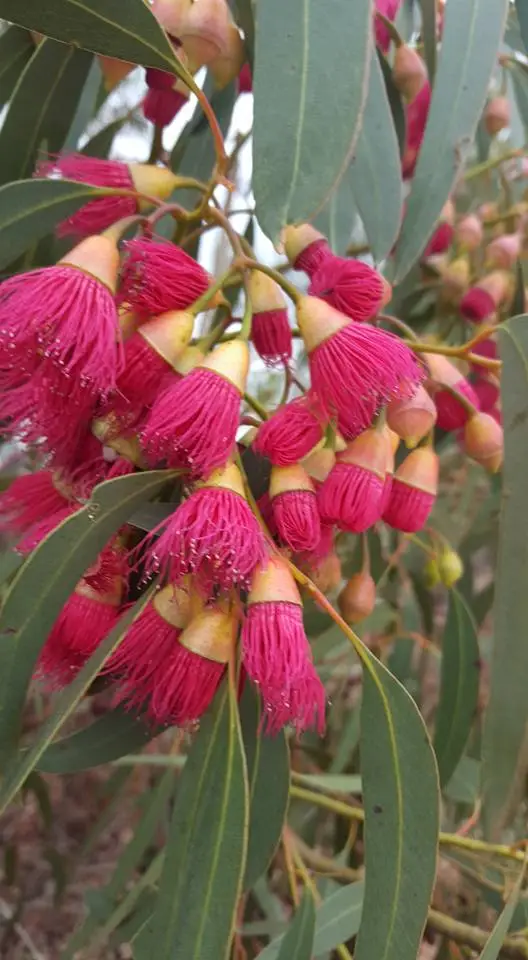
Imagine walking into your garden in mid-winter and finding it ablaze with rose-pink blossom—nectar so rich your bees abandon all other flowers to feast here.
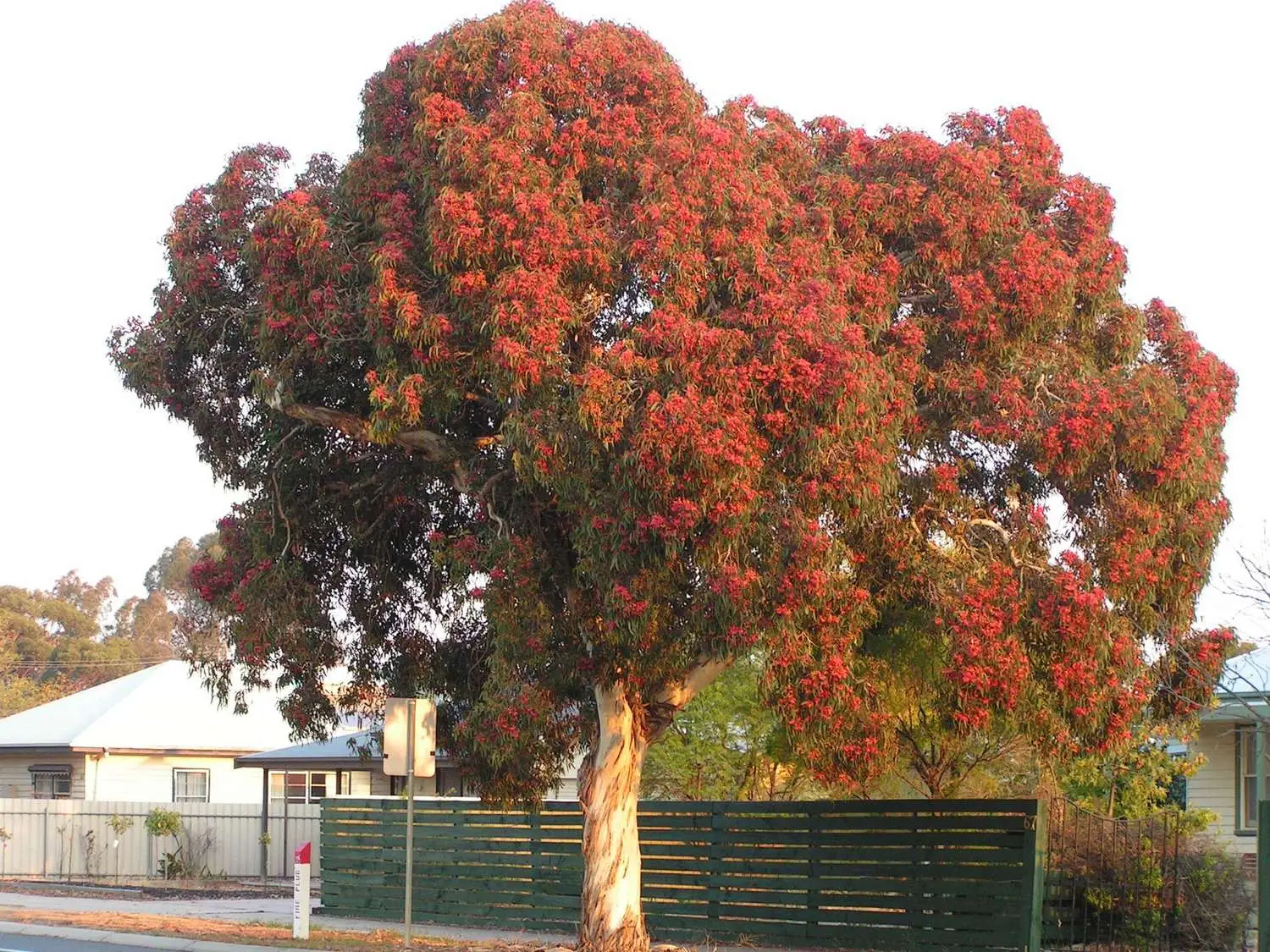
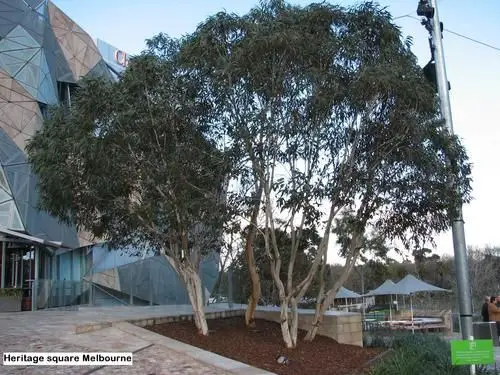
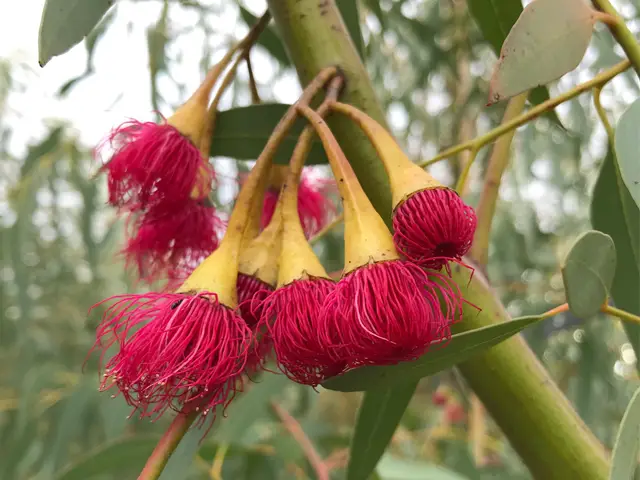
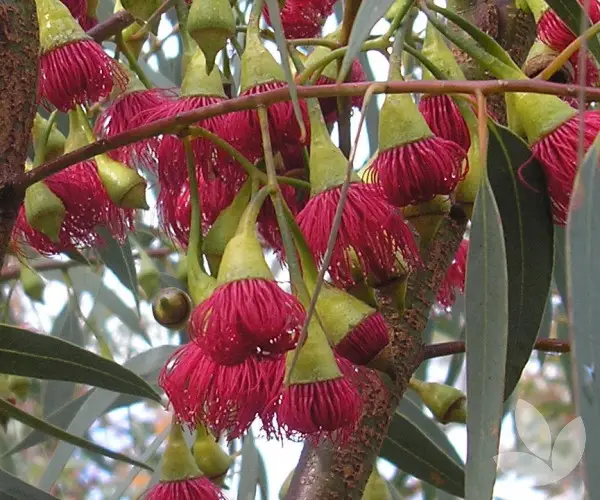
Eucalyptus leucoxylon subsp. megalocarpa, treasured under the cultivar name ‘Rosea’, is a South Australian native that thrives in climates where most red-flowering gums fail. Native to southeastern Australia’s coastal woodlands and grassy forests, this subspecies stands apart from its parent species with a notably compact habit, larger fruits, and—crucially for beekeepers—more reliably deep pink to red flowers that open in profusion during the lean winter months when nectar sources vanish. Its distinctive blue-green, lance-shaped foliage and smooth, peeling white-to-yellow bark make it a year-round ornamental specimen, even when not in bloom.
But here’s where ‘Rosea’ becomes a star: the nectar. This tree is a beekeeper’s dream, regularly planted across Australia for honey production, sometimes called the “honey tree.” The flowers are nectar-rich with inflexed stamens producing abundant floral rewards—and when thousands of tiny flowers cluster on pendulous branches, the bounty is unstoppable. Nectar-feeding birds, native bees, and butterflies converge in a symphony of biodiversity that transforms your space into a living wildlife garden. Beyond honey, the large, decorative gumnuts are prized for flower arranging and floristry—those barrel-shaped woody capsules add a rustic, sculptural touch to fresh and dried displays. It’s ornamental gardening and productive forestry rolled into one elegant frame.
Growing ‘Rosea’ is refreshingly straightforward. Plant in full sun (at least 6–8 hours daily) in well-drained sandy or loamy soil—this is not a tree for waterlogged clay. Remarkably adaptable, it tolerates acidic to alkaline soils and poor, sandy earth with ease. Water regularly during establishment (first 12 weeks), then reduce significantly; once mature, it thrives on drought alone, making it ideal for Mediterranean, warm-temperate, and even cool-temperate climates. It frost-tolerates light to moderate frost, though it dislikes tropical humidity. Starting from seed is effortless—germination is reliable and rapid, and seedlings will flower when just 1 metre high if grown as a container specimen. Minimal pruning needed once established; simply remove dead or crossing branches in late winter.
Grow this tree from seed and you’re planting not just beauty, but a winter gold-rush for your bees. You’re creating shelter for native birds, color when gardens sleep, and a legacy of nectar in the coldest months. This is eucalyptus gardening at its most romantic—and most rewarding.
Germination Guide
🌍 South Australia (southeast) and Victoria (southwest), Australia
Easy
Eucalyptus leucoxylon subsp. megalocarpa, the Large-Fruited Yellow Gum, is a hardy Australian native evergreen tree native to southeastern South Australia and southwestern Victoria. It is characterized by large pink to red flowers appearing from late winter to early spring, large decorative fruits, and attractive olive-grey spear-shaped foliage.
Germination
Germination time
Expect germination in
10 – 28 days
Temperature
Min 18°C
Ideal 20°C
Max 25°C
Substrate moisture
💧 Medium
Substrate & Container
Recommended substrate
seed-raising mix, porous seed raising mix, peat moss, vermiculite
Recommended container
seedling trays, seed-raising containers
Growing Tips
Seeds require light to germinate and should be sown on the surface without covering. Keep substrate moist but not waterlogged using fine mist spray. Best sown in spring or autumn in temperate climates. Seeds may lay dormant until conditions match natural germination requirements. High humidity during germination improves success rates.
Only logged in customers who have purchased this product may leave a review.

Reviews
There are no reviews yet.