Description
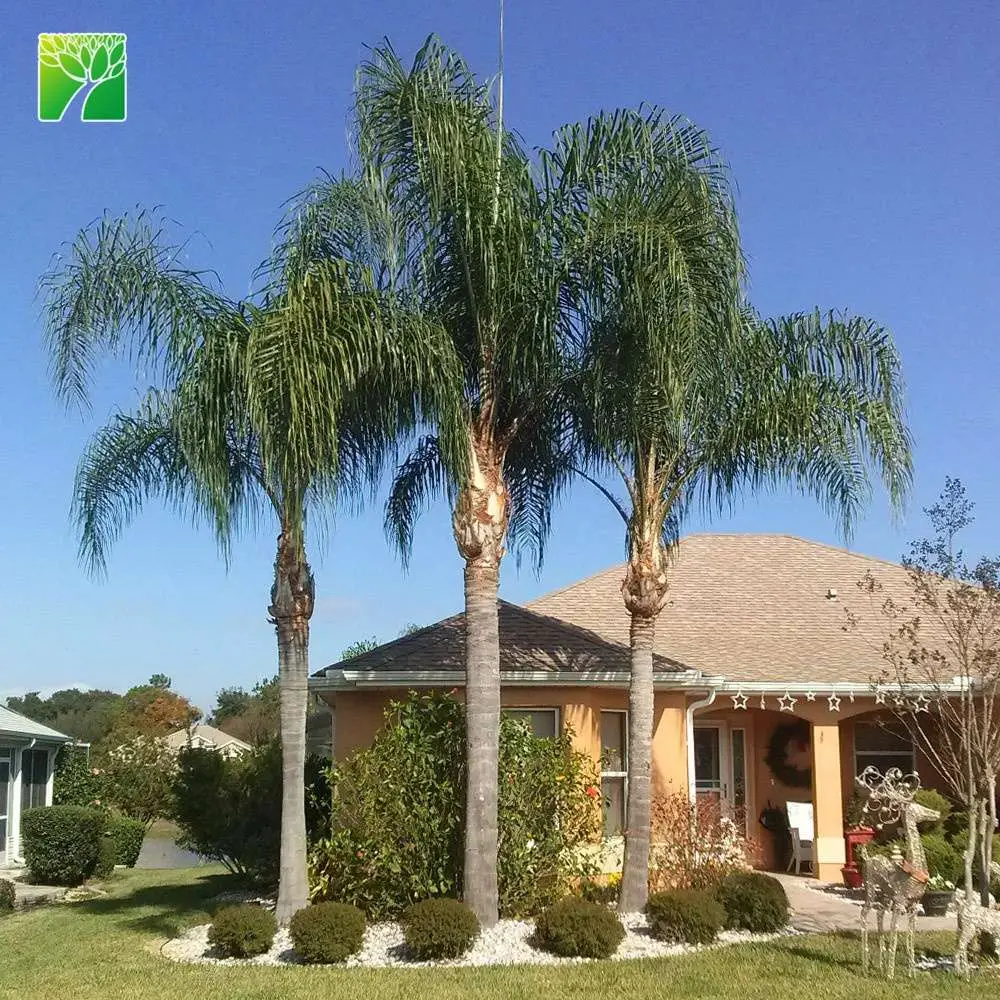
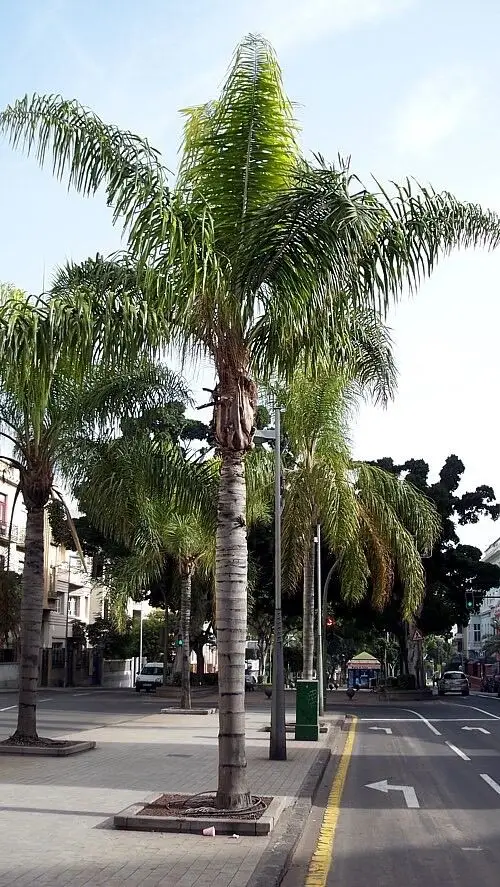
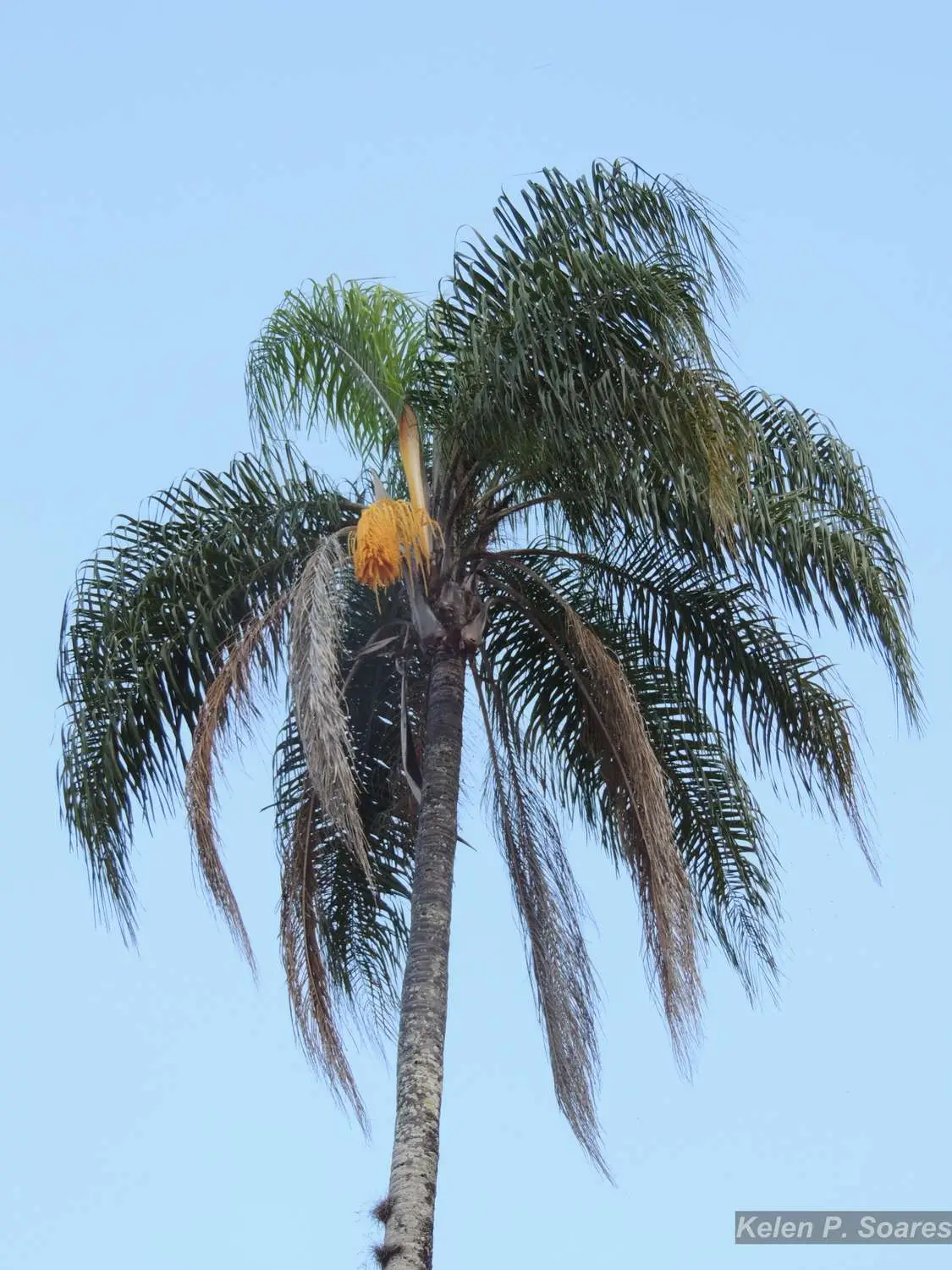
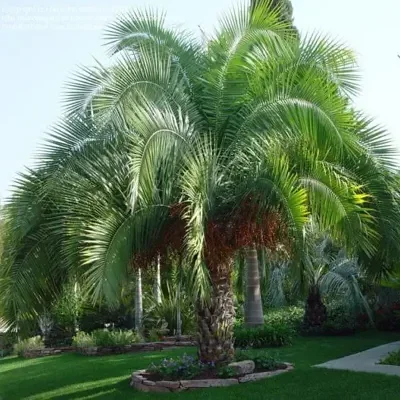
With its stout trunk and elegant crown of plumose leaves, the Queen Palm is a common and familiar sight in streets, gardens, and parks in milder climates around the world. Its ready availability, fast growth, and subsequent low price make it a popular choice for growers, to the exclusion of perhaps less common but more interesting contenders. Together with Phoenix and Washingtonia, it is certainly the most used street palm in the world.
Germination Guide
🌍 South America - Brazil, Paraguay, Uruguay, Argentina, Bolivia
Moderate
Queen Palm (Syagrus romanzoffiana) is a popular ornamental palm native to South America. Seeds exhibit dormancy and slow, erratic germination requiring specific pretreatment for successful propagation.
Germination
Germination time
Expect germination in
42 – 180 days
Temperature
Min 25°C
Ideal 30°C
Max 35°C
Substrate moisture
💧💧 High
Sowing depth
Lightly covered
Seed Pre-treatment
-
💧
Soaking — 24 hours
Water soaking for 24 hours after operculum perforation increases germination rates to 82-90%
-
🔨
Mechanical scarification
Perforation of operculum (seed coat) recommended
-
📋
Additional notes
Fresh seed from intermediate or mature fruits recommended; operculum perforation + 24hr water soaking yields best results (82-90% germination)
Substrate & Container
Recommended substrate
Sand or well-draining soil mix
Recommended container
Plastic boxes or pots with drainage
Growing Tips
Use fresh seeds from mature fruits; seed storage reduces germination dramatically (less than 10% after 2 years); constant light during incubation beneficial; very high temperature (90-95°F/32-35°C) recommended; maintain high humidity; seeds are slow and erratic germinating
Only logged in customers who have purchased this product may leave a review.




Reviews
There are no reviews yet.