


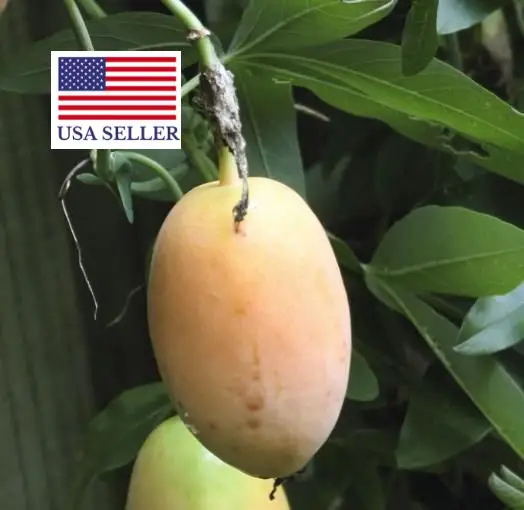
Botanical nomenclature: Passiflora incarnata
Common name: Passion Fruit Incarnata, Apricot Vine, Passion Flower Apricot Vine, Passion Fruit, Maypop Passionflower, Passion Vine
Family: passifloraceae
€8.96
Origin: North America
Height: 10 – 15 meters
Brightness: full sun
Climate: see description below
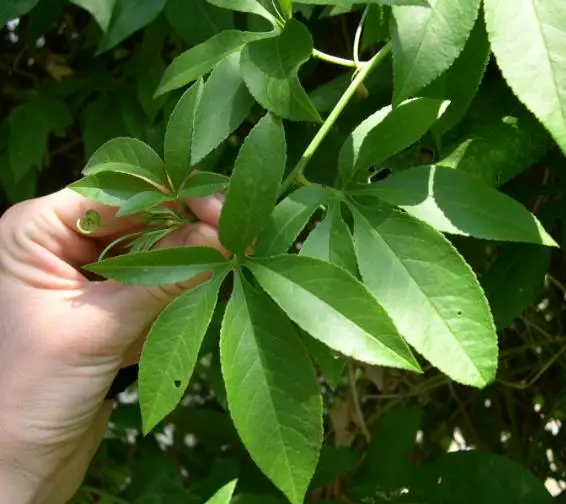
Passiflora incarnata is native to the eastern and southern United States where it is commonly known as maypop passionflower or apricot vine. A member of the passiflora genus, the maypop has large flowers, one of the most resistant species of passion fruit in that area. Plants need direct sunlight for at least half the day.
Maypop occurs in thickets, disturbed areas, close to river banks and uncultivated pastures, roads and railways; thriving in areas with lots of sunlight available. It is not found in shaded areas under a forest canopy.
Excellent rootstock for other varieties due to the rusticity in cultivation.
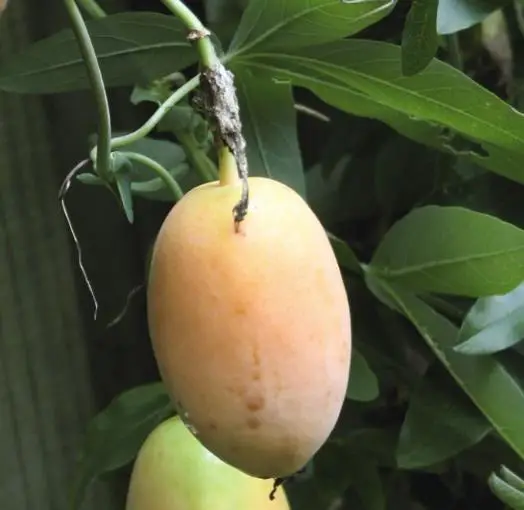
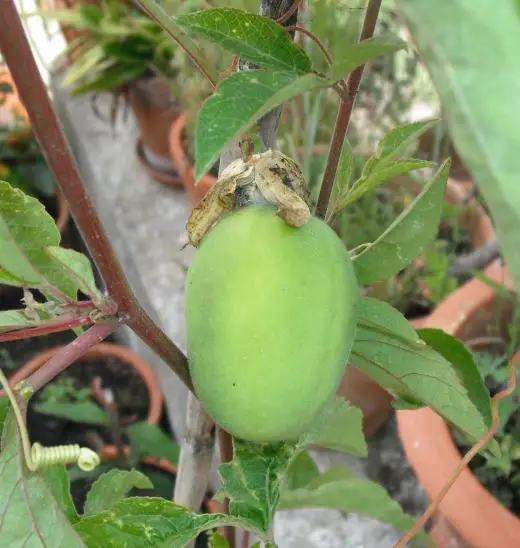
Vigorous vine (climbing vine) from the passifloraceae family, very productive, the slightly elongated oval fruits are yellow-orange in maturity and the size of a chicken egg with tasty fresh pulp and are also widely used in the preparation of pies and jams.
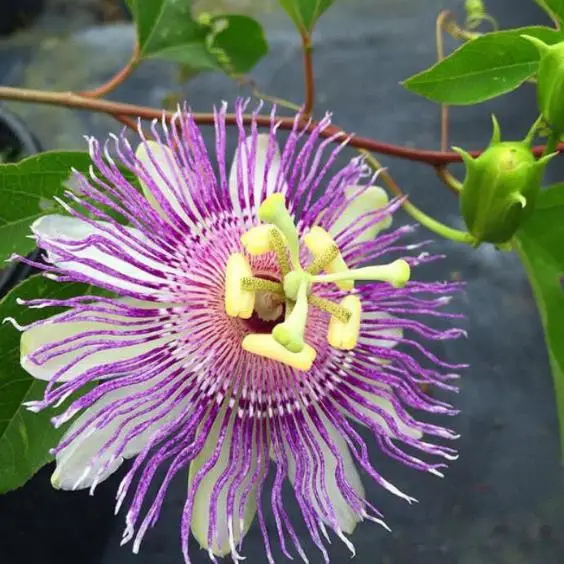
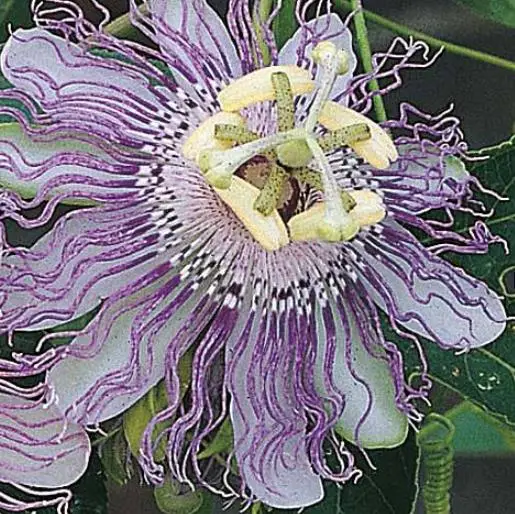
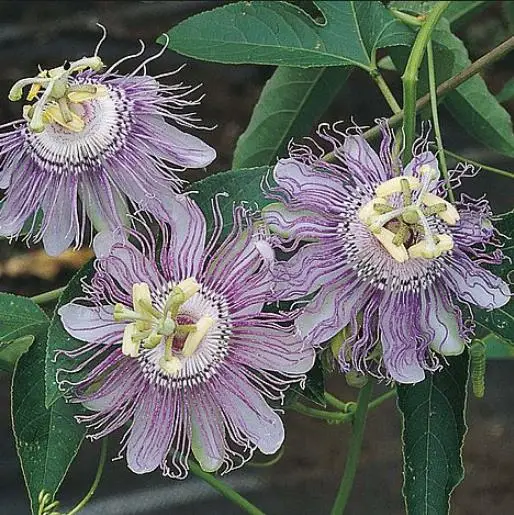
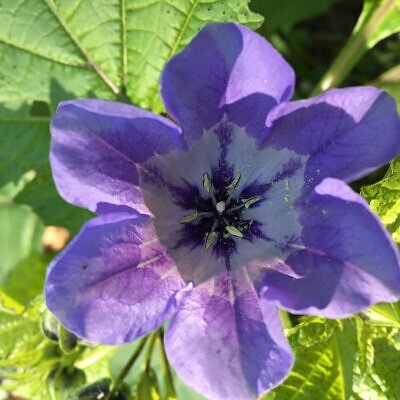
The large passion flowers in this variety are beautiful, in white and pink – lavender colors can reach 10 – 12 centimeters in diameter.
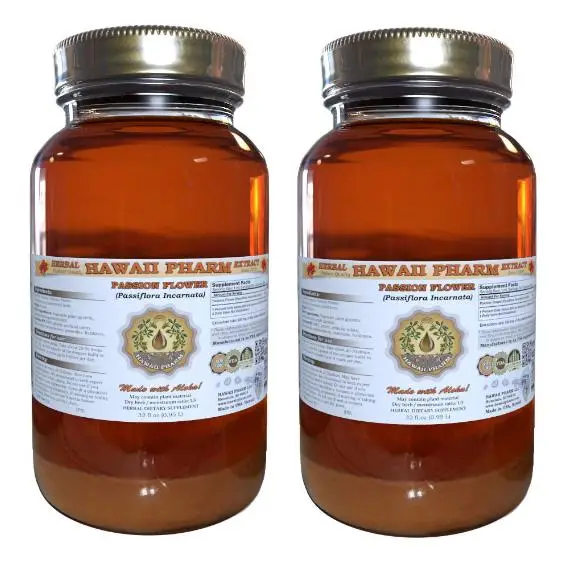
The flowers of this variety of passion fruit are used fresh or dried to make a relaxing tea to combat problems of anxiety, insomnia and digestion. Passiflora incarnata has long been valued in traditional herbal medicine and is still widely available today in a variety of forms including bagged teas, tinctures and liquid and solid extracts (capsules).
History and folklore:
The passion flower symbolizes spirituality. 16th century missionaries visiting south america believed that their flowering symbolized the death of christ, the petals and sepals represented the disciples, the double row his crown of thorns, and the stamens, represented his wounds.
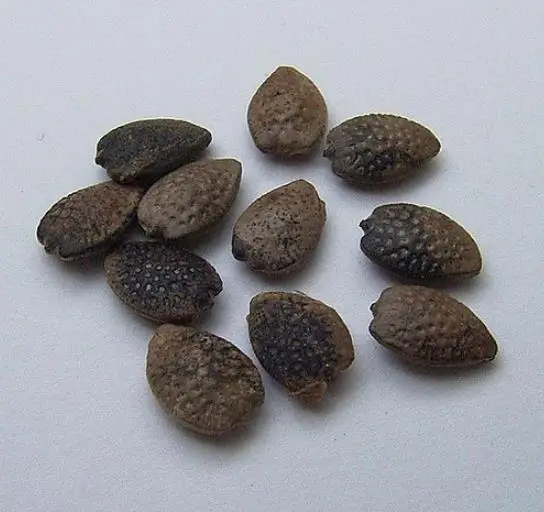
The seeds must be immersed in warm water for a period of 24 – 48 hours, must be sown next and lightly covered; passion fruit seeds need a lot of light to germinate, light and porous substrate is essential for the germination of the species. Maintaining constant humidity throughout the germination phase is crucial. Direct solar lighting is not recommended, only brightness.
Vigorous climbing plant that can be planted from sea level to over 1,200 meters in altitude.
As an ornamental, it is ideal for covering pergolas, fences, fences, walls and etc; the flowers attract hummingbirds and bees, they are very aromatic and, tasty fruits can be tasted in natura or in the preparation of juices, ice creams, jellies and sweets.
Only logged in customers who have purchased this product may leave a review.
Reviews
There are no reviews yet.