Description
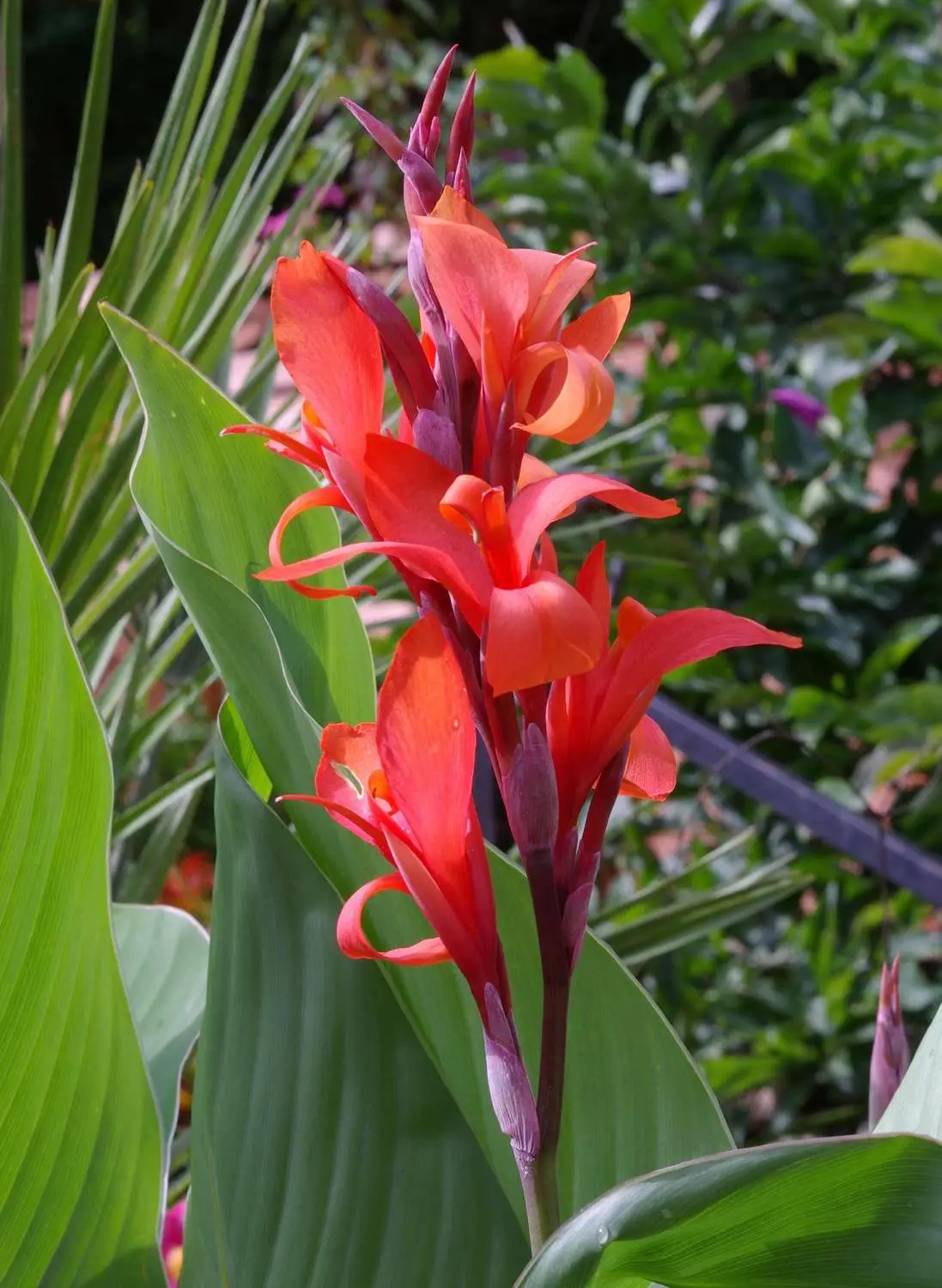
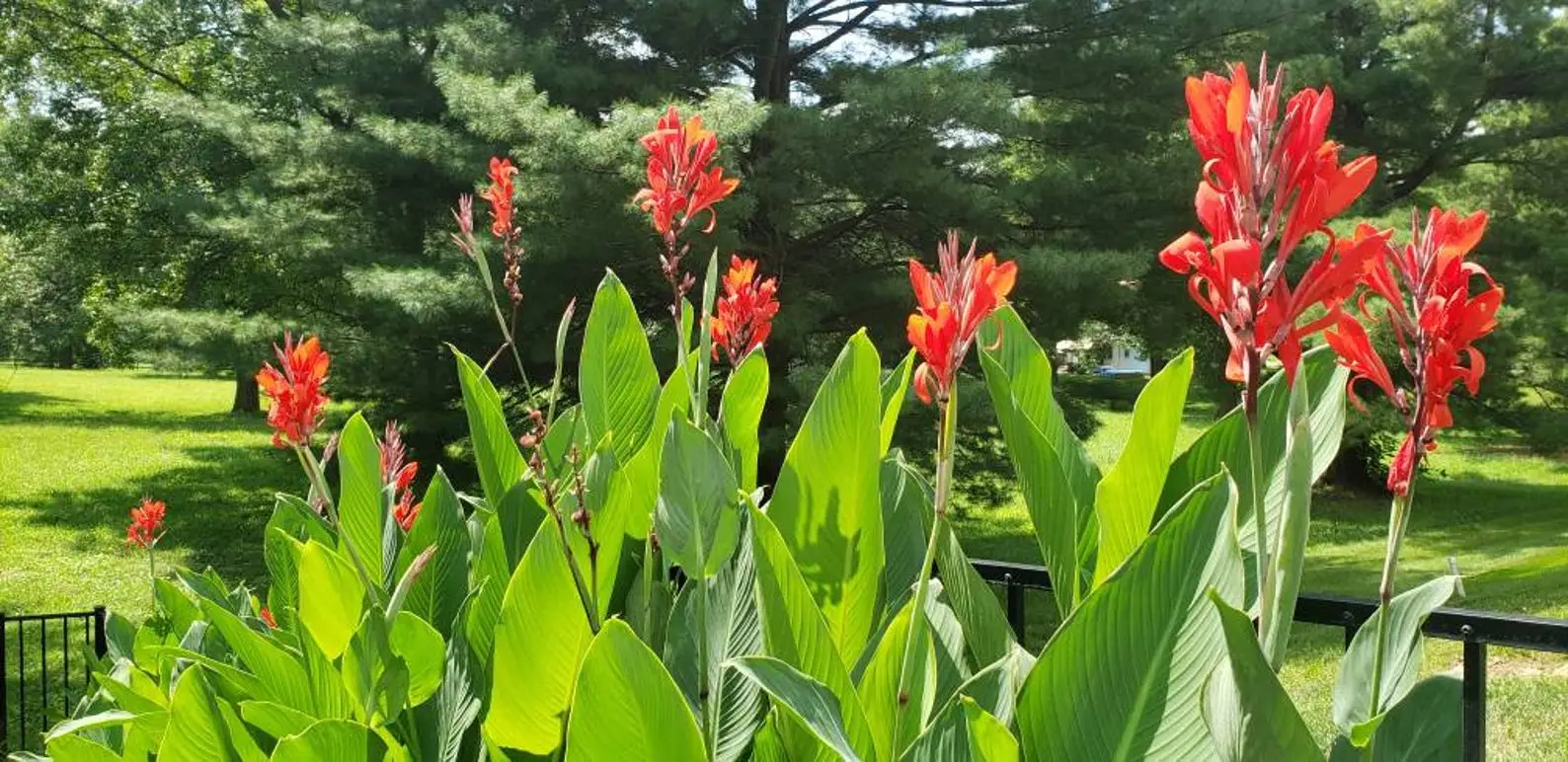
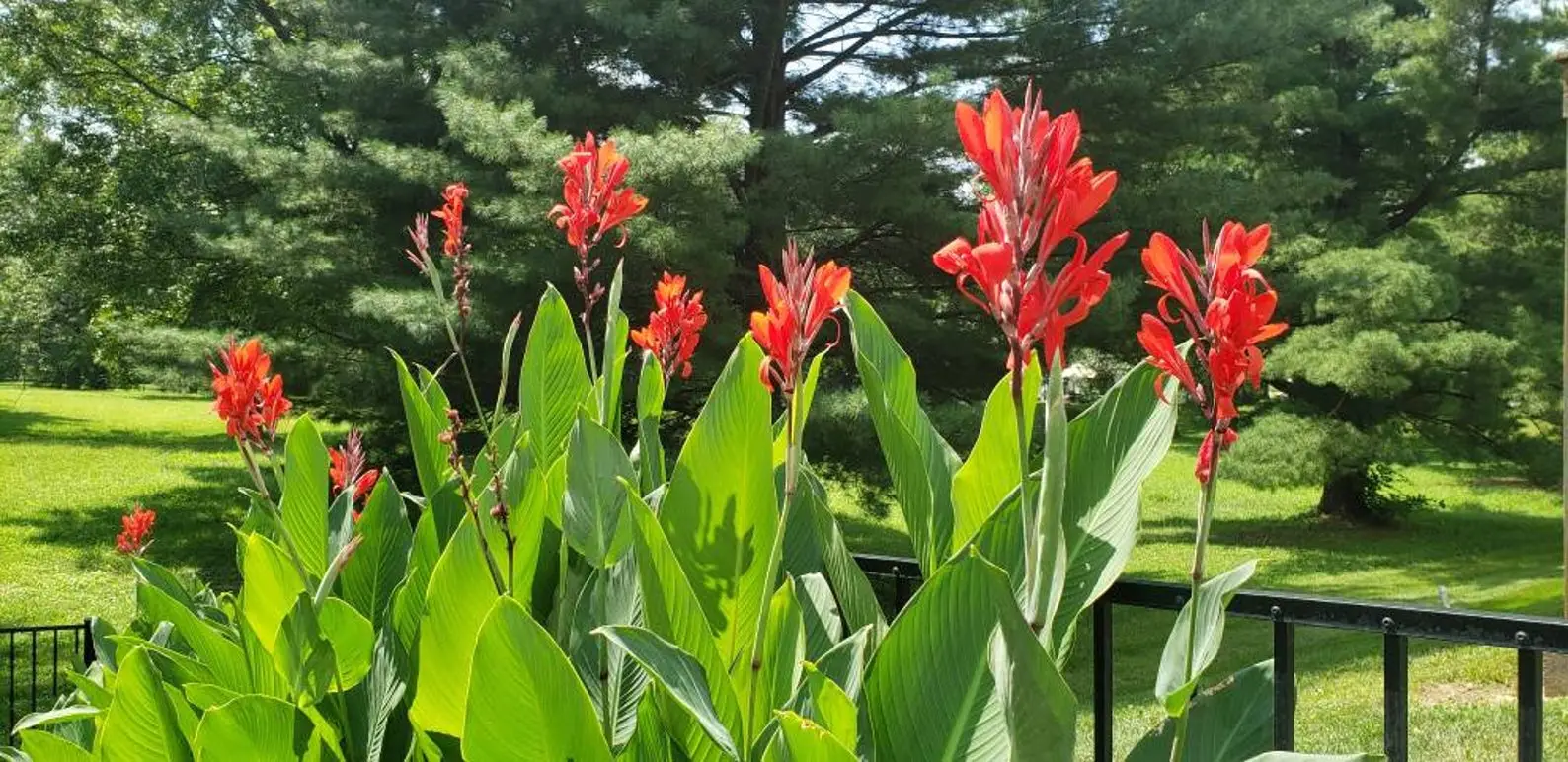
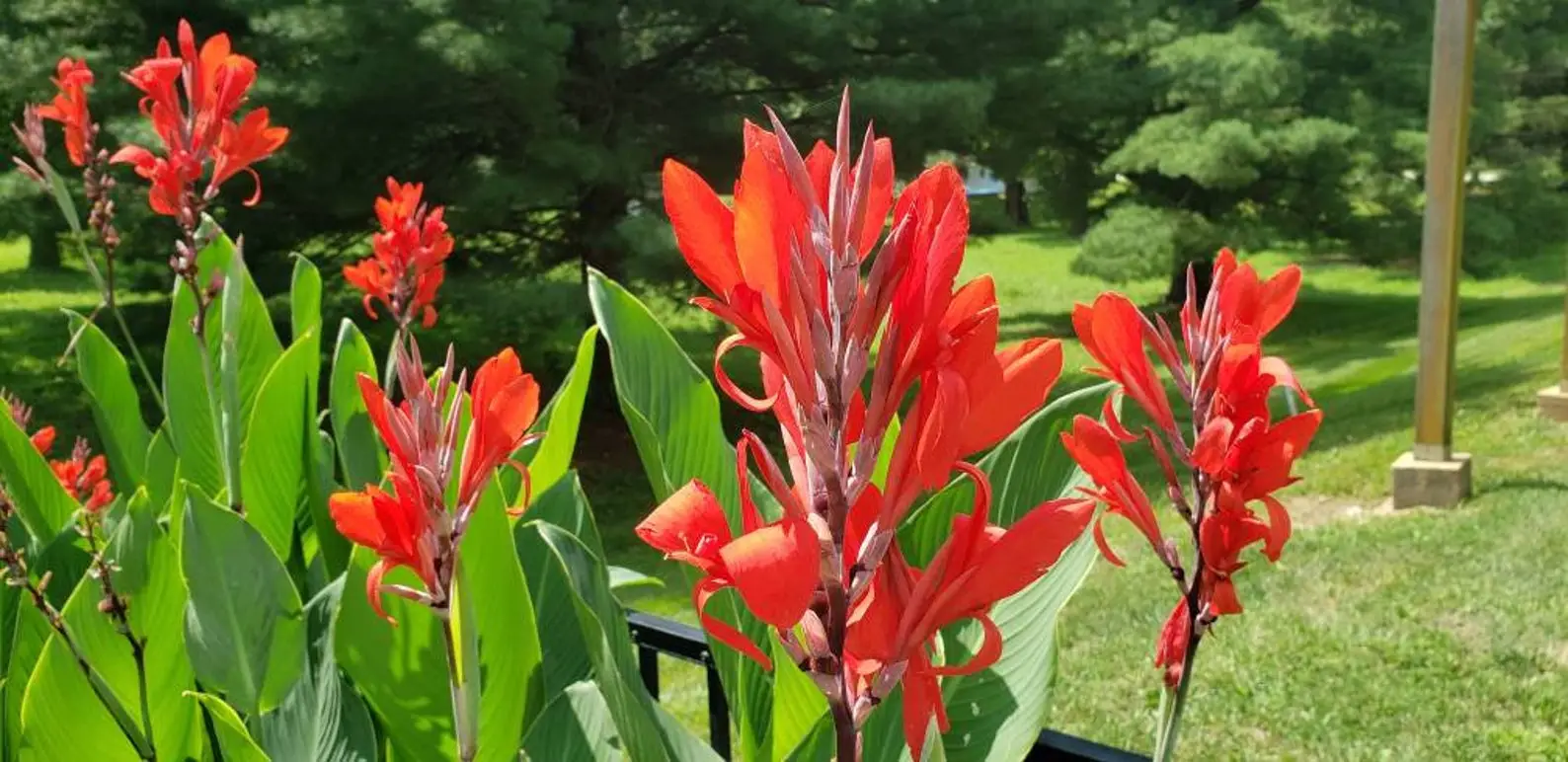
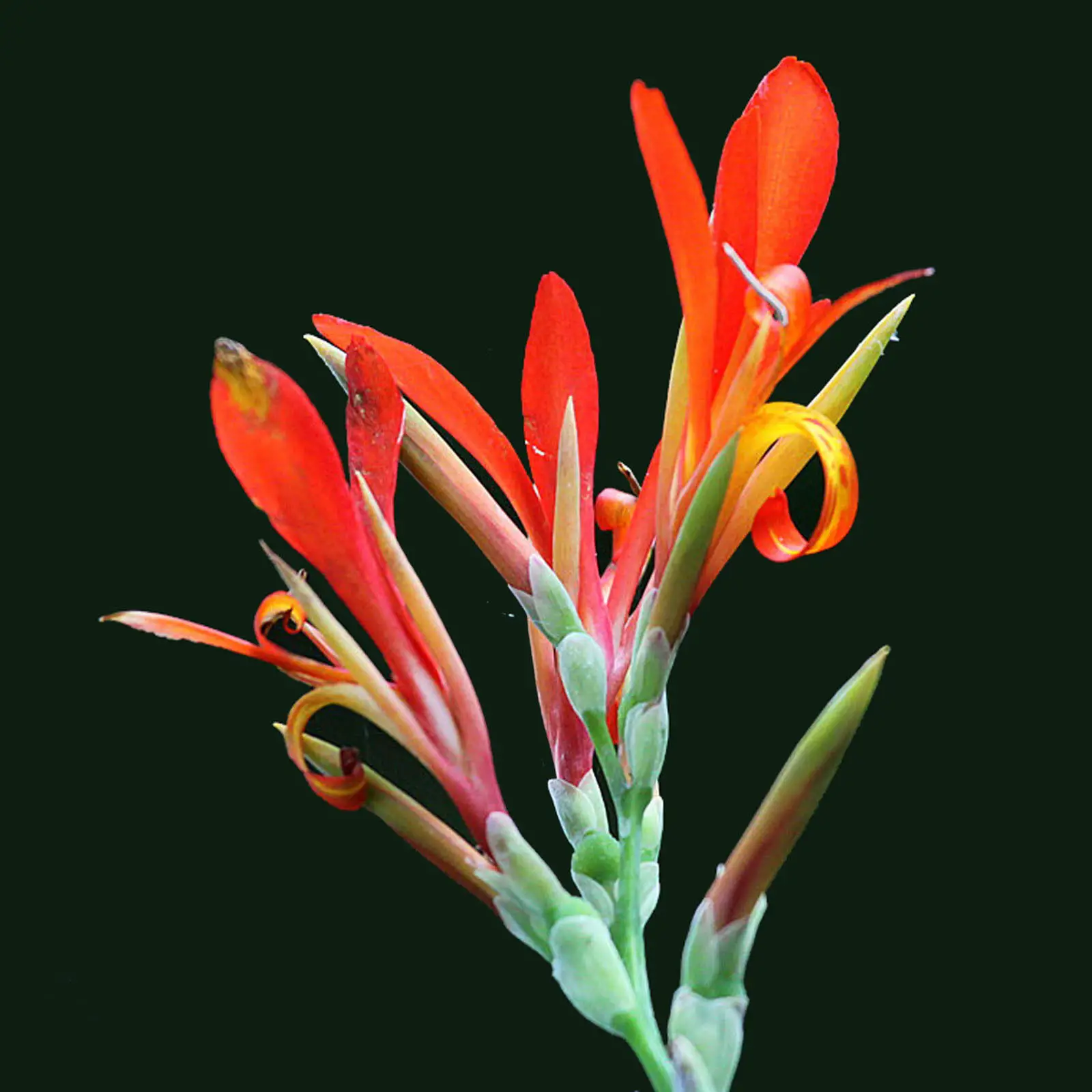
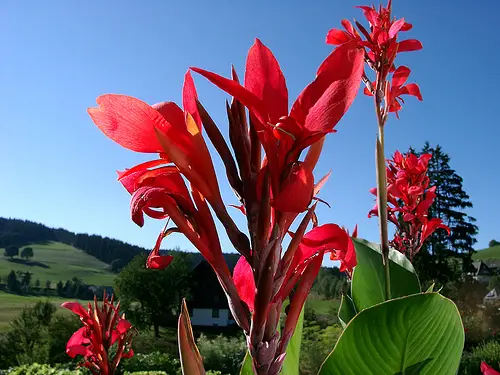
An attractive, Heliconia-like perennial with broad leaves and bright red flowers, native to the New World tropics but widely cultivated elsewhere. In a cold or dry season, Canna indica loses its foliage in winter and endures underground with a fleshy rhizome.
Germination Guide
🌍 Central America, South America, West Indies
Moderate
Canna indica (Indian shot) is a tropical ornamental perennial native to Central and South America. Seeds have extraordinarily hard, dense seed coats that require mandatory pretreatment to achieve germination. Though challenging, germination is achievable with proper scarification and soaking techniques.
Germination
Germination time
Expect germination in
7 – 30 days
Temperature
Min 18°C
Ideal 21°C
Max 23°C
Substrate moisture
💧 Medium
Sowing depth
Lightly covered
Seed Pre-treatment
-
💧
Soaking — 24 hours
Soak in lukewarm water for 12-24 hours after mechanical scarification. Some sources recommend hydrogen peroxide (0.5 teaspoon per 2 cups water) to prevent fungal issues. Can substitute soaking for scarification alone as alternative method.
-
🔨
Mechanical scarification
Seeds have extremely hard coats. Scarify using file or sandpaper to nick seed coat until light color (endosperm) is visible. Alternative: hot water treatment (50°C for 30 minutes) or sulfuric acid (3-4 hours). Mechanical scarification is most common home method.
-
📋
Additional notes
Pretreatment is necessary; seeds will not germinate without it. Hot water (50°C/122°F for 30 minutes) achieved maximum germination (52.66%) in scientific studies. Sulfuric acid treatment (3-4 hours) also effective. All methods aim to soften extremely hard seed coat.
Substrate & Container
Recommended substrate
Seed starting mix, multipurpose compost, or Jiffy Mix. Sterile medium recommended to prevent damping-off.
Recommended container
Small pots (3-4 inch) or cell trays. Maximum 4-5 seeds per pot to reduce transplanting difficulty.
Growing Tips
Keep soil moist but not soggy during germination. Cover pots with plastic wrap to retain moisture. Once seedlings emerge, move to bright light. Transplant when 6+ inches tall. Expected time to first bloom: approximately 100 days after planting. Seeds can germinate in jar during soaking if given 10+ days with hydrogen peroxide added to water.
Only logged in customers who have purchased this product may leave a review.

Reviews
There are no reviews yet.