
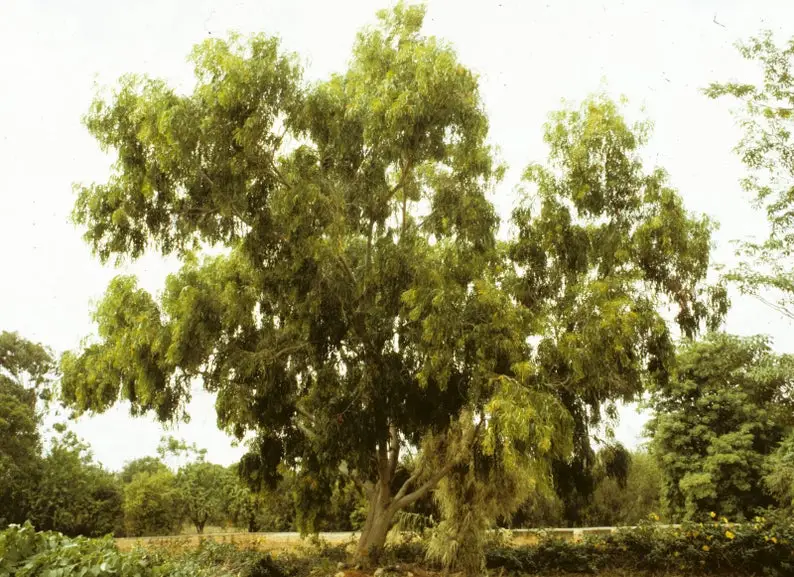
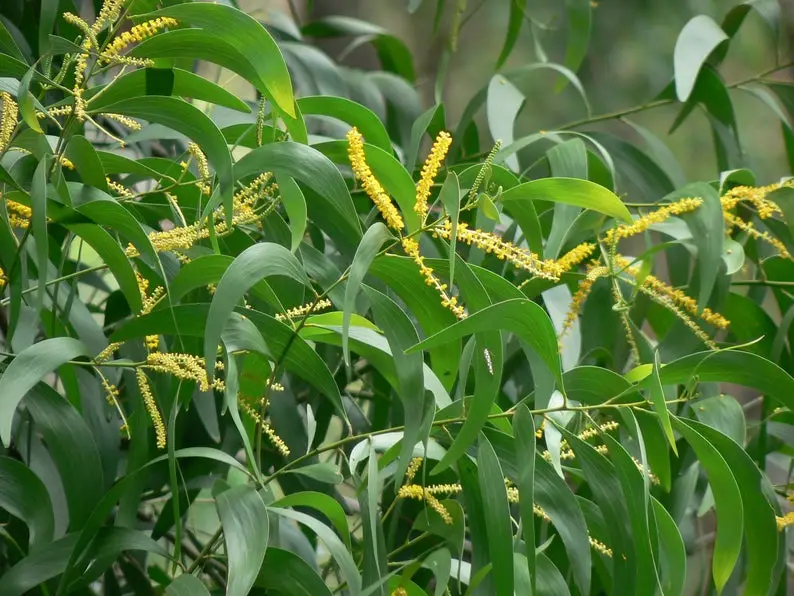
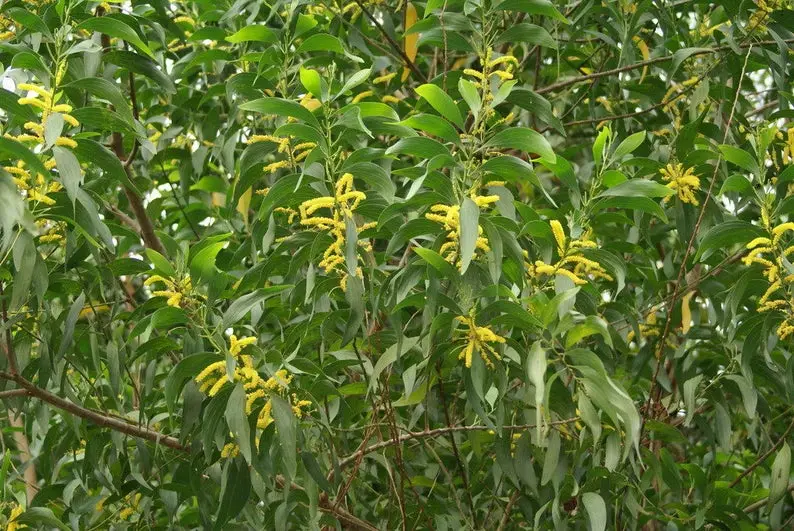
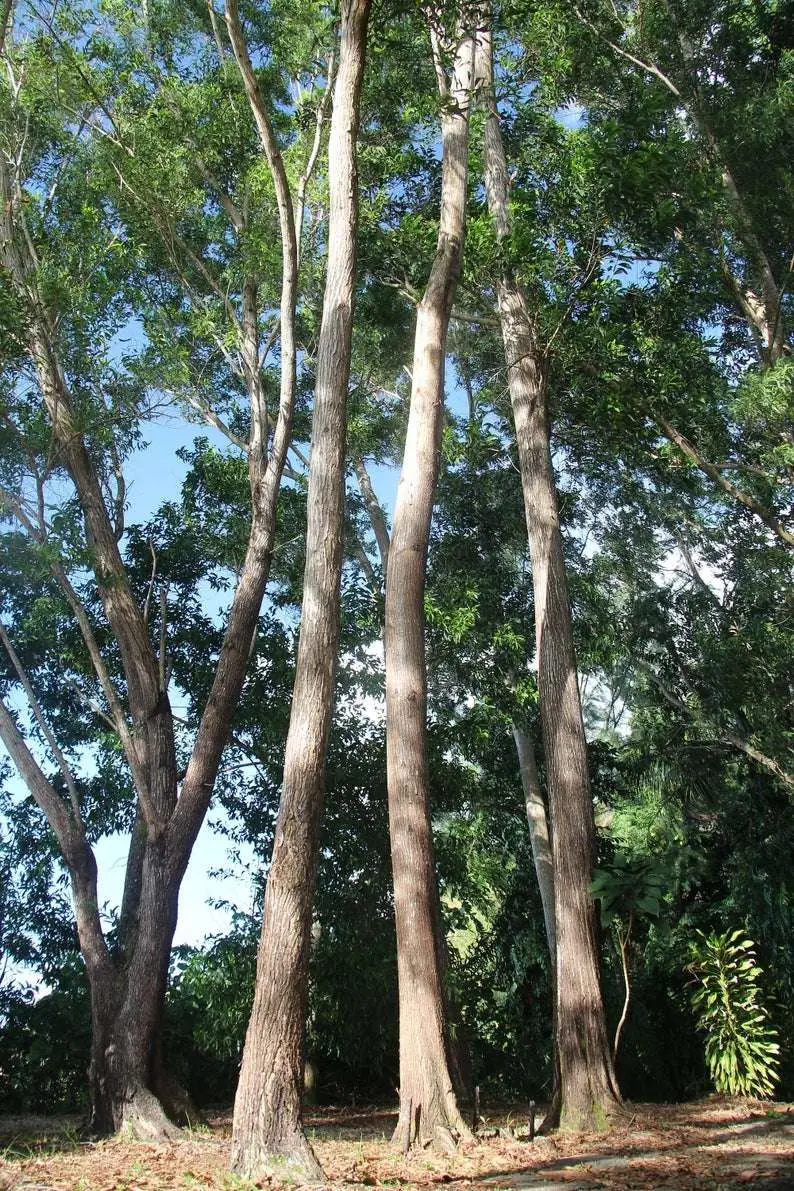
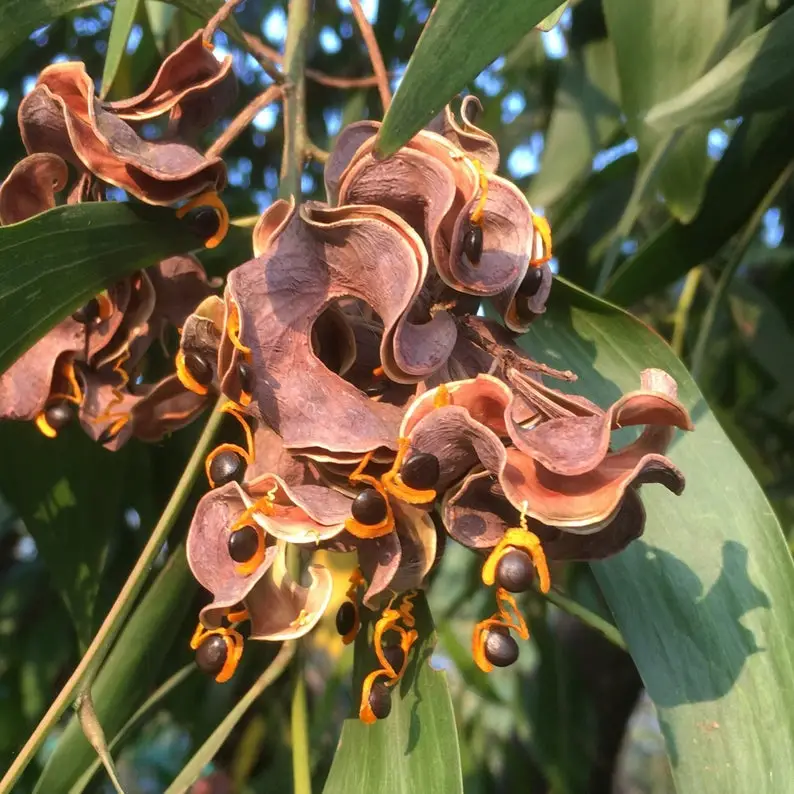
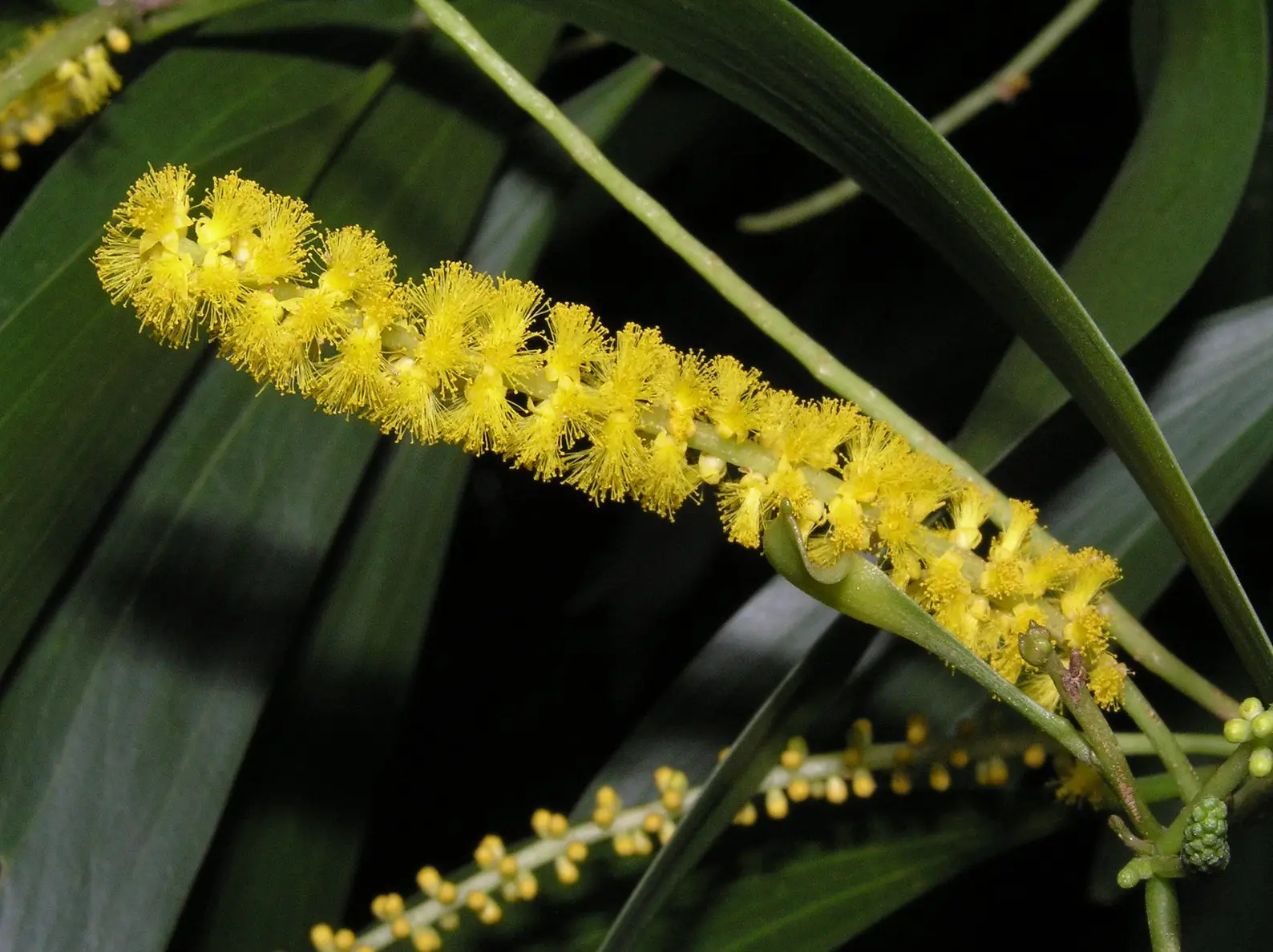
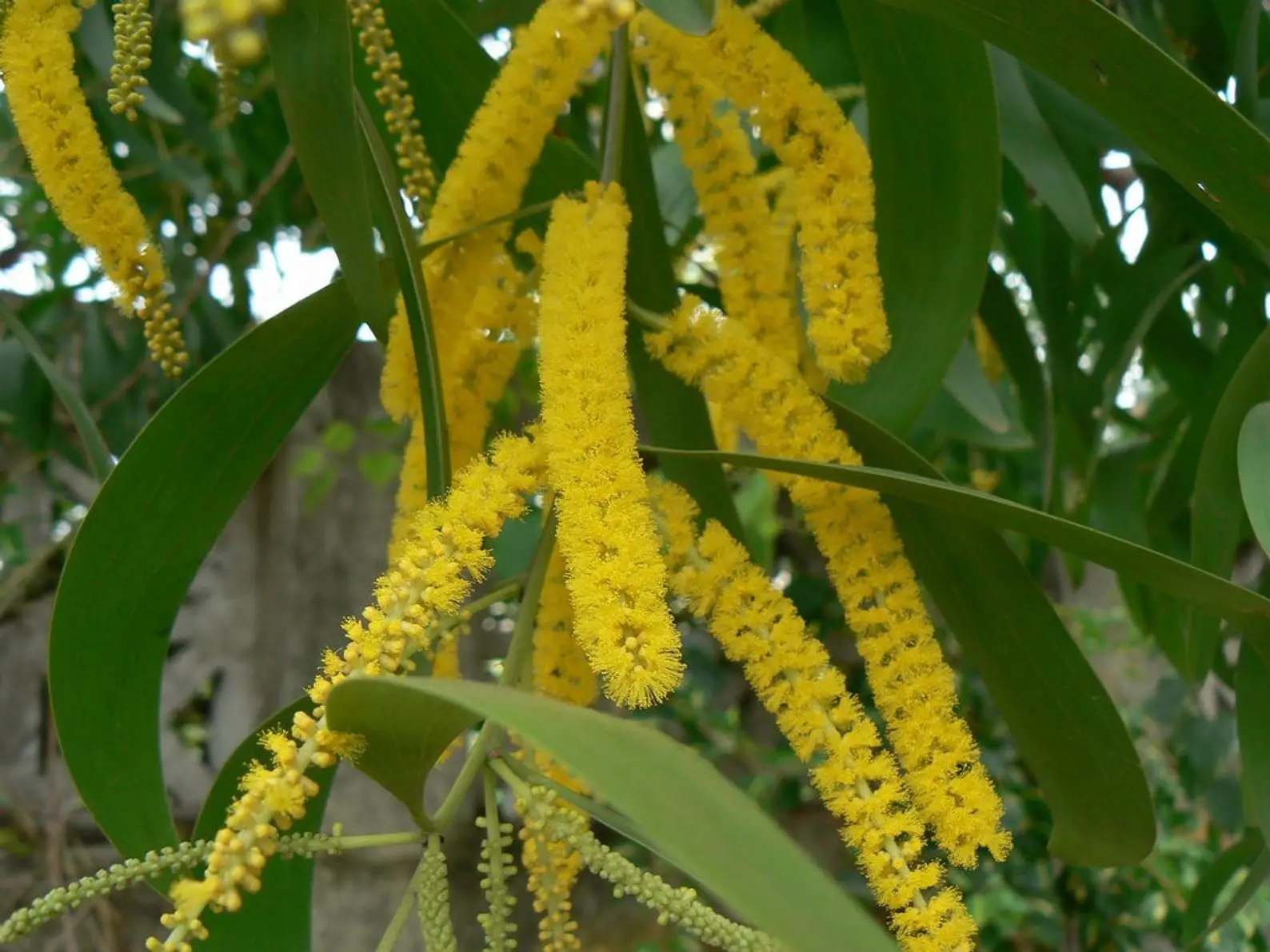
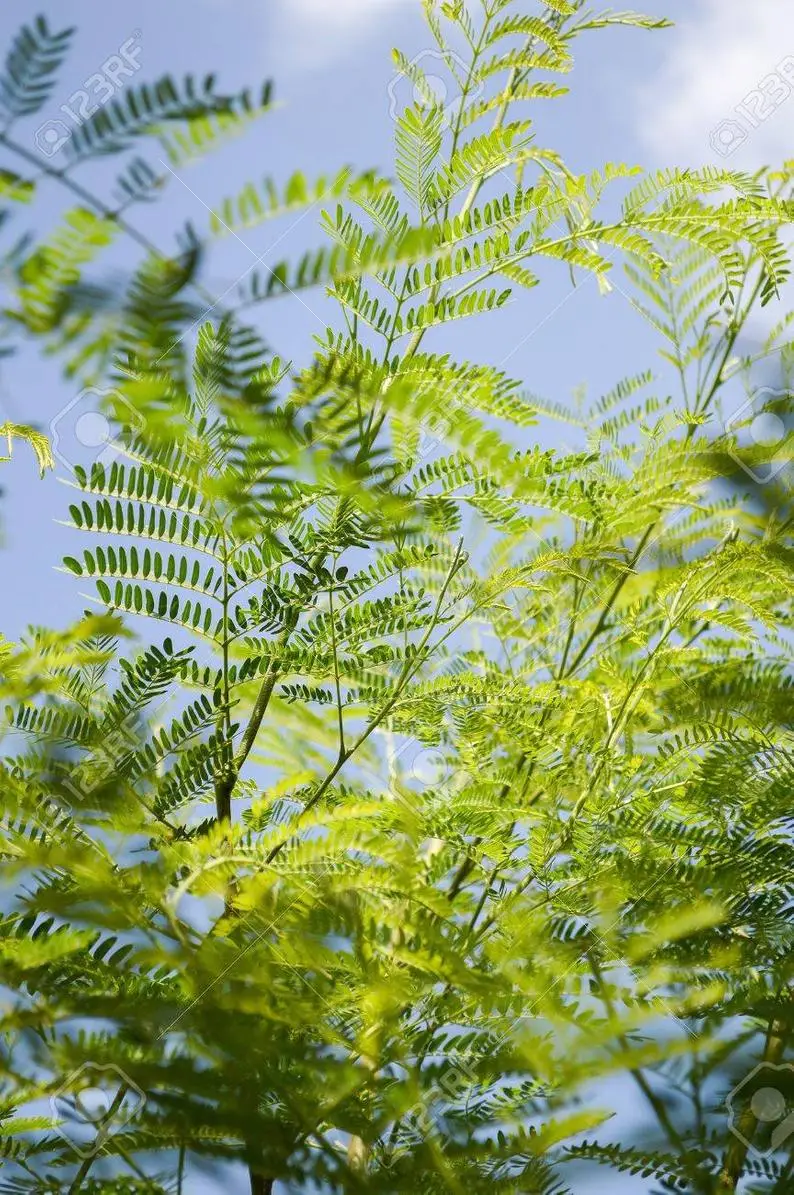
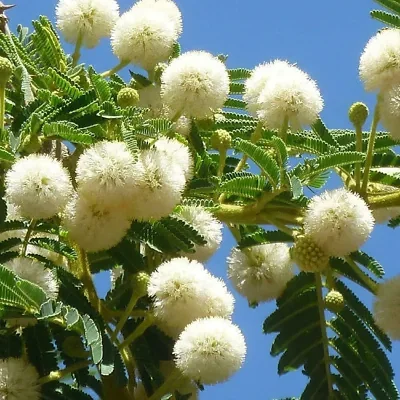
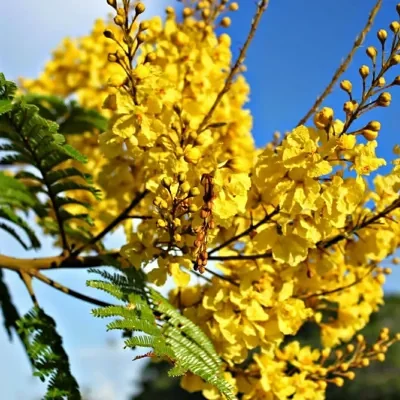
Meet the ecological hero of the tropics. Acacia auriculiformis transforms degraded soil into fertile ground through nitrogen fixation, while delivering stunning golden-yellow flowers and distinctive ear-shaped pods. Perfect for reforestation, land rehabilitation, and agroforestry—this fast-growing legume thrives even on poor soils and tolerates drought. Grow it from seed and watch it soar 6-8 feet yearly, restoring landscapes while feeding your vision.
€1.92
Here stands a tree that doesn’t just grow—it resurrects dead land and builds an empire of nutrients from thin air.
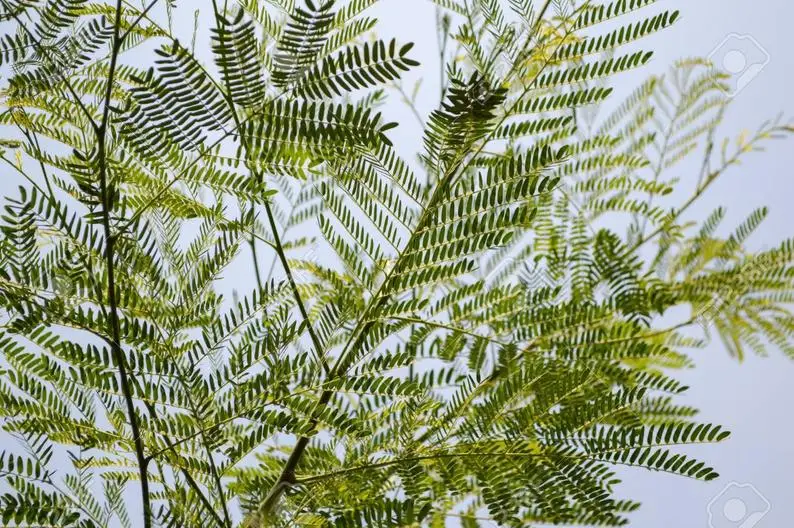
Acacia auriculiformis, native to tropical Australia, Papua New Guinea, and Indonesia, arrives as a multipurpose miracle wrapped in silvery bark and deep green foliage. For decades, it has been the choice of reforestation programs, tribal farmers, and ecological restoration teams across India, Southeast Asia, and Africa. This is the tree governments plant when they mean business—when they want to heal mining-scarred earth, eroded slopes, and depleted agricultural land. The name itself whispers its secret: auriculiformis—ear-shaped—a reference to the delightfully twisted, curled pods that mature into sculptural forms you’ll admire throughout the season.
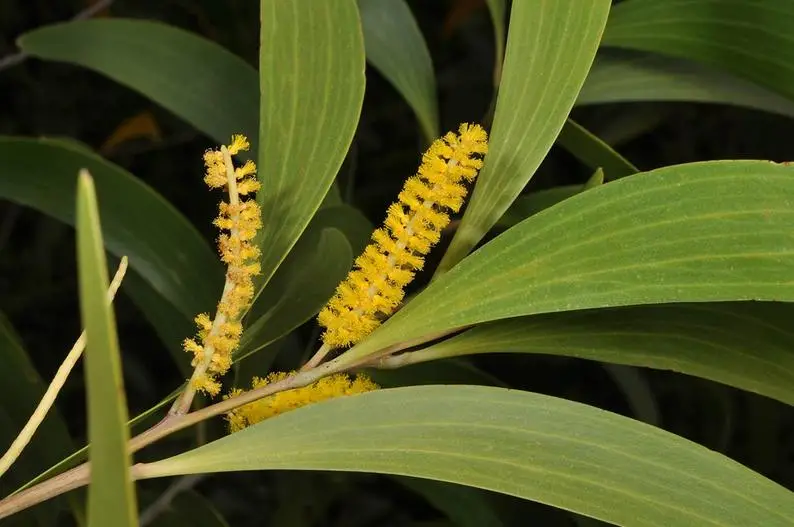
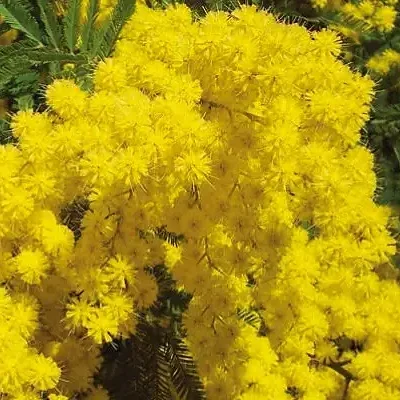
But the real magic lies underground and in the nodules on its roots. As a nitrogen-fixing legume, Acacia auriculiformis captures atmospheric nitrogen and stores it in the soil, enriching the earth for generations of plants to come. This isn’t ornamental theater—it’s regenerative power. Plantations of this species measurably improve soil physics, boost organic carbon, enhance water-holding capacity, and unlock nitrogen and potassium for neighboring crops. Farmers in India practice intercropping with it; agroforesters in Africa rely on it; climate action teams embrace it for carbon sequestration and biomass production. The flowers themselves—luminous golden-yellow spikes held in pairs along the branches—are a primary pollen source for honey production. Bees feast here while the tree feeds the soil. Multi-purpose doesn’t begin to describe it: the dense, hard wood yields superior firewood and charcoal; pulp mills value it for paper production; traditional medicine celebrates its astringent and antimicrobial bark; and indigenous peoples have harvested its seed for generations.
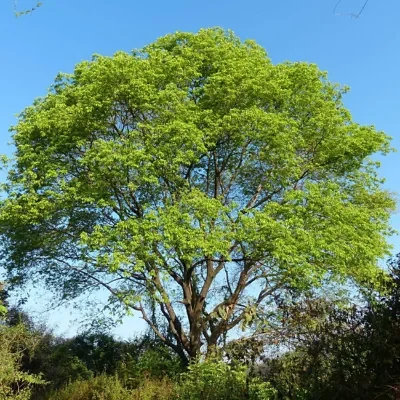
Growing Acacia auriculiformis from seed is refreshingly straightforward. Scarify seeds by soaking them in hot water for 12-24 hours, then sow into well-drained soil or nursery beds—germination erupts within 7-14 days. The tree demands full sun and laughs at poor conditions: sandy soils, clay, degraded earth, acid or alkaline pH—it accepts them all with gratitude. It tolerates flooding, drought, salt spray, and nutrient poverty. Space it at 2×2 or 2×4 meters; water it regularly during establishment, then step back. Growth increments of 2-4 meters per year in the first years are routine even on infertile soils. A young tree reaches 15 meters in five years under favorable conditions, and mature specimens tower to 25-30 meters with a dense, spreading crown that casts deep, welcoming shade. The tree thrives in tropical and subtropical lowlands (annual temps 17-35°C, rainfall 700-2000 mm), though it performs fastest in moister climates of 1200-5000 mm annual rain.
From your first seedling to a mature sentinel of ecological restoration, Acacia auriculiformis offers the rare combination of speed, resilience, and purpose. Sow it now, and in a few seasons you’ll stand beneath a tree that feeds bees, heals soil, sequesters carbon, and whispers the promise of regeneration to every landscape it touches. This is not decoration—this is legacy.
Only logged in customers who have purchased this product may leave a review.
Reviews
There are no reviews yet.