
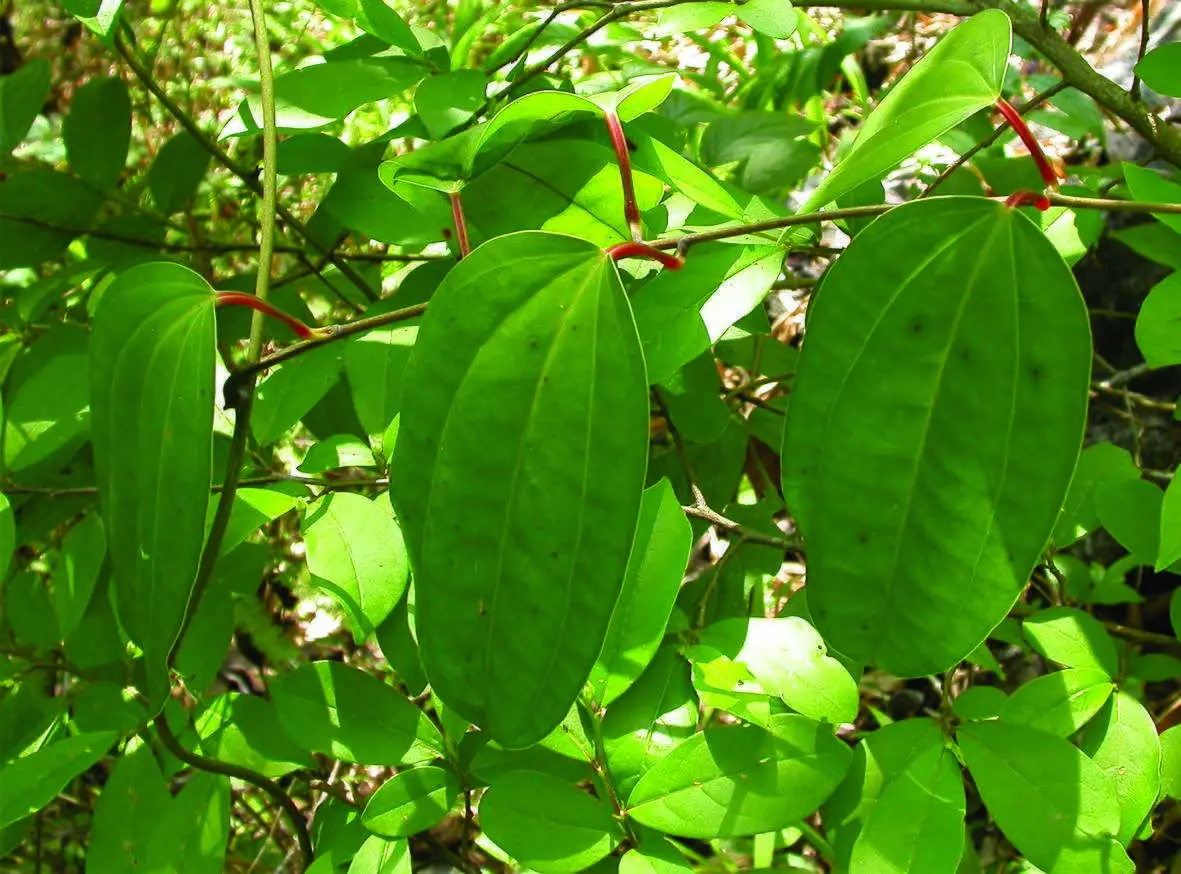
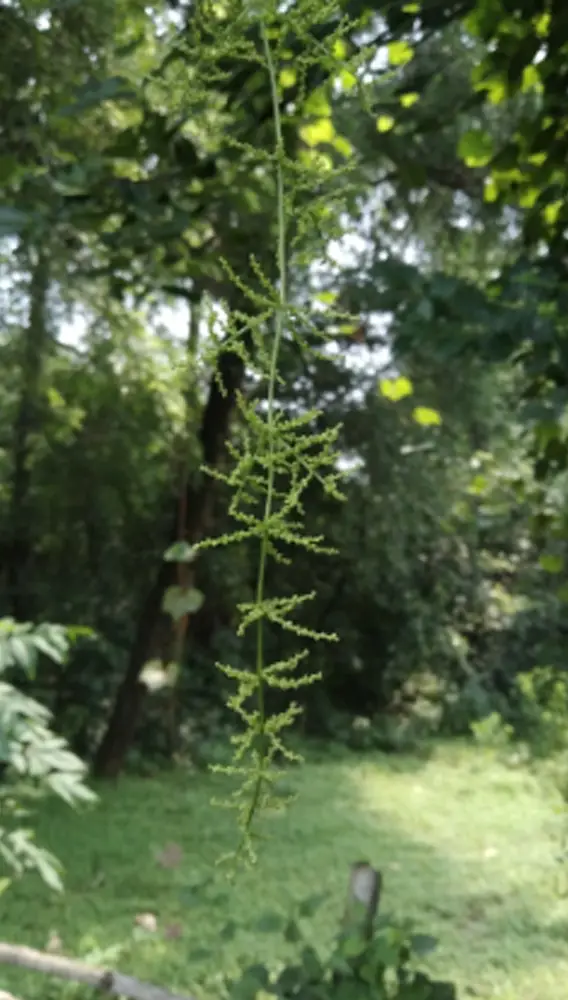
Grow the yam that’s been treasured for millennia in Asian medicine and kitchens. Dioscorea oppositifolia yields nutritious, mild-flavored tubers rich in polysaccharides and antioxidants—eat them raw, boil, roast, or prepare in soups. Traditional remedy for digestion, energy, and respiratory health. A vigorous climbing vine with fragrant white flowers. Moderate growing ease. Start from seed and harvest your own healing food.
€1.92
Plant an heirloom of health and flavor: Dioscorea oppositifolia, the Indian Yam that has graced Asian tables and herbal medicine cabinets for thousands of years.
Native to the lush forests and valleys of Myanmar, India, Sri Lanka, and Bangladesh, this species carries centuries of wisdom in its genes. What makes it extraordinary is its dual identity—it’s equally at home in your kitchen as in your apothecary. Unlike ornamental yams, Dioscorea oppositifolia was chosen by ancient healers and cooks alike, cultivated and celebrated across East Asia, Korea, Japan, and beyond, for reasons both delicious and profound.
Here lies the heart of why you need this plant: the tuber. Dig into the soil each autumn, and you’ll unearth nutritional treasure. The flesh is mild, slightly sweet, starchy, and utterly versatile. Slice it raw into salads, or cook it—boil, roast, steam, fry, or simmer it into soups and broths where it becomes silken and nourishing. But the true magic lives in what science is finally confirming: those tubers contain yam polysaccharides (up to 13.5% by weight), diosgenin, allantoin, and beta-carotene. In traditional Chinese medicine, the tuber strengthens the spleen and stomach, supports lung function, soothes chronic cough, steadies energy, aids digestion, and helps regulate blood sugar. Modern research now validates these ancient uses, revealing anti-inflammatory, antioxidant, anti-diabetic, and immunomodulatory properties. This isn’t just food—it’s functional medicine you harvest yourself. You can dry the tubers to store them for winter herbal preparations, grind them into flour, or simply eat them fresh knowing you’re nourishing your body with compounds that have stood the test of millennia.
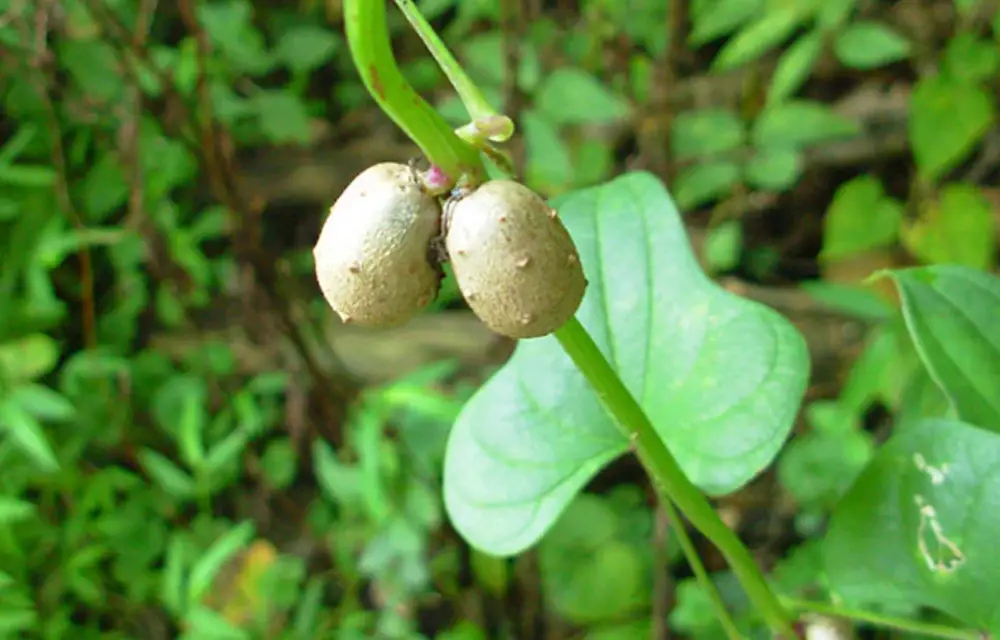
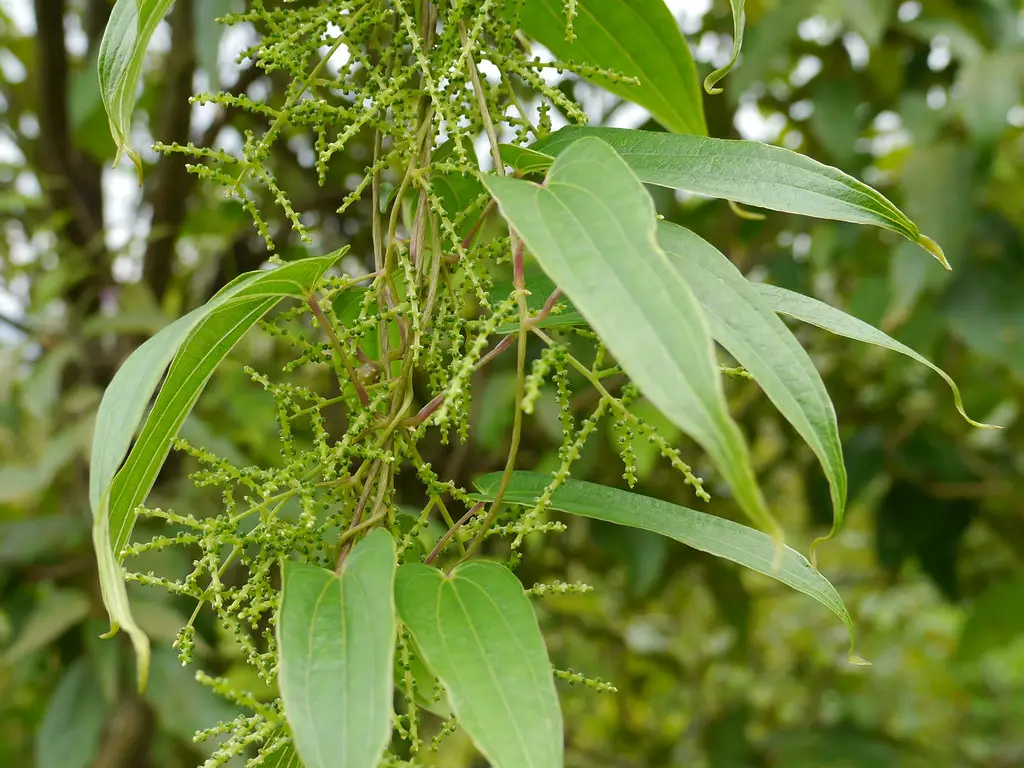
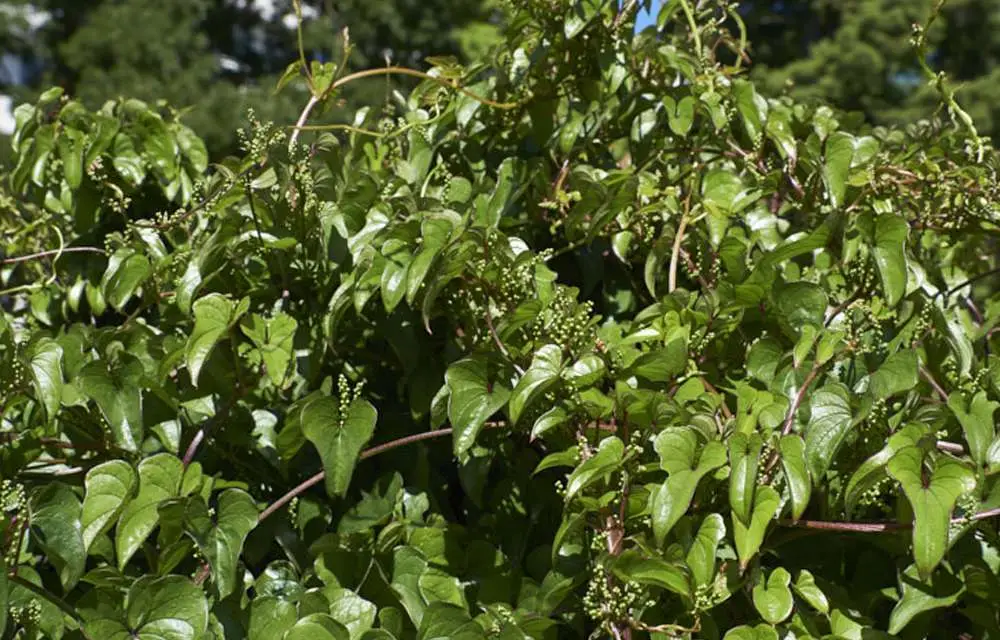
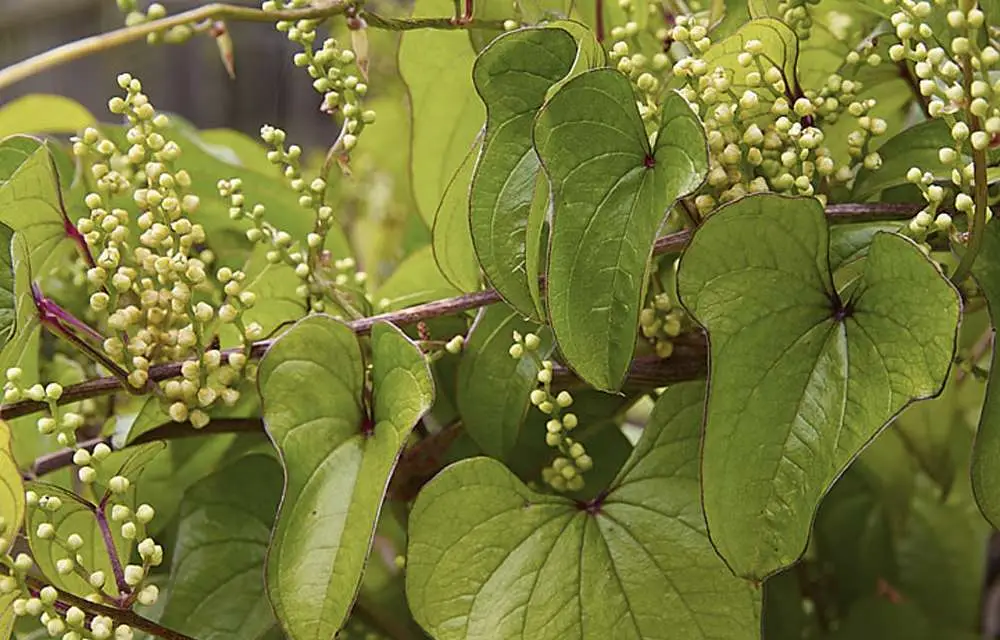
Growing it is surprisingly manageable. Dioscorea oppositifolia is a deciduous perennial climbing vine—give it something to climb (a trellis, fence, or shrub) and it’ll reach up to 16 feet with enthusiasm. The vines emerge in spring from underground tubers, and by autumn they’ll display delicate, cinnamon-scented white flowers and heart-shaped leaves. The plant thrives in well-drained, loamy soil (though it adapts to sandy and clay soils too), prefers moist conditions, and handles both sun and semi-shade. It’s hardy enough for UK zone 5 and will tolerate cooler climates. Plant in spring, and by late summer the plant will begin forming edible aerial tubers (bulbils) where leaves meet stems—bonus harvests! The underground tubers mature in 3-4 years, ready in late autumn. This isn’t a fussy plant; it’s a forgiving one that rewards patience with abundance.
Start from seed this spring and join the lineage of growers and healers who’ve trusted this remarkable vine. In 3-4 years, you’ll harvest your own medicine cabinet and kitchen staple. Grow Dioscorea oppositifolia and experience what Asian wisdom has always known: the most powerful healing often grows right in your garden, patient and generous, waiting for you to discover it.
Only logged in customers who have purchased this product may leave a review.
Reviews
There are no reviews yet.