Description
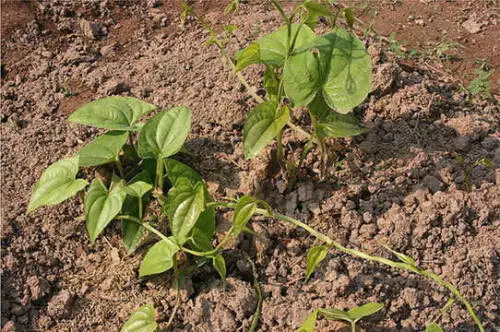
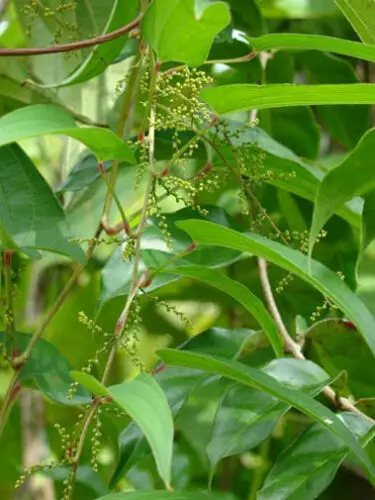
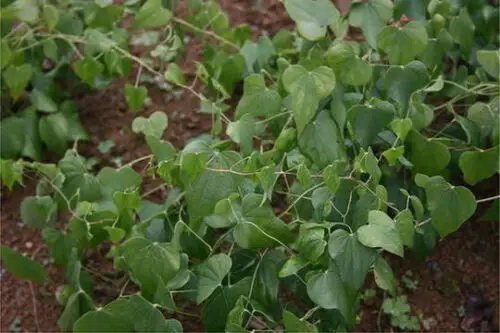
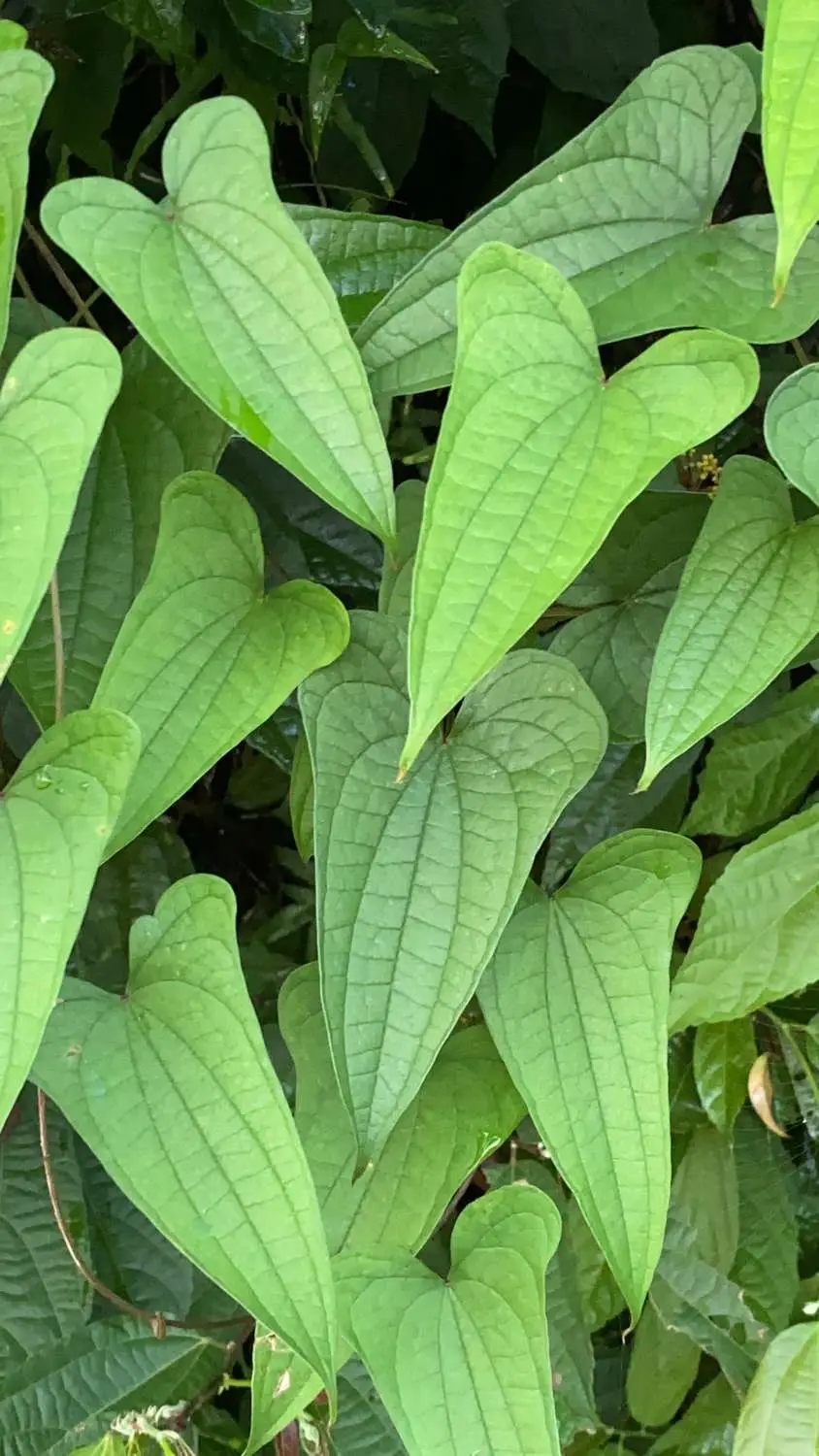
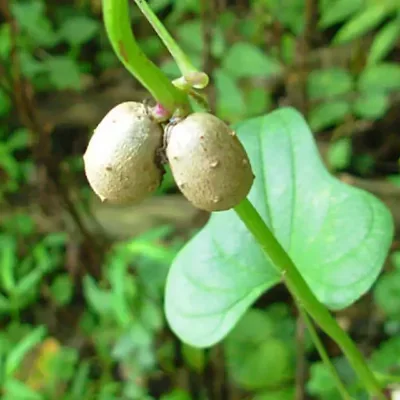
Dioscorea hamiltonii is a perennial yam species belonging to the Dioscoreaceae family, native to parts of Asia. It grows from an underground tuber and produces long, twining vines that climb with the help of slender stems. The leaves are typically heart-shaped to ovate, arranged alternately along the stems, giving the plant a lush, trailing appearance.
This yam prefers warm, tropical to subtropical conditions with well-drained soil and thrives in areas with good rainfall or consistent moisture. Like many members of the yam family, Dioscorea hamiltonii is valued for its vigorous growth and its adaptability in cultivation.
Germination Guide
🌍 Indian Subcontinent, Indo-China, China, Taiwan
Moderate
Dioscorea hamiltonii is a medicinal yam species native to the Indian Subcontinent, Indo-China, China and Taiwan, found in mixed deciduous and evergreen forests.
Germination
Germination time
Expect germination in
14 – 21 days
Temperature
Min 20°C
Ideal 20°C
Max 30°C
Substrate moisture
💧 Medium
Substrate & Container
Recommended substrate
Cactus soil or well-draining soil mix
Growing Tips
Sow seeds in autumn for best results. Keep container covered with plastic foil to maintain moisture during germination. After germination, uncover and protect seedlings from direct sunlight. Seed development creates caudex below ground. Plant in well-draining cacti-type soil to prevent rot.
Only logged in customers who have purchased this product may leave a review.

Reviews
There are no reviews yet.