
Discover the extraordinary mango passionfruit—a vigorous vine producing very sweet pulp that tastes like passion fruit meets mango. Beautiful pale pink flowers attract hummingbirds and butterflies while fruits turn yellow-orange when ripe. Adapts to full sun or partial shade, making it easy to grow from seed. Rare, exotic, and utterly addictive—bring A
€1.92
Native to the Andean valleys and domesticated since pre-Columbian times, Passiflora tripartita var. azuayensis is an extraordinary passion fruit that transforms any garden into a tropical sanctuary. This is not your ordinary passionfruit—it is a rare gem, a rare and very unknown species from the high-altitude mountain forests where Ecuador, Peru, and Colombia meet.
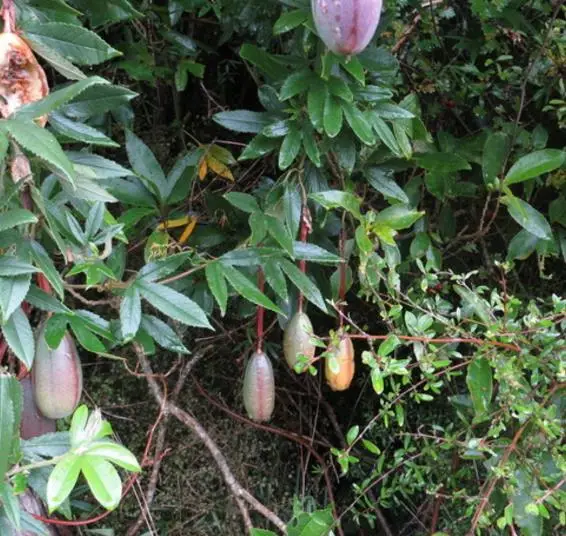
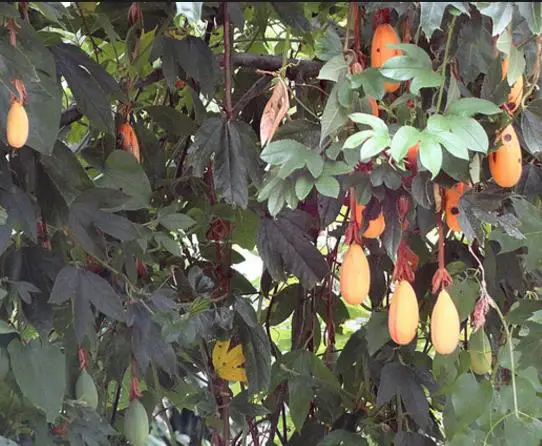
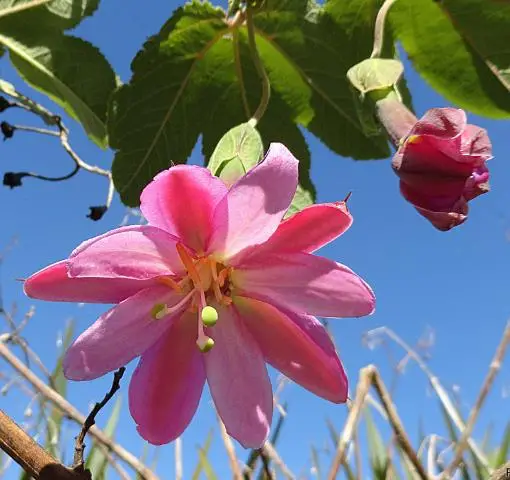
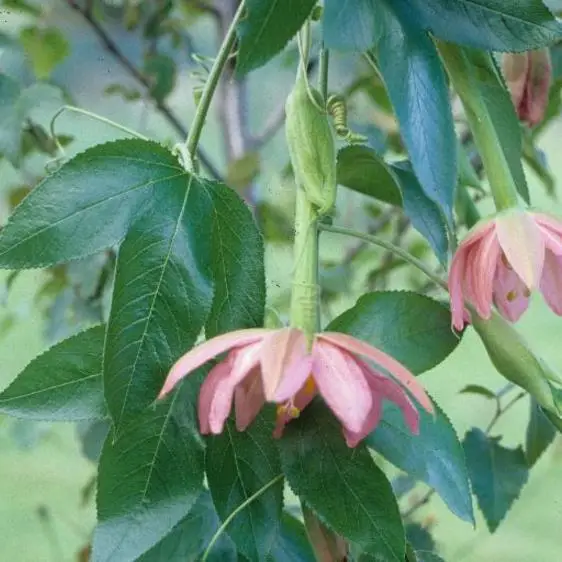
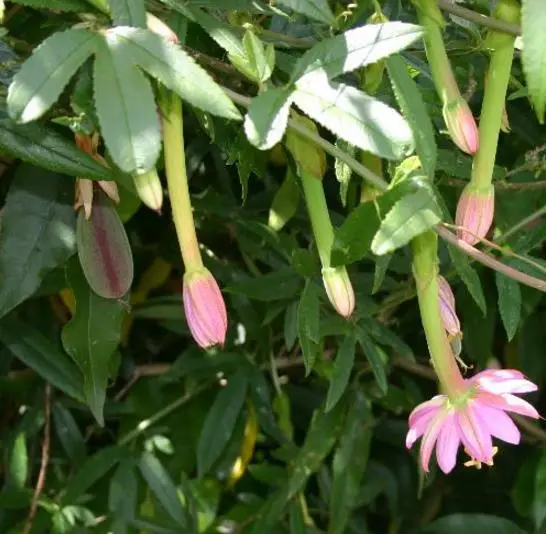
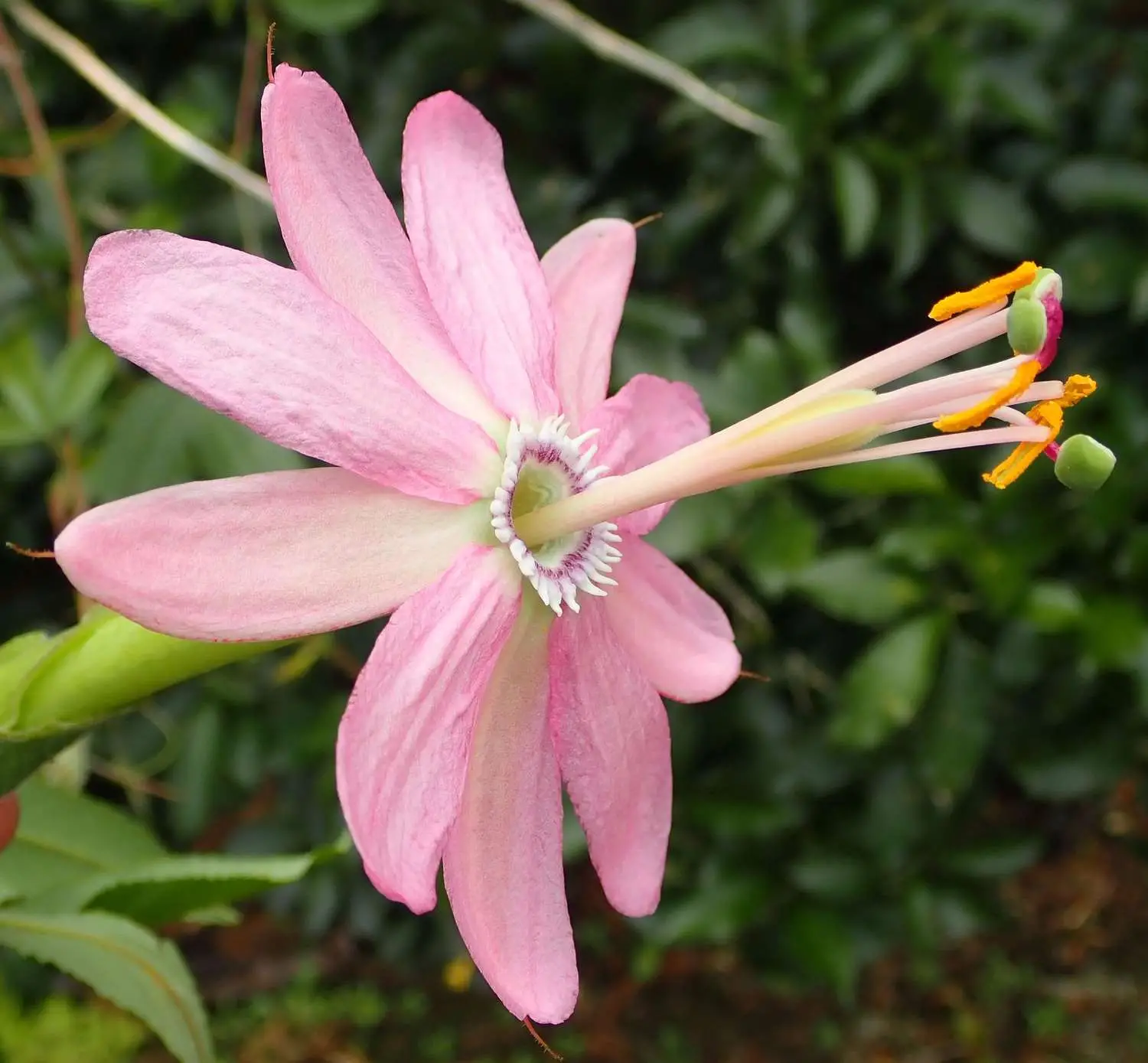
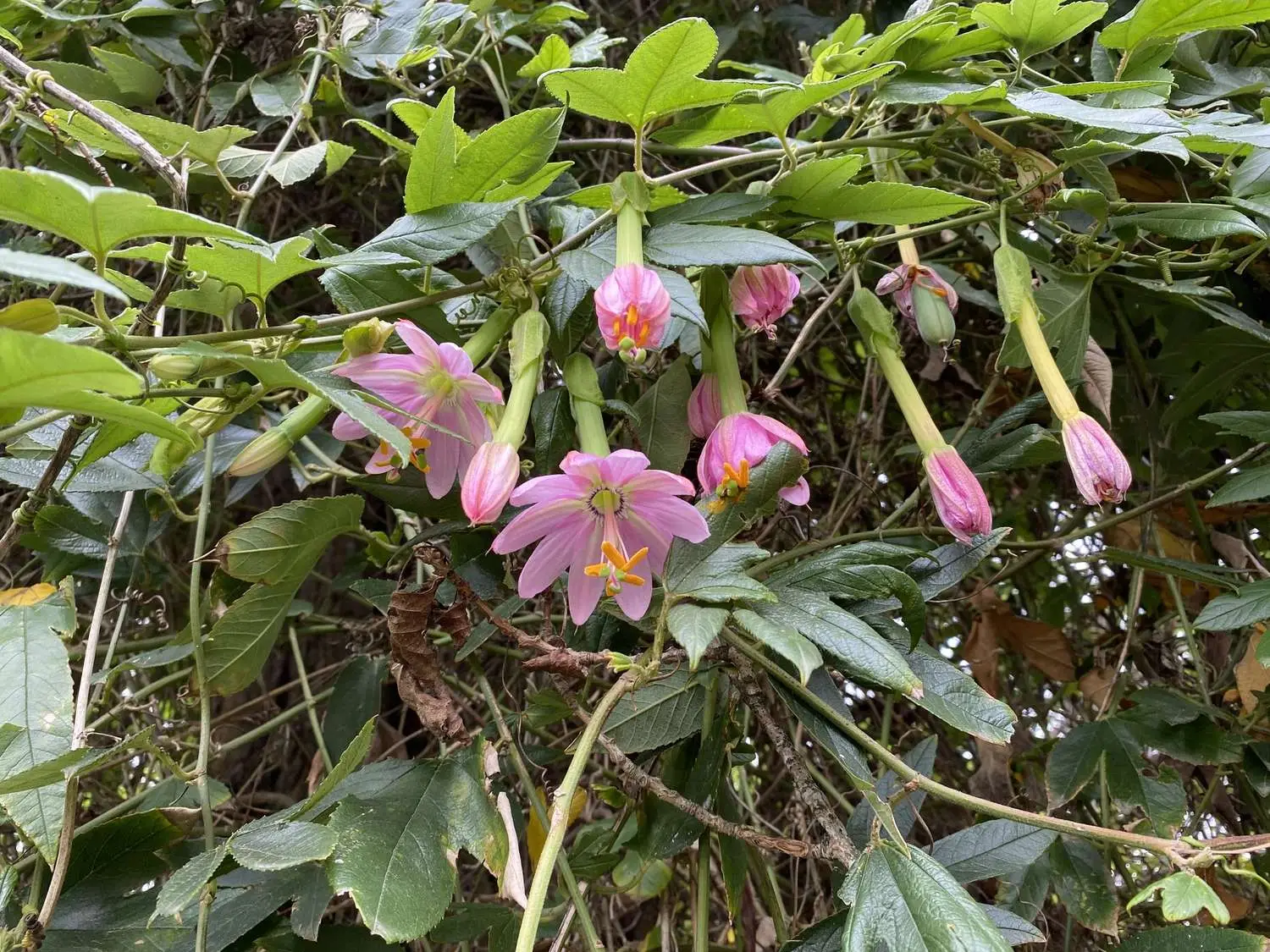
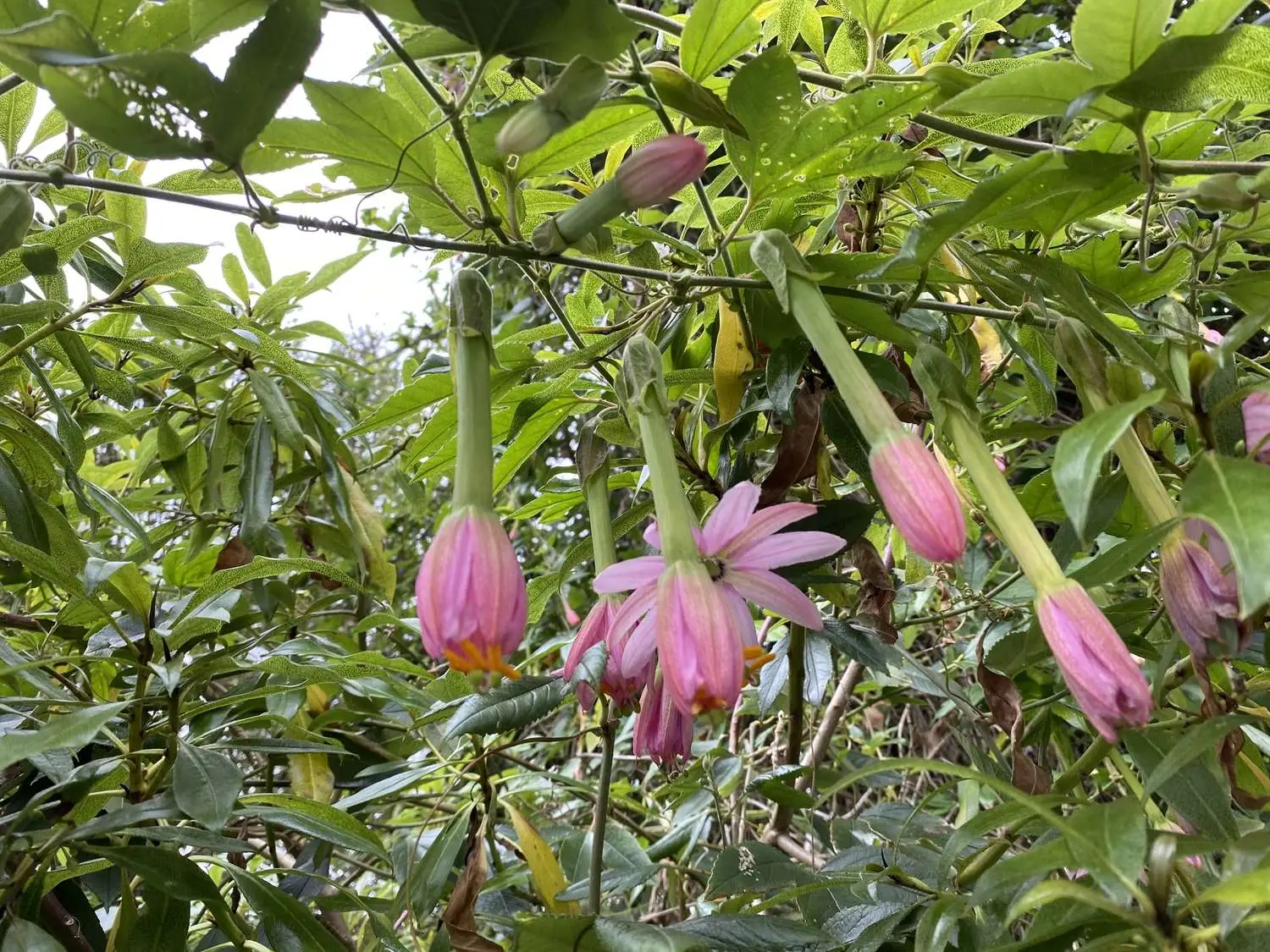
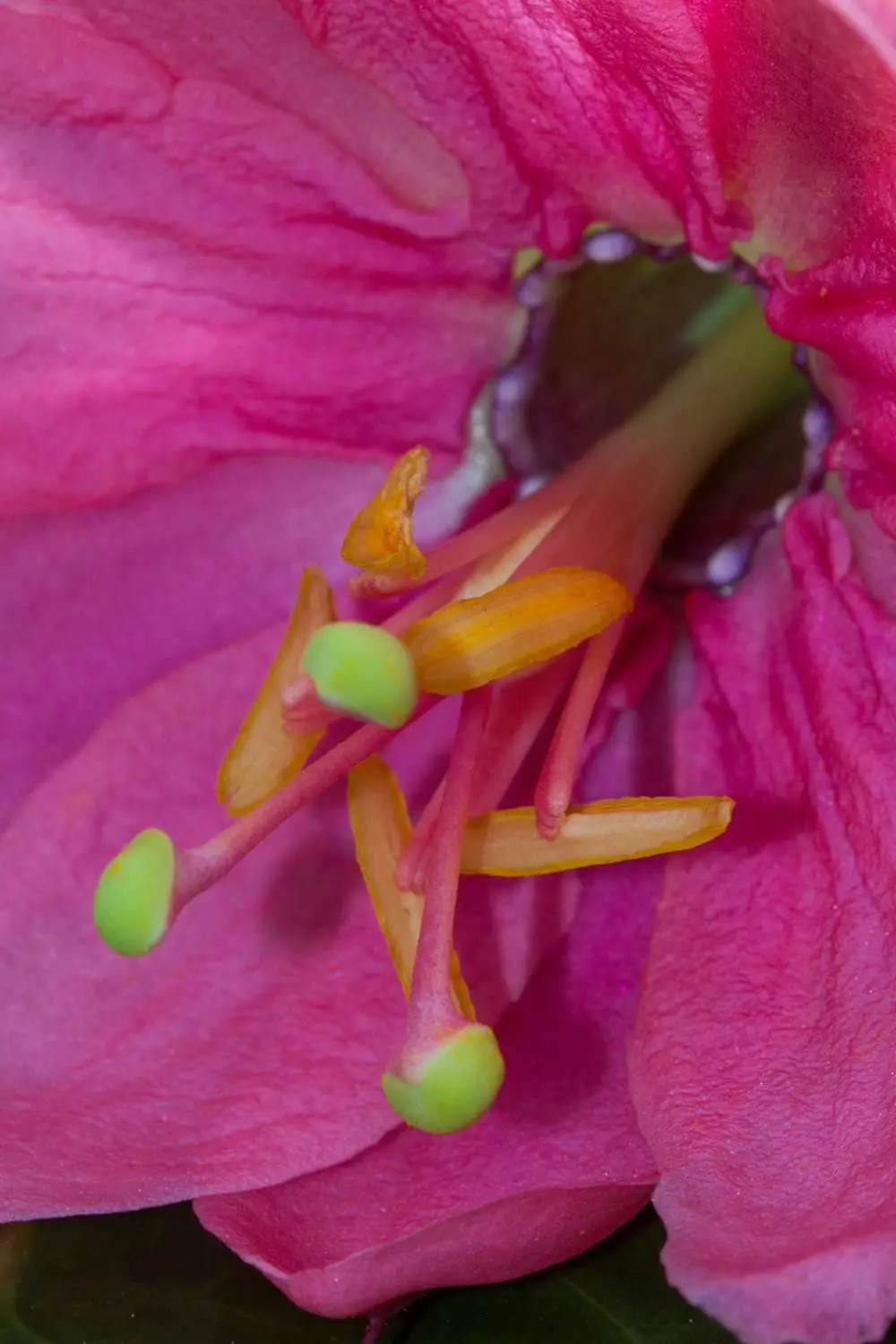
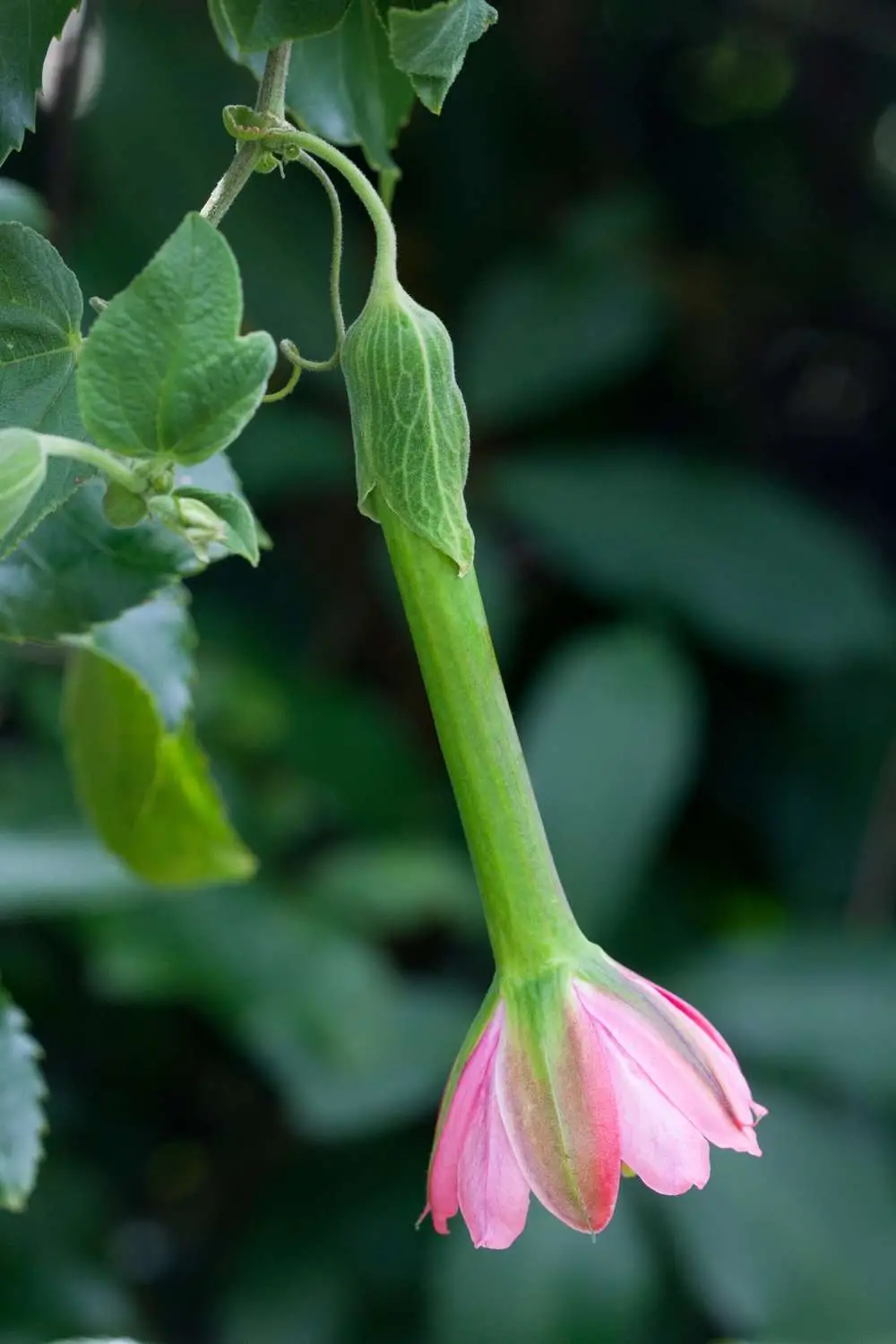
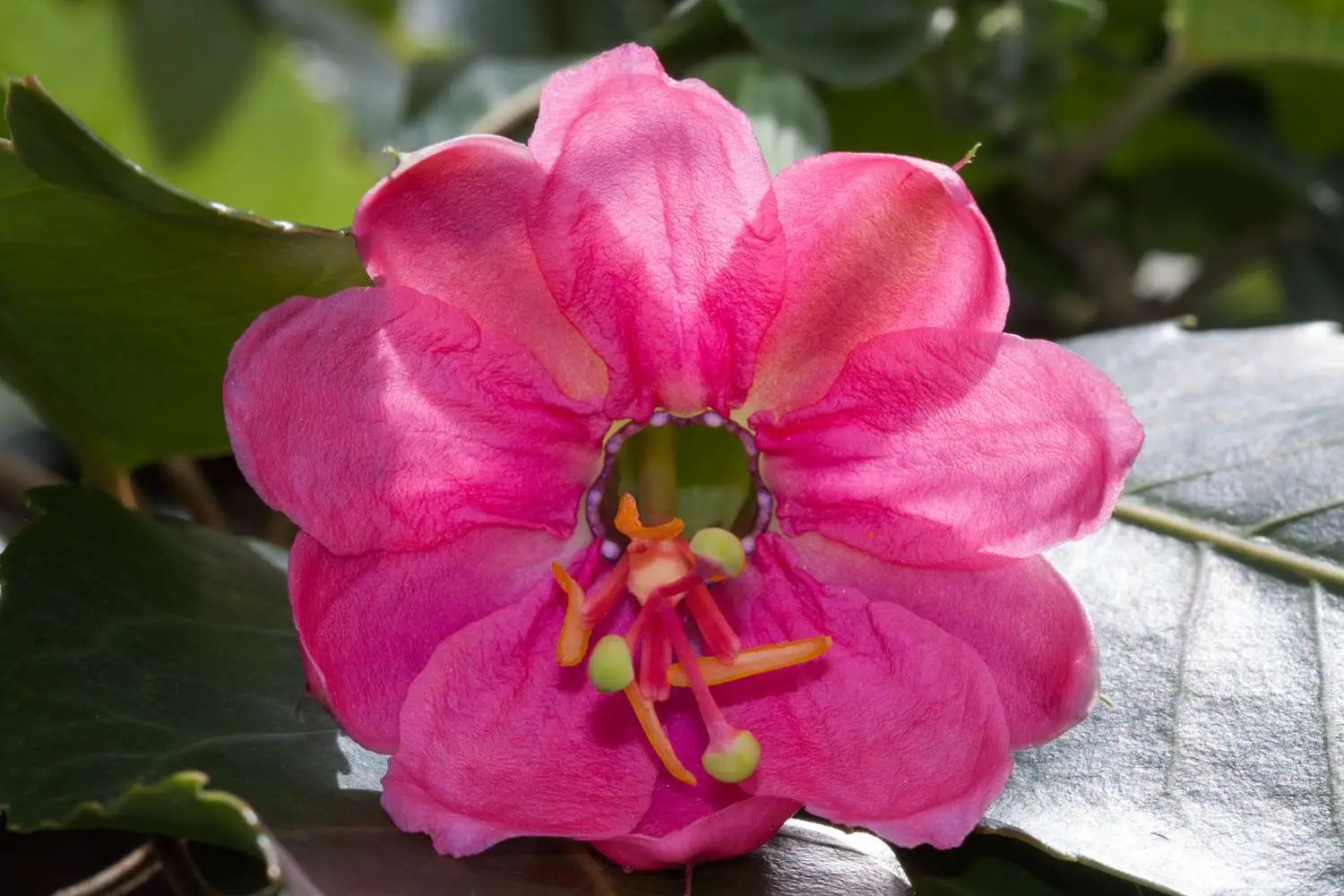
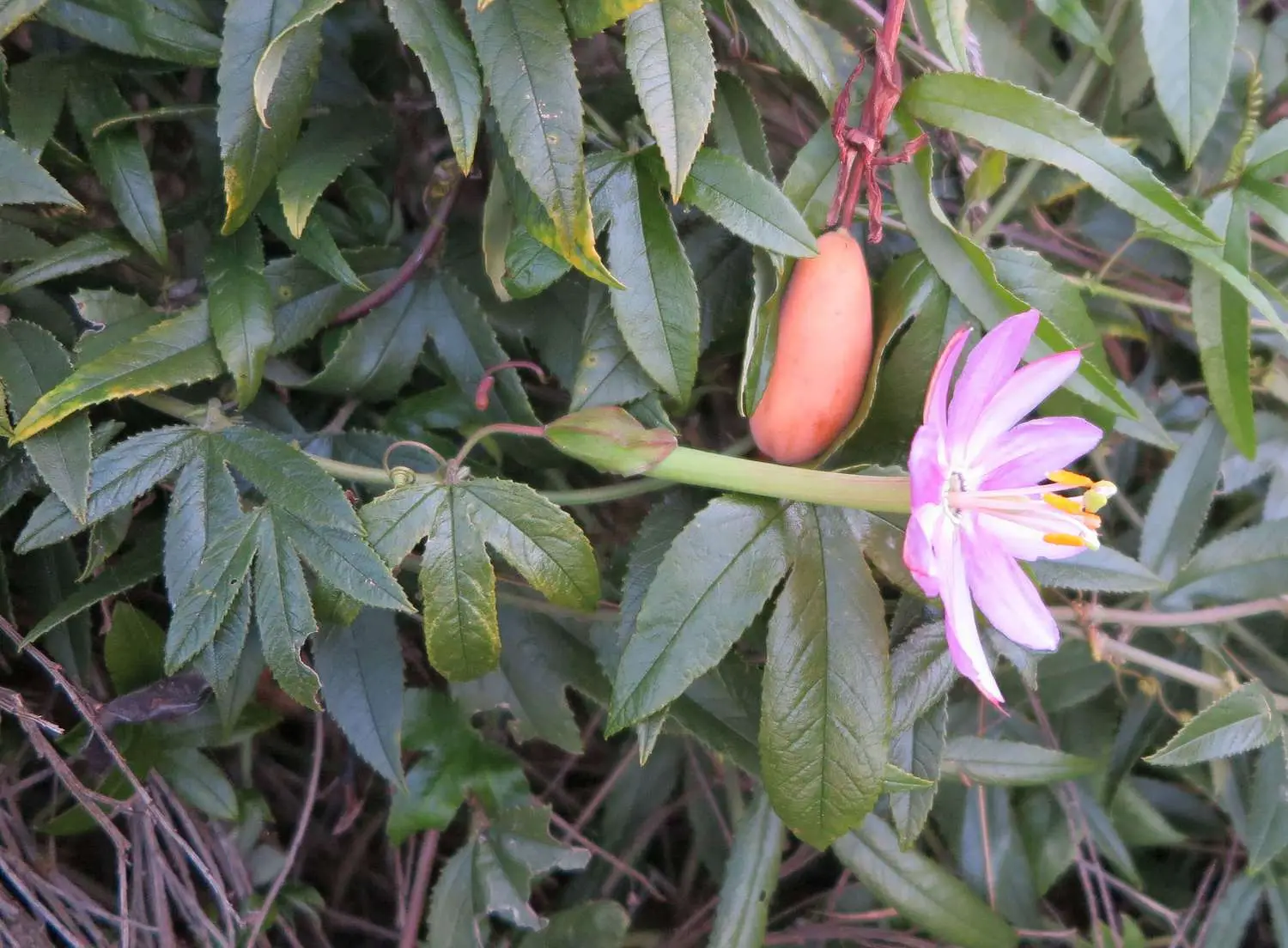
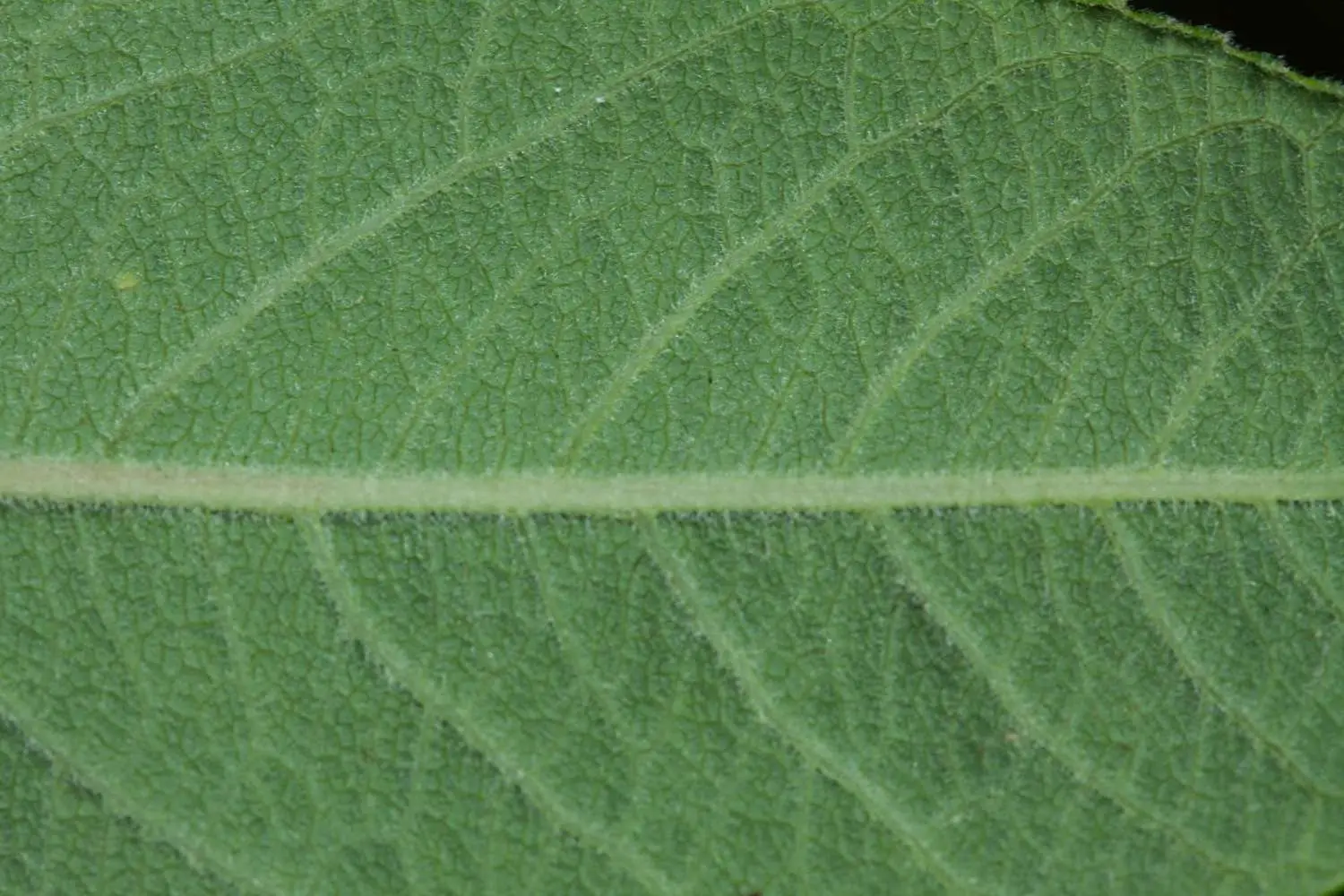
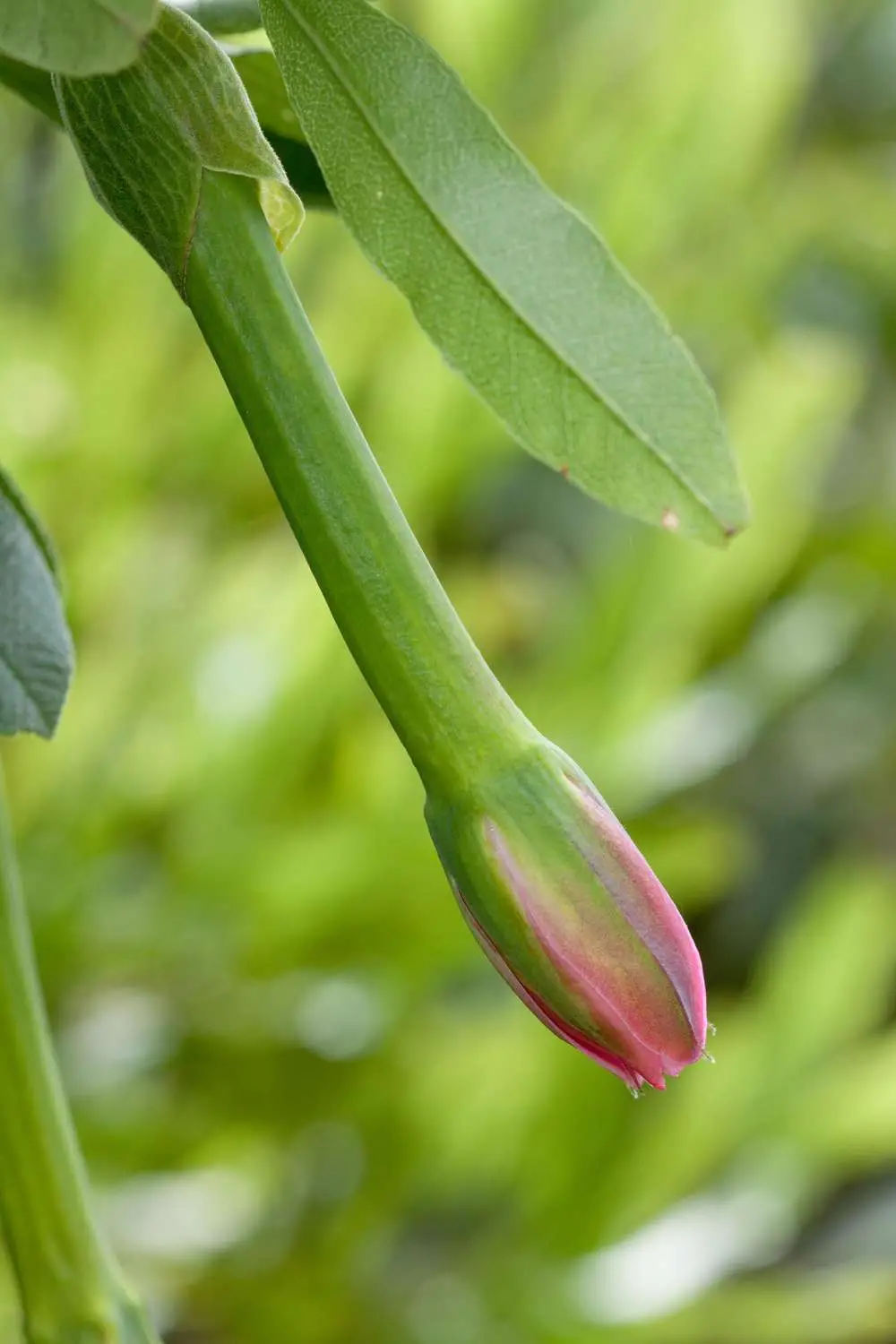
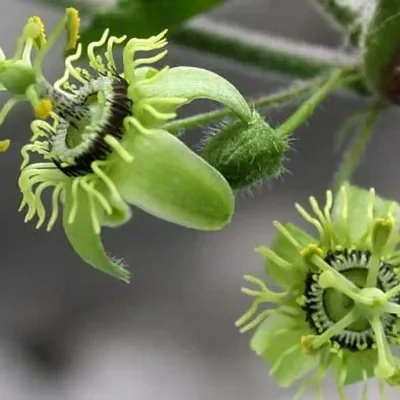
Vigorous climbing vines can reach lengths of up to 15 meters, though most gardeners keep them pruned to manageable sizes on trellises or arbors. The leaves are distinctively trifoliate, with three lobes that exhibit a rich green hue, creating lush tropical foliage even before the flowers arrive. But when they do bloom—ah, that’s the magic. Great pale pink flowers about 6–8 cm diameter have a 8–10 cm length tube and hang down, creating an almost architectural beauty that commands attention. The striking flowers attract a variety of pollinators, and its nutritious fruit is an essential food source for various animals, including birds and mammals. In spring and summer, watch hummingbirds flock to your vines in aerial dances of pure joy.
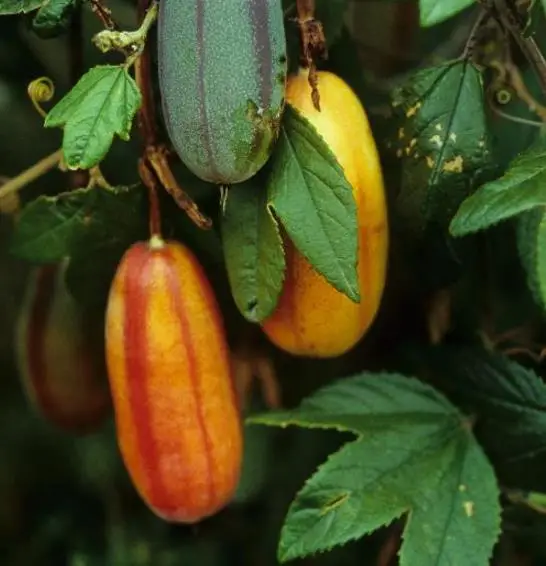
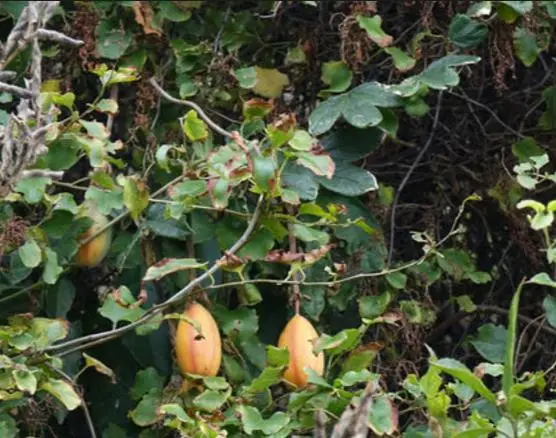
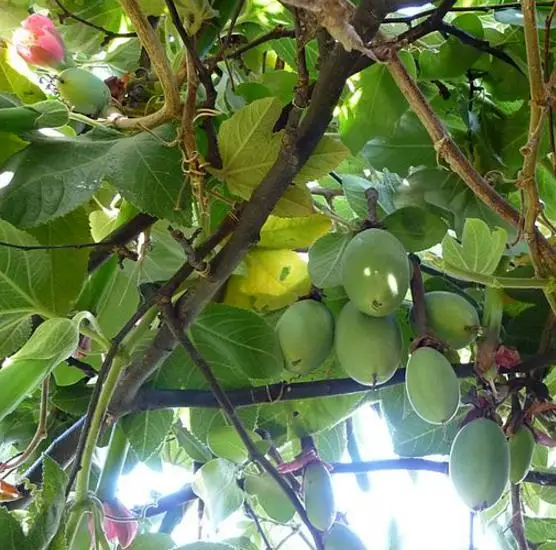
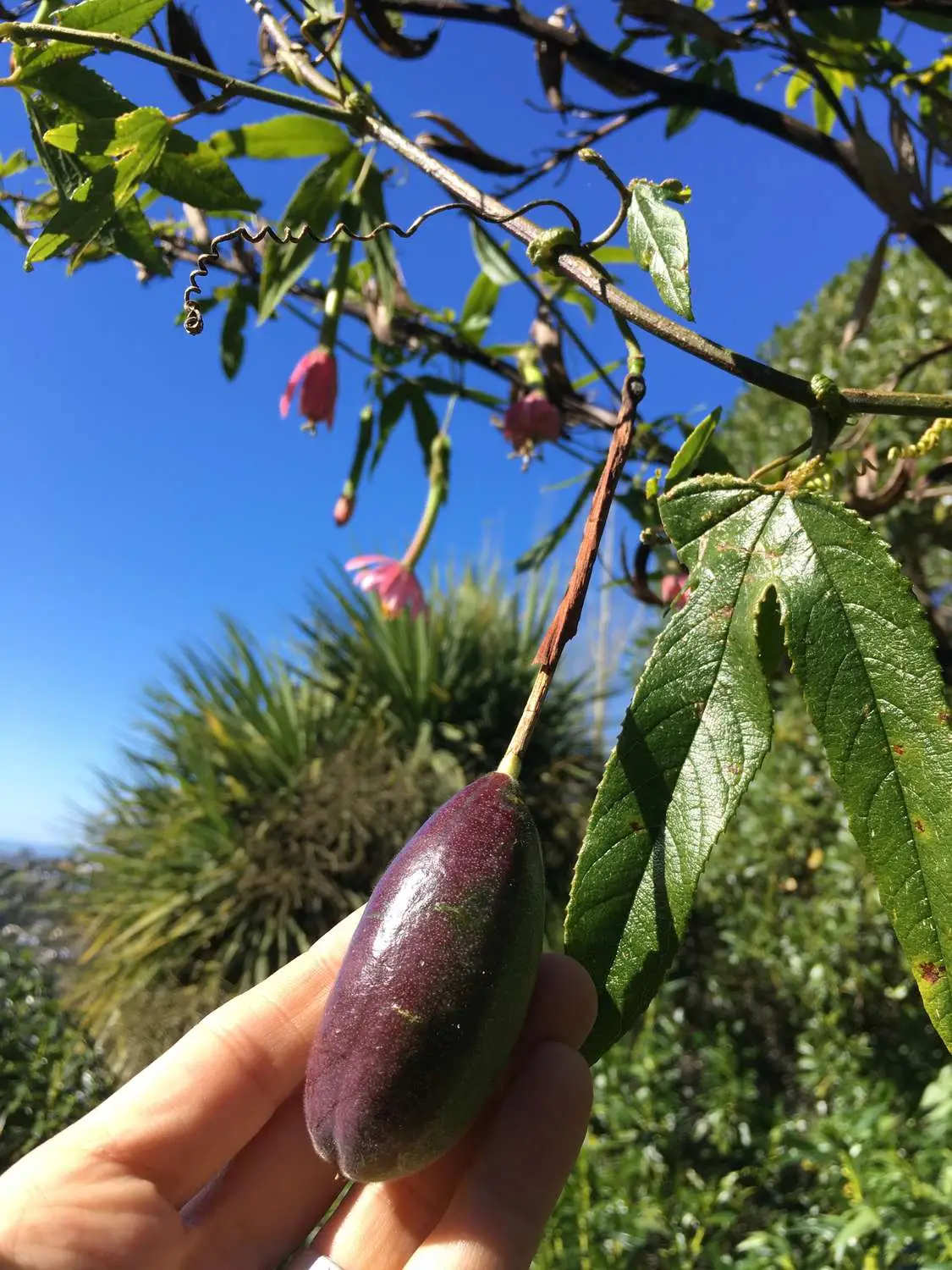
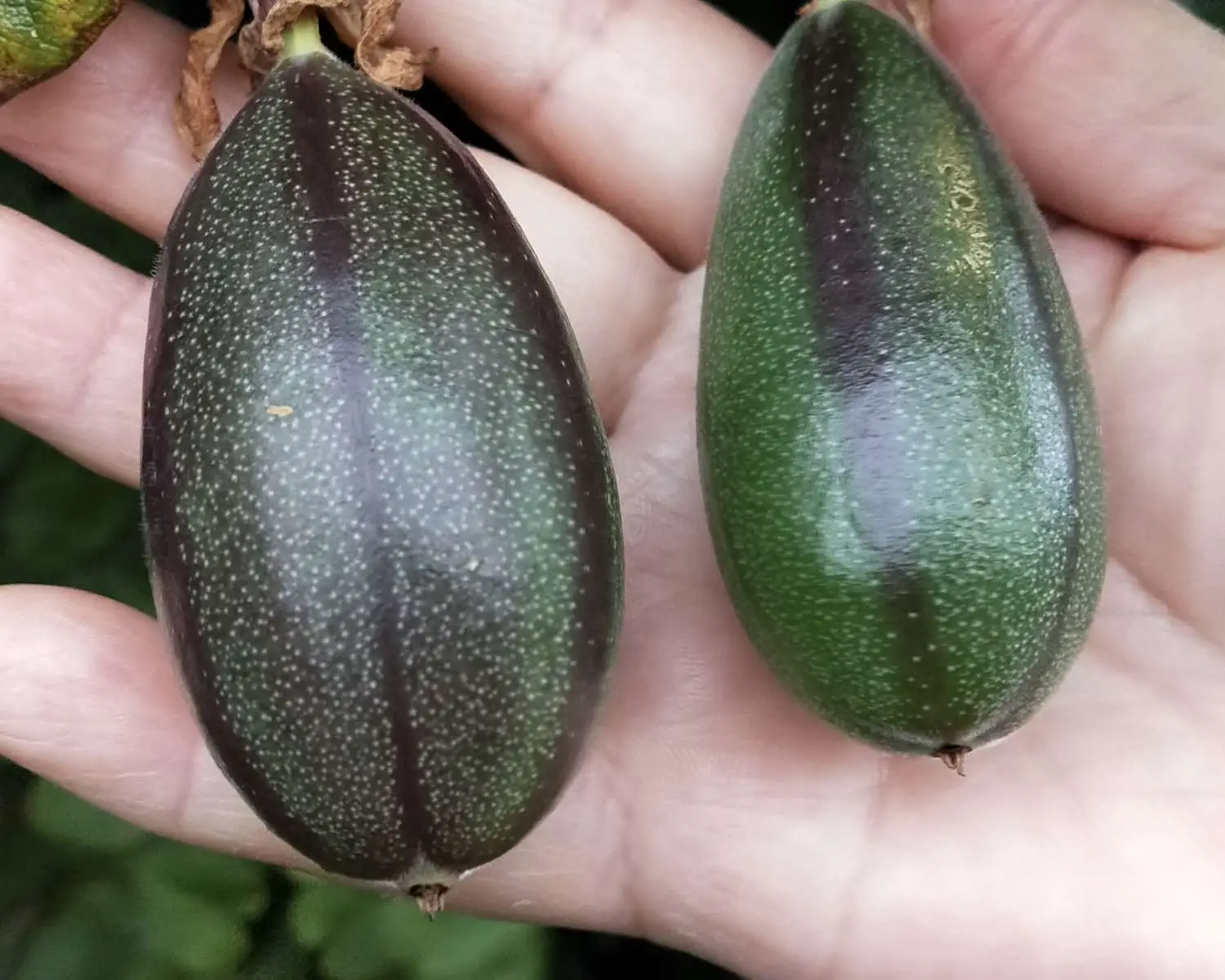
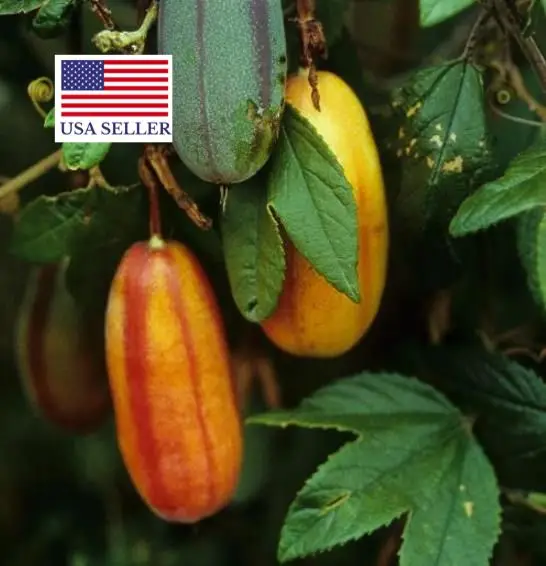
Here is where this species truly shines: the fruit. Slightly extended oval fruits (10–15 cm) turn yellow–orange when ripe, and the flavor is very sweet with notes that evoke both mango and passion fruit—hence the name “mango passionfruit.” The fruits are a culinary delight, enjoyed fresh and often incorporated into juices, desserts, and jams. The vibrant and aromatic flavor of the fruit has made it a popular choice in gourmet cuisine. Scoop the sweet edible orange-colored pulp directly into your mouth, blend it into smoothies, fold it into yogurt, or create jams that will make you the envy of every foodie you know. The fruit is rich in vitamins A and C, making each fruit a nutritional powerhouse disguised as pure pleasure. This is the fruit that will make you finally understand why passion fruit are revered across the tropics.
Growing this Andean treasure is easier than you’d expect. The plant can adapt to a wide variety of light conditions, from partial shade to full sun, offering flexibility in placement throughout your garden. It thrives in warm, subtropical to tropical conditions and prefers well-drained soil with consistent moisture. Direct the vines up a sturdy trellis, arbor, or pergola—they’ll climb eagerly and reward you with cascading blooms and hanging fruit within your first or second year. The banana passionfruit is a vigorous plant, maturing and bearing fruit in just one year. In ideal conditions, a single vine can produce 150 to 300 fruits per year. Even in cooler zones, if you provide protection in winter or grow in a container that can be moved indoors, this remarkable vine will flourish.
To grow from seed: soak seeds briefly to speed germination, sow in warm, moist seed-starting mix, and keep in a warm location (70–75°F). Seedlings emerge in 2–4 weeks. Pot up when large enough to handle, and transplant to your garden when vigorous vines have formed. The reward for your patience is years of stunning blooms, exotic fruits, and the profound satisfaction of nurturing a piece of Andean heritage in your own space. This is the fruit that will make your guests ask, “Where on earth did you get this?” Growing Passiflora tripartita var. azuayensis from seed is your invitation to cultivate not just a plant, but a legend.
Only logged in customers who have purchased this product may leave a review.
Reviews
There are no reviews yet.