Description
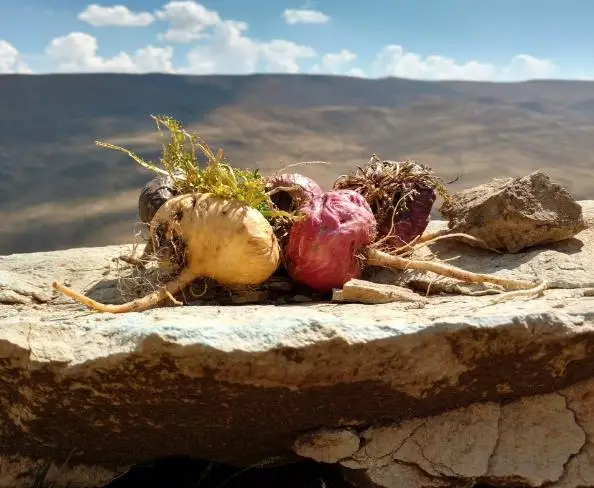
The species most commonly known as maca is cultivated as a root vegetable and a medicinal herb. Your ethnomedical properties are connected to fertility and vitality.
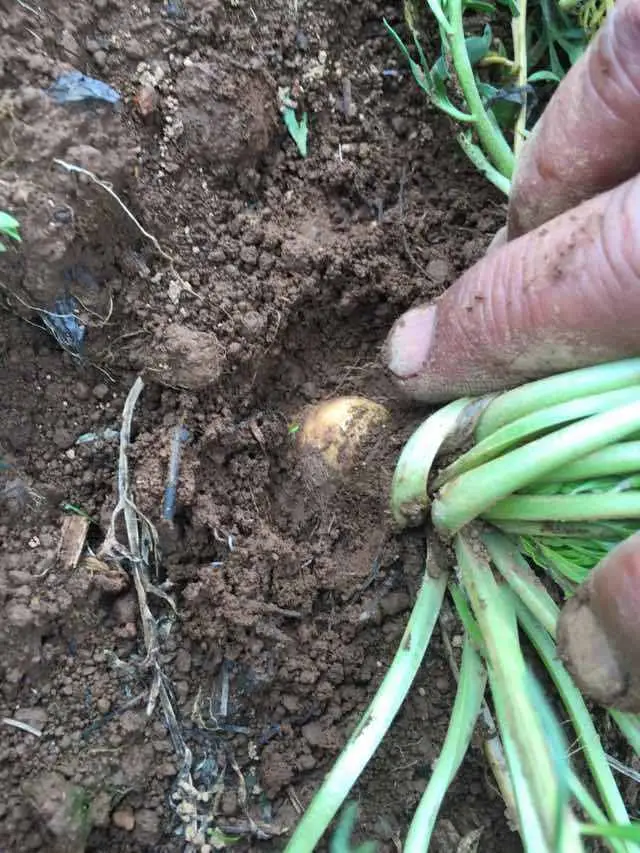
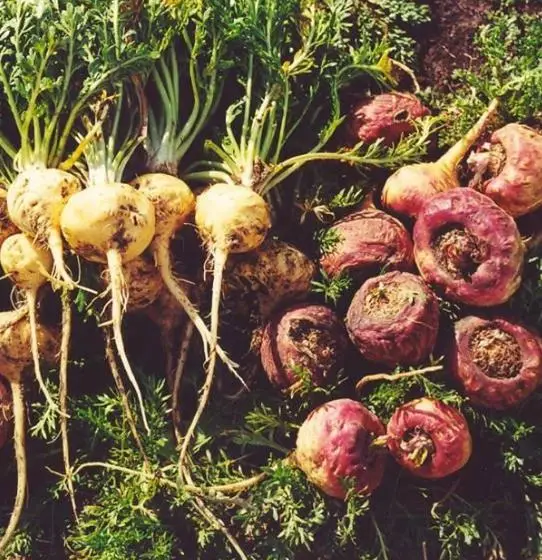
The habit of growth, size and maca proportions are approximally similar to the rabanette and rut, to which it is related. Seeds, which are the only reproduction means of the plant, generally generate within 10 to 15 days, provided that the ideal conditions are provided; the same have no sleep. Harvest is made between 8 and 10 months of the seed the plant’s maturity.
For about 2,000 years, the species is traditionally consumed in food and used in local medicine as an aphrodisiac, promotes strength and physical resistance.
Some clinical trials made in men have demonstrated that maca extracts may increase libido and improve sperm quality, and other continue in progress, but confirmed better production of spermatozoids, dimension and diminuation.
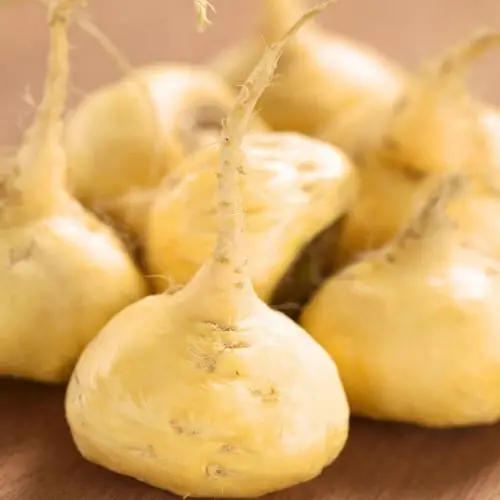
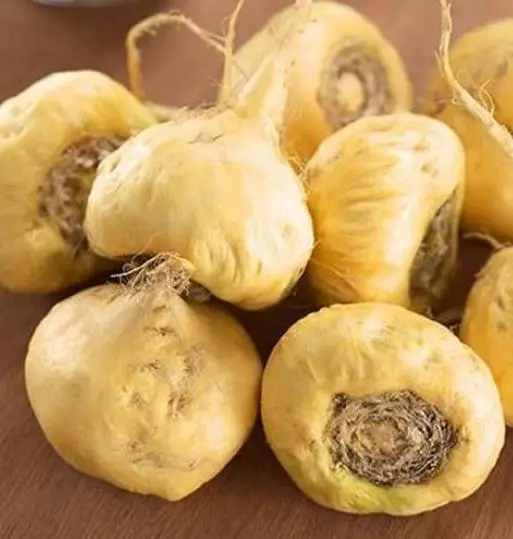
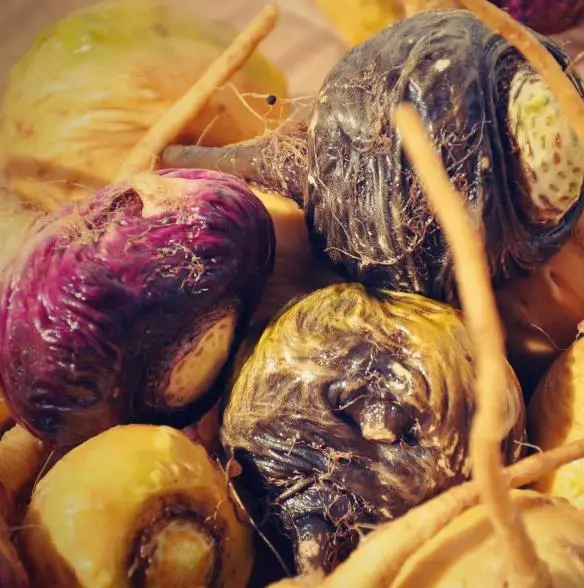
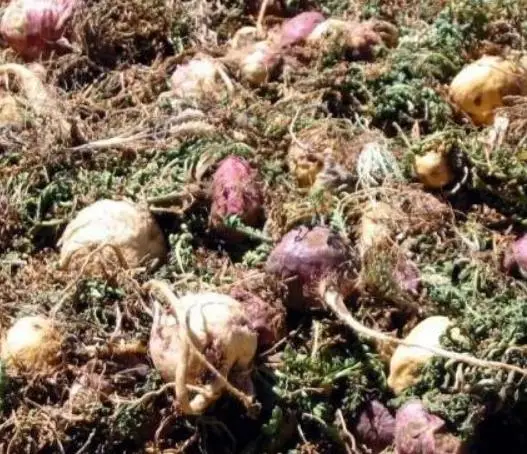
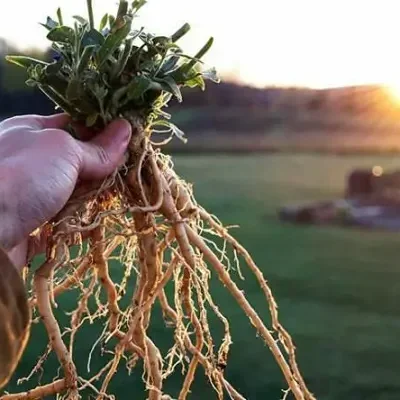
Lepidium meyenii, known as maca or Peruvian ginseng, is an edible herbaceous biennial plant of the family Brassicaceae that is native to South America in the high Andes mountains of Peru. It was found exclusively at the Meseta de Bombón plateau close to Lake Junin in the late 1980s. It is grown for its fleshy hypocotyl that is fused with a taproot, which is typically dried, but may also be freshly cooked as a root vegetable. If it is dried, it may be further processed into a flour for baking or as a dietary supplement. It also has uses in traditional medicine. As a cash crop, it is primarily exported as a powder that may be raw, or processed further by the supplement industry: gelatinized or made into an extract.
Its Spanish and Quechua names include maca-maca, maino, ayak chichira, and ayak willku.
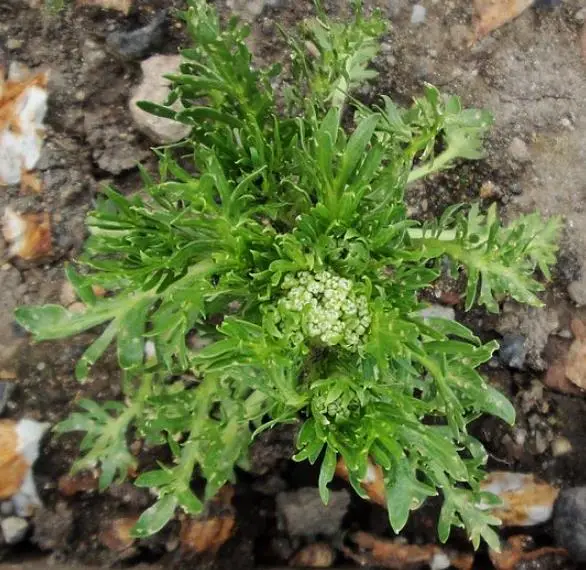
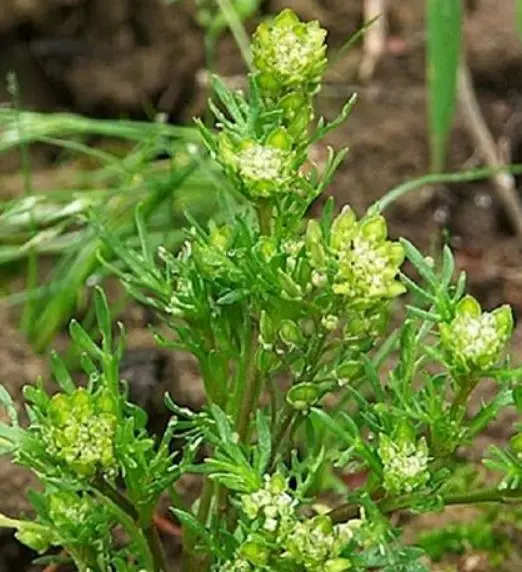
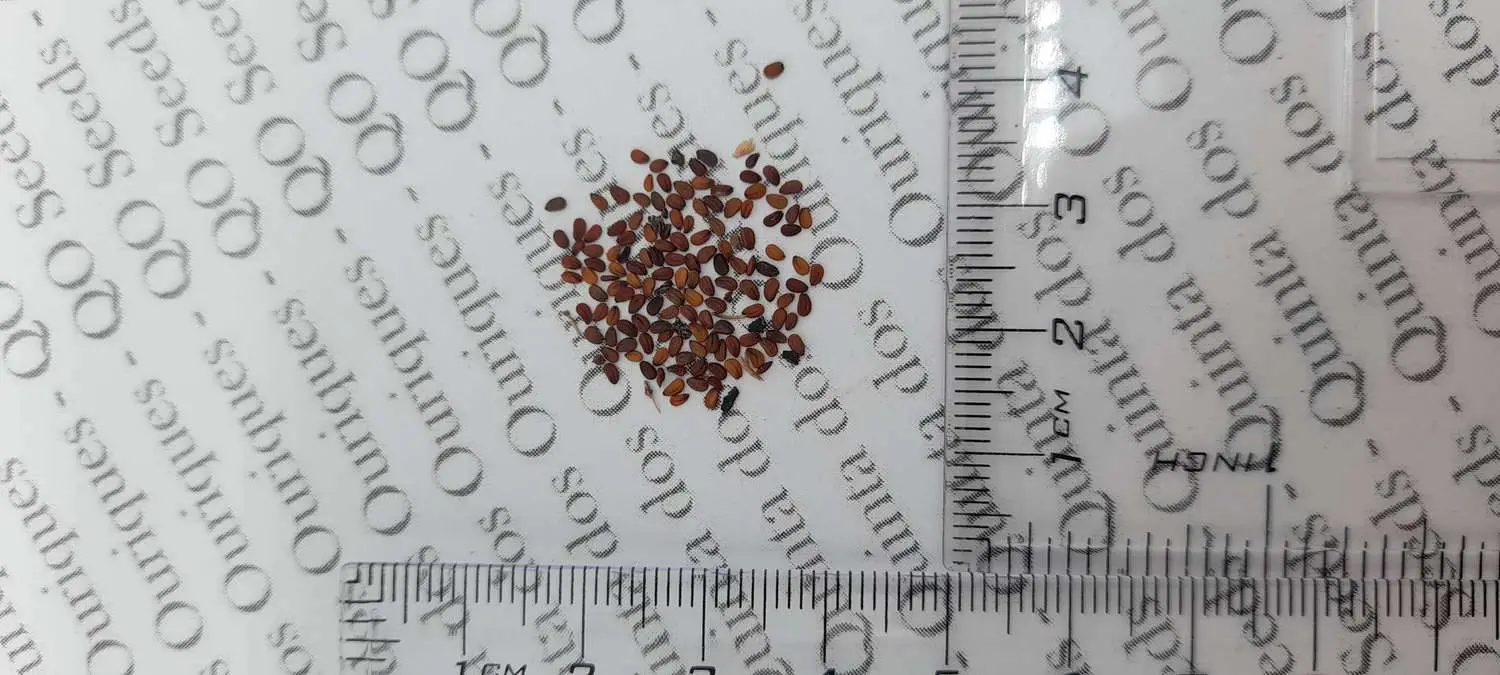
The growth habit, size, and proportions of maca are roughly similar to those of radishes and turnips, to which it is related, but it also resembles a parsnip. The green, fragrant tops are short and lie along the ground. The thin, frilly leaves sprout in a rosette at the soil surface, not growing more than 12–20 cm (4.7–7.9 in) in height. The leaves show a dimorphism according to reproductive stage. They are more prominent in the vegetative phase, and are continuously renewed from the center as the outer leaves die. The off-white, self-fertile flowers are borne on a central raceme, and are followed by 4–5 mm (0.16–0.20 in) siliculate fruits, each containing two small 2.0–2.5 mm (0.079–0.098 in) reddish-gray ovoid seeds. Seeds are the maca’s only means of reproduction. Maca reproduces mainly through self-pollination and is an autogamous species. The genome consists of 64 chromosomes. From experiments with different day lengths, maca is a short-day plant. Some sources consider the maca to be an annual plant, as in favorable years it can complete a lifecycle within a year.
Germination Guide
🌍 Northern Australia, Papua New Guinea, Indonesia (Maluku Islands)
Easy
Acacia auriculiformis, commonly known as earleaf acacia or northern black wattle, is a fast-growing leguminous tree native to Australia, Papua New Guinea, and Indonesia. This multipurpose species exhibits significant seed dormancy that requires pre-treatment to achieve high germination rates. With proper pre-sowing treatments and optimal growing conditions, germination rates exceed 70-83%, making propagation relatively straightforward for experienced nursery practitioners.
Germination
Germination time
Expect germination in
7 – 35 days
Temperature
Min 20°C
Ideal 27°C
Max 30°C
Substrate moisture
💧💧 High
Sowing depth
Lightly covered
Seed Pre-treatment
-
💧
Soaking — 18 hours
Soak seeds in warm water for 12-24 hours. This standard Acacia treatment improves germination. Hot water treatment (80°C for 10 minutes) is the most effective method.
-
🔨
Hot water scarification
Immersion in boiling water (80°C) for 10 minutes achieves highest germination success (83%). Alternatively, mechanical scarification with sandpaper (78% success) or sulfuric acid treatment (75-96% success depending on duration) can be used. Seeds can also germinate without pretreatment if freshly harvested.
-
📋
Additional notes
Hot water treatment (80°C for 10 minutes) is the recommended pre-treatment for optimal germination. Without pretreatment, germination rate is only 43%. Scarification with sandpaper or sulfuric acid (5-10 minutes) are effective alternatives.
Substrate & Container
Recommended substrate
Well-draining, light, pathogen-free substrate. Mixture of topsoil, coconut husk, coarse sand, and fine sand (3:4:1:1 ratio) or blotting paper with consistent moisture.
Recommended container
Transparent plastic pots or containers with drainage holes; polybags suitable for nursery propagation
Growing Tips
For best results, use hot water treatment (80°C for 10 minutes) as the primary pre-treatment method. Sow seeds on substrate surface in well-lit conditions without direct sunlight; use fluorescent lighting if necessary. Maintain high substrate moisture using transparent lids to create humid microclimate. Provide 50% shade for newly emerged seedlings, transitioning to 70% full sunlight after establishment. Seedlings reach plantable size (25 cm height) in 3-4 months. Avoid heavy clay soils; prefer well-draining sandy or loamy substrates. Store seeds in airtight containers at room temperature for extended viability (up to 18 months or several years in air-conditioned storage).
Only logged in customers who have purchased this product may leave a review.

Reviews
There are no reviews yet.