
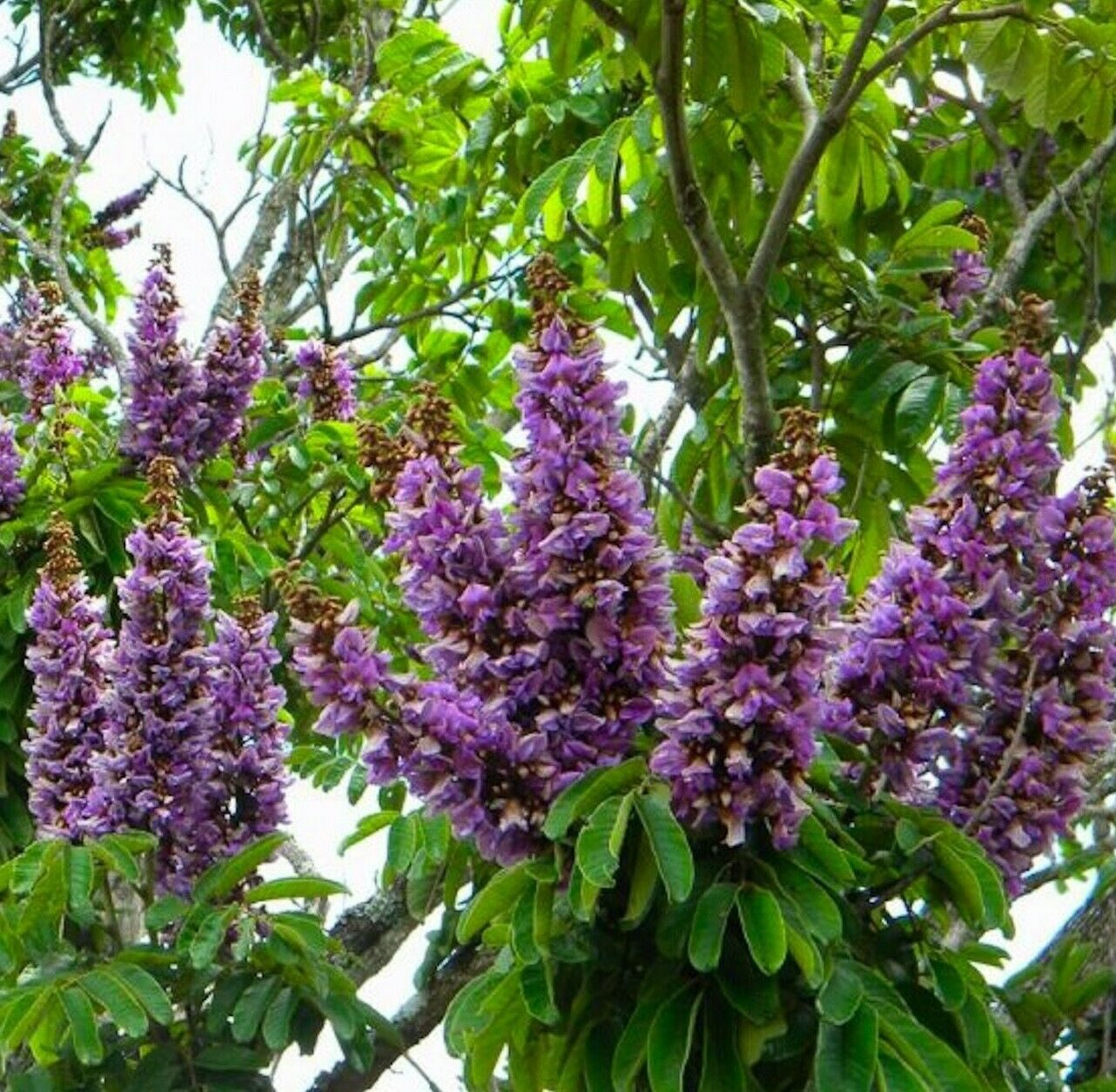
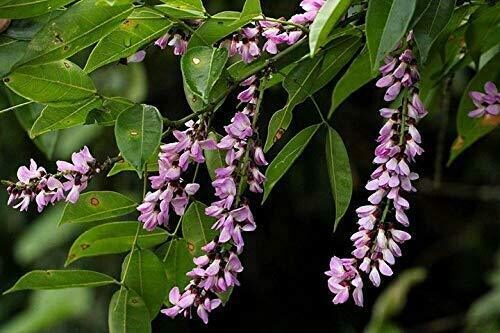
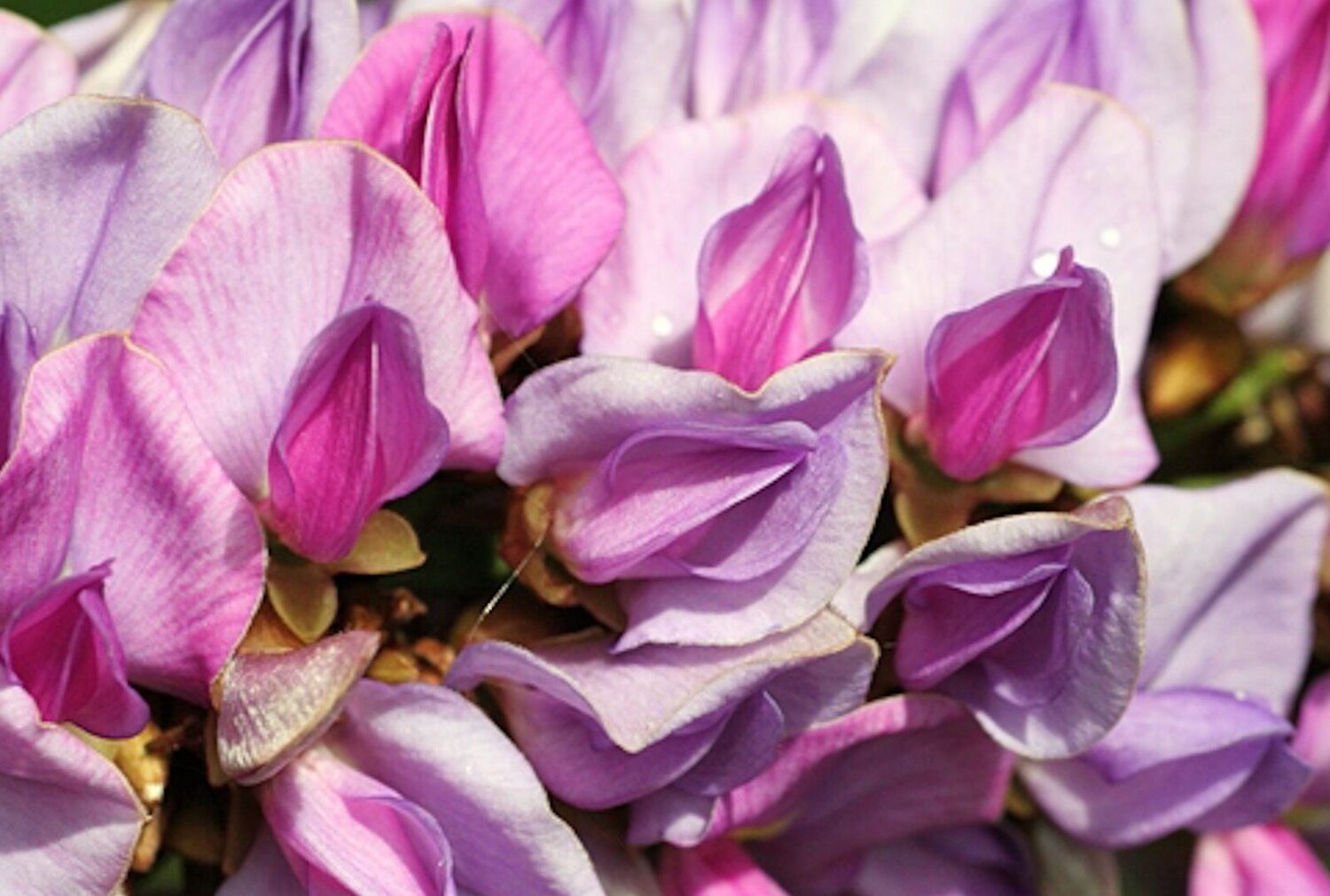
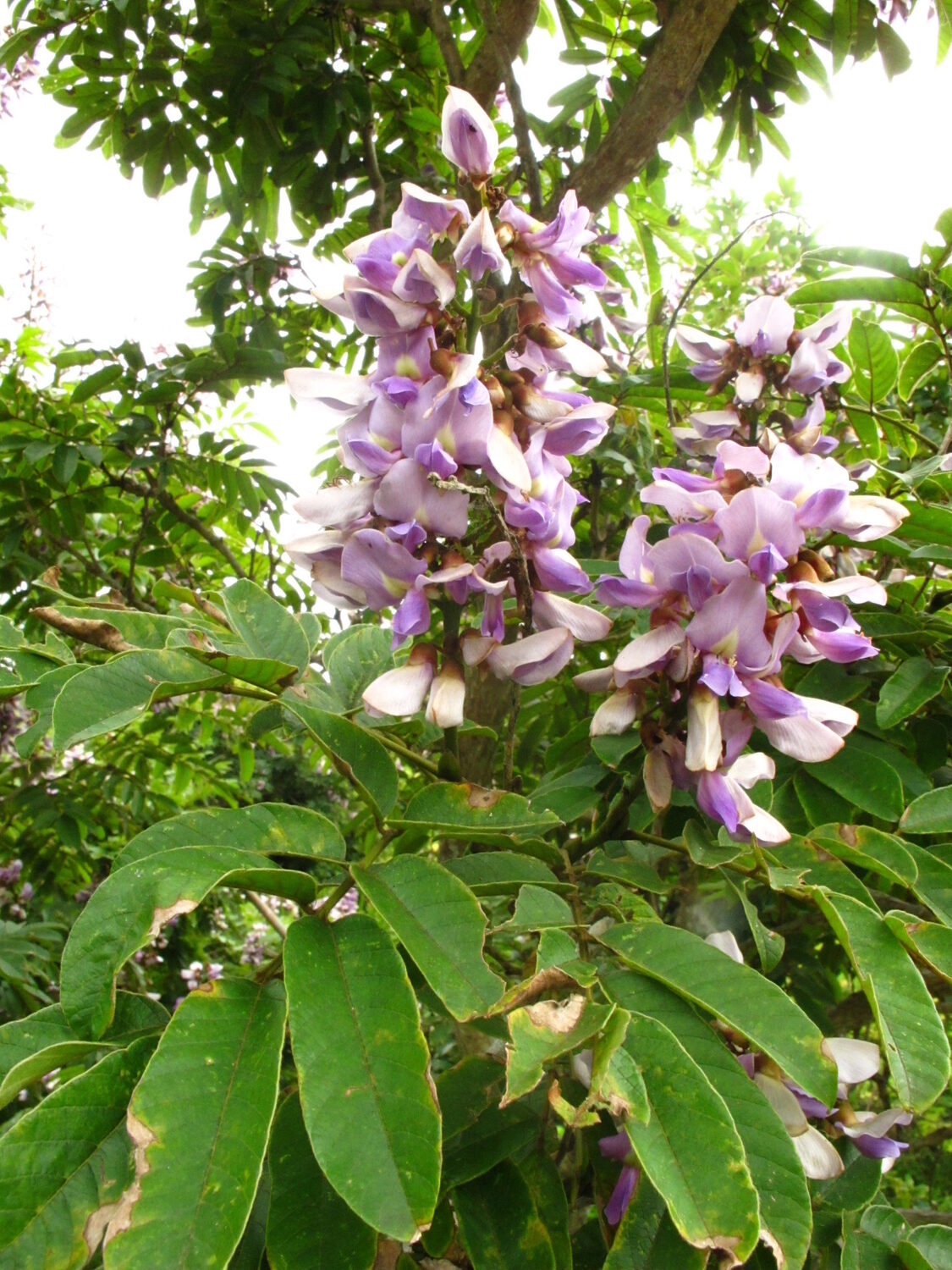
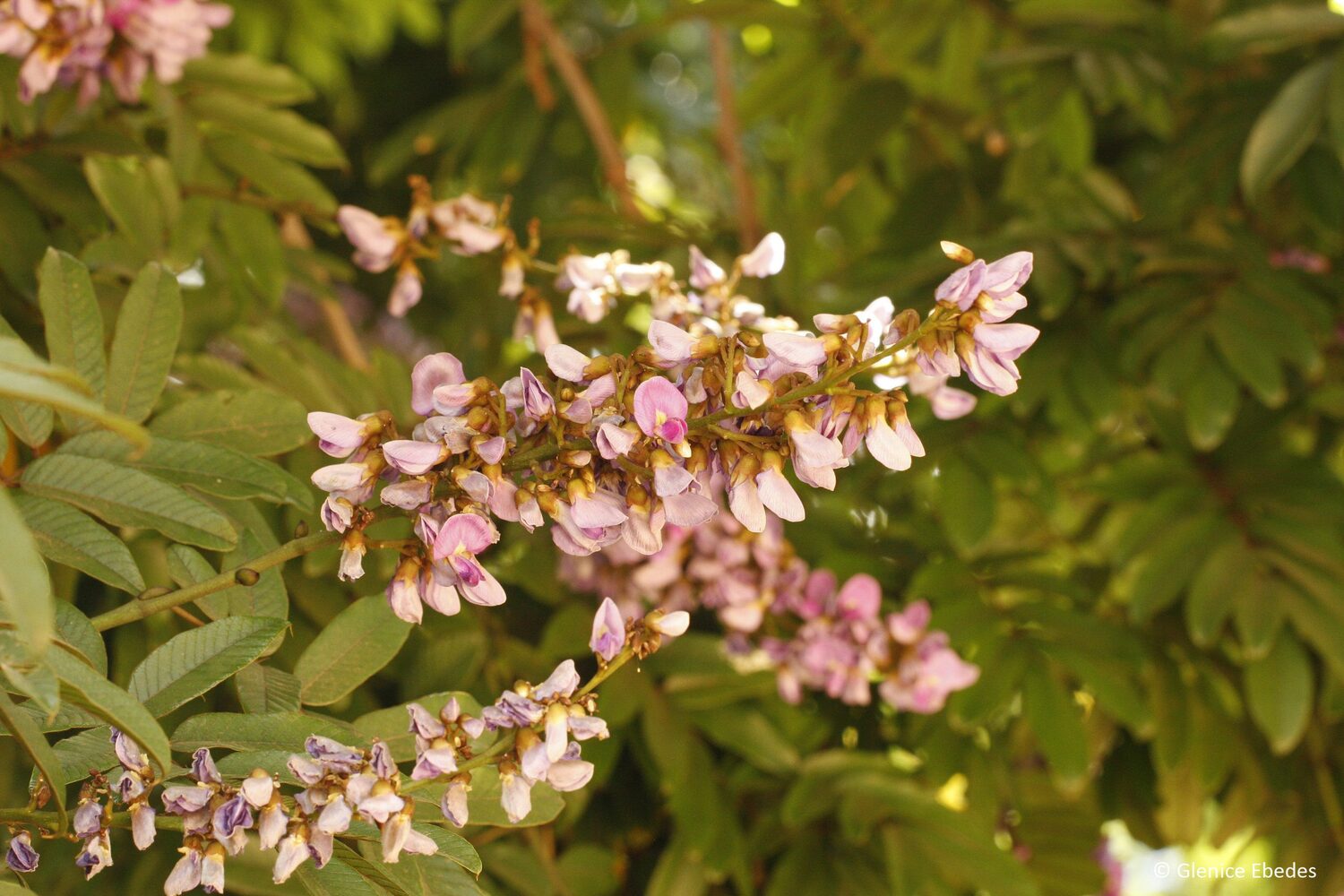
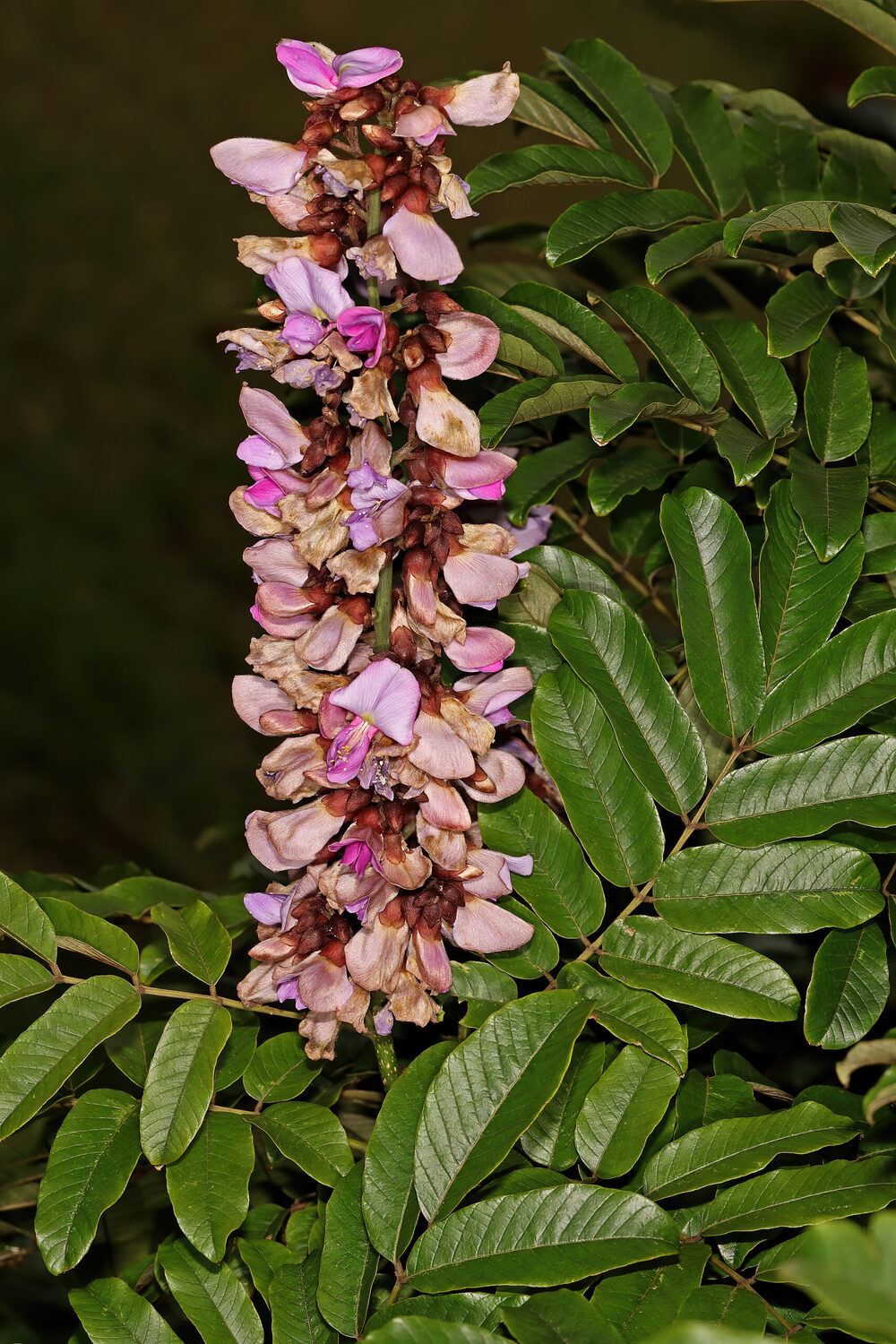
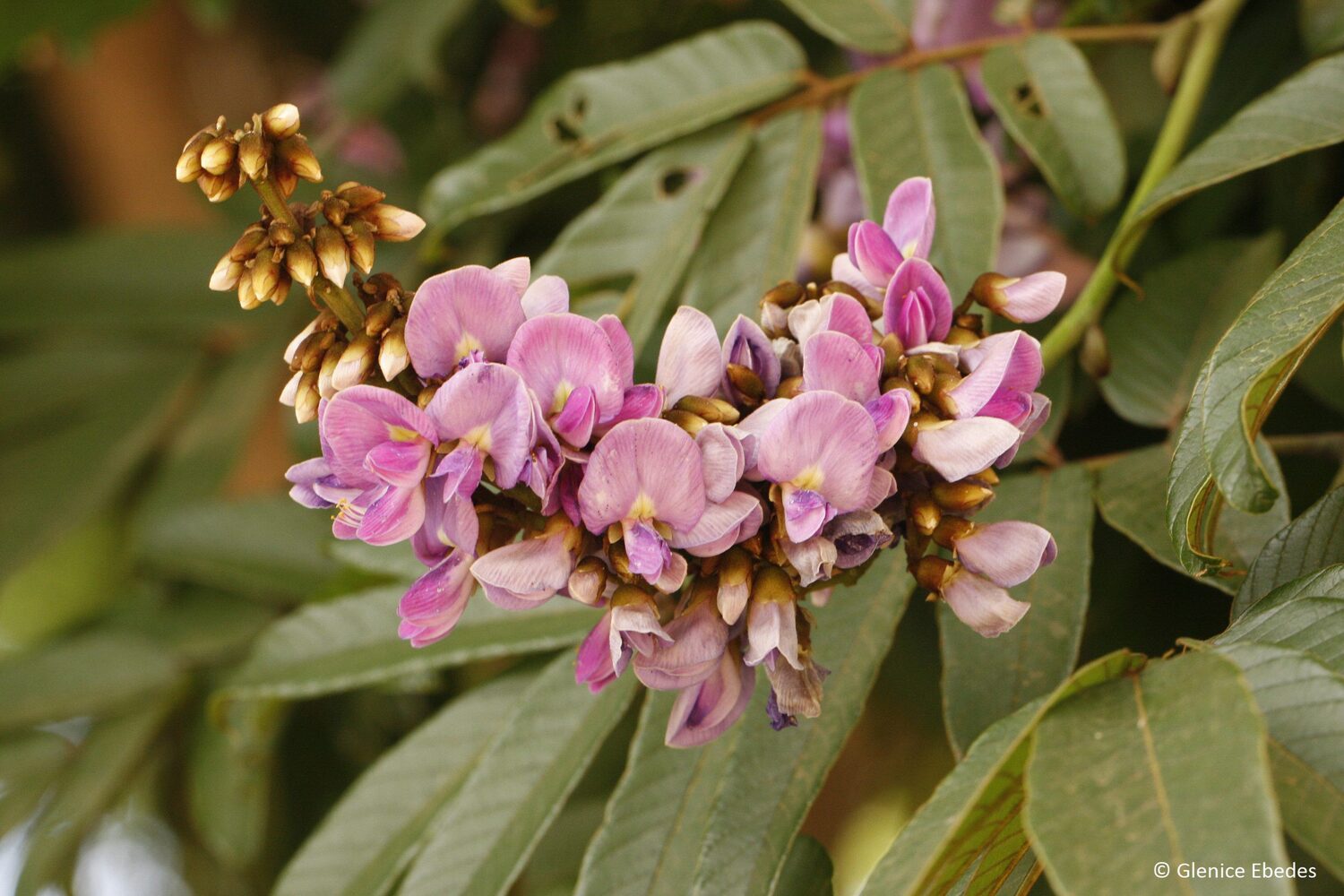
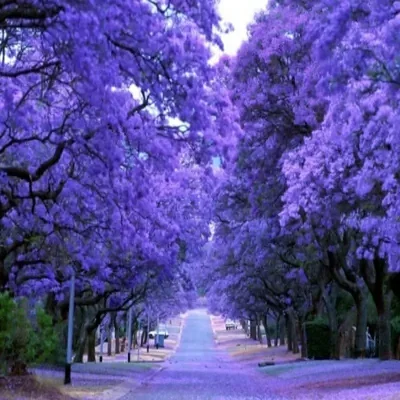
Mauve, lilac or purple wisteria-like flowers that attract bees and butterflies with nectar-rich blooms frame this sculptural tree with grey bark, coppery-red young leaves and golden seed pods. Its hard wood with attractive coloration is valued for fine furniture and hand-carved walking sticks—grow timber *and* garden beauty from seed.
€4.54
Flowers like those of wisteria, in mauve, lilac, or purple, rise above the canopy each summer—a sight that stops you in your tracks.
This is a Fabaceae from South Africa’s coastal forests of KwaZulu-Natal and the Eastern Cape, where it grows in coastal forest margins and is most common in Pondoland. The name Millettia honours Charles Millet, a plant collector in 1830s Canton, China; grandis means large. This is no modest tree—it’s a statement of living heritage.
Here is what makes the Umzimbeet truly extraordinary: Its hard wood with attractive coloration is valued for the manufacture of furniture, and today walking sticks are made from it and sold to tourists. More than ornament, this tree is a living investment. The wood shows a clear distinction between yellow sapwood and dark reddish-brown heartwood, used to make striking two-toned walking sticks. The hard wood has high density and strength, and impressive furniture including cabinetwork that polishes beautifully can be created from it. It can be harvested at 10–15 years for planks in high-rainfall areas. Woodworkers, wood-turners, and craftspeople treasure this species. Start now; in 10–15 years, your tree becomes raw material for legacy pieces.
But the beauty begins long before harvest. Attractive flowers occur in summer, pea-shaped and mauve to purple, held in upright inflorescence at branch ends, emerging from rusty-brown buds. These are fragrant, creamy-yellow to white flowers that are rich in nectar and attract pollinators like bees and butterflies. The fruits are flat, woody pods up to 150 x 40mm, covered with a velvety layer of reddish to golden-brown hairs. New leaves are reddish-brown and velvety at first, and older leaves turn yellow before dropping in drier months. This tree is a four-season performer: copper-red new growth in spring, eruptions of purple blossom in early summer, velvety golden pods in autumn, and graceful bare branches through winter. At least four species of butterfly larvae feed on the leaves, making it a natural sanctuary for Lepidoptera. As a legume, it enhances soil fertility through its nitrogen-fixing ability—beauty that enriches the earth around it.
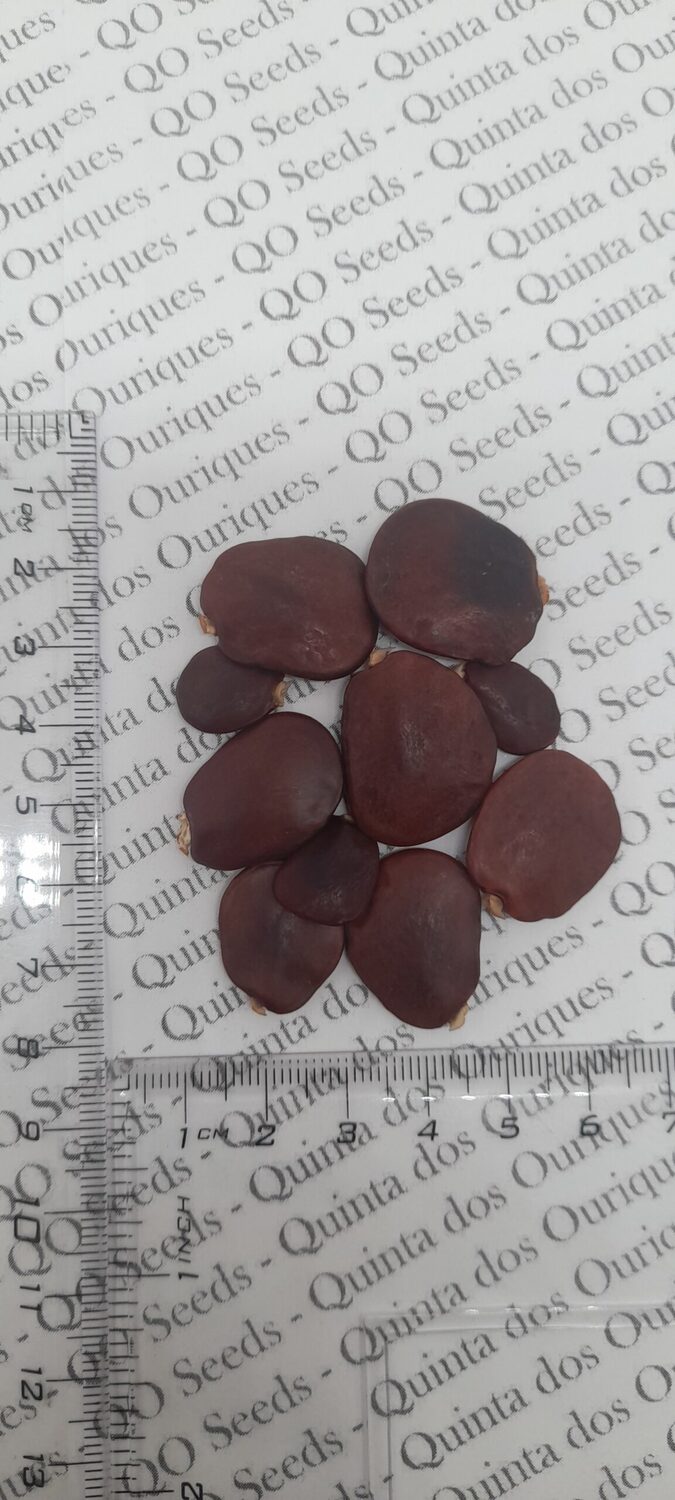
Cultivation is straightforward for those in warm temperate to tropical zones. Umzimbeet can be grown outdoors in USDA Hardiness Zones 9a–11b. It loves full sun but tolerates some shade, and should be planted into well-drained soil with generous compost added. It is not drought-hardy, so water regularly during dry spells. It grows best in deep, rich sandy soils where ample water is available. It often occurs on sandy soils but also on shale, though trees on shale are often gnarled. Young trees transplant well and grow fairly fast: 80–100 cm/year under favourable conditions. Germination is reliable: scarify seeds by lightly rubbing with sandpaper or nicking with a knife, then soak in warm water for about 24 hours, or simply soak fresh seeds in hot water overnight before sowing. Germination can be slow and may take several weeks to a few months, but patience rewards you with a tree that will outlive you.
The tree makes an attractive garden and street tree and it does not have an aggressive root system, so you can plant it near structures and pools without fear. This is a tree you’ll appreciate every single day—as living art, as wildlife sanctuary, and as a gift of timber for generati
Only logged in customers who have purchased this product may leave a review.
Reviews
There are no reviews yet.