
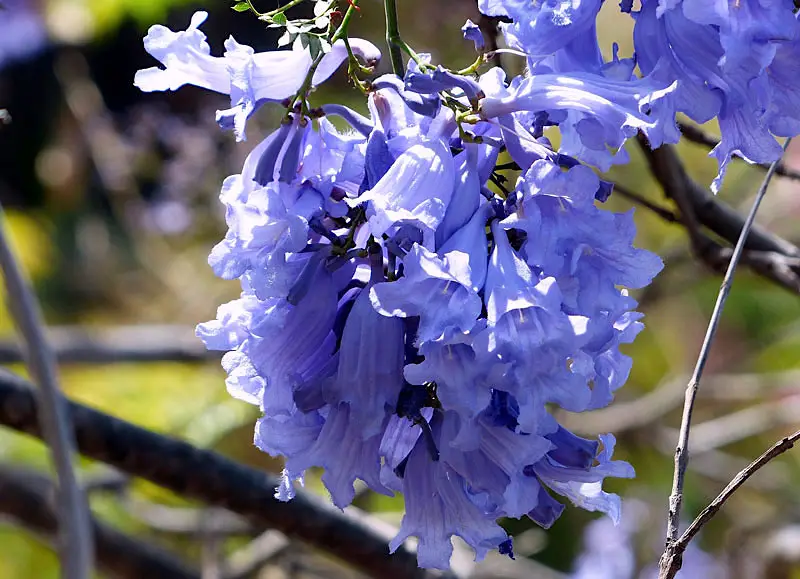

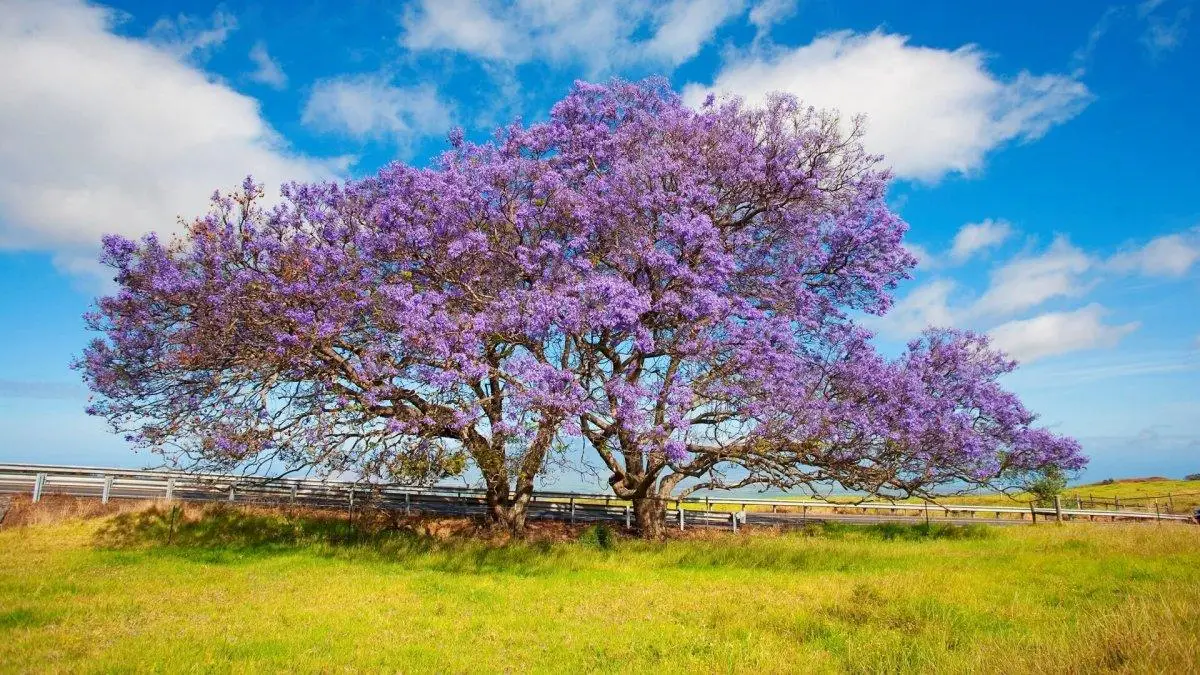

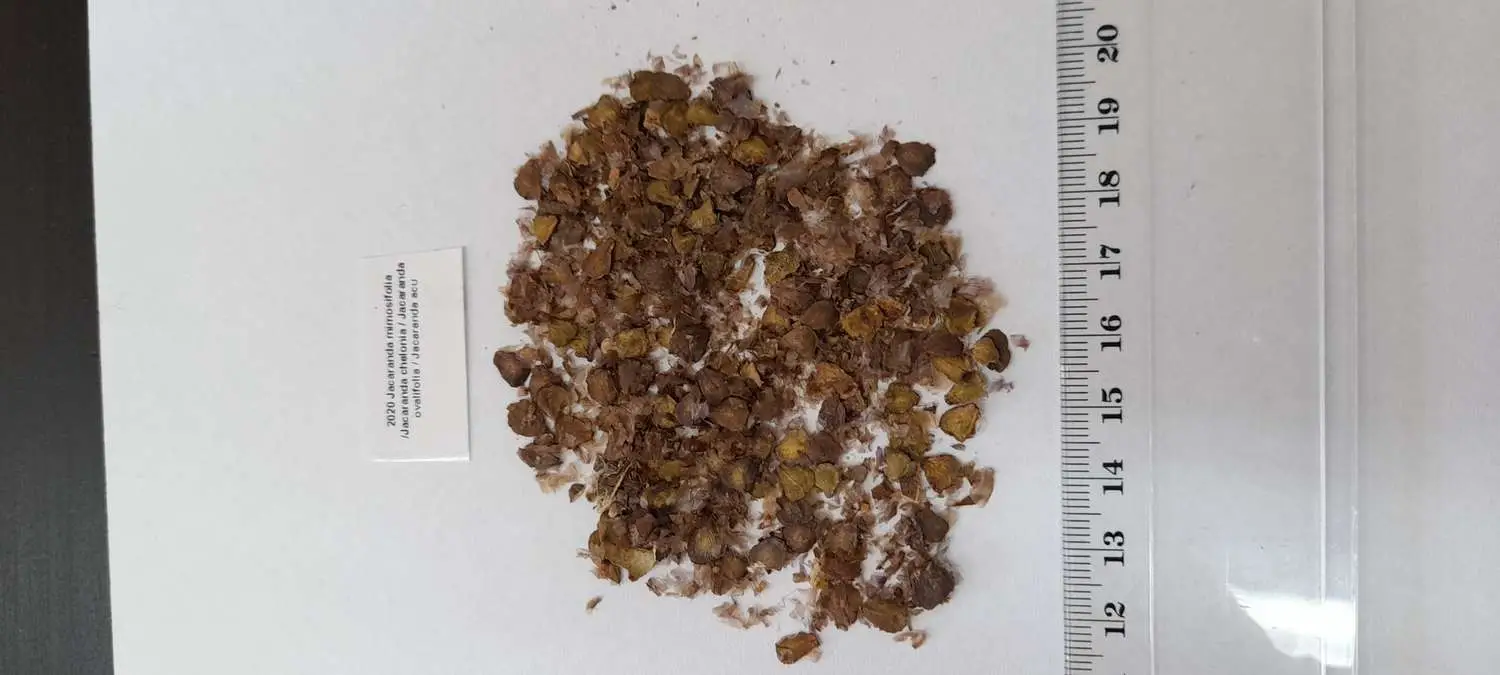
Imagine spring arriving in waves of lavender-blue flowers that carpet the ground beneath your tree. Jacaranda mimosifolia blooms spectacularly in spring and early summer with massed trumpet-shaped flowers that last for weeks, transforming any garden into a living masterpiece. Its delicate, fern-like foliage provides year-round elegance even when not flowering. Hardy, fast-growing, and thriving in warm climates—this is the ornamental tree that’s elevated ci
€1.92
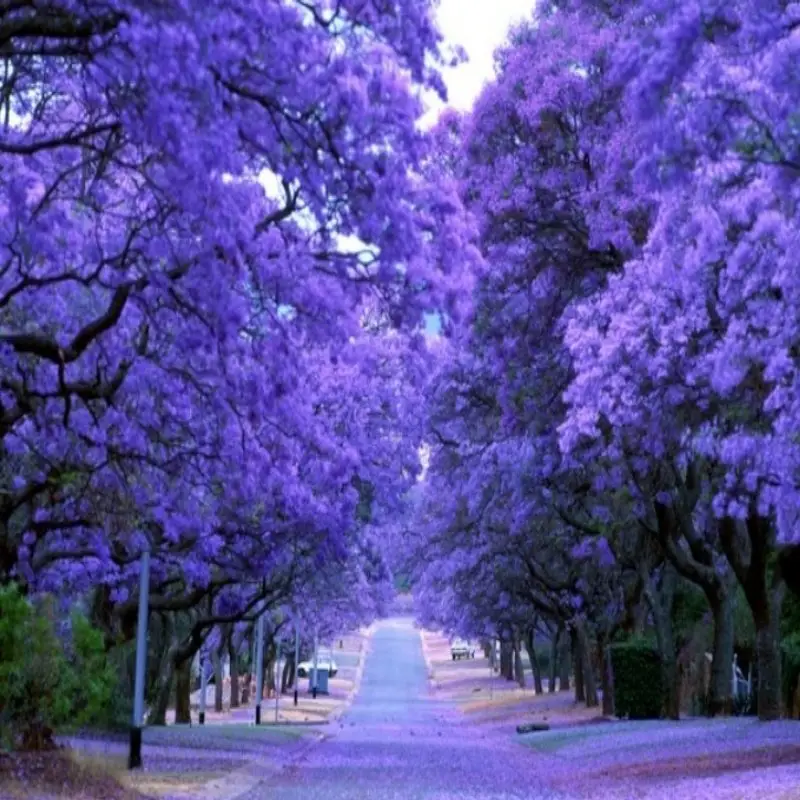
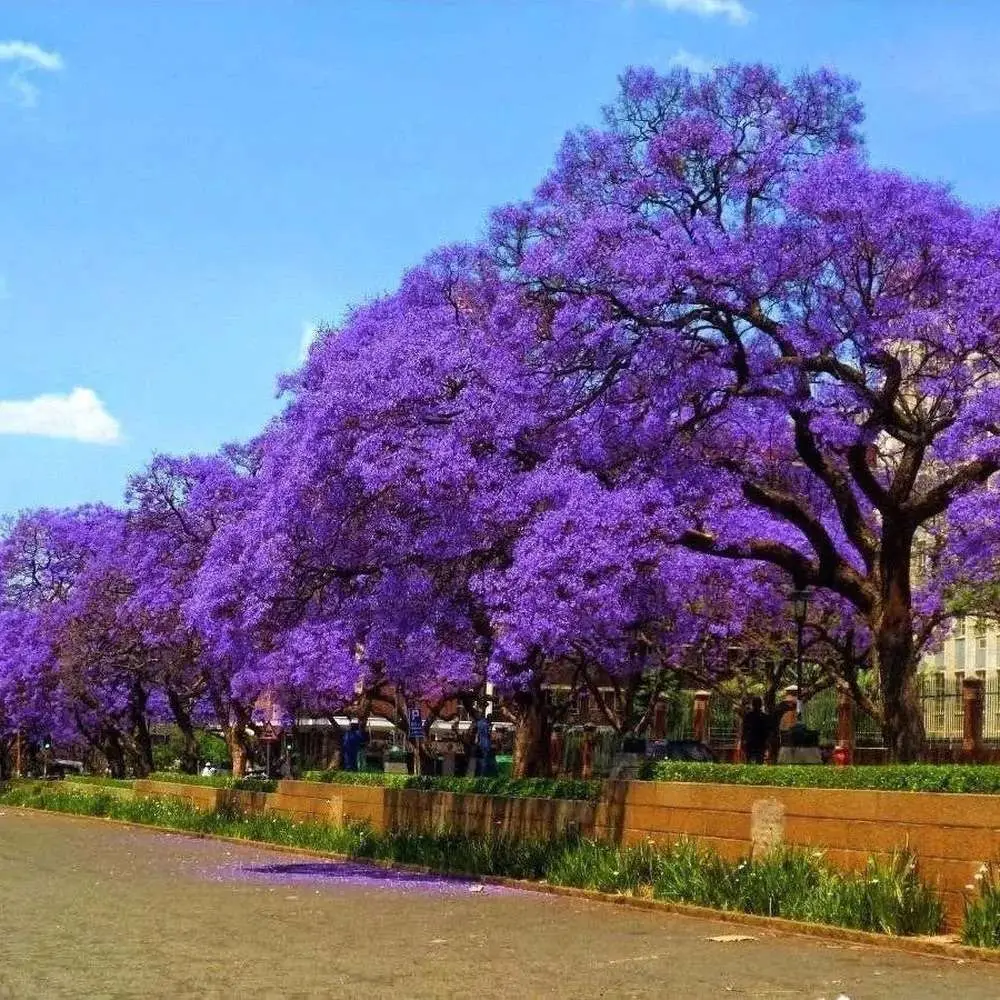
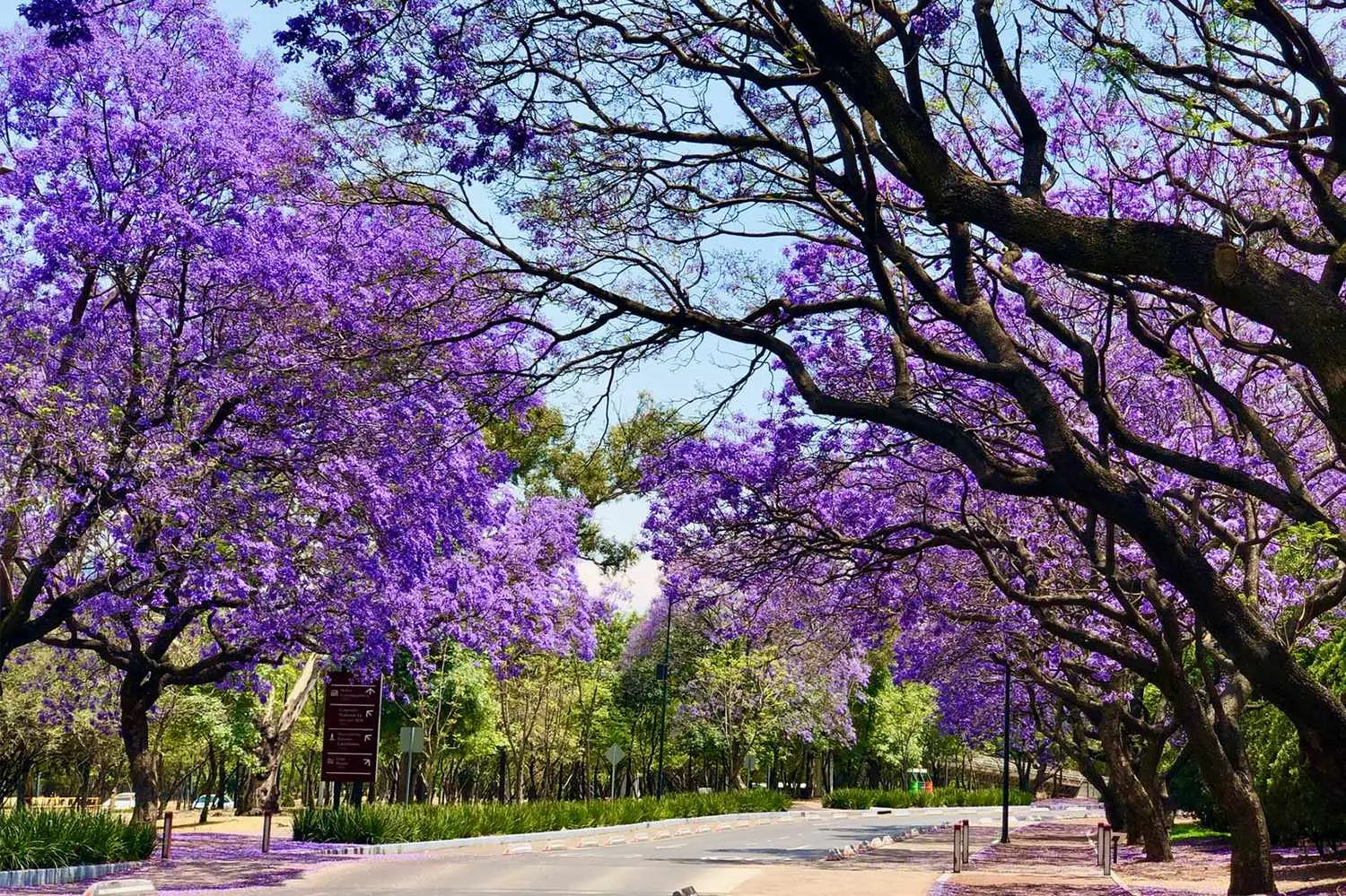
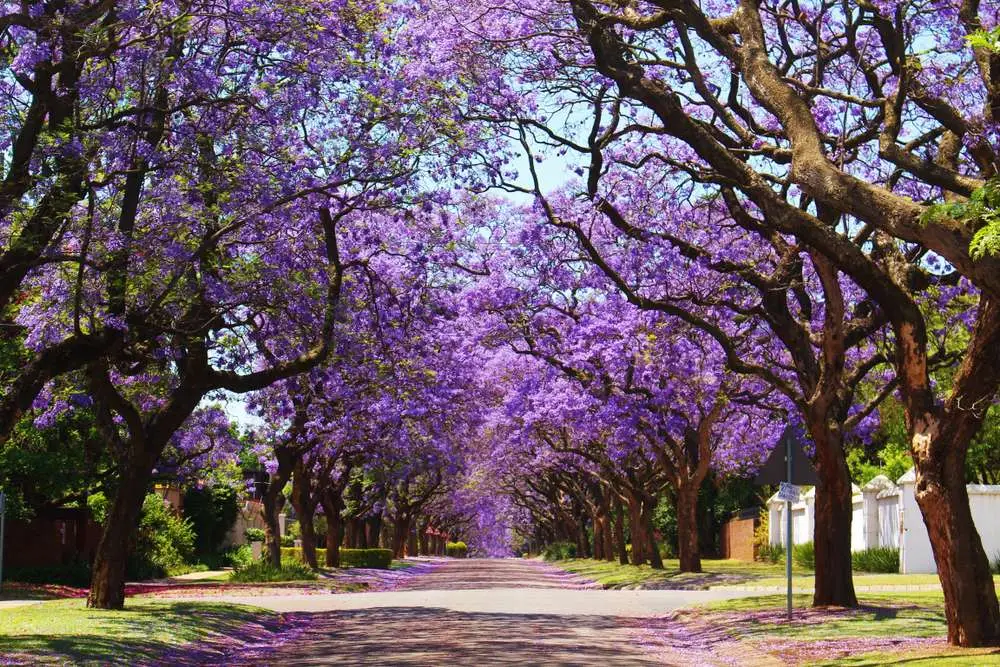
Imagine standing beneath a canopy so strikingly beautiful it stops you mid-breath—clouds of electric violet and lavender blooms hanging like nature’s own fireworks, petals drifting down to create a shimmering carpet beneath your feet.
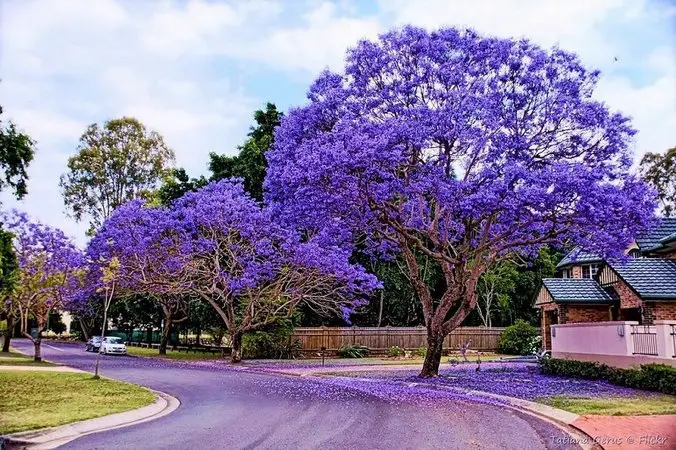
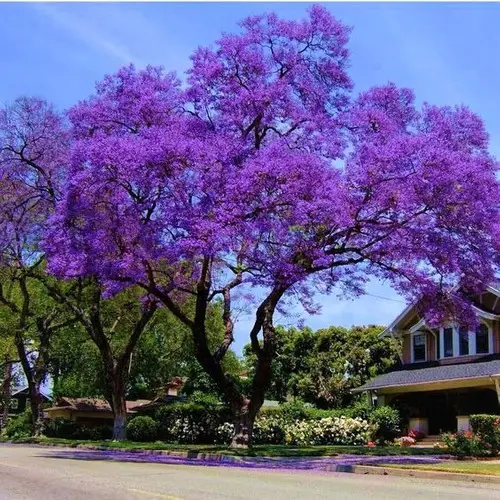
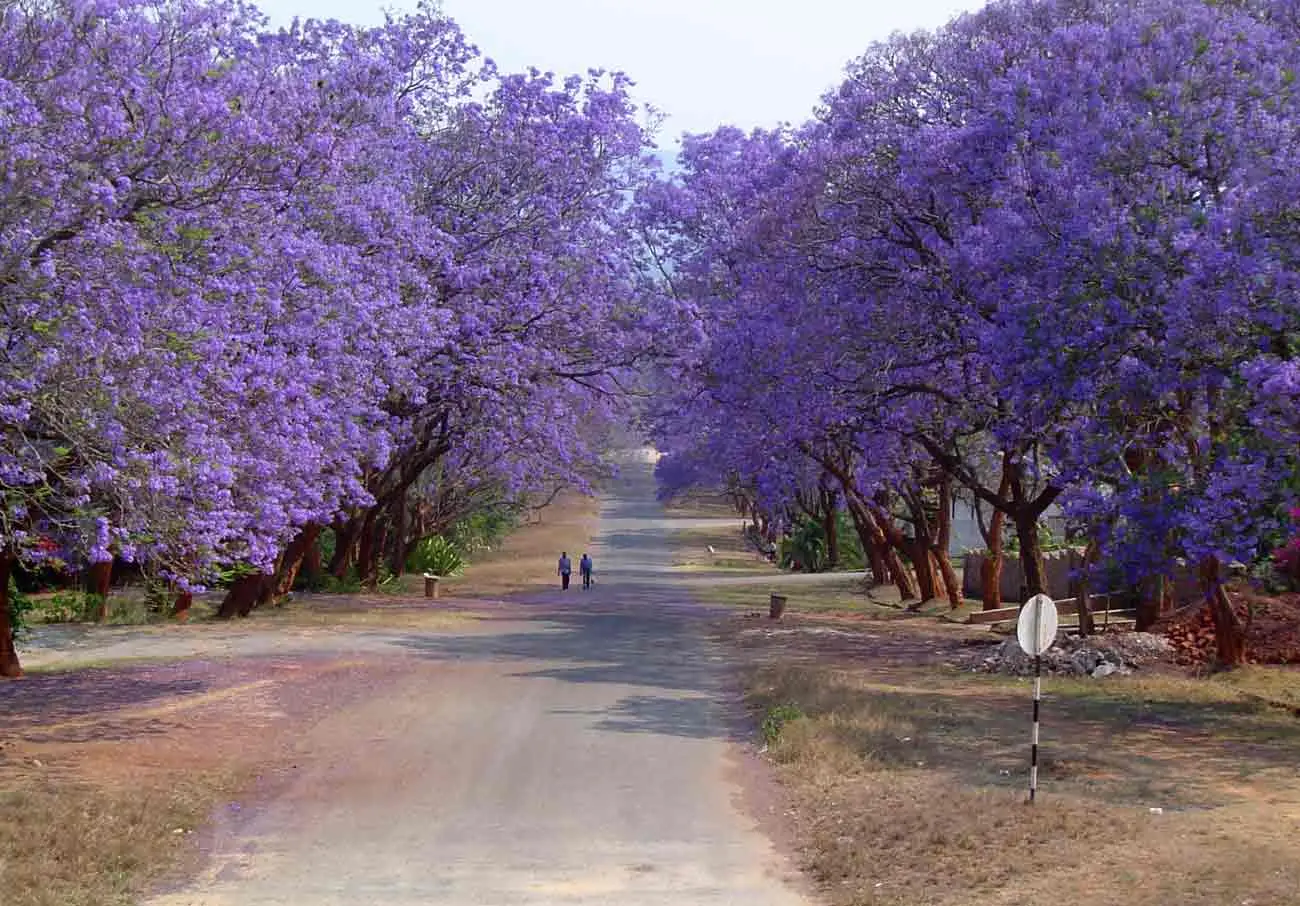
Jacaranda mimosifolia, native to the subtropical regions of Argentina, Bolivia, and southern Brazil, has become one of the world’s most celebrated ornamental trees precisely because it delivers this visual magic reliably, season after season. Known as the Blue Jacaranda, Black Poui, or Fern Tree, it’s been called the “Tree of Dreams” for a reason—its presence transforms landscapes so dramatically that entire cities are now defined by it. Pretoria, South Africa, is nicknamed “Jacaranda City” because 65,000+ trees turn the capital blue and purple every spring. Brisbane celebrates with guided tours of peak bloom locations. Buenos Aires, Los Angeles, the Mediterranean coast—Jacaranda has become iconic wherever warm climates welcome it.
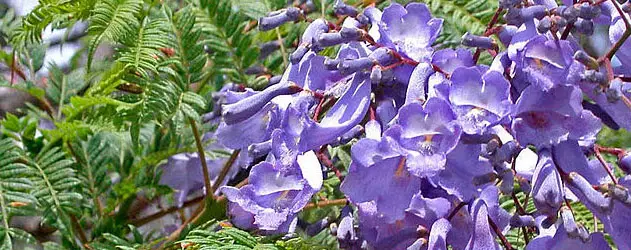
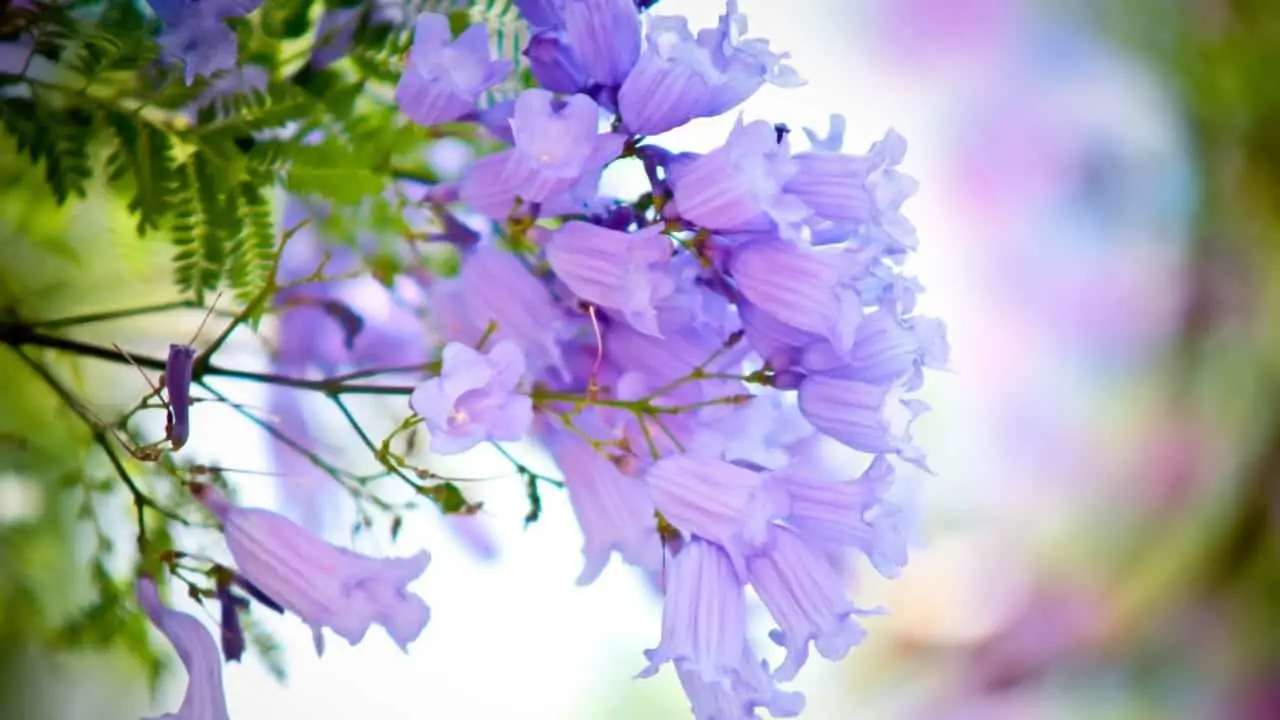
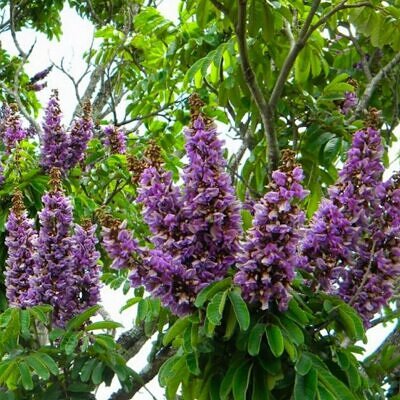
The flowers are the irresistible protagonist here. The flowers are up to 5 cm (2 in) long, and are grouped in 30 cm (12 in) panicles, appearing in spring and early summer, and last for up to two months. Jacaranda has abundant purple-blue flowers in early spring, before the tree produces a new flush of leaves, and the floral show continues when the flowers drop, carpeting the ground in purple-blue. It is one of the most spectacular and ornamental flowering trees in the subtropics. Beyond the blooms, Jacaranda features large, bright green, fern-like compound leaves that can reach up to 20 inches (50 cm) long, providing an elegant, feathery texture even during dormant months. After flowering, Jacaranda produces flattened, woody, mahogany-colored seedpods. These seedpods add ornamental interest and can be used in floral arrangements.
Beyond sheer ornamental beauty, this tree unlocks surprising secondary treasures. Historically, Jacaranda has been used to treat bacterial infections, skin conditions, and inflammation. The leaves, bark, and root are the components used medicinally most often rather than the flowers. The bark has a higher antioxidant composition than the leaves and may be useful in the prevention of oxidative stress induced and neurodegenerative diseases. For those with a passion for miniature cultivation, Jacaranda mimosifolia bonsai is one of the most visually impressive tropical flowering bonsai trees thanks to its soft fern-like foliage, elegant canopy structure, and seasonal blue-purple blooms. Its combination of fast growth and refined tropical appearance makes it a rewarding species for bonsai enthusiasts who enjoy ornamental flowering trees. Additionally, J. mimosifolia is used as bee forage and is an excellent source of nectar for African honey bees in Ethiopia.
Growing Jacaranda mimosifolia from seed is wonderfully straightforward. The tree thrives in USDA hardiness zones 10-11 and is highly tolerant of heat and humidity. It prefers a sunny position and well-drained soil, and is drought-tolerant once established, but benefits from occasional deep watering during hot periods. Jacaranda mimosifolia is a fast-growing species that re-sprouts easily when damaged. Jacaranda mimosifolia can be propagated from seed by collecting ripe fruit or seed pods and extracting seeds, then sowing in a well-draining seed mix, keeping moist, and providing warmth (20–25°C) and light. The tree adapts readily: Jacaranda mimosifolia makes a good pot or container plant, but can reach heights of 10 feet (3 m), and if growing as a pot pl
Only logged in customers who have purchased this product may leave a review.

Reviews
There are no reviews yet.