Description
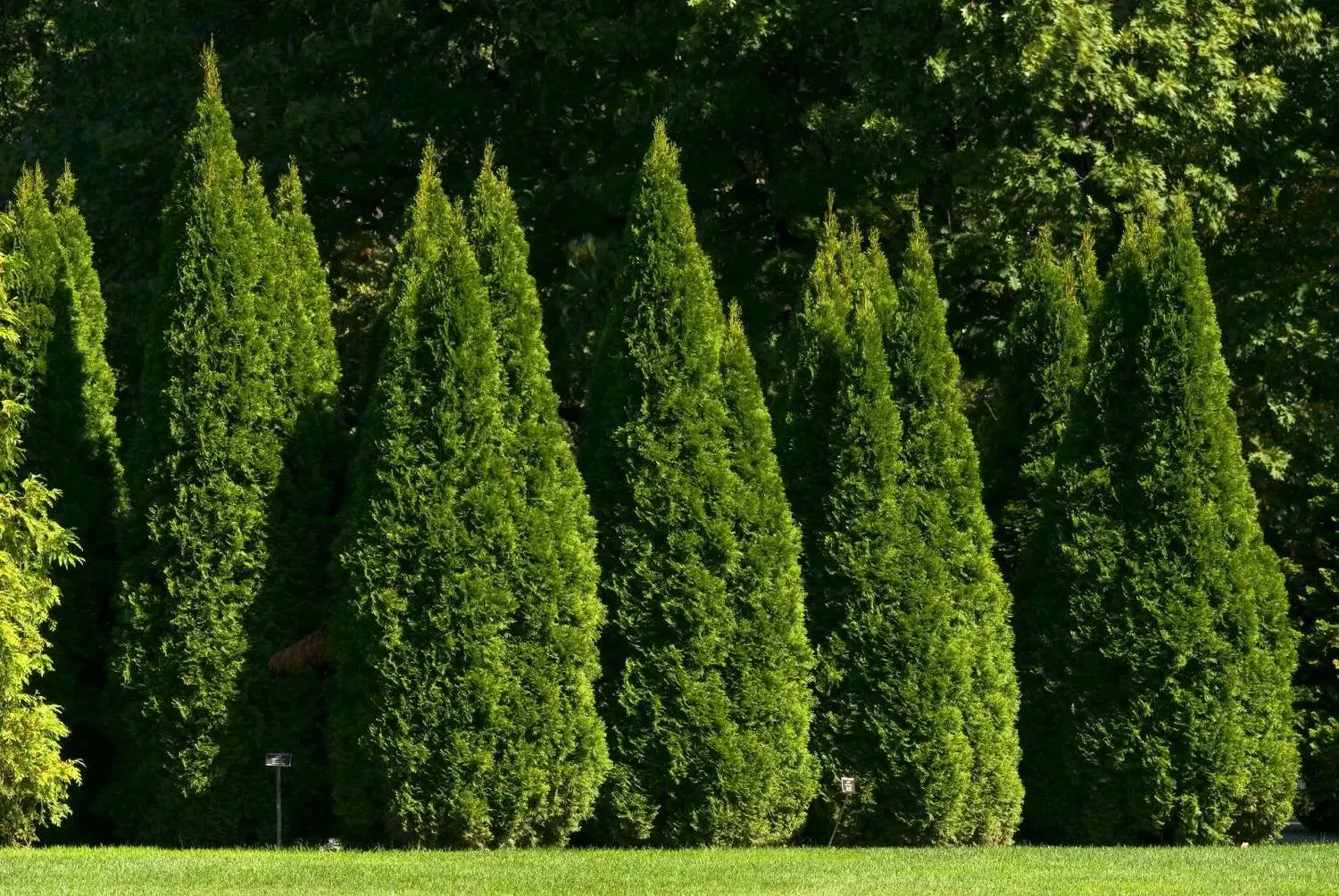
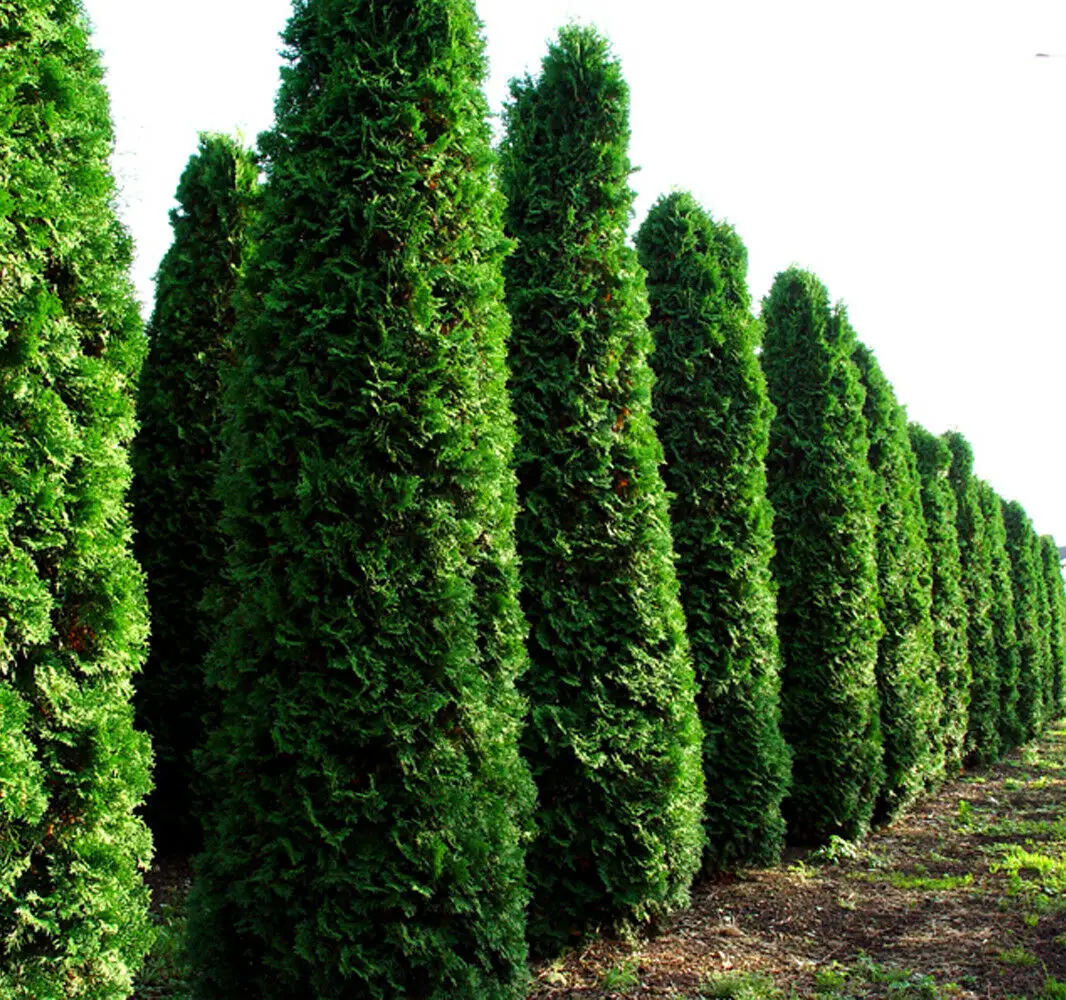
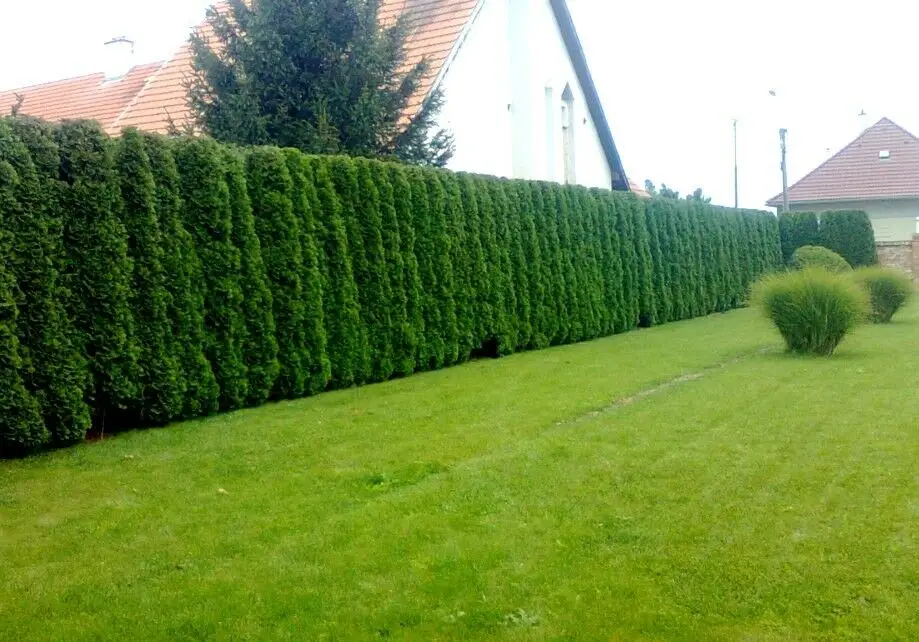
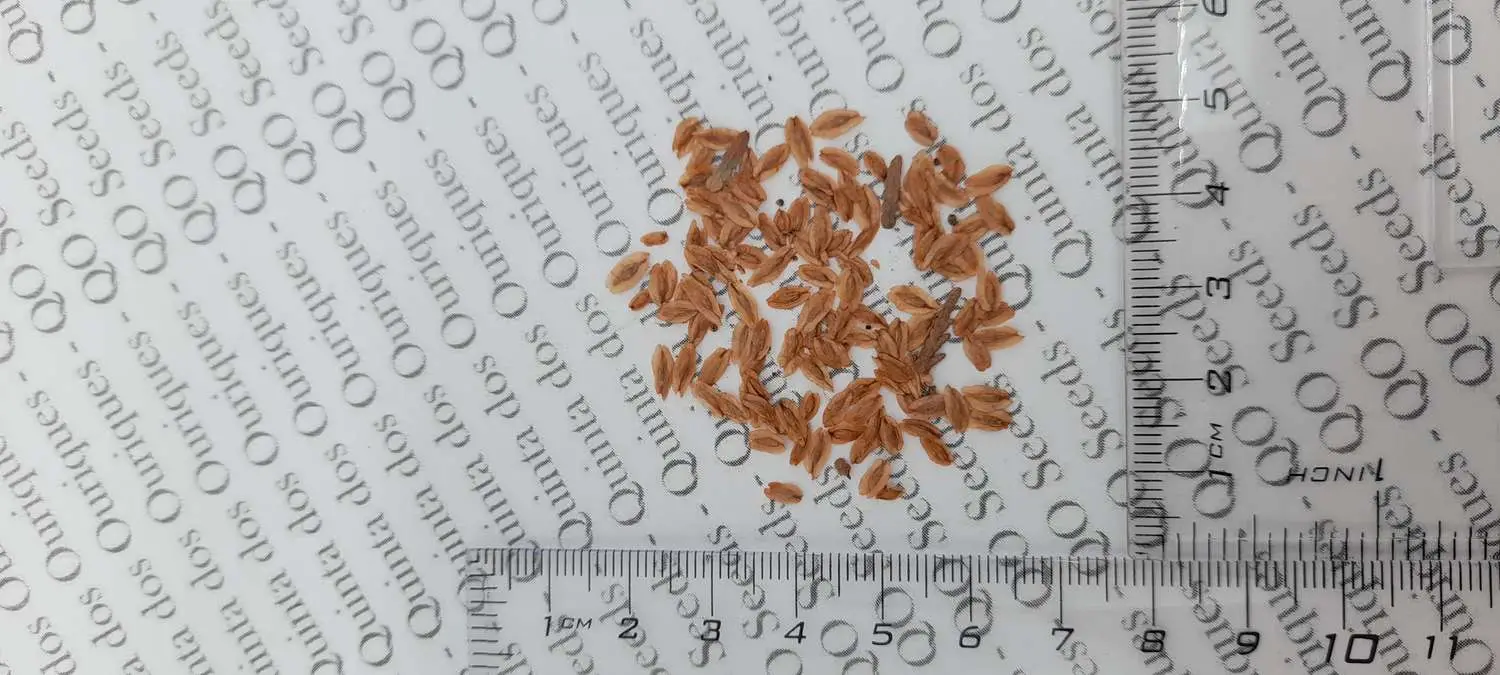
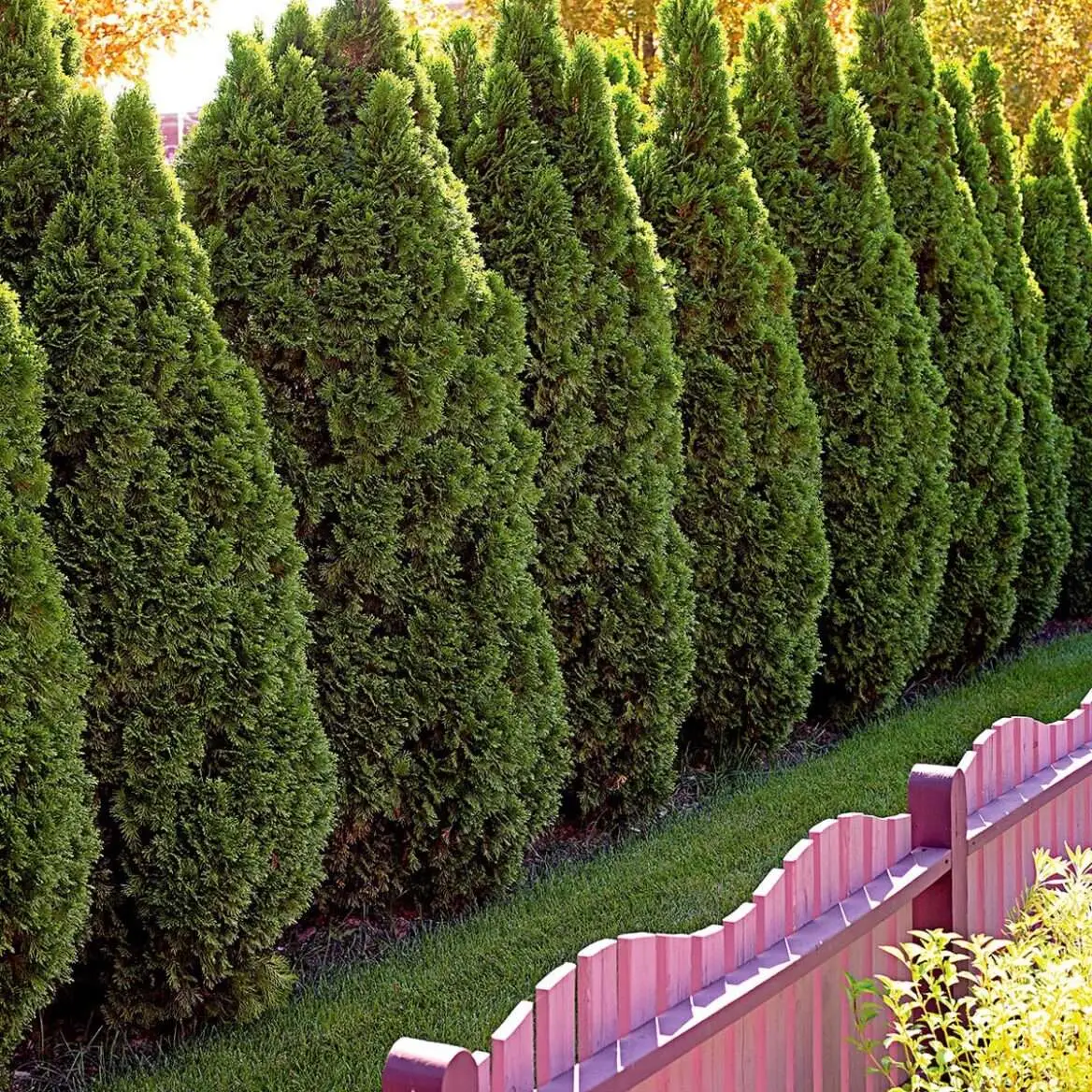
Thuja occidentalis (or Thuja vulgaris) is a coniferous plant in the Cupressaceae family of the genus Thuja.
It is a very leafy and intensely fragrant plant. It originates in the northeastern United States of America and southeastern Canada, and is one of the first American trees to acclimate in Europe. It was introduced to Europe in the 16th century.
The active principles of Tuia consist of an essence of complex composition and somewhat toxic due to the presence of a ketone, the tuiona (or tujona); The plant also contains tannins.
Germination Guide
🌍 Eastern Canada and northeastern and north-central United States, including Great Lakes region, Maine, Michigan, Minnesota, New Hampshire, New York, Ontario, Vermont, Wisconsin
Moderate
Thuja occidentalis, commonly known as Northern White Cedar or American Arborvitae, is a hardy evergreen conifer native to eastern North America, typically found in cool, moist forests and lake shores. This ornamental tree requires cold stratification to break dormancy, making seed propagation moderately challenging but rewarding. Its seeds germinate readily once stratification is properly completed, requiring light and alternating temperatures for optimal success.
Germination
Germination time
Expect germination in
14 – 30 days
Temperature
Min 18°C
Ideal 25°C
Max 30°C
🌡️ Temperature alternation recommended
— Alternating day and night temperatures of 30°C (86°F) and 20°C (68°F) respectively are recommended for optimal germination.
Substrate moisture
💧💧 High
Sowing depth
Lightly covered
Seed Pre-treatment
-
💧
Soaking — 24 hours
Submerge seeds in room temperature water and soak for 24 hours before placement in cold stratification; maintain consistent moisture during cold stratification period.
-
🔨
Hot water scarification
Soak seeds in room temperature water for 24 hours before cold stratification to soften the seed coat.
-
❄️
Cold stratification — 60 days at 4°C
-
📋
Additional notes
Cold stratification at 4°C for 8-10 weeks is essential to break dormancy. Seeds may begin germinating during cold stratification; sow immediately if this occurs.
Substrate & Container
Recommended substrate
General potting compost or mixture of peat moss, sand, and perlite; well-drained soil essential. Vermiculite or fine compost layer for seed covering.
Recommended container
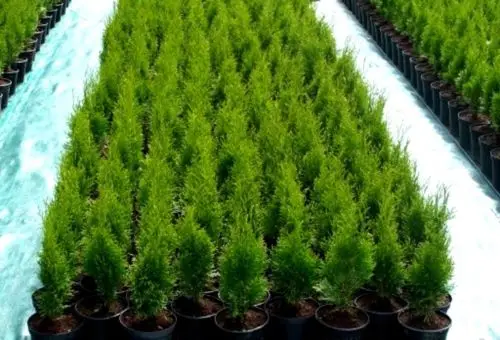
Seed trays, plug trays, or plant pots with drainage holes. Sow 2-3 seeds per cell in plug trays.
Growing Tips
Always soak seeds for 24 hours in room temperature water before stratification. During cold stratification, maintain proper moisture without waterlogging to prevent pre-treatment failure. After stratification, sow seeds on soil surface, tamp gently, and cover with thin vermiculite layer. Keep substrate consistently moist. Seeds require light to germinate, so provide bright indirect light. Alternating 30°C day and 20°C night temperatures optimize germination. Space seedlings appropriately to prevent damping-off fungal disease. Germination typically occurs within 15-30 days. Once seedlings emerge, gradually increase light exposure and air circulation. Maintain neutral to slightly acidic soil pH (6.6-7.2) for optimal establishment.
Only logged in customers who have purchased this product may leave a review.

Reviews
There are no reviews yet.