
Grow the legendary medicinal tree coveted for centuries by Amazonian peoples. The inner bark of Handroanthus impetiginosus yields pau d’arco—a bitter, anti-inflammatory herbal tea steeped in pre-Columbian wisdom. Plus: breathtaking pink trumpet flowers erupt across a leafless crown each spring. Easy to grow from seed in warm climates. Own your healing tradition.
€1.92
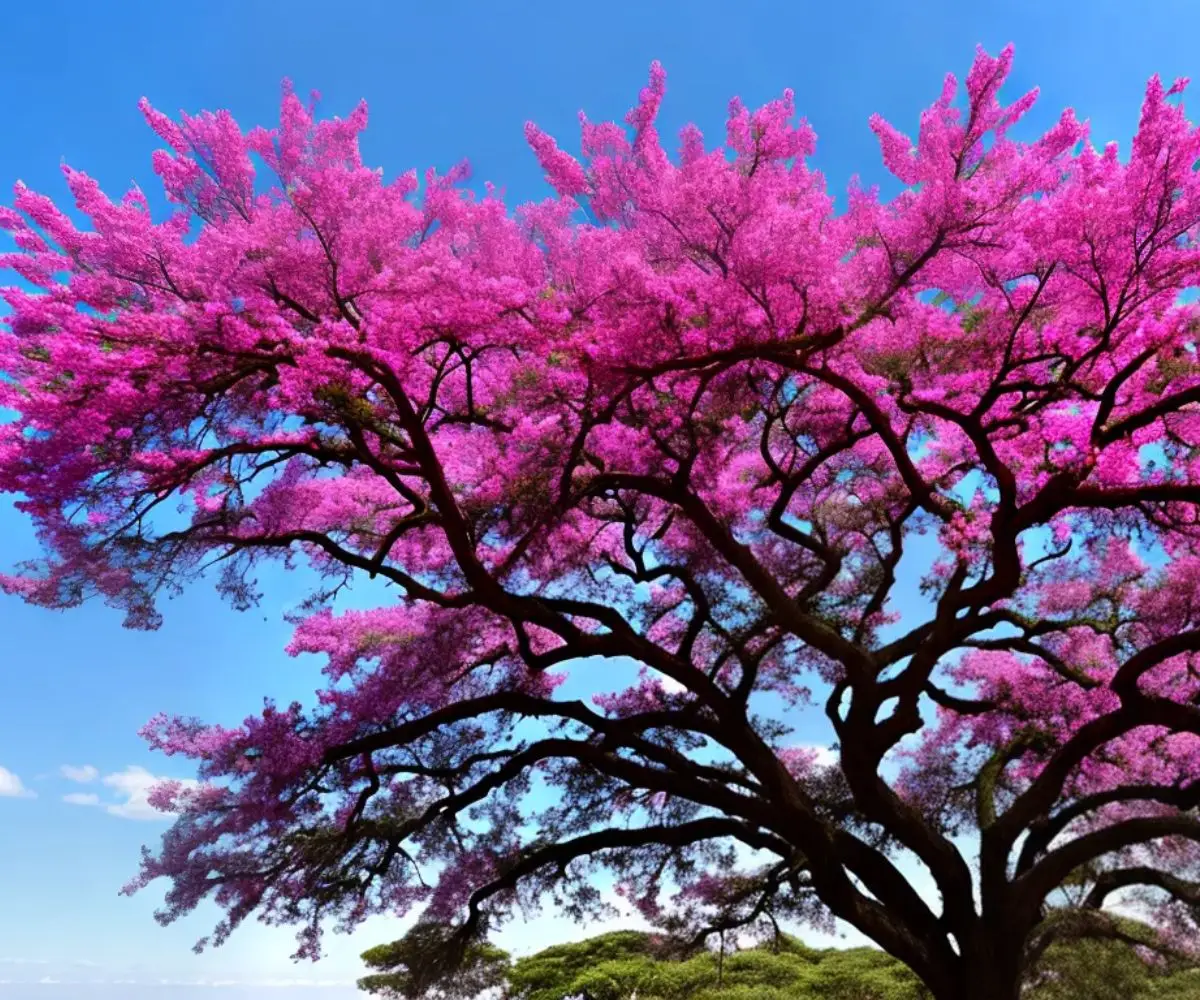
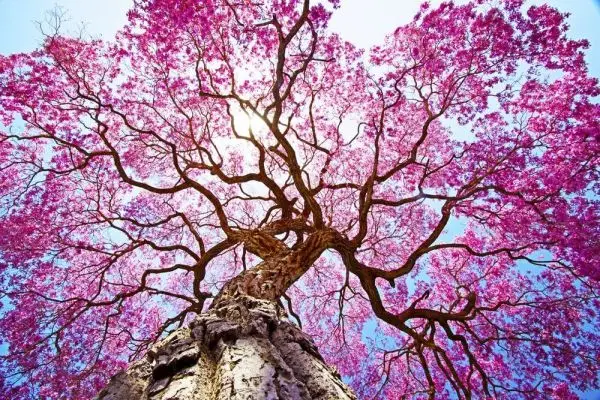
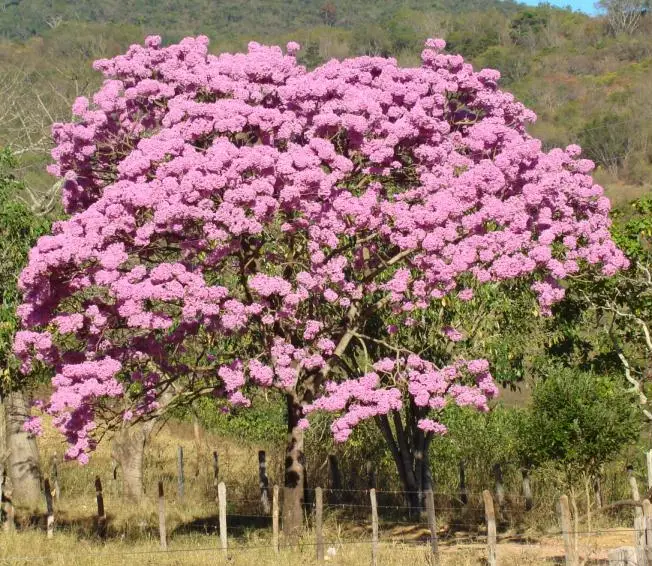
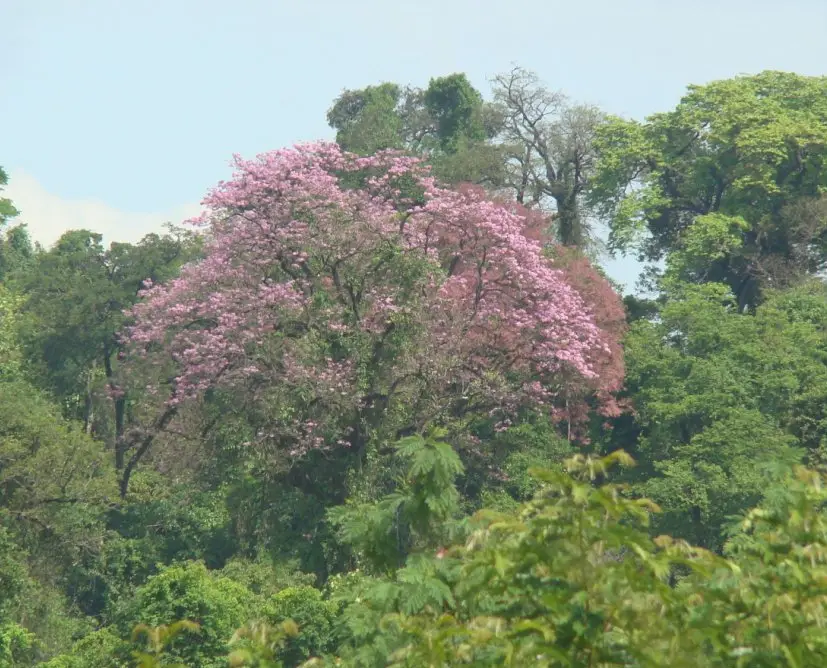
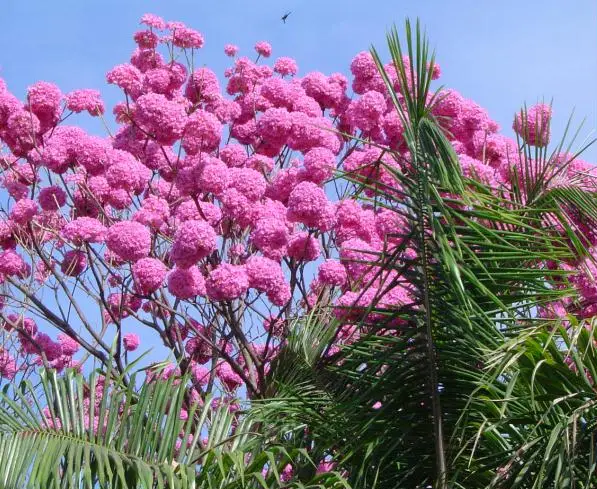
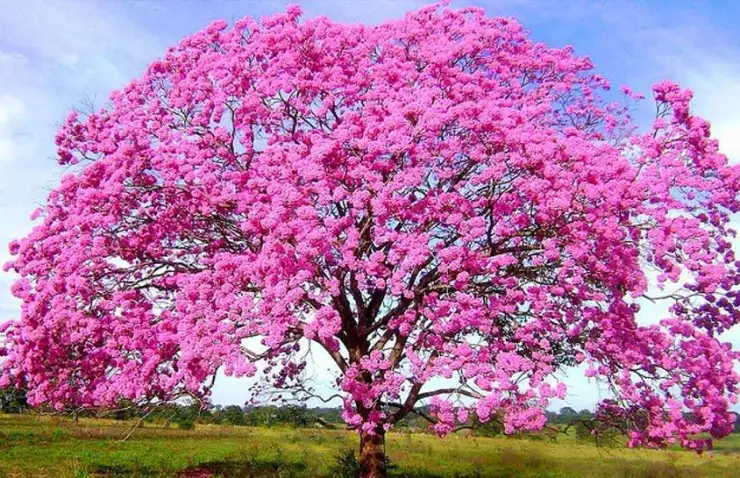
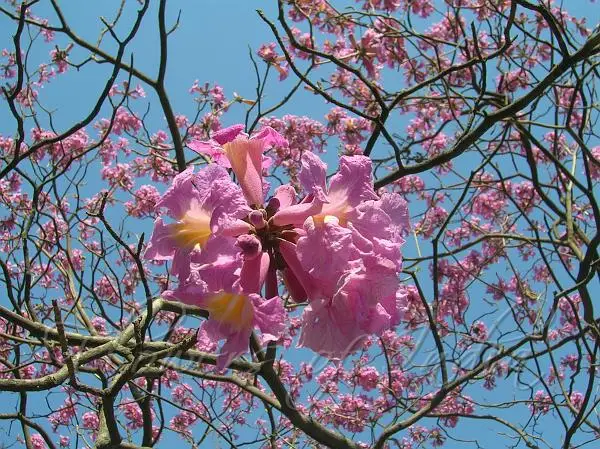
Imagine stepping into your garden in late winter and discovering your tree transformed into a living explosion of vivid pink blooms—tens of thousands of trumpet-shaped flowers massed across bare branches like nature’s most extravagant statement. This is Handroanthus impetiginosus. But beneath this botanical theater lies something far deeper: a centuries-old gift from the Amazon.
Native to Central and South America—from Mexico through Brazil to Argentina—this deciduous tree has anchored healing traditions since pre-Columbian times. The Inca, Guaraní, and Tupí peoples recognized what modern herbalists still celebrate: the inner bark is liquid medicine. Dried, shredded, and steeped, it becomes pau d’arco tea, a bitter, cooling infusion revered for its potent anti-inflammatory and fever-reducing properties. The heartwood contains lapachol, a compound with documented antibiotic and antitumor activity. For five centuries, indigenous communities used pau d’arco to treat wounds, skin conditions, fevers, dysentery, and inflammation. Today it is sold worldwide in health food stores—yet you can grow the source yourself.
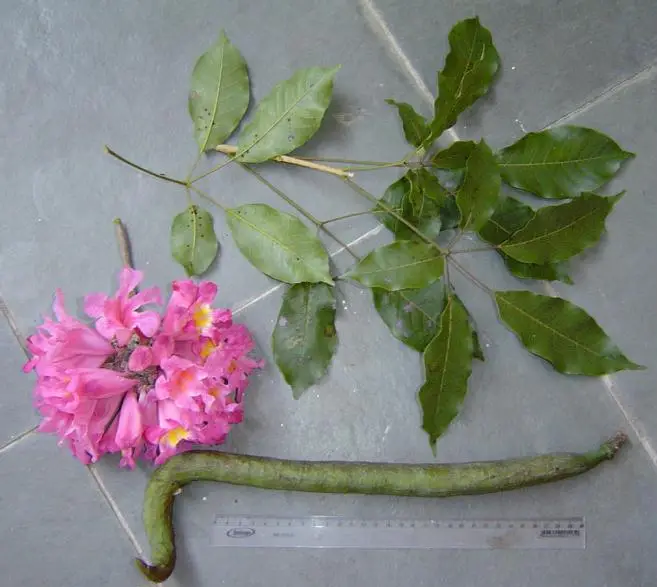
Here’s the magic: pau d’arco is not a supplement you order from faceless suppliers. It’s a living, breathing tree in your garden. Harvest its inner bark sustainably, brew your own medicine, and hold in your hands the lineage of Amazonian wisdom. This is regenerative herbalism. Unlike wild-harvested pau d’arco (which contributes to rainforest pressure), seed-grown trees from your own garden are ethical, infinite, and alive with intention. The tree flowers prolifically, drawing hummingbirds and pollinators. Its palmate leaves—five to seven leaflets fanning like graceful hands—provide dappled summer shade. Come autumn, it sheds completely, preparing for its pink-and-magenta spring spectacle. The bark thickens and deepens with age, becoming a grayish-brown, cork-like sculpture. By growing it, you’re not just cultivating a plant; you’re stewarding a healer.
Handroanthus impetiginosus thrives in warm tropical and subtropical climates (USDA zones 9b–11). It craves full sun—at least six hours daily—to trigger its lavish flowering. Plant it in well-draining, fertile soil; it adapts to sandy, loamy, or clay soils with equal grace. Once established, it becomes drought-tolerant and low-maintenance, requiring minimal fertilizer. From seed, expect slow, steady growth; the tree takes time to mature (typically three to twenty years before its first flowers), but this patience is part of its appeal. Each year of growth deepens the bark and strengthens the root system. Young trees benefit from staking and consistent moisture during establishment; thereafter, let it develop its character naturally. The timber is dense and durable—should you eventually harvest branches for craft purposes, the wood is prized for its workability and finish.
Grow Handroanthus impetiginosus from seed and you become a guardian of living tradition. You’ll witness the transformation each spring—a bare crown dressed suddenly in thousands of glowing pink trumpets. You’ll harvest bark sustainably, brew tea infused with botanical power and your own hands’ labor, and share that gift with others. This is not merely ornamental gardening. This is medicine made visible. This is history rooted in soil. This is the Amazon’s greatest secret, waiting in your care.
Only logged in customers who have purchased this product may leave a review.
Reviews
There are no reviews yet.