Description
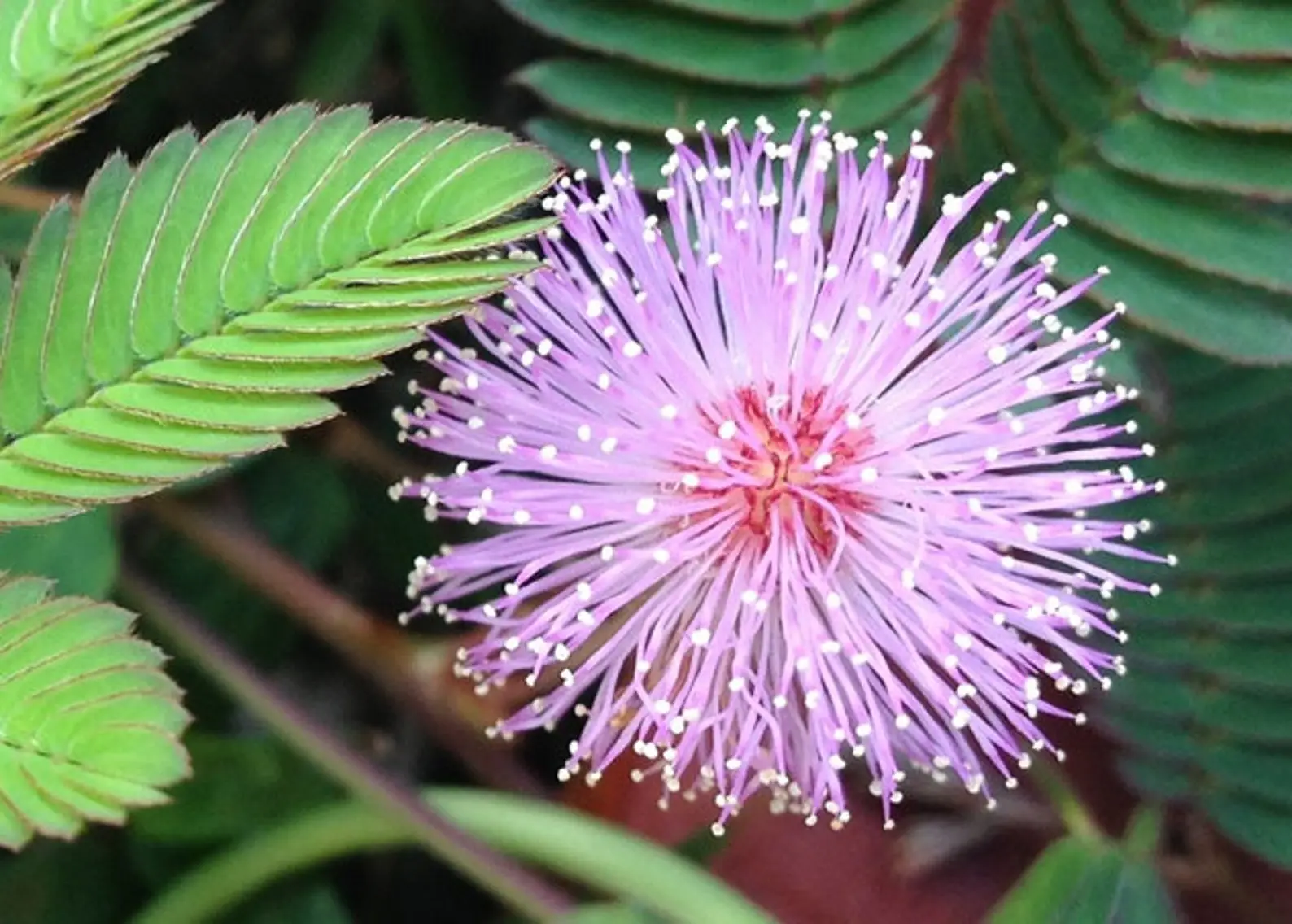
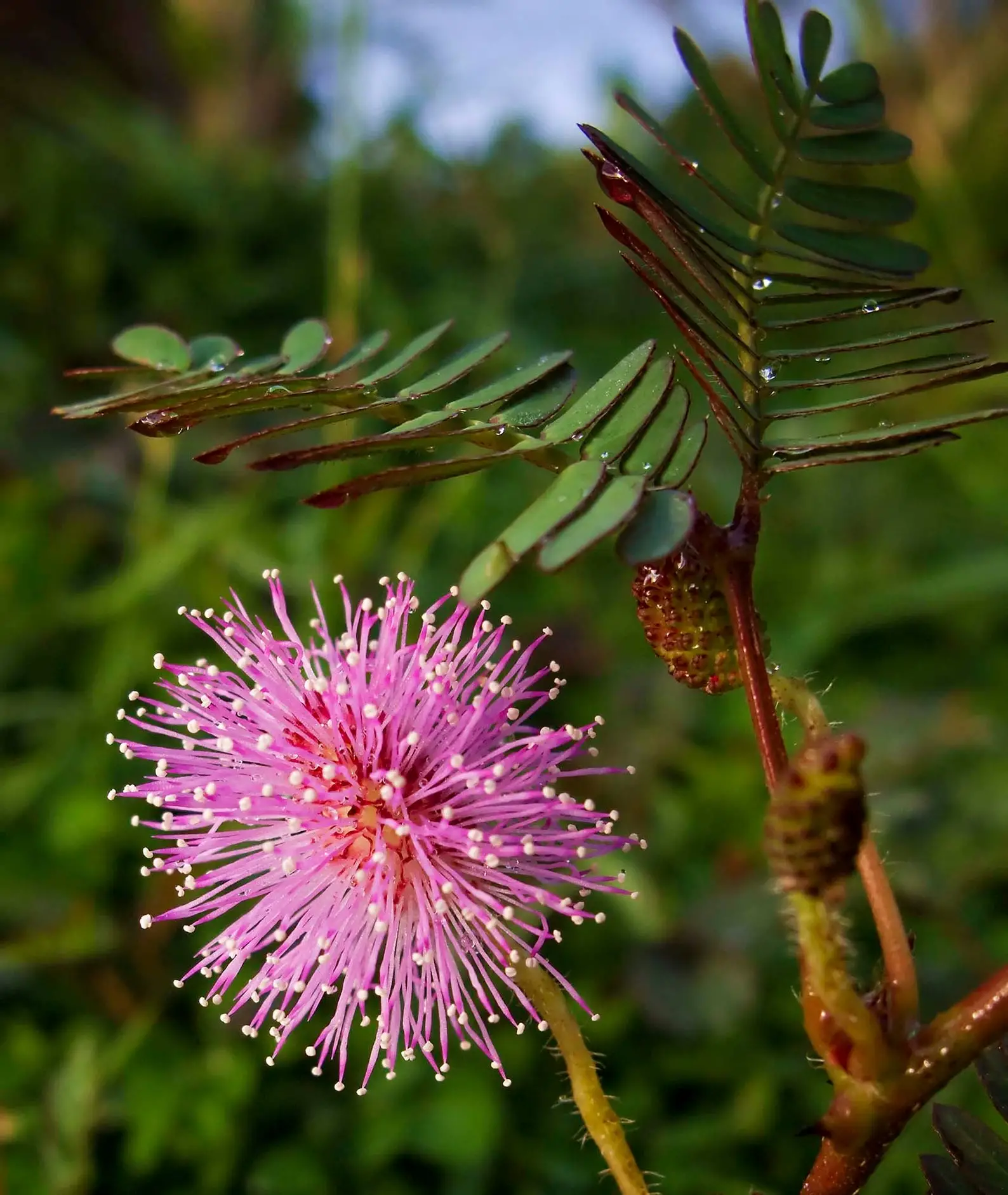
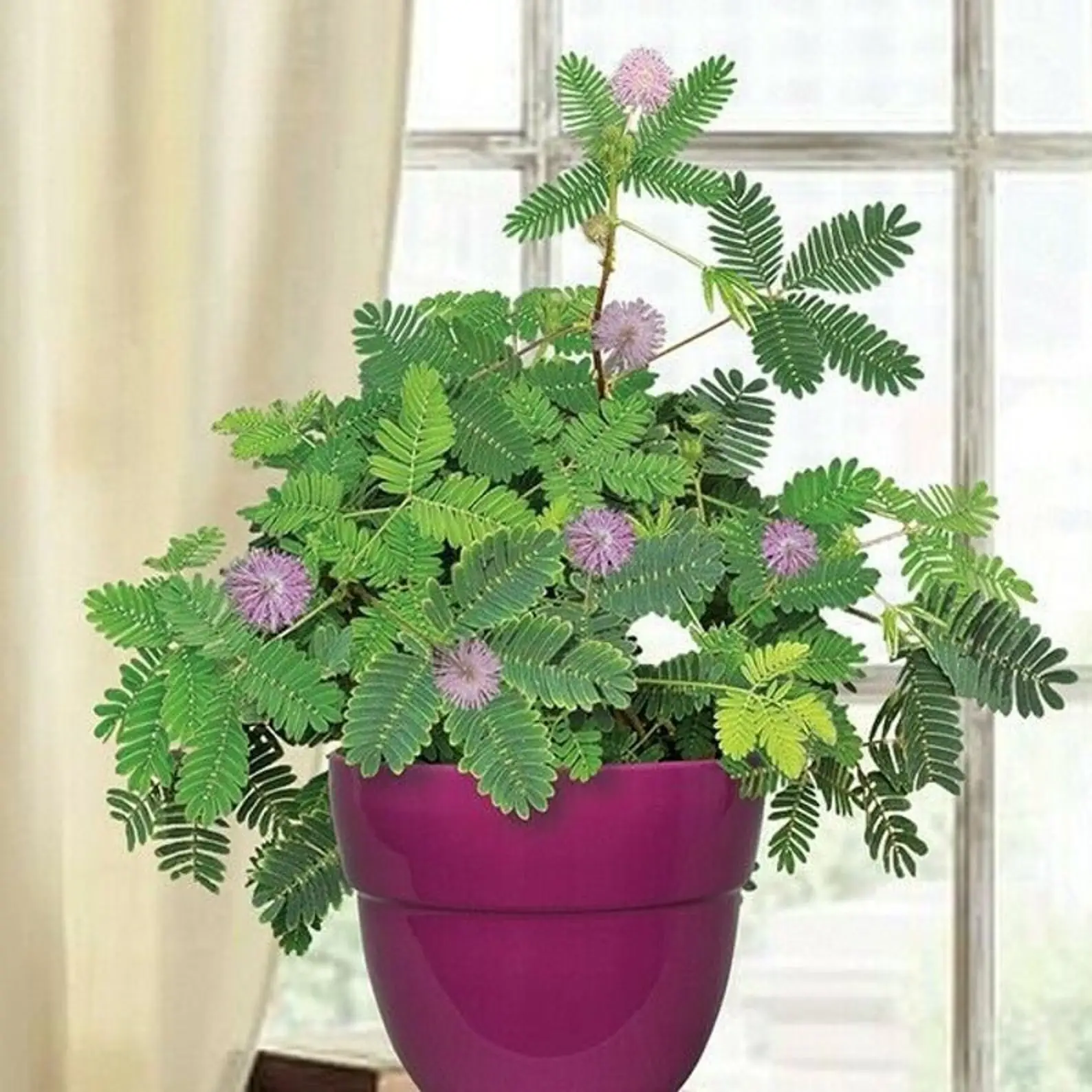
Mimosa pudica is a small, short-lived perennial or annual herb famous for its remarkable leaf movement response. Native to tropical regions of the Americas but now widely naturalized in many warm climates, the plant typically grows 30 to 60 cm tall with slender, branching stems that may become slightly woody at the base. The finely divided, fern-like leaves fold inward and droop when touched, shaken, or exposed to sudden changes in light or temperature, a defense mechanism known as thigmonasty.
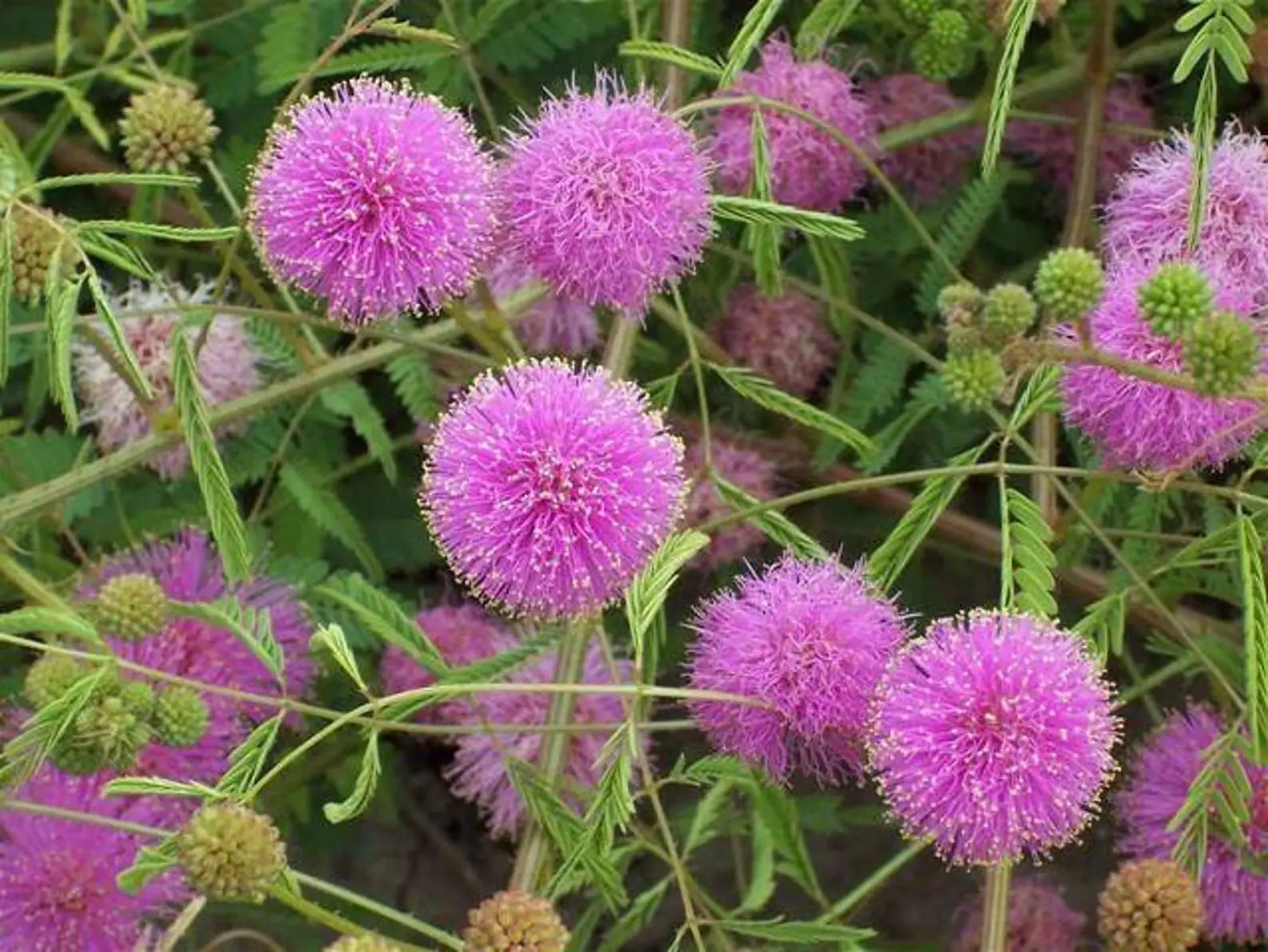
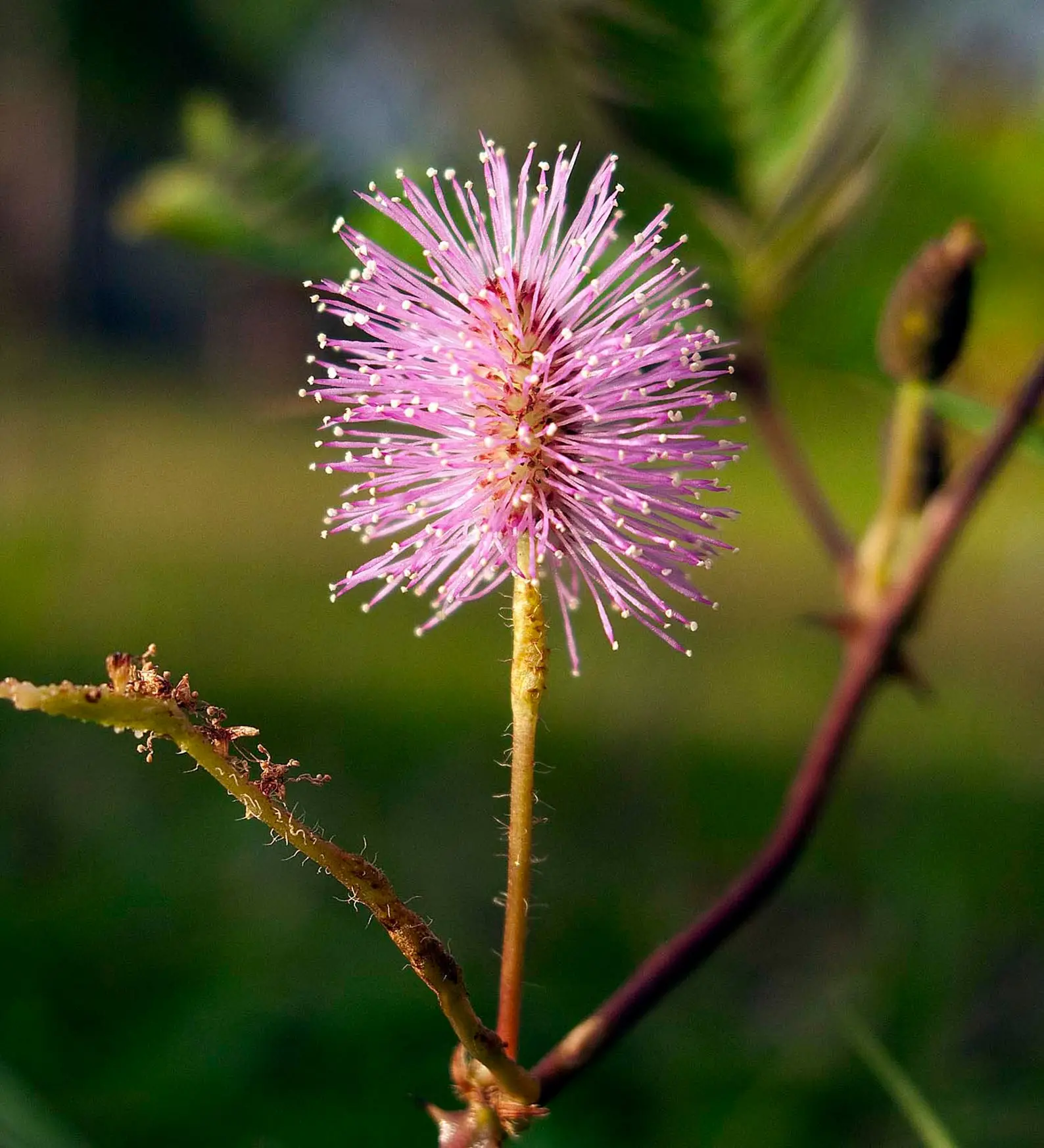
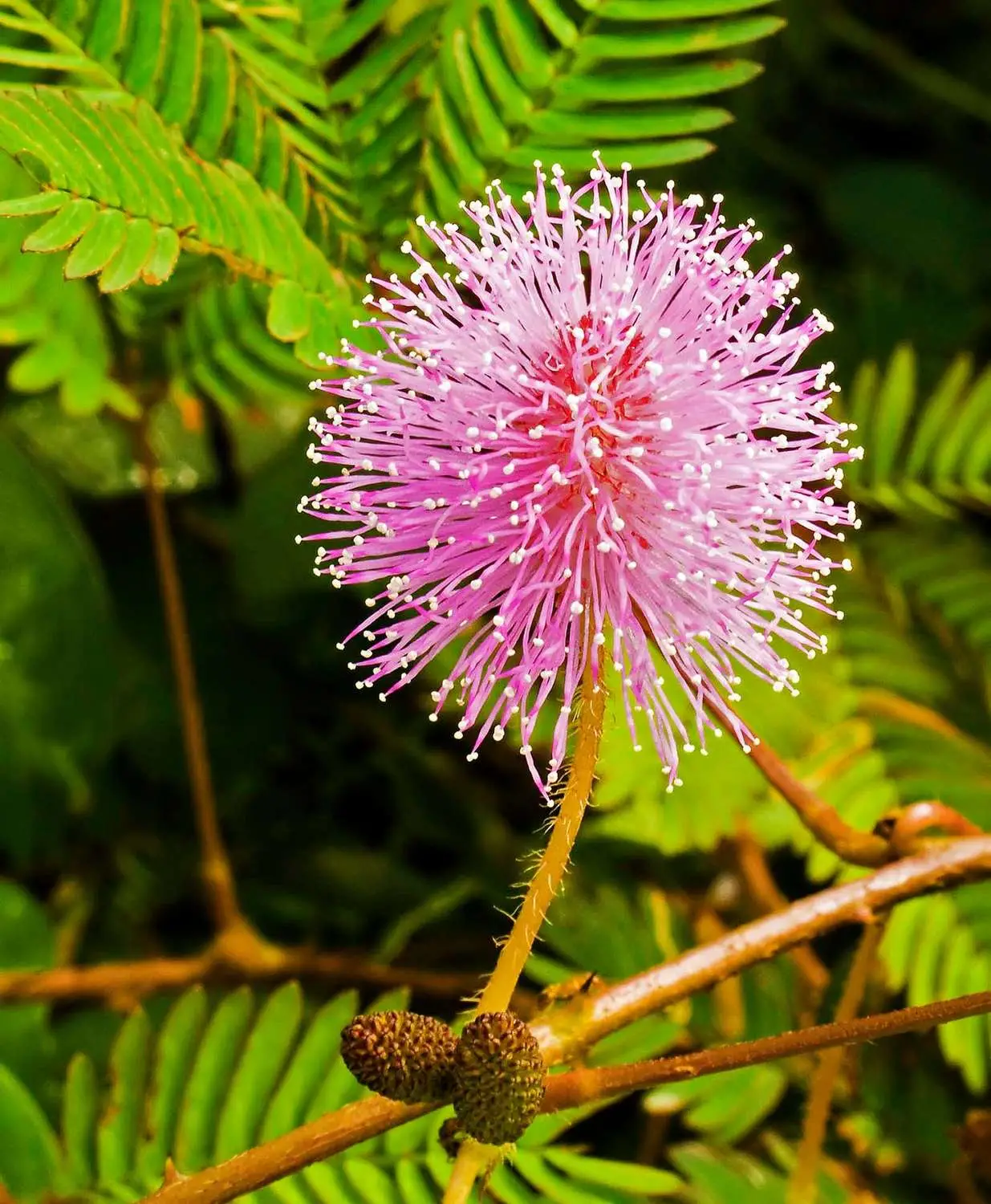
During the growing season, the plant produces small, spherical flower heads composed of numerous tiny pink to lilac filaments, giving them a soft, fluffy appearance. After flowering, small seed pods develop. Mimosa pudica grows best in full sun and warm conditions, preferring well-drained soils and moderate moisture. It is often cultivated as an educational or novelty plant due to its rapid leaf movement.
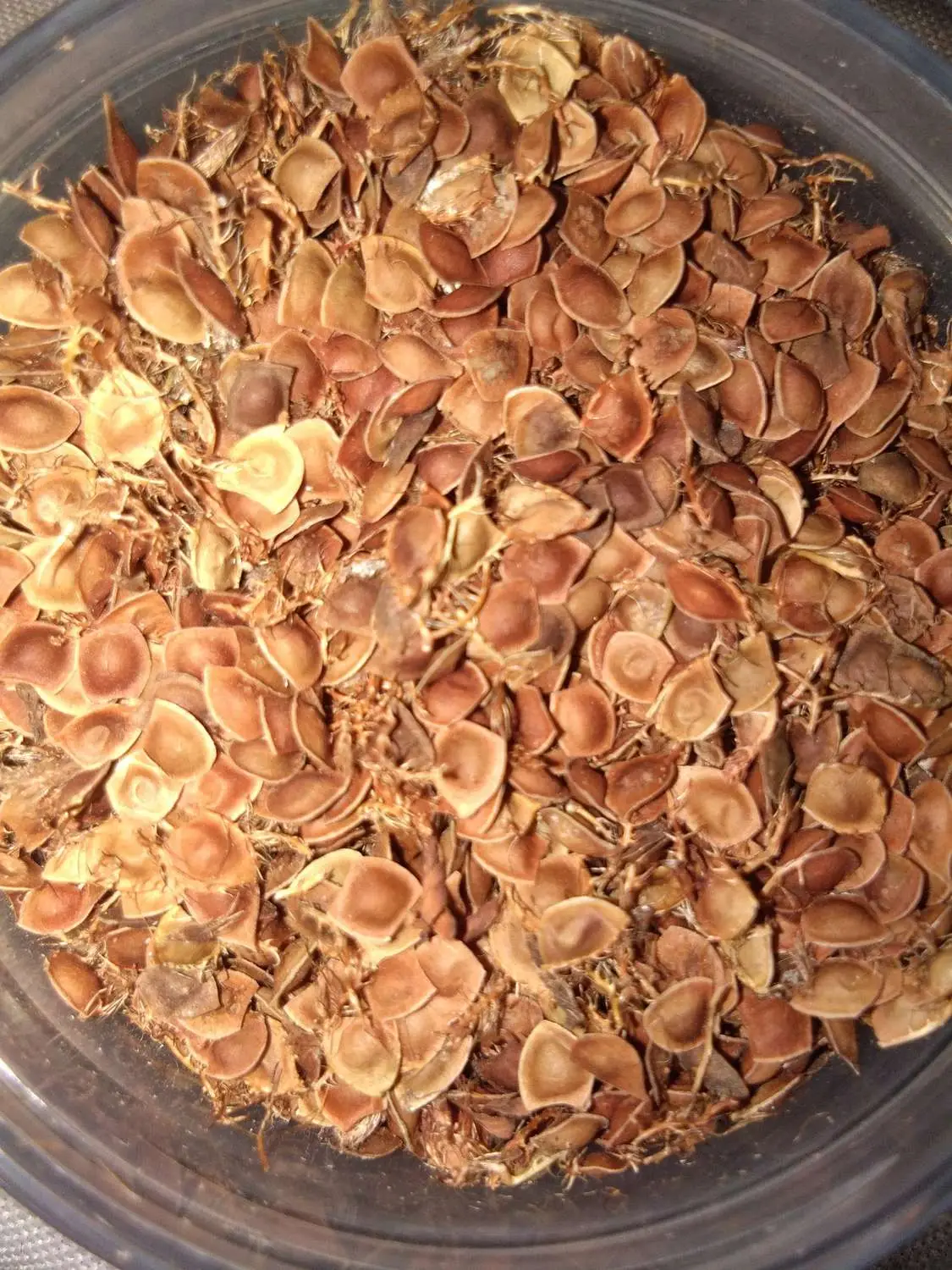
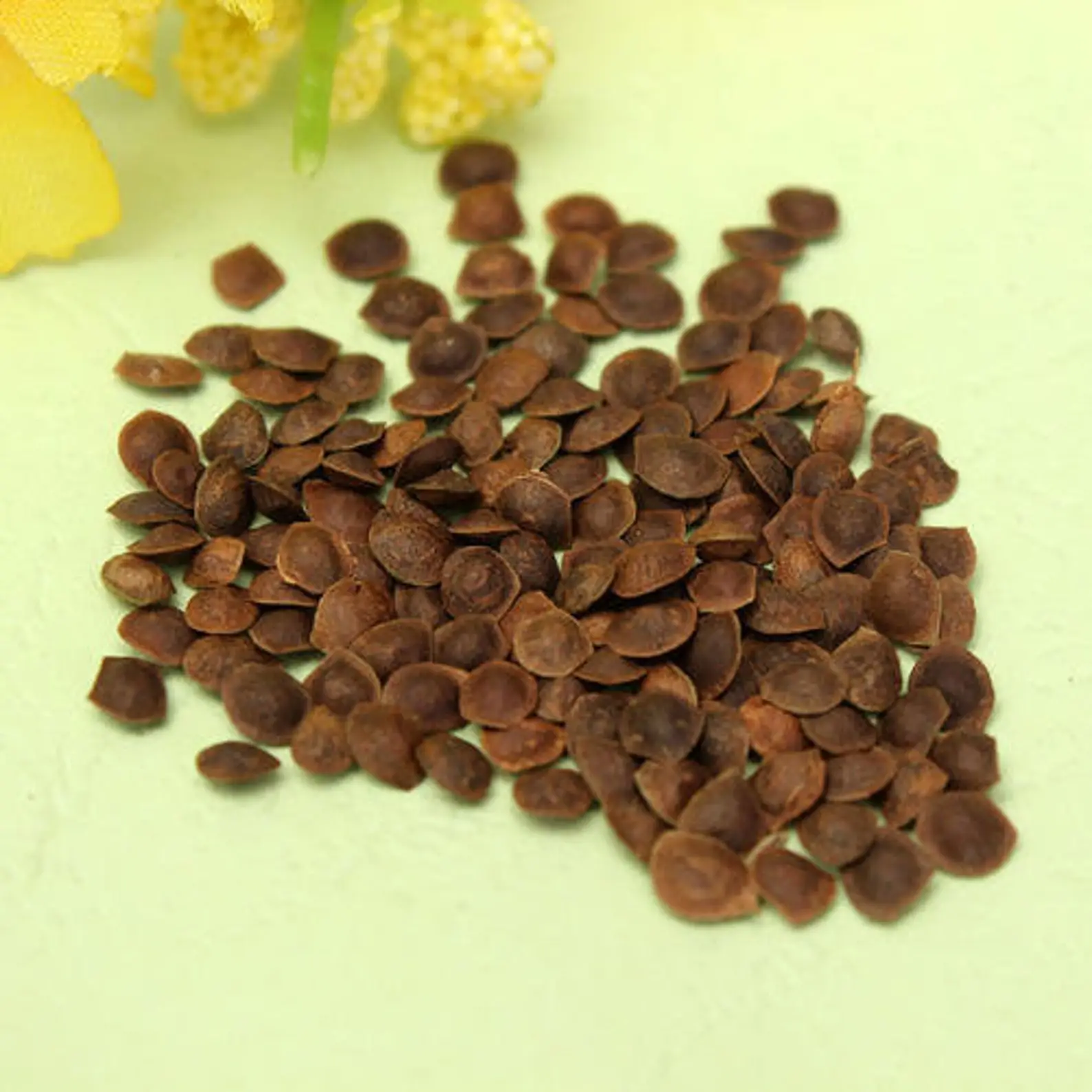
Sow seeds in spring to early summer when temperatures are consistently warm, ideally between 22 to 30°C. Lightly scarifying or soaking the seeds in warm water for several hours before sowing can improve germination. In tropical climates, seeds may be planted throughout the year if warmth and moisture are available.
Germination Guide
🌍 Central and South America, tropical Americas
Easy
Mimosa pudica, commonly known as Sensitive Plant or Touch-Me-Not, is a tropical annual or short-lived perennial native to Central and South America, famous for its leaves that rapidly fold inward when touched or shaken. Seeds have a hard, impermeable seed coat requiring scarification and warm water soaking to germinate reliably within 7-28 days under proper conditions. This easy-to-grow ornamental thrives with warm temperatures, bright light, and consistent moisture, making it an excellent choice for interactive indoor gardening.
Germination
Germination time
Expect germination in
7 – 28 days
Temperature
Min 21°C
Ideal 24°C
Max 27°C
Substrate moisture
💧 Medium
Sowing depth
Lightly covered
Seed Pre-treatment
-
💧
Soaking — 24 hours
After scarification, soak seeds in hot water (80-90°C) for 10-15 seconds, then soak in room temperature water (25°C) for 24 hours. Repeat process on seeds that did not swell.
-
🔨
Mechanical scarification
Nick each seed with sandpaper or a knife to expose the white interior. This breaks the hard seed coat and improves water absorption.
-
📋
Additional notes
Scarification is critical as the hard seed coat is the primary mechanism restricting germination. Seeds should be scarified, then soaked to allow water penetration and trigger germination.
Substrate & Container
Recommended substrate
Well-draining seed mix; equal parts coconut coir and perlite, or sterile seed mix with added sand for drainage
Recommended container
Small pots or seed trays with drainage holes
Growing Tips
Scarification is essential: nick seeds with sandpaper or knife to expose the interior. After scarification, soak in hot water (80°C) for 10-15 seconds, then in room temperature water for 24 hours. Sow seeds barely covered in well-draining mix. Maintain soil moisture (not waterlogged) and provide bright light immediately after germination to prevent legginess. Bottom heat of 75°F (24°C) aids germination. Use clear plastic or humidity dome to retain moisture, but remove immediately upon sprouting to prevent fungal issues. Keep humidity low after germination to avoid rot and mold. Allow top 1 cm of soil to dry slightly between waterings. Transplant seedlings once they develop 2-4 true leaves (3-5 cm tall). Sensitive plants respond to touch and prefer humidity; avoid overwatering mature plants. Expect variable germination rates; plan to sow extra seeds.
Only logged in customers who have purchased this product may leave a review.

Reviews
There are no reviews yet.