FREE SHIPPING OVER €30 FREE SHIPPING OVER €30

Crateva adansonii — Sacred Barna Tree (Varun) | Ancient Kidney Healer

Grow the tree ancient Ayurveda trusted for 3,000 years. Crateva adansonii—the Sacred Barna—harbors profound medicinal power: its bark and leaves dissolve urinary troubles, kidney stones, and inflammation with lupeol compounds modern science now validates. Plus: spectacular fragrant flowers with long spidery stamens that magnetize bees and butterflies. Moderate-growing, resilient in tropical-subtropical climates, perfect from seed. Your garden becomes a hea

1.92

SKU: P-2028 Category: Tags: ,

You May Also Like

Description

Imagine a tree that whispers the secrets of ancient healers—one that has shaped wellness for millennia and now stands ready to transform your garden into a living pharmacy.

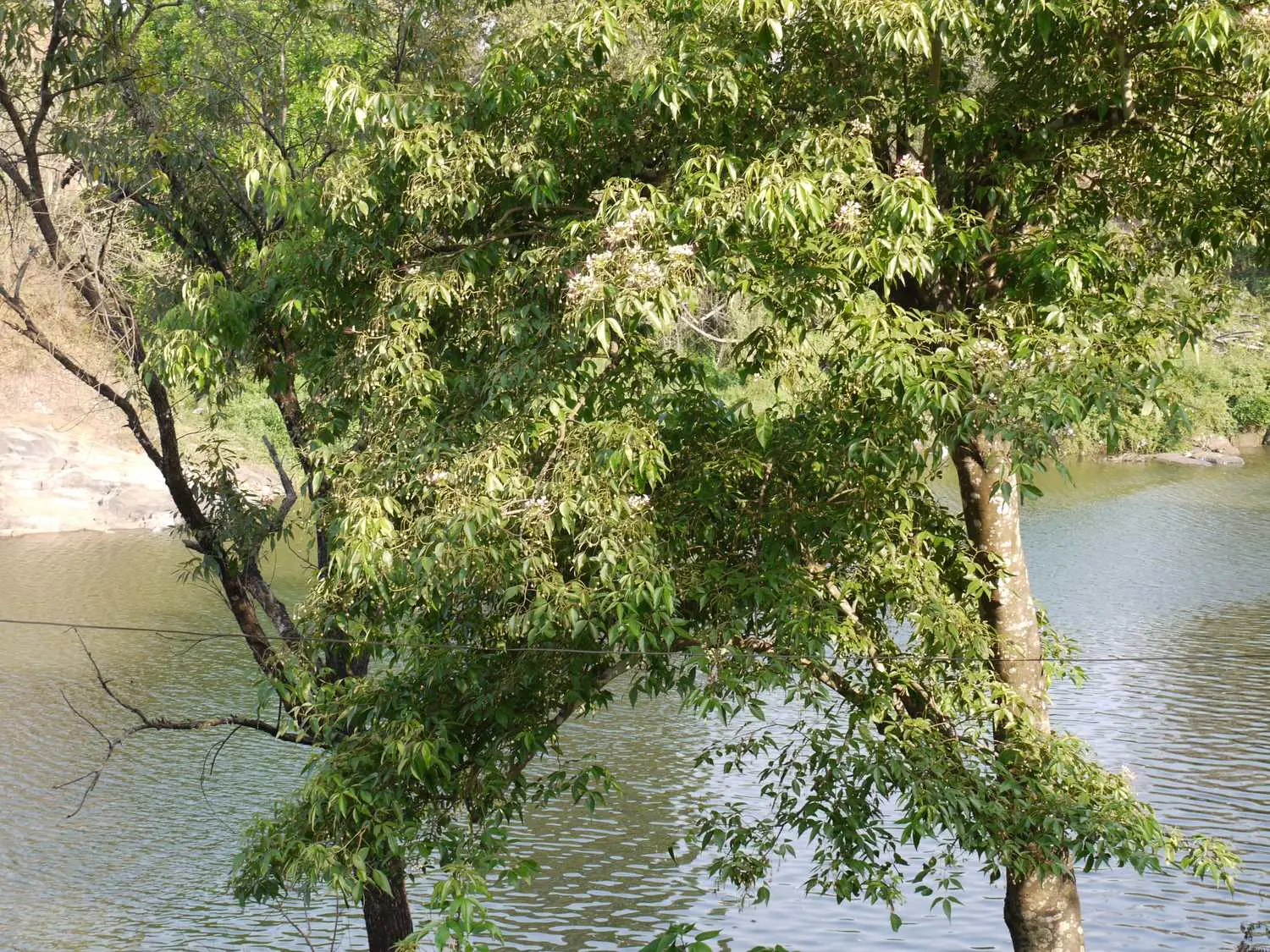
Crateva adansonii, called the Sacred Barna Tree or Varun in India, is a species of small tree in the family Capparaceae that is widely distributed in Africa and Asia. The scientific name honors the French botanist Michel Adanson who was known for his extensive studies of African flora. This isn’t just a botanical specimen—it’s a bridge between ancient wisdom and modern science.

The Sacred Barna carries profound cultural and historical significance. The Varun Tree has been celebrated in Ayurvedic medicine for over 3,000 years; the Charaka Samhita and Sushruta Samhita, foundational texts of Ayurveda, list Varun as a powerful remedy for urinary disorders, gallstones, and kidney problems. According to folklore, the tree is linked to Varuna, the Vedic god of water—an appropriate connection considering its primary use in urinary treatments, and this mythological association reinforces the tree’s sacred status in Indian culture. In India, it holds cultural and religious significance, often planted near temples and holy sites.

The medicinal power of Crateva adansonii is extraordinary and increasingly validated by rigorous science. In Ayurveda, the bark and leaves of the tree are used for treating kidney stones, liver issues, and urinary problems, making it a valuable medicinal plant. Crateva adansonii DC is a plant traditionally used in Cameroon to treat constipation, asthma, snakebites, postmenopausal complaints and cancers. The active compounds tell a compelling story: lupeol, a pentacyclic triterpenoid isolated from leaf extract of Crateva adansonii, belongs to Capparaceae family commonly used in Indian traditional medicine for treating inflammatory diseases. Modern pharmacological research confirms what ancestral healers always knew—the pharmaceutical industry is studying the preventive effects of the plant on diabetes. The flowers and fruits are used as an antispasmodic; the leaves are said to have laxative and diuretic properties; they would also make it possible to relieve rheumatism. This is not folk medicine; this is documented, studied, potent healing potential growing from your own soil.

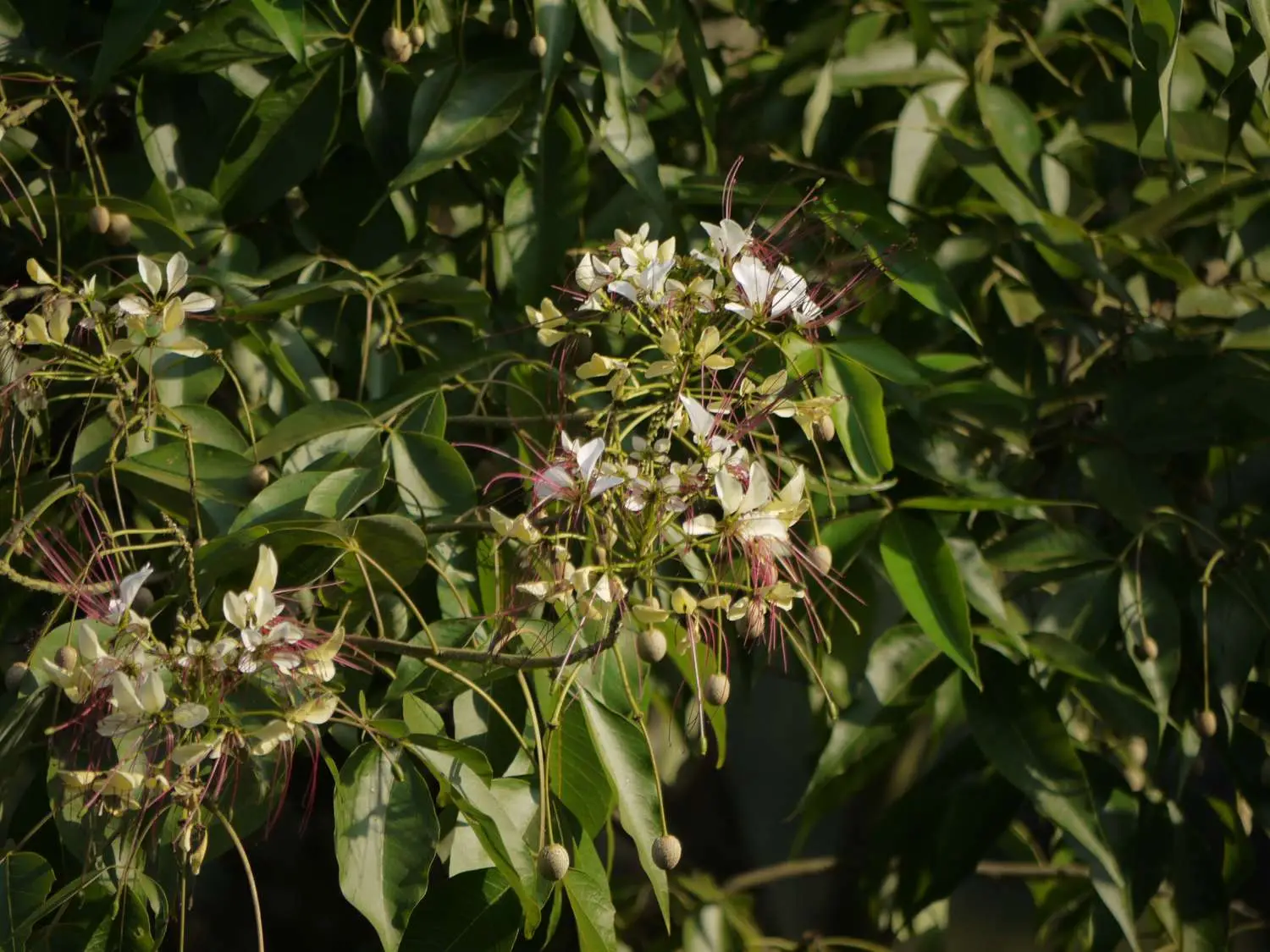
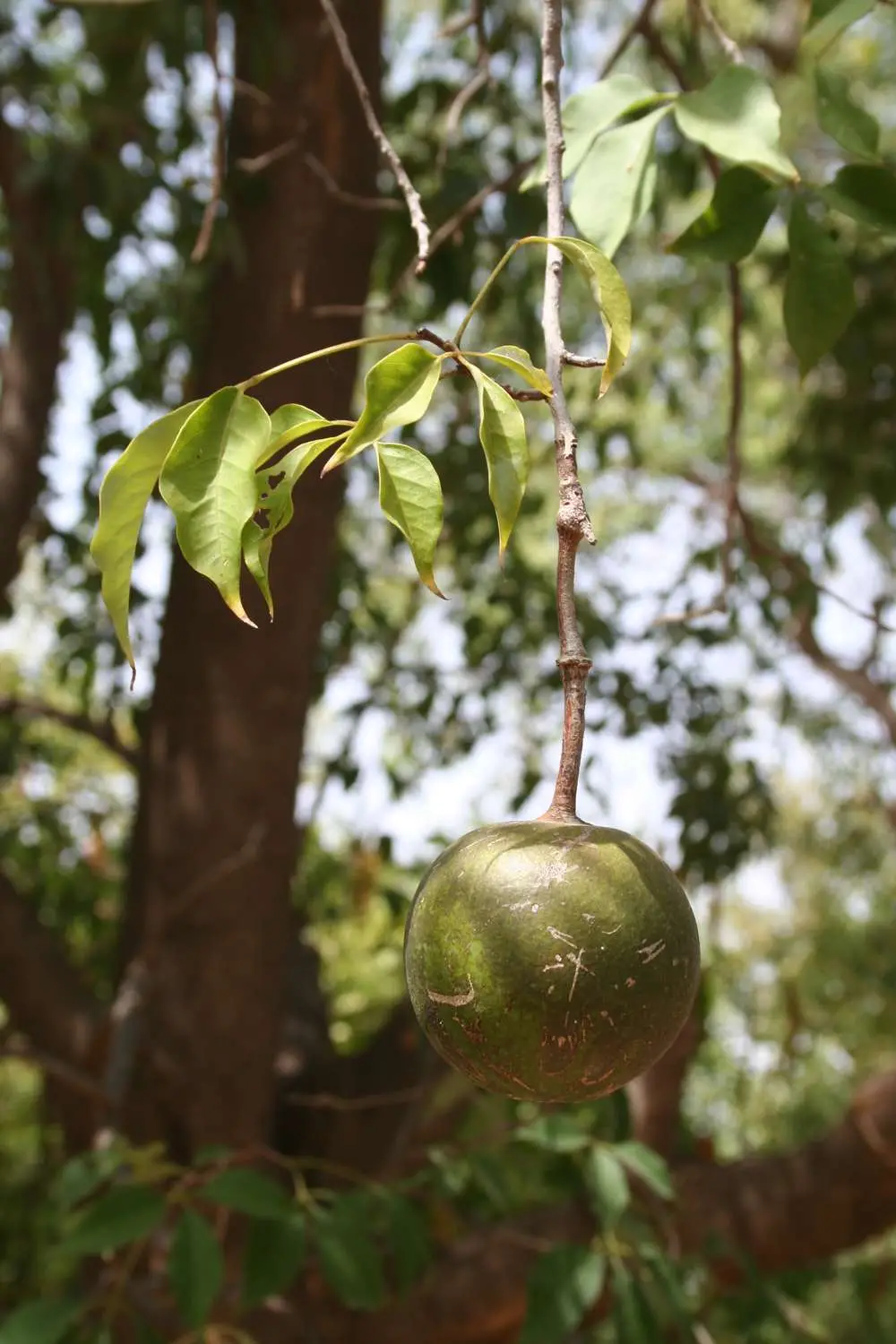
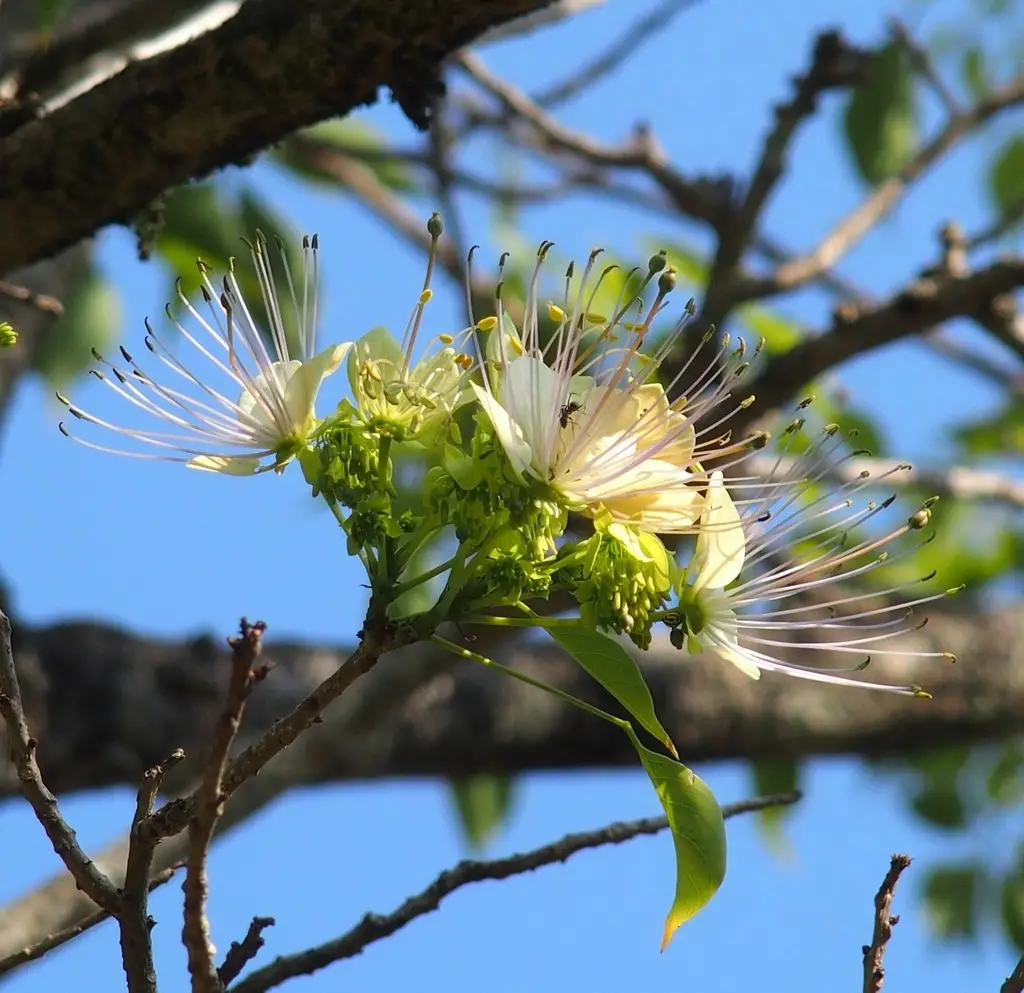
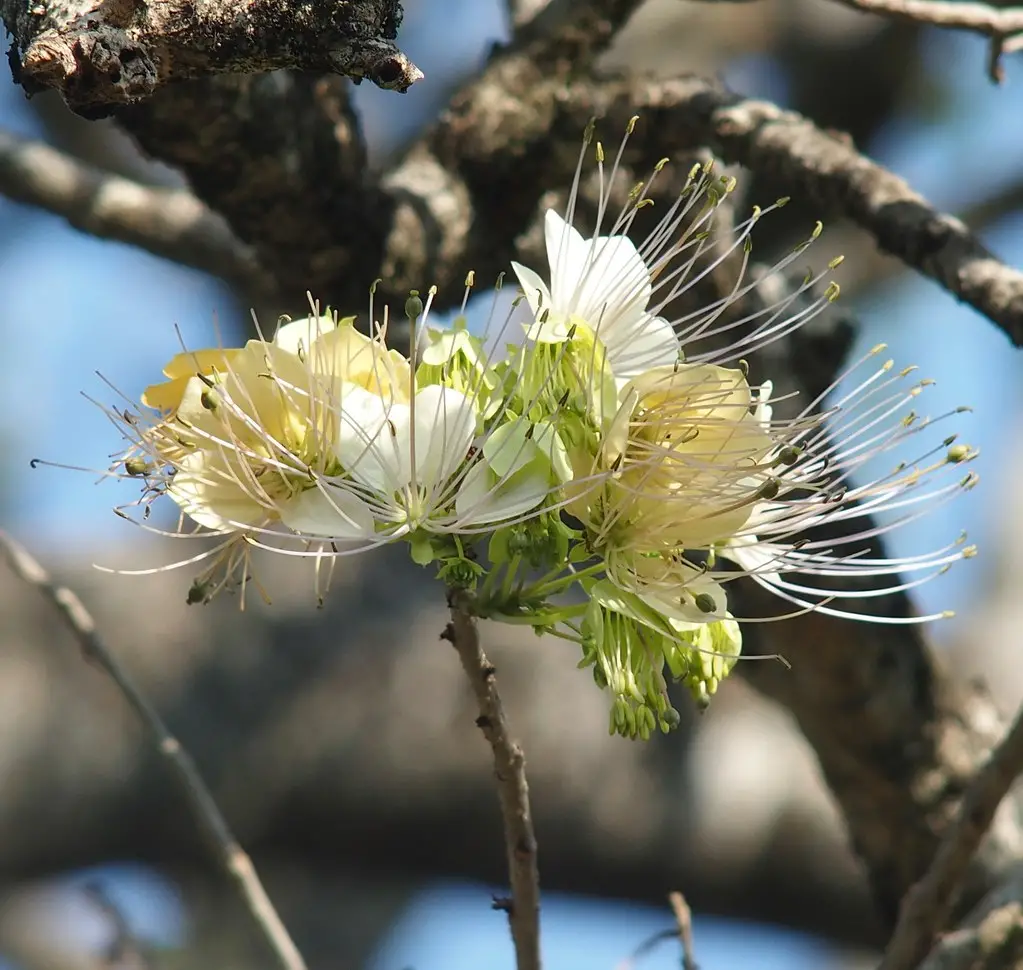
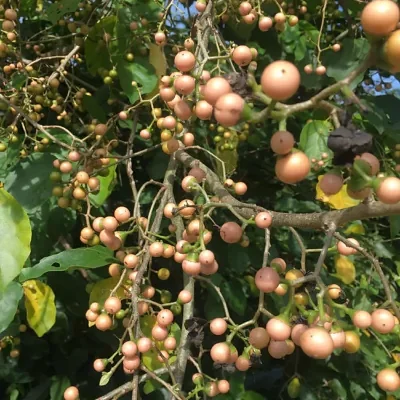
Now for the visual splendor. The branches burst into fragrant, pale yellow or white blooms, attracting pollinators such as bees and butterflies. The tree is sometimes called the spider tree because the showy flowers bear long, spidery stamens—imagine dense clusters of these delicate, dramatic stamens unfurling at the branch tips. Stamens usually 20-25, exceeding the petals (3-5 cm long), creating an ethereal fountain effect. It features a strong trunk, three-lobed glossy leaves, and clusters of white to yellowish fragrant flowers, making it both ornamental and functional. The fruit follows: Its fruit is a purplish-red bulging berry when ripe that contains numerous black seeds. Honeybees forage for both pollen and nectar—your tree becomes a beacon for pollinators, a living celebration of biodiversity.

Growing Crateva adansonii from seed is an achievable dream. Crateva adansonii has adapted beautifully to a variety of environments, thriving in tropical and subtropical climates. It prefers well-drained soils and shows a preference for sandy to loamy textures. The tree flourishes in areas with a good amount of sunlight and tolerates periods of drought. It has a moderate

Germination Guide

🌍 Tropical Africa
Moderate

Crateva adansonii is a deciduous tree in Capparaceae family distributed across Africa and Asia. Seeds have poor germination in natural conditions but can achieve 85% germination under controlled conditions with light exposure.

Germination
Germination time
Expect germination in

14 – 28 days

Light
☀️ Light required

Substrate moisture
💧💧 High

Sowing depth
Surface

Germination rate
85 %


Seed Pre-treatment
  • 💧

    Soaking
    Seeds require moist soil conditions for germination
  • 📋

    Additional notes
    Seeds must germinate on bare, sunny, moist soil without competition from grasses or shrubs

Substrate & Container
Recommended substrate
moist soil or blotting paper


Growing Tips
Plant tissue culture and micropropagation techniques are viable alternatives for propagation. Seeds germinate better when exposed to light rather than in darkness. Avoid sowing in conditions where seedlings must compete with other vegetation.

Reviews

There are no reviews yet.

Only logged in customers who have purchased this product may leave a review.

Related Products