
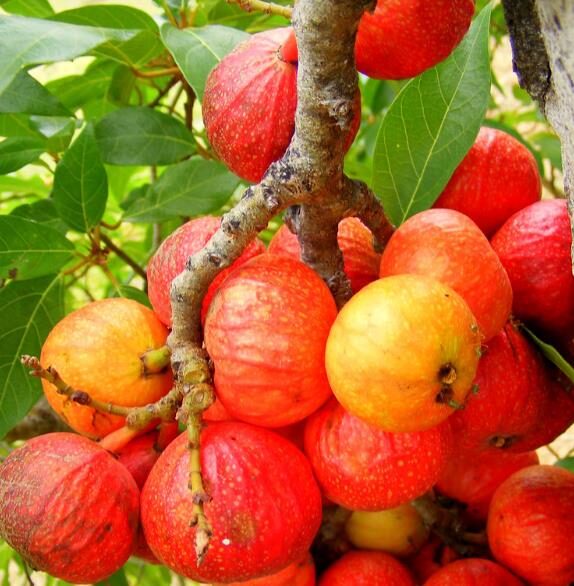
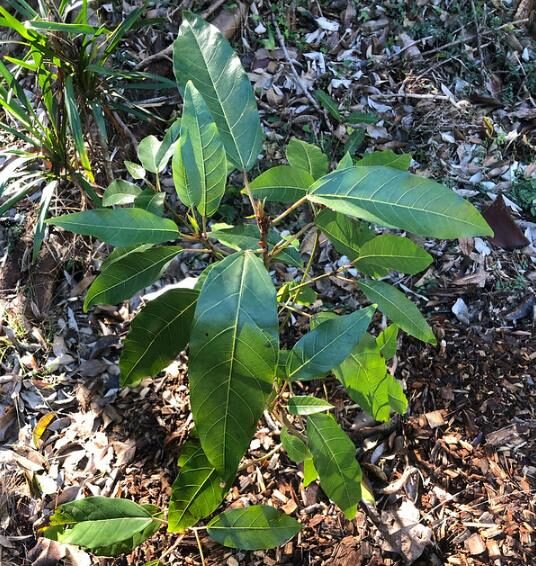
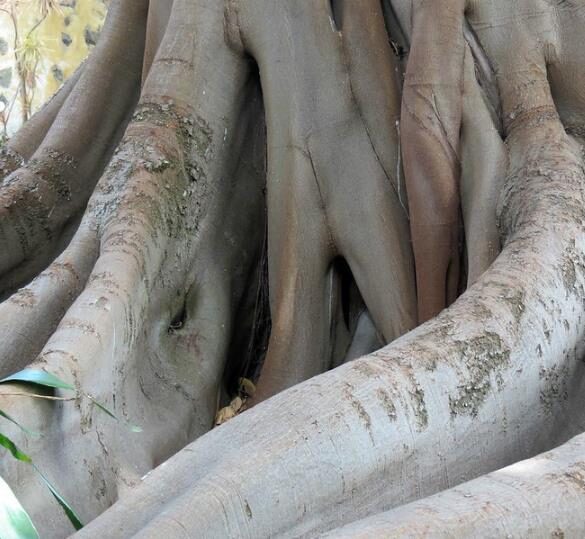
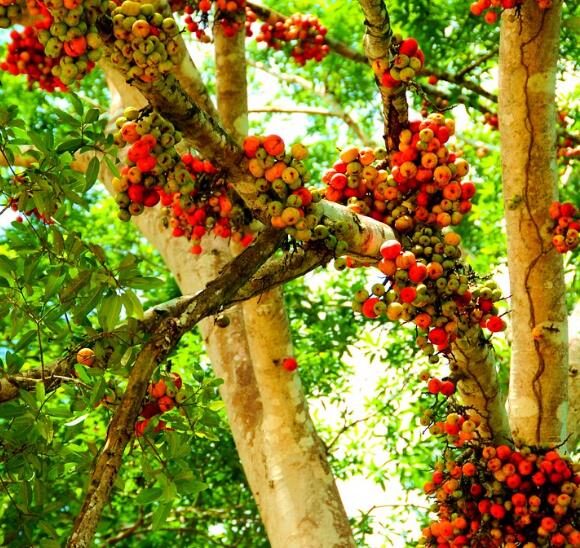
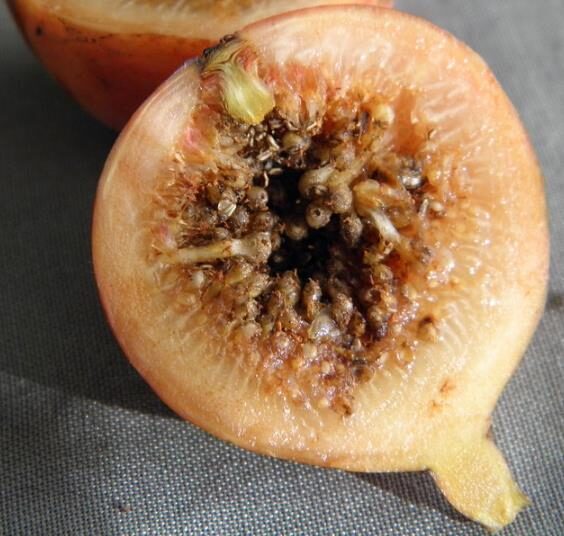
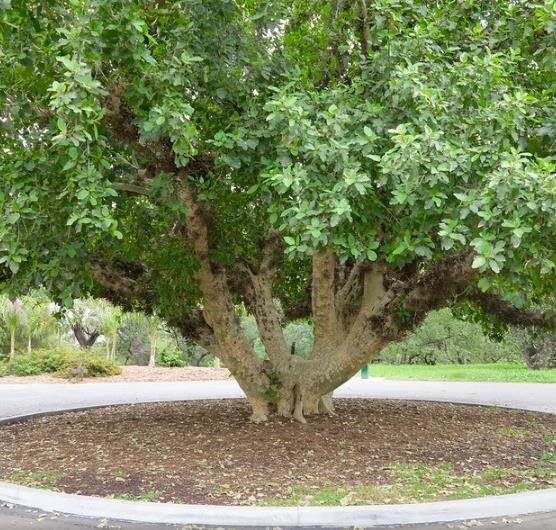
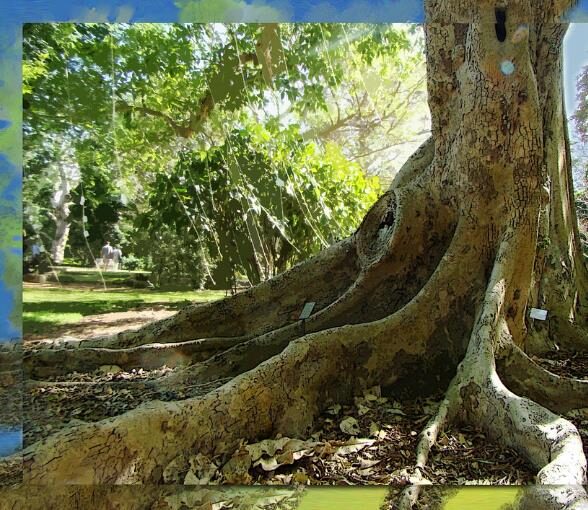
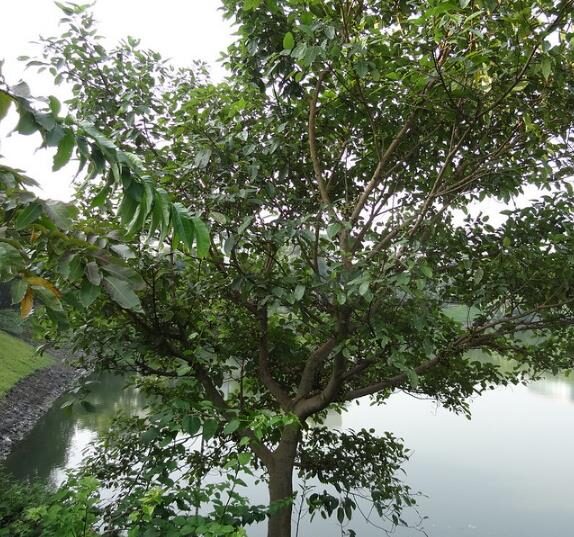
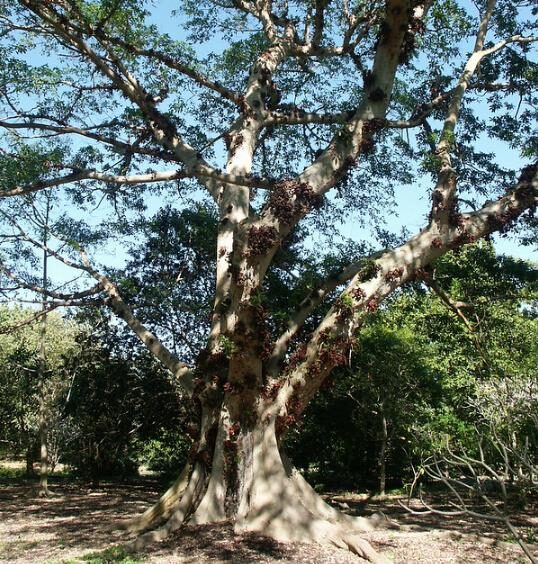
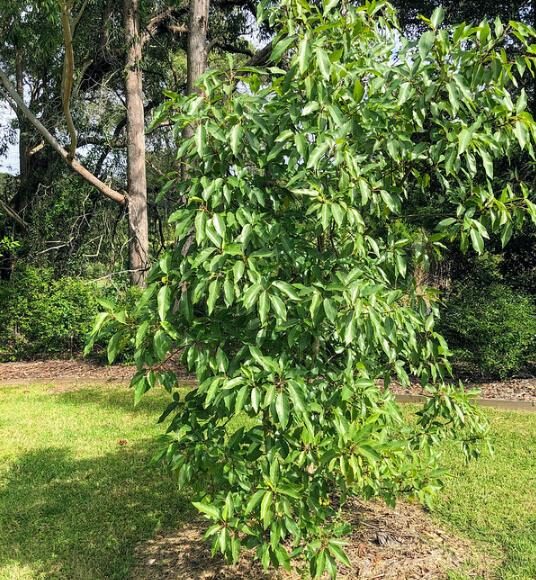
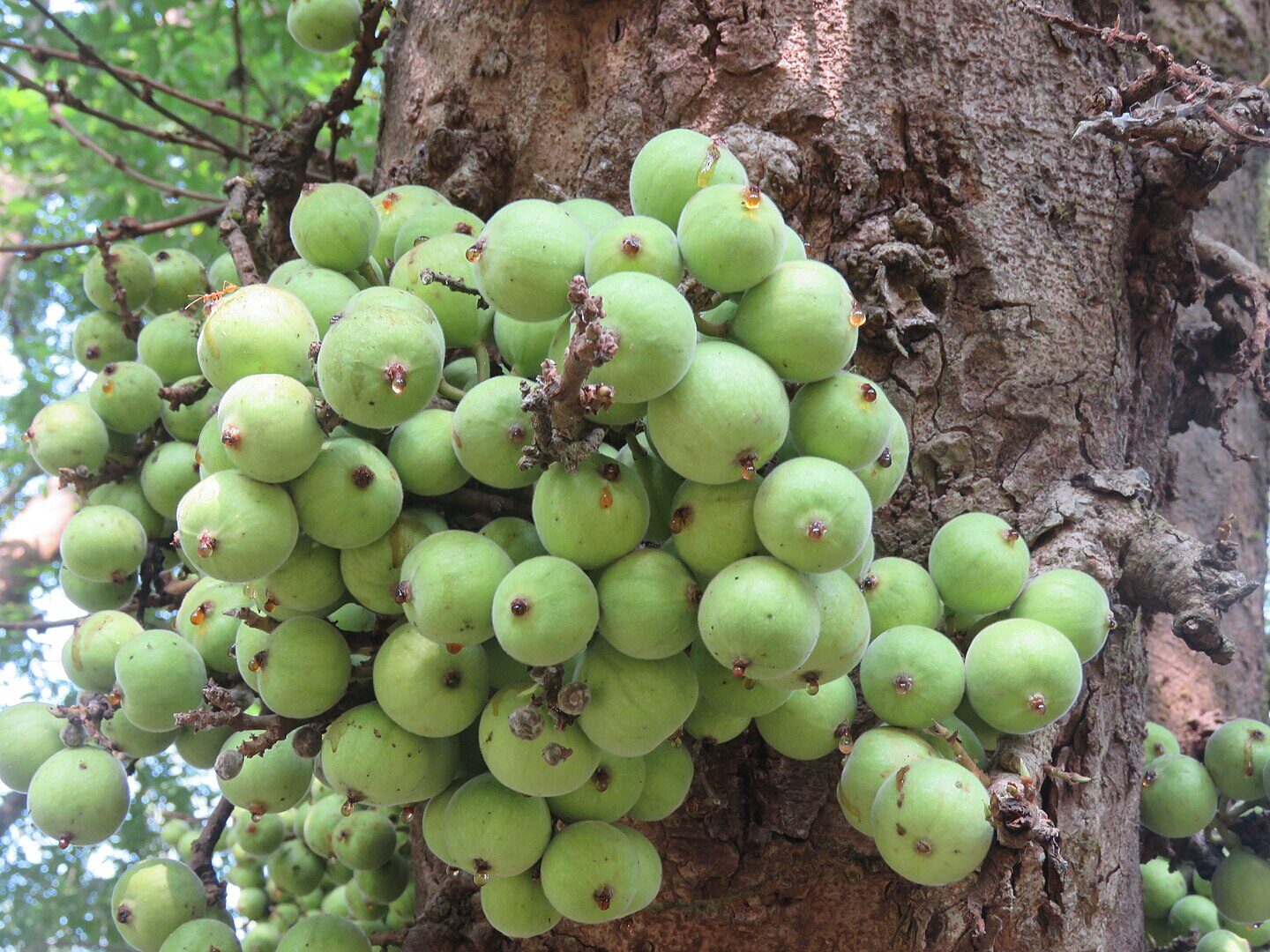
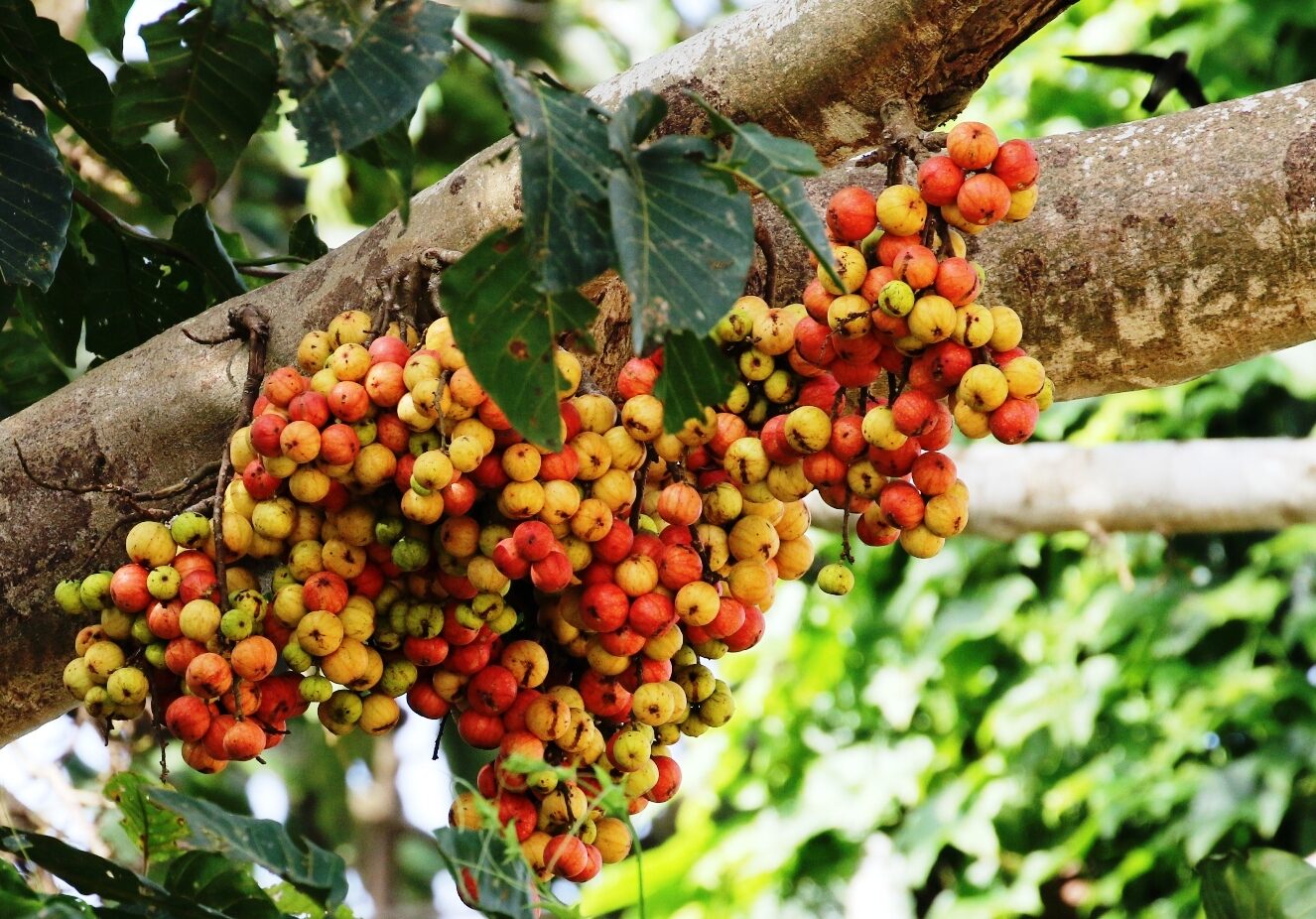
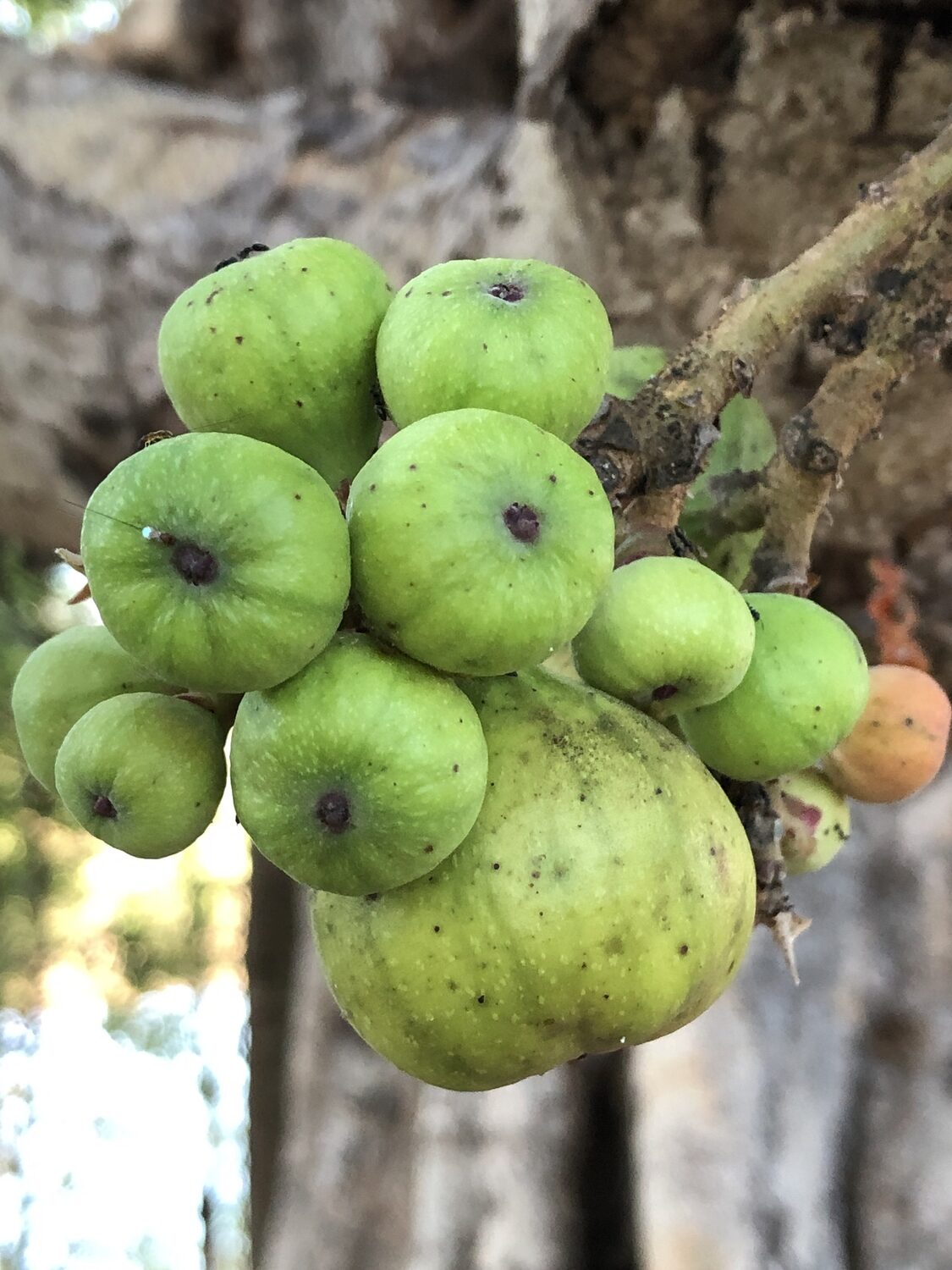
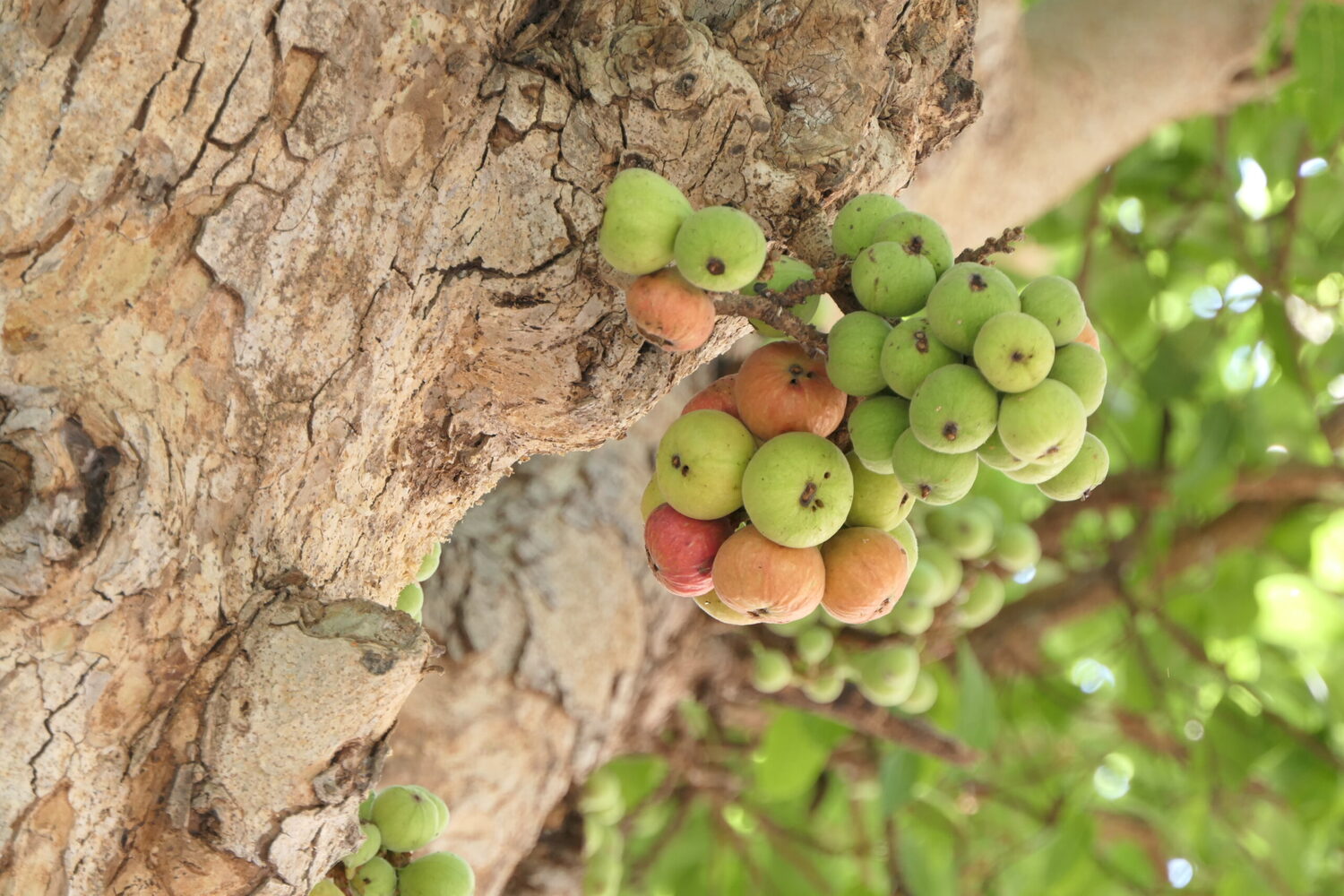
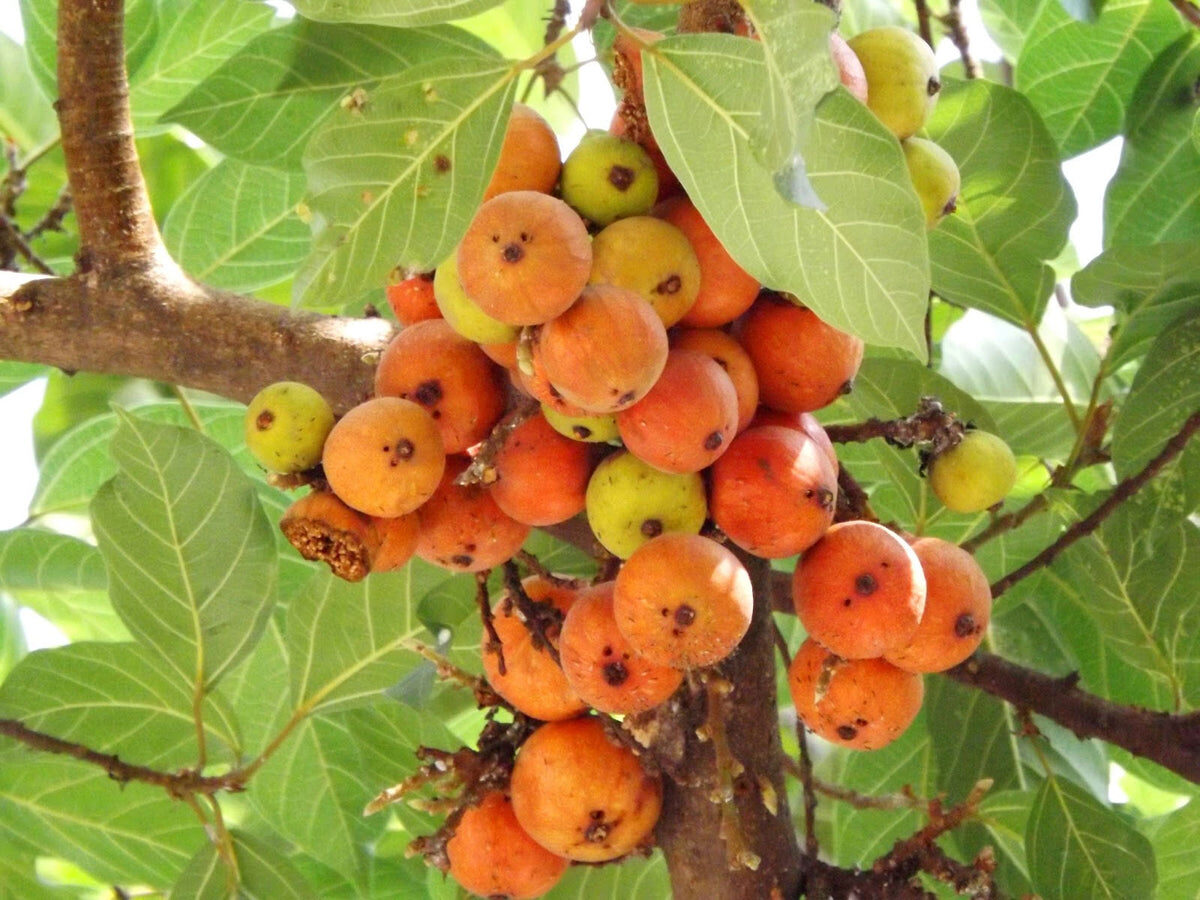
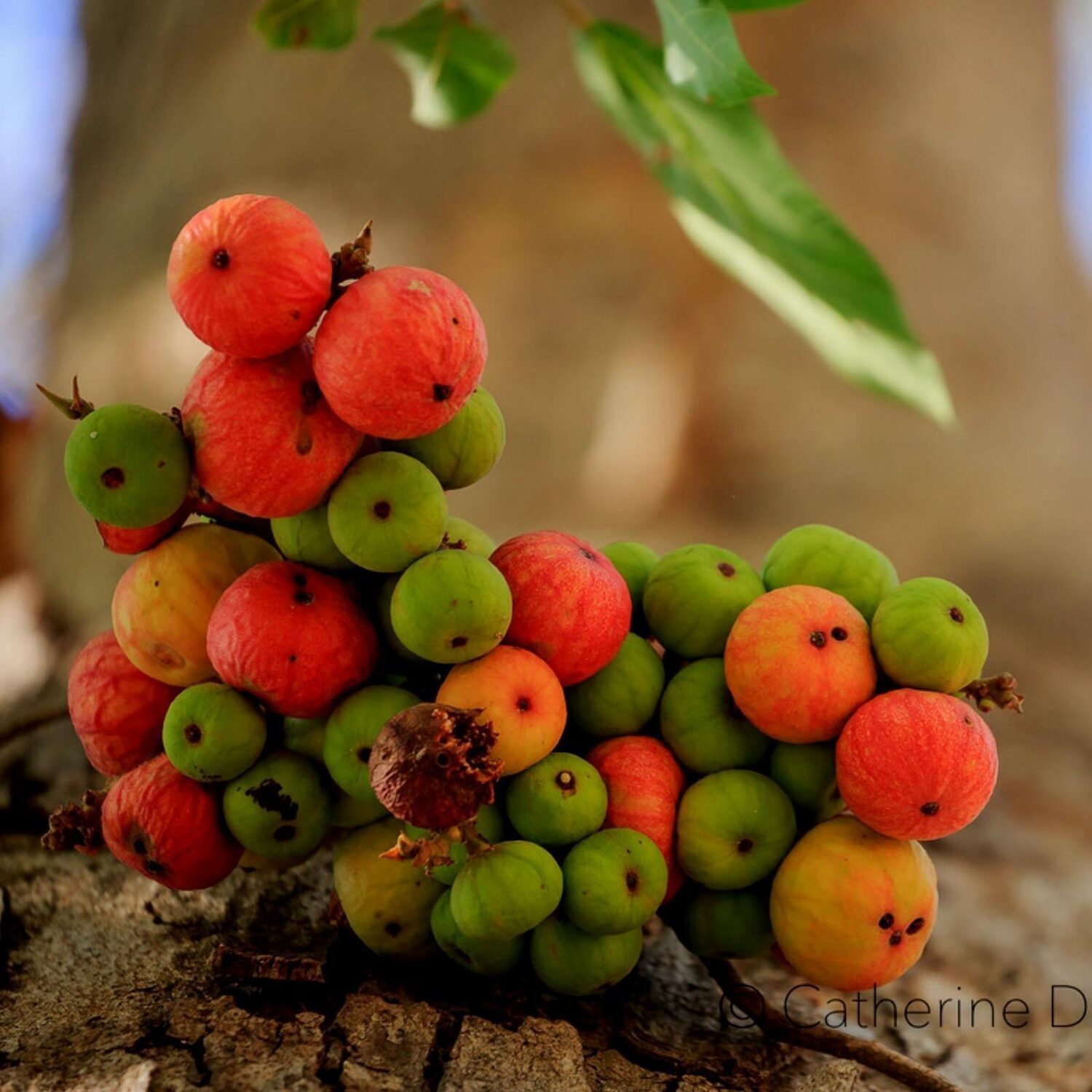
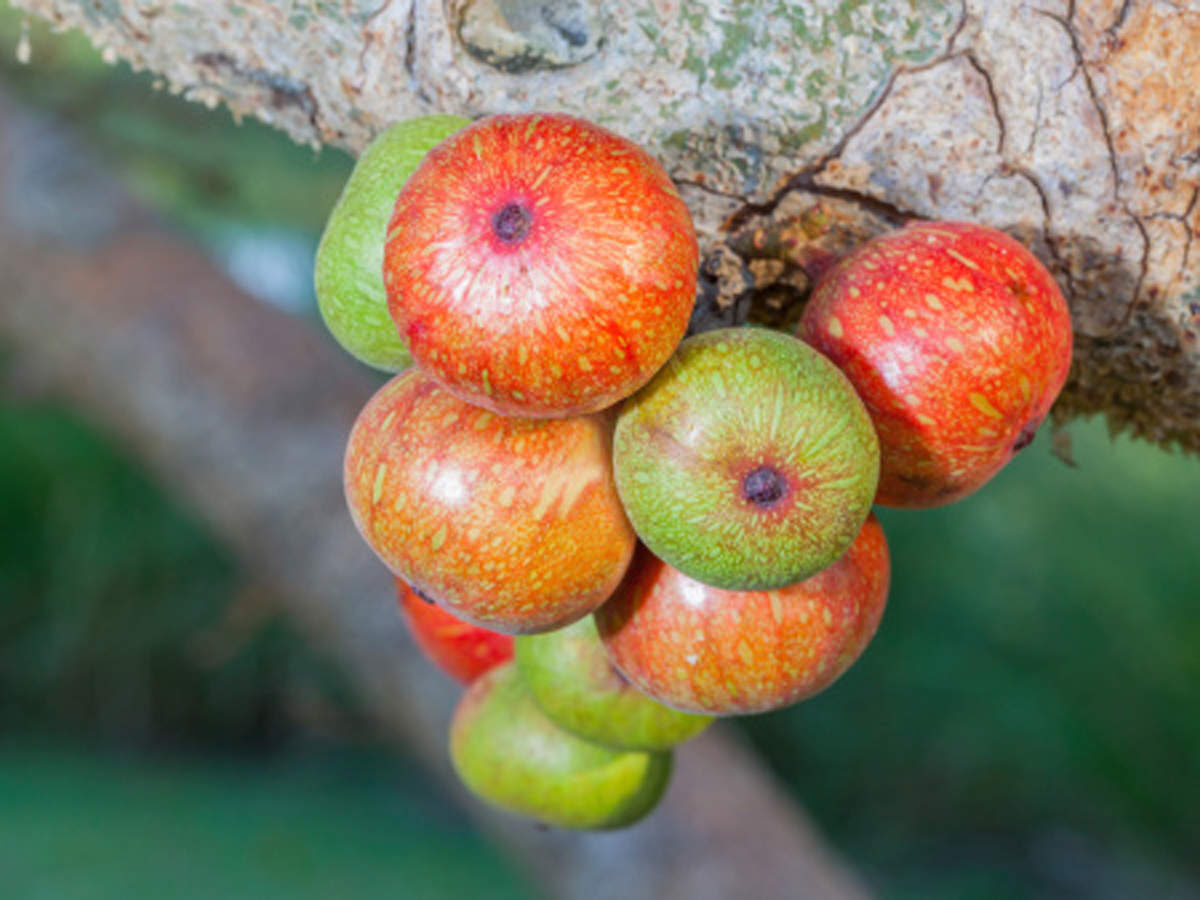
Meet the sacred tree revered for centuries in Ayurvedic medicine. Ficus racemosa bears spectacular clusters of reddish-orange figs directly on its trunk—a stunning architectural marvel. Beyond its theatrical beauty, every part (bark, leaves, fruit, latex) contains bioactive compounds long used to support metabolic health, digestive function, and immunity. The ripe figs are edible and delicious raw or cooked. Fast-growing and adaptable to tropical/subtropic
€1.92
Imagine a tree where ancient healing tradition meets architectural drama. Ficus racemosa—the Cluster Fig—stops you in your tracks with its impossible fruiting habit: dense clusters of luminous orange-red figs erupting directly from the gnarled trunk and older branches, bypassing leaves entirely. This isn’t an ornamental trick. It’s cauliflory, a botanical rarity that makes this tree unforgettable.
Native to the Indian subcontinent, Southeast Asia, and Australia, Ficus racemosa has wandered through three continents and three thousand years of human history. Sanskrit texts call it Udumbara and revere it as sacred—representing prosperity, enlightenment, and the rare flowering of wisdom. In Hindu and Buddhist traditions, it holds a place of spiritual significance equal to the more famous Bodhi tree. But long before spiritual honor, this tree earned its reputation through medicine. For millennia, Ayurvedic practitioners have prescribed its bark, leaves, fruits, and latex to address diabetes, liver dysfunction, respiratory conditions, inflammatory disorders, and digestive disturbance. It appears in every classical system—Ayurveda, Siddha, Unani—as a cornerstone remedy.
Here is where Ficus racemosa truly shines: its medicinal potency. Scientific analysis reveals why traditional healers trusted it. The bark contains tannins and flavonoids with demonstrated antidiabetic activity, capable of improving insulin sensitivity. The leaves hold alkaloids, glycosides, and phenolic acids with antitussive, antipyretic, and hepatoprotective properties. The fruit—bitter yet edible—concentrates antioxidants and compounds studied for wound-healing and immune support. Every part works. Modern phytochemical screening has isolated racemosic acid, leucocyanidin, and triterpenoids, all bioactive. The latex was noted in classical Sushruta Samhita for wound closure and healing. Rural households in India still brew decoctions of bark for digestive upset; practitioners apply crushed leaves to acne and minor wounds; families consume the fresh or dried fruit in tea. This isn’t folklore pretending to be medicine—this is a treasury of compounds that pharmacology is only now beginning to validate. If you garden for functional abundance, this tree is a living apothecary.
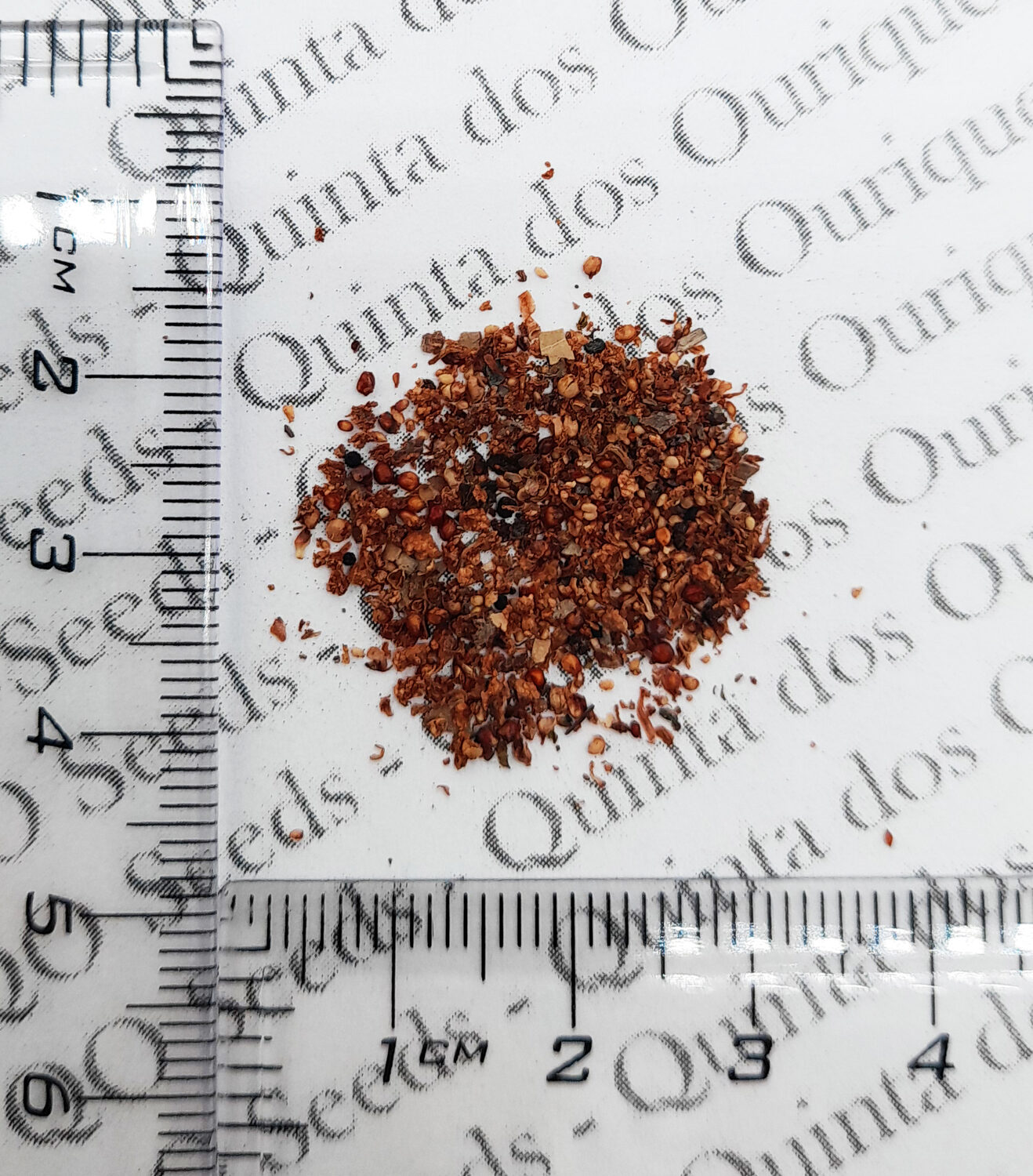
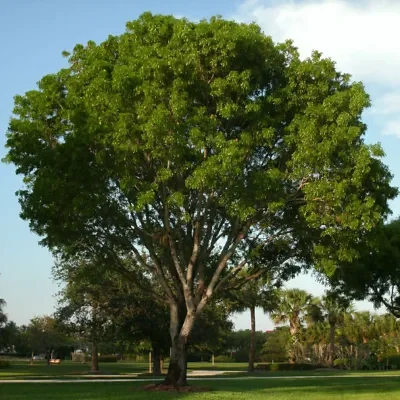
Growing Ficus racemosa demands tropical or subtropical warmth (zones 10–11) and moderate commitment. The tree thrives in full sun to partial shade, preferring bright, indirect light for best fruiting. Water regularly during the growing season—it loves moist, well-drained soil and tolerates brief flooding, making it naturally suited to monsoon climates and riverbank habitats. Soil chemistry is forgiving: it grows equally well in sandy, loamy, or clay soils, adapting to mildly acidic, neutral, or slightly alkaline conditions. Once established, it withstands short dry spells. Seeds germinate best around 20–25°C and may take 4–6 weeks, sometimes longer—patience rewards the gardener with a fast-growing tree that reaches 15–30 meters at maturity (dwarfing in containers is possible with pruning). Begin from seed; the anticipation of watching those first cauliflorous fruits emerge from your own tree’s trunk is part of the medicine.
Grow Ficus racemosa and become the keeper of something sacred—a living pharmacy that produces medicine visibly, seasonally, and abundantly. Your first harvest of ripe figs, picked directly from that impossible trunk, tastes like thousands of years of trust and tradition.
Only logged in customers who have purchased this product may leave a review.

Reviews
There are no reviews yet.