
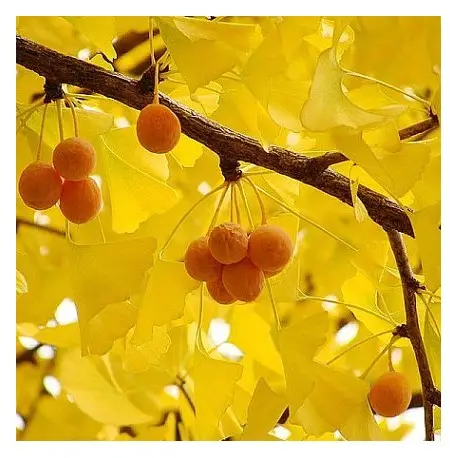
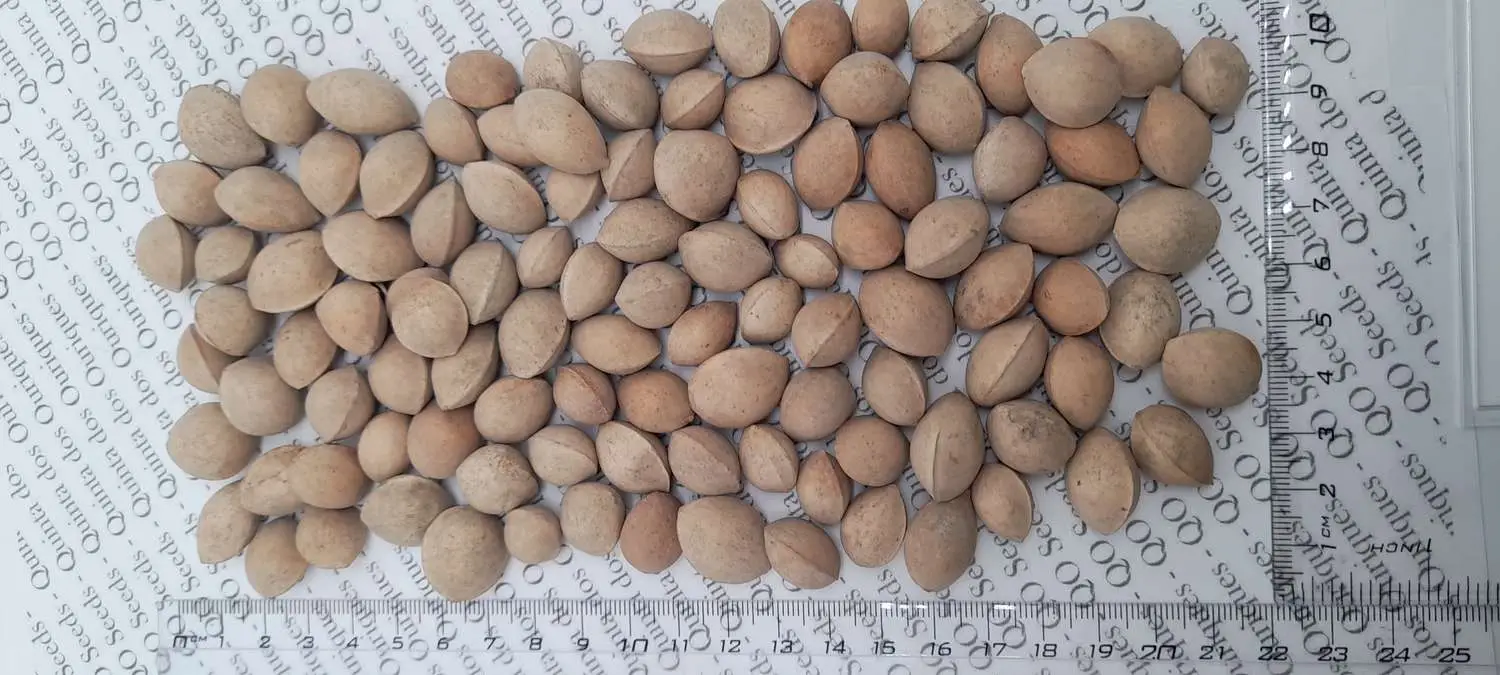
This is the living fossil that survived dinosaurs, atomic bombs, and 200 million years—and its leaves hold centuries of medicinal power. Ginkgo biloba leaves yield potent extracts that have supported cognitive health, circulation, and mental clarity for millennia. Plus: explosive golden autumn color that transforms any garden into a sanctuary. Grows reliably from seed in most climates. Watch it thrive into a magnificent tree while you cultivate your own ph
€5.62
Ginkgo biloba is a living fossil, with fossils similar to the modern plant dating back to the Permian, 270 million years ago. This is not just a tree—it is a geological marvel, the sole survivor of an ancient order that walked the Earth with dinosaurs, outlasting ice ages, extinction events, and the atomic bomb. Growing one from seed connects you to deep time itself.
The ginkgo has tremendous medicinal, spiritual, and horticultural importance in Chinese culture. Traditional Chinese medicine has included ginkgo biloba for nearly 5,000 years. Early medical texts describe preparations made from ginkgo leaves to support circulation and respiratory wellness. Practitioners observed that ginkgo supported mental clarity and vitality as people aged, and these observations formed the foundation for how this plant is used today in integrative health practices. Ginkgo trees were also planted at Buddhist monasteries across Asia as symbols of endurance and enlightenment. In Japan, the tree took on even deeper meaning after several ginkgo trees survived the atomic bombing of Hiroshima and continued to grow.
But here is what makes Ginkgo truly extraordinary as a home-grower’s prize: **medicinal power you can harvest yourself.** The supplements are bestselling herbal medications with a long history of use in traditional medicine to treat blood disorders; these are known to improve memory and offer the best-known way to keep the mind sharp. Ginkgo biloba extract is known to support healthy blood flow by helping blood vessels relax and promoting efficient circulation throughout the body. The primary compounds receiving increasing research interest are the triterpene lactones and flavonoids; these are the target of biotechnological strategies being employed to enhance production. When you grow Ginkgo from seed, you’re cultivating a living pharmacy—the leaves can be dried and prepared as tea, tincture, or extract, delivering the very compounds that have made ginkgo one of the world’s most-sold herbal supplements. This is not ornament alone; this is medicine you grow with your own hands.
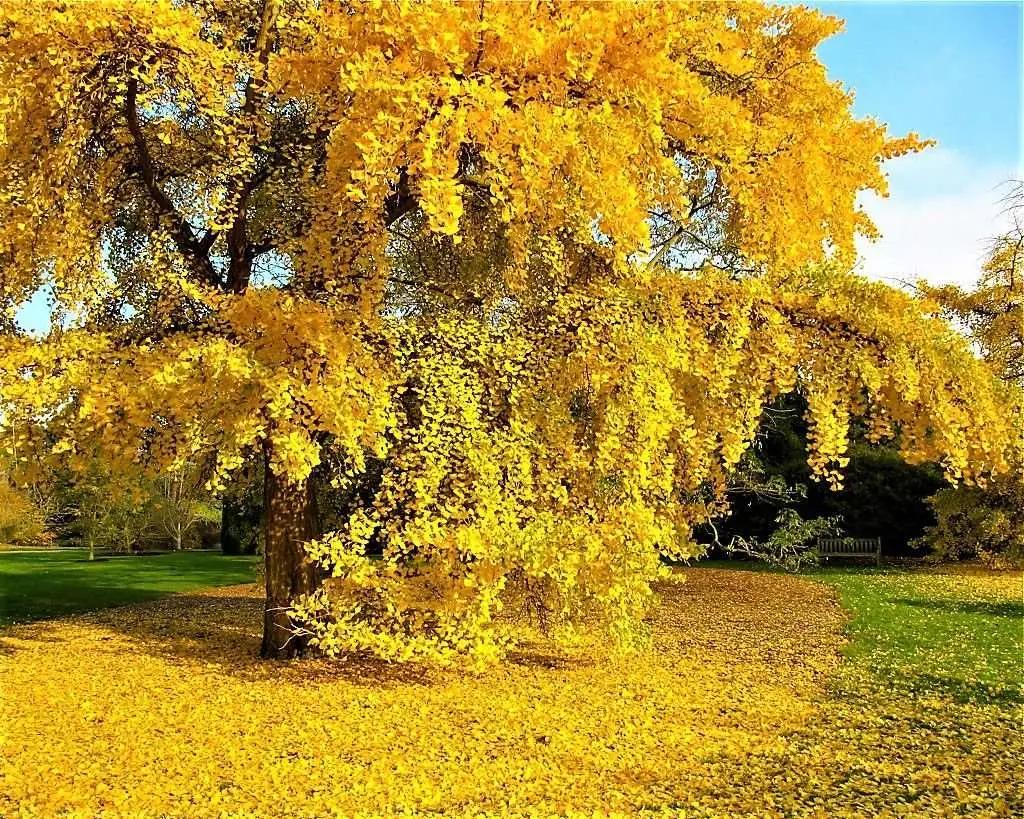
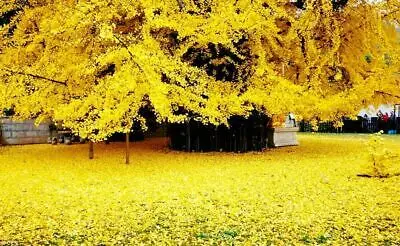
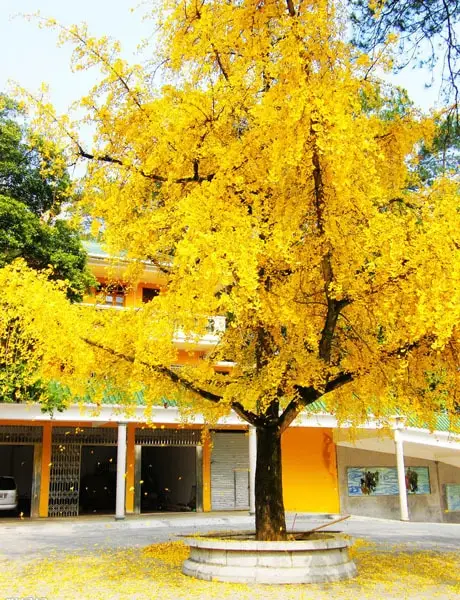
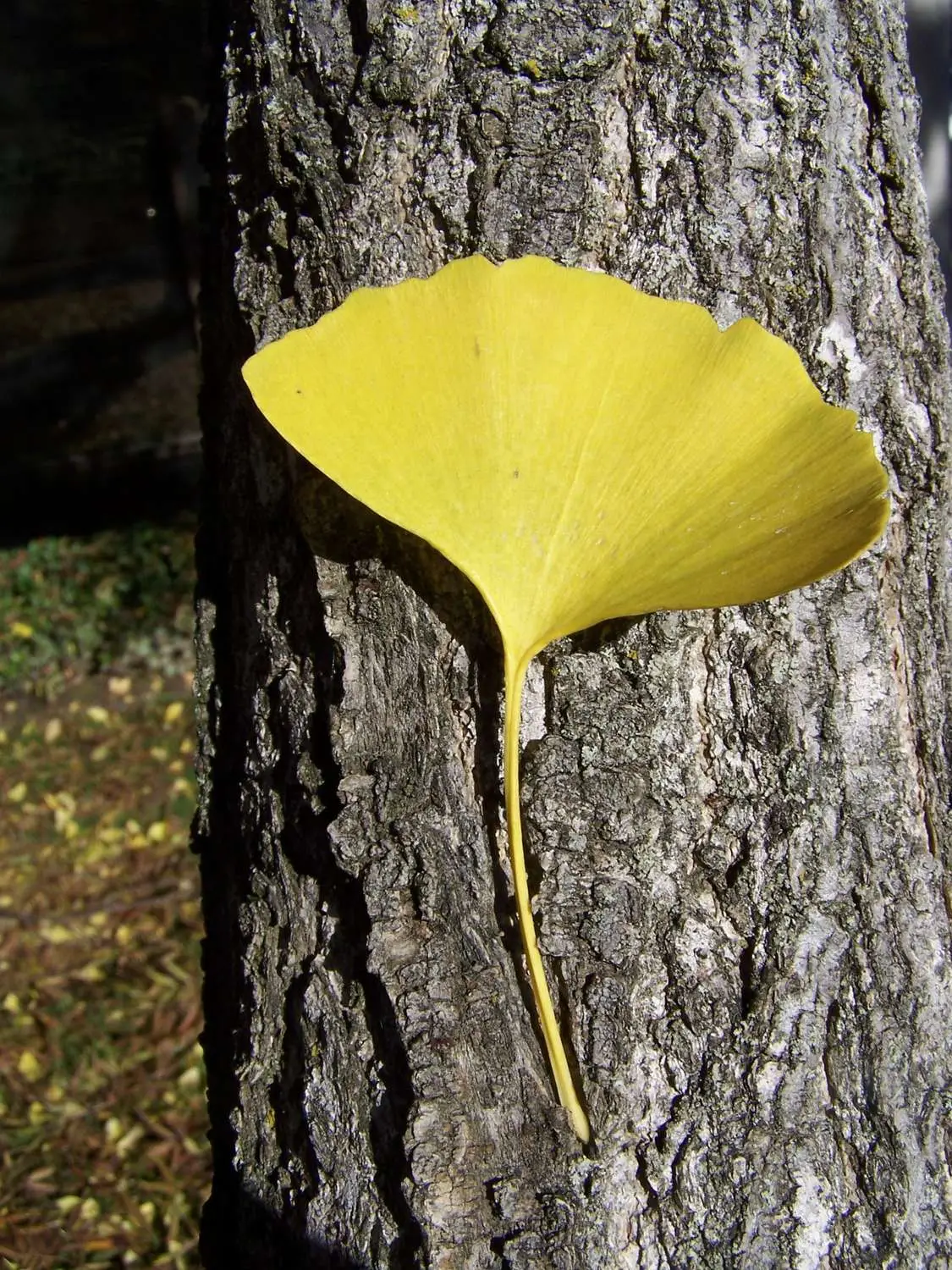
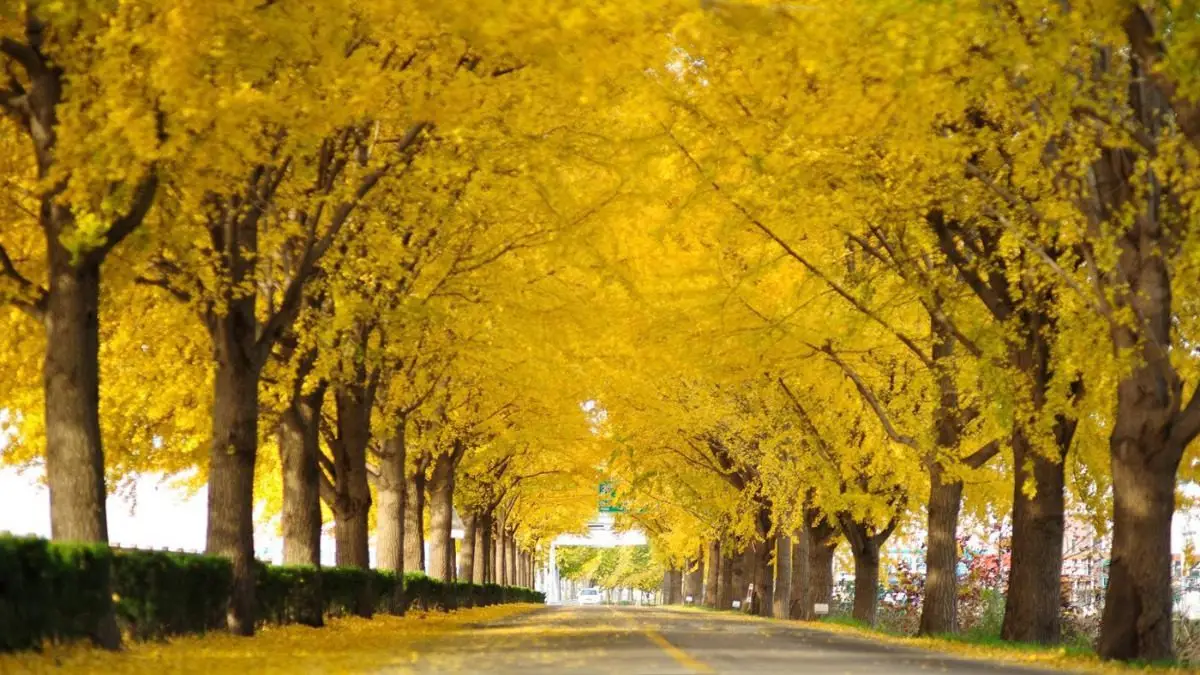
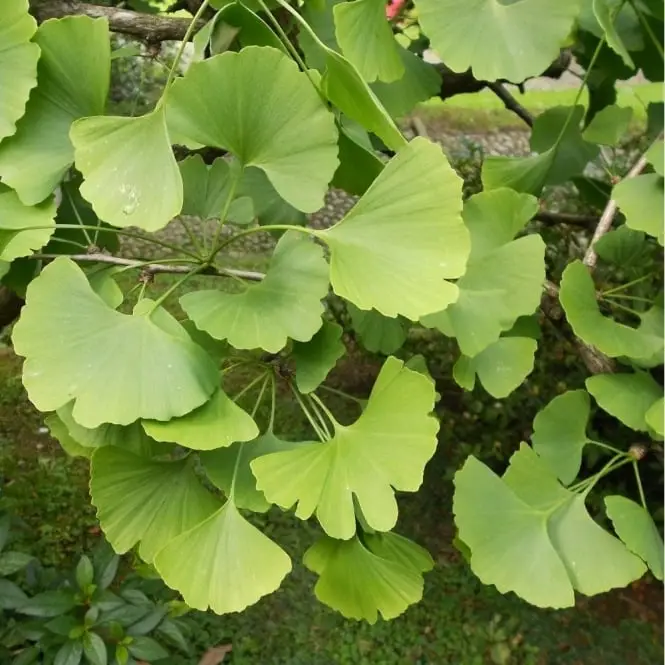
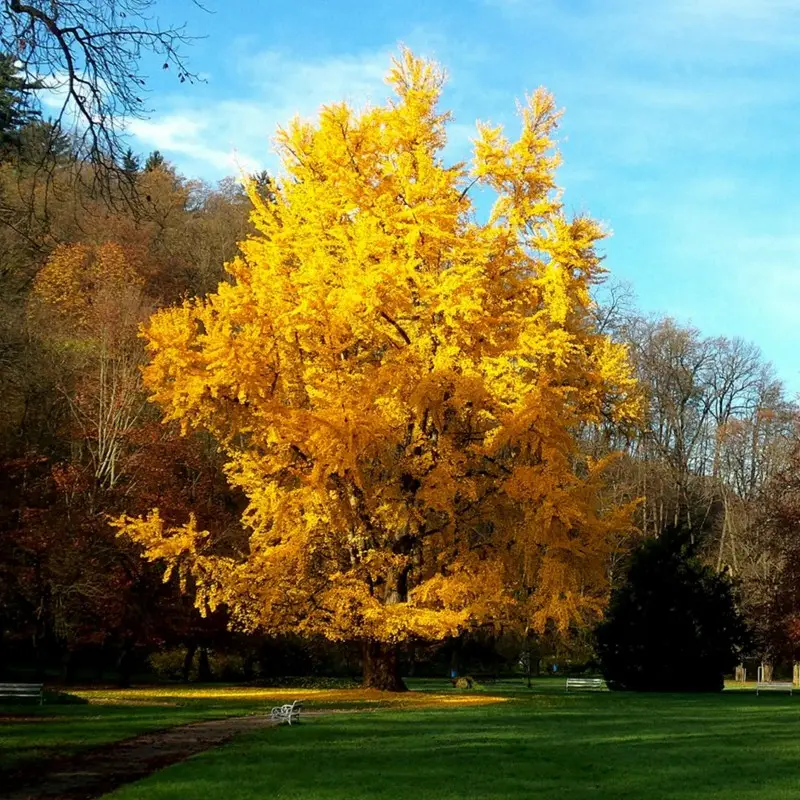
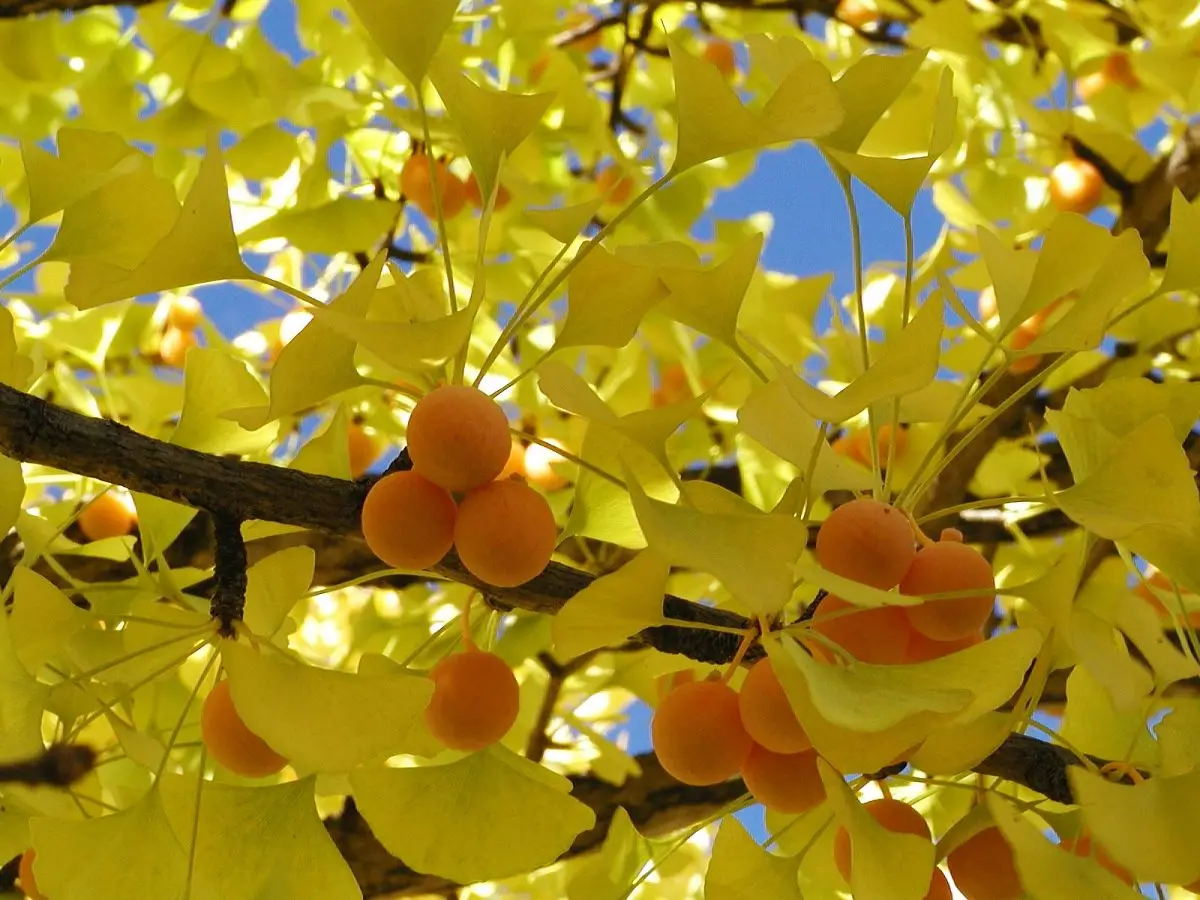
Beyond the medicinal treasury, Ginkgo rewards you with one of nature’s most arresting seasonal transformations. Its fan-shaped leaves turn a vibrant yellow in autumn, creating a stunning visual display that brightens any landscape. Leaves turn a uniform golden yellow in autumn (spectacular when backlit by early morning or late afternoon sun) and persist for several weeks. When the leaves do drop, they drop rapidly, forming a golden carpet around the tree. Each autumn becomes a meditation on impermanence and beauty.
**Growing Ginkgo is remarkably forgiving.** The plant shows high resistance to environmental stresses, microbial diseases (fungal, viral, and bacterial), other pests, and gaseous pollutants ozone and SO2, making it suitable and relevant for planting in urban areas. Ginkgo trees require minimal care once established, making them ideal for busy gardeners. Ginkgo trees can live for centuries, and the Autumn Gold cultivar grows at a medium pace, taking on about a foot per year. Its slow to moderate growth rate and resilience against disease and pests, in addition to the lack of berry production, means this tree is comparatively low-maintenance. From seed, you’ll be sowing the future—a tree that will outlive you, perhaps by centuries, becoming a family heirloom and a living bridge to the Jurassic.
Grow Ginkgo biloba from seed and you’re not just planting a tree. You’re anchoring yourself to Earth’s deep history, harvesting one of humanity’s most treasured medicinal plants, and claiming a masterpiece of autum
Only logged in customers who have purchased this product may leave a review.
Reviews
There are no reviews yet.