Description
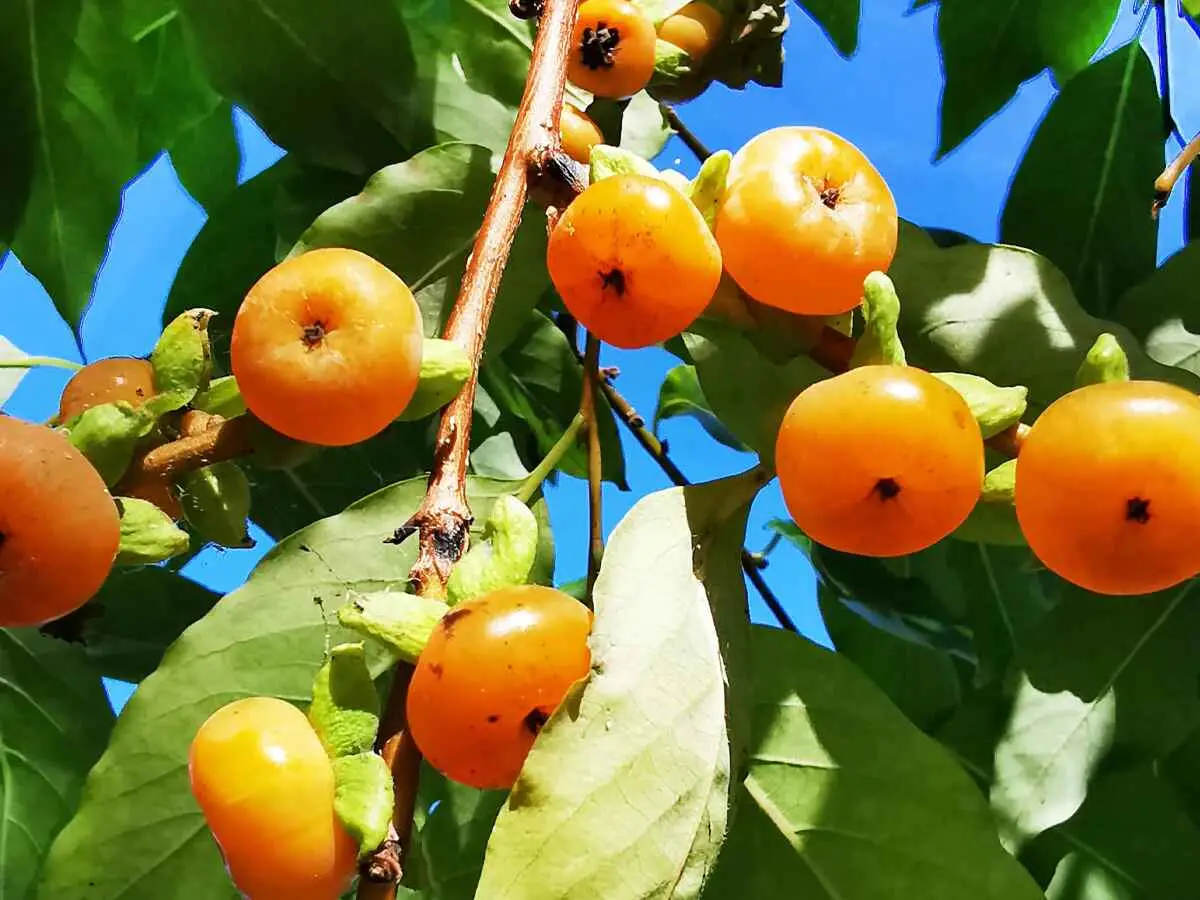
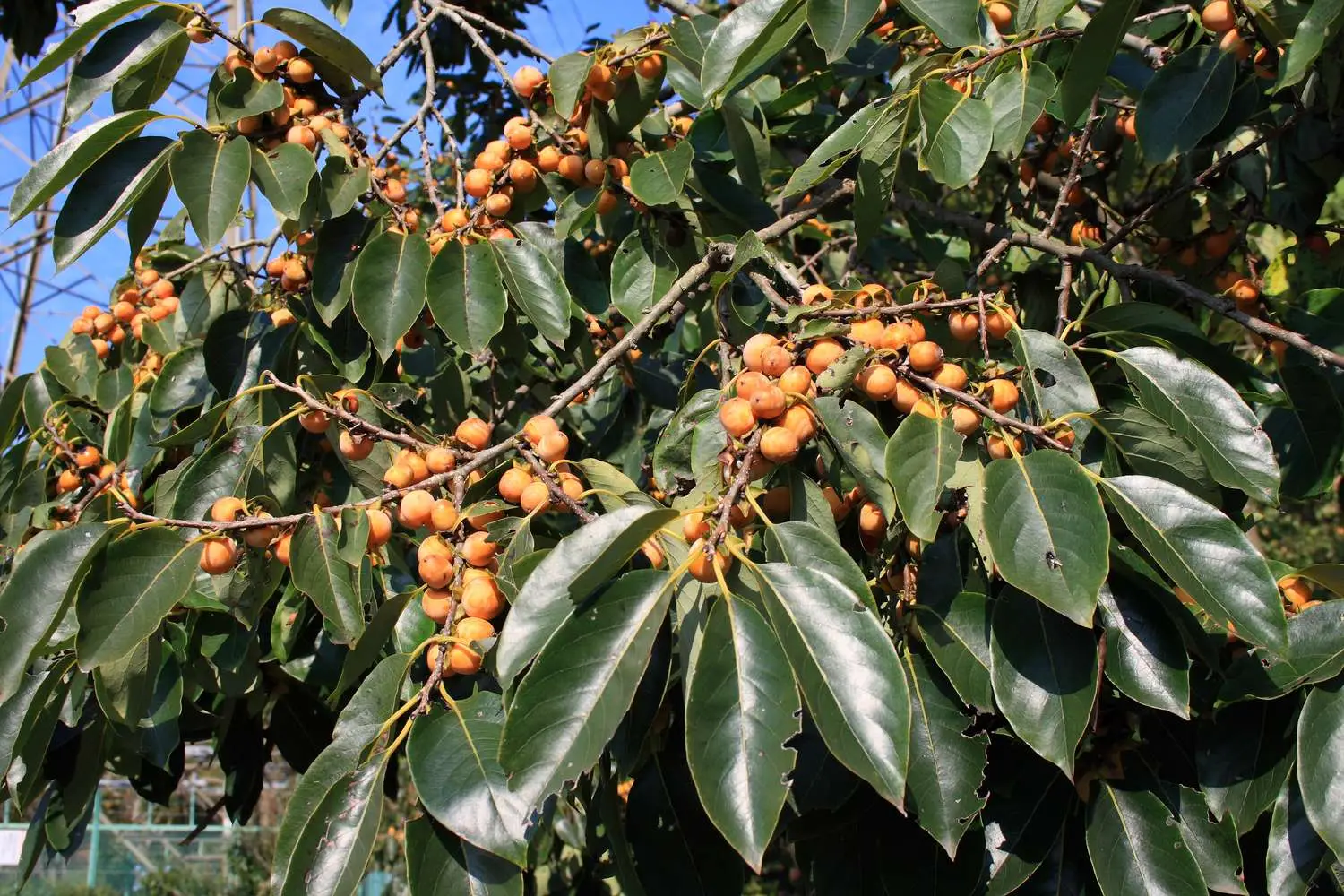
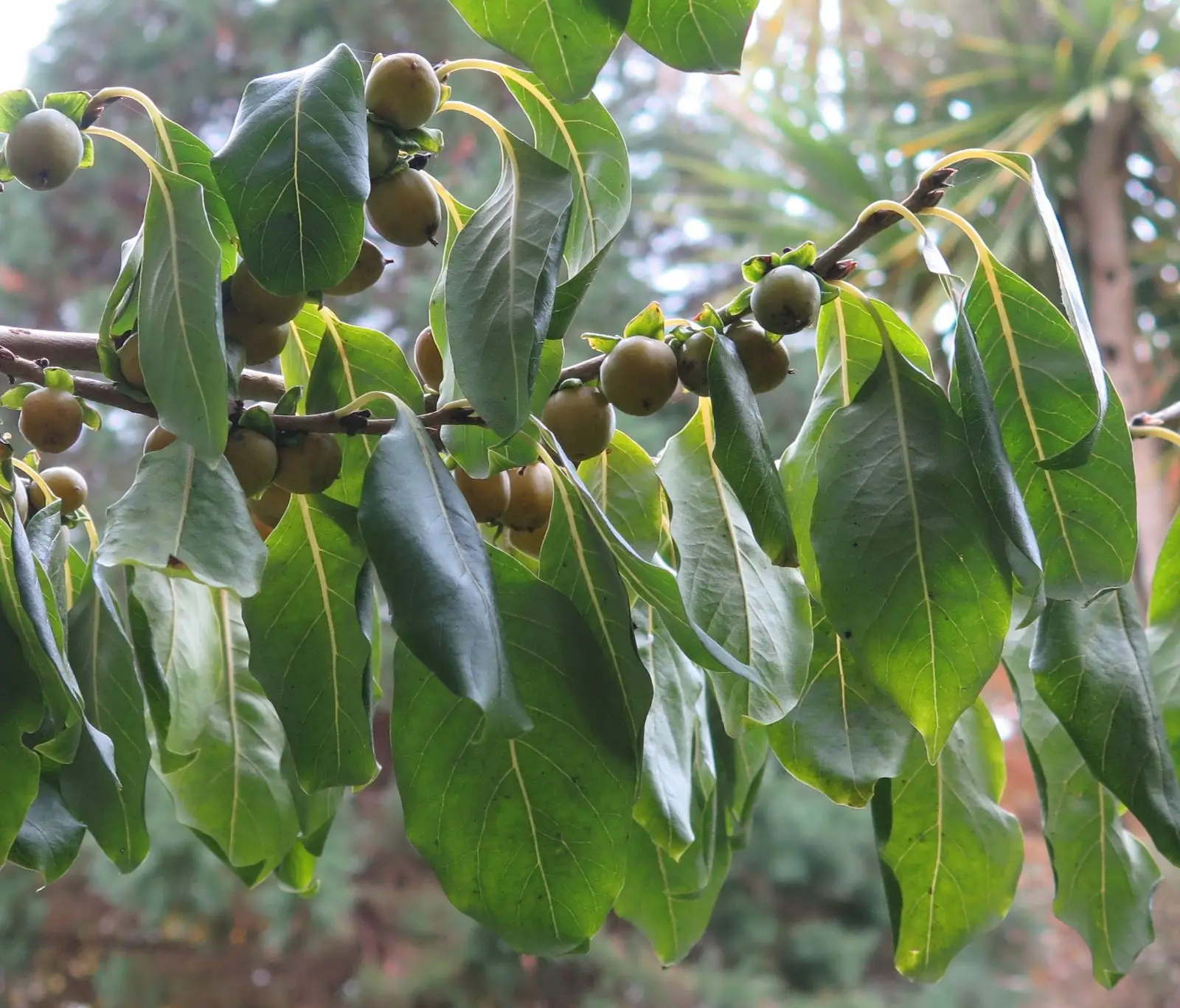
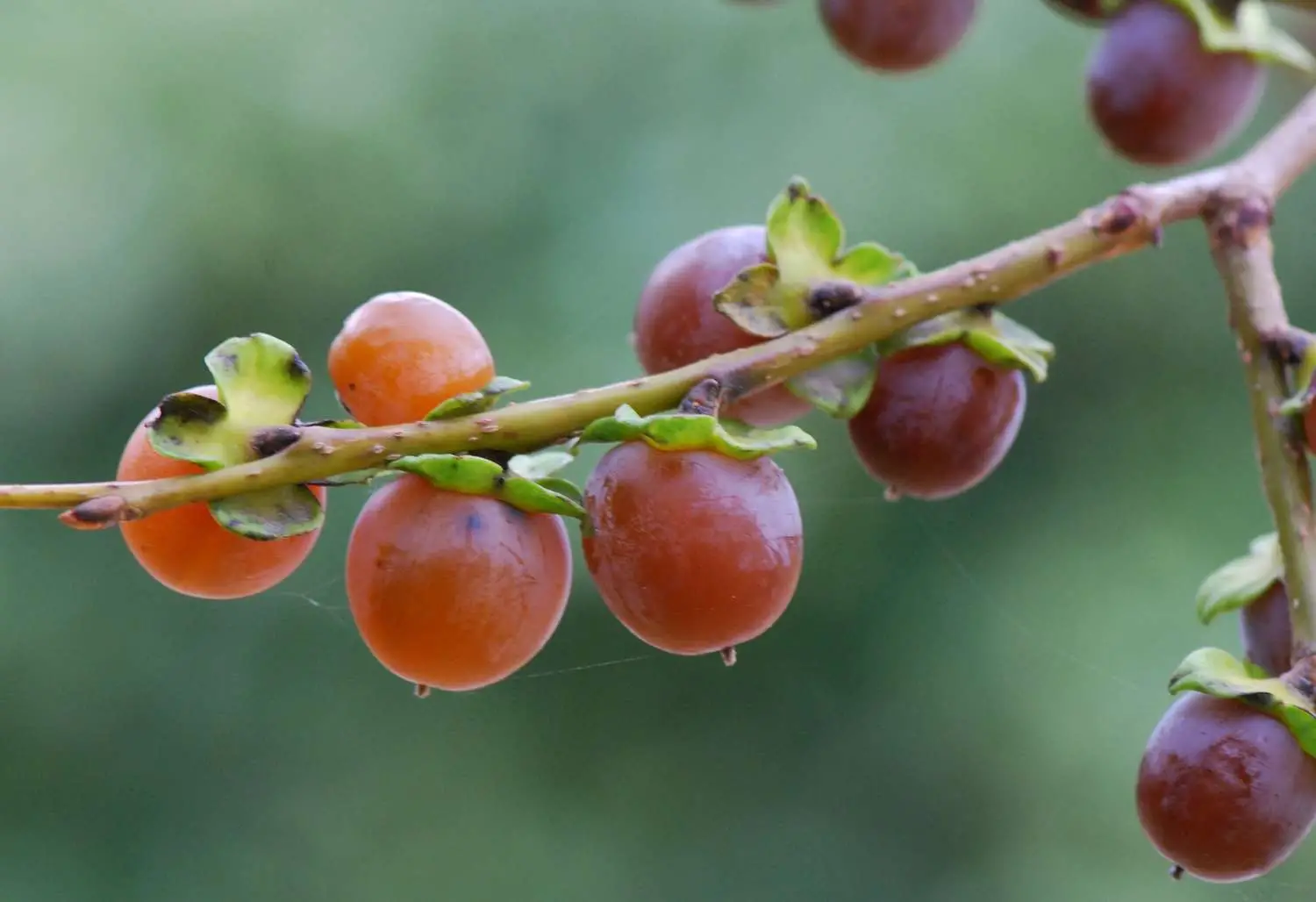
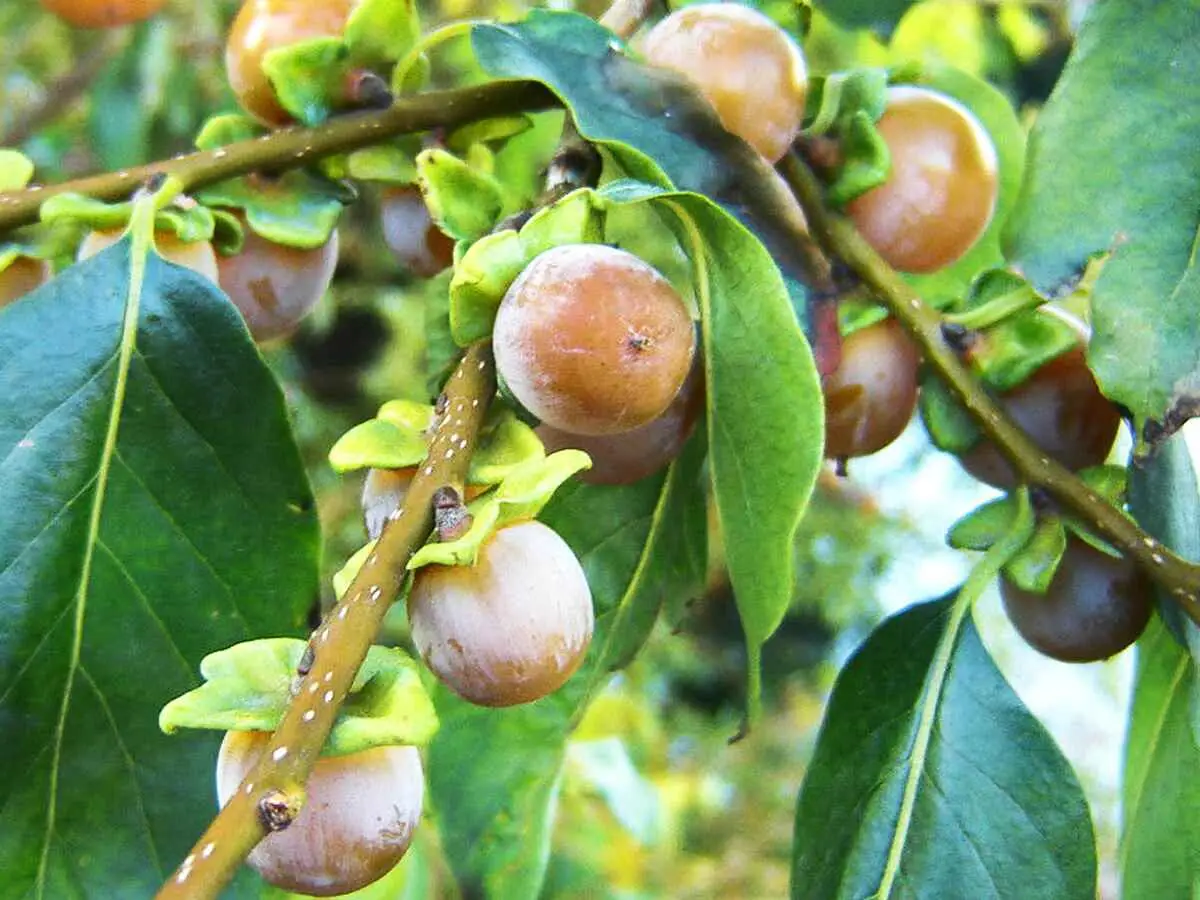
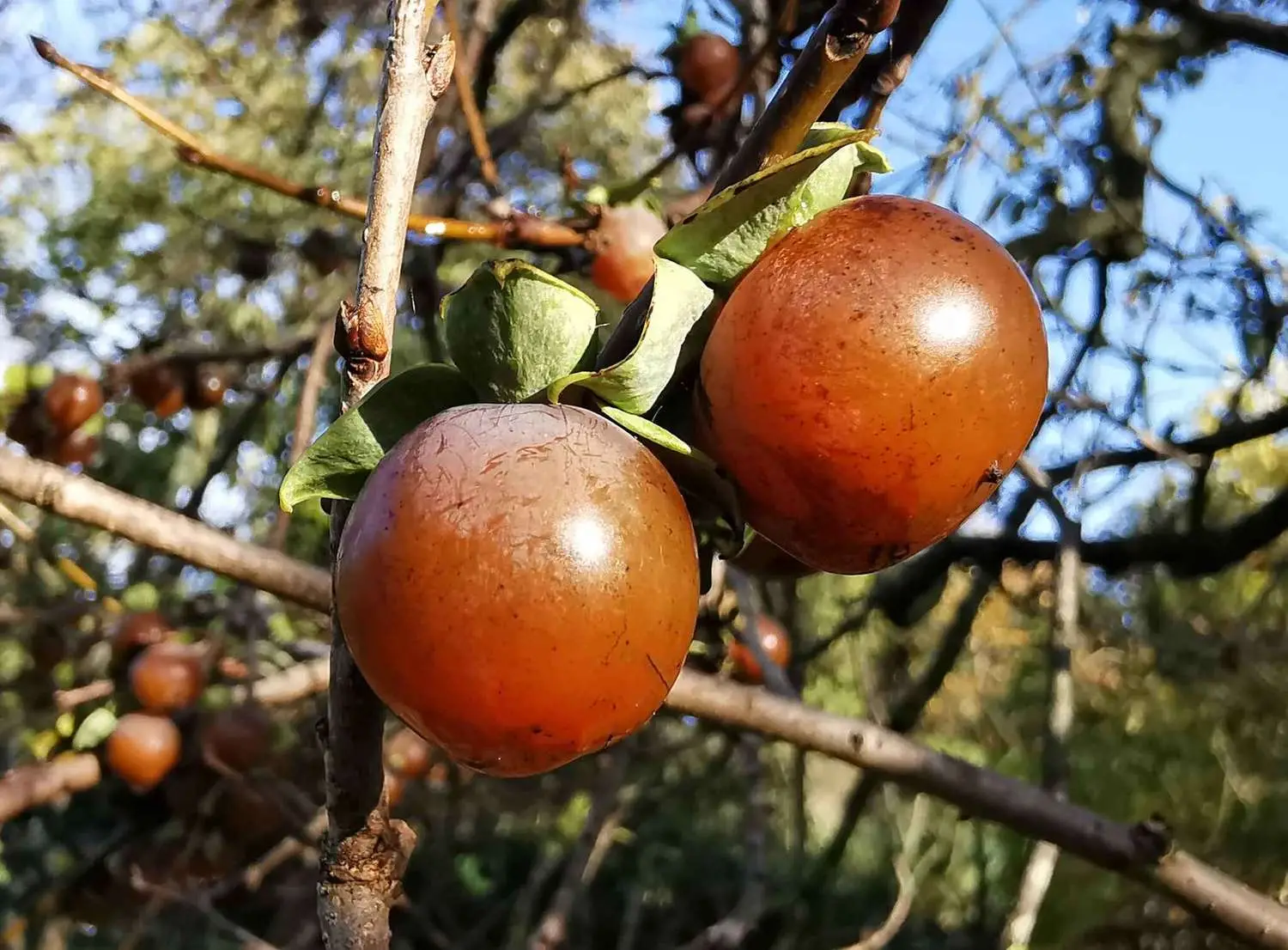
Diospyros lotus, commonly known as the Date Plum, Caucasian Persimmon, or Lilac Persimmon, is a deciduous tree native to a wide area spanning from Southwest Asia and Southeast Europe to China. As a member of the ebony family (Ebenaceae), it is related to other persimmon species. The tree typically grows to a medium size with a broad, rounded crown. Its leaves are glossy, dark green, and oblong, and they provide a striking yellow autumn color. In the summer, it produces small, inconspicuous, bell-shaped flowers that are followed by small, round fruits.
Diospyros lotus is also notable for its durability and is sometimes used as a rootstock for grafting other persimmon species, such as the Japanese persimmon (Diospyros kaki). Its wood is hard and durable, used for fine furniture and construction. The tree is known for its ability to grow on a variety of soil types and is quite cold-hardy once established.
Germination Guide
🌍 Southeastern Europe and Southwestern Asia (northeast and south central Turkey to Korea)
Difficult
Diospyros lotus, commonly known as Date Plum or Caucasian Persimmon, is a deciduous tree native to Southeastern Europe and Southwestern Asia with a rich history spanning thousands of years. Seeds exhibit long dormancy and require cold stratification of 60-90 days at 4°C combined with mechanical scarification to achieve reliable germination. Germination is typically slow and variable, occurring over 1-6 months at optimal temperatures of 15-27°C.
Germination
Germination time
Expect germination in
30 – 180 days
Temperature
Min 15°C
Ideal 24°C
Max 27°C
Substrate moisture
💧 Medium
Sowing depth
Lightly covered
Seed Pre-treatment
-
💧
Soaking — 24 hours
Soak seeds in lukewarm or room temperature water for 24-48 hours after scarification. Can alternatively soak in cool water for 48 hours before sowing.
-
🔨
Mechanical scarification
Scarify seeds by gently sanding or nicking the seed coat to help water penetrate. Seeds have a hard outer coat with very hard endosperm.
-
❄️
Cold stratification — 70 days at 4°C
Substrate & Container
Recommended substrate
Well-draining seed mix, coarse sand, or potting mix with loamy texture. Recommended media: sand + cocopeat + farmyard manure (1:1:1 ratio) for optimal results.
Recommended container
Seed trays or containers with drainage holes, cold frame recommended for stored seed
Growing Tips
Sow seeds 3/8 inch (approximately 1 cm) deep, tamp the soil gently, and apply mulch to the seed bed. For faster and more regular germination, stratify seeds for 70 days in cold (4°C) before spring sowing. Keep substrate consistently moist but not waterlogged. Provide bright, indirect light after germination. Seedlings are slow-growing; transplant into deeper pots with well-drained loamy soil when large enough to handle. Alternatively, sow fresh seed in cold frame immediately after collection. Seeds lose viability relatively quickly, so use seed as fresh as possible.
Only logged in customers who have purchased this product may leave a review.

Reviews
There are no reviews yet.