
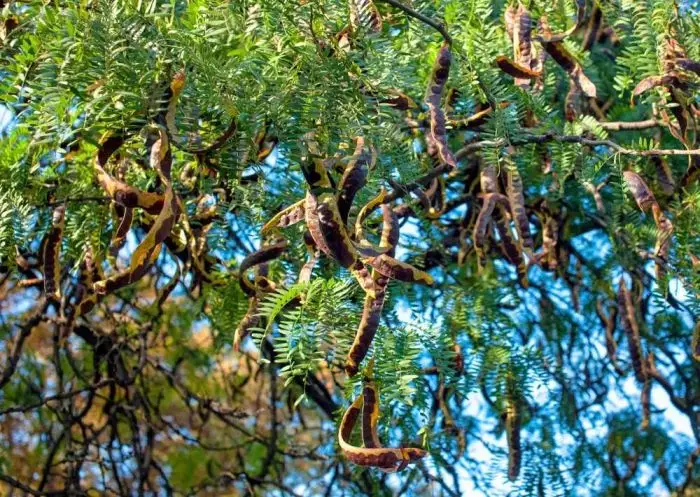
Shikakai means ‘fruit for the hair’, and this ancient wisdom holds up perfectly. The saponin content in its fruits and bark act as foaming agent — giving you a luxurious lather that preserves the natural oils that many shampoos actually remove. Grow this spiny climber from seed to harvest your own natural shampoo. It thrives easily in warm conditions and rewards you with striking <
€1.92
Grow the plant that has kept hair lustrous for over 5,000 years.
Acacia concinna is a climbing shrub or small tree native to central and southern India, and there is some evidence of its use going back to the Harappan civilization of ancient India, almost 5000 years ago. This isn’t a trendy rediscovery—it’s a botanical heirloom that cultures relied on long before the first synthetic shampoo bottle rolled off a line.
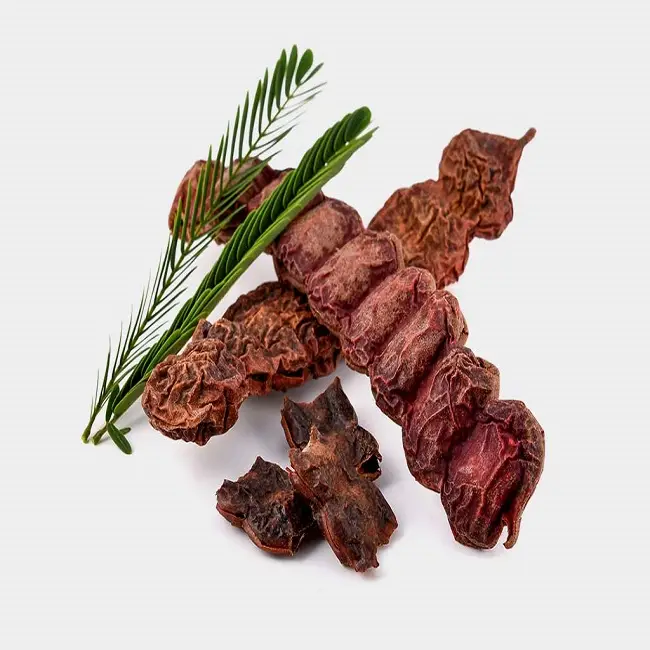
What makes Shikakai legendary is pure chemistry. The pods, leaves, and bark of the Shikakai plant are rich in saponins, natural surfactants that generate a gentle lather. Unlike sulfate-heavy commercial shampoos, its saponin-rich pods generate a natural lather, providing a gentle yet effective cleansing action without stripping the scalp of its natural oils. Shikakai (Acacia concinna) is the best traditional herb used to promote hair growth, control dandruff, relieve skin problems. The research backs the folklore: studies have proved promising anti-fungal activity of Shikakai against Malassezia furfur when compared with the marketed anti-dandruff shampoos. Beyond hair, the leaves and pods are used treat cuts, wounds and oral diseases due to its astringent property, and Shikakai has been used to treat various skin conditions, thanks to its anti-inflammatory, antimicrobial, and antifungal properties. You’re not just growing a plant—you’re cultivating an entire medicine cabinet.
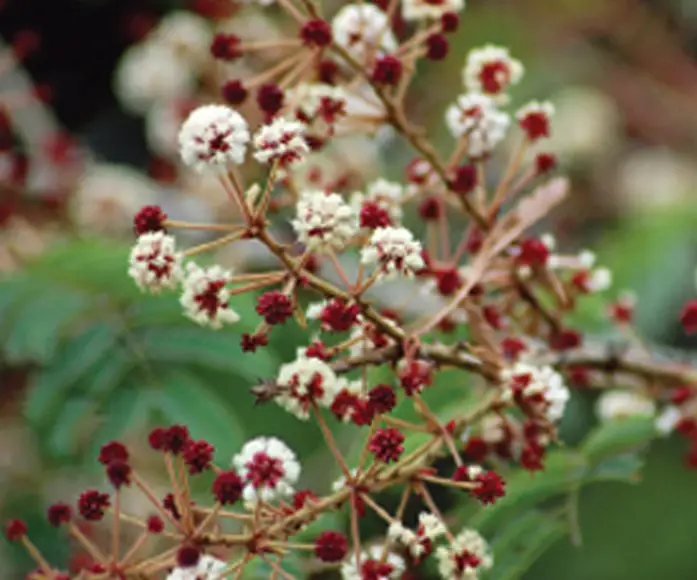
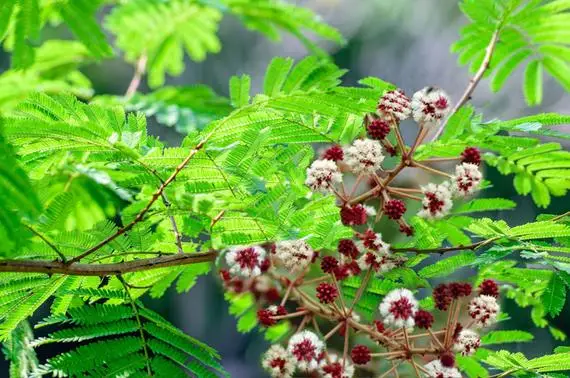
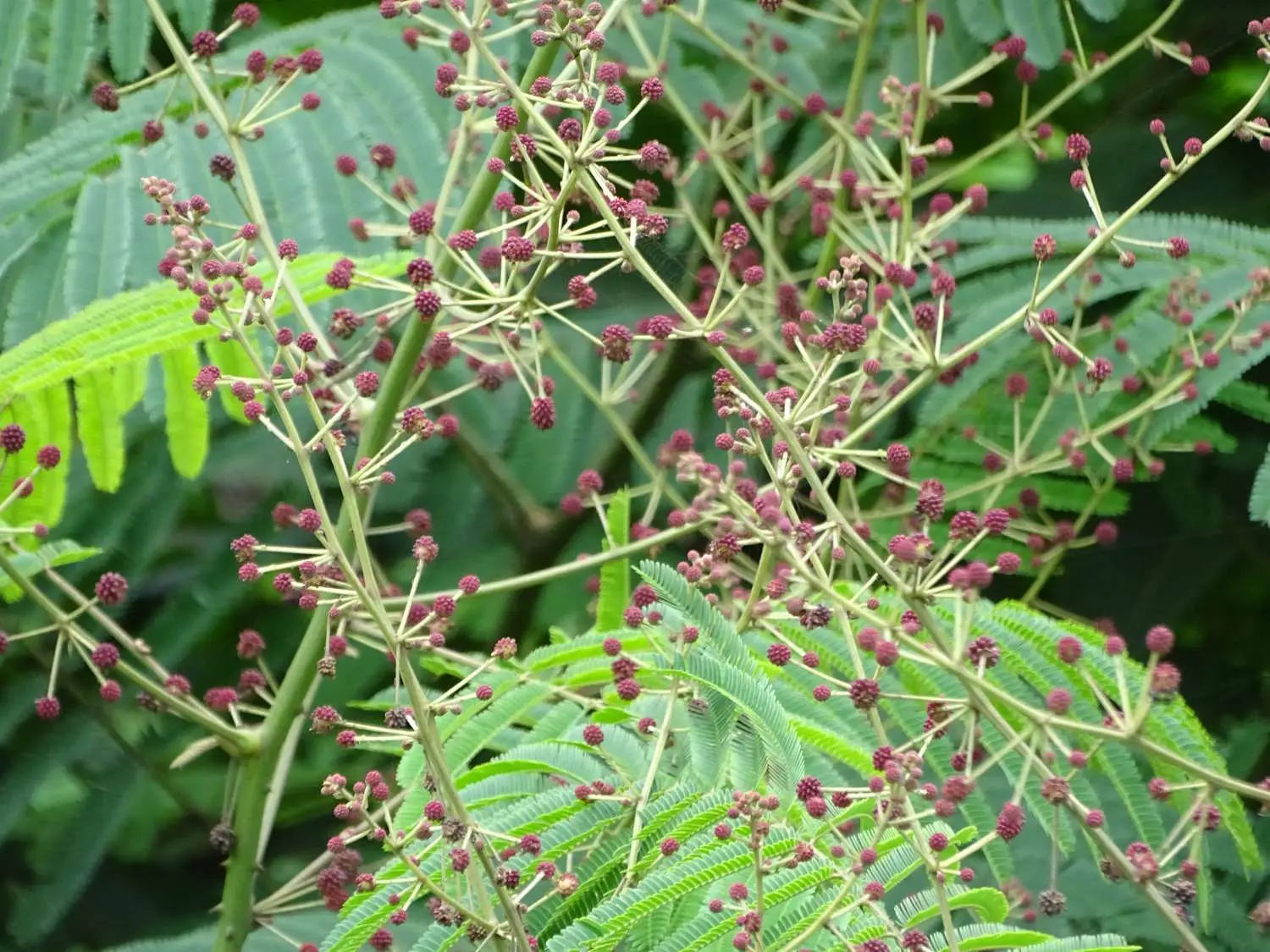
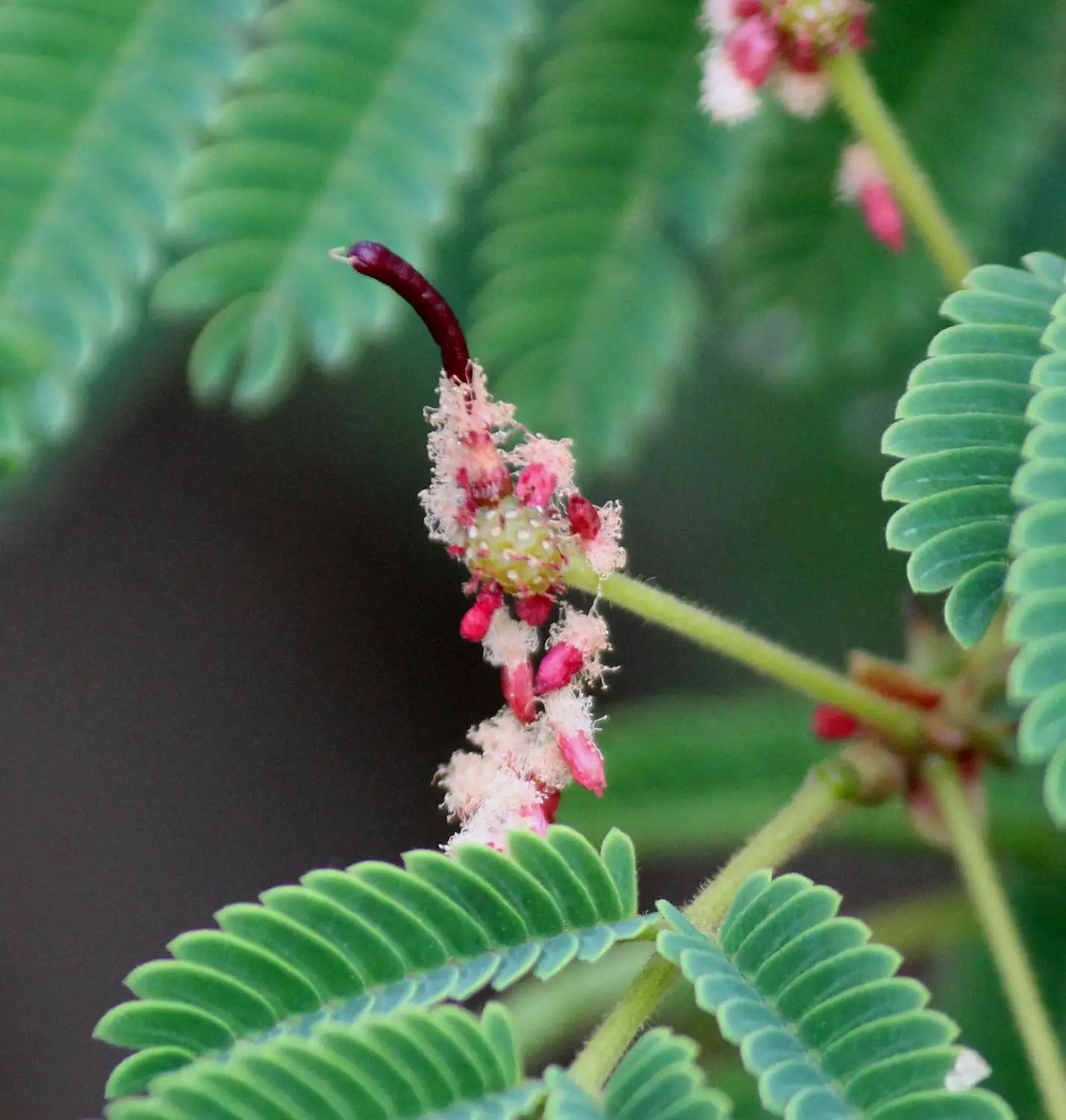
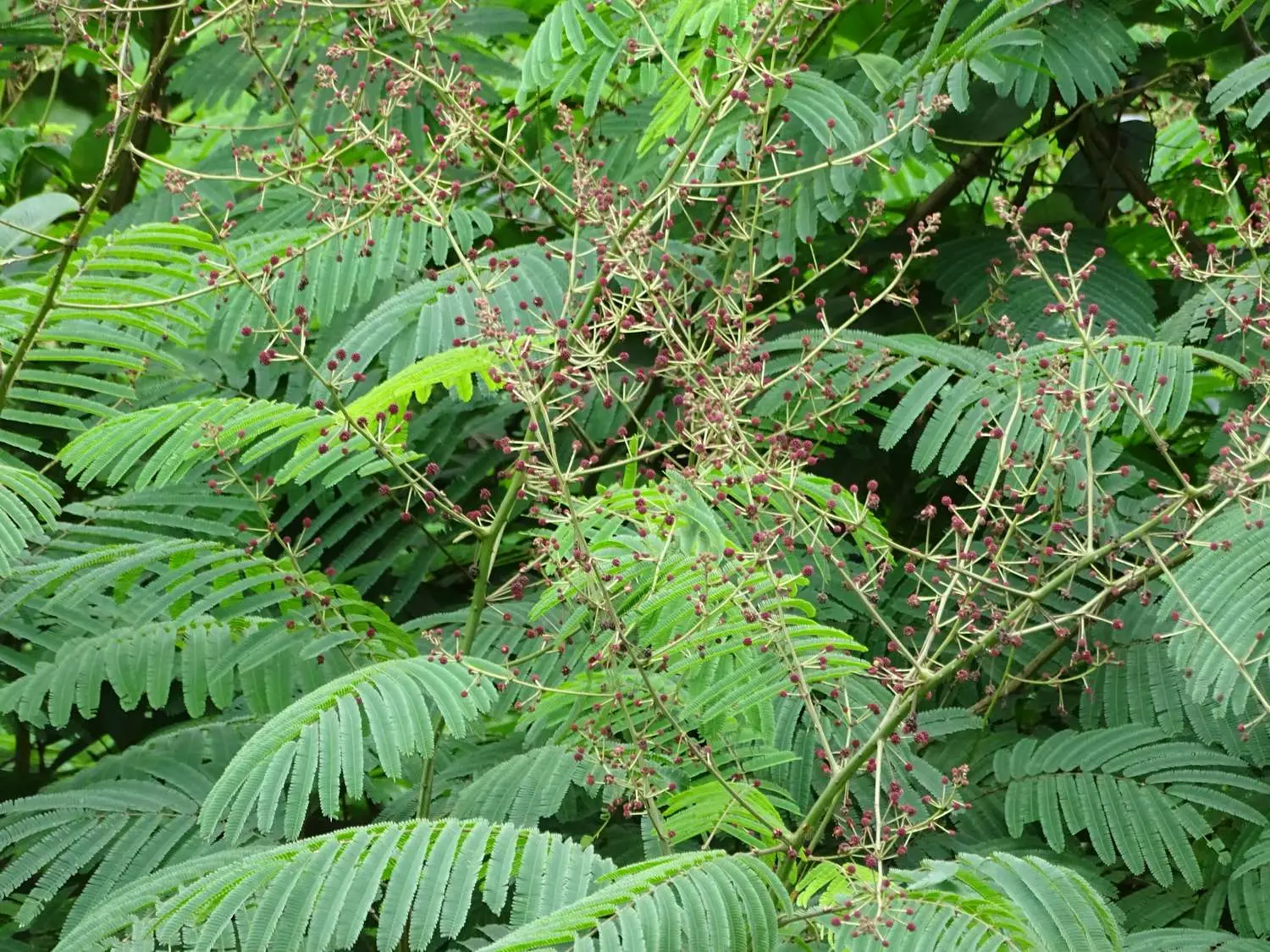
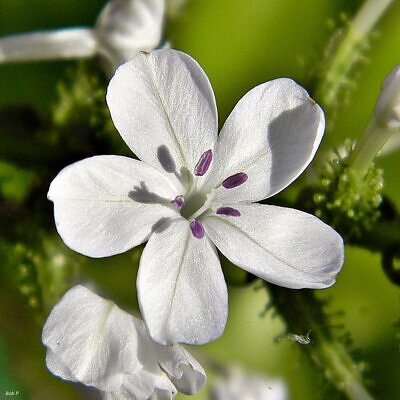
Growing Acacia concinna from seed is straightforward and forgiving. The species is native to the drier areas of India and Nepal and grows as a small bushy tree. However, if given the chance, it can also grow as a climbing plant. This adaptability is your advantage. Give it warmth, sun, and well-drained soil, and it will flourish. It flowers in late Spring and early Summer, these are quite striking with white powder puff like petals appearing from crimson buds. Beyond the visual reward, the flowers are very attractive to bees and provide an early season source of nectar for them—your garden becomes a pollinator haven. Once mature, the bark and leaves of the plant are dried, then the bark and leaves are ground and used as extract or dry powder for your own shampoo. Container growing works beautifully in temperate zones with protection or as a seasonal specimen.
Start your seeds now and join the lineage of gardeners and healers who grew their own beauty. In 18-24 months, you’ll have flowering branches and the deep satisfaction of knowing exactly what’s in your hair care—because you grew it yourself.
Only logged in customers who have purchased this product may leave a review.

Reviews
There are no reviews yet.