Description
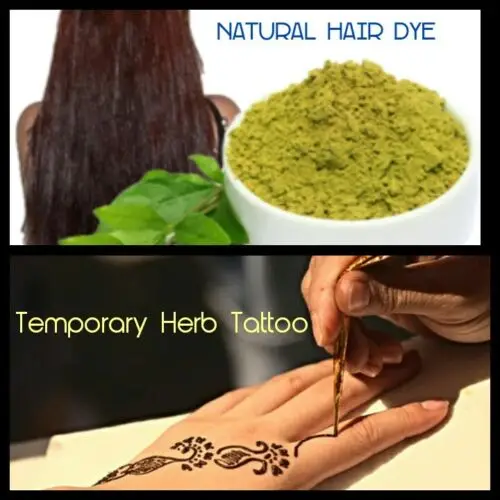
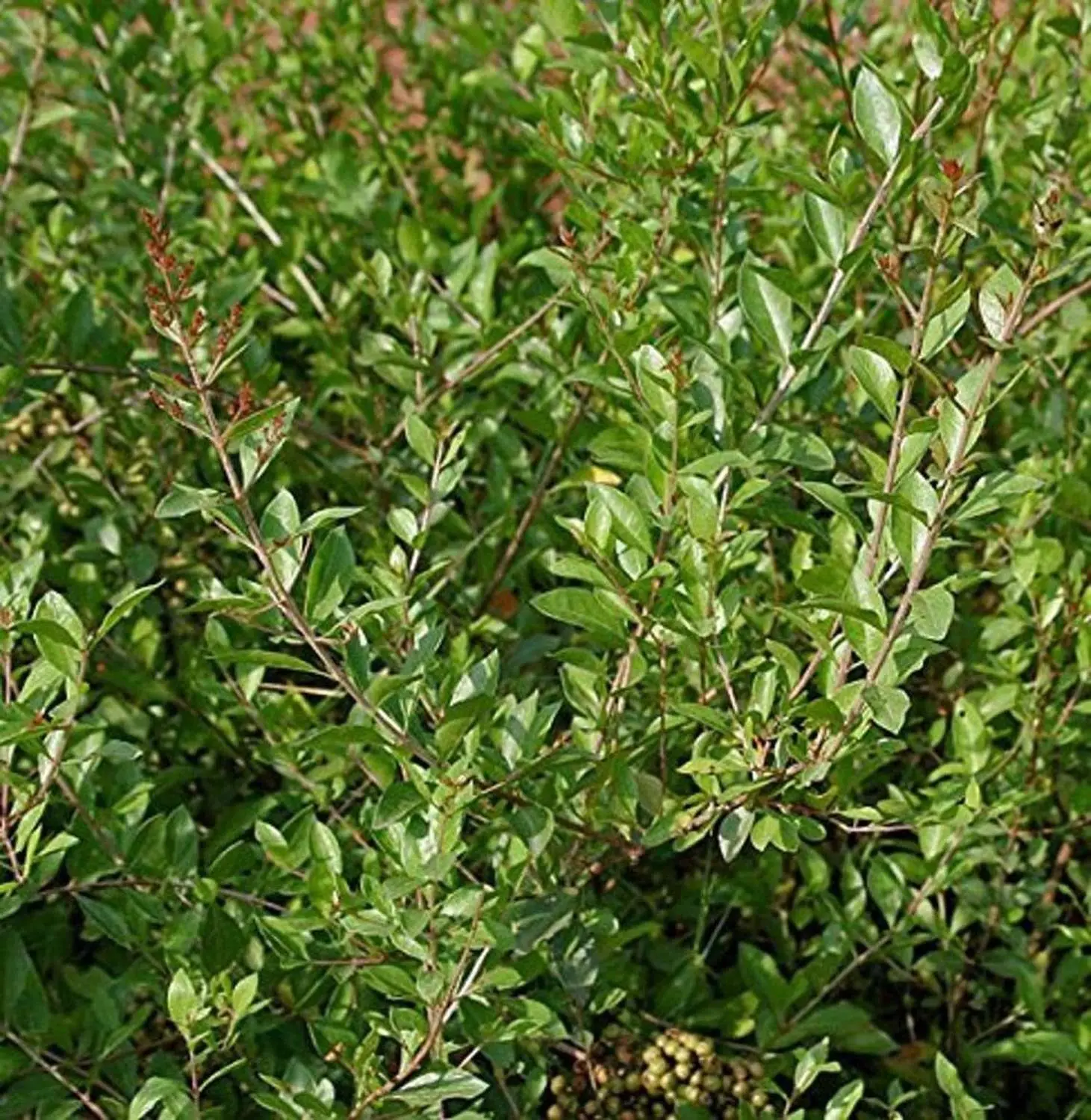
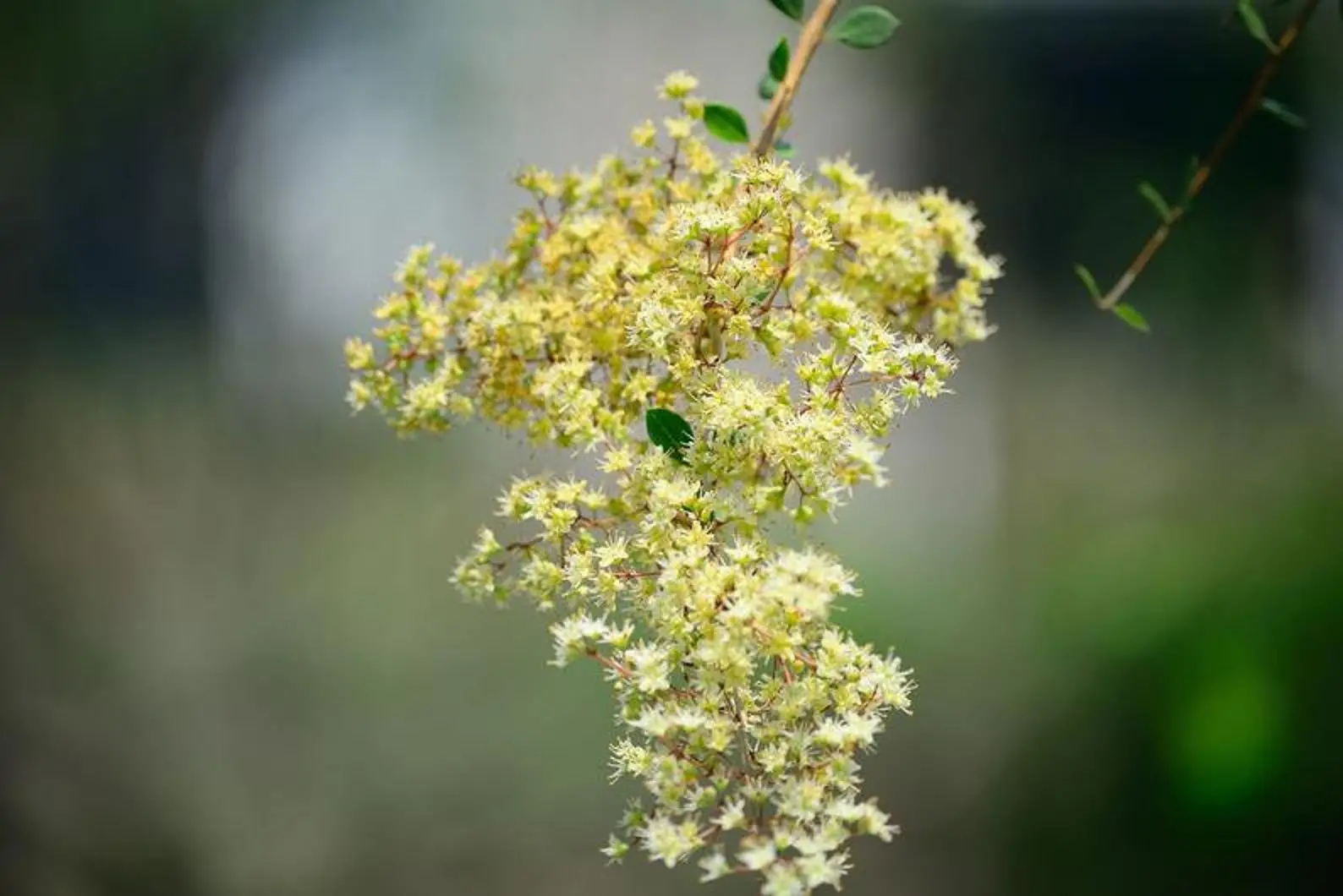
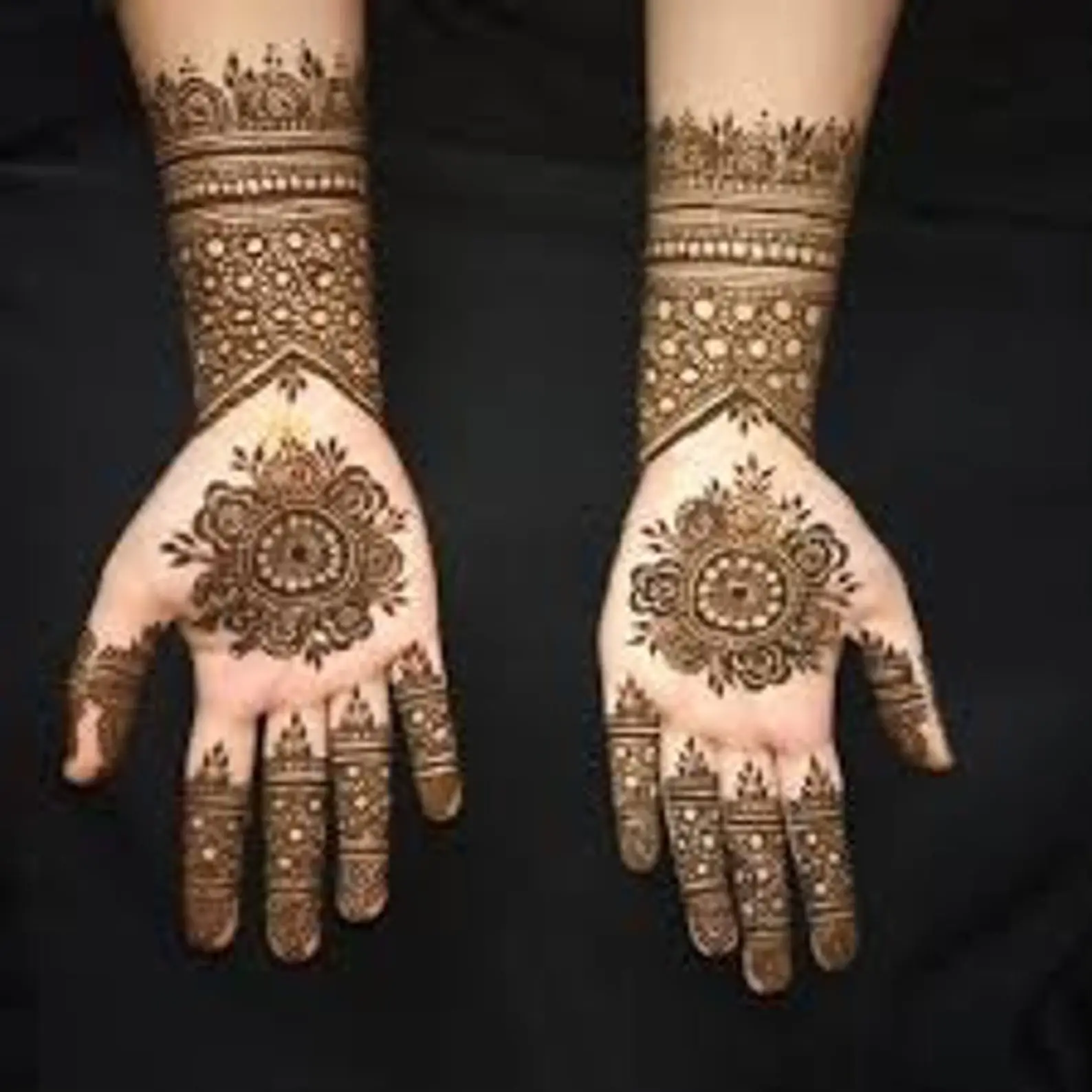
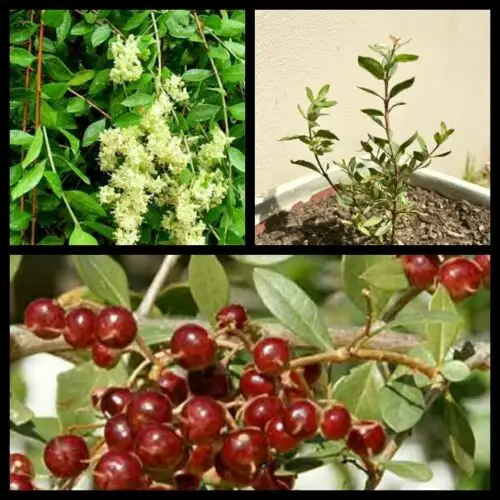
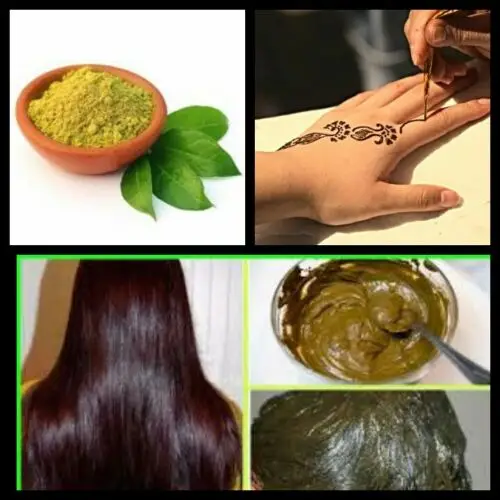
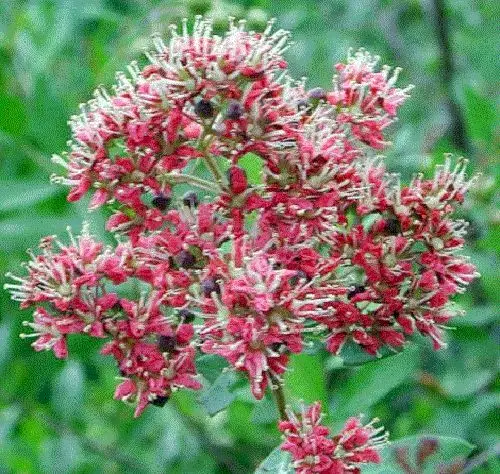
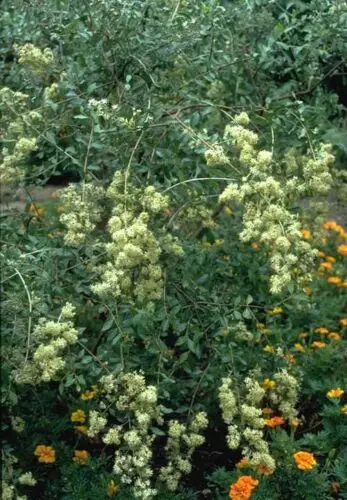
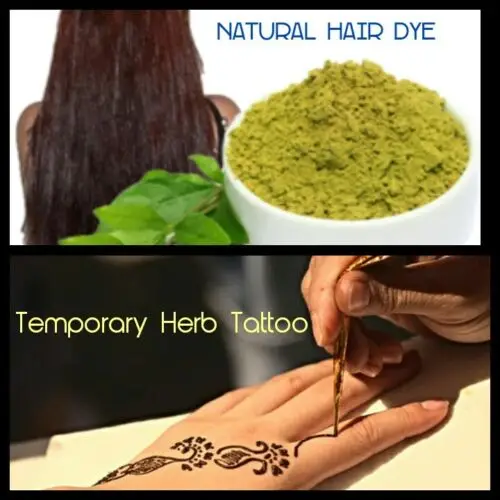
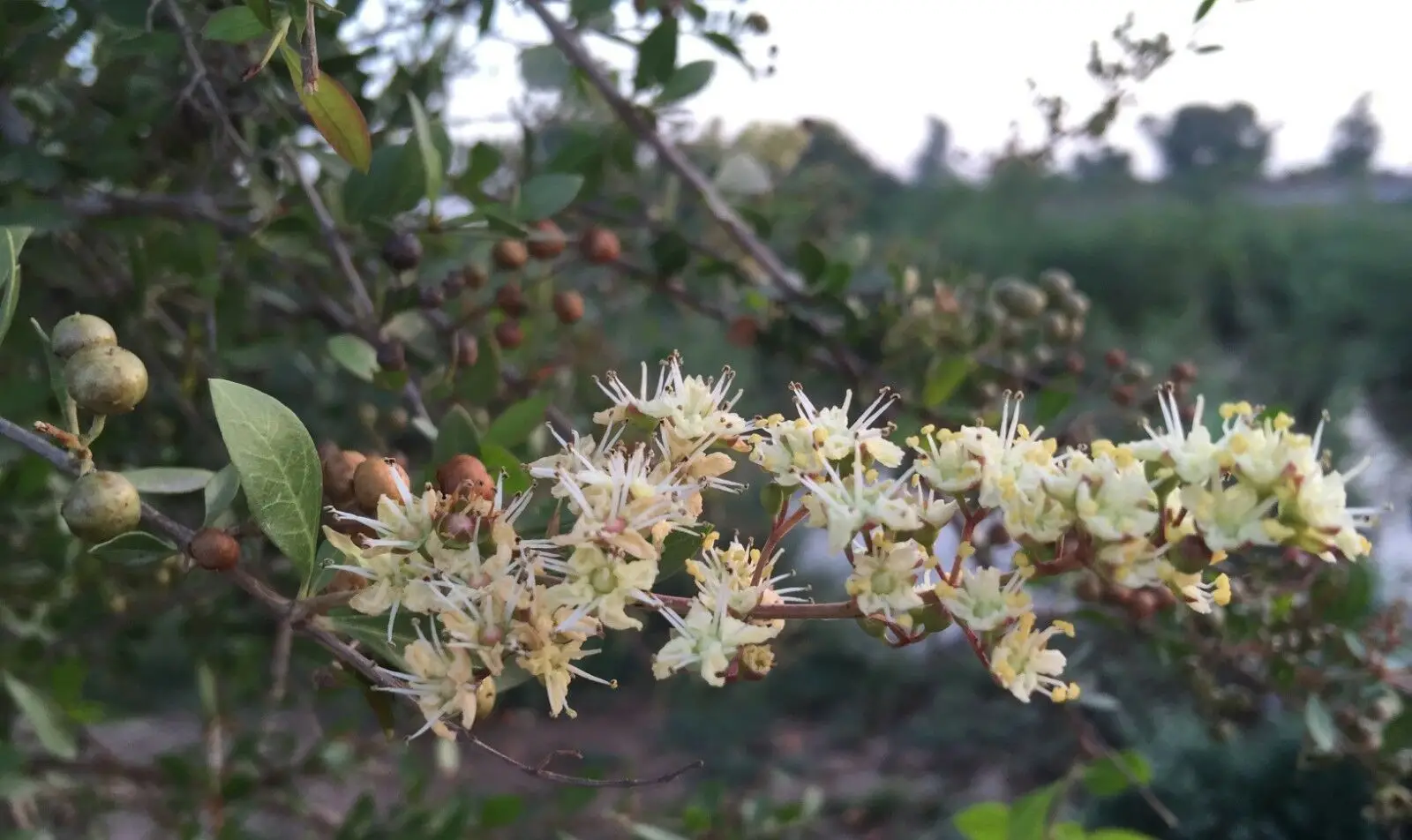
A large shrub, native to dry tropical regions from Africa to southern Asia and the western Pacific that is perhaps best known as the source of a traditional and still widely popular hair dye, made from a preparation of crushed leaves. It is also used to stain leather, wool, silk and other goods as well as skin, usually on the hands and feet, in traditional body art.
Germination Guide
🌍 Northern Africa, Asia, Northern Australia
Moderate
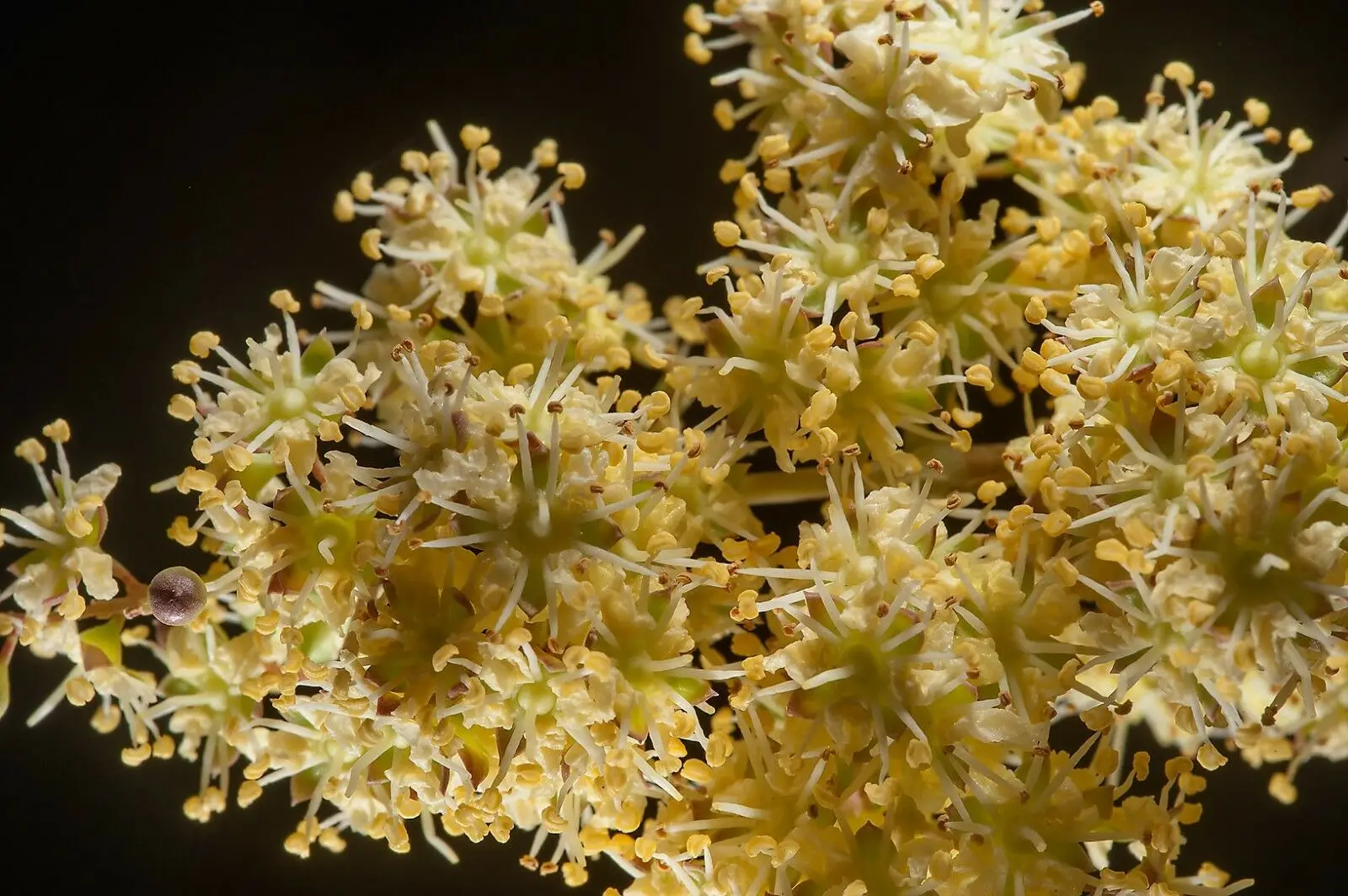
Lawsonia inermis, commonly known as henna, is a tropical shrub or small tree native to northern Africa, Asia, and northern Australia. The plant is widely cultivated for its leaves, which contain the natural dye lawsone used for temporary body art, hair coloring, and textile dyeing.
Germination
Germination time
Expect germination in
7 – 42 days
Temperature
Min 21°C
Ideal 30°C
Max 45°C
Substrate moisture
💧 Medium
Seed Pre-treatment
-
💧
Soaking — 24 hours
Soak seeds for 24 hours to soften seed coat
-
🔨
Chemical scarification
0.5% H2SO4 treatment improves germination
-
❄️
Cold stratification — 14 days at 5°C
-
📋
Additional notes
Leaching, chilling, priming, GA3 and KNO3 co-application reduce dormancy
Substrate & Container
Recommended substrate
Sandy or loamy soil, well-draining
Recommended container
Pots or trays
Growing Tips
Requires continuous warmth above 70°F (21°C) for optimal growth and germination. Use heating mat to encourage germination. Optimal germination occurs at 30°C (86°F). Keep soil moist but not waterlogged. Full sun is essential. Plant in spring when temperatures are consistently warm.
Only logged in customers who have purchased this product may leave a review.

Reviews
There are no reviews yet.