Description
Imagine cultivating a plant that works as hard for your health as it does for your garden’s beauty. Plumbago zeylanica, known as Chitrak in Ayurveda, is the rare plant that delivers both—and it’s remarkably easy to grow from seed.
**Origin & Why It Matters**
Native to the tropical and subtropical regions of South Asia, India, and Sri Lanka, Plumbago zeylanica has earned its place as one of the most revered medicinal herbs in Ayurvedic medicine for over two thousand years. Known by the Sanskrit name Chitraka (meaning “fire”), this plant embodies warmth, vitality, and therapeutic power. The name Plumbago itself derives from Latin plumbum (lead), reflecting an ancient belief that the plant could cure lead poisoning—though today we know its true magic lies in something far more valuable: supporting digestive health and metabolic balance. It’s a plant with genuine historical weight, yet modern science is only now catching up to traditional wisdom.
**The Heart of the Matter: Medicinal & Wellness Power**
This is where Plumbago zeylanica truly shines. The root of this plant contains plumbagin, a powerful naphthoquinone compound that has been extensively documented in traditional Ayurvedic practice and increasingly validated by modern phytochemical research. In Ayurveda, the roots and leaves are used as a potent digestive stimulant, appetite enhancer, and metabolic activator. It is prized as an ingredient in classical formulations like Chitrakadi Vati, one of Ayurveda’s most respected remedies for sluggish digestion, indigestion, bloating, and weak appetite. The plant works by stimulating gastric secretions, promoting “digestive fire,” and enhancing nutrient absorption—making it invaluable for anyone seeking natural digestive support. Beyond digestion, Plumbago zeylanica has been traditionally employed for its anti-inflammatory properties, supporting joint comfort and overall vitality. Modern studies have confirmed its antimicrobial activity, with root extracts showing significant efficacy against a broad spectrum of bacteria. For the conscious grower, this means cultivating a living pharmacy—a plant that bridges ancient wisdom and contemporary wellness in a single pot. Bonus: the flowers are edible and delicate enough to grace a salad or garnish a cup of herbal tea, making this plant a true multi-purpose treasure.
**Growing Your Own Wellness**
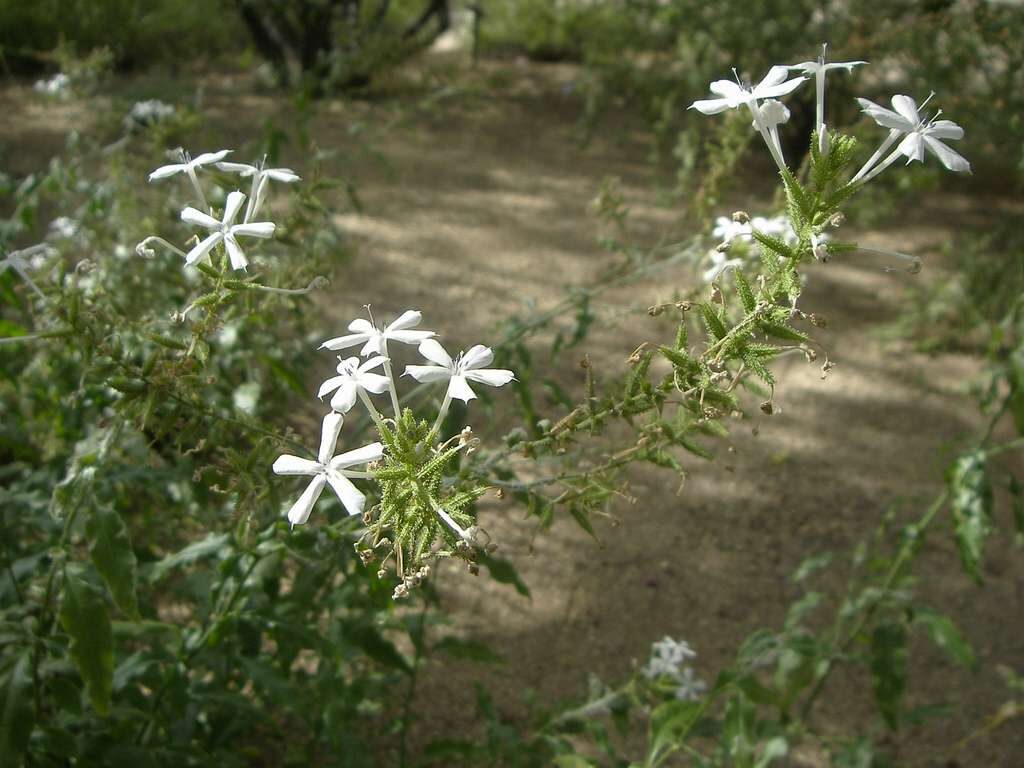
Plumbago zeylanica is more forgiving than many medicinal herbs. It thrives in tropical and subtropical climates (USDA zones 10b+, though it can be containerized in cooler zones). The plant craves bright, direct sunlight to moderate conditions and will flower prolifically in warm climates nearly year-round. Soil-wise, it prefers well-drained, loamy earth—it actually tolerates drought once established, making it a drought-resilient choice for water-conscious gardeners. Water moderately; let the soil dry somewhat between waterings to prevent root rot. The plant will reach 1-2 meters tall with a graceful, sprawling habit, making it ideal for containers, raised beds, or as a living backdrop. Repot every 2-3 years in spring. It’s not demanding, but it does reward attention: a balanced 10-10-10 fertilizer every two weeks during the growing season will encourage lusher foliage and more abundant blooms. Propagate from seed in spring in warm, humid conditions—germination is reliable, and watching your medicinal ally emerge from seed is genuinely magical.
**The Ornamental Bonus**
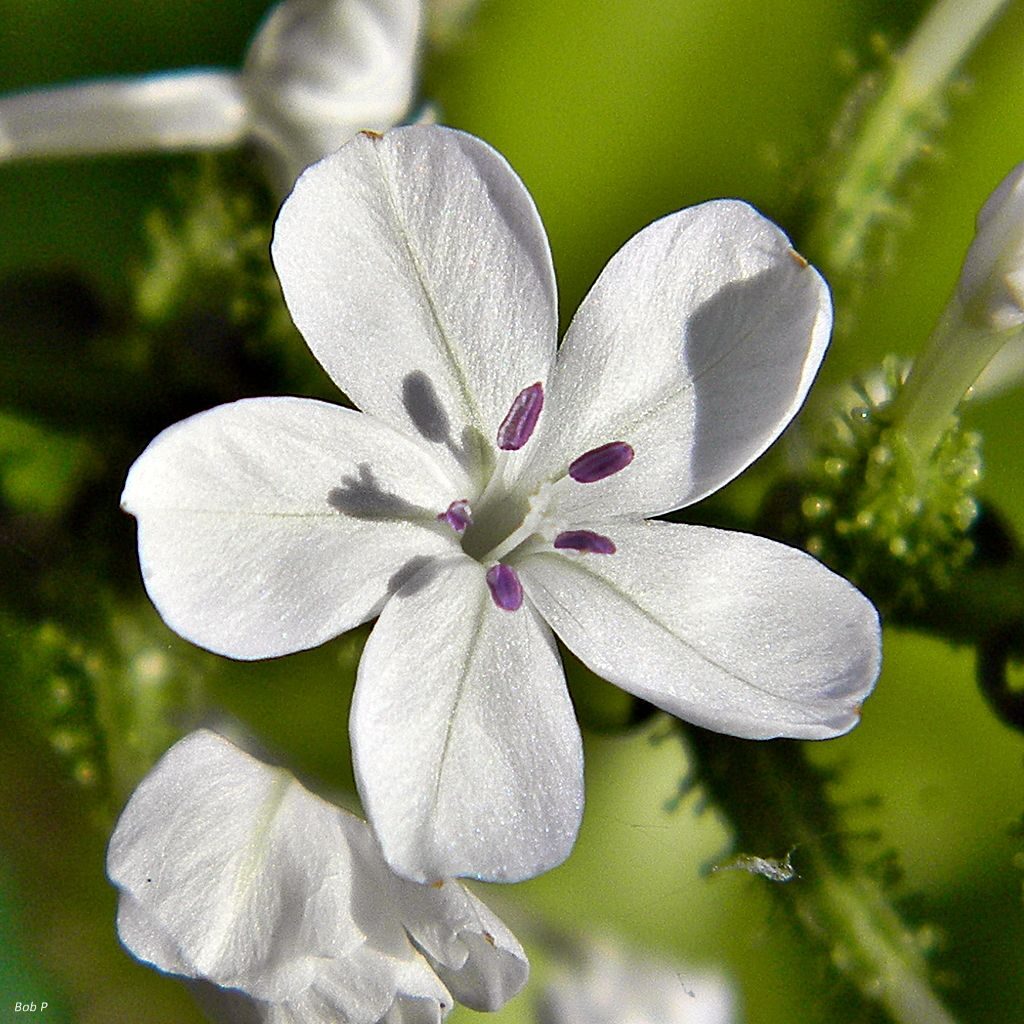
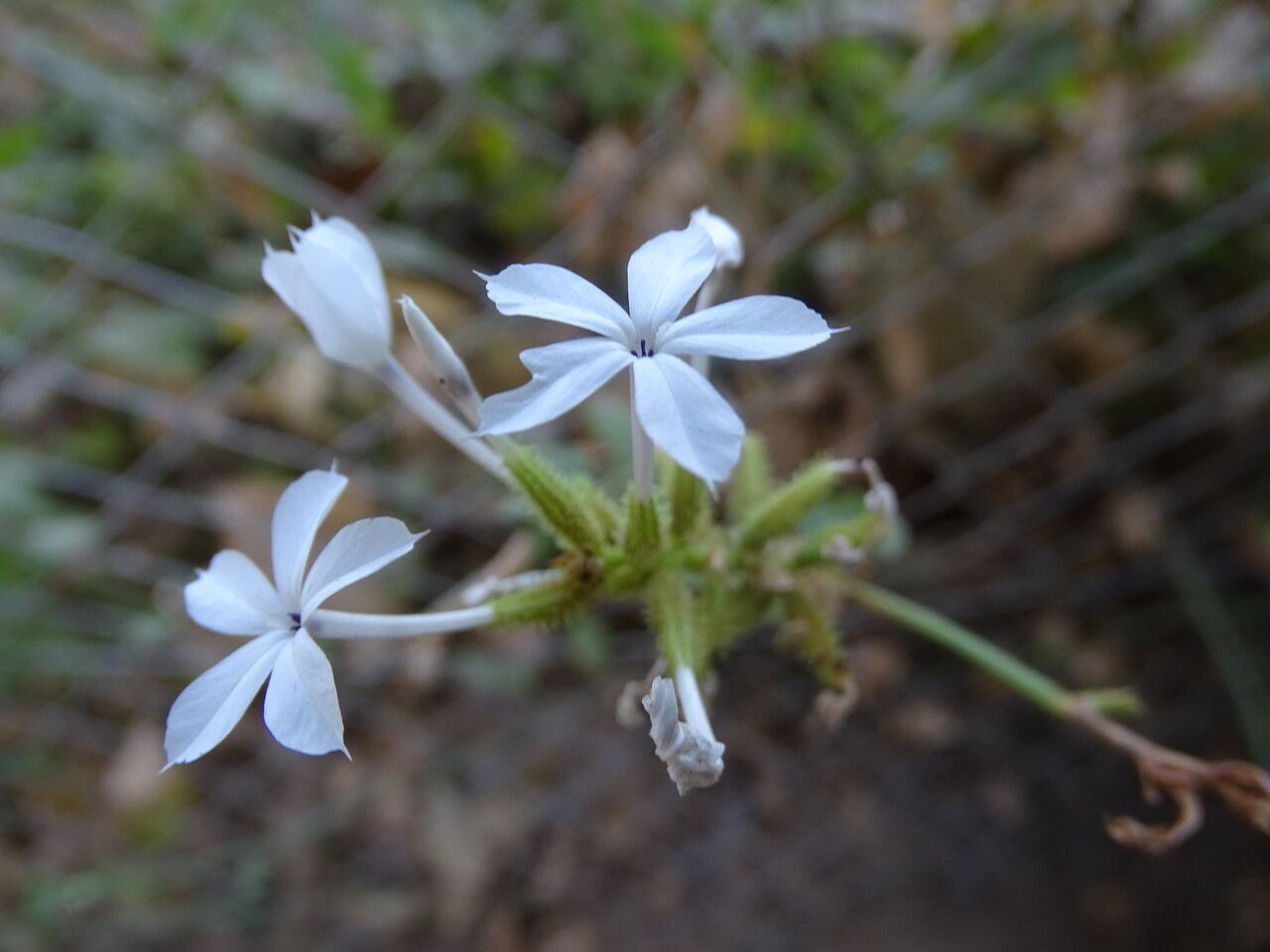
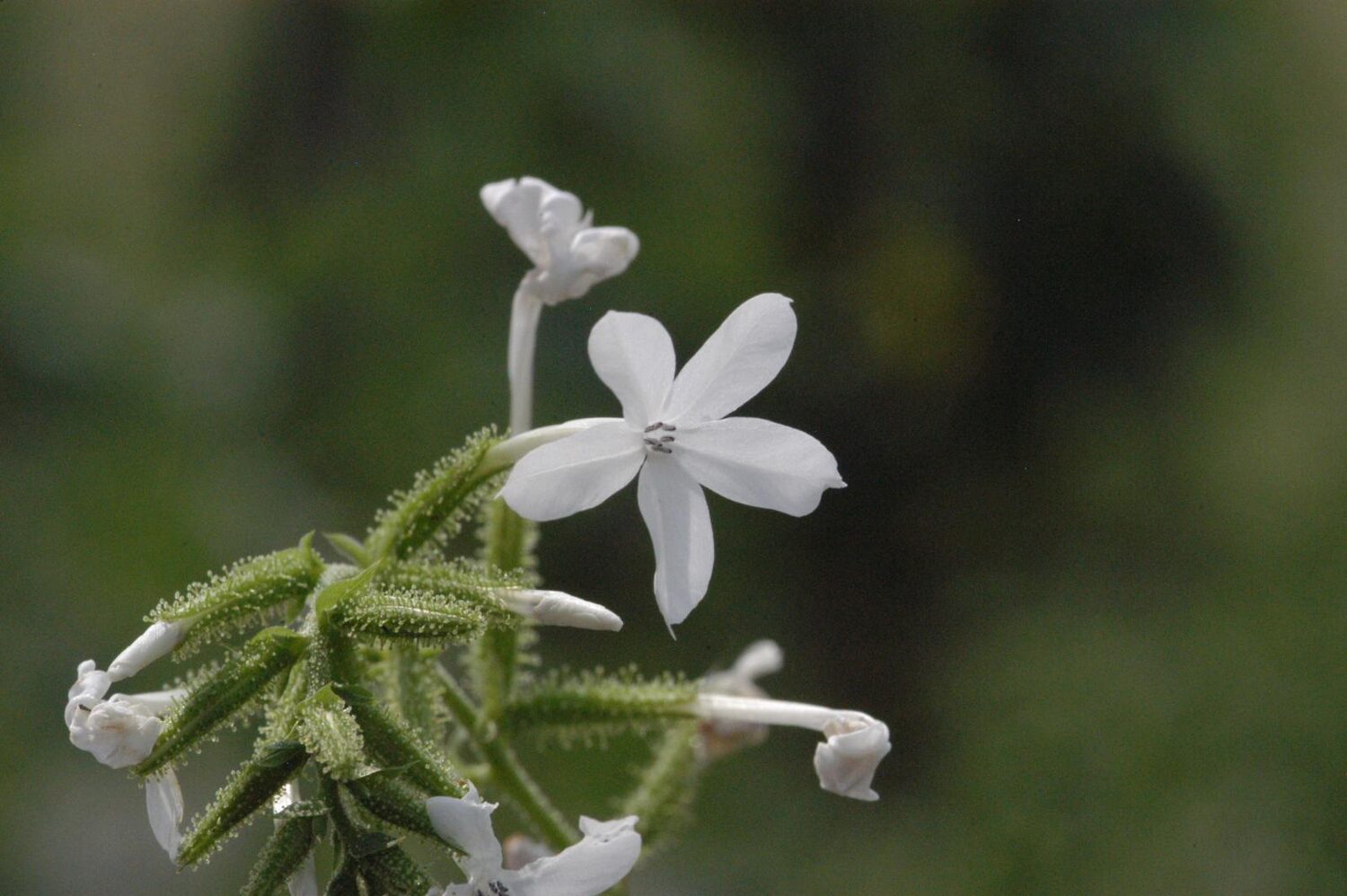
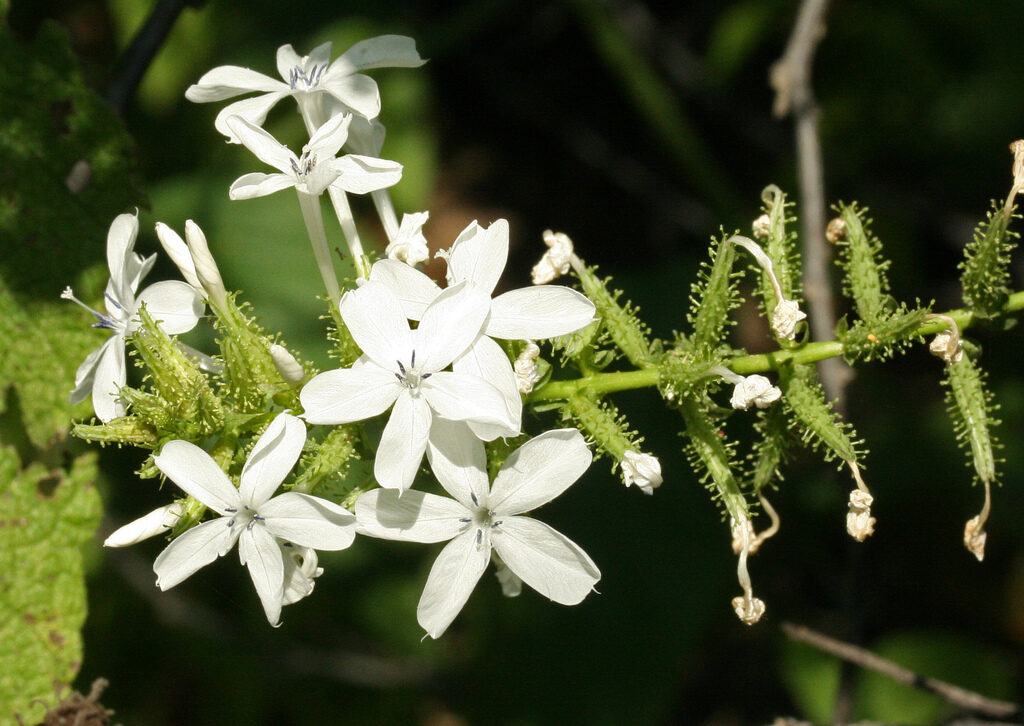
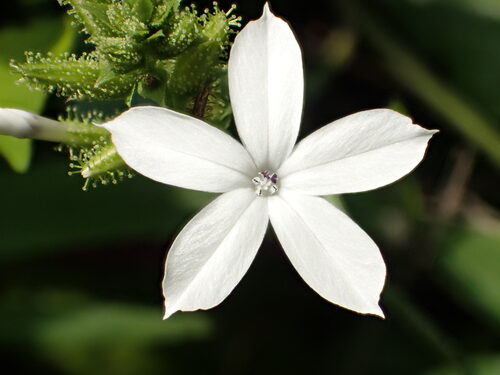
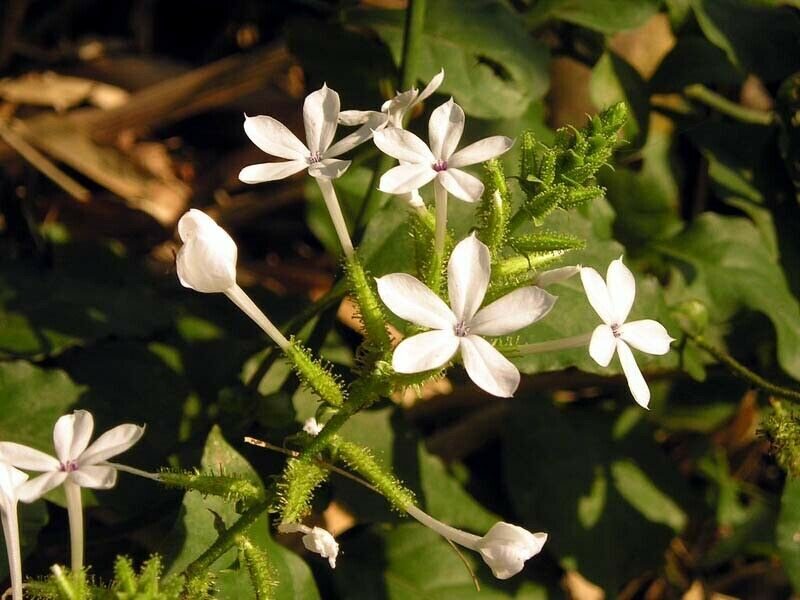
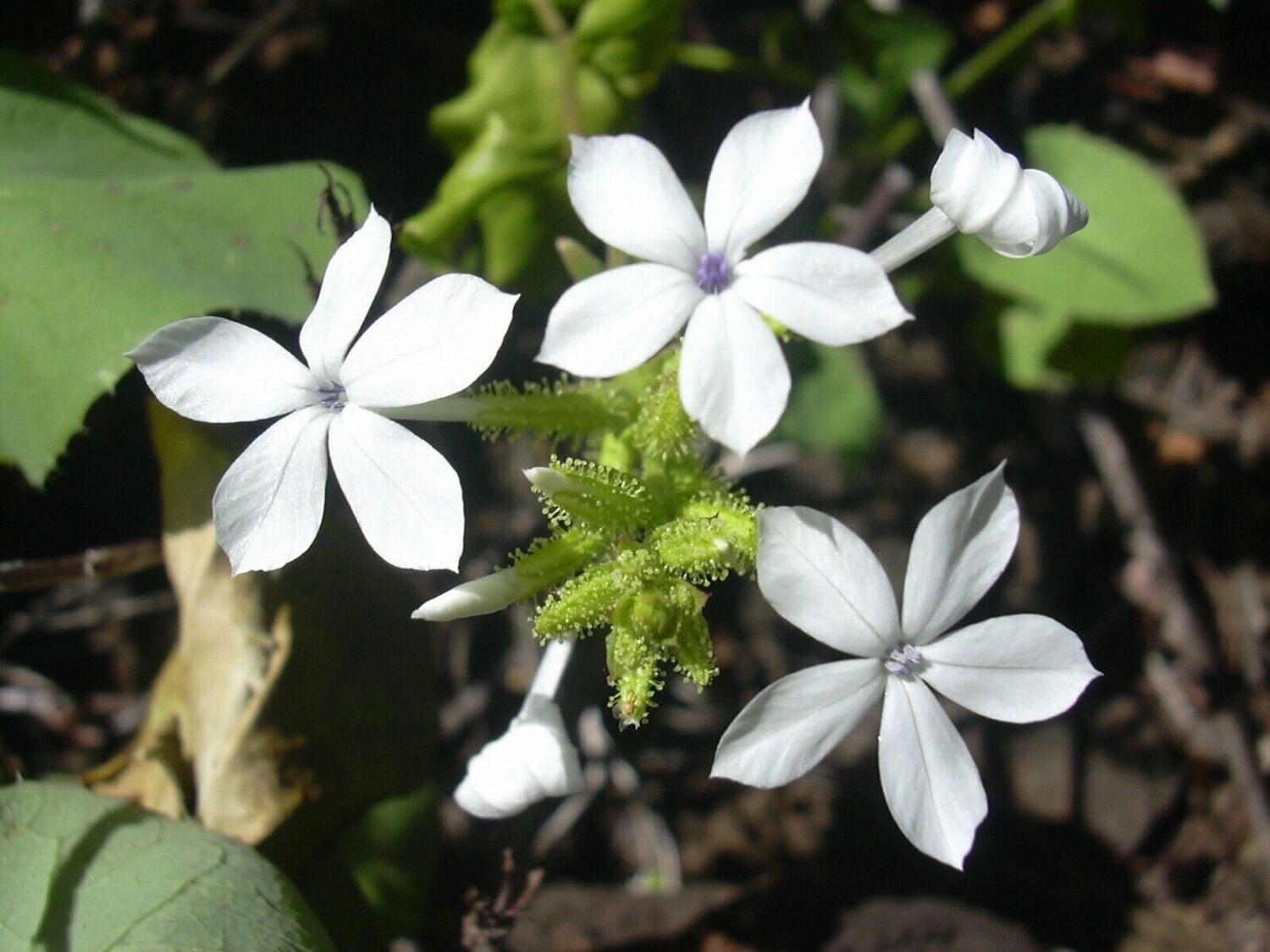
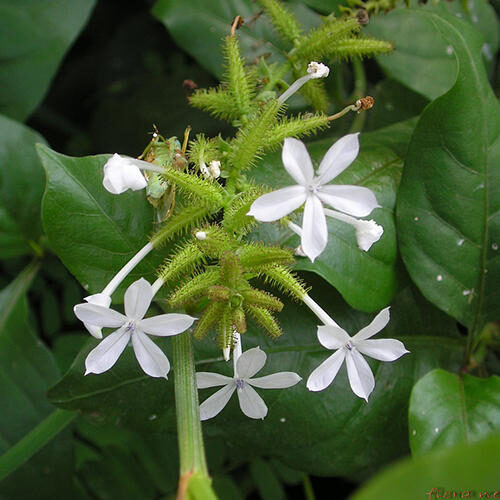
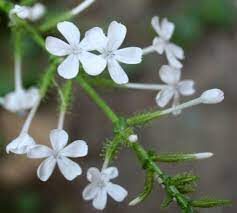
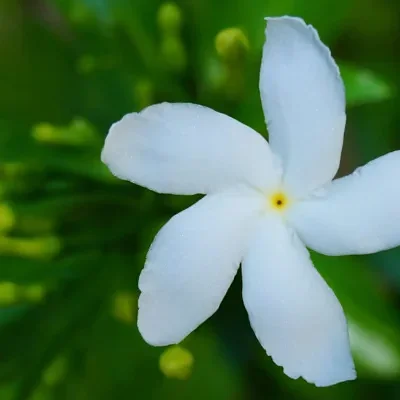
While the medicinal properties are the main event, the aesthetic beauty is a magnificent bonus. This evergreen shrub produces delicate, star-shaped white flowers (occasionally pale blue) arranged in long, terminal racemes. The flowers are faintly scented, reminiscent of phlox, and bloom nearly continuously in warm climates with a strong summer flush. The foliage is soft, pale green, and creates a gentle backdrop to the flower display. Unlike its more common cousin P. auriculata (Cape Leadwort), P. zeylanica is rarer in cultiva


Reviews
There are no reviews yet.