
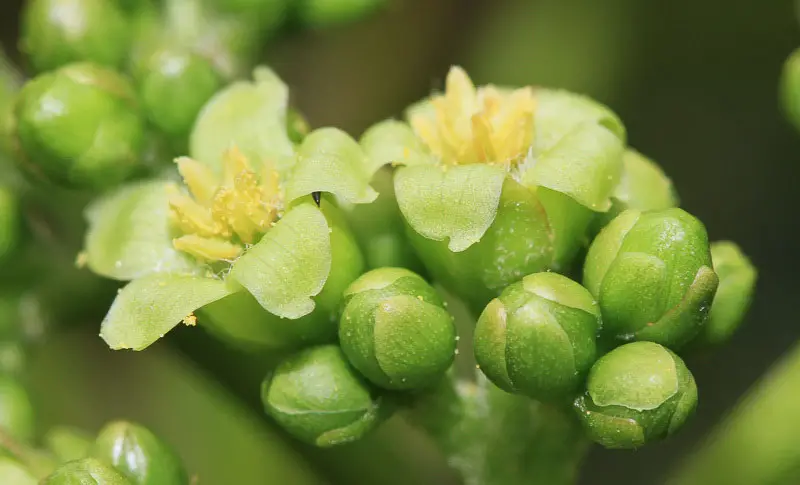
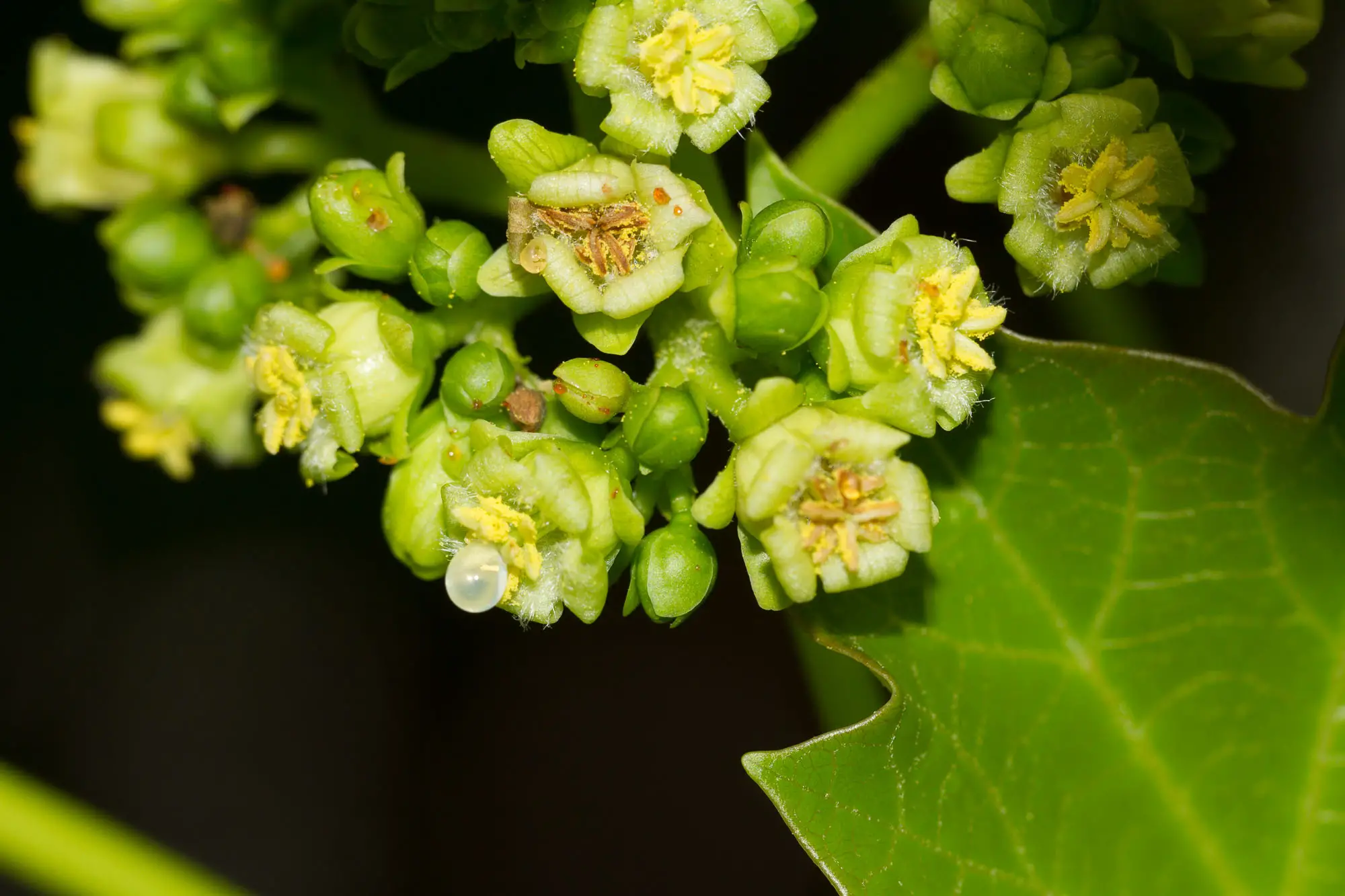
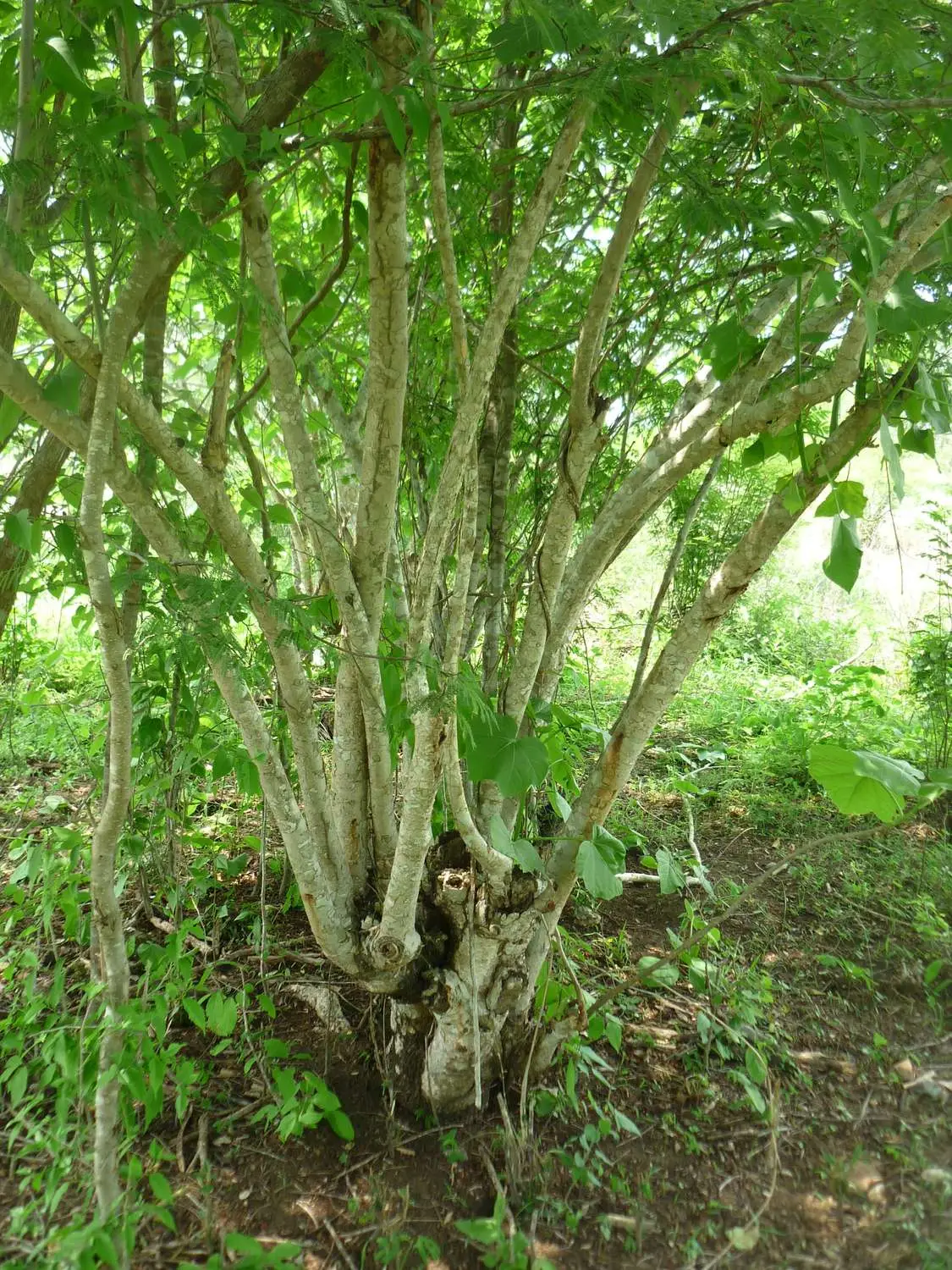
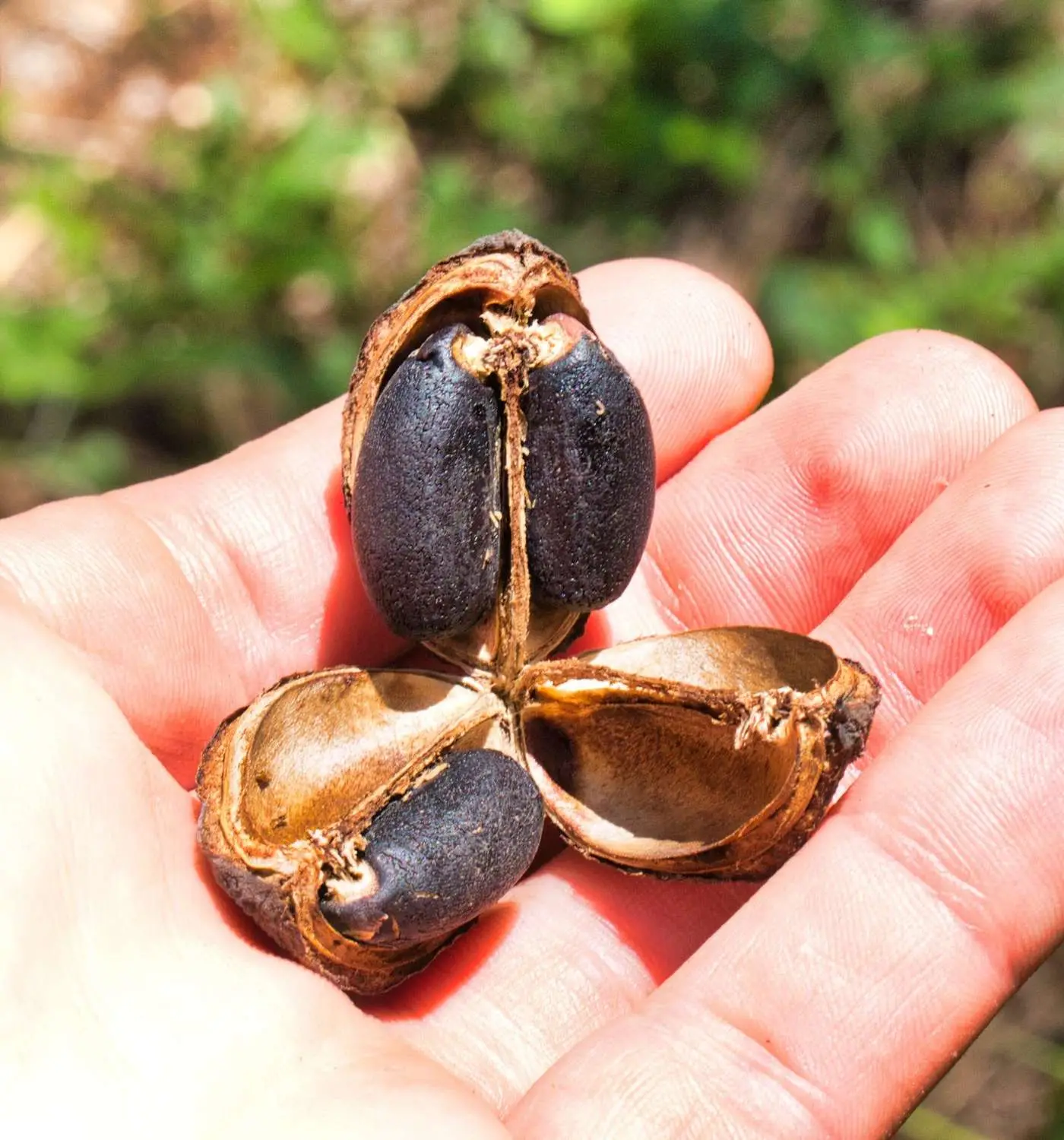
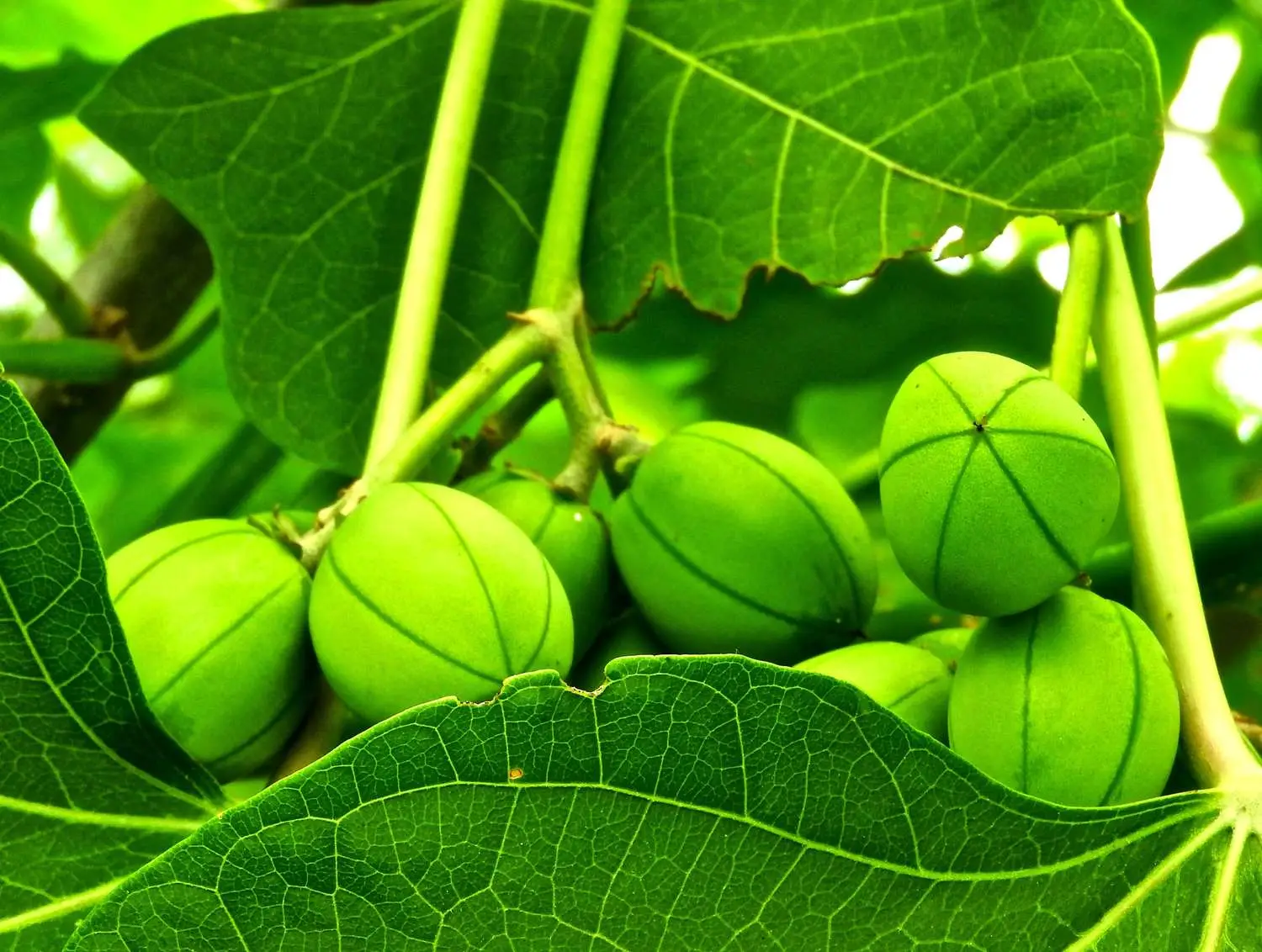
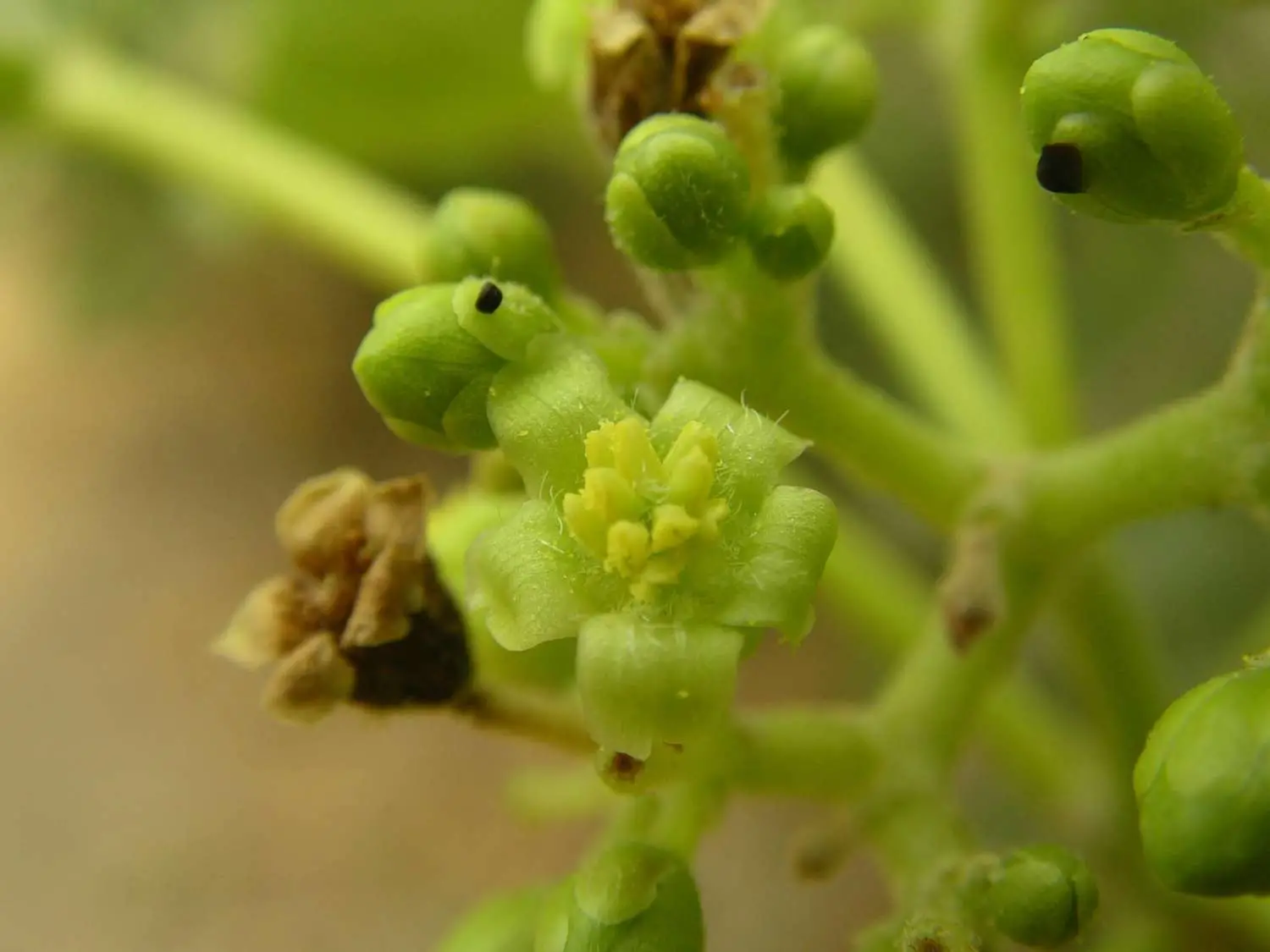
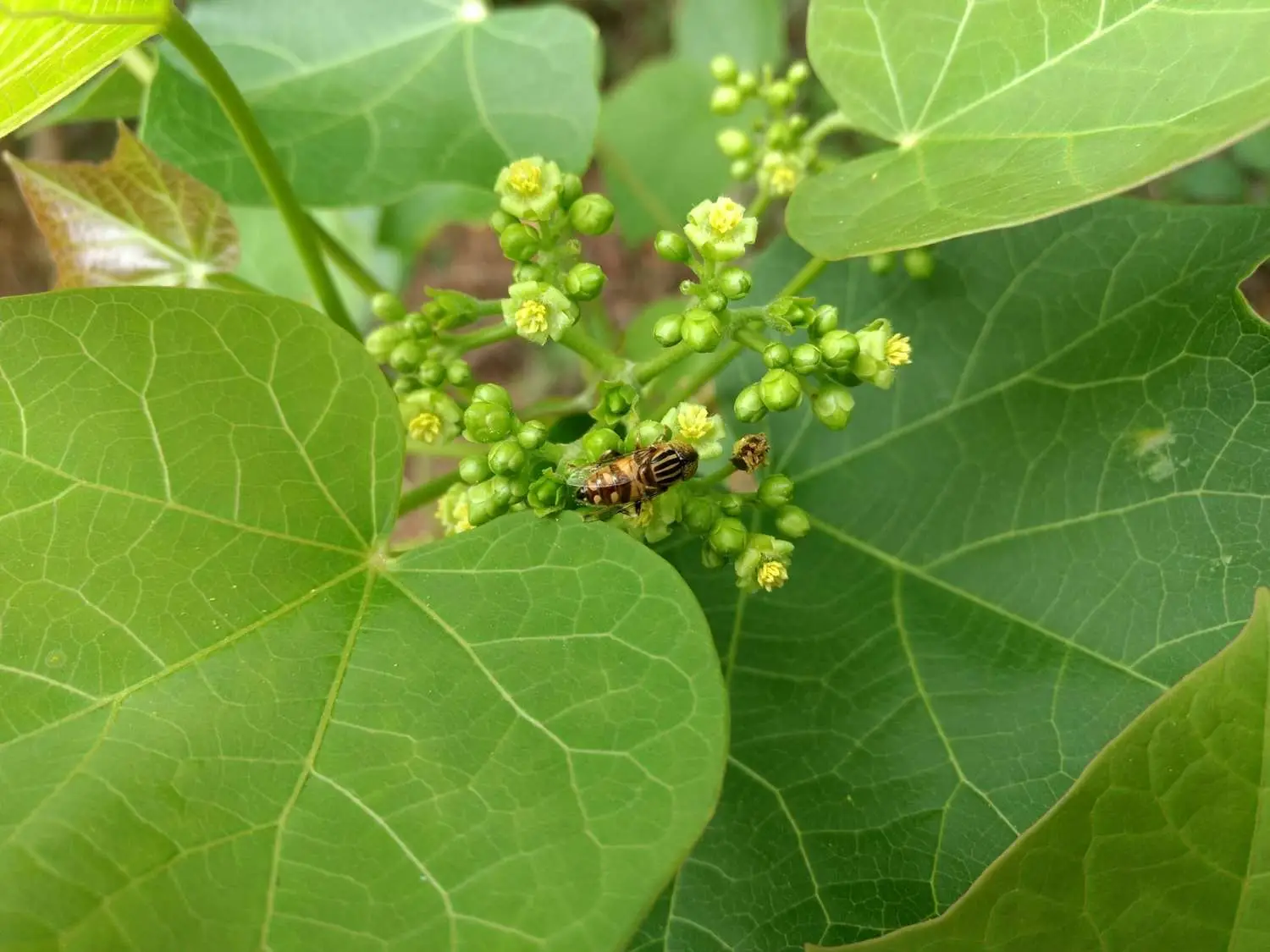
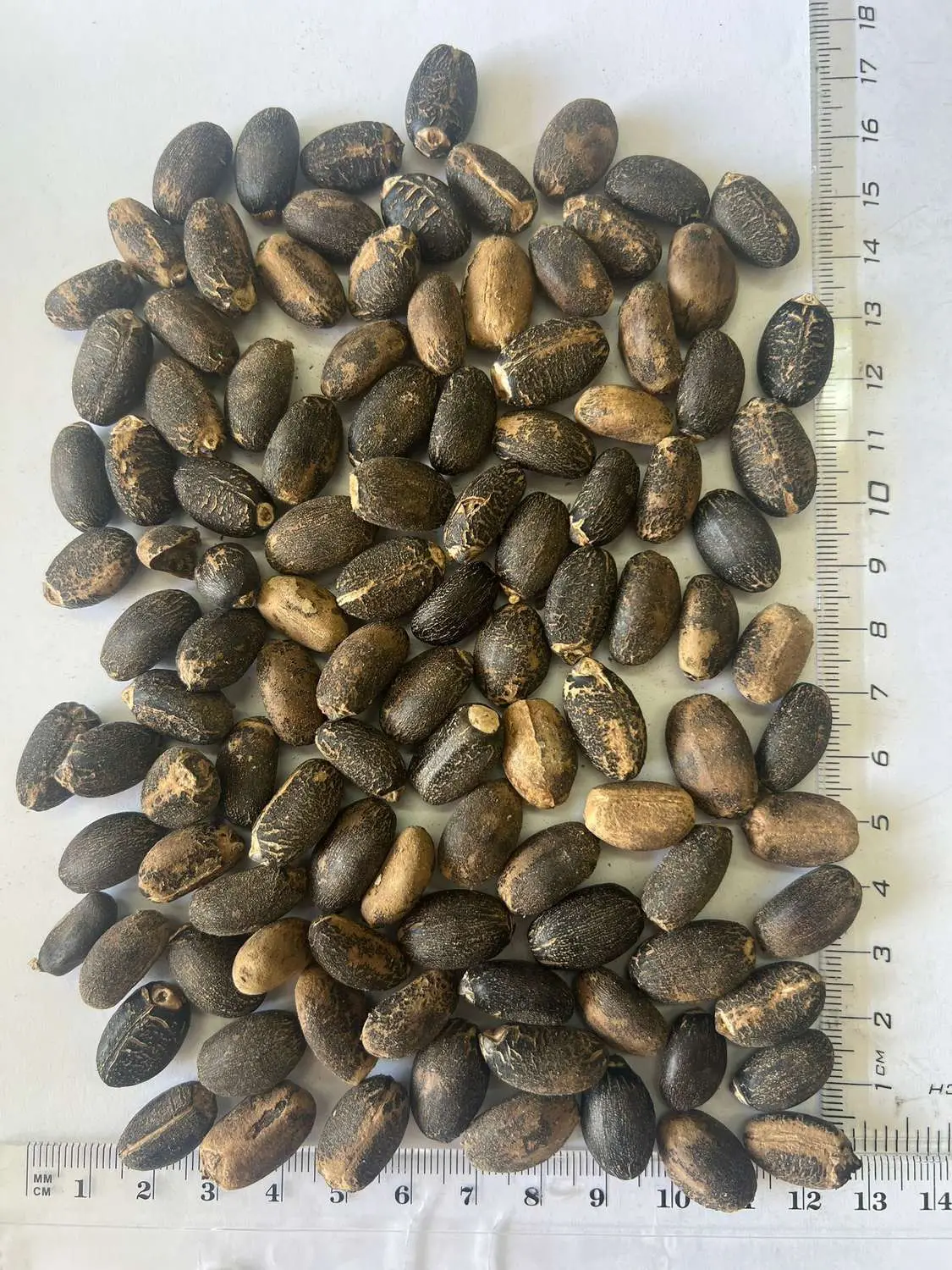
Tired of waiting for the energy revolution? Jatropha curcas seeds yield 30-40% non-edible oil perfect for biodiesel—and this is the crop that keeps on giving for up to 50 years. Grows anywhere, thrives on poor soil, drought laughs at it. One plant becomes your personal renewable fuel station. Start from seed and watch possibility unfold.
€1.92
This is the plant that turns marginal land into liquid gold.
Jatropha curcas has captivated visionaries and pragmatists alike for centuries—native to Mexico and Central America, it spread across tropical Africa and Asia not as an invasive weed, but as a deliberate gift: medicine, hedging, livelihood. Now, in an age of energy hunger, it’s reclaimed its throne as perhaps the most compelling answer to sustainable fuel we have.
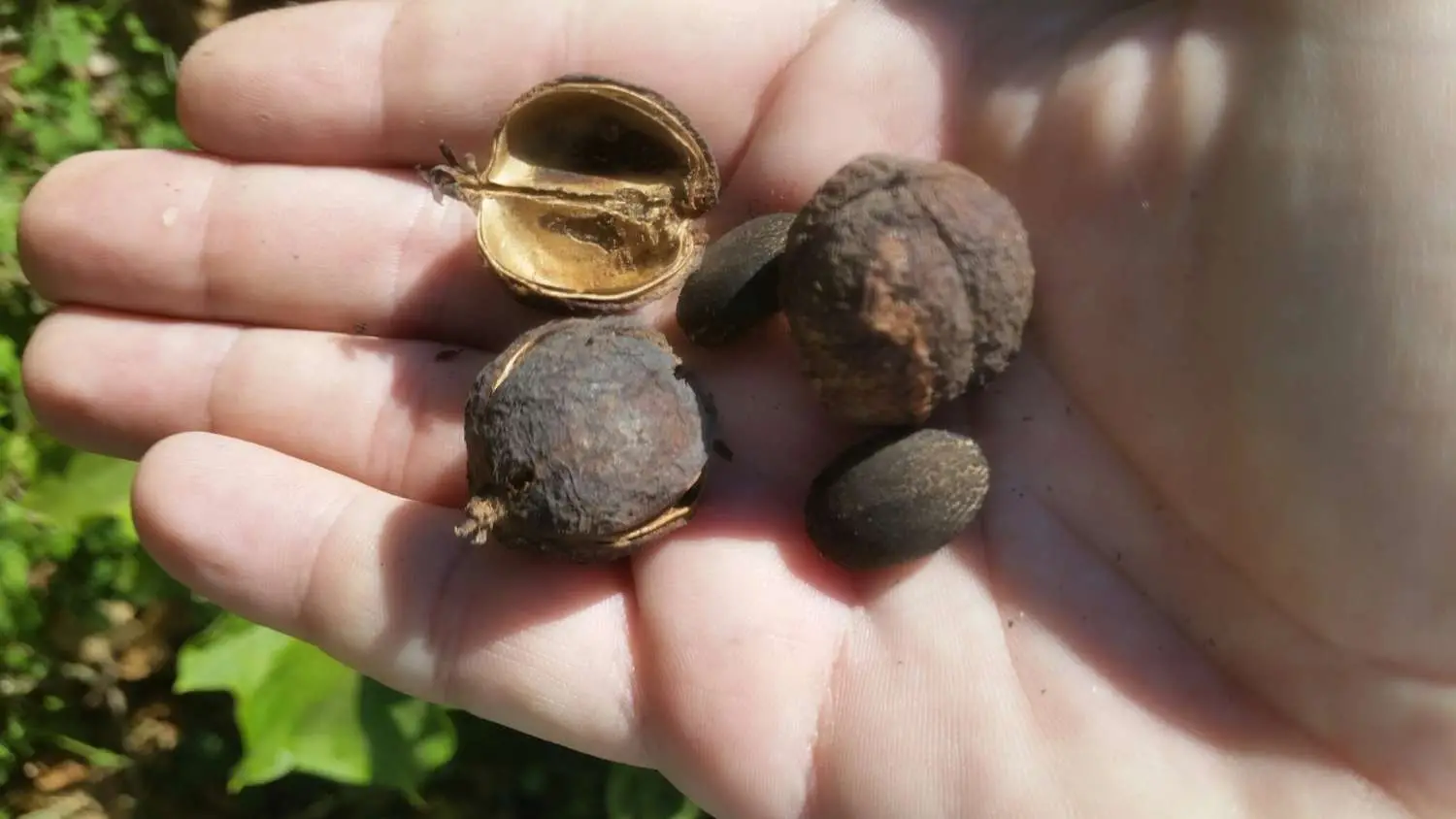
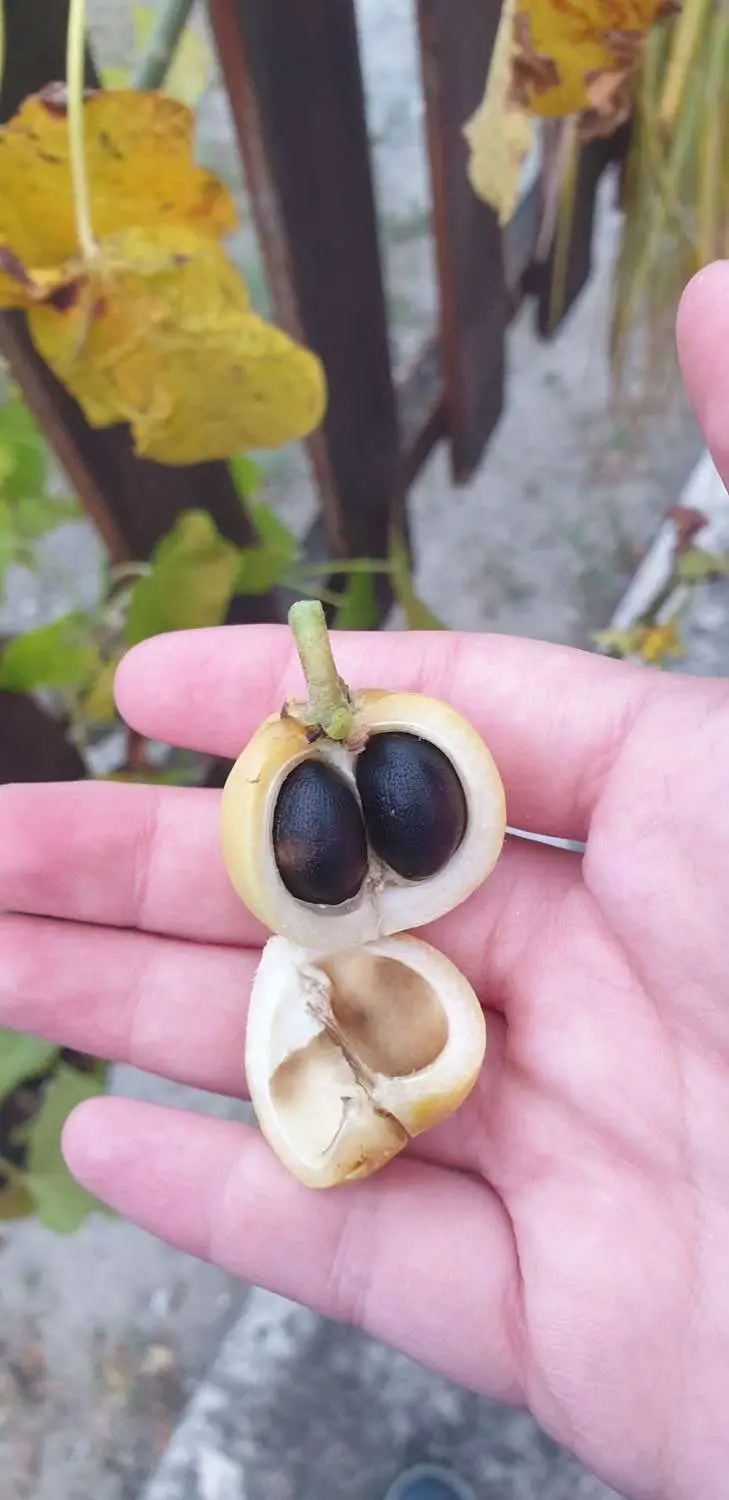
Here’s what makes J. curcas your quiet revolutionary: non-edible seeds packed with 30-40% pure oil—refined into biodiesel with superior fuel properties, or burned directly in engines. Unlike palm, unlike soy, it doesn’t steal food from anyone’s table. It thrives on land nobody wants: degraded soil, arid margins, poor sandy earth. While other crops demand fertility, irrigation, care—Jatropha laughs. It survives drought. It survives neglect. It produces seeds for up to 50 consecutive years from a single planting. In India, communities have used its oil for decades to power remote generators and diesel engines. In trial programs across Africa and Asia, it’s been heralded as the second-generation biofuel crop, the one that won’t compete with human food security. The economics are seductive: one mature tree yields roughly 3-4 kg of seeds annually; oil extraction is straightforward; seedcake becomes organic fertilizer. This is industrial vitality with a conscience.
Beyond fuel, this plant is a living pharmacy. Traditional medicine systems across the tropics have deployed every part—leaves brewed against cough and as postpartum antiseptic, latex applied to wounds for accelerated healing, roots as remedies for rheumatic pain and inflammation. Modern pharmacology has isolated diterpenes, sesquiterpenes, and triterpenes from its tissues and confirmed what traditional healers always knew: anti-inflammatory, antioxidant, antimicrobial, and even cytotoxic activity against certain cancer cell lines. The plant’s versatility doesn’t end there—it’s grown as a living fence (sturdy, impenetrable), as ornamental hedging, and as a soil-retention device to combat erosion in fragile ecosystems.
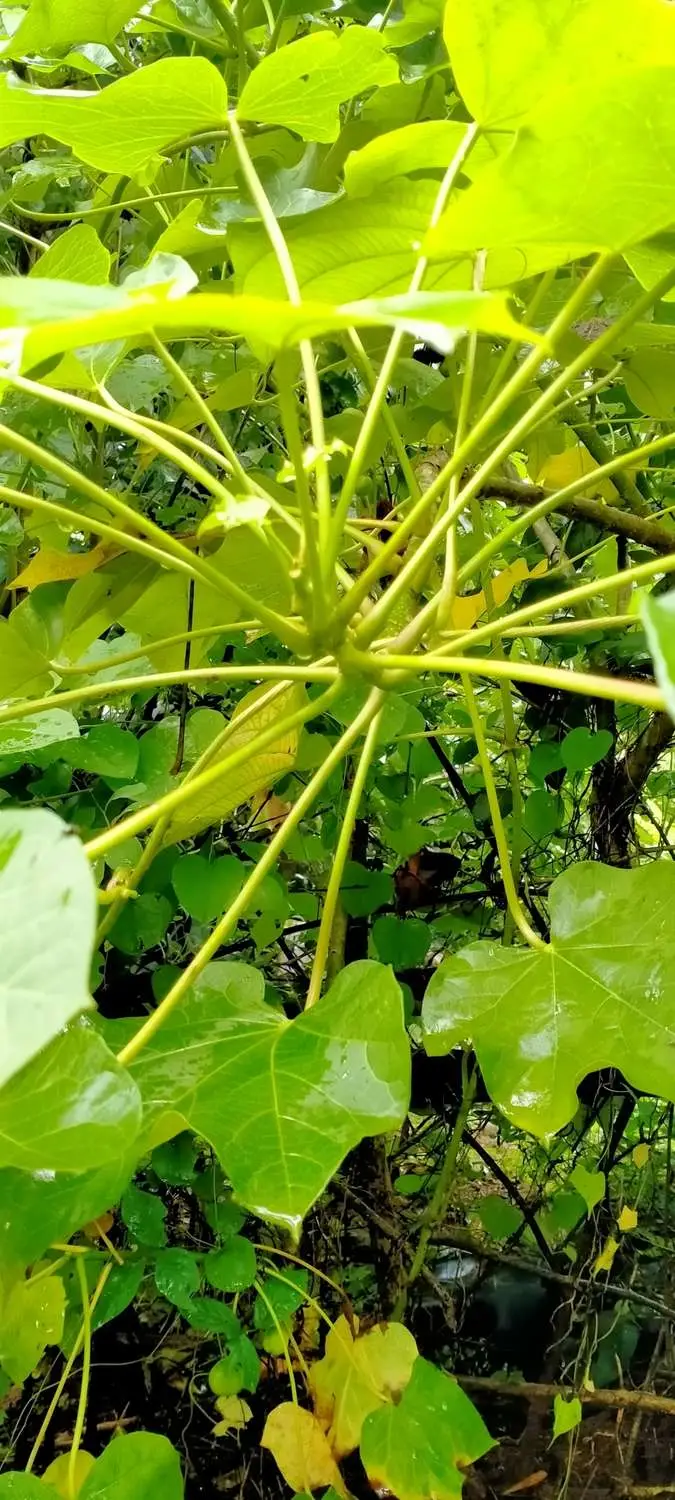
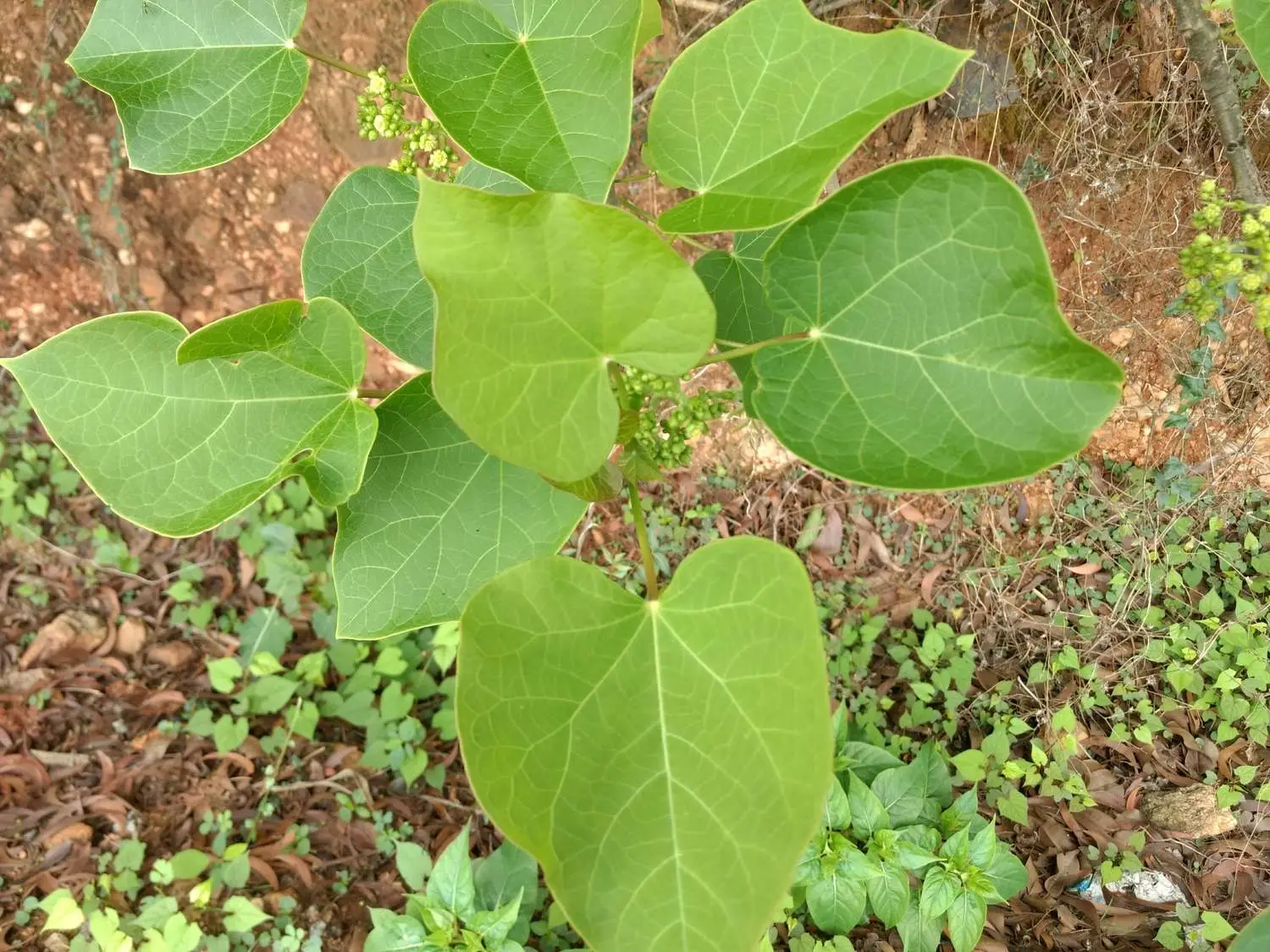
Growing Jatropha curcas from seed is where ease meets reward. The plant is remarkably forgiving: it tolerates poor, marginal, or sandy soil—actually, it prefers it. Full sun exposure promotes flowering and fruit set. Water it moderately during establishment, then step back; once rooted, it handles drought with stoic grace. It grows rapidly in tropical and subtropical climates (Zones 9b-11 ideally), reaching 3-6 meters as a multistemmed shrub or small tree, sometimes reaching 20 feet with age. In cooler regions or smaller spaces, container cultivation works beautifully—pot it up and move it indoors during winter if necessary. Germination is straightforward: soak dried seeds overnight, sow directly into seedbed, and expect sprouting in 12-15 days. The germination rate is excellent (70-100%). Once established, the plant asks for almost nothing—no fertilizer, no pampering, no drama. Just space, sun, and patience.
Imagine this: seeds you’ve nurtured from tiny specks growing into a mature plant that generates its own fuel, heals wounds, stabilizes soil, screens your property with living walls, and outlives your mortgage. That’s Jatropha curcas. Whether you’re serious about energy independence, passionate about medicinal plants, committed to reforestation of degraded land, or simply drawn to the romance of growing something that feeds both your values and your ingenuity—this plant is an act of rebellion disguised as a seed. Grow it. Watch it thrive where everything else fails. Let it be your proof that the future doesn’t require compromise.
Only logged in customers who have purchased this product may leave a review.

Reviews
There are no reviews yet.