
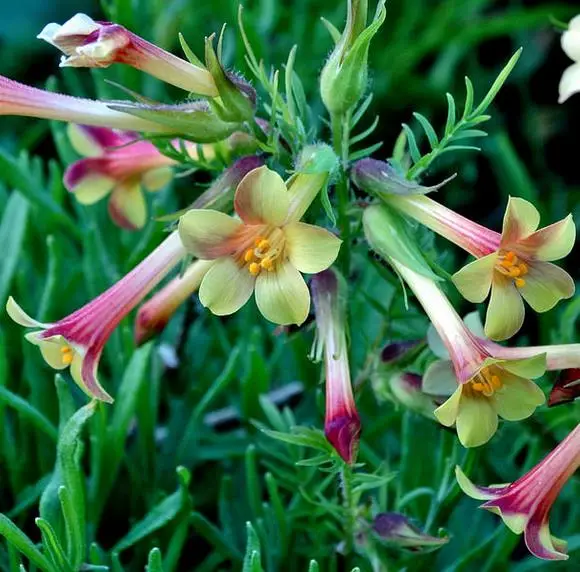
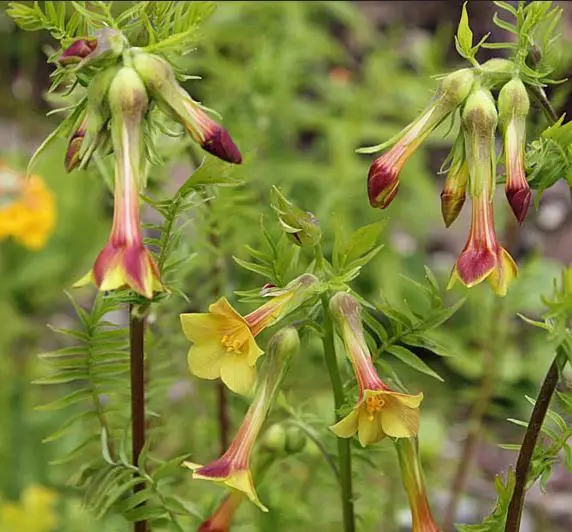
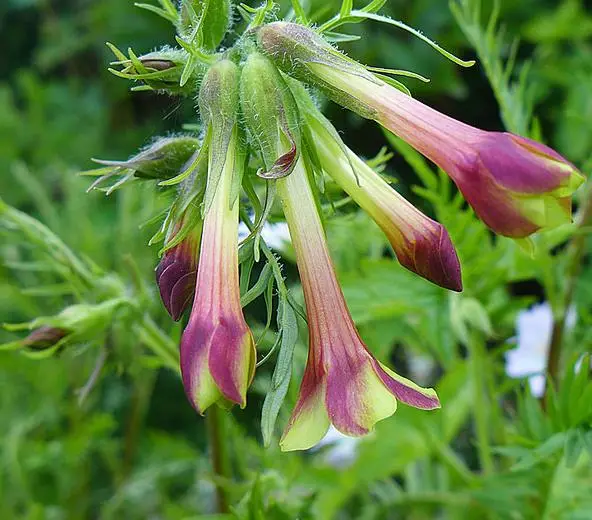
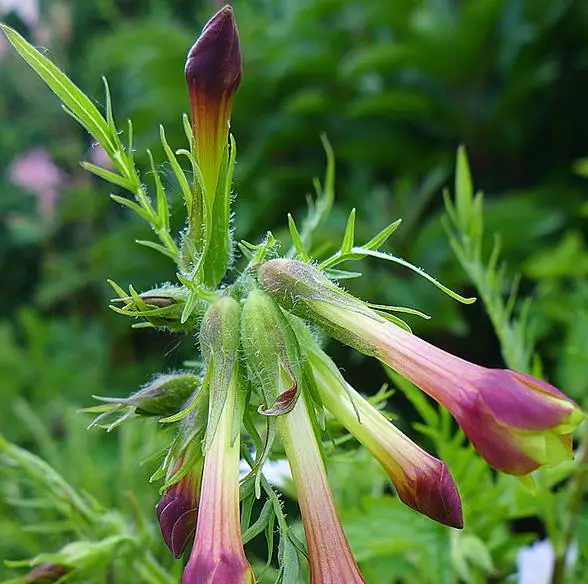
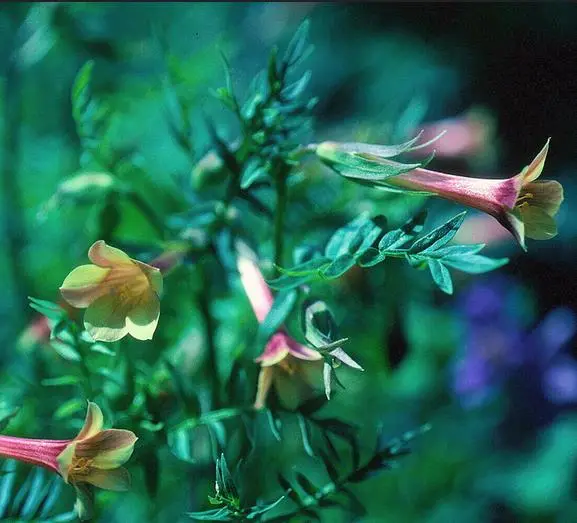
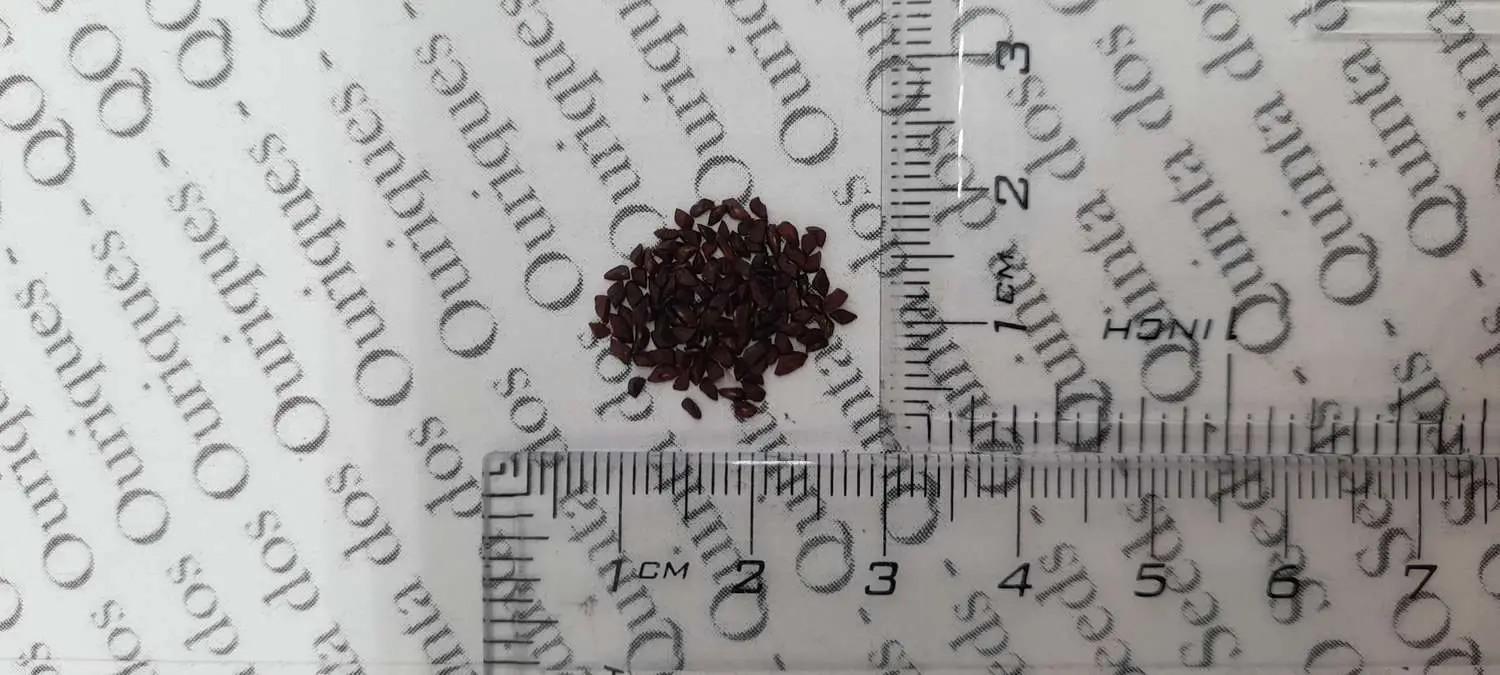
Golden trumpet flowers that bees cannot resist. Polemonium pauciflorum draws hummingbirds and pollinators like nothing else, while its delicate fern-like foliage adds woodland elegance. Blooms in its first year from seed. Perfect for wildlife gardens and shade borders—low maintenance, self-sowing, and utterly enchanting. Grow it once, keep it forever.
€5.45
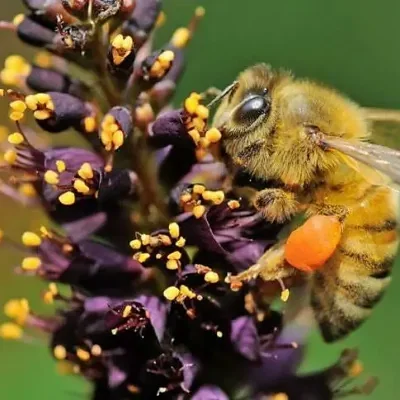
Watch bees and hummingbirds descend on golden trumpets the moment they open.
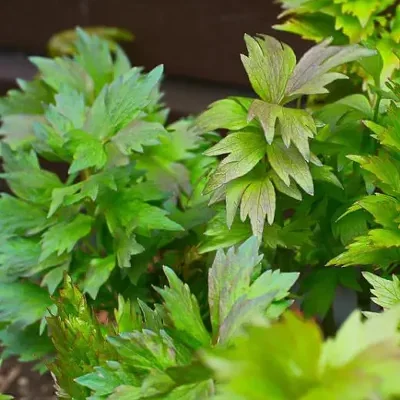
Polemonium pauciflorum is the pollinator’s dream—a southwestern wildflower with an almost obsessive magnetism for beneficial insects. Unlike the blue and lavender cousins, this rare Polemonium breaks the mold entirely. Its nodding sulphur-yellow flowers, blushed with rose-pink on the reverse, bloom in spring and early summer like miniature fireworks, drawing wildlife to your garden with irresistible force. The finely cut, fern-like foliage forms delicate mounds just 12–18 inches tall, fitting perfectly into borders, rock gardens, containers, and shade plantings where few others dare to thrive.
What makes Polemonium pauciflorum truly special is its dual purpose. While hummingbirds and bees feast on nectar, the plant is also prized by herbalists and honey producers worldwide. Traditionally used to calm ailments and now celebrated in contemporary honey production and potpourri, it brings both beauty and function to your garden. You’re not just growing a flower—you’re cultivating a living sanctuary and a botanical bridge between ornament and utility.
Cultivation is refreshingly straightforward. This native of the southwestern USA and northern Mexico thrives in sun or partial shade, adapting beautifully to moist, well-drained soil. It needs no fussing: just regular water until established, and it will reward you with abundant blooms that seem to multiply before your eyes. The real gift? It blooms in its first year from seed—no waiting, no second-guessing. Better still, Polemonium pauciflorum self-sows generously, meaning you buy once and it perpetuates itself season after season, gifting you free plants and free pollinator paradise year after year.
Grow Polemonium pauciflorum from seed and join the quiet rebellion of gardeners who refuse to garden without bees. Your garden will come alive. Your conscience will rest easy. The flowers will sing.
Only logged in customers who have purchased this product may leave a review.
Reviews
There are no reviews yet.