
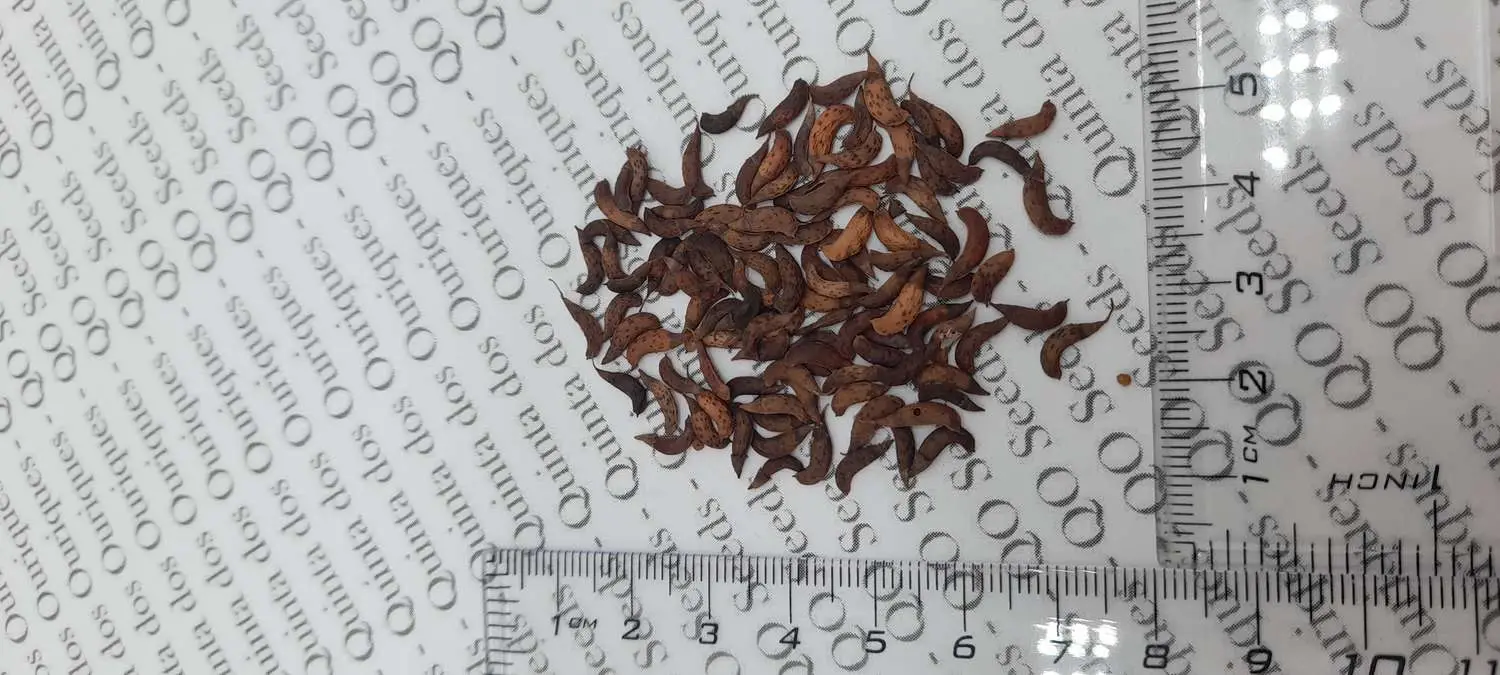
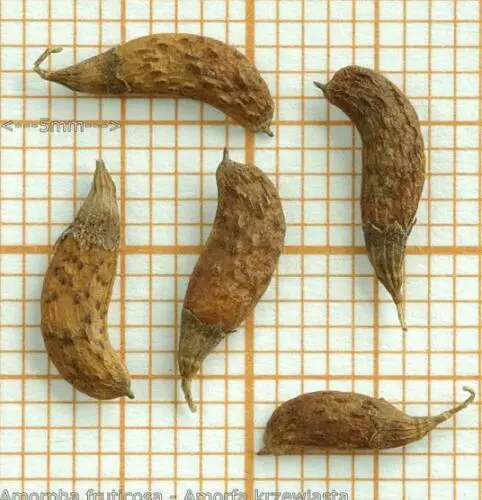
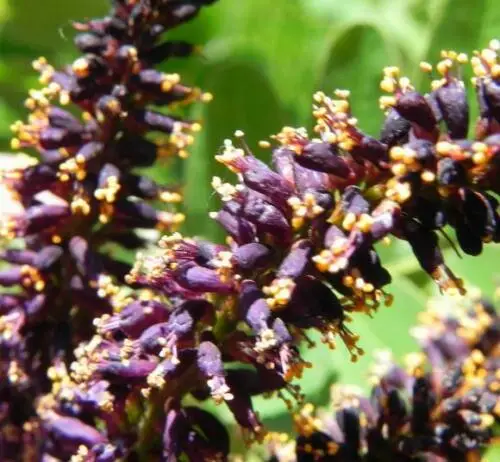
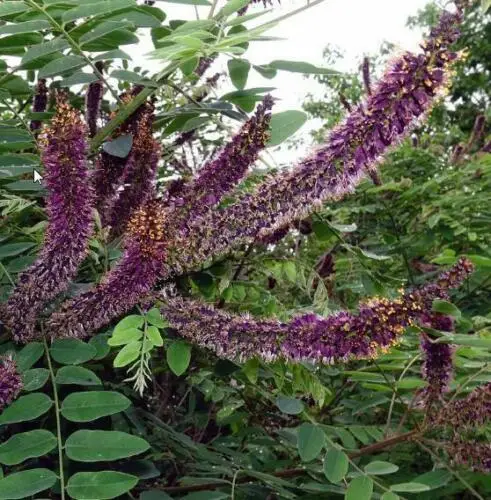
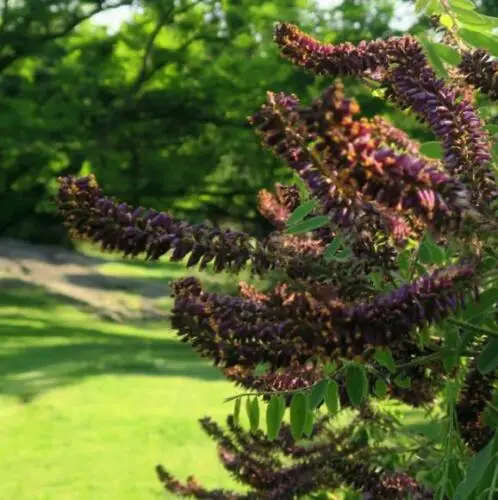
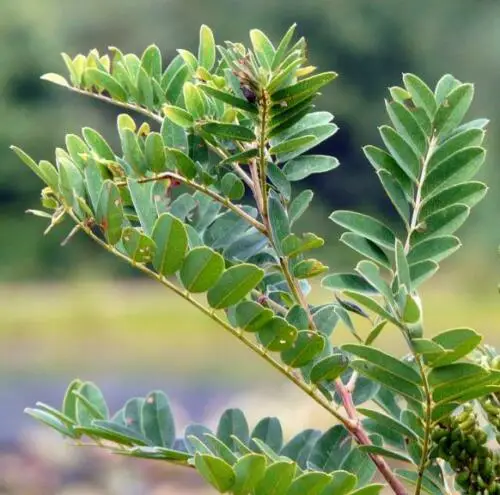
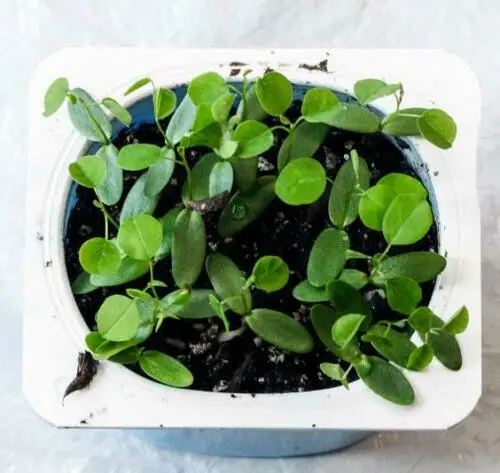
Unlock the healing power of purple blooms. Amorpha fruticosa—a legume brimming with potent phytochemicals—combines stunning violet flowers tipped in gold with remarkable medicinal value. Rich in antioxidants, antimicrobial compounds, and amorfrutins (nature’s answer to metabolic support), this shrub heals soil while serving beekeepers, butterflies, and your wellness. Easy to grow from seed in any soil. Grow medicine.
€1.92
Here stands a plant that does something rare: it blooms like a jewel and heals like an apothecary.
Amorpha fruticosa—False Indigo—is native to North America’s riverbanks, floodplains, and moist woodlands. For centuries, Native Americans valued it for multiple purposes; today, science reveals why: this shrub houses a treasury of phytochemical compounds that Western researchers are only now beginning to understand. The name ‘false indigo’ hints at its historical use as a dye, but what matters now is what researchers have discovered within its tissues.
This is where Amorpha fruticosa becomes remarkable. Unlike ornamental shrubs that merely decorate, False Indigo is a medicinal factory. Its leaves, flowers, and fruits contain bioactive compounds with documented antioxidant, antimicrobial, wound-healing, hepatoprotective, antispasmodic, and even anticancer properties. More exciting still: researchers have identified amorfrutins—unique stilbenoid compounds found especially in the leaves and fruits—which act as potent antidiabetic agents, supporting metabolic health. Traditional Chinese medicine has used this plant’s fruits to treat eczema, carbuncles, and burns; modern phytochemistry confirms those uses were onto something profound. Growers in Asia cultivate it specifically for these bioactive compounds. This is herbal medicine on a shrub scale—cultivatable at home, harvestable for tinctures, extracts, teas, and skin preparations.
Growing Amorpha fruticosa is refreshingly straightforward. It thrives in full sun to partial shade, preferring moist, well-drained soil but astonishingly adaptable to poor, sandy, and dry soils alike. This legume fixes its own nitrogen, meaning it improves whatever ground it occupies—a gift to gardeners with challenging sites. Water requirements are moderate; once established, it tolerates drought and occasional flooding with equal grace. The plant reaches 4-6 meters (12-15 feet) at a medium rate, developing a multi-stemmed, open form that allows companion plantings beneath. Hardy to UK zone 4, it shrugs off pests, diseases, and deer. Pruning is minimal; the plant naturally shapes itself into an elegant shrub that mimics a small tree.
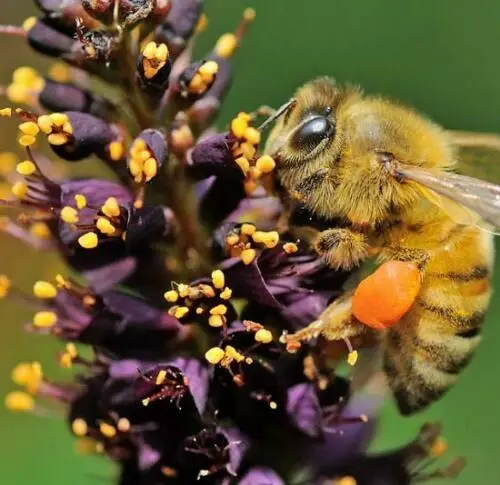
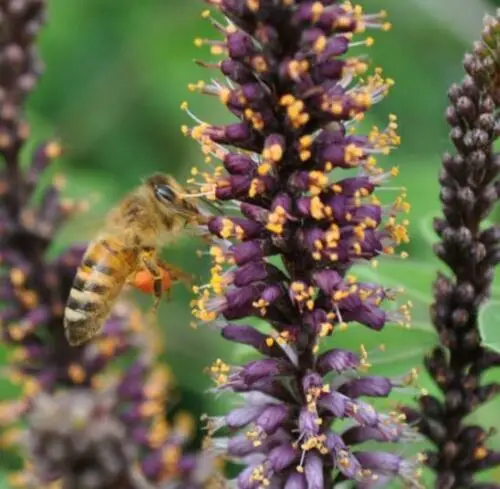
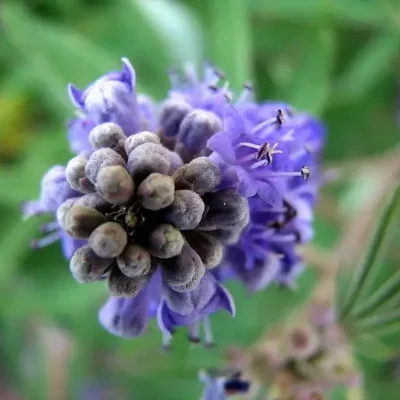
Begin with seeds. Watch them germinate into seedlings, each destined to become a living apothecary—one that also gifts beekeepers abundant nectar (this is a renowned honey plant), provides critical larval host plant material for native skippers, hairstreaks, and dogface butterflies, and quietly enriches the soil of your garden or restoration project. In late spring through early summer, dense spikes of deep purple flowers—each crowned with golden stamens—will appear, fragrant and irresistible to specialist mining bees, sweat bees, and every pollinator within range. This is beauty that feeds both body and ecosystem. Grow False Indigo from seed and cultivate not just a shrub, but a source of healing, honey, and hope for the insects that sustain our world.
Only logged in customers who have purchased this product may leave a review.
Reviews
There are no reviews yet.