
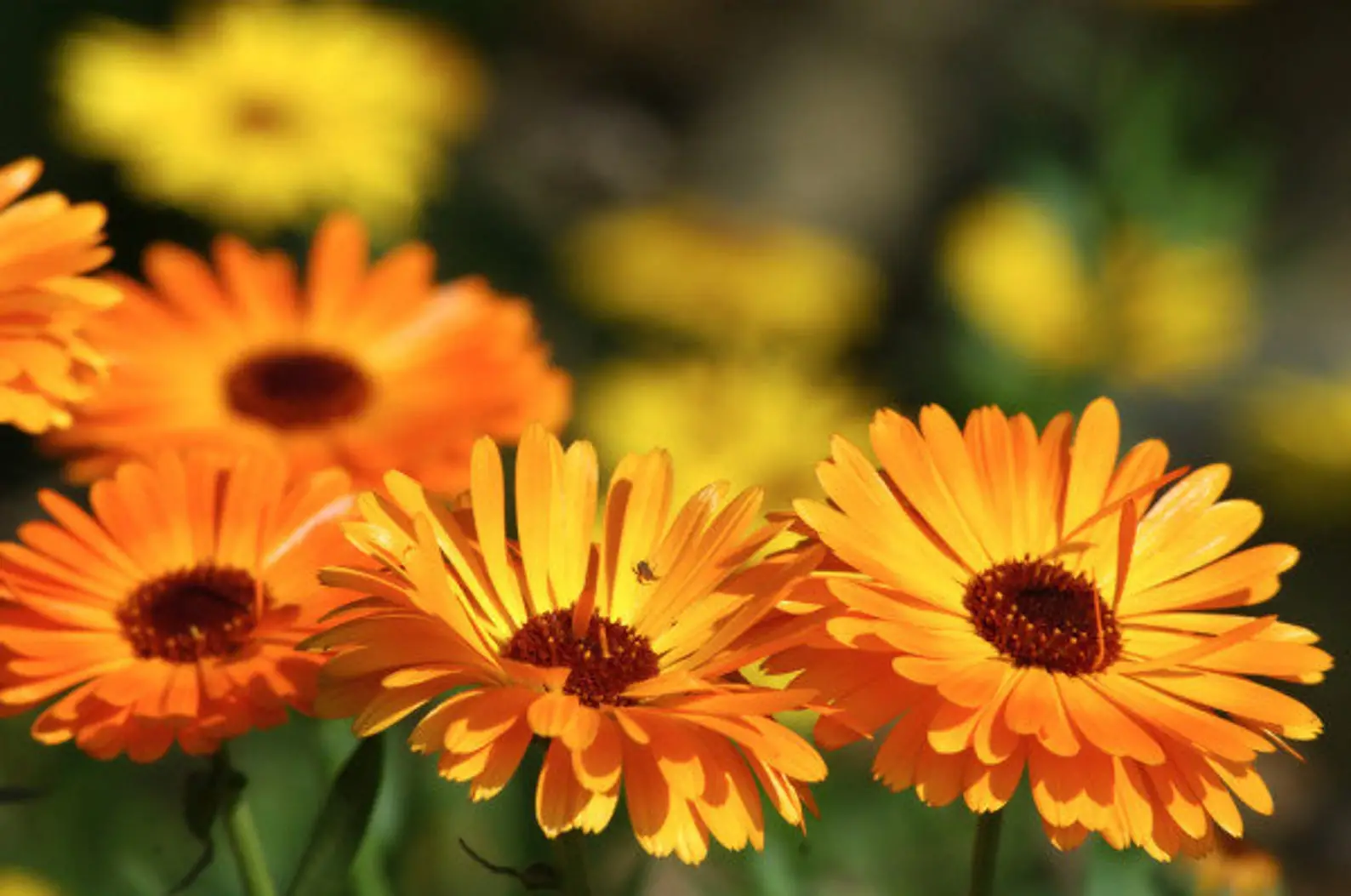
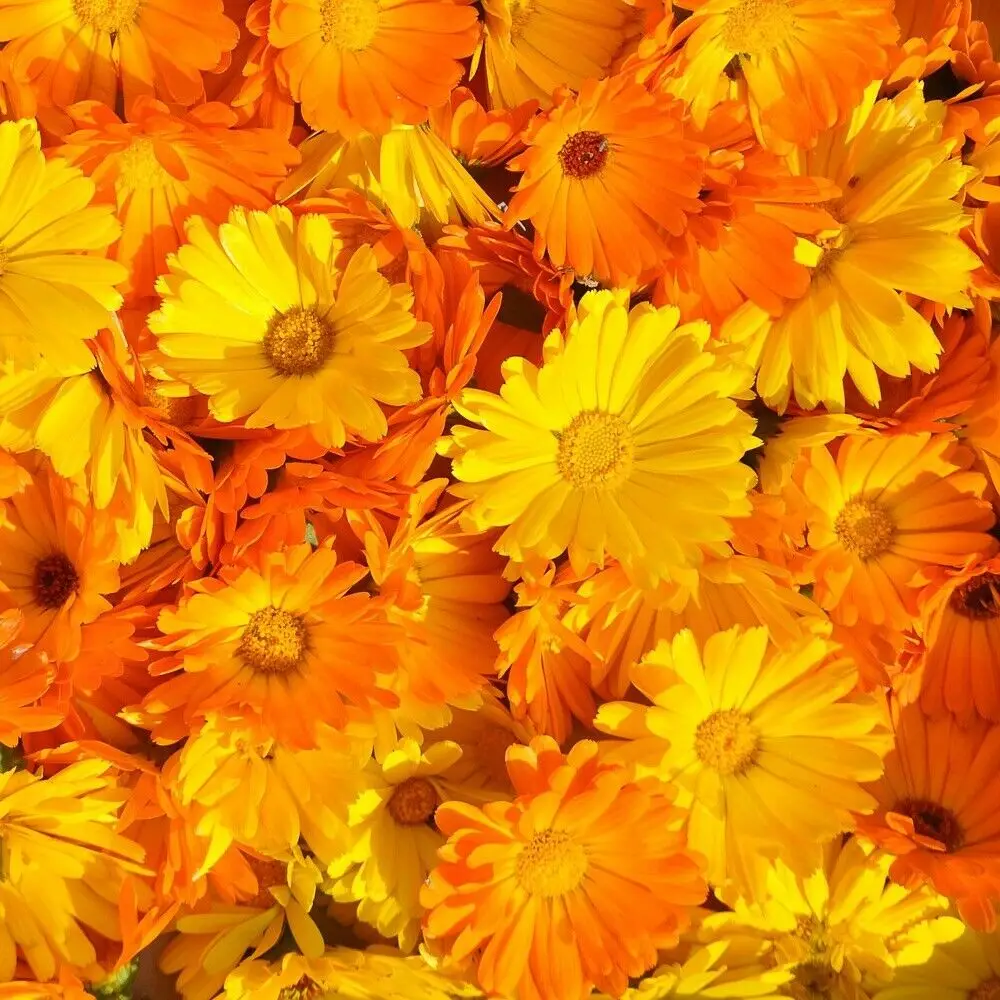
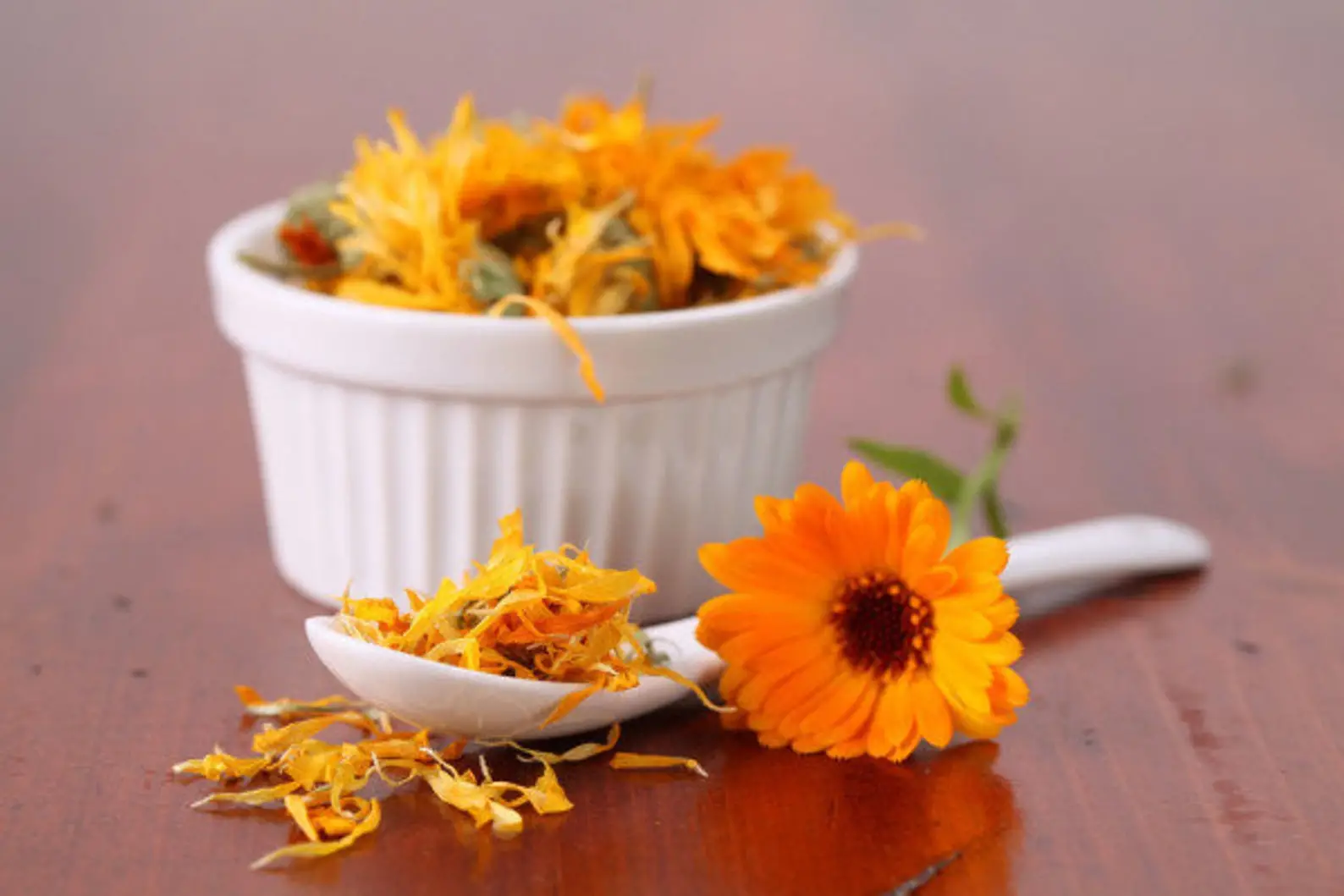
Grow the legendary healer: golden blooms of pure skincare magic. Calendula flowers burst with potent antioxidants and anti-inflammatory compounds that have soothed skin for centuries—now your garden delivers fresh petals for salves, oils, and creams. Edible too. Incredibly easy to grow from seed. Start your home apothecary today.
€2.07
One flower that does it all—and does it brilliantly. Calendula officinalis has been the secret weapon of healers, herbalists, and beauty makers for nearly a thousand years, and seed grown from your own hands will deliver everything that makes this plant legendary. This is the flower dermatologists and formulators turn to when they need genuine results. This is the plant that will transform your garden into a personal apothecary.
Native to the Mediterranean and Central Europe, calendula traveled the Silk Road through ancient Greek, Roman, and Middle Eastern cultures—each civilization recognizing what we know today: this flower contains rare compounds with extraordinary power. Medieval herbalists called it the “Herb of the Sun” for its luminous golden-orange blooms and its warmth on wounded skin. Shakespeare’s England grew calendula obsessively in cottage gardens, drying the petals to color cheese, butter, and broths. What the ancients intuited, modern chemistry has confirmed.
But here’s what makes Calendula officinalis the plant everyone whispers about: the flowers are a living concentrate of skin-transforming botanicals. Inside those vibrant orange and golden petals lives calendic acid—an unsaturated fatty acid with stunning anti-inflammatory properties—alongside quercetin, a compound offering both anti-inflammatory and anti-histaminic benefits for itchy, irritated skin. Add in carotenoids (lutein, rubixanthin, lycopene), flavonoids, triterpene alcohols, and saponins, and you’re holding nature’s most elegant skin remedy. The flowers alone contain 29.8 mg/100g of lutein, one of nature’s most prized antioxidants. Herbalists have long infused the petals into oils that are used in wound healing, minor burns, cuts, and insect bites; modern dermatology confirms it works. The plant stimulates skin cell regeneration and provides a calming, healing effect that makes it irreplaceable in natural cosmetics. Early American colonists learned from indigenous knowledge to use the petals as a food colorant—the same brilliant compounds that stained their butter are the ones your skin desperately needs. Salves, infused oils, tinctures, face creams, balms—calendula is the foundation of every natural skincare apothecary. And when you grow it yourself, you control the potency. Varieties like Resina Calendula produce flowers so resin-rich they’ll stain your hands golden-orange at harvest—that’s the signal of medicinal power.
Growing calendula is almost embarrassingly easy. Sow seeds directly into the garden in spring once soil reaches 60°F, or start indoors 6–8 weeks before your last frost for earlier blooms. Seeds germinate in just 5–15 days and bloom within 45–65 days from seed—some varieties flower within 2 months. Water moderately; well-draining soil is essential but not precious. Full sun brings the most abundant, potent blooms, though the plant tolerates partial shade. Once established, calendula is remarkably drought-tolerant and unfussy about soil fertility—in fact, overly rich soil can dilute the resin concentration. Deadhead spent flowers and the plant will bloom continuously from late spring through the first hard frost. In cool climates, treat it as an annual; in zones 9–11, it returns as a tender perennial. Even when it doesn’t survive winter, calendula self-sows so reliably that one planting often returns year after year from fallen seed. Container growing works beautifully—compact varieties like ‘Citrus Cocktail’ or ‘Dwarf Gem’ thrive in pots on patios. Few pests bother calendula; rabbits and deer leave it alone. This is a flower that wants to grow for you.
Imagine walking into your garden on a warm morning and harvesting glowing flower heads at their peak bloom—petals still tender with nocturnal moisture, resins at their most potent. You’ll dry them whole or strip the petals, storing them in glass jars, knowing that what fills those jars will become the salves that heal your family’s scraped knees, the infused oils that restore s
Only logged in customers who have purchased this product may leave a review.
Reviews
There are no reviews yet.