
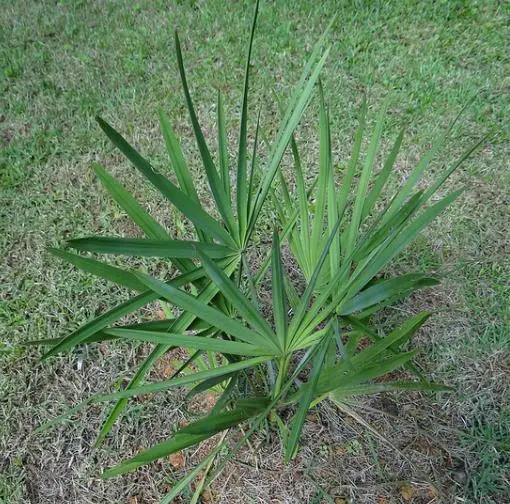
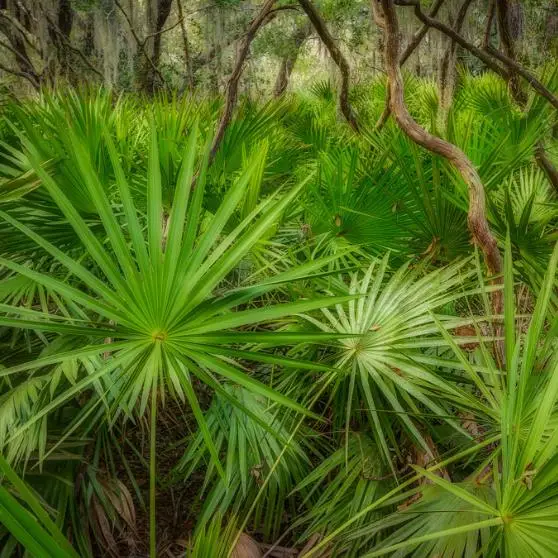
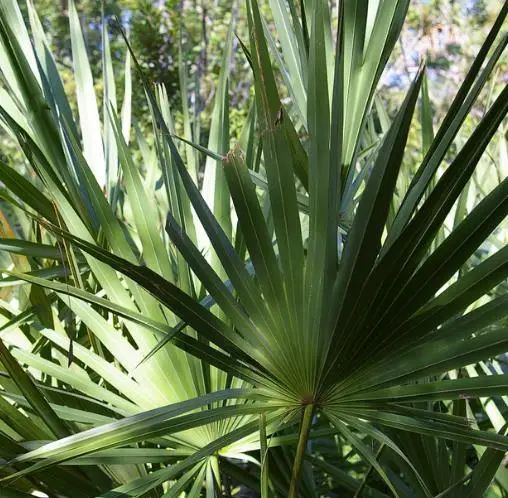
Grow the most commercially valued medicinal palm—a slow-growing native treasure that rewards patience with potent berries rich in fatty acids & phytosterols. Legendary for prostate health & hair vitality, saw palmetto thrives in challenging conditions where others fail. Start from seed and cultivate centuries-old wellness in your own garden.
€6.81
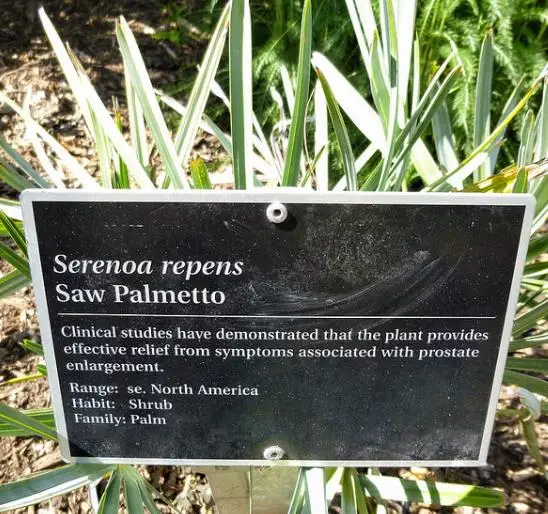
This is the palmetto that changed medicine. Serenoa repens grows in your hands as a living pharmaceutical—ancient Native wisdom meets modern clinical validation. The berries are liquid gold: one of America’s most consumed medicinal herbs, shipped globally in tonnage that rivals coffee, backed by a thousand years of documented use and decades of rigorous science.
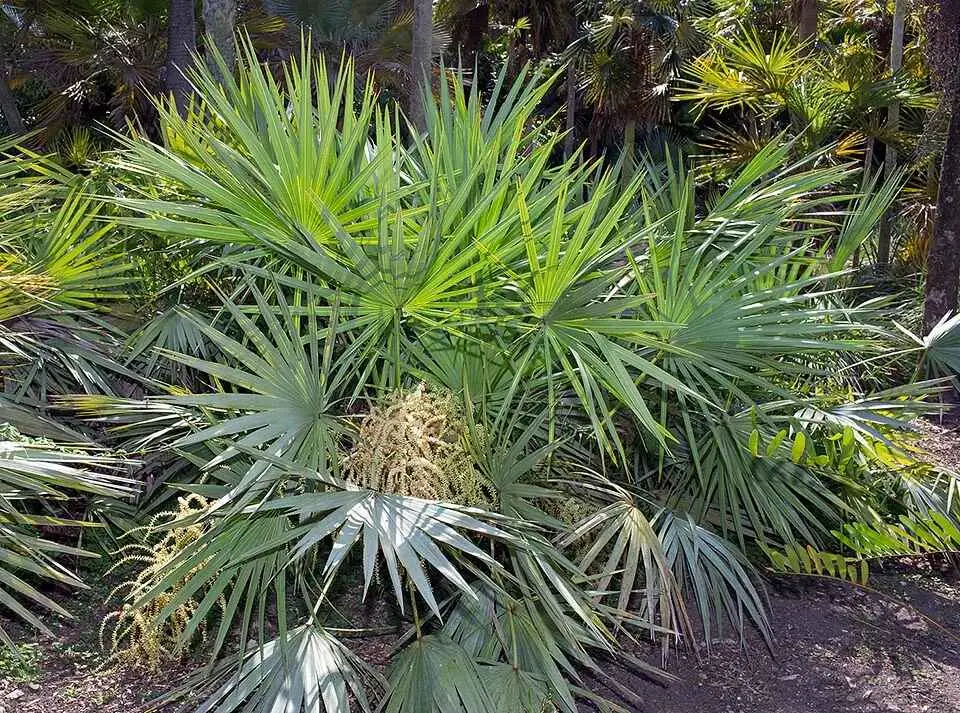
Native to the Southeastern United States—particularly the sandy scrublands, coastal dunes, and pine forests of Florida and beyond—saw palmetto is a slow-growing clump-forming palm with an almost mythological resilience. It survives hurricanes, wildfires, salt spray, and drought where tender plants surrender. The Seminole knew this. Colonial settlers learned it. Modern herbalists revere it. This is not a decorative palm; it is a survival plant with a secret: its berries contain concentrated compounds that western medicine is still learning to quantify.
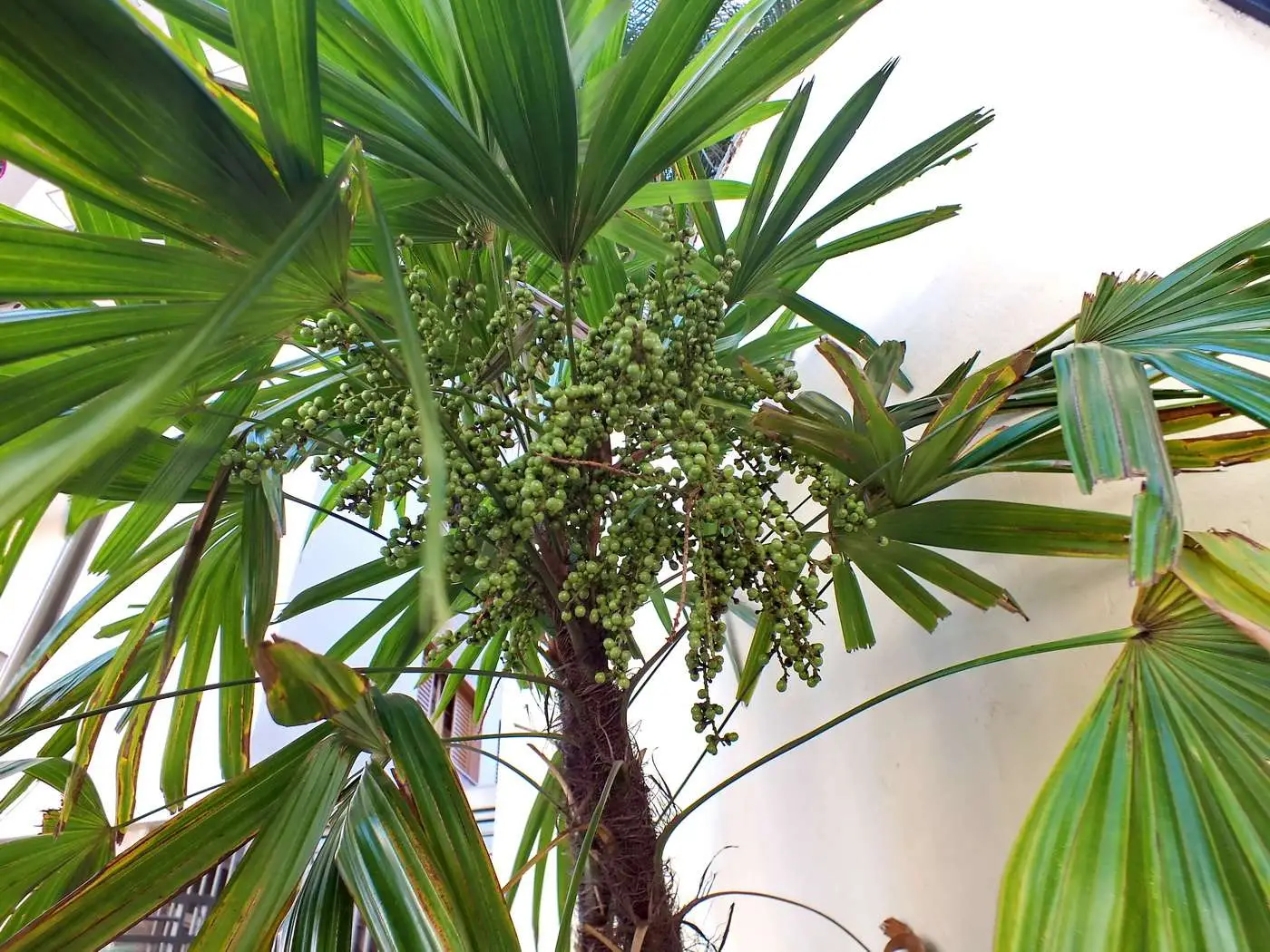
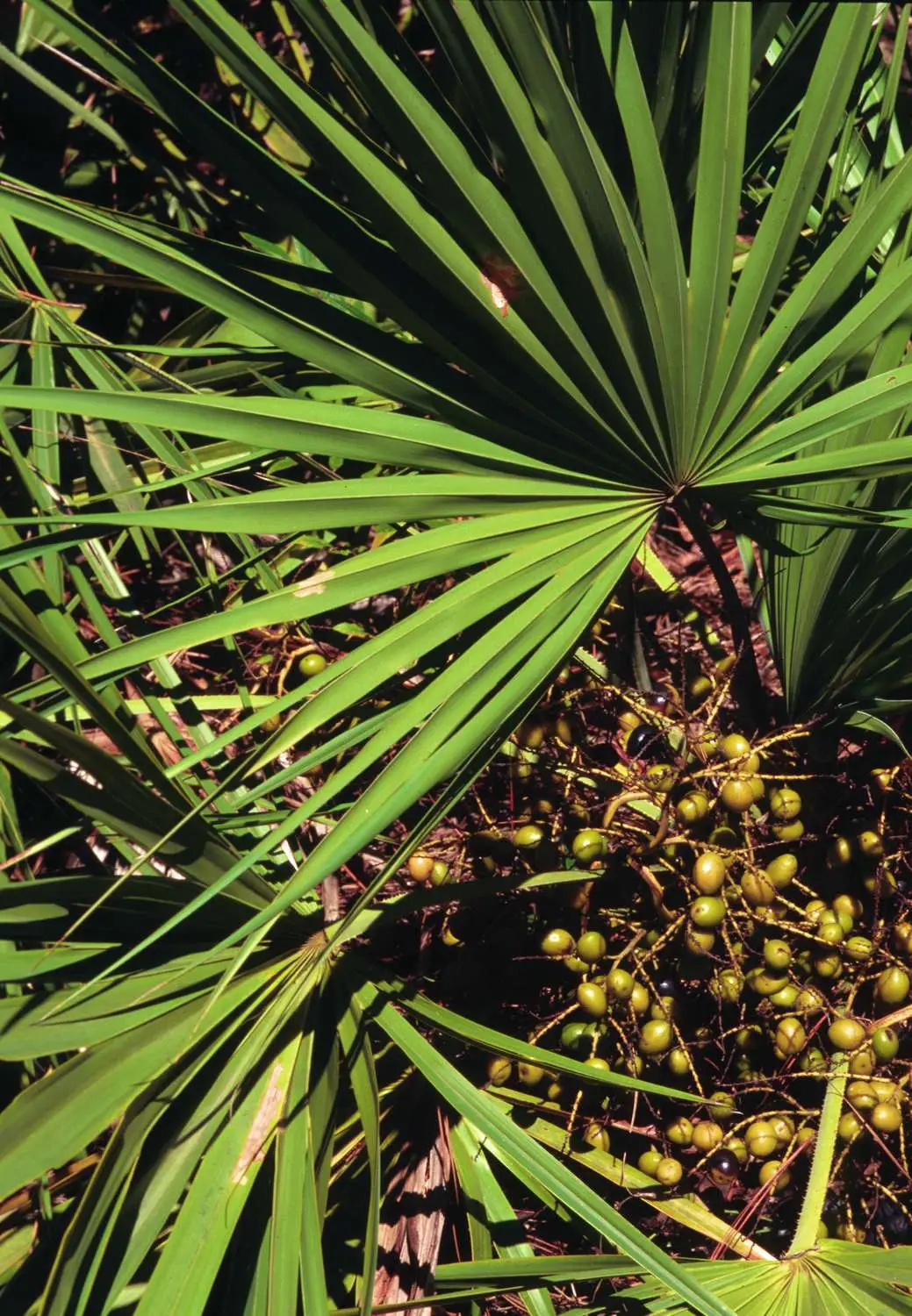
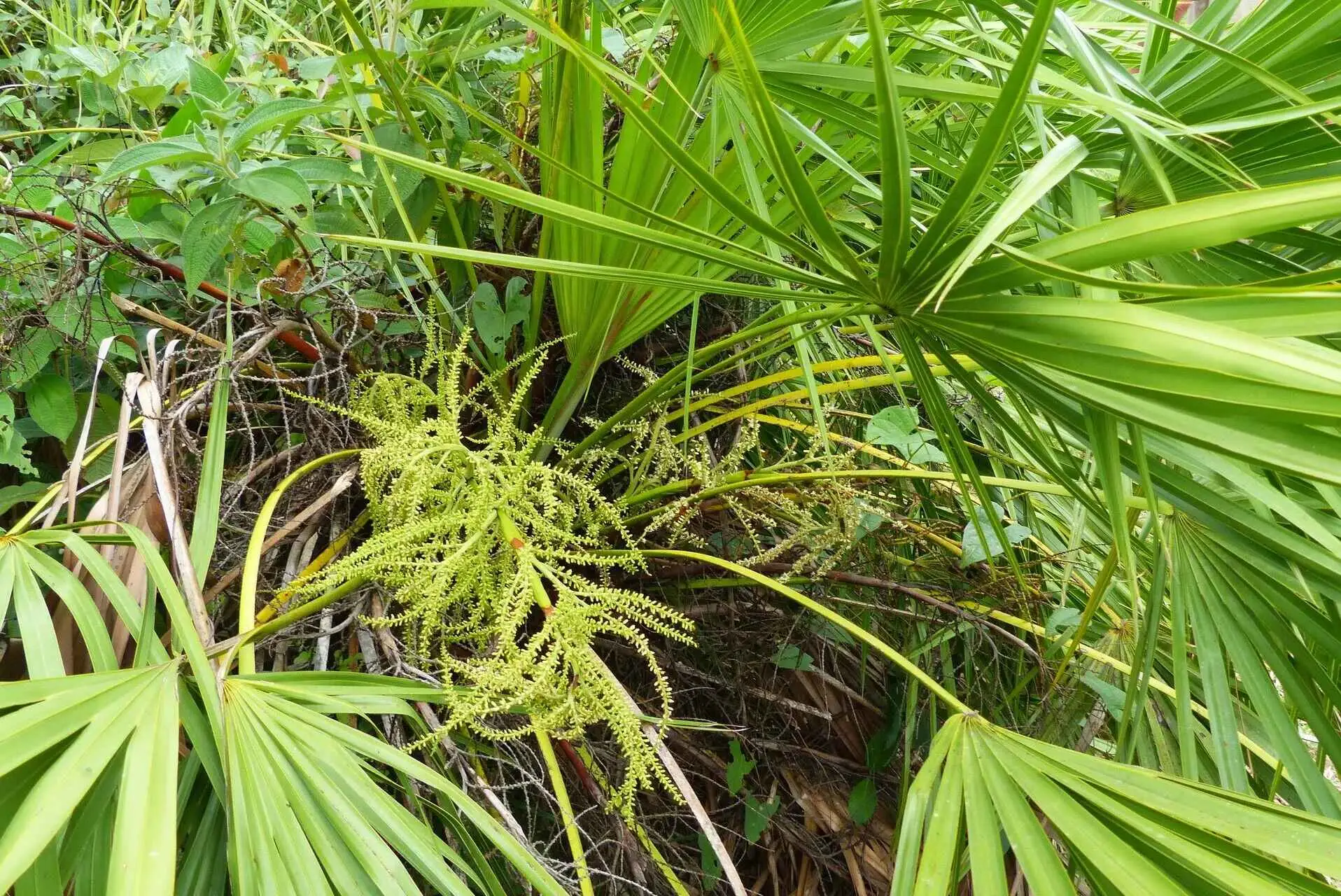
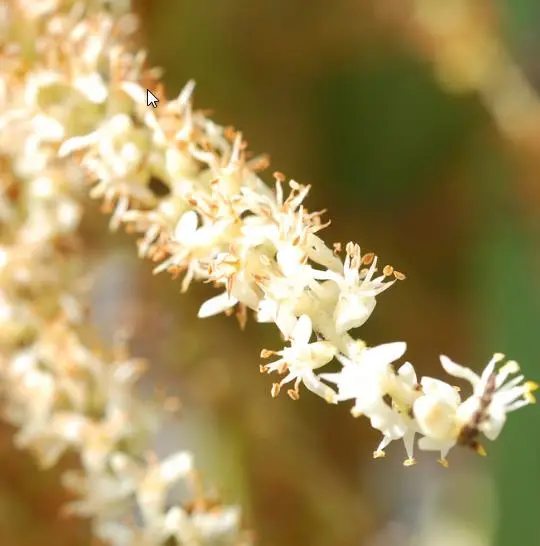
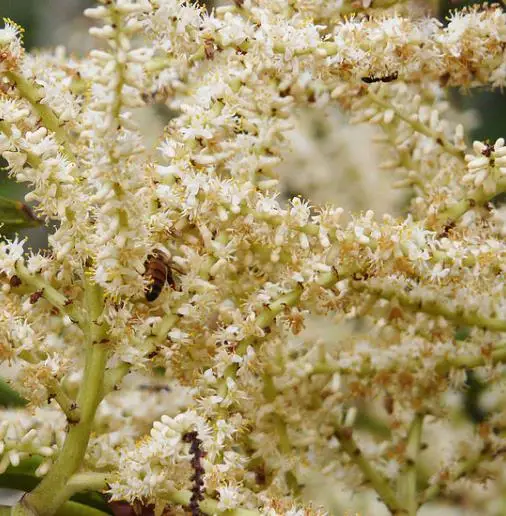
The real magic lives in the fruit. When late spring arrives, three-foot inflorescences erupt with fragrant creamy-white flowers—a pollinator’s paradise, a beekeeper’s dream (these flowers produce high-grade honey). Then comes late summer and fall: small olive-sized drupes ripen from yellow to deep blue-black, packed with fatty acids, sterols, and lipidic compounds that have made this species an obsession for health practitioners worldwide. The berries are clinically validated for supporting prostate health (benign prostatic hyperplasia—a condition affecting millions), for promoting natural hair growth in both men and women by blocking DHT conversion, for hormonal balance, and for reducing chronic inflammation. An estimated 6.8 million kilograms ship to Europe annually. The German Commission E approves it. Men and women integrate it into their lives as a foundational wellness tool—and now you can grow the source.
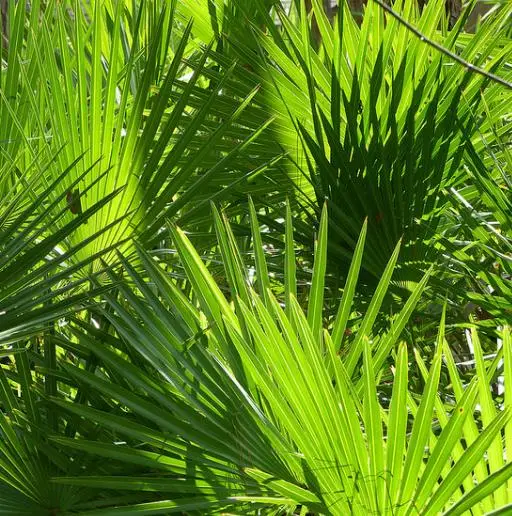
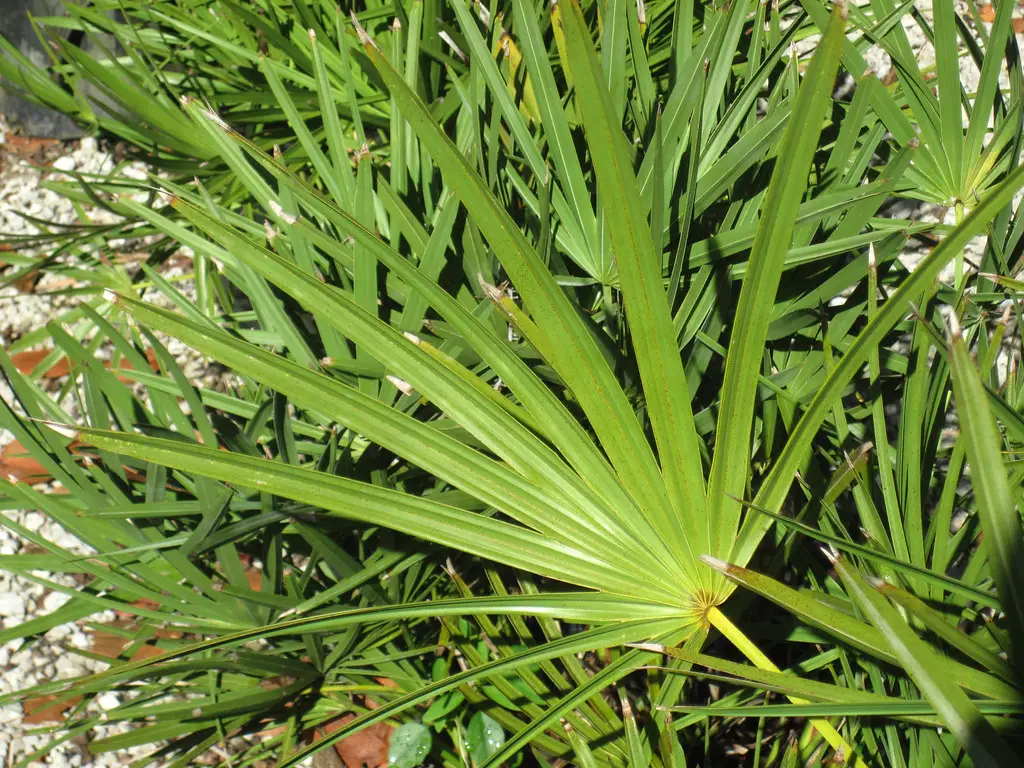
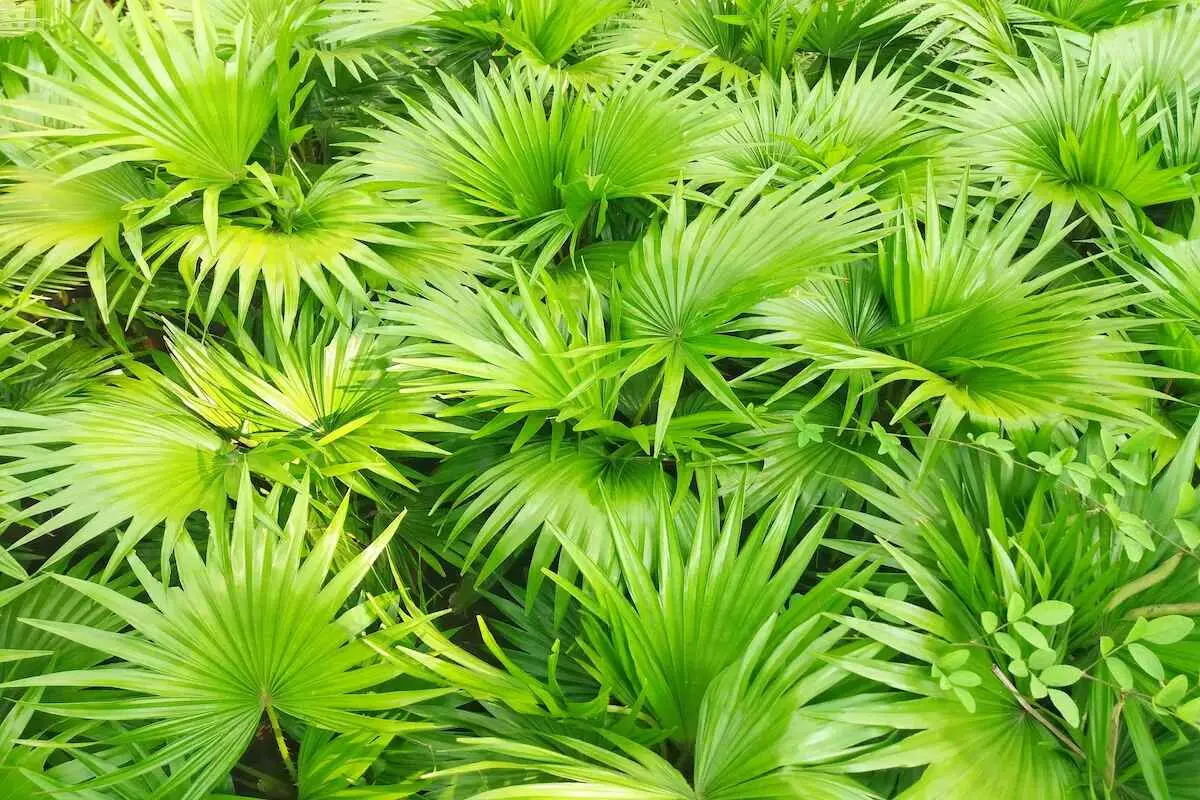
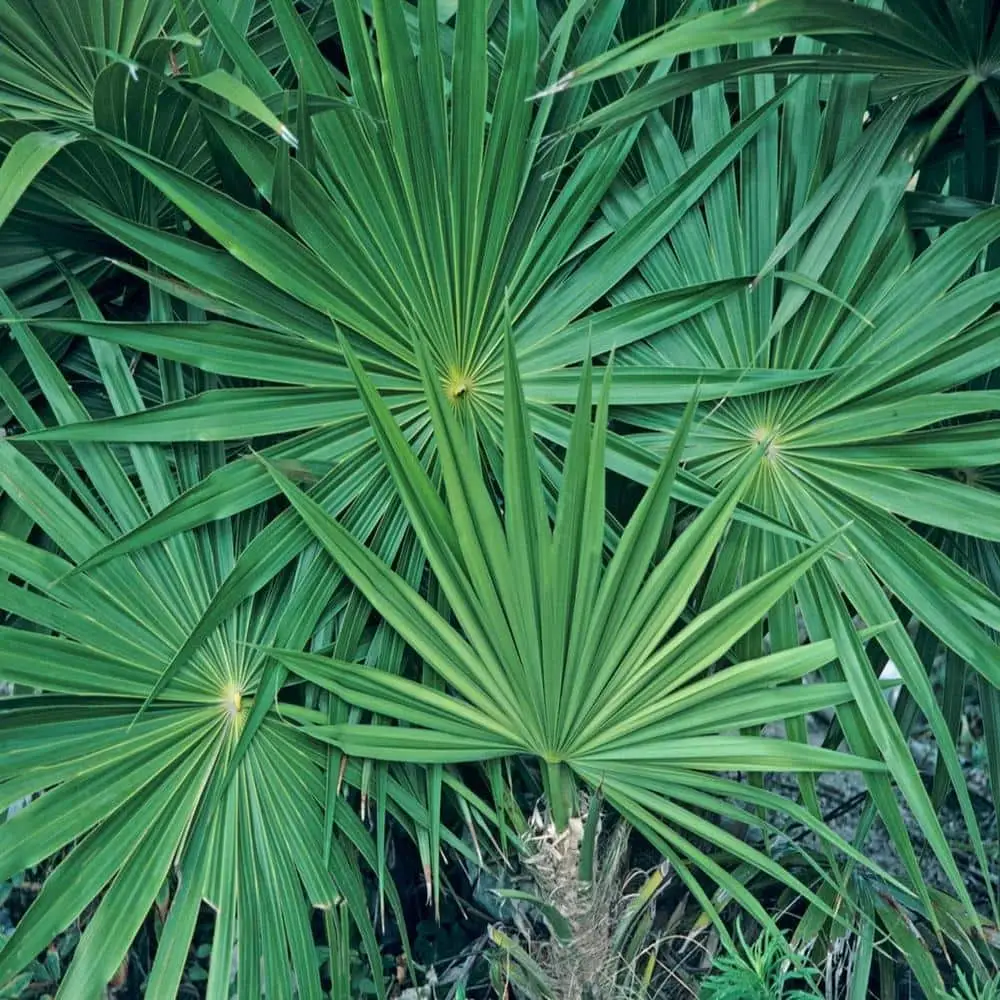
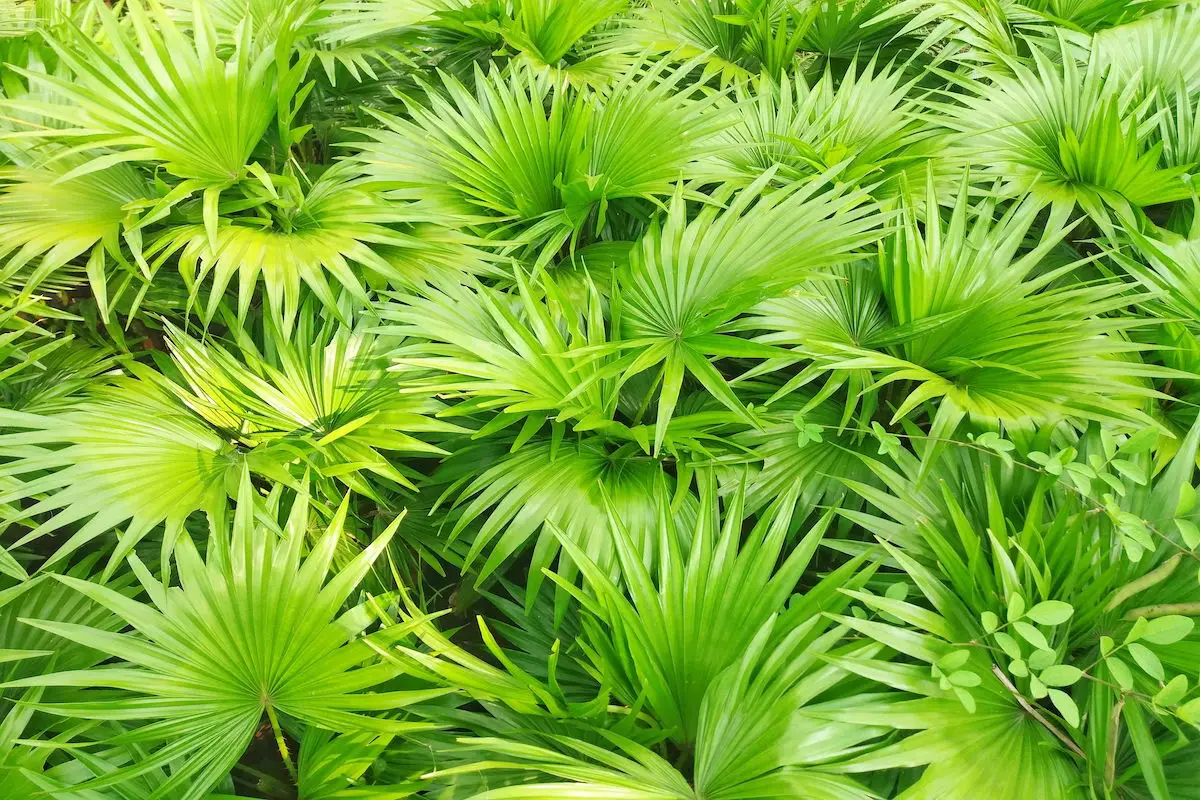
Growing saw palmetto is a lesson in patience rewarded. This palm is slow—gloriously, deliberately slow. Plant it in well-draining, acidic, organic soil; give it full sun to part shade; water initially, then watch it transform into the ultimate drought-tolerant specimen. The evergreen fan-shaped leaves (up to 3 feet wide, ranging from green to silvery-white, with dramatic serrated petioles that give the plant its name) are architectural and striking year-round. The plant spreads via rhizomes, eventually forming dense thickets—the kind that shelters wildlife, stabilizes soil, and creates a living barrier. It tolerates poor conditions, coastal salt, heat, cold, and fire. Once established, it asks almost nothing. This is a plant you install and then forget about—except for the annual harvest of berries.
Start from seed and you enter a tradition older than the United States itself. Watch the tiny seedling transform into a fan-frond treasure. In a few seasons, fragrant flowers will appear. In a few more, berries will arrive. The patience is part of the medicine—a plant this beneficial should take time to grow. Your garden becomes a sanctuary of botanical power, a source of self-sufficient wellness, a living connection to centuries of human knowledge about the natural world.
Only logged in customers who have purchased this product may leave a review.
Reviews
There are no reviews yet.