
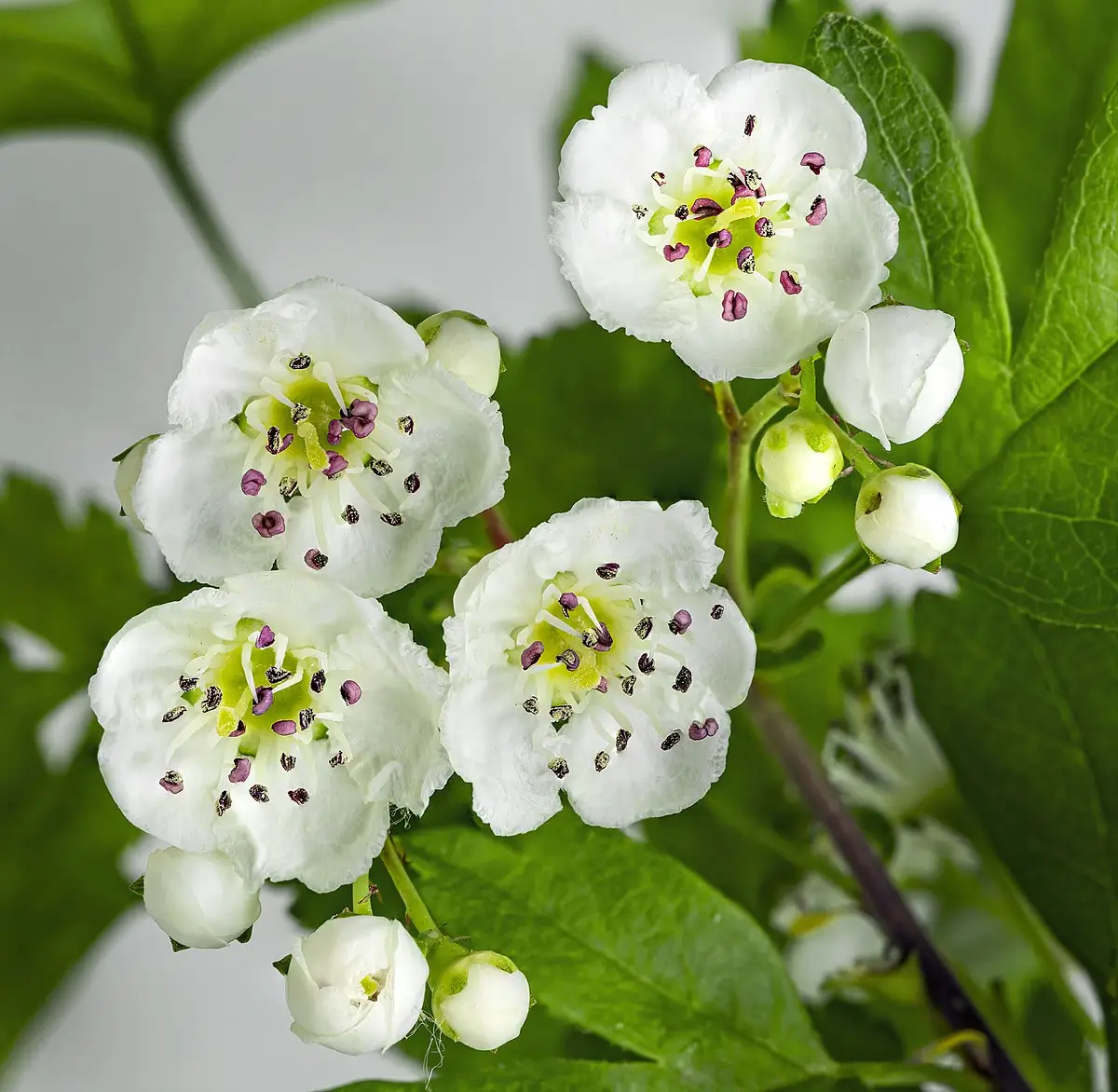
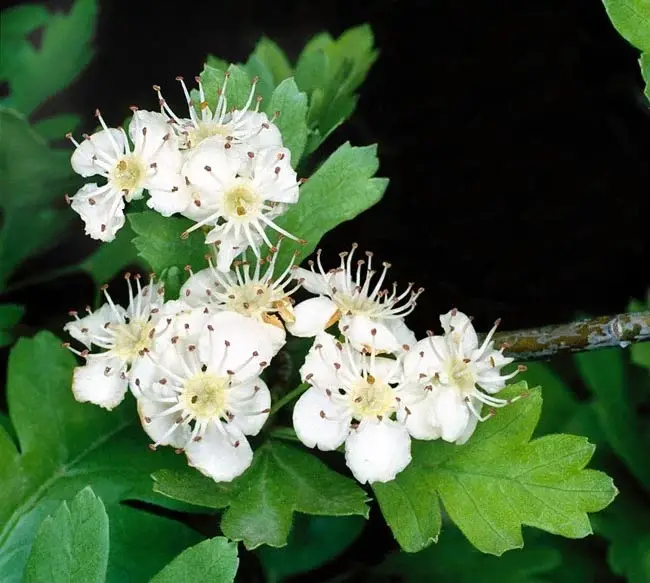
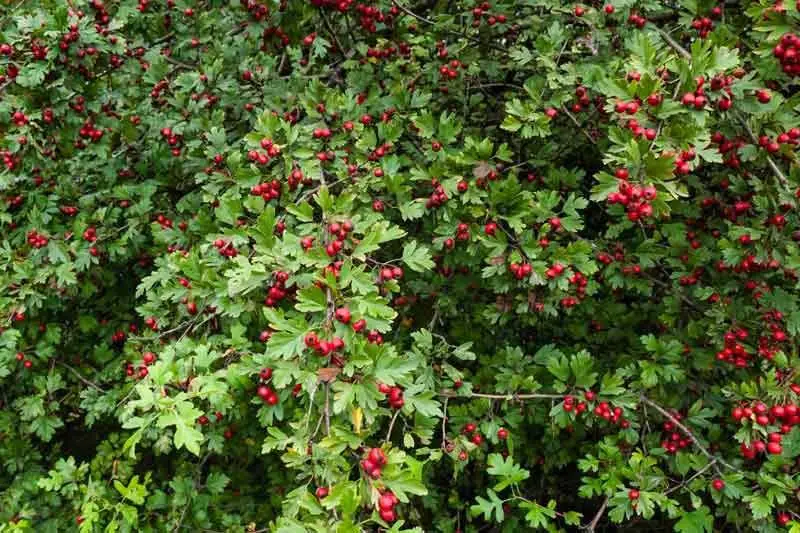
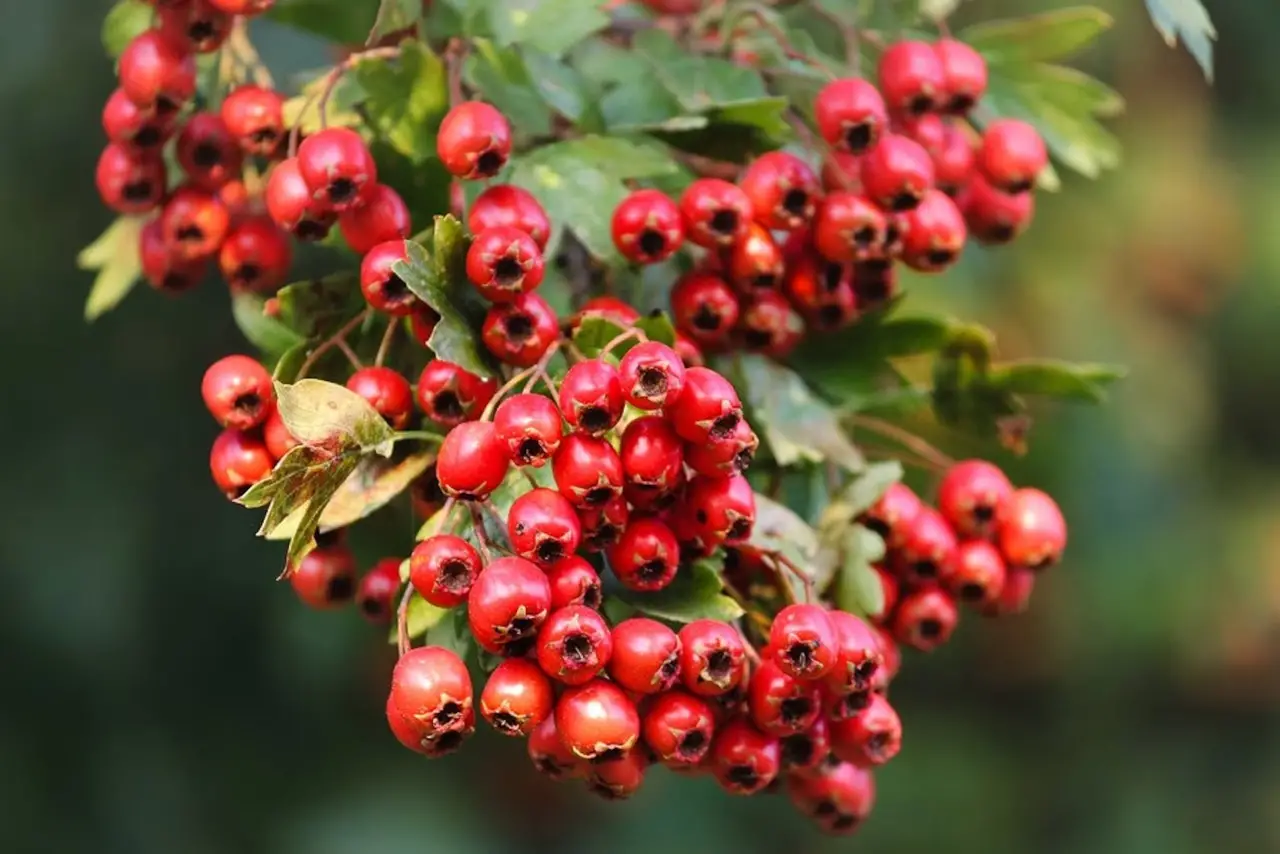
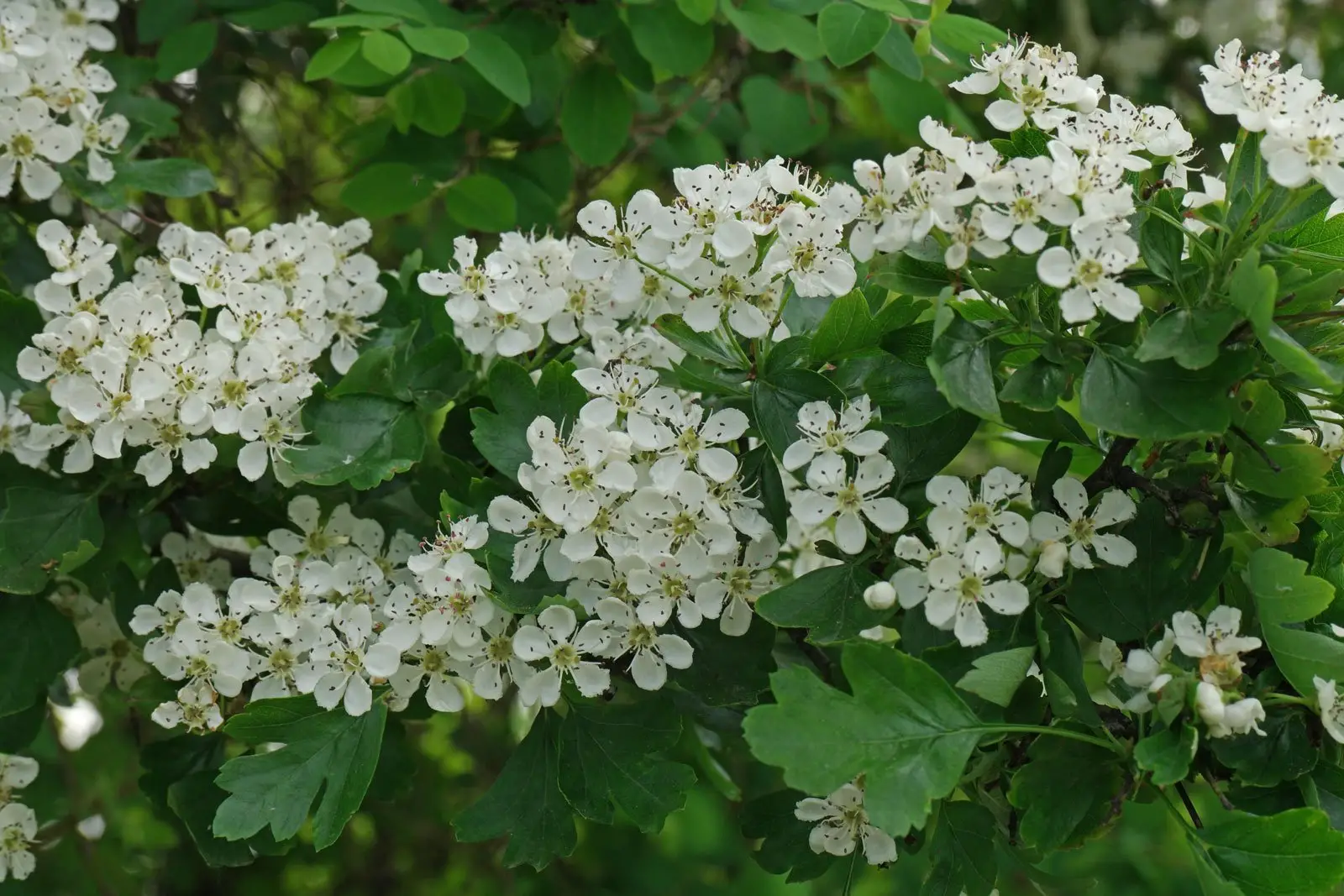
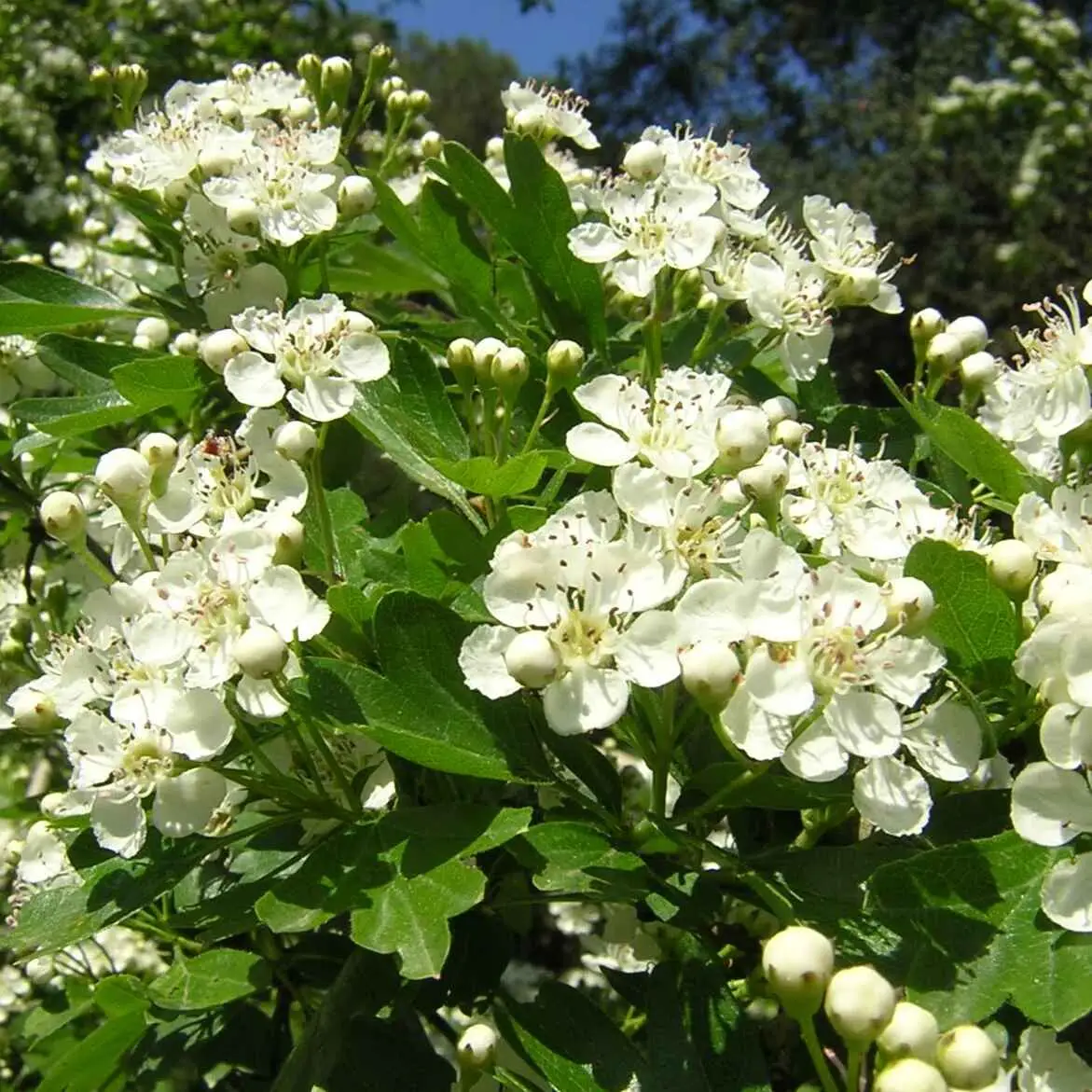
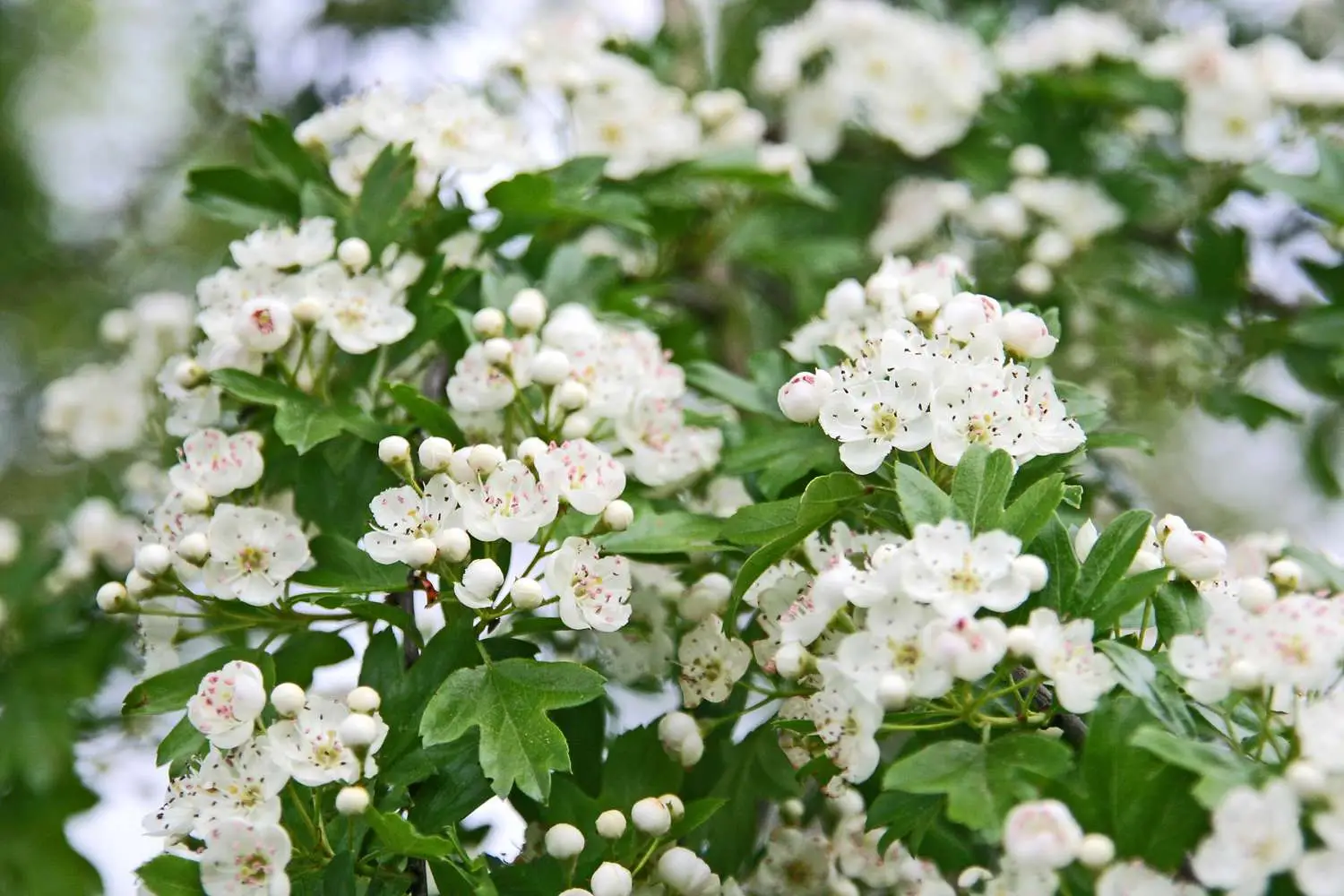
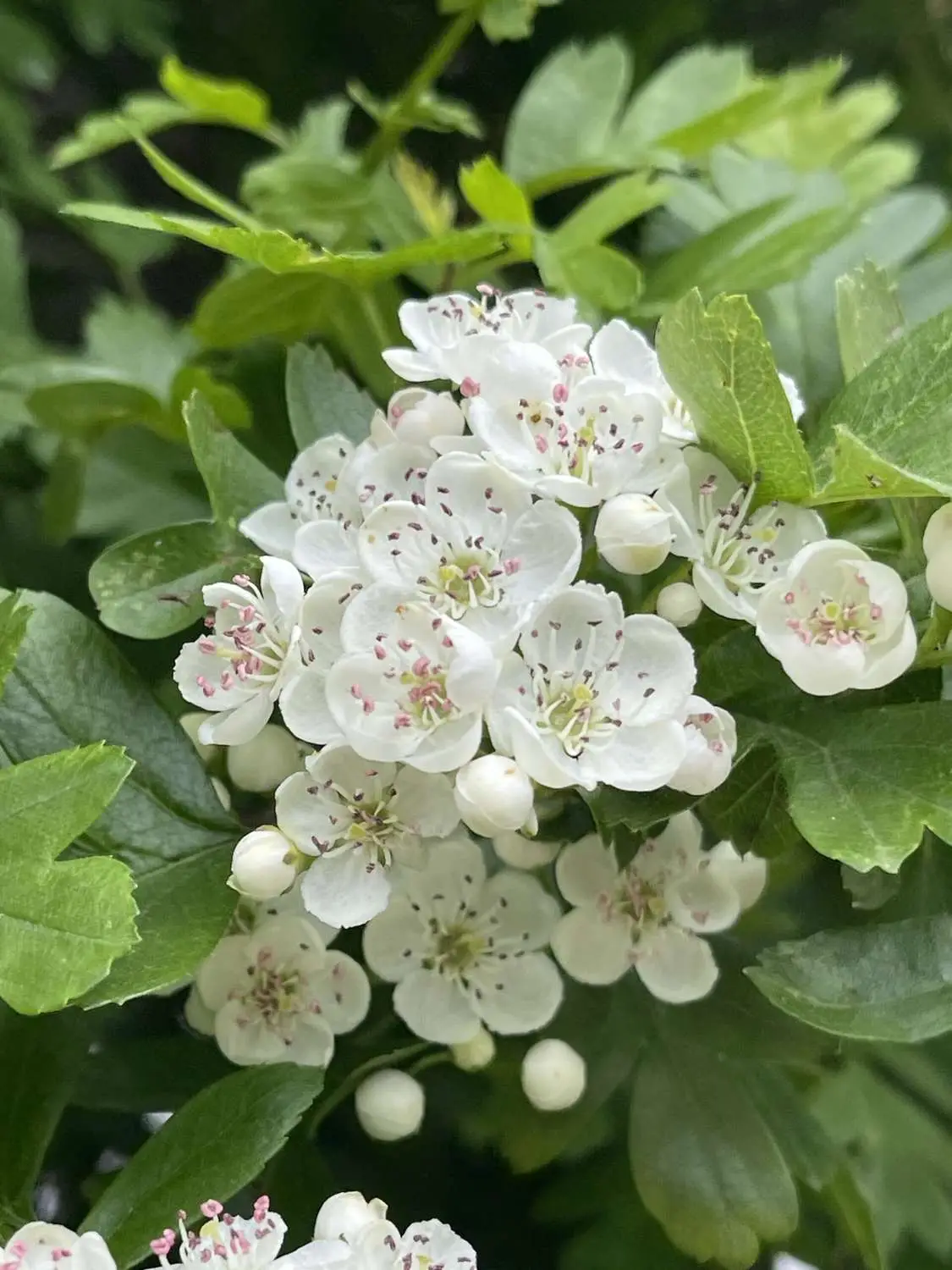
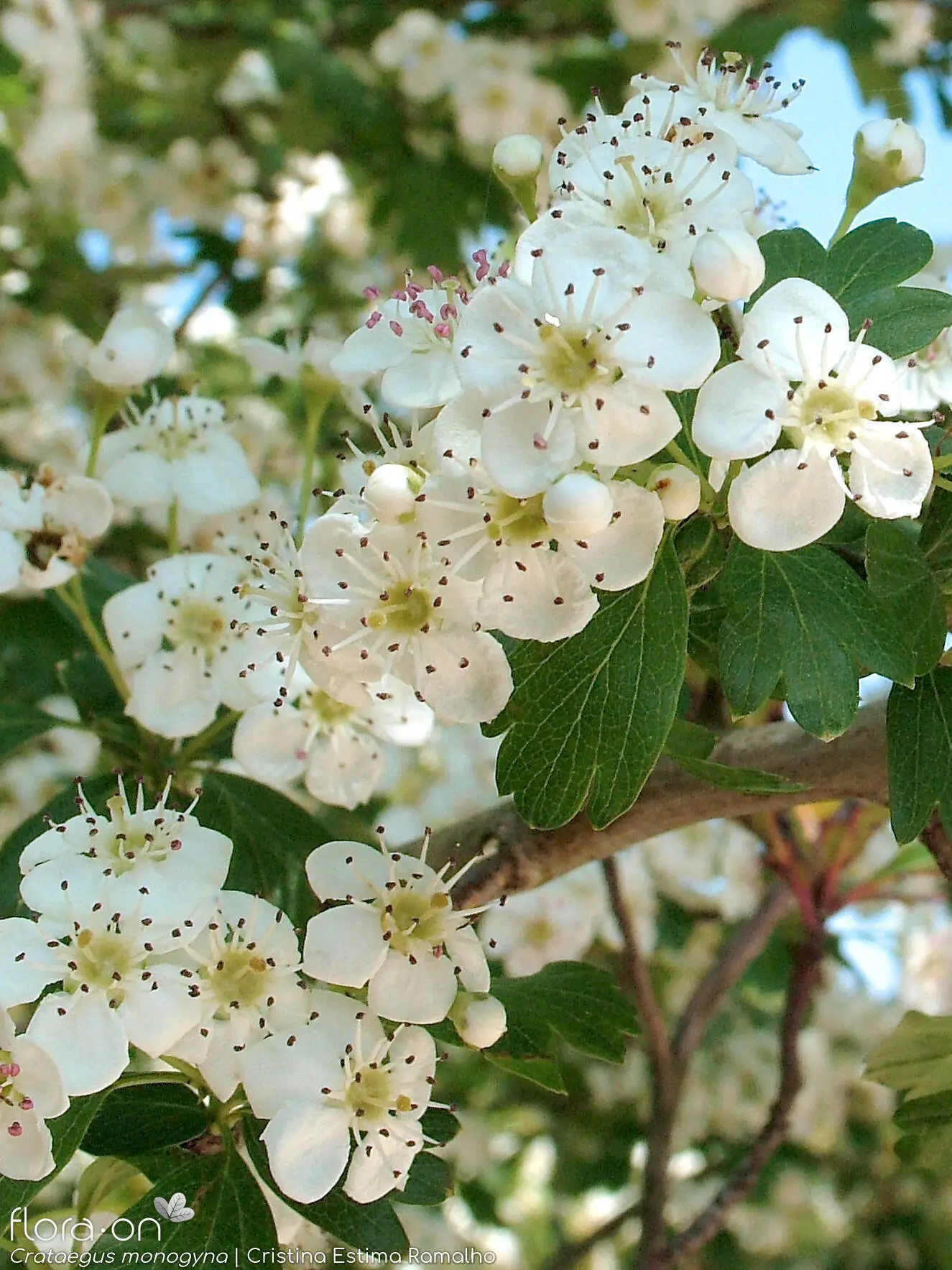
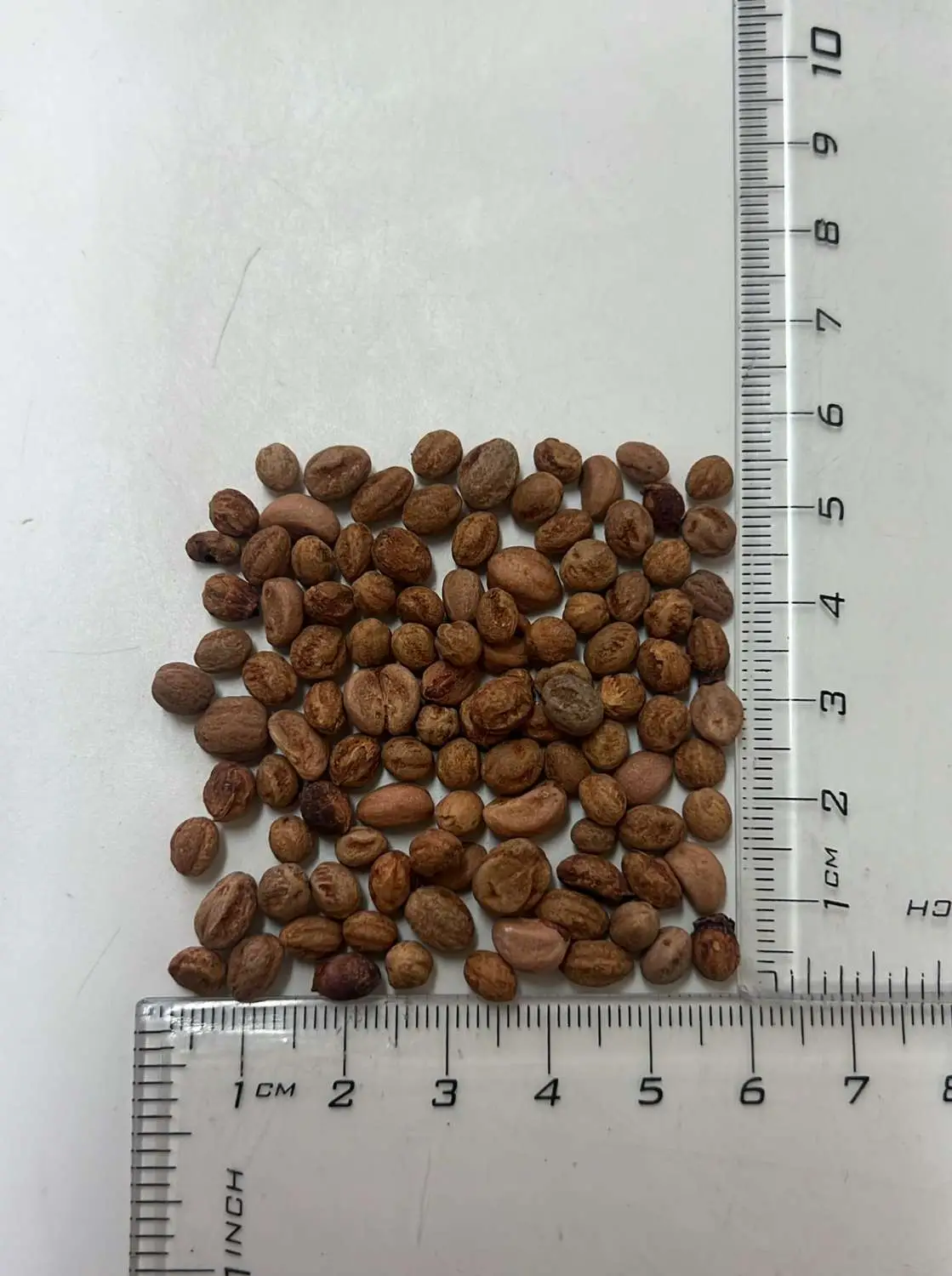
Grow your own heart’s defender. Crataegus monogyna delivers centuries-old medicinal power in every leaf, flower, and ruby berry—cardiovascular support, antioxidants, and calm in one stunning spring bloomer. Fragrant white flowers age to pink; brilliant red fruits feed wildlife through winter. Remarkably easy from seed. Start your healing garden now.
€1.92
This is the plant that medieval herbalists whispered about in hushed reverence, the hawthorn that appears in ancient Greek medical texts and graces the hedgerows of England with a promise older than written history.
Crataegus monogyna—the one-seeded hawthorn—is native to Europe and has traveled the world as a living pharmacy. For over two thousand years, cultures from Asia to Britain have turned to this tree when the heart faltered, when anxiety crept in, when circulation needed support. What was once folk wisdom has become clinical fact: German Commission E officially approved hawthorn leaf and flower for cardiac insufficiency and nervous heart complaints. The World Health Organization recognizes it for stage II chronic congestive heart failure. Modern science validates what the herbalists knew: this plant works.
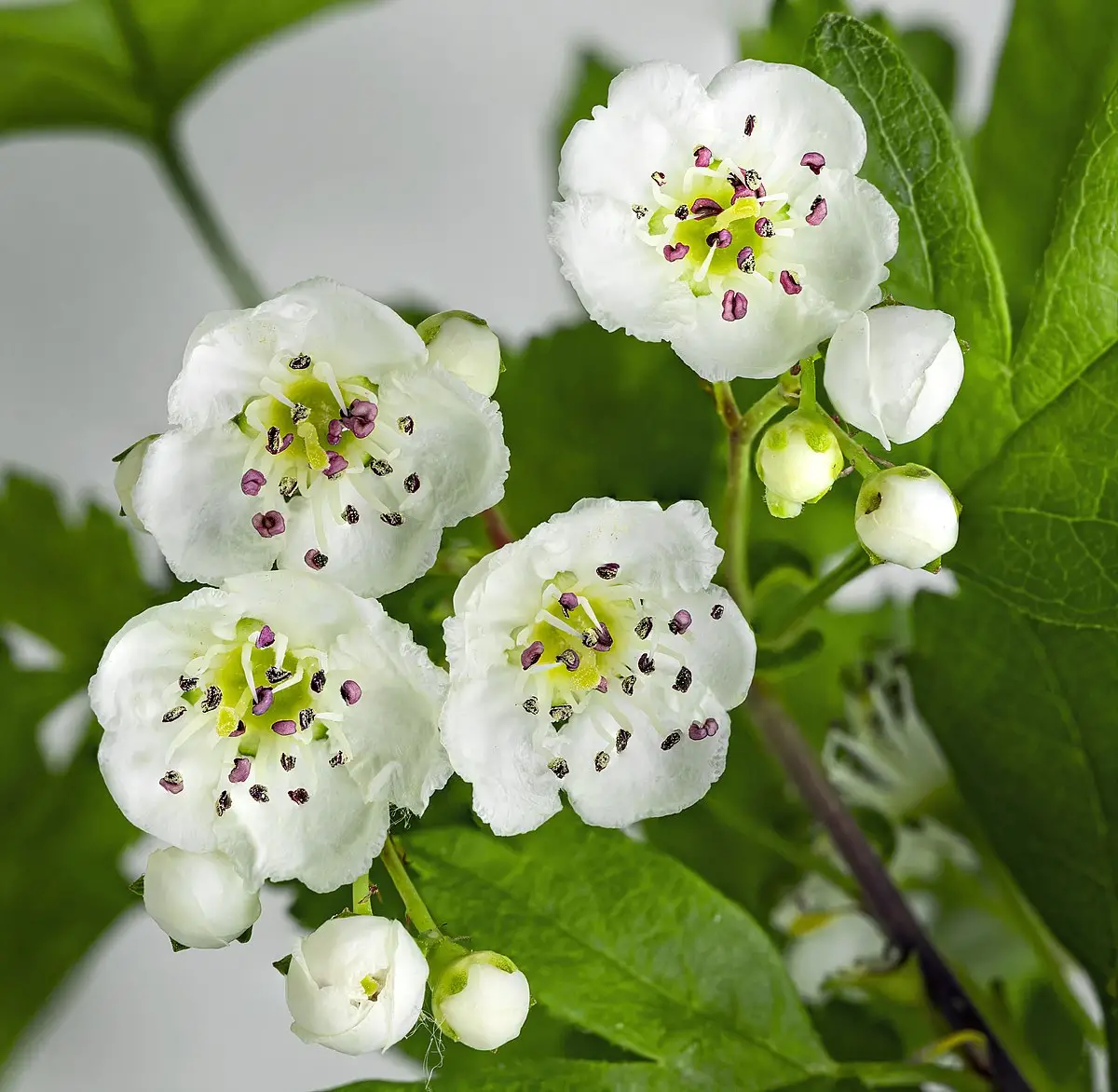
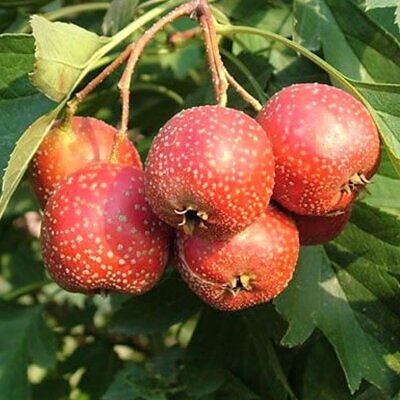
But here’s what makes Crataegus monogyna extraordinary as a home remedy and heart tonic: you can grow it yourself. The leaves, flowers, and berries all contain powerful bioactive compounds—flavonoids, oligomeric proanthocyanidins, and pentacyclic triterpenic acids—that strengthen cardiac contractility, improve coronary blood flow, reduce blood pressure, and protect against oxidative stress. Harvest the delicate white flowers in spring (they age to blush pink) and dry them for tea. Gather the tart ruby berries in fall for syrups, tinctures, and jams. Every part of this tree is medicine you can hold in your hands. Whether you’re supporting cardiovascular wellness, calming nervous palpitations, or simply honoring an ancient healing tradition, growing hawthorn connects you to centuries of botanical wisdom—and to your own resilience.
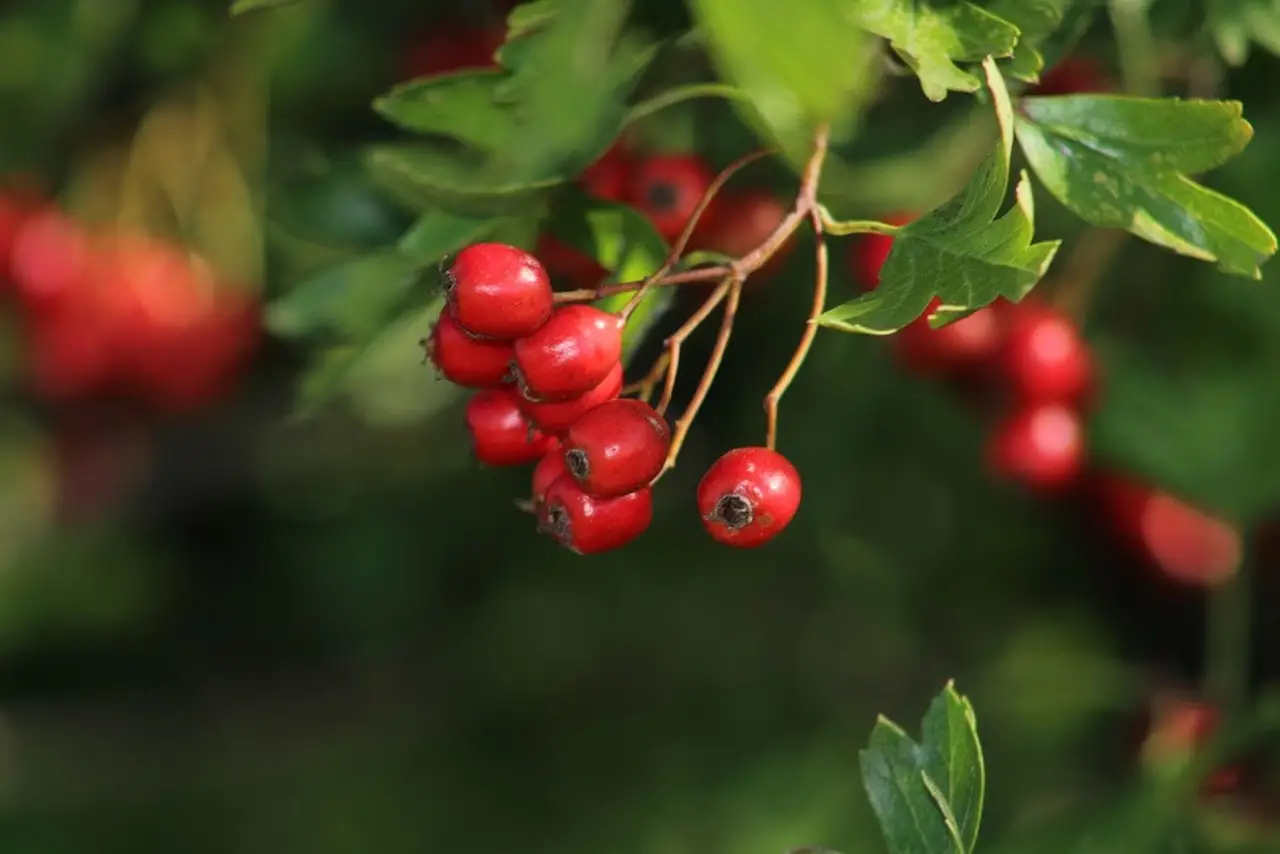
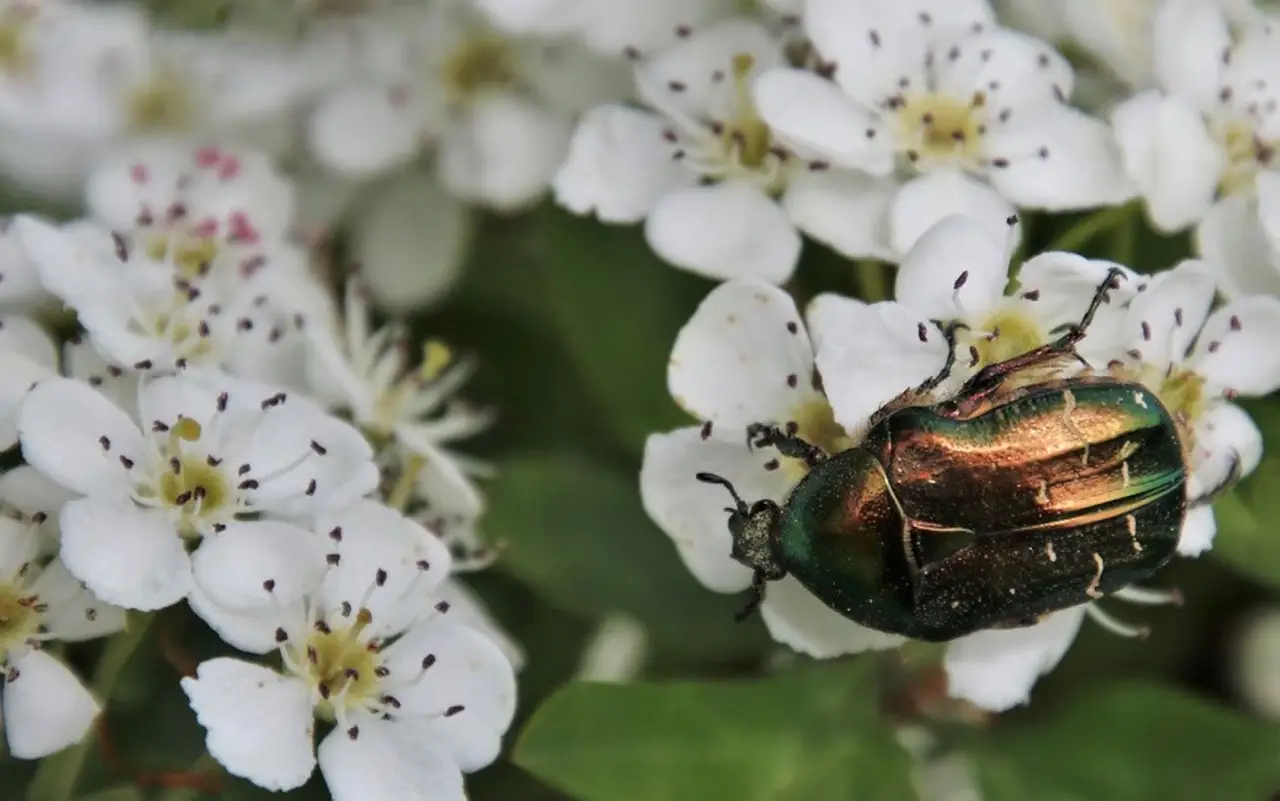
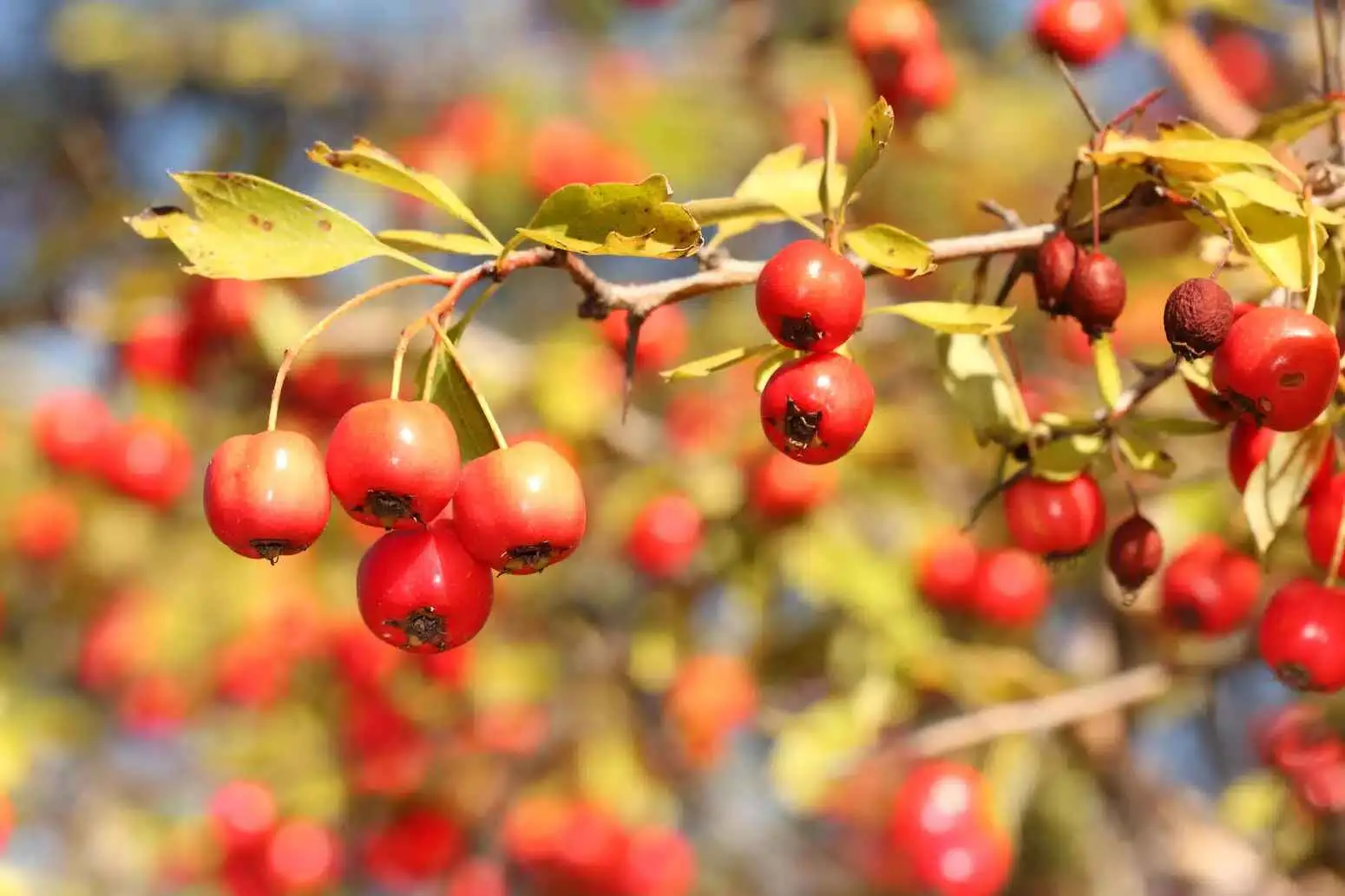
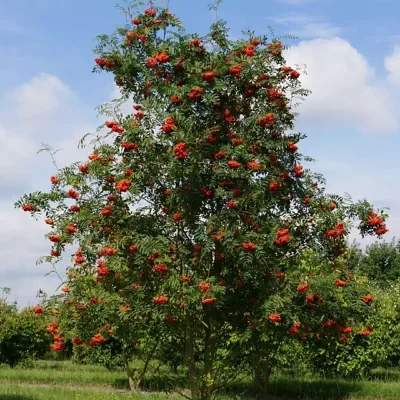
Growing Crataegus monogyna is straightforward and rewarding. This deciduous shrub or small tree thrives in full sun to partial shade and adapts to most well-drained soils, making it forgiving even for first-time growers. It reaches 15–25 feet (5–8 meters) at maturity, though cultivars like ‘Compacta’ stay compact for smaller gardens. The deeply lobed, serrated leaves are attractive year-round until autumn, when they shift to warm tones. In late spring, clusters of fragrant white flowers blanket the branches, attracting pollinators in abundance. By fall, brilliant red pome fruits (each containing a single seed, hence the name) appear and persist into winter, feeding songbirds and rewarding your patience. Hardy across USDA zones 4b–10a, remarkably drought-tolerant once established, and disease-resistant compared to many ornamentals, hawthorn asks little and gives abundantly. It can even be trained as bonsai or espaliered. Seeds require cold stratification (winter chill naturally triggers germination), making them ideal for direct sowing outdoors in autumn or for indoor stratification in spring. Seedlings transplant easily and grow steadily. Once established, your hawthorn becomes a self-sufficient sentinel—tough, beautiful, and perpetually generous.
There is something profound about nurturing a plant that nourishes the heart—both literally and spiritually. As you watch your hawthorn grow from seed to flowering shrub, as you harvest its leaves and berries for healing tea, as you witness bees dancing across its spring blossoms and birds feasting on its winter fruits, you’ll understand why ancient cultures revered it. You’ll be growing not just an ornamental, but a living bridge to your own health, to nature’s pharmacy, to a future where your medicine grows in your own garden. Begin your journey with Crataegus monogyna seeds today—and let this remarkable plant teach you what resilience truly means.
Only logged in customers who have purchased this product may leave a review.
Reviews
There are no reviews yet.