
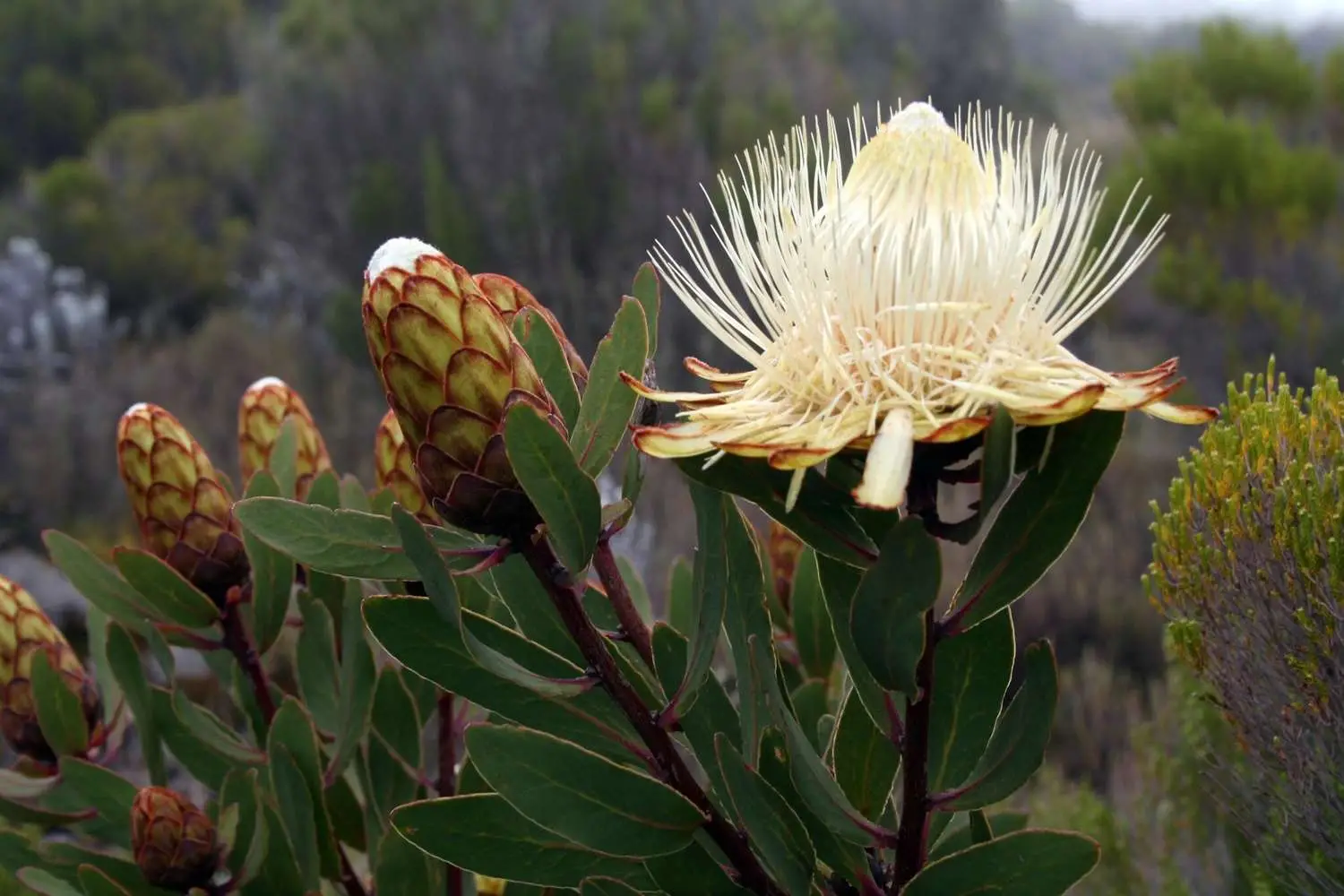
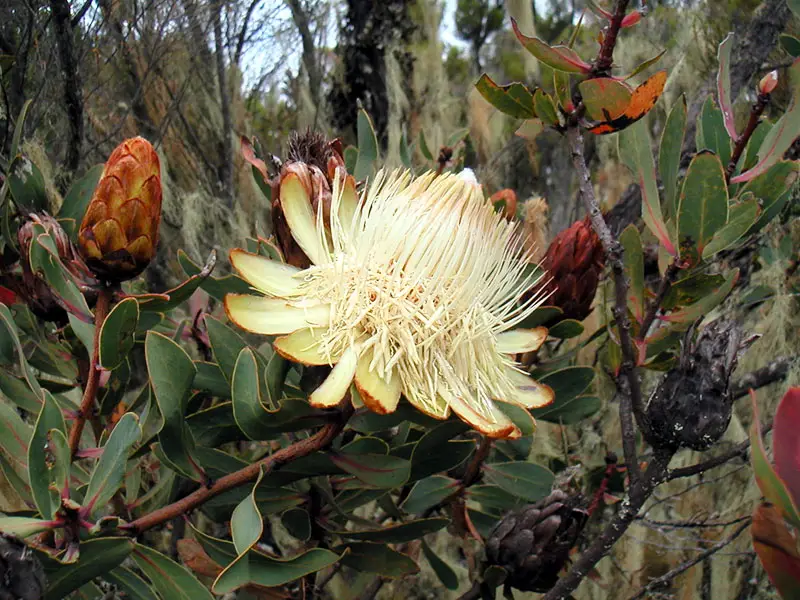
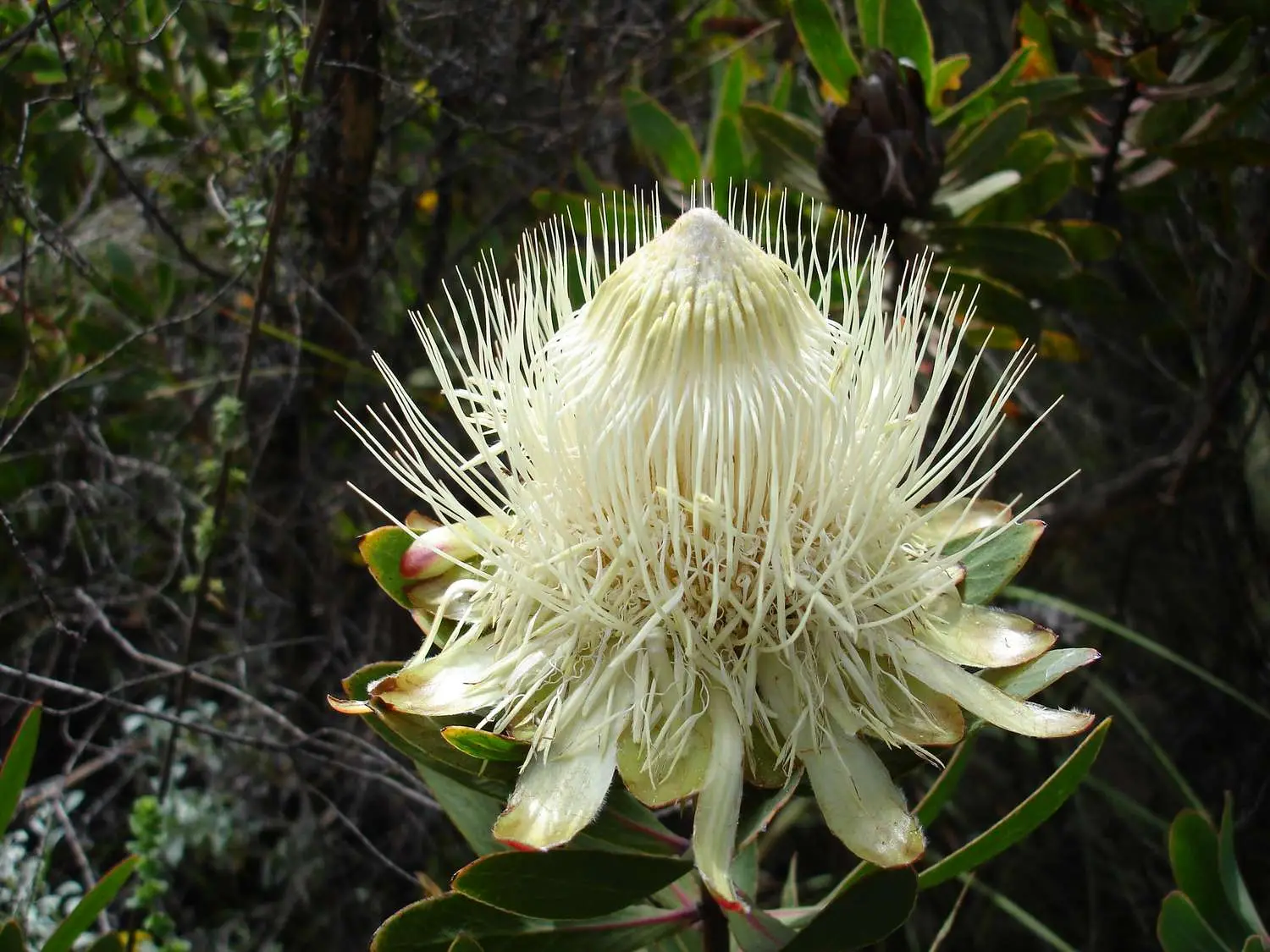
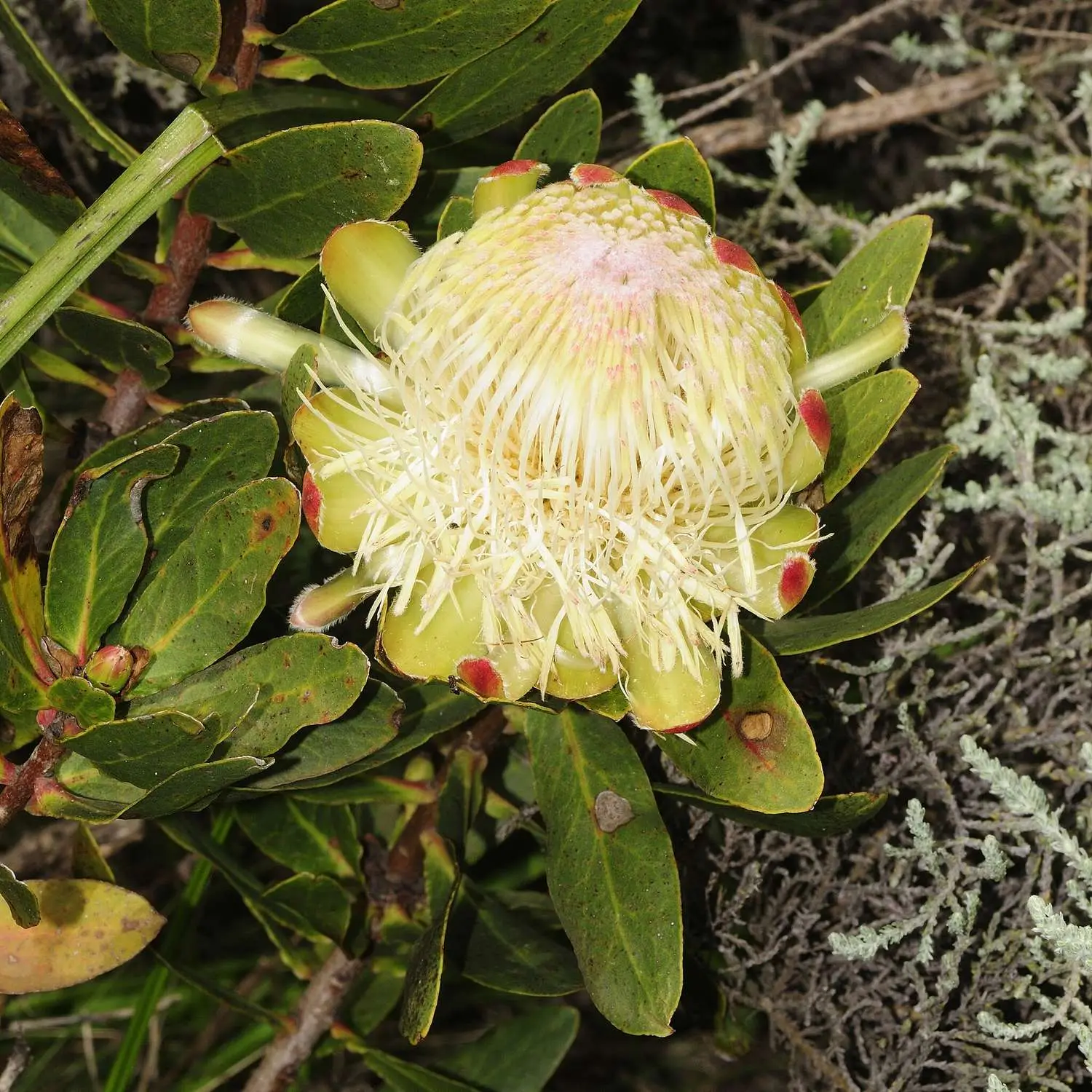
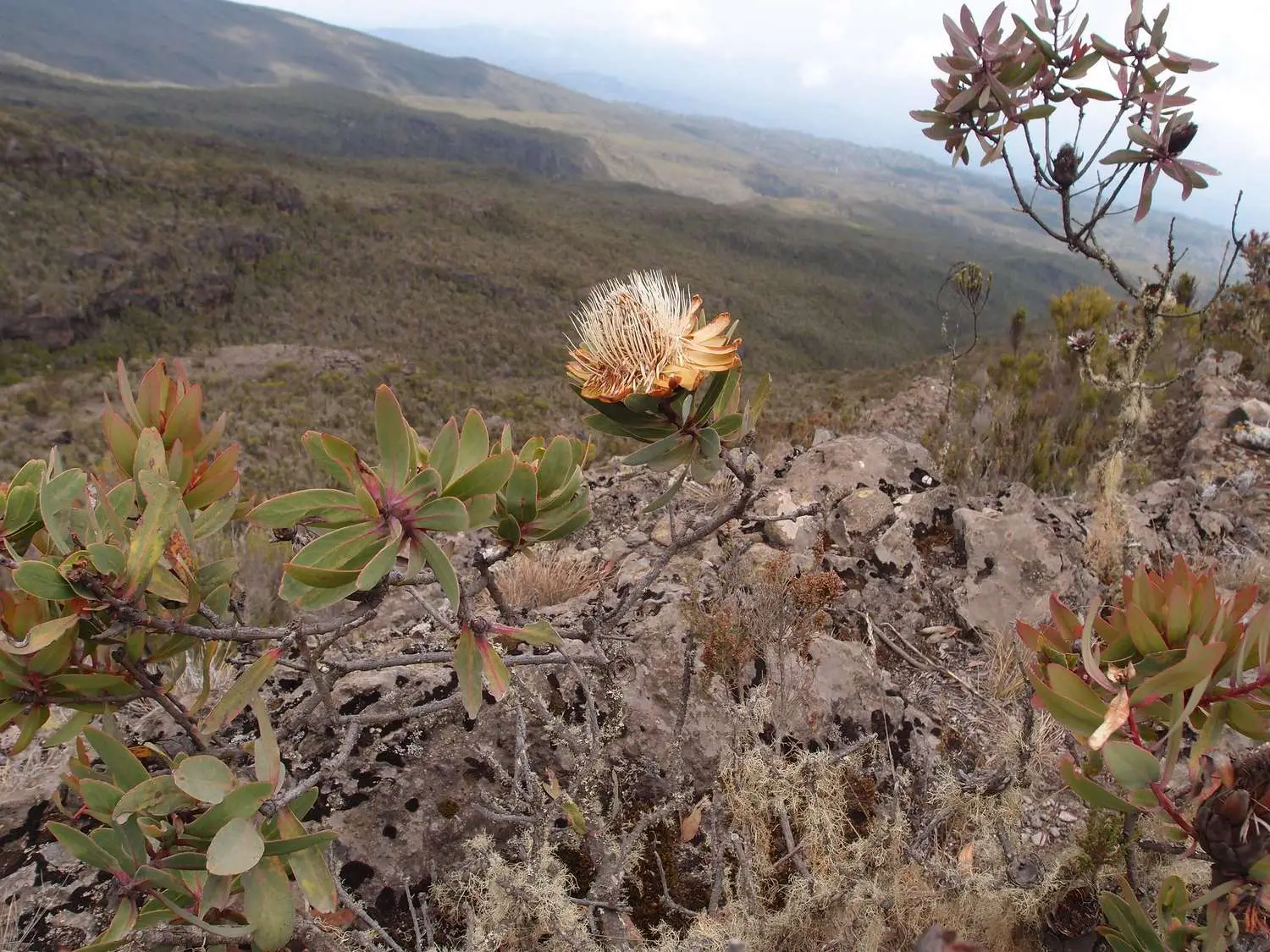
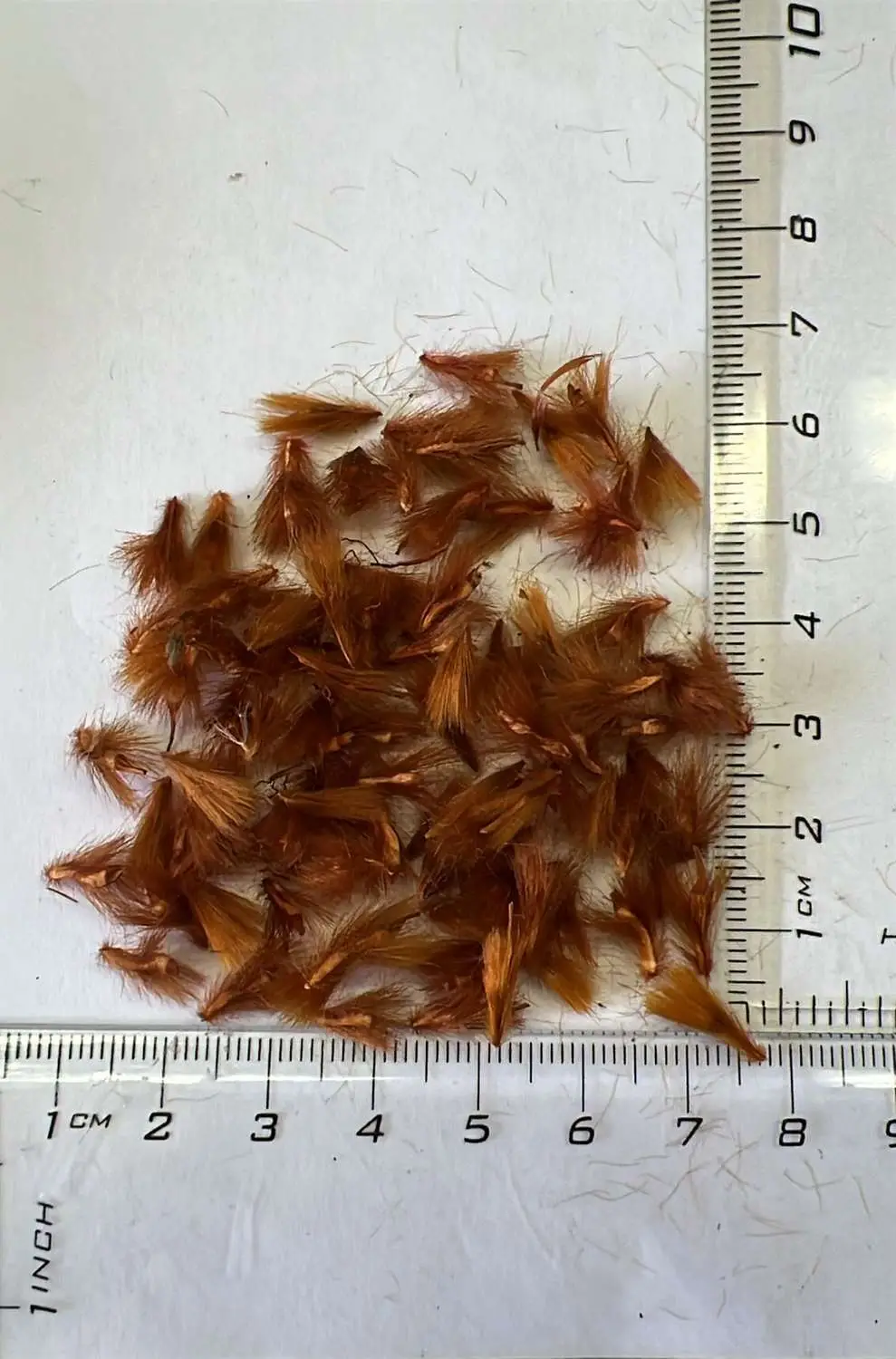
Grow the legendary Kilimanjaro Protea—a cone-flowered marvel with golden blooms and thick, waxy leaves designed to survive extreme elevation. This high-altitude East African treasure has been treasured for generations in traditional medicine and supports alpine pollinators found nowhere else. A true botanist’s prize. Start your seeds today.
€10.39
Imagine a flower that blooms 9,000 feet above sea level, where few plants dare venture. Protea caffra subsp. kilimandscharica is that flower—the Kilimanjaro Sugarbush, a plant born from the most dramatic landscapes on Earth.
Native to the high moorlands and alpine zones of Mount Kilimanjaro and Mount Kenya, this remarkable subspecies thrives where temperatures plummet, moisture vanishes, and wind tests everything. It grows between 2,300 and 3,800 meters elevation in volcanic soils and rocky terrain that would destroy most plants. The very name “Protea” honors the Greek god Proteus, who could transform himself at will—and this genus, ancient and endlessly varied, seems to embody that shapeshifting spirit.
At the heart of this plant lies its most captivating feature: the striking cone-shaped flower heads with soft golden tones, emerging from amongst thick, leathery, dark-green foliage. Those leaves, covered in fine protective hairs, are engineering marvels—they conserve every drop of water and shield the plant from intense alpine sun and bitter cold. The compact, bushy growth form, rarely exceeding 2 meters, lets it laugh in the face of mountain winds. When you grow this protea, you’re cultivating not just a beautiful specimen, but a testament to endurance.
Beyond ornament, the Kilimanjaro Protea has earned deep respect in East African traditional medicine. For generations, local communities have harvested this plant for its medicinal properties—using leaves and flowers in healing preparations passed down through families. Today, botanical researchers continue investigating its pharmaceutical potential, recognizing what traditional knowledge has always known: that plants adapted to extreme environments often contain powerful compounds. Growing this protea connects you to that healing heritage and supports the botanical research that might yield tomorrow’s discoveries. Moreover, its nectar and structure support specialized pollinators adapted to high altitudes—insects found nowhere else on Earth. Your plant becomes a refuge for unique alpine fauna.
Cultivation demands patience and respect. This is not a beginner’s plant—Protea caffra subsp. kilimandscharica requires excellent drainage (sandy, acidic to neutral soil, pH 5–7), full sun exposure, and protection from waterlogged conditions. The species is sensitive to root disturbance, so it thrives best when left undisturbed once established. Seed germination is achievable, though transplanting demands care; we recommend starting seeds directly in well-draining medium and maintaining consistent (not wet) moisture until emergence. Once established, mature plants are exceptionally drought-tolerant and cold-hardy, rewarding the grower’s initial investment with years of alpine beauty. Think of it as growing a meditation on resilience.
To hold a Kilimanjaro Protea seed in your hand is to hold the story of a mountain, the wisdom of traditional healers, and the promise of an extraordinary plant that will remind you daily of nature’s capacity for survival and splendor. Start from seed, nurture with intention, and watch as this iconic East African treasure unfolds in your own garden—a living connection to one of the world’s most magnificent ecosystems.
Only logged in customers who have purchased this product may leave a review.


Reviews
There are no reviews yet.