
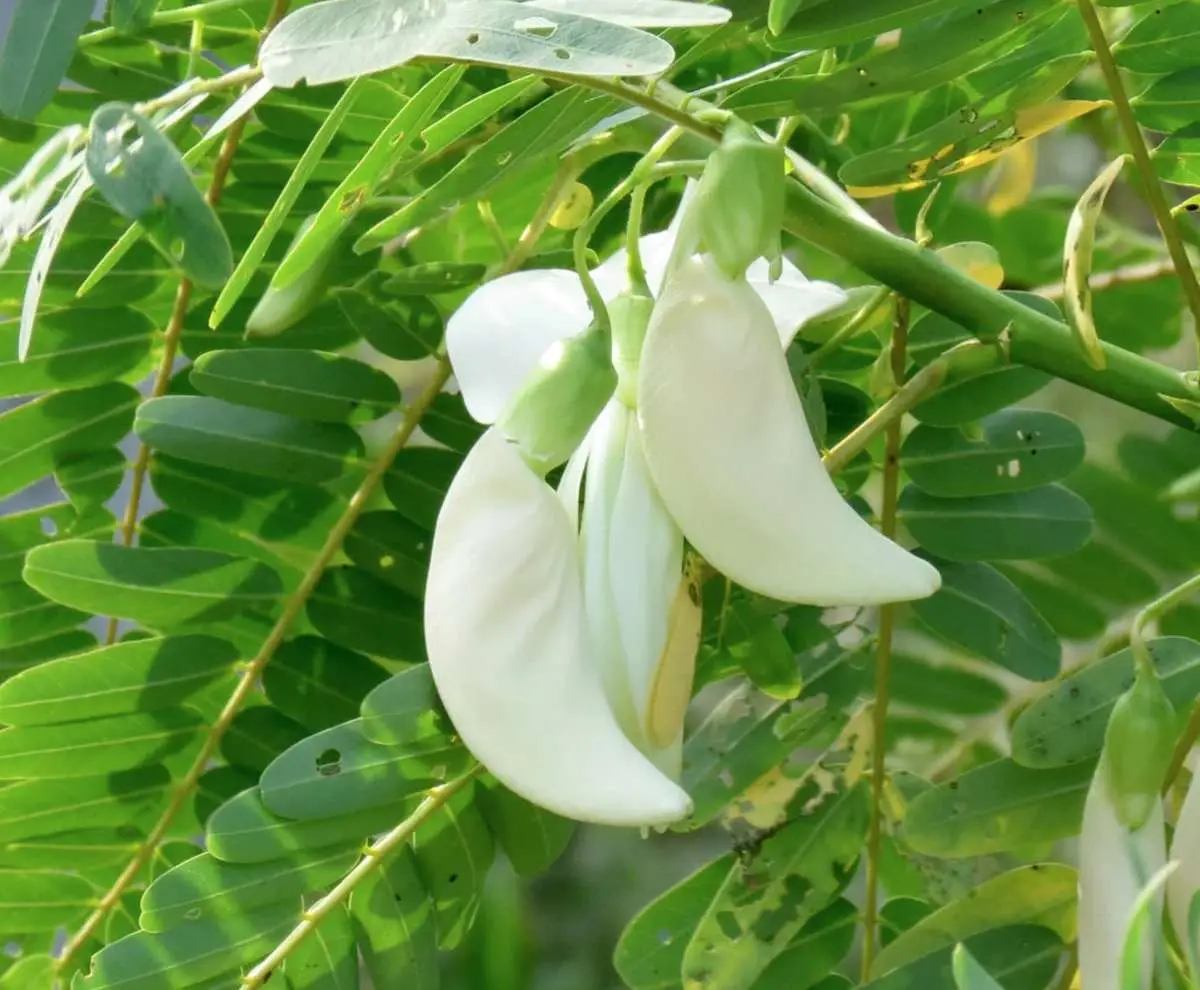
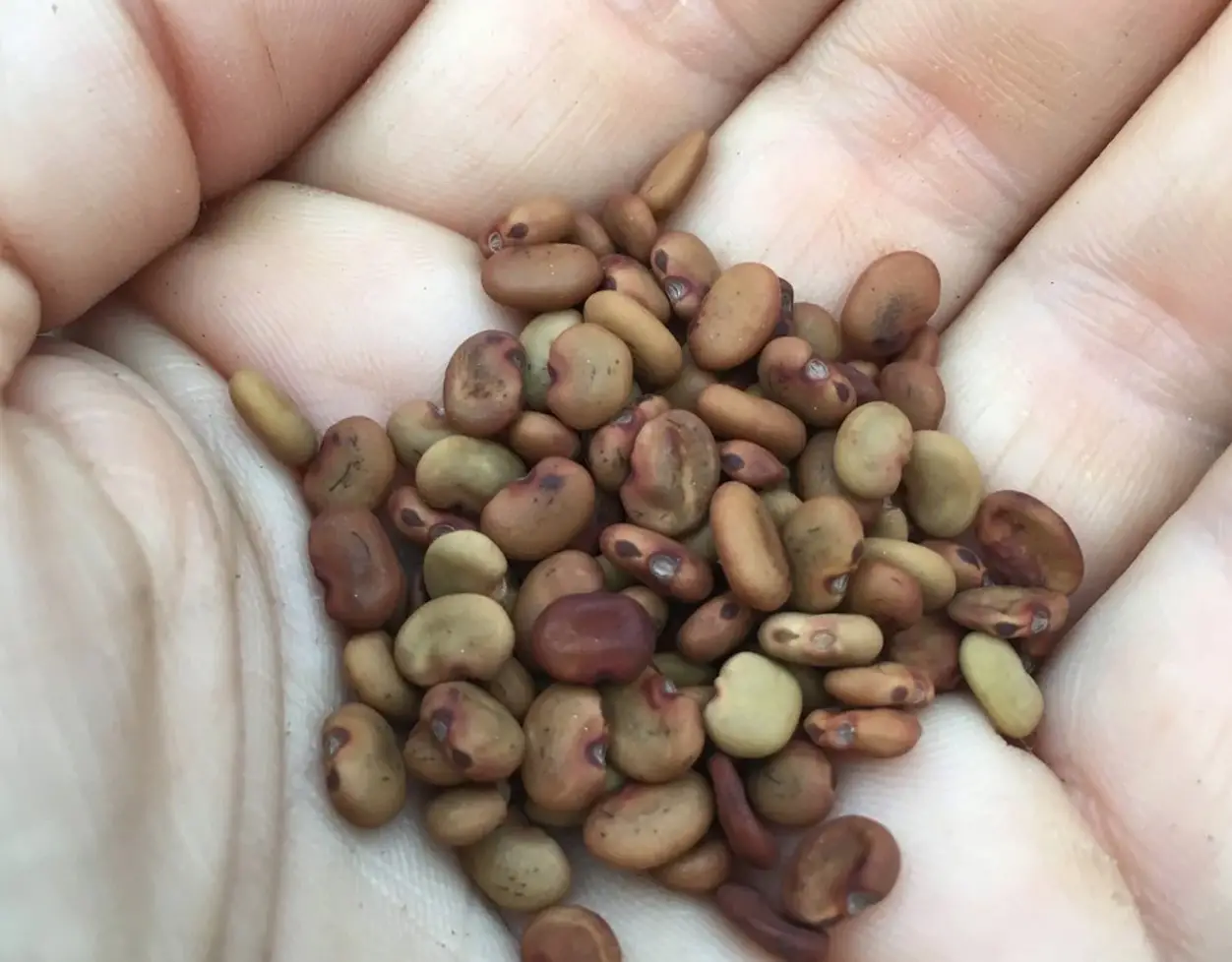
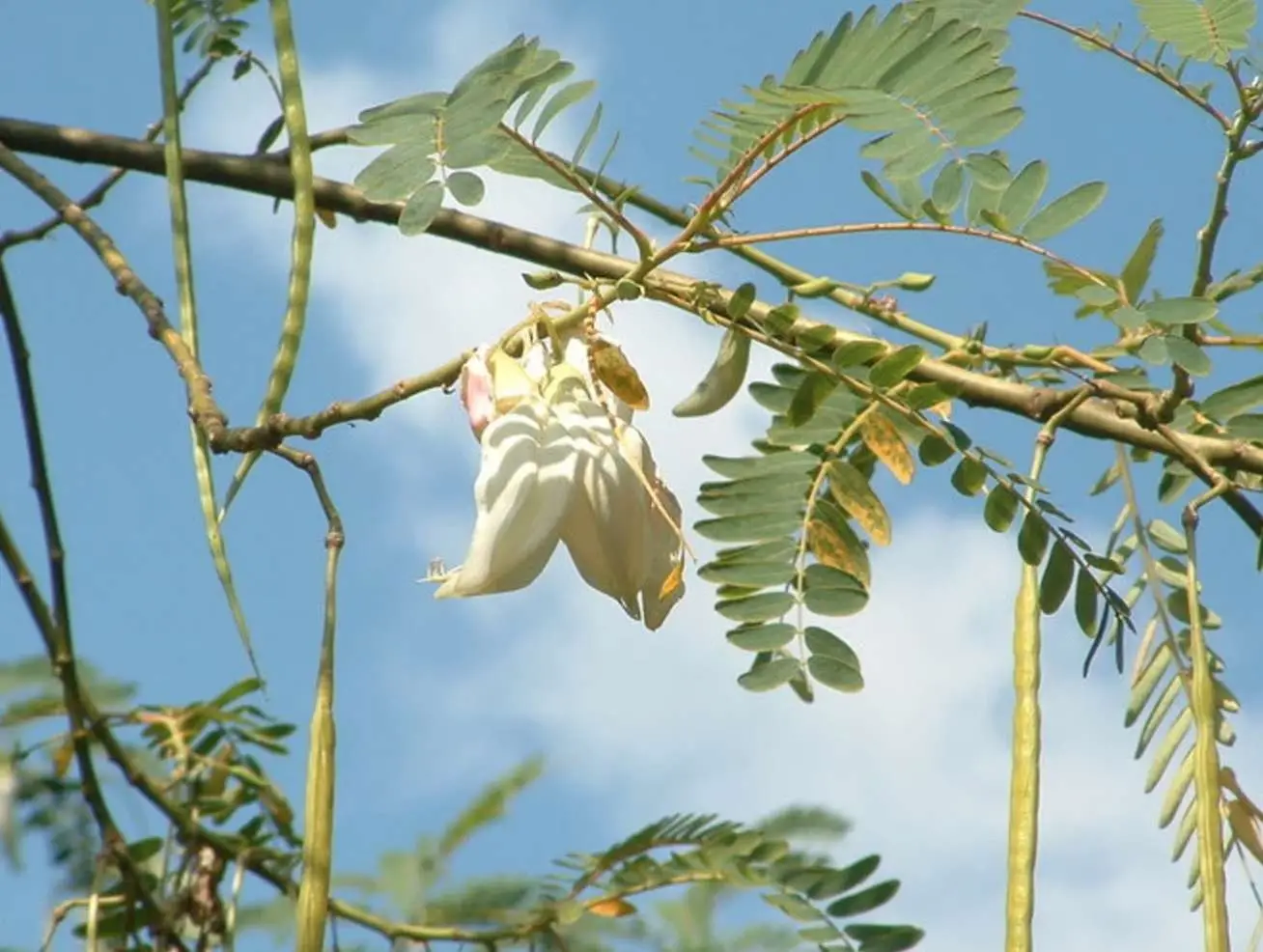
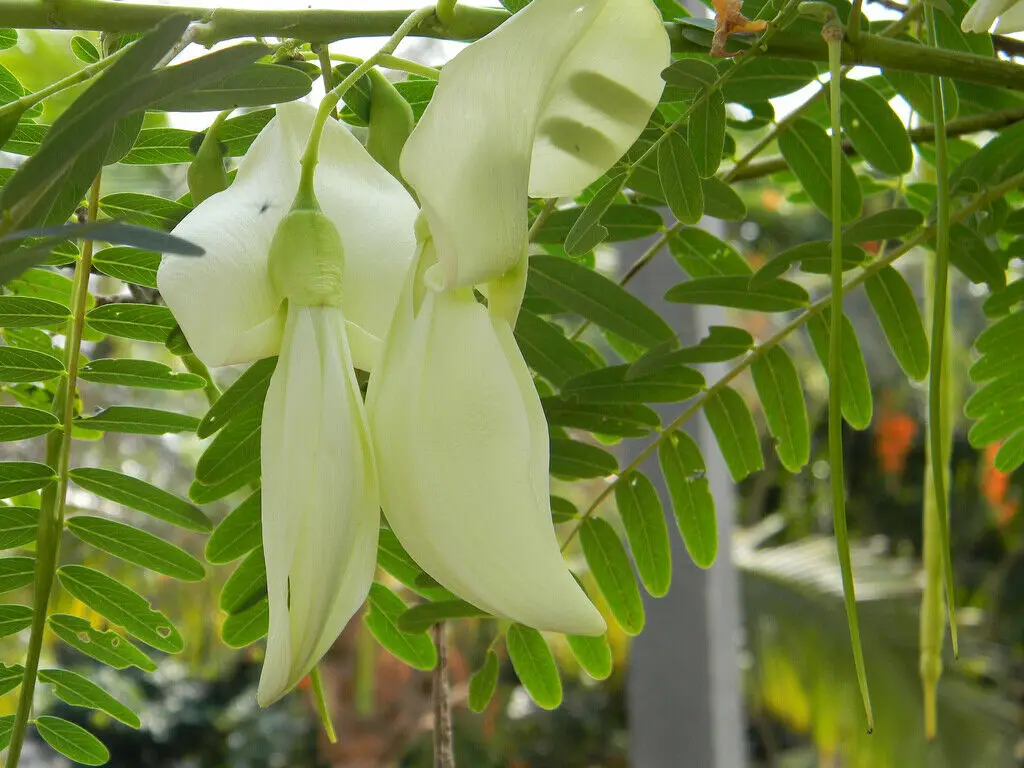
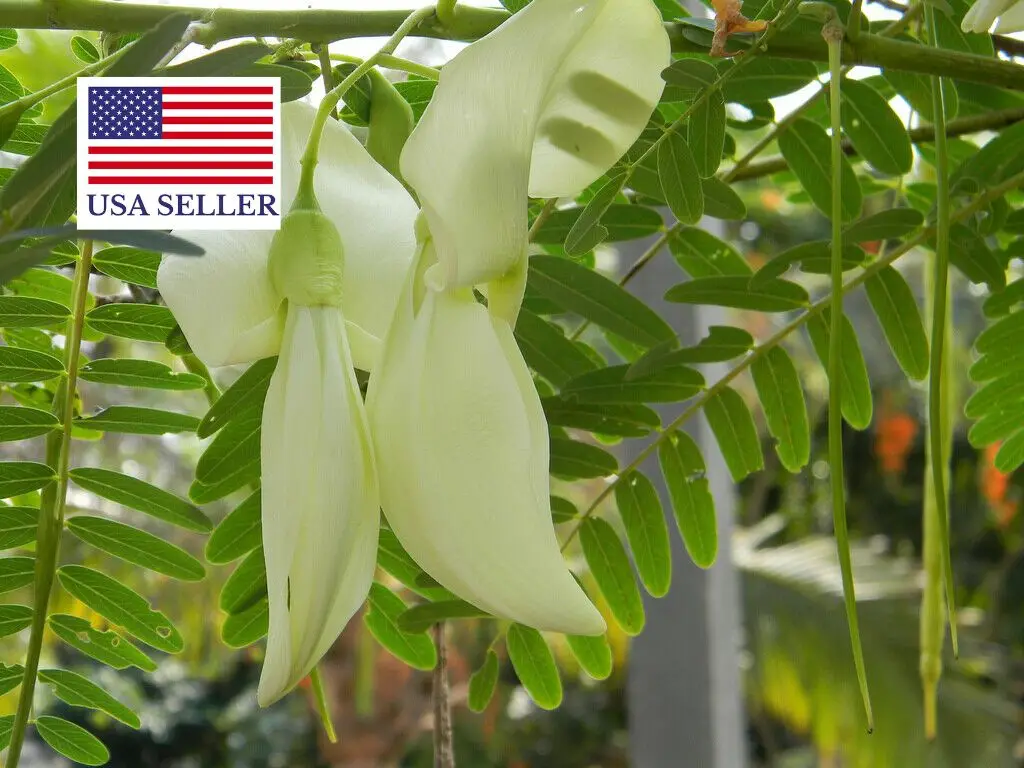
Grow the treasured edible flower of Southeast Asia from seed. White, delicate blossoms with mushroom-like flavor appear prolifically on this fast-growing tree—harvest them fresh for curries, stir-fries, or raw salads. Rich in vitamin C and mineral-dense. Young leaves and tender pods are equally prized. Thrives in warm, sunny locations with moderate water. Ready to flower in its second year.
€1.92
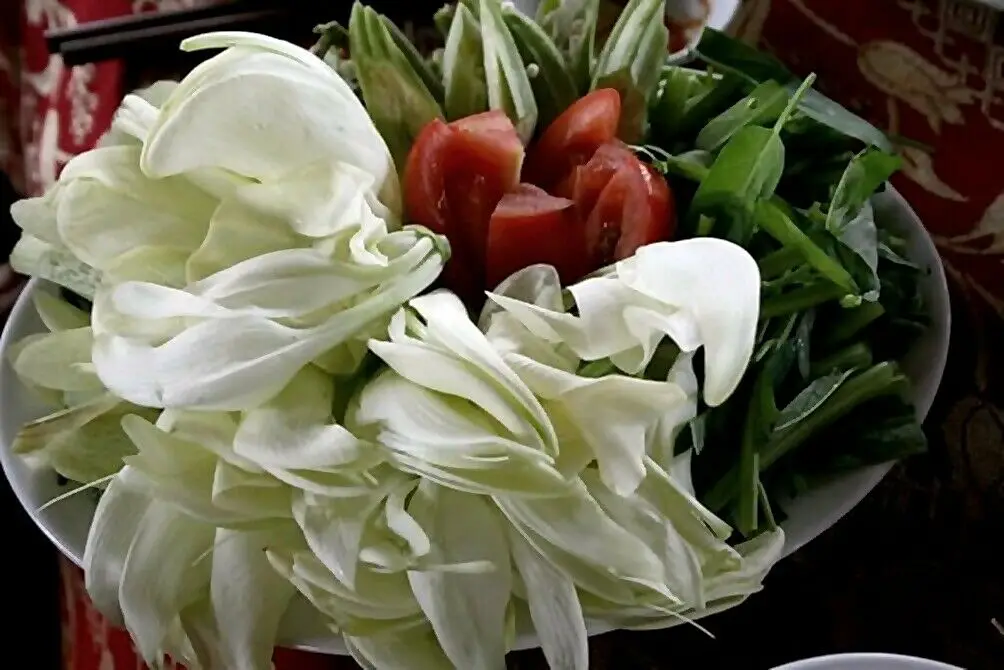
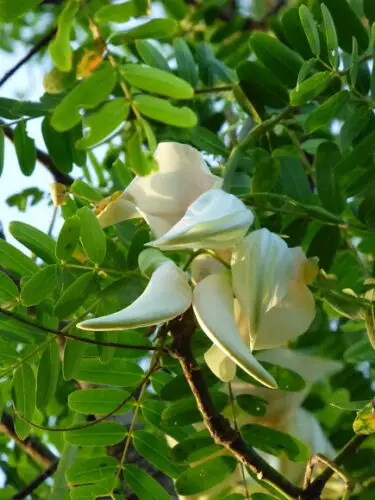
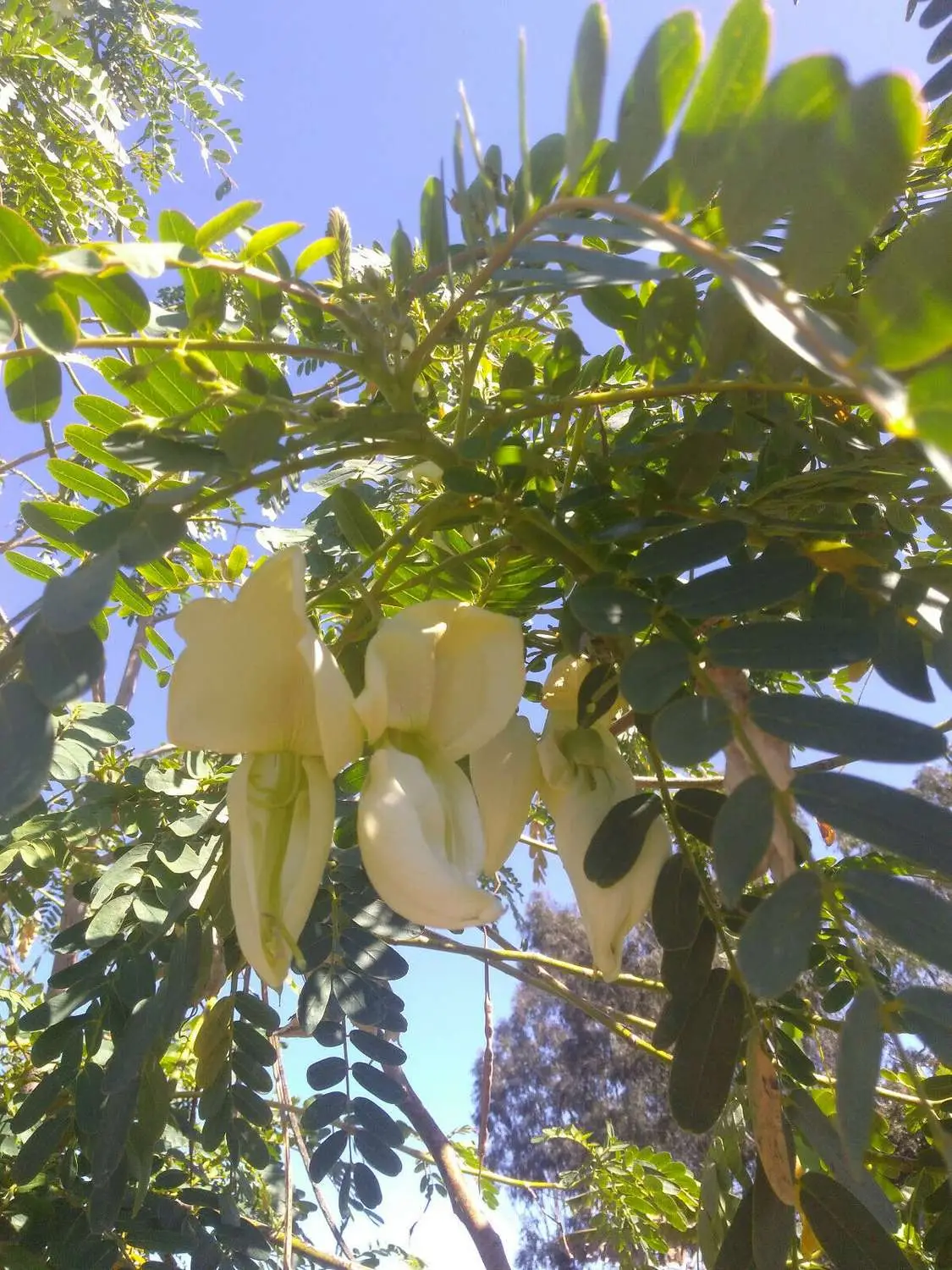
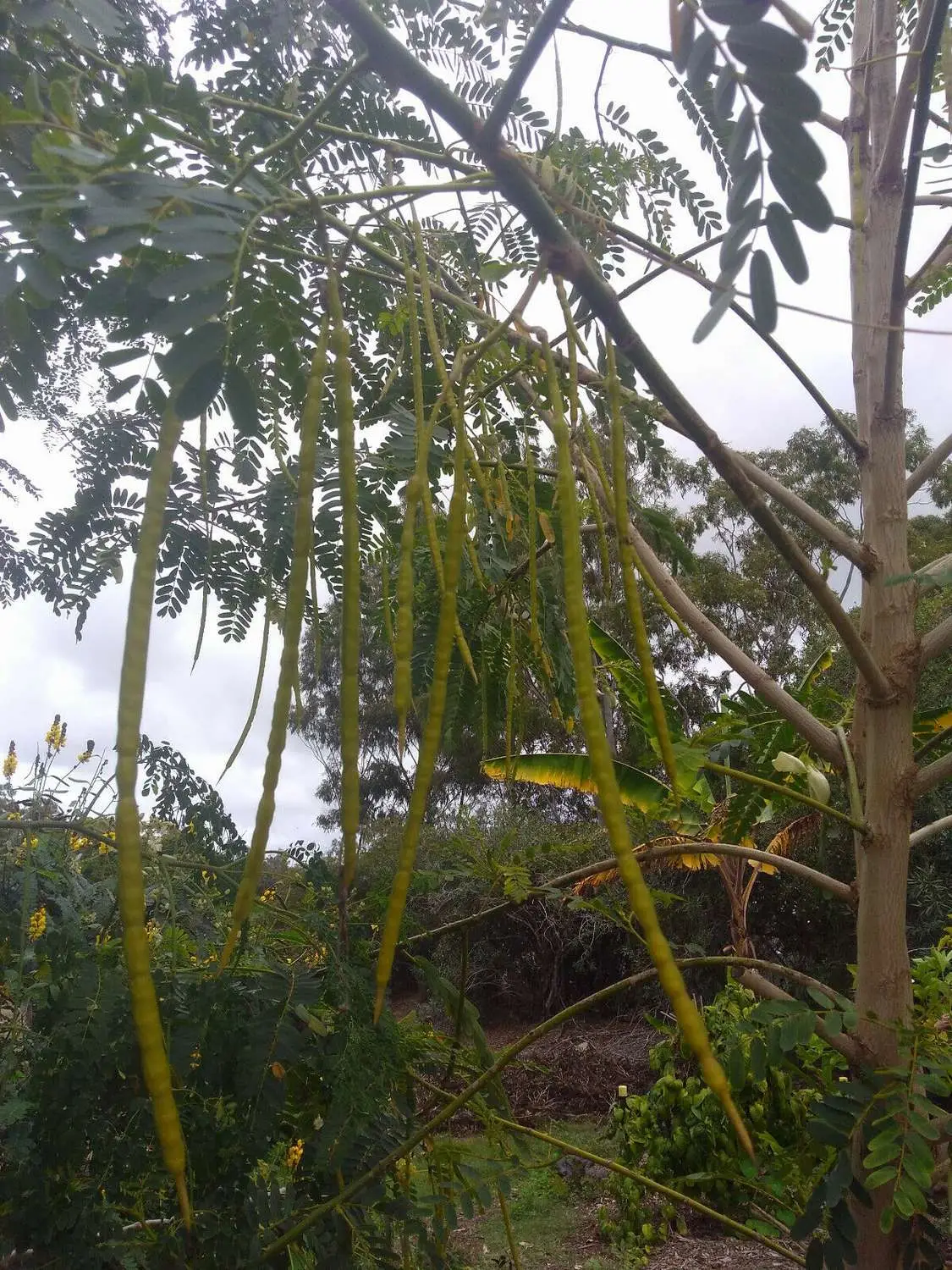
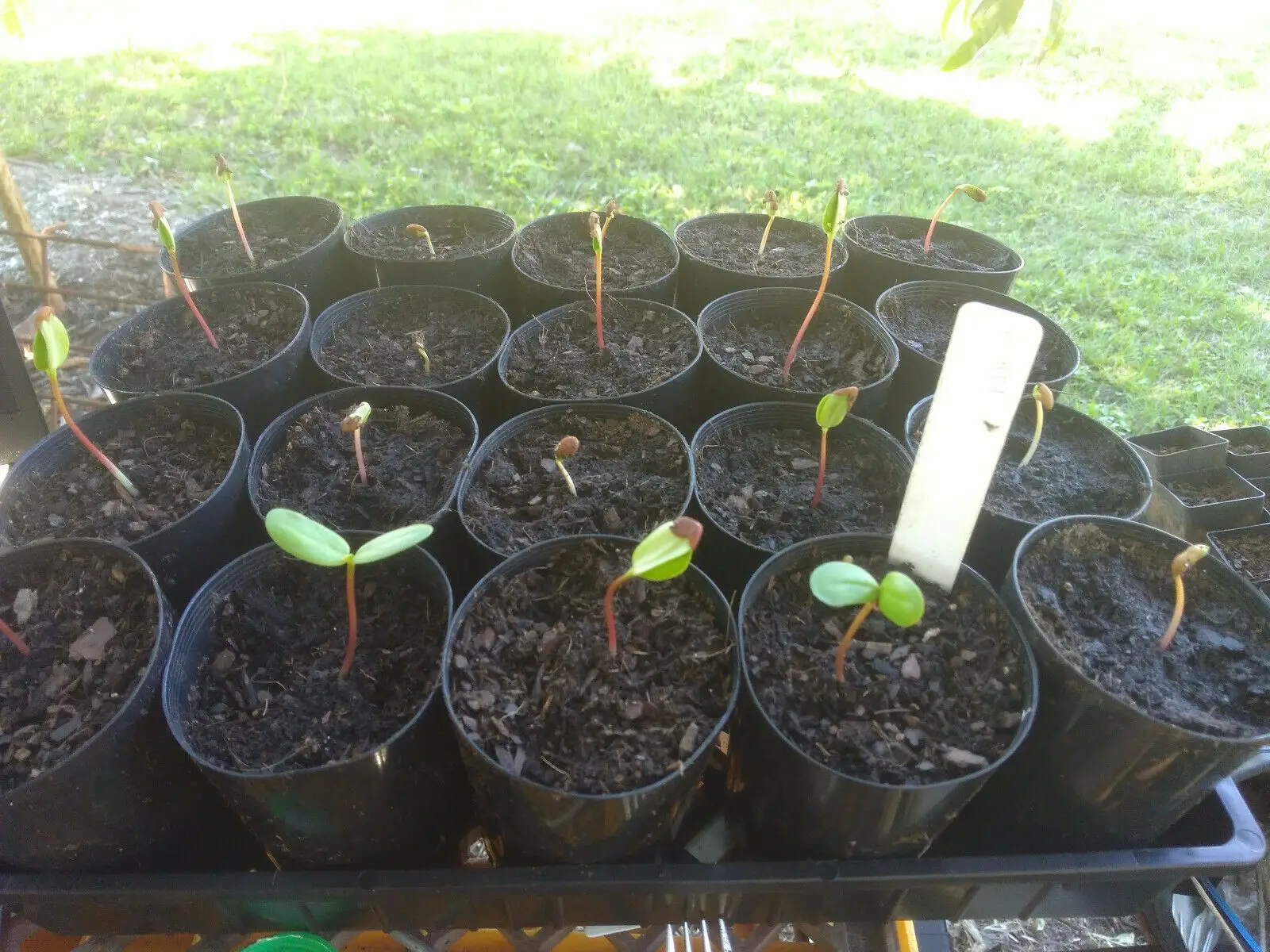
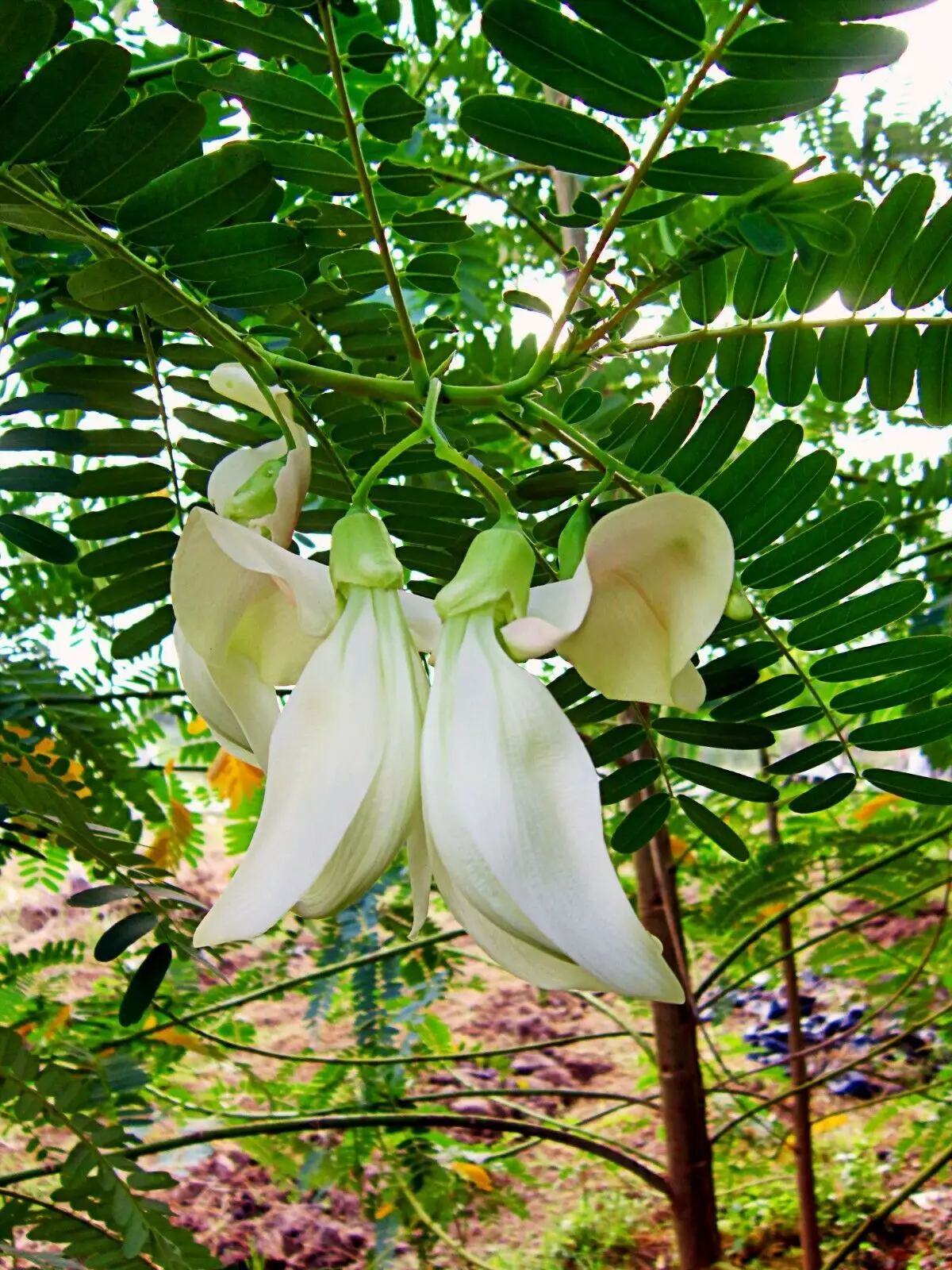
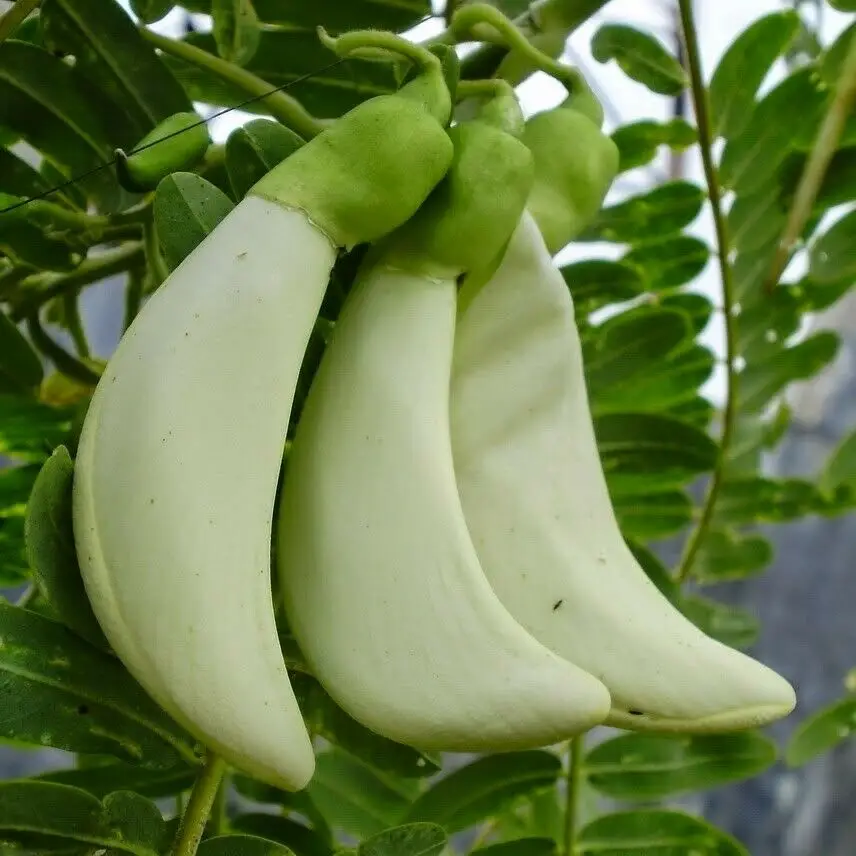
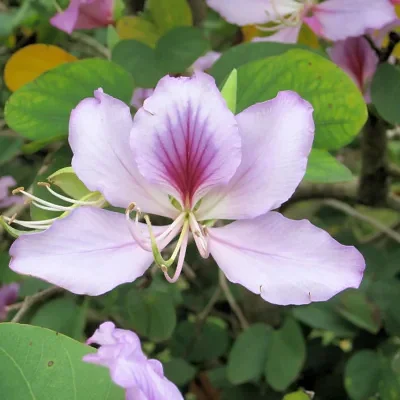
This is the tree Southeast Asia calls by 50 names—and grows for one reason: the flowers. Sesbania grandiflora ‘White’ is a living kitchen garden that bears clouds of ivory blossoms reminiscent of delicate hummingbirds, and every single one is edible. Native to the warm tropics of Malaysia, Indonesia, and the Philippines, this species has traveled the globe wherever chefs and gardeners understand real luxury: food that feeds both hunger and beauty. What makes this tree extraordinary is not one thing, but its multiplicity—a rare quality in the plant world. The white-flowered variety commands reverence across Indian, Thai, Cambodian, and Sri Lankan cuisines, where these flowers are considered a delicacy worthy of special occasions and temple offerings. In India, the flowers bloom during Sharad Ritu (August), earning them the sacred name Agastya Phool—flowers of the season of awakening. What makes the edible flowers truly special is their nutritional density and distinctive flavor profile. Tender blossoms—preferably gathered before the stamen unfolds—deliver a subtle, mushroom-like taste with natural sweetness and mineral complexity. In 100 grams of flower, you receive 88% of your daily vitamin C requirement, plus significant folate, and a surprising spike of iron for such a delicate bloom. Simply blanch them in boiling water for barely a minute, batter and deep fry them as pakoras, toss them raw into salads, or simmer them into silky curries with coconut milk. The unopened buds are prized; remove the bitter stamen before cooking and what remains is pure umami-tinged luxury. But the flowers are just the beginning. The young leaves—soft, rounded, pinnately compound—deliver 36% crude protein by dry weight, making them as nutrient-dense as cultivated spinach or kale. Stir-fry them with mustard seeds and garlic. The tender, newly formed pods (called katurai in some regions) stretch to impressive lengths and cook like string beans, absorbing flavors generously. From flower to leaf to pod, Sesbania grandiflora ‘White’ is edible from top to bottom—a total-utilization plant that respects no waste. Cultivation is refreshingly straightforward for such a visually spectacular tree. It craves sunlight and warmth; in tropical and subtropical zones (USDA 9 and above, ideally 10-11), it becomes nearly foolproof. Plant in moist, well-drained soil rich with organic matter, though this tree tolerates poor soils with remarkable grace—thanks to its nitrogen-fixing legume root system, it actually improves soil fertility over time. Water consistently during establishment; once mature, it tolerates drought reasonably well. The tree grows at astonishing speed—3+ meters in its first year under good conditions—making it suitable even for large container cultivation in mild climates. From seed, expect first flowers in the second year. The tree prefers regular warmth (ideally 22-30°C), resists waterlogging through adventitious roots that form when flooded, and thrives in humid tropical environments. Full sun is non-negotiable; it cannot produce those abundant, luminous flowers in shade. Begin your edible flower revolution with these seeds. In two years, you will harvest your first blooms—delicate, nutrient-dense, steeped in culinary tradition, and purely yours. Grow Sesbania grandiflora ‘White’ and you grow not just a tree, but centuries of Southeast Asian wisdom, condensed into petals.
Only logged in customers who have purchased this product may leave a review.
Reviews
There are no reviews yet.