
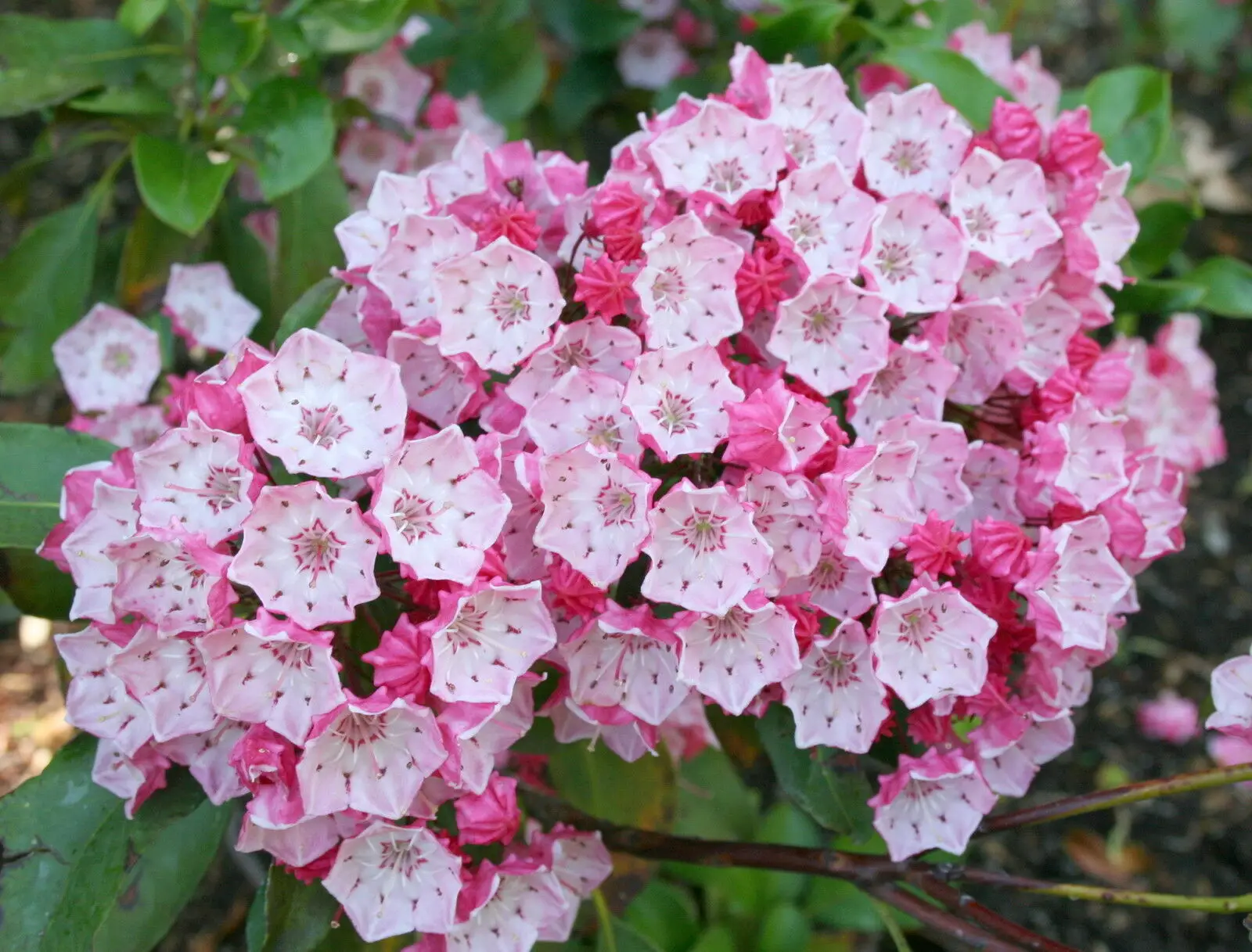
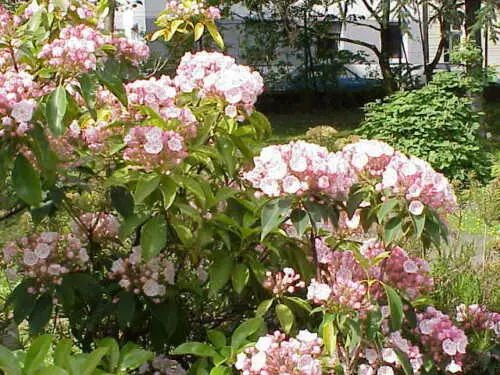
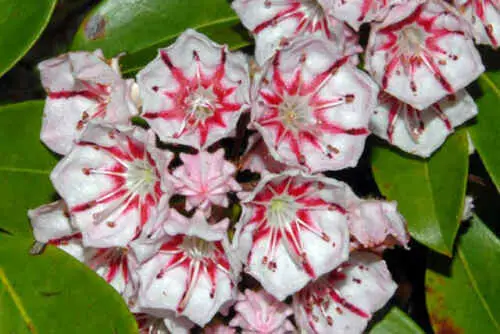
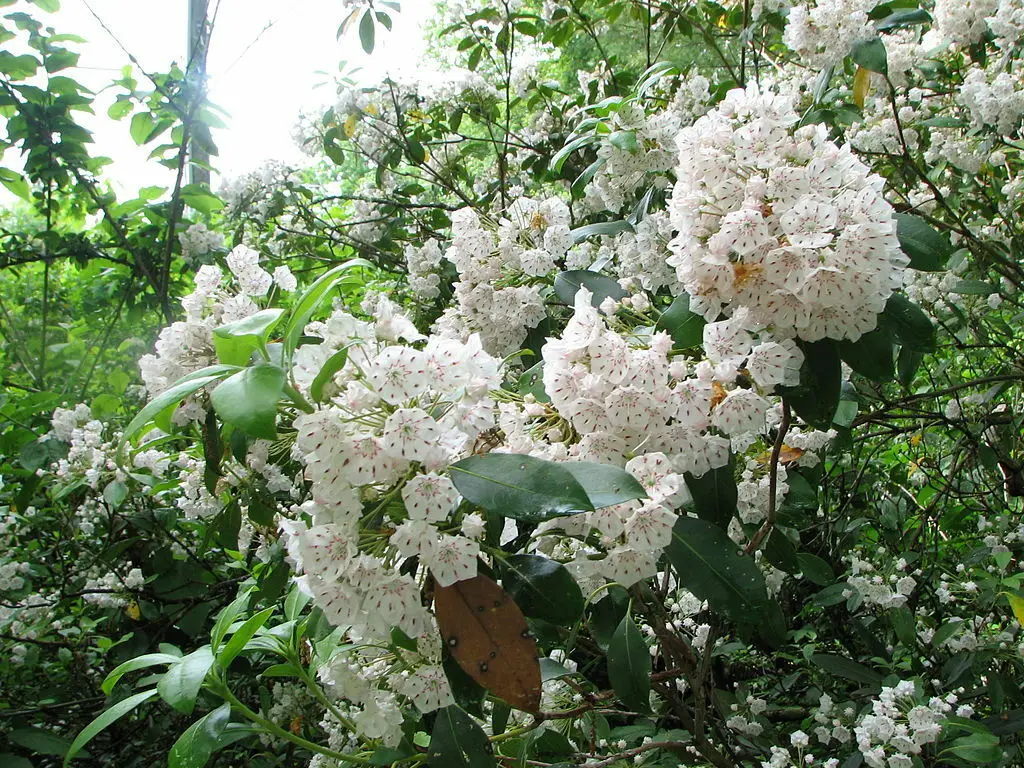
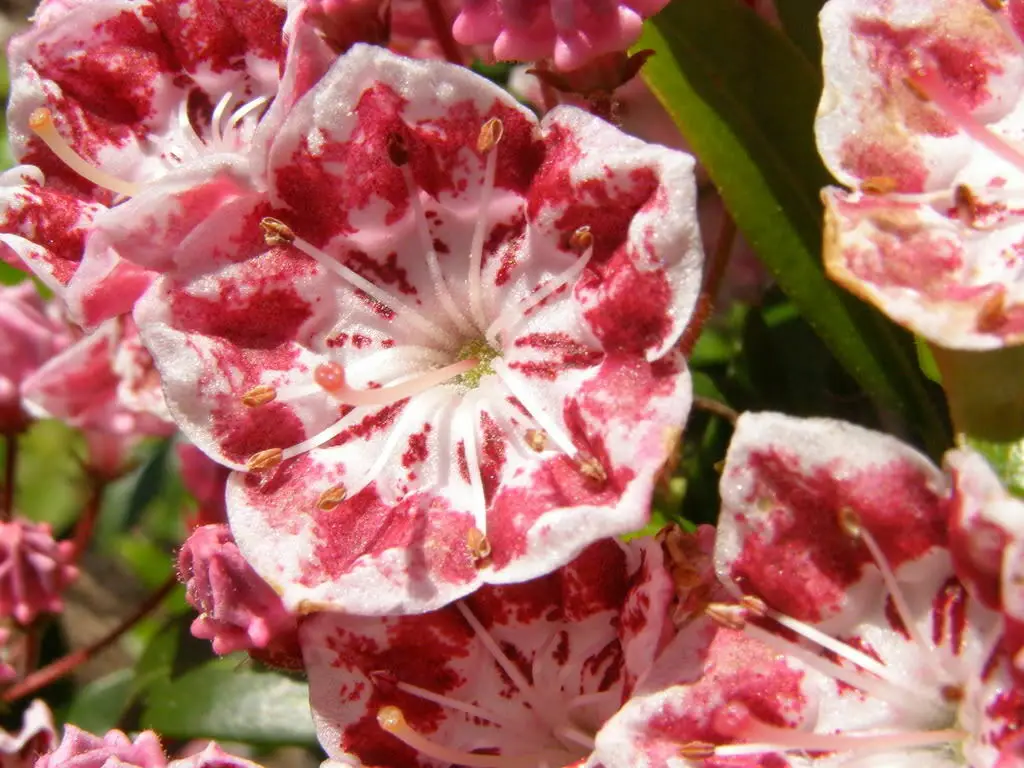
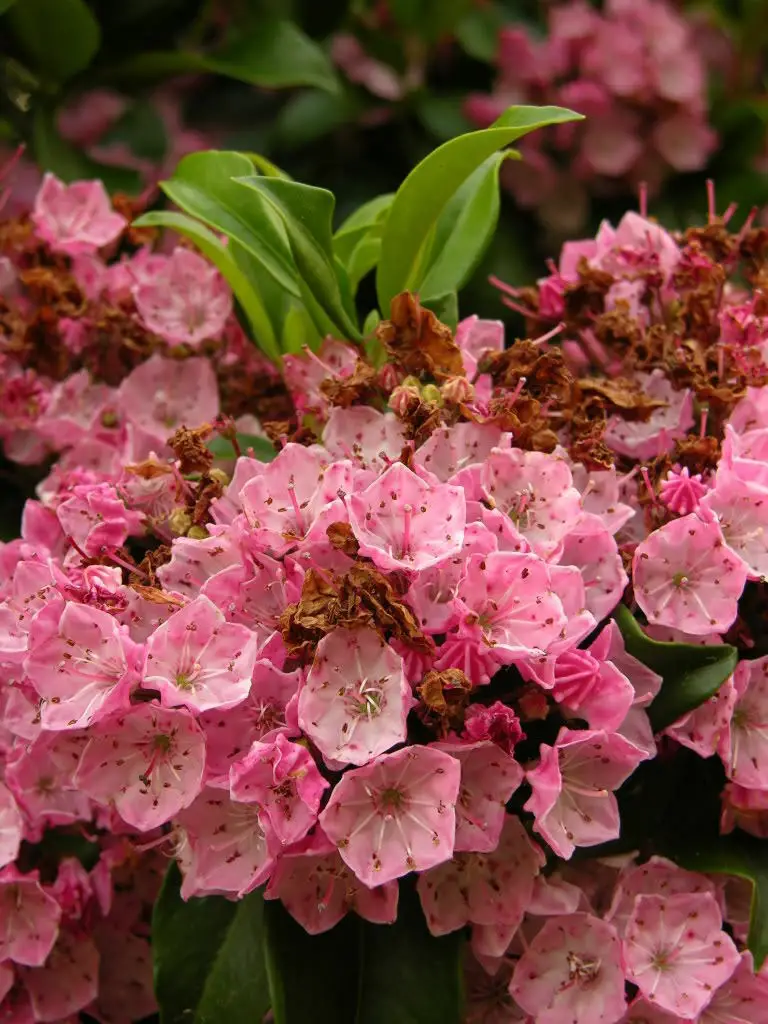
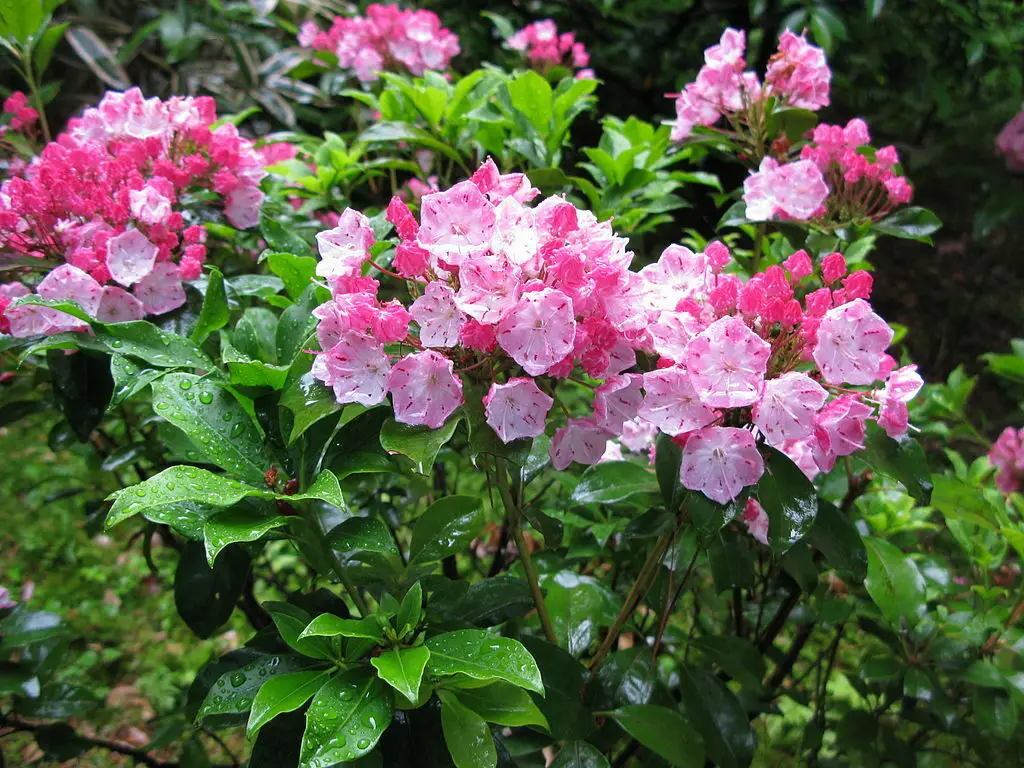
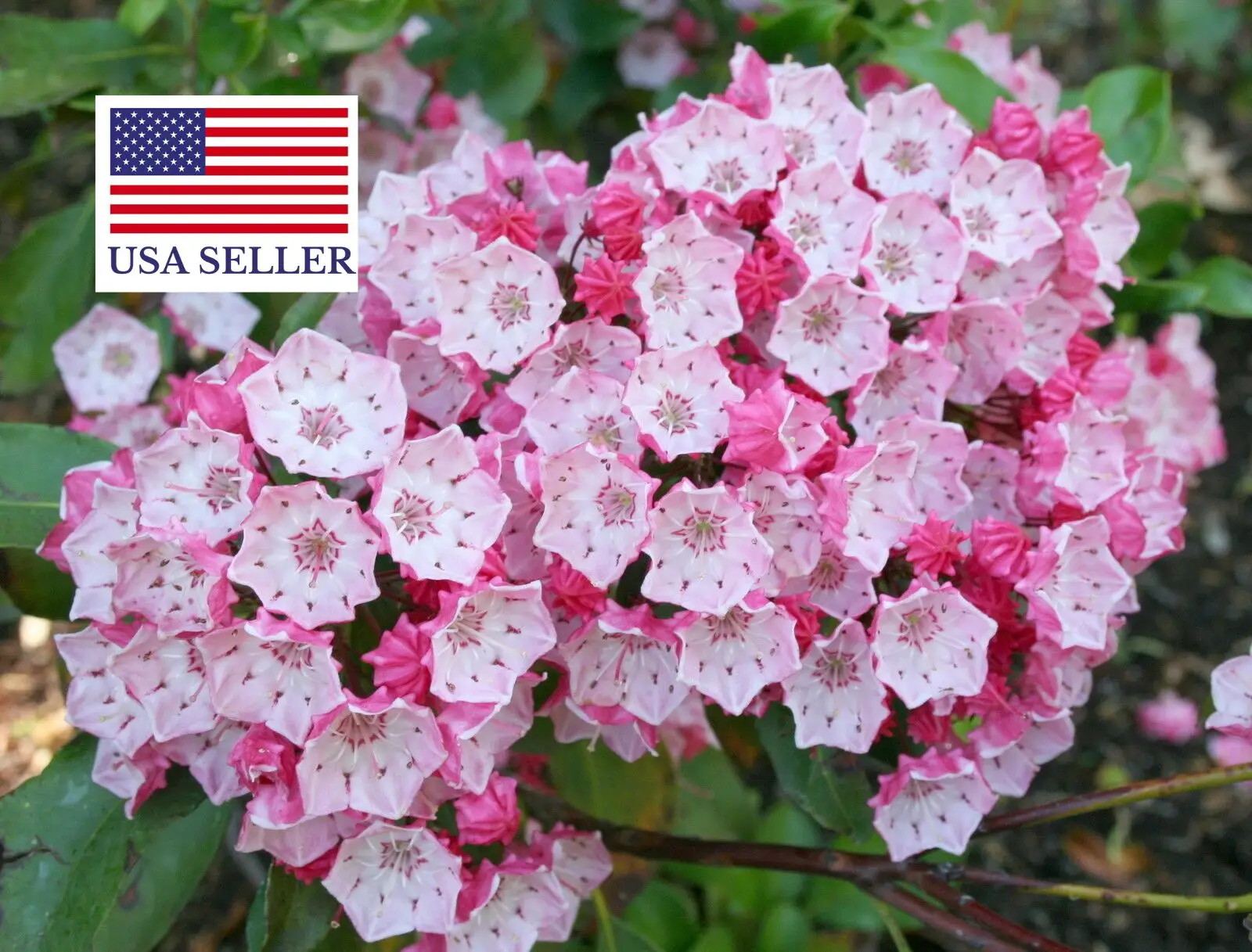
Witness perfection unfold each spring: bell-shaped flowers in soft pink and white, bursting from deep rose buds in spectacular clusters that seem almost too delicate to be real. Kalmia latifolia is the iconic mountain laurel, with glossy evergreen foliage that transforms through the seasons and an ingenious pollinator-attracting mechanism that fires pollen when bees visit. Hardy, relatively low-maintenance, and grown from seed for maximum satisfaction. Wat
€1.92
Kalmia latifolia crowns eastern North American forests with spectacular clusters of intricate pink bowl-shaped flowers that seem too perfect to be real. This is the plant that made gardeners gasp in wonder since colonial times, and now you can grow it from seed in your own garden.
This iconic Appalachian shrub has captivated gardeners since colonial times with its evergreen foliage and late spring floral fireworks. As Pennsylvania’s state flower, it symbolizes the beauty of the region’s mountain forests and the artistry of natural selection in shaping complex floral mechanisms. The state flower of Connecticut and Pennsylvania, Kalmia latifolia is a striking broadleaf evergreen shrub or small tree native to eastern North America. When you choose mountain laurel, you’re not simply planting an ornamental—you’re bringing home a piece of America’s wild heart.
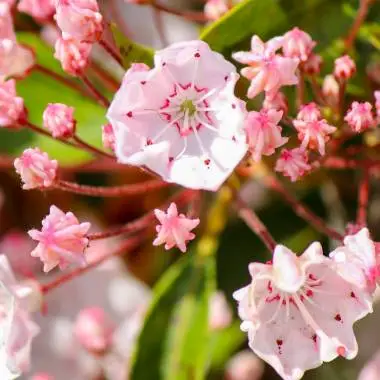
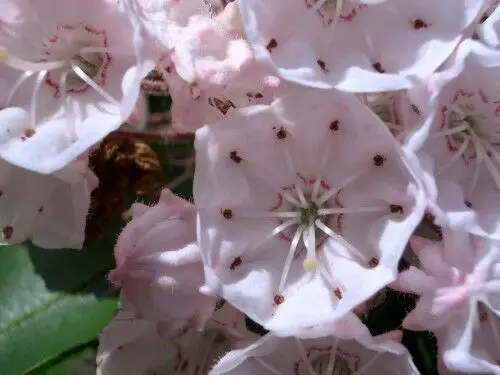
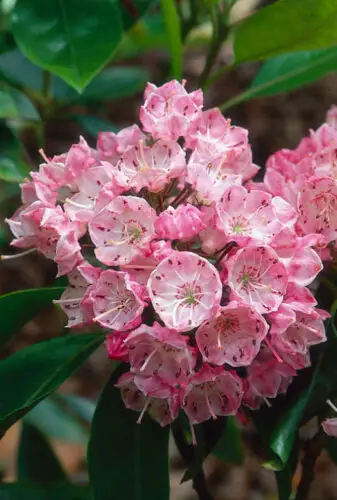
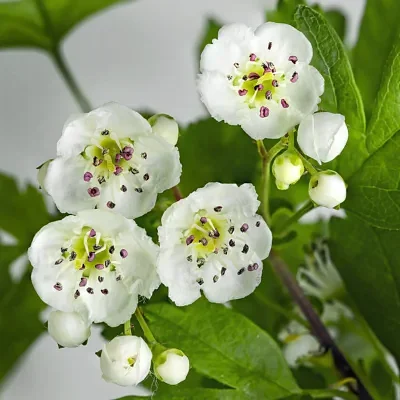
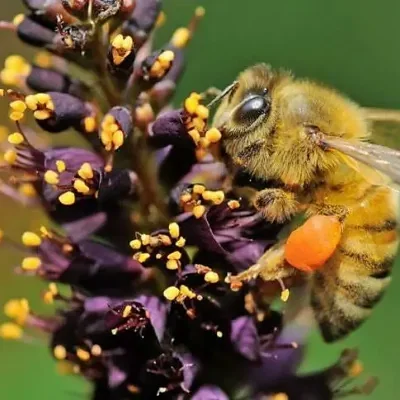
**The Flowers Are Where Magic Happens.** In late spring to early summer, it dazzles with clusters of bell-shaped flowers, opening from deep pink buds to reveal pale pink or white petals adorned with rose markings. But here’s what makes Kalmia latifolia truly special: the stamens of the flowers have an odd, springlike mechanism which spreads pollen when tripped by a bee. Watch bees trigger these miniature mechanisms and dust themselves with pollen—it’s a botanical theatre that never stops amazing. Kalmia latifolia produces exquisite clusters of delicate, fused-petal blossoms that resemble tiny origami rice bowls. When the buds burst open in May or June, the branches are virtually obscured by blooms. They can range from white to pink to deep rose and are distinctively tattooed with symmetrical maroon or purple dots or streaks. Its average flowering time is four to six weeks.
Beyond the flowers, its glossy, leathery leaves transition from light green to deep green to purplish hues throughout the year, ensuring year-round visual interest. Its leathery deep green foliage provides a welcome sign of life. Even in the coldest winter weather, when rhododendron leaves have curled in on themselves, mountain laurel remains bravely open to the elements.
**Growing Kalmia Latifolia: Easier Than You’d Expect.** Easy to cultivate, Kalmia is, however, demanding regarding soil type: it requires acidity! The good news? In places where Rhododendron and other ericaceous plants are growing successfully, Kalmia can be grown easily. They sustain more sunlight and can stand with less moisture. Mountain Laurel thrives in well-draining, acidic soils with a pH between 5.0 and 6.5. It prefers partial shade to dappled sunlight, though it can tolerate full sun in cooler climates. Established plants are tolerant of drought conditions but do best when soils are kept moist but not wet. Mountain Laurel and most of its cultivars can survive in very infertile soils but will thrive with moderate fertilization. The plant is generally robust and pest-resistant when cultural conditions are optimal. Once established, it asks very little and gives endlessly.
**From Seed to Sanctuary.** Growing Kalmia latifolia from seed connects you directly to the wild. K. latifolia has been cultivated since the early 18th century, at which time it was introduced to England as an ornamental plant for flower gardens. Around 80 cultivars have since been developed, many originating in the 1960s at the Connecticut Agricultural Experiment Station by Dr. Richard A. Jayes, a horticulturalist devoted to studying mountain laurel. Your seed will grow into a living link to that heritage, year after year r
Only logged in customers who have purchased this product may leave a review.

Reviews
There are no reviews yet.