Description
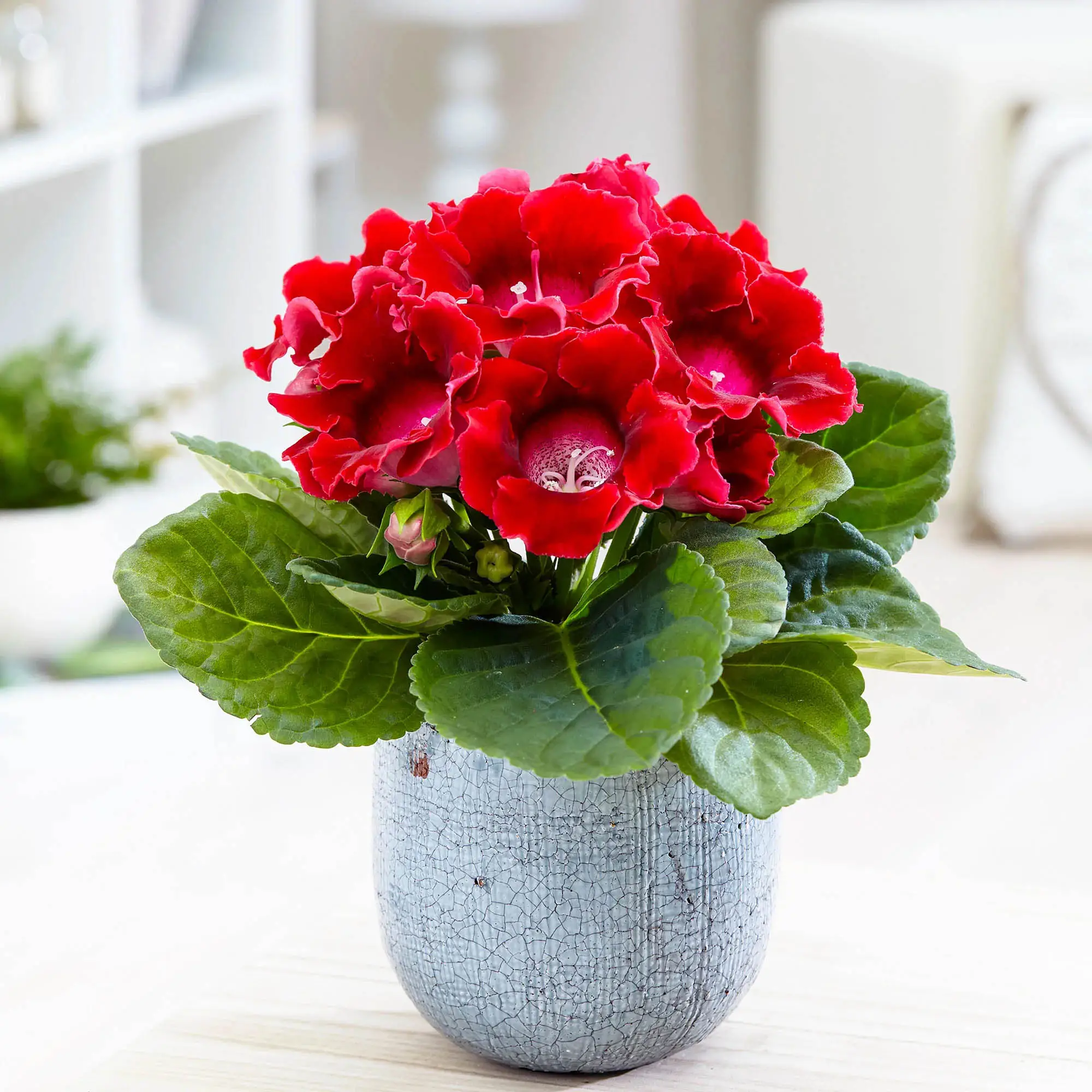
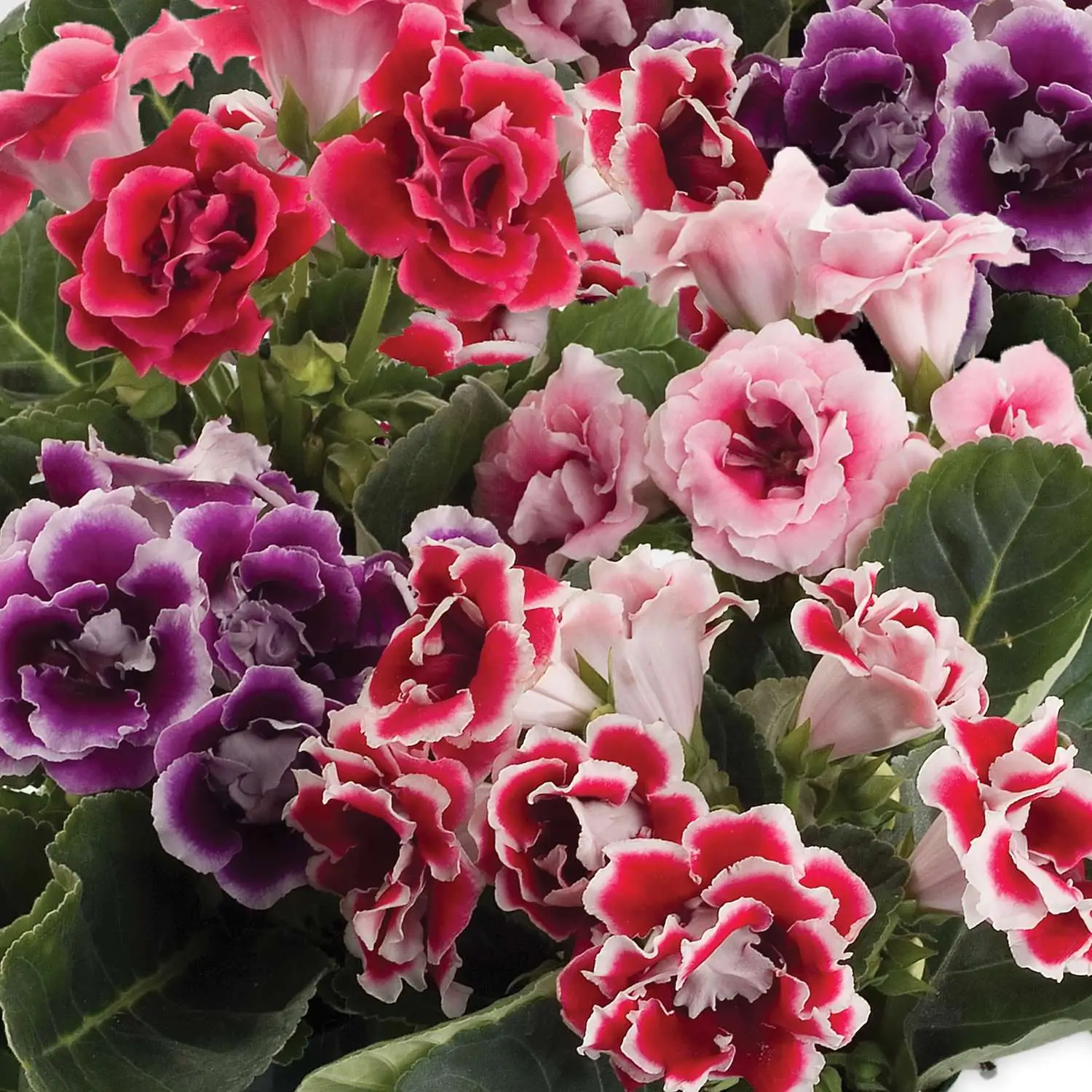
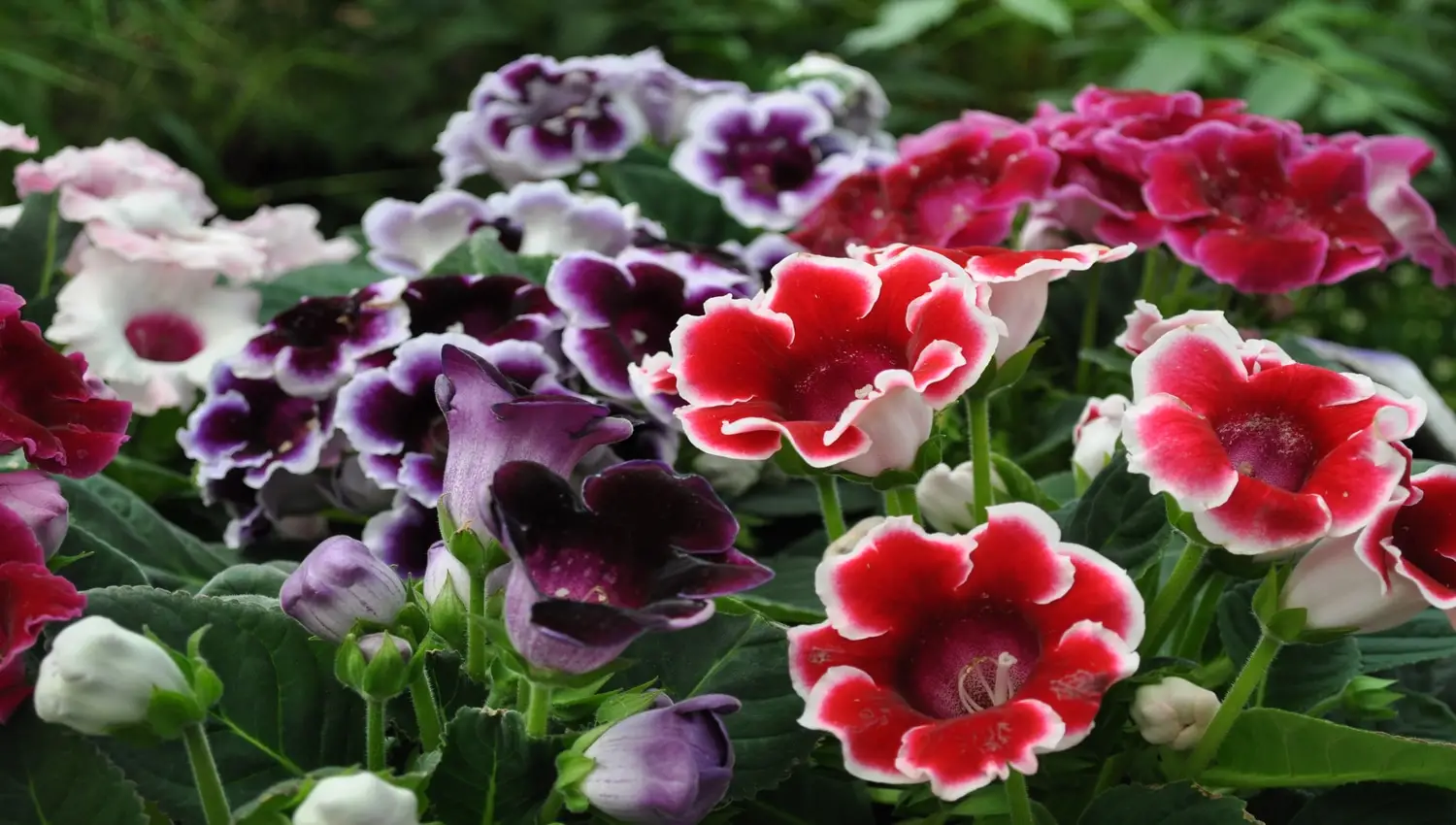
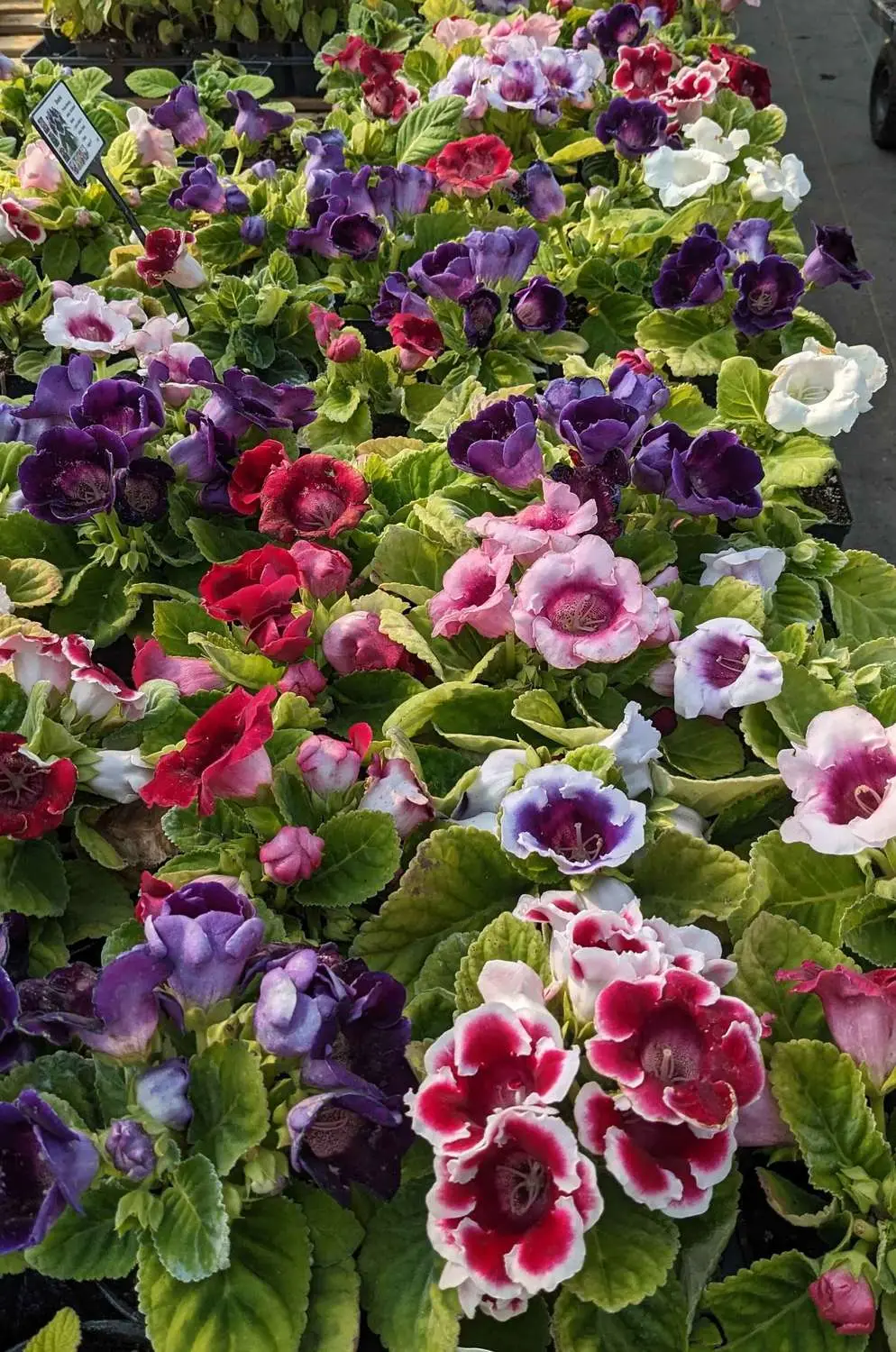
Showy, dwarf, compact plants with small foliage with rich blooms. Ideal for indoor floral sales and as a gift item. Fashionable and ontrend in today’s interiors.
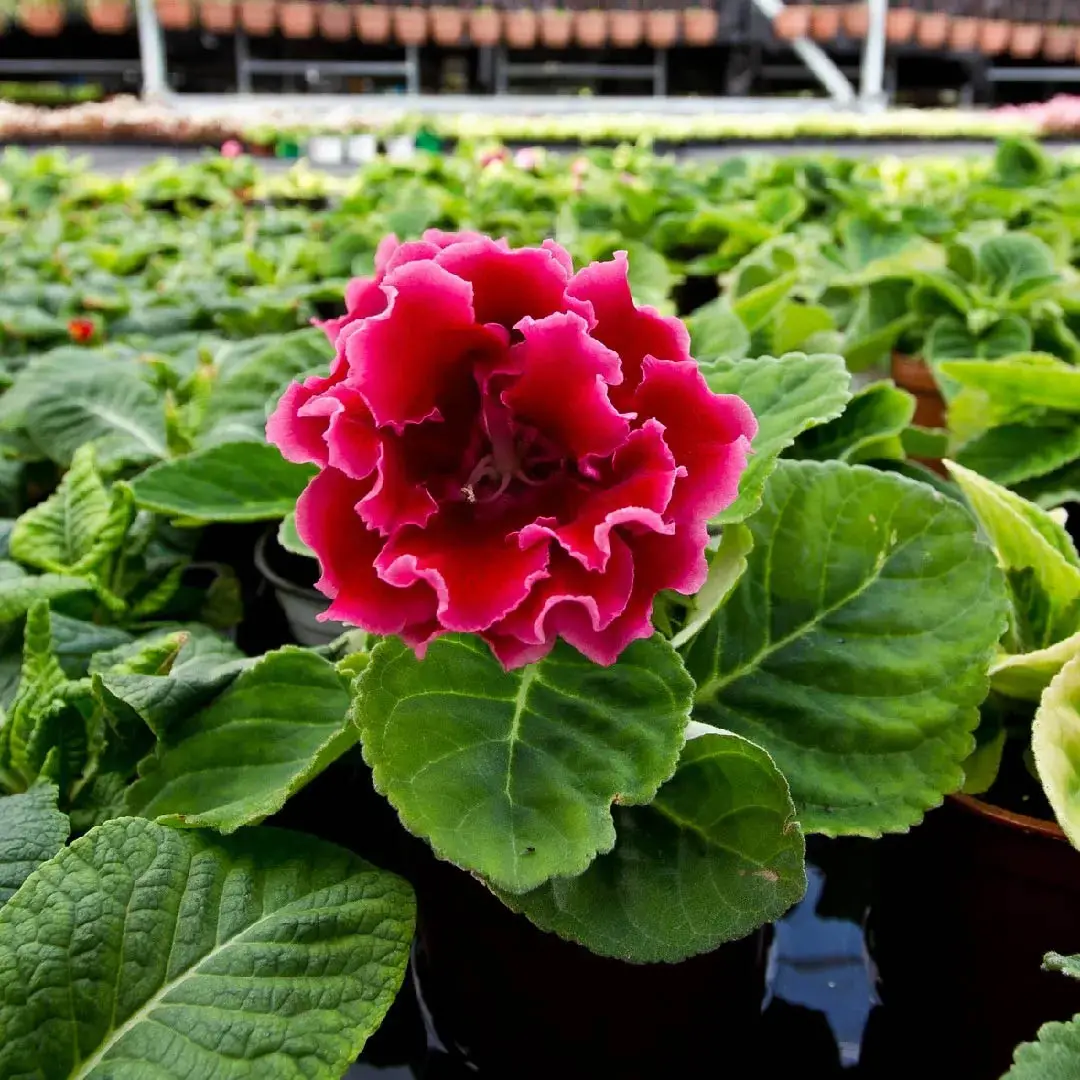
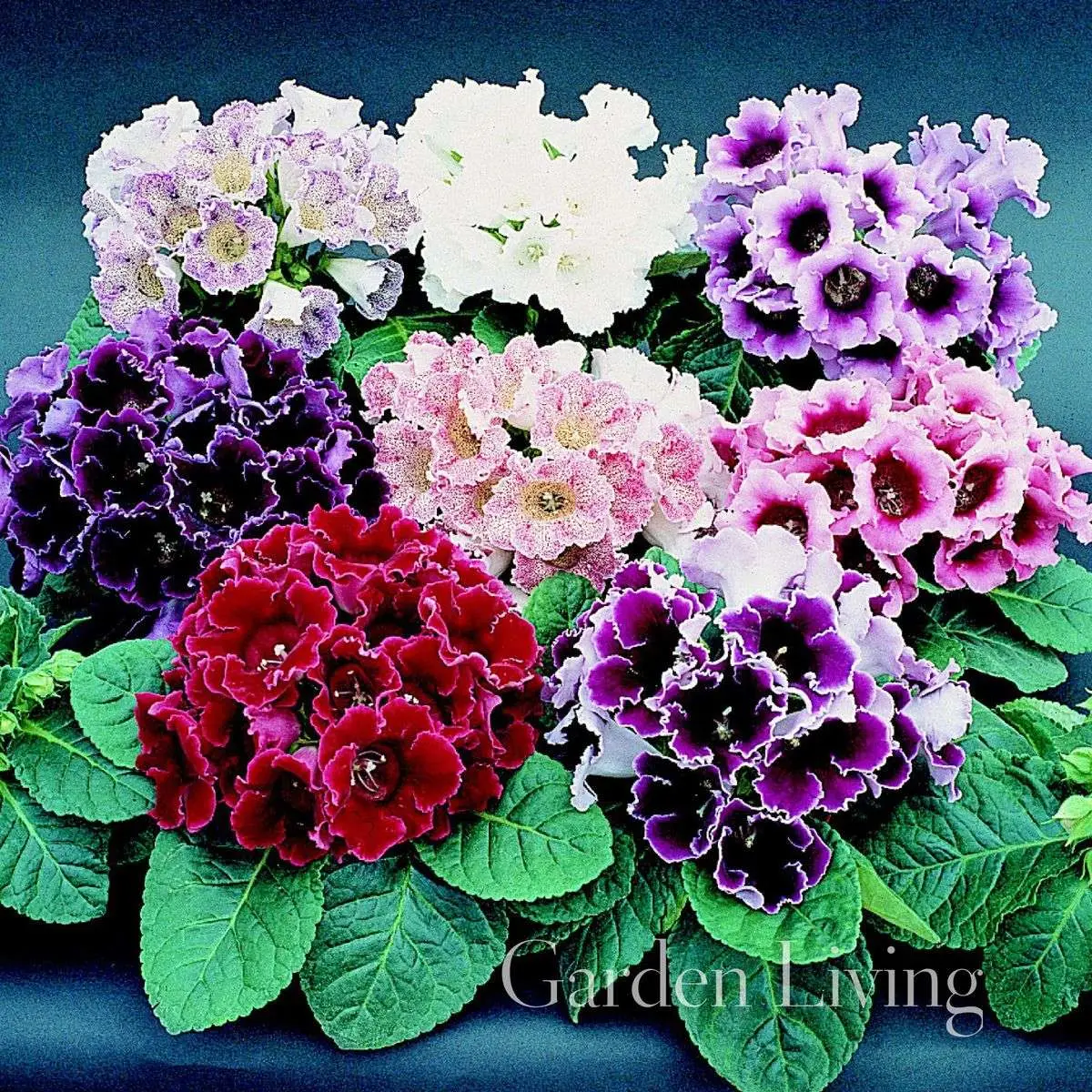
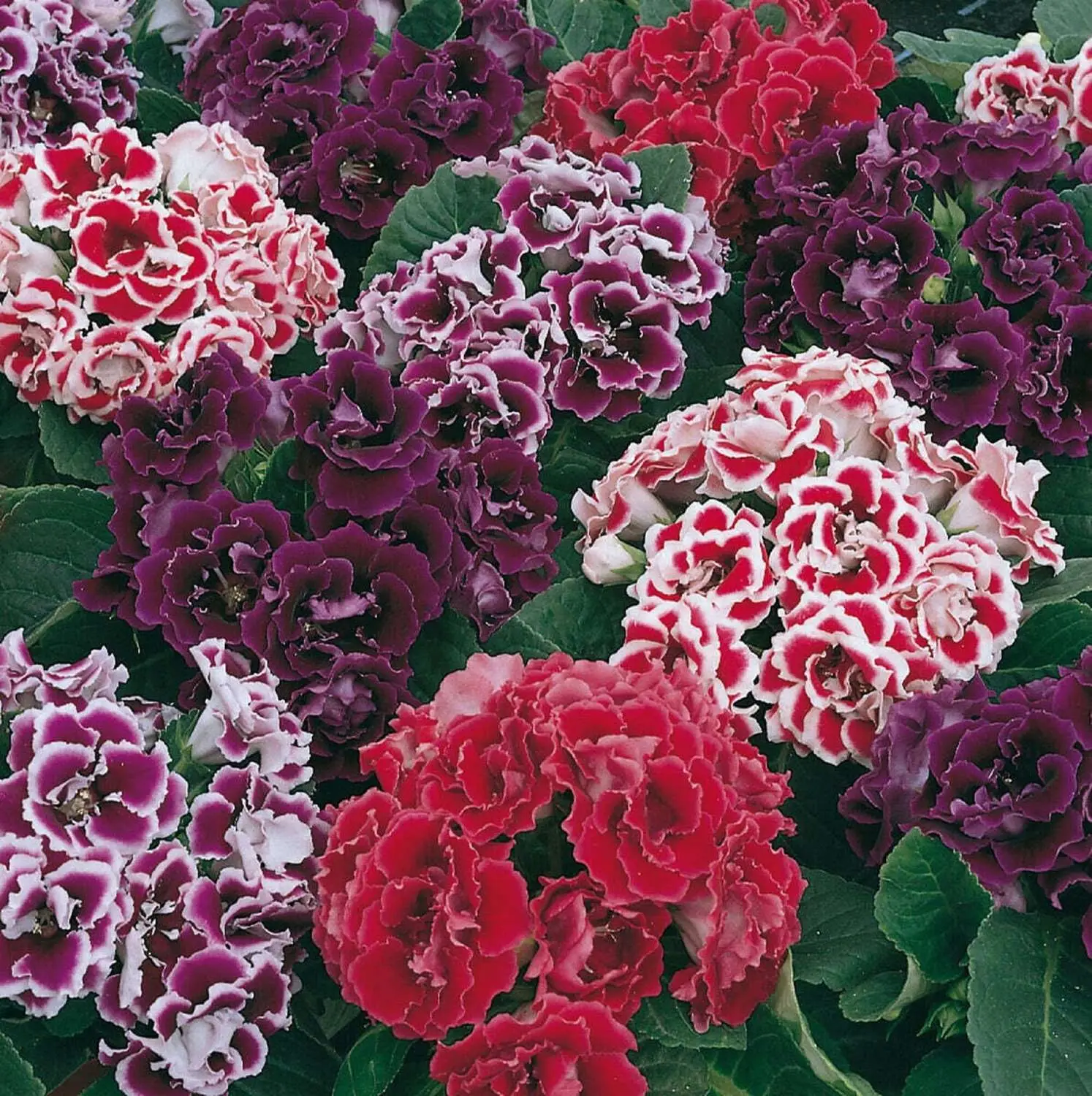
Sinningia speciosa is a tuberous member of the flowering plant native to Brazil within the family Gesneriaceae. Originally included in the genus Gloxinia in 1817, it was reclassified to Sinningia. Showy S. speciosa hybrids are still sometimes referred to simply as “gloxinia”, although this name is now technically incorrect.
Germination Guide
🌍 Brazil, Atlantic Forest in southeastern states (Espírito Santo, Minas Gerais, Rio de Janeiro, São Paulo)
Moderate
Sinningia speciosa, commonly known as Florist's Gloxinia or Brazilian Gloxinia, is a tuberous perennial native to Brazil's tropical forests. Seeds are extremely fine and require light to germinate, making seed propagation moderately challenging but rewarding. Seedlings develop tubers within a few months and will reach blooming maturity in approximately 6-7 months.
Germination
Germination time
Expect germination in
14 – 21 days
Temperature
Min 21°C
Ideal 23°C
Max 24°C
Substrate moisture
💧💧 High
Substrate & Container
Recommended substrate
African violet potting mix or 50% fine peat moss/coco peat with 50% perlite, vermiculite, or sand; must be sterile to prevent damping-off
Recommended container
pot or tray with humidity dome, clear plastic bag, or glass/plastic cover for humidity retention
Growing Tips
Do not cover seeds with soil as they require light for germination. Use sterilized potting medium and maintain constant moisture with good air circulation to prevent damping-off fungus. Water from below rather than overhead to reduce fungal issues. Maintain humidity of 50% or higher during germination. Once seedlings have two to three leaf pairs, transplant early for faster growth. Seed-grown plants form small tubers for dormancy survival, allowing for potential perennial cycles under proper care.
Only logged in customers who have purchased this product may leave a review.


Reviews
There are no reviews yet.