Description
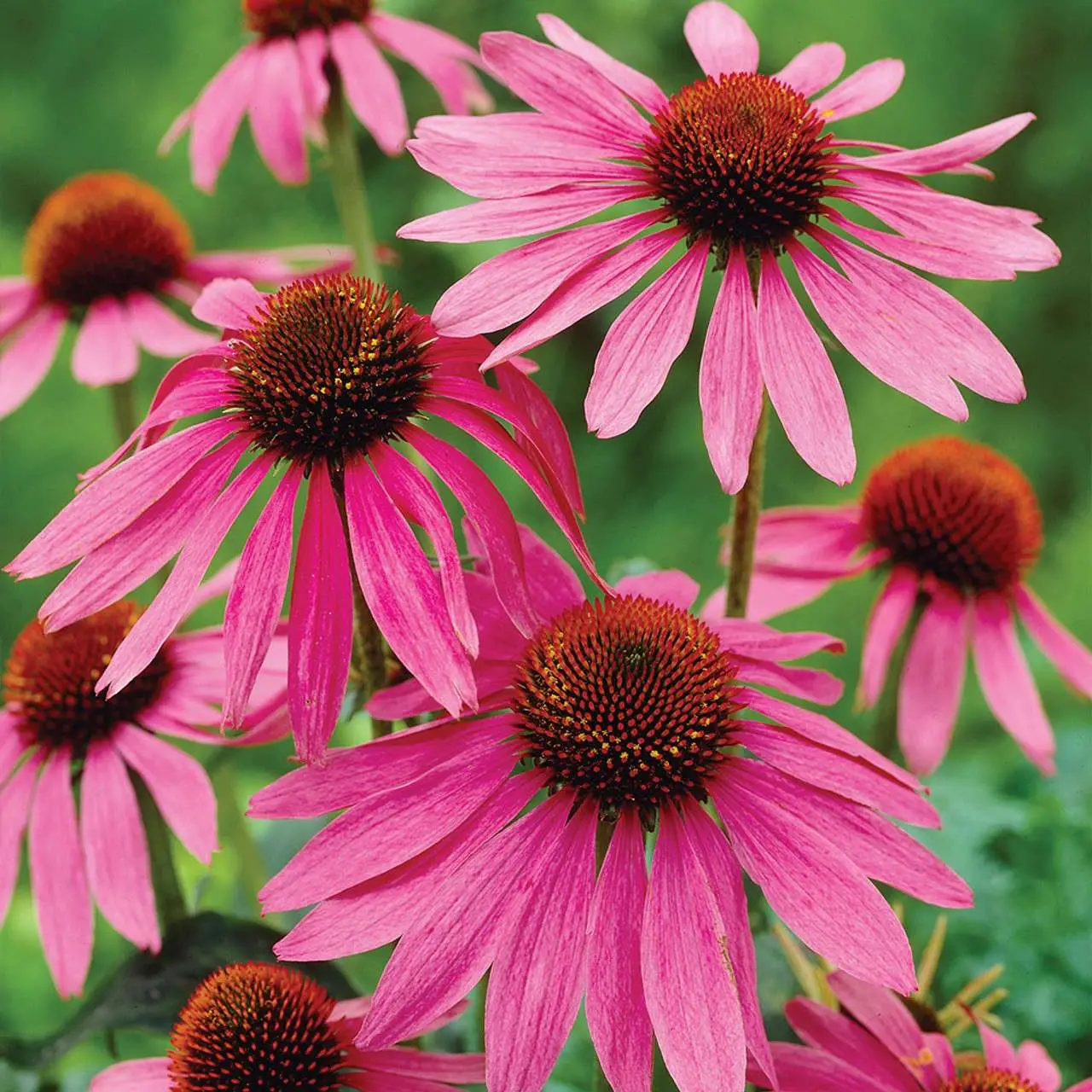
Echinacea purpurea is nature’s gift to those who want wellness and beauty in one unforgettable plant. From the misty prairies of central America to your garden, this medicinal marvel has earned its place in over a million homes worldwide.
Native to the damp prairies and open forests of eastern and central USA, Echinacea purpurea has been treasured by indigenous peoples for centuries as a ceremonial and healing plant. The ancient wisdom proved correct: modern science has now validated what healers always knew. This species is the most studied and most potent of all Echinacea species, and it adapts beautifully to diverse growing conditions—making it the hero of herbal gardens everywhere.
Here lies the crown jewel: immune support at the cellular level. The root, flowers, and leaves of Echinacea purpurea are loaded with powerful compounds—alkylamides, polysaccharides, and phenolic acids—that activate your body’s natural defense systems. Whether you brew it as tea, extract it, or use the whole plant, research shows it helps shorten cold duration, supports upper respiratory health, and strengthens immune resilience. This is not decorative—this is functional medicine you grew yourself, infused with the sun and soil of your own land.
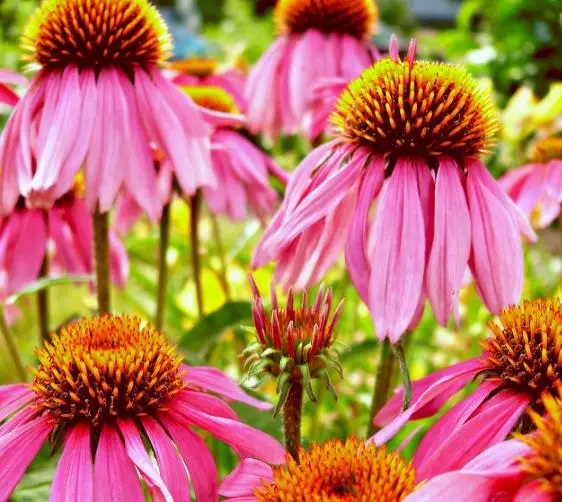
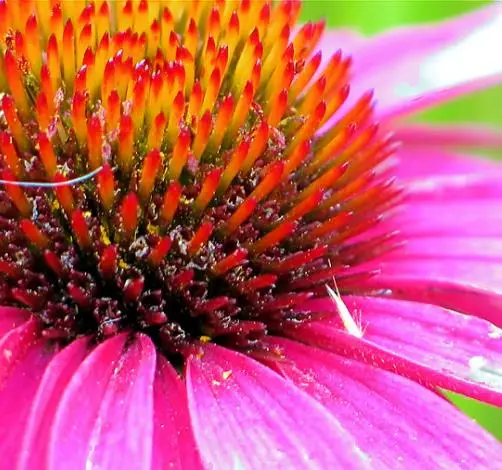
Cultivation is a joy. Echinacea purpurea germinates easily from seed without cold stratification, flowers continuously from summer through fall, and thrives in full sun to partial shade. It loves well-drained soil but adapts to clay, loam, or sand with equal grace. Once established, it’s drought-tolerant, heat-loving, and hardy to USDA Zone 3—meaning it returns year after year, stronger each season. Direct sow in spring, and many plants flower their first year. The flowers are irresistibly beautiful: deep purple or rose-pink ray petals sweep downward from a striking conical center in orange-bronze or coffee-brown. Bees and butterflies adore it; you will too.
Start your own apothecary. Grow Echinacea purpurea from seed and nurture the healer.
Germination Guide
🌍 Central and eastern United States, particularly Ohio to Michigan to Iowa south to Louisiana and Georgia, including the Mississippi Valley and Ohio Valley
Easy
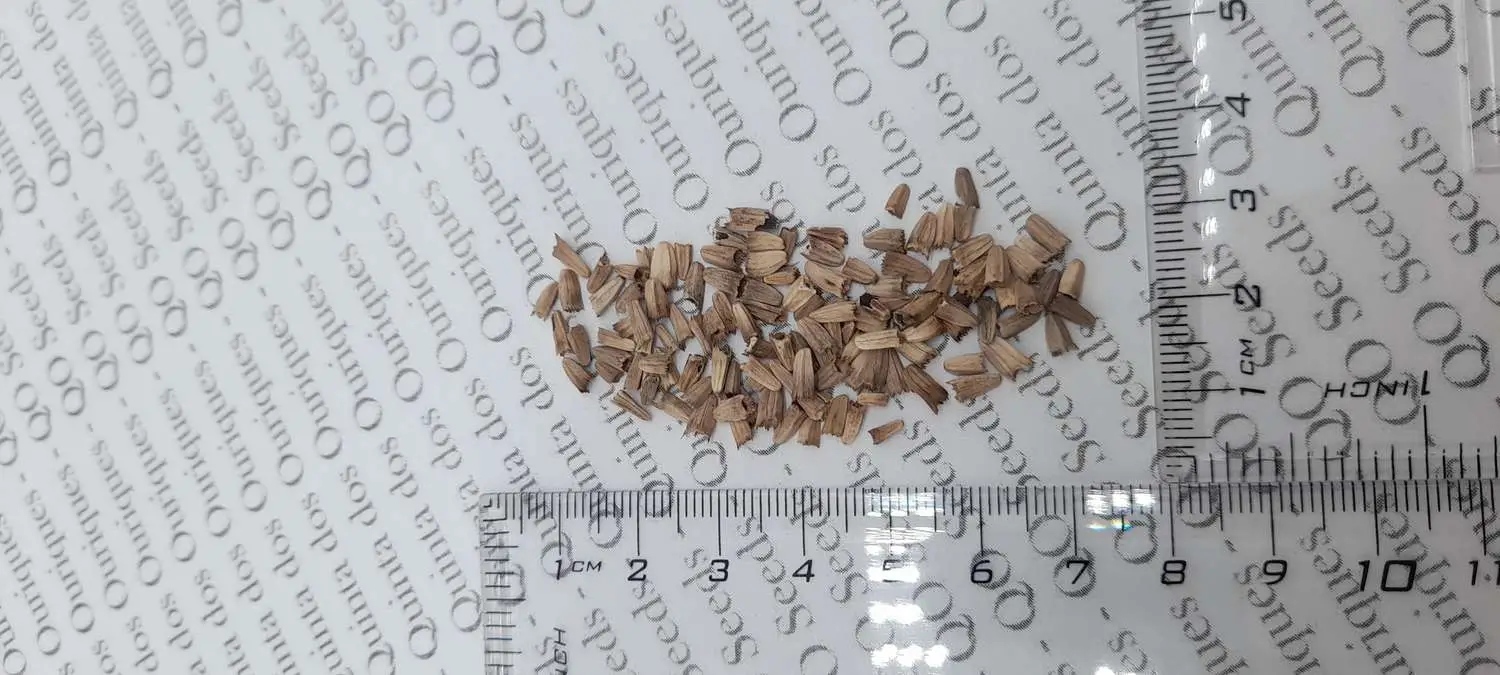
Echinacea purpurea, commonly known as purple coneflower, is a hardy herbaceous perennial native to the central and eastern United States. This striking wildflower features distinctive daisy-like blooms with purple-pink petals surrounding a cone-shaped central disk, and has been traditionally used by Native Americans for medicinal purposes. Seeds have relatively high germination rates (80-90% without treatment, up to 98% with cold stratification) and are best started indoors 8-10 weeks before the last frost or direct sown in fall for natural stratification.
Germination
Germination time
Total time from sowing 35 – 48 days
28 days of stratification + 7 – 20 days to sprout
Temperature
Min 18°C
Ideal 21°C
Max 24°C
Substrate moisture
💧 Medium
Sowing depth
Lightly covered
Seed Pre-treatment
-
❄️
Cold stratification — 28 days at 4°C
-
📋
Additional notes
Cold stratification is optional but recommended for higher germination rates and faster germination. Without stratification, germination rate is 80-90%; with 4 weeks stratification, rates reach 98%.
Substrate & Container
Recommended substrate
Seed starting mix or sterile potting soil, light and well-draining
Recommended container
Cell trays, pots, or flats; seed starting containers with drainage
Growing Tips
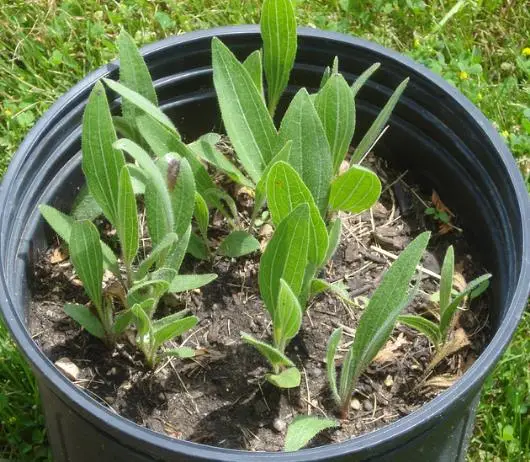
Sow seeds 1/8 inch deep and lightly tamp soil; keep substrate moist but not waterlogged. Cold stratification for 4 weeks at 4°C (40°F) in moist sand or paper towel significantly improves germination speed and uniformity. Can be spring or fall sown without stratification, though germination may be slower. Remove seeds from cold stratification 48 hours after treatment begins; they typically germinate within 7-20 days at 65-75°F. Prevent damping-off by ensuring good airflow and avoiding excessive moisture. Once seedlings appear, provide bright light for 16+ hours daily.
Only logged in customers who have purchased this product may leave a review.





Reviews
There are no reviews yet.