Description
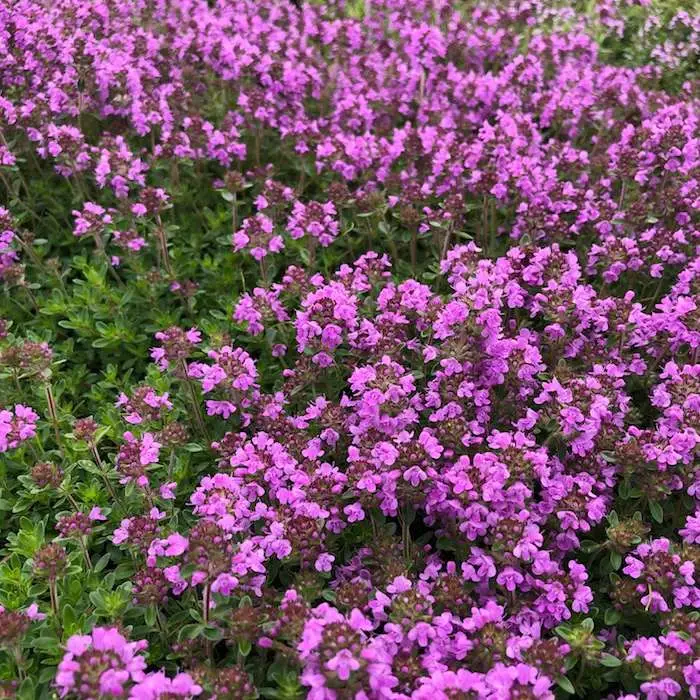
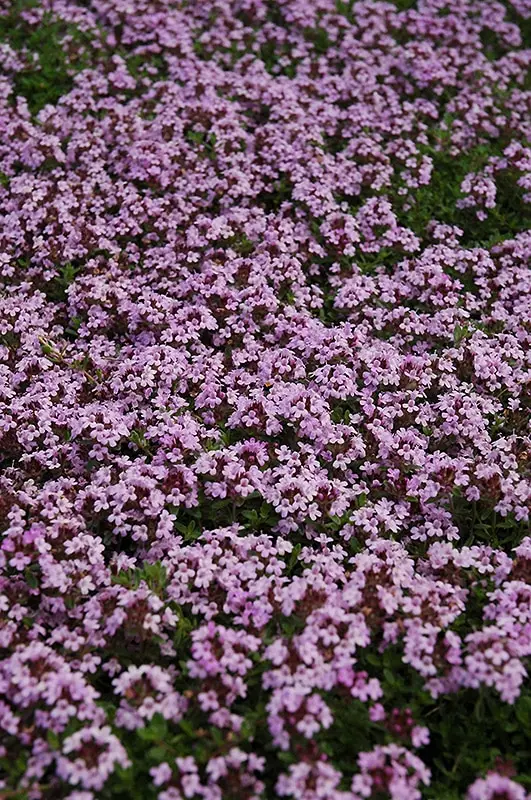
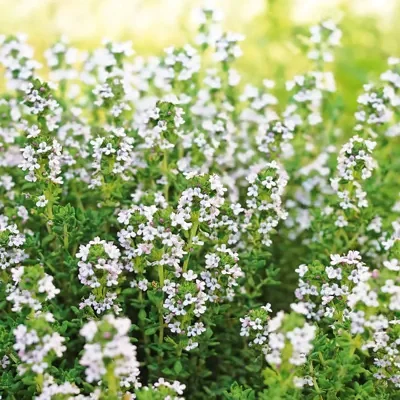
Like other thyme varieties, creeping thyme, also known as thyme mother (matrix former), is edible with a mint-like flavor and aroma. Purple-pink or crimson flowers
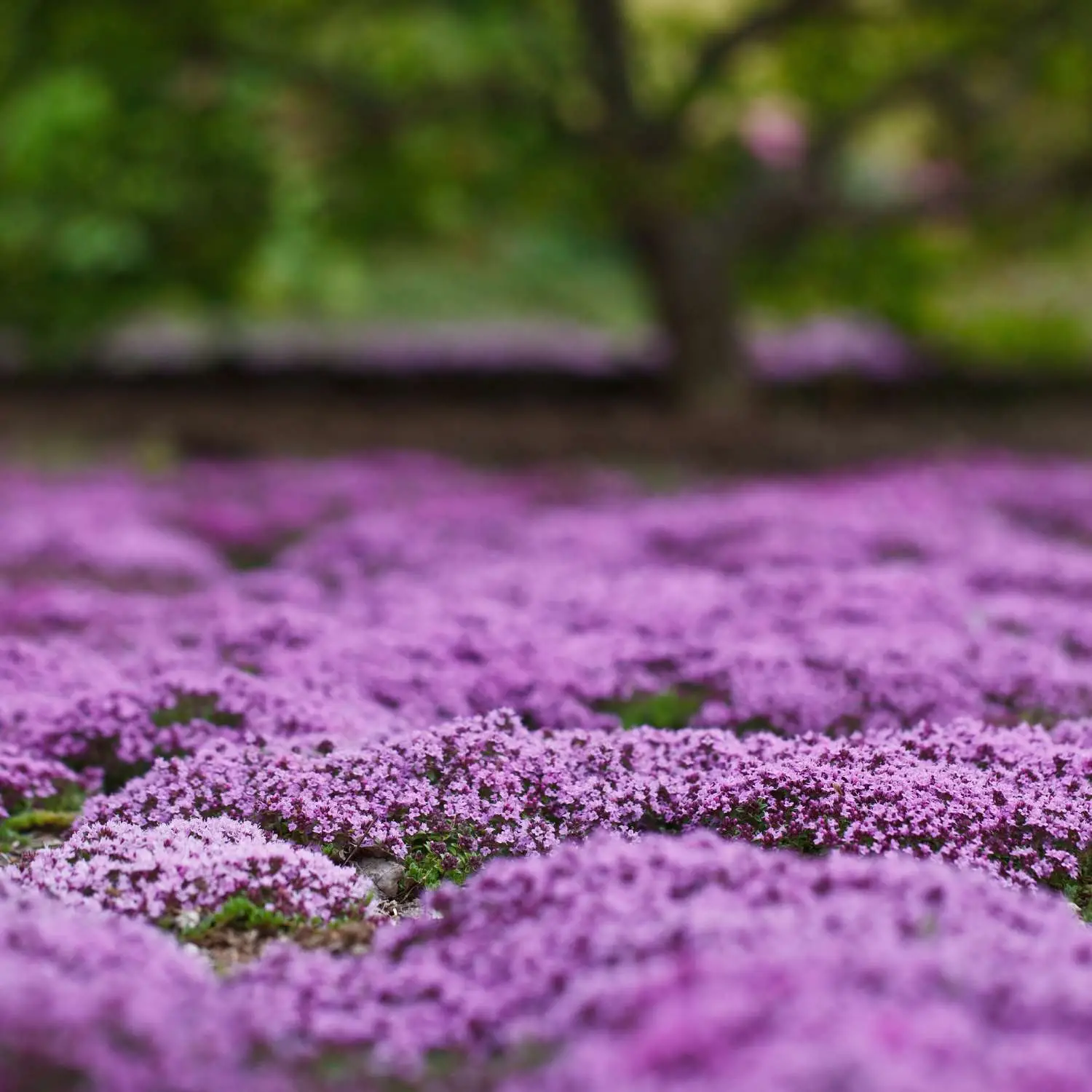
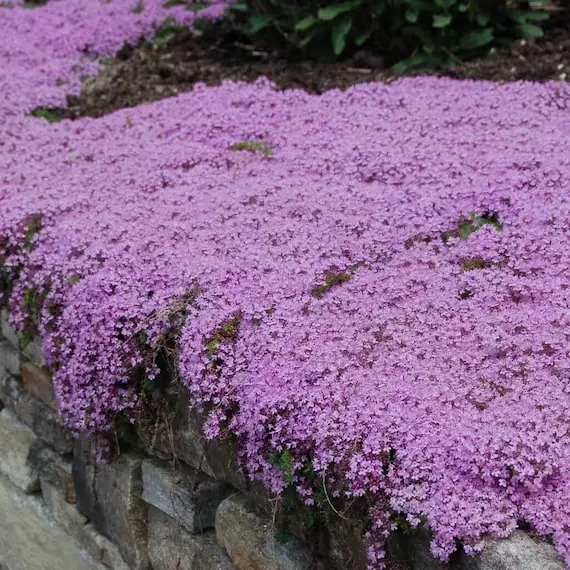
This variety is widely grown as a lawn substitute in various regions of Europe, with reasonably minimal requirements. In some regions of the United States it is used in the formation of low and dense carpets as ground cover. Supports trampling. Thymus serpyllum is another variety of creeping thyme, also present in our catalog.
Welcoming should be performed preferably in the morning when the essential oils of the plant are at their peak.
Thyme is a sub-shrubby plant, semi-woody in texture, and widely used since ancient times for its mystical, antiseptic, spice and aromatic properties. It is considered one of the main ingredients of bouquet garni, famous French spice.
Interestingly, thyme does not lose aroma and flavor for longer cooking, as with most herbs.
Very rustic in cultivation and generally free of pests and diseases, demanding in soils that promote good drainage.
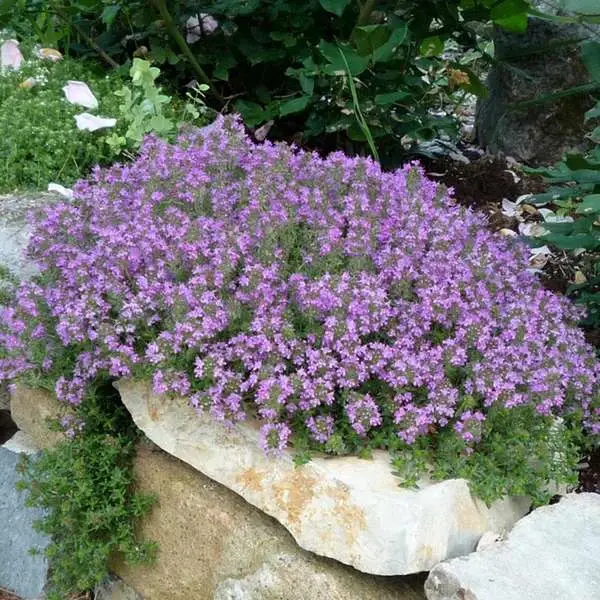
Its delicate texture foliage and abundant flowering make it especially suitable for planting in rocky gardens, herb gardens, massif or border formation, permeating pleasant and relaxing aroma.
The flowers are rich in nectar and very attractive to bees, an excellent addition for beekeepers, producing excellent quality honey and very aromatic.
The leaves, and especially the essential oil contained in them, are strongly antiseptic, deodorants and disinfectants. It is widely used in perfumery, such as mouthwash, medicine, etc.
This spicy and unique flavoring plant is indispensable in a home garden and can also be grown in pots and gardeners on sunny or semi-shaded balconies.
Germination Guide
🌍 Central, southern, and western Europe, also found in Greenland and Turkey
Easy
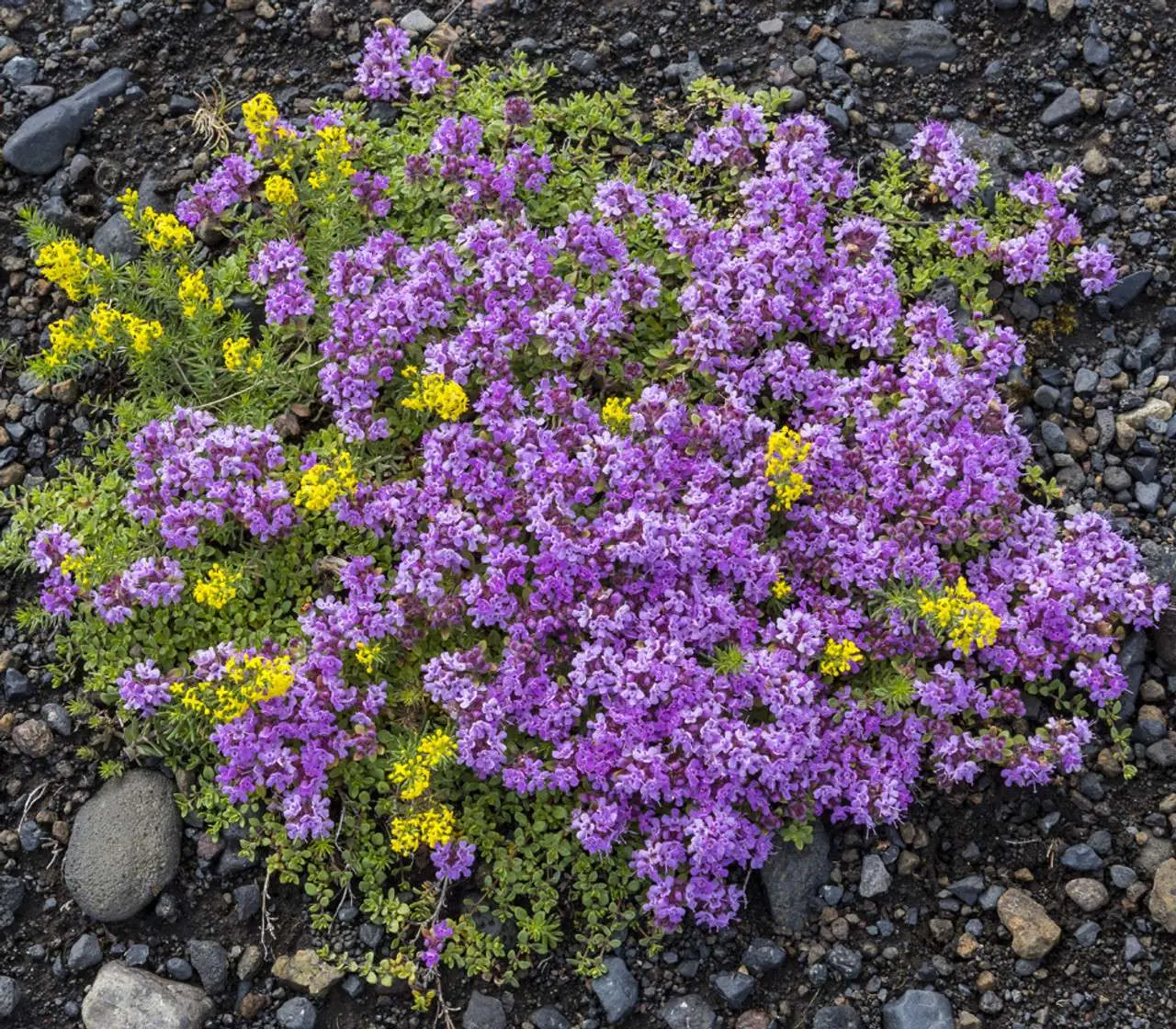
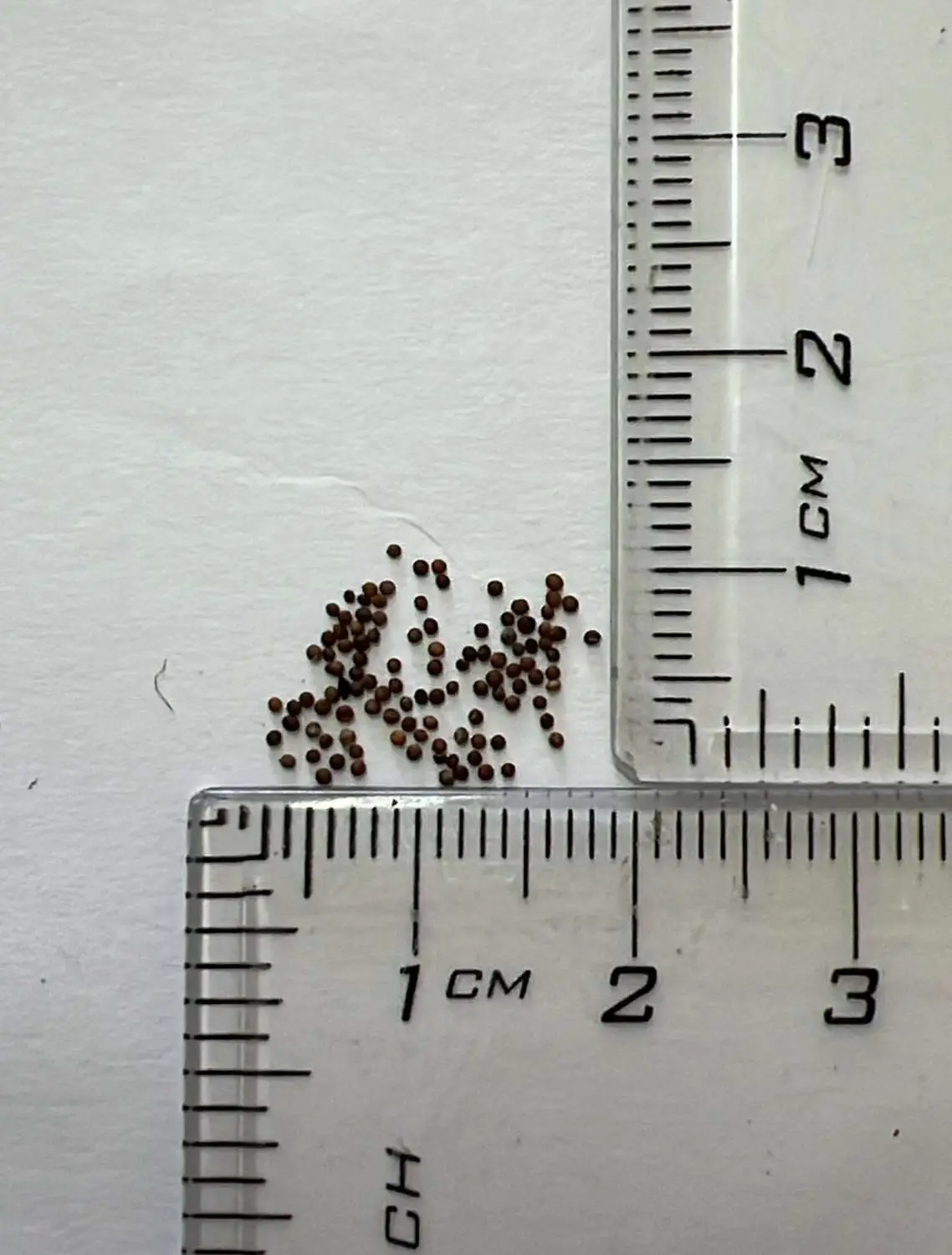
Thymus praecox, commonly known as creeping thyme or mother of thyme, is a low-growing, mat-forming aromatic perennial native to Europe. Seeds are photoblastic and require light to germinate; they should be surface-sown or only very lightly pressed into soil without covering. This evergreen groundcover is highly valued for its fragrant foliage and delicate pink to purple flowers that attract pollinators.
Germination
Germination time
Expect germination in
7 – 30 days
Temperature
Min 15°C
Ideal 18°C
Max 21°C
Substrate moisture
💧 Medium
Substrate & Container
Recommended substrate
organic potting soil, lightweight, porous, well-draining, sandy or rocky medium
Recommended container
seed trays or small containers with transparent cover for moisture retention
Growing Tips
Keep seed substrate consistently moist but not waterlogged during germination. Seeds germinate faster at warmer temperatures (18-21°C/64-70°F) and can take 7-30 days. Provide bright light as soon as seeds are sown. Once seedlings emerge, gradually increase airflow to prevent damping off. Thin seedlings to 2-3 per container when large enough to handle. Transplant outdoors after all frost danger has passed. The species establishes quickly and becomes drought-tolerant once mature. No pre-treatment or stratification is required.
Only logged in customers who have purchased this product may leave a review.



Reviews
There are no reviews yet.