
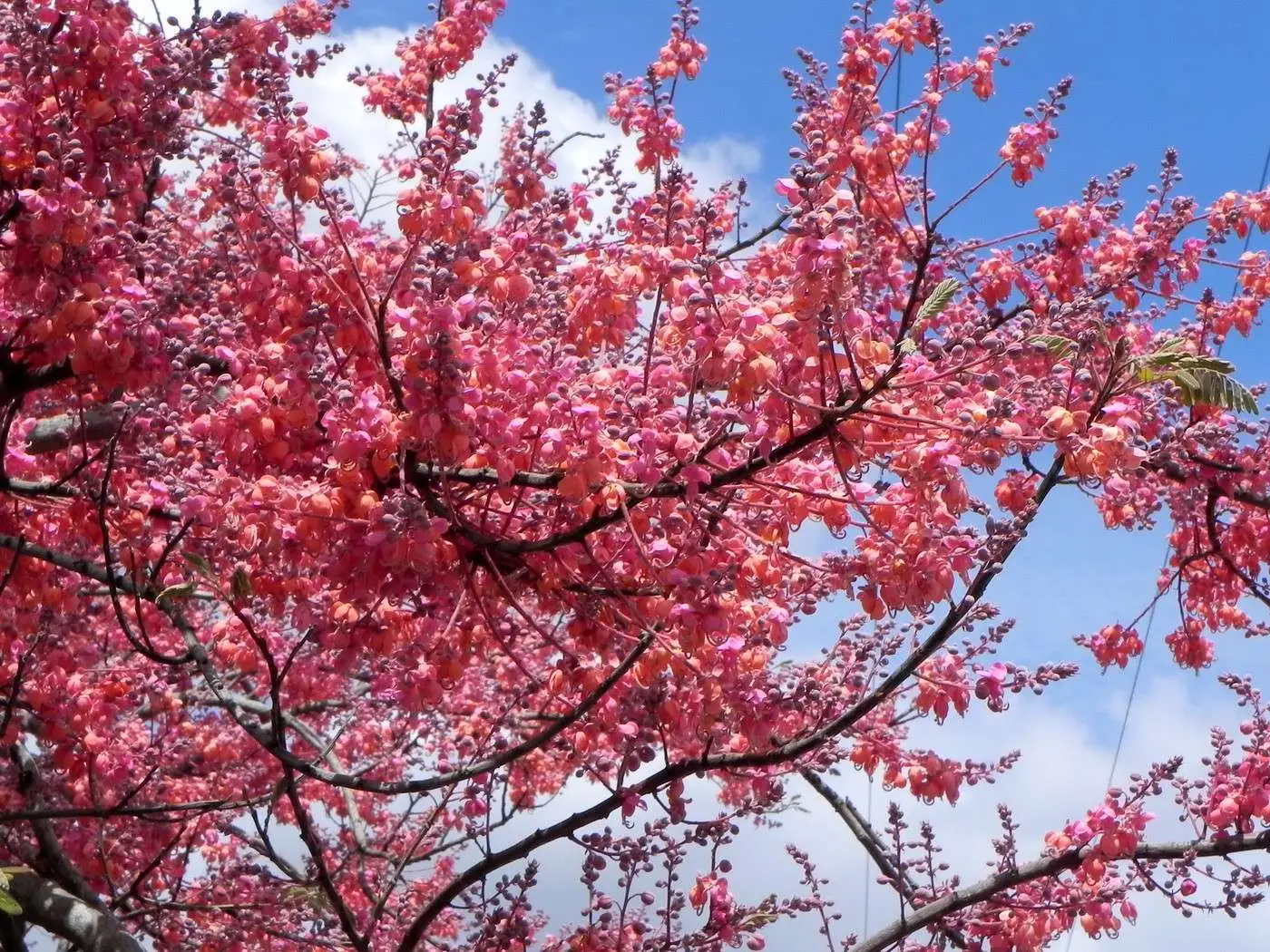
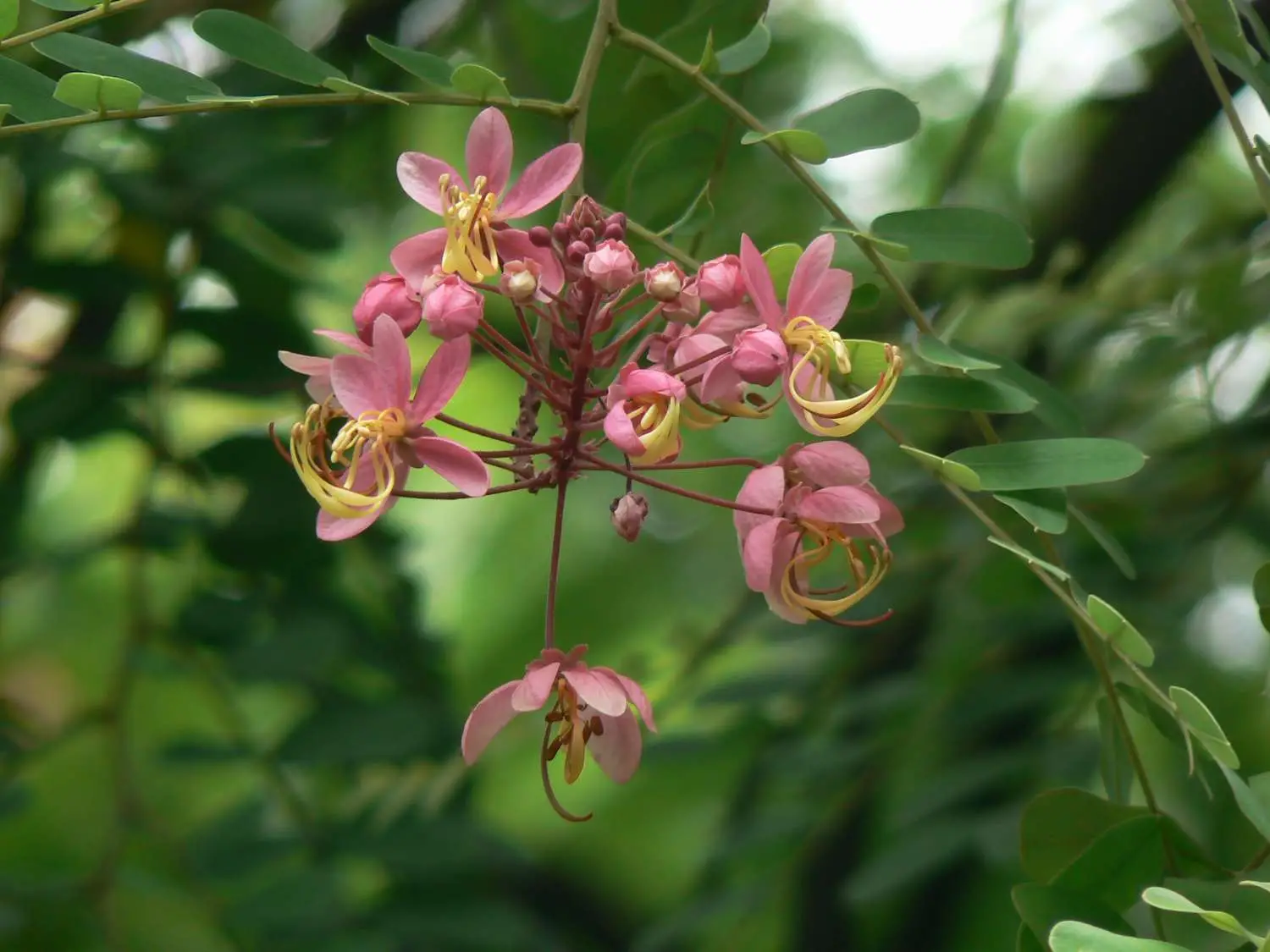
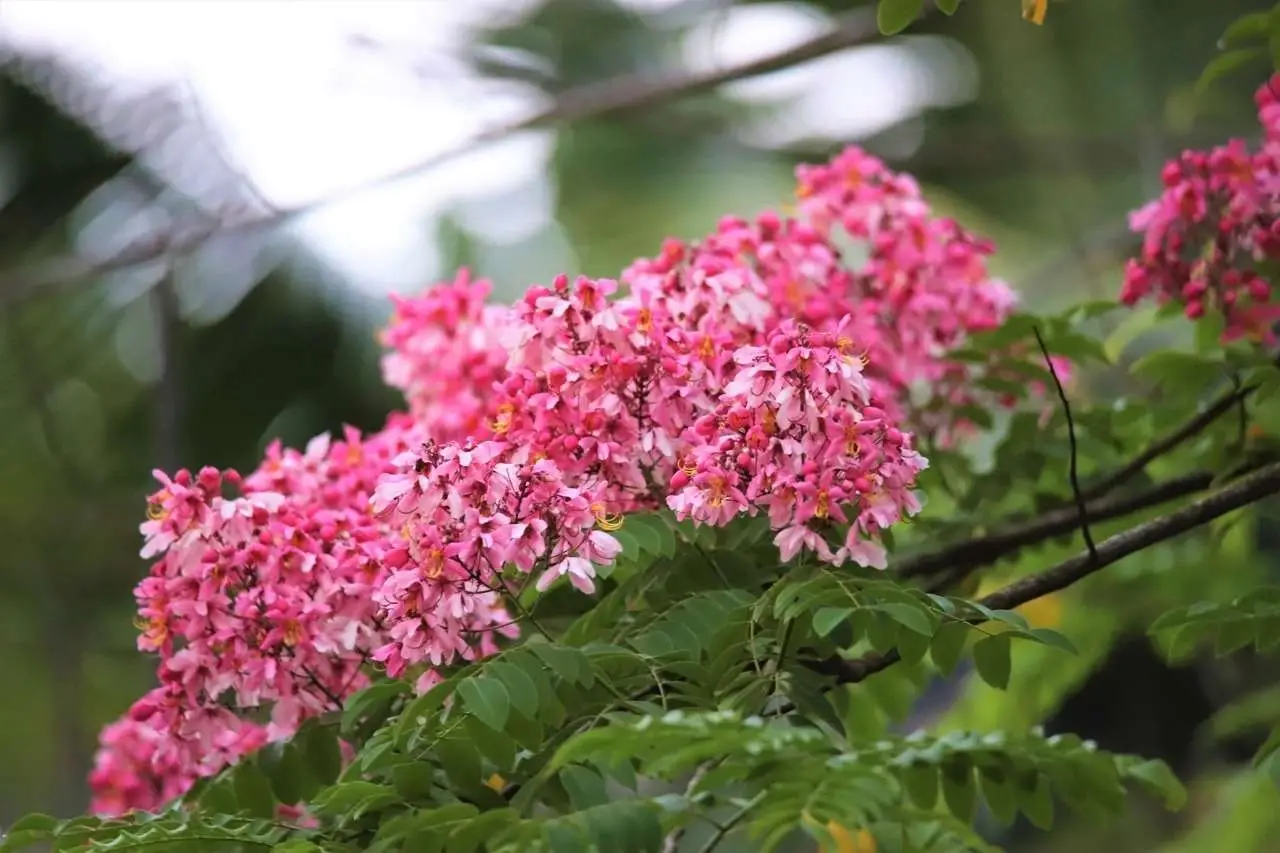
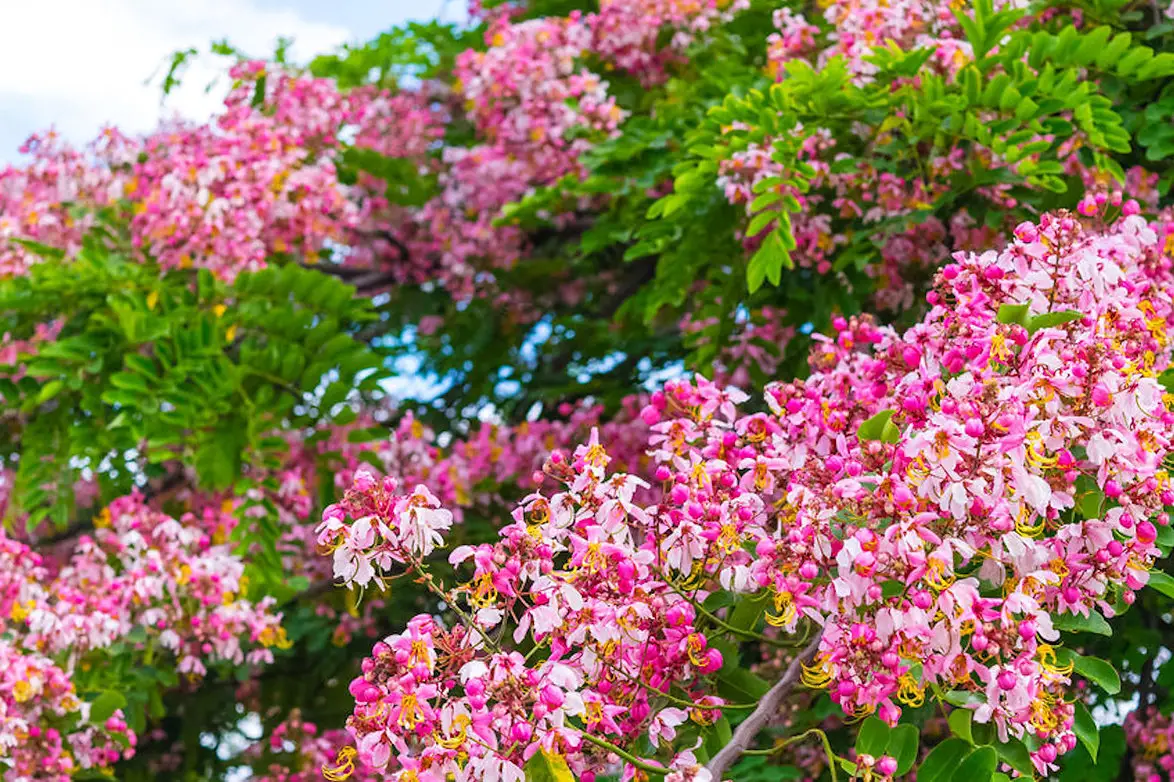
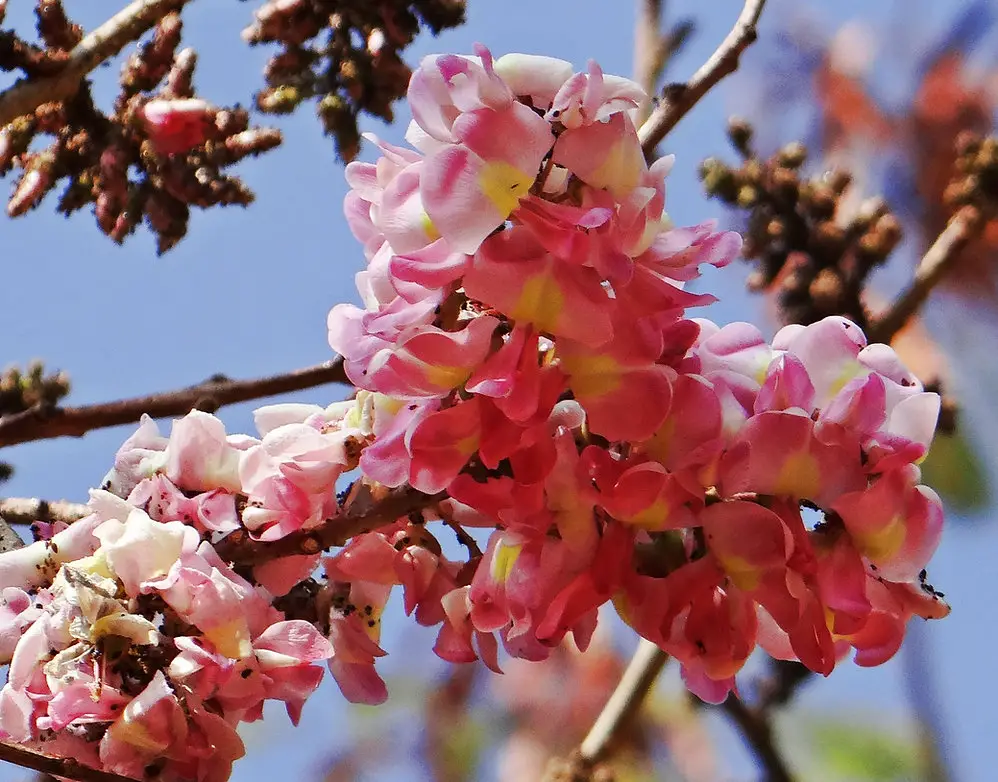
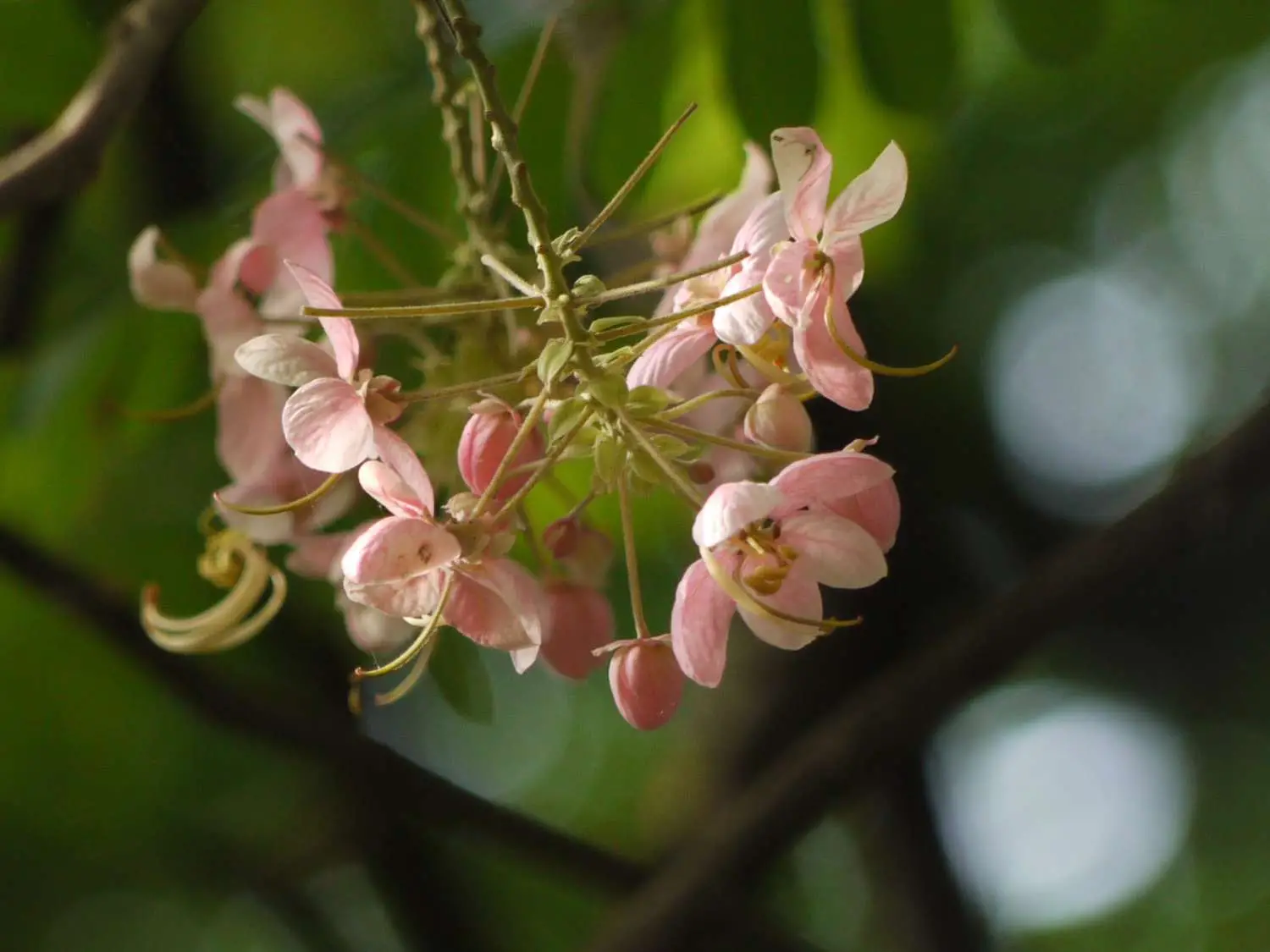
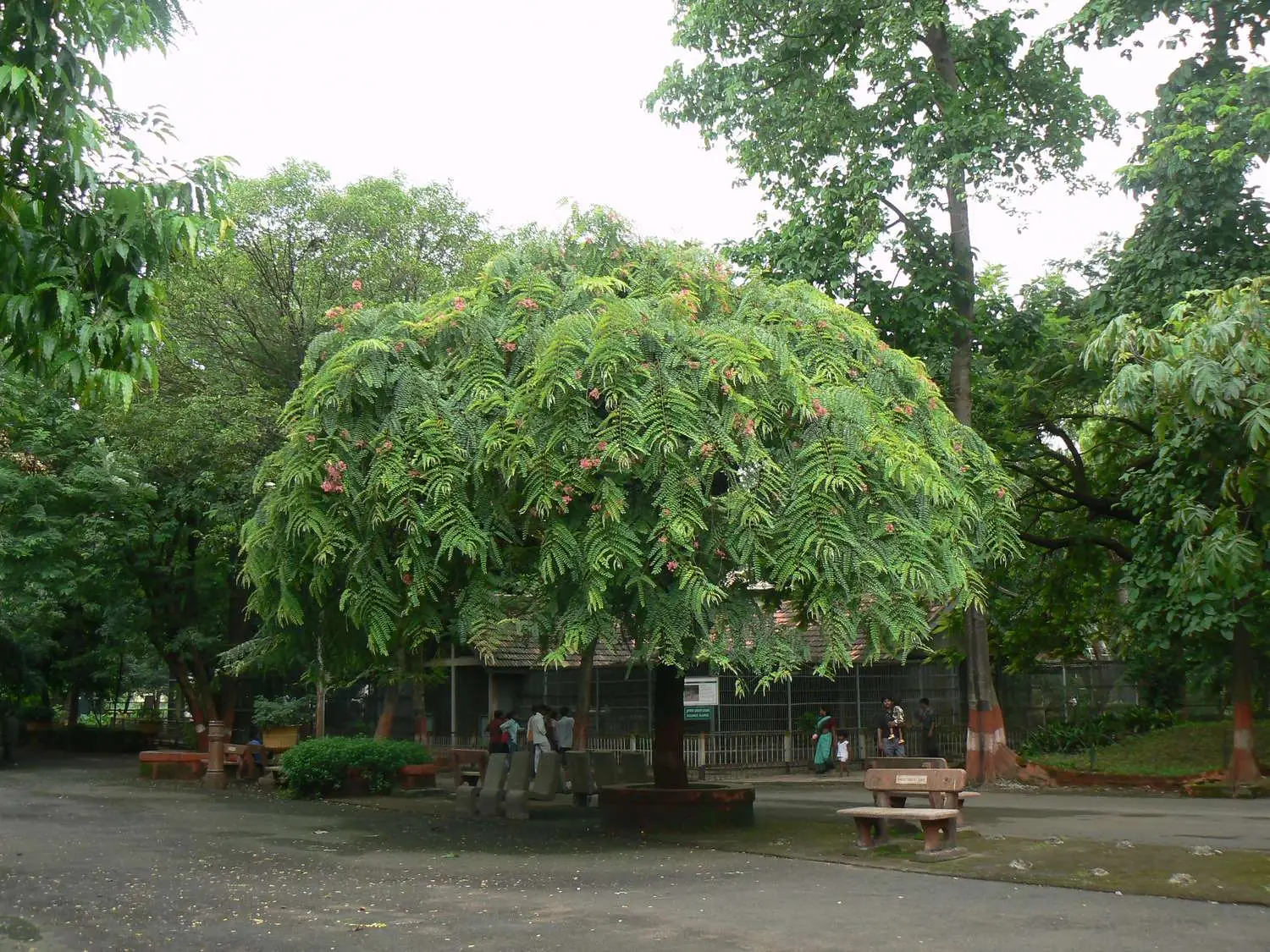
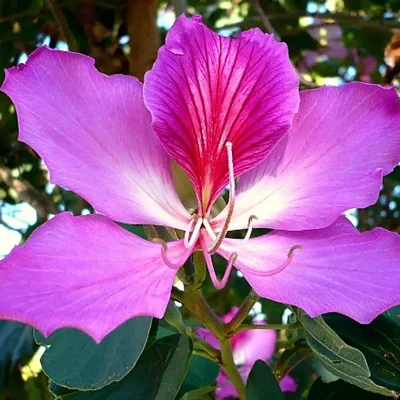
From Myanmar’s healing traditions: a fast-growing deciduous tree dressed in cascading salmon-pink flowers that cover its crown entirely come spring. Beyond its orchid-like blooms and lush pinnate foliage, Cassia renigera is a living pharmacy—bark and leaves used for centuries in Ayurvedic medicine for digestive health, immune support, and traditional wellness. Easy-to-grow from seed; full bloom in just four to five years. Grow your own piece of Southeast A
€1.92
Imagine a tree that wraps itself in a blanket of soft pink just as the monsoon approaches—and that same tree, for centuries, has been trusted by healers across Southeast Asia as medicine, ceremony, and beauty all in one.
Cassia renigera, the Burmese Pink Cassia, is a medium-sized deciduous tree native to Myanmar’s forests, where it has been woven into the fabric of traditional medicine and cultural life. Known locally as the “Tree of Happiness,” it appears in ancestral ceremonies and festivals throughout Southeast Asia as a symbol of vitality and good fortune. The tree has traveled the tropical world and adapted beautifully to gardens across Asia, the Pacific, and beyond—a testament to its resilience and irresistible charm.
But here’s what makes this species truly special: it’s a medicinal powerhouse. Across Ayurvedic and Southeast Asian traditional medicine systems, Cassia renigera bark and leaves are prized for supporting digestive health, treating inflammatory conditions, and managing urinary and metabolic imbalances. The bark appears in antidiabetic formulations, while the leaves have been shown to be effective against herpes simplex. Unlike many ornamental trees that sit purely decorative in your garden, C. renigera offers genuine therapeutic potential—a living medicine chest disguised as art. This is ornamental gardening with purpose, beauty paired with ancestral wisdom.
Growing Cassia renigera is remarkably straightforward. This is a fast-growing, resilient tree that flourishes in full sun to part shade and adapts well to various soil types, from rich loams to sandy and limestone-based earth. Once established, it shows excellent drought tolerance. The tree reaches 6 to 20 meters depending on conditions and will be in full, spectacular bloom within four to five years—a genuine satisfaction for the impatient gardener. From seed, germination is reliable if you scarify the hard seed coat by rubbing with sandpaper or brief soaking in hot water; provide warmth (18-22°C) and you’ll see seedlings emerge readily. In frost-prone regions, container growing works beautifully—the tree makes an exceptional specimen for large pots in greenhouse or conservatory settings. The deciduous habit is actually elegant: in December, leaves drop to reveal striking long, blackened seed pods, and come spring, new downy leaves unfurl alongside dense clusters of salmon-pink flowers veined delicately in green, fading toward white as they mature. A gnarled, sculptural trunk develops over time, making each specimen genuinely individual.
There’s more to love: those pink blossoms are a magnet for butterflies, bees, and beneficial insects—making Cassia renigera a precious ally for pollinator conservation. The hard, beautiful timber is treasured for fine furniture and cabinet work; the bark has been used in traditional tanning. But plant this tree for its flowers, its medicinal legacy, and the daily gift of living alongside an ancient healer. Every time you sit beneath its canopy during that miraculous spring bloom, you’re touching the same healing tradition that sustained Southeast Asian communities for generations. Grow Cassia renigera from seed and you’re not just planting a tree—you’re cultivating medicine, history, and hope in one breathtaking package.
Only logged in customers who have purchased this product may leave a review.
Reviews
There are no reviews yet.