Description
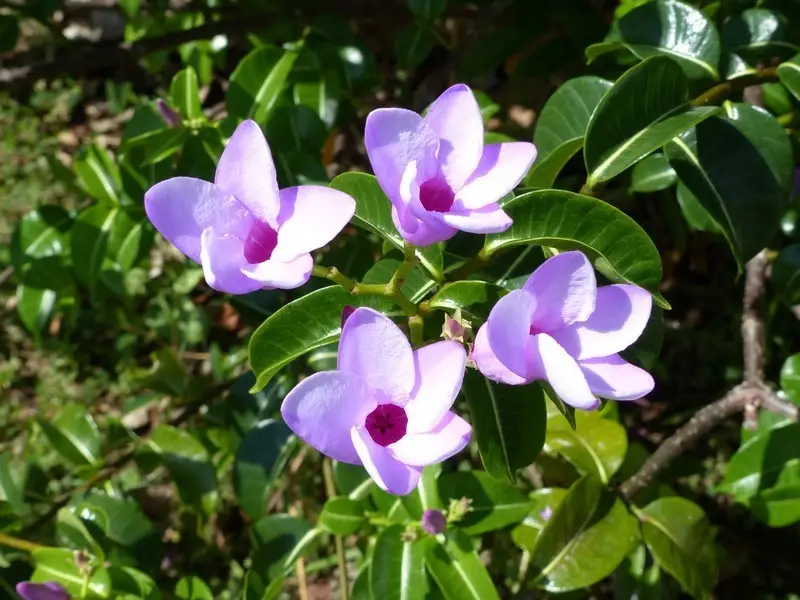
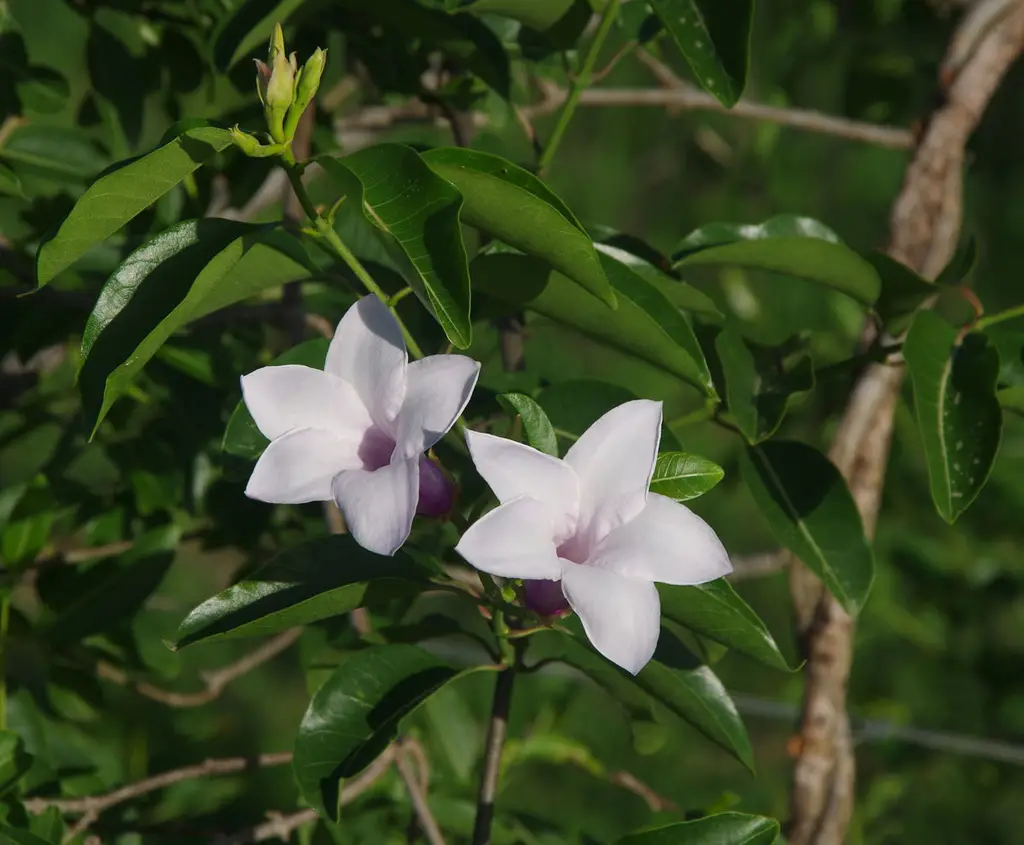
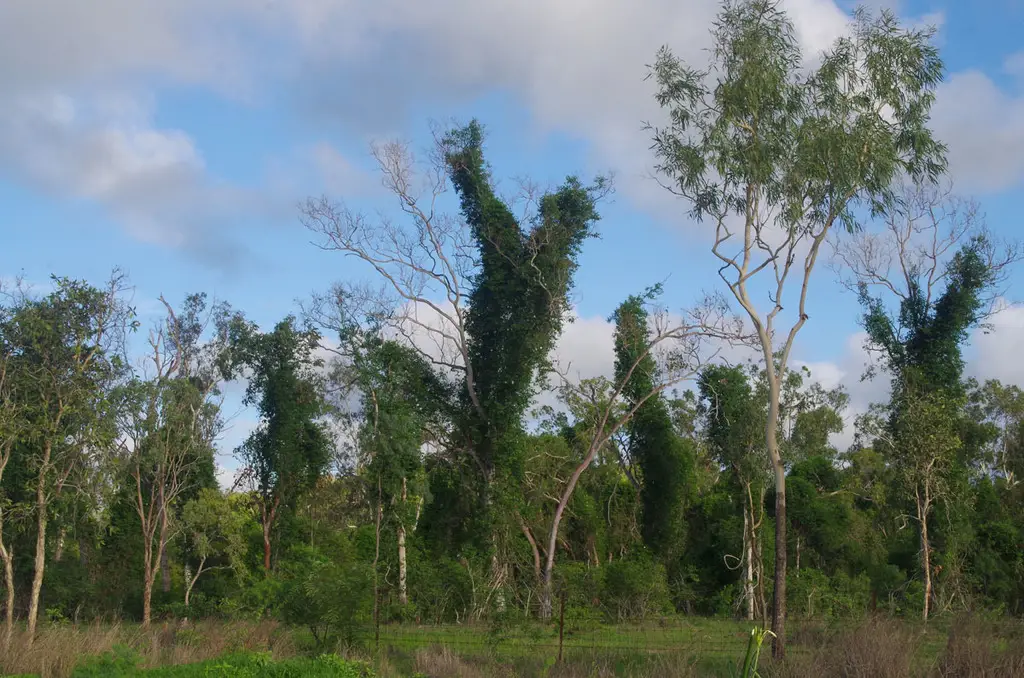
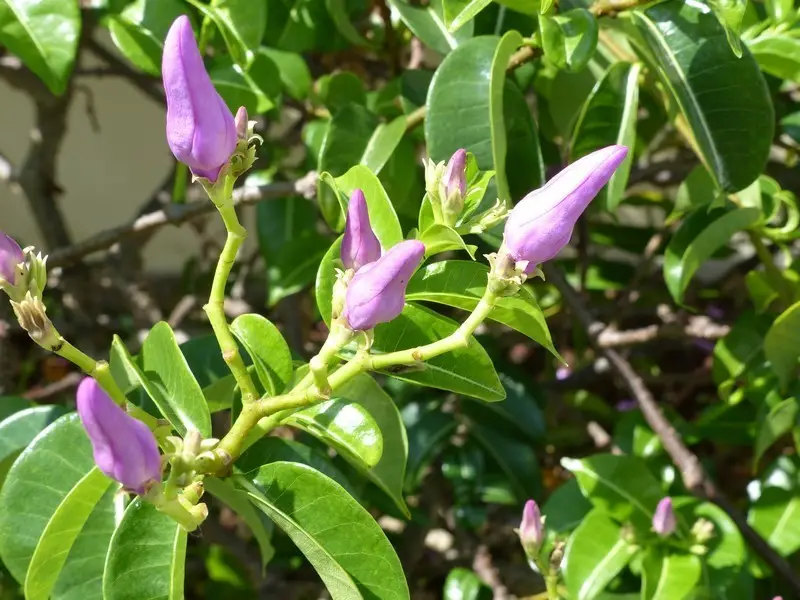
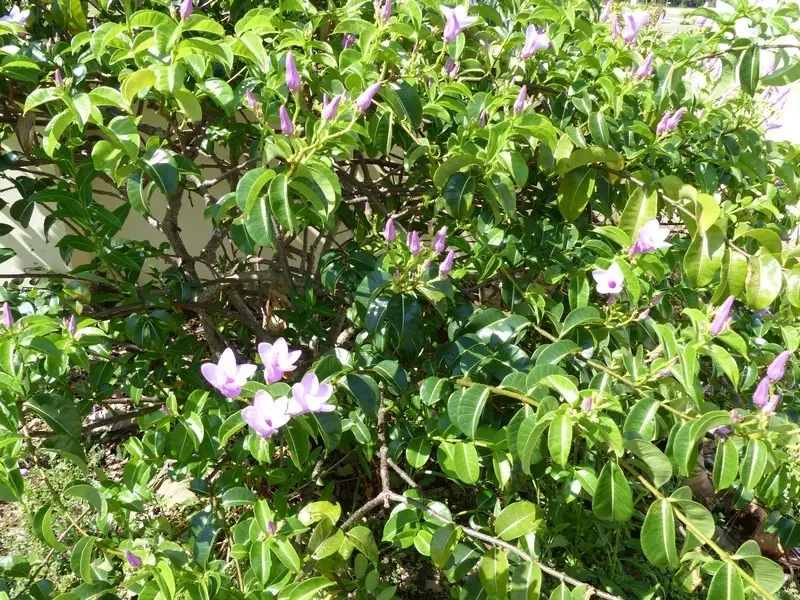
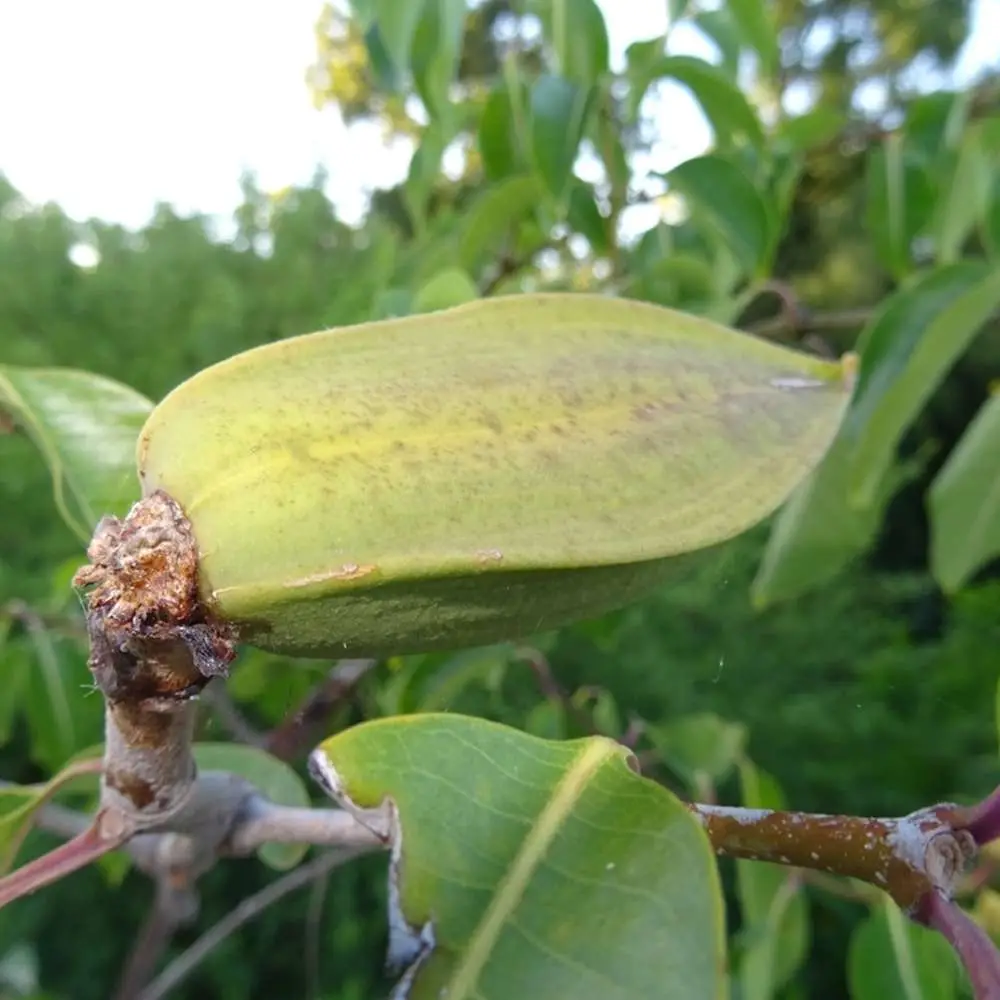
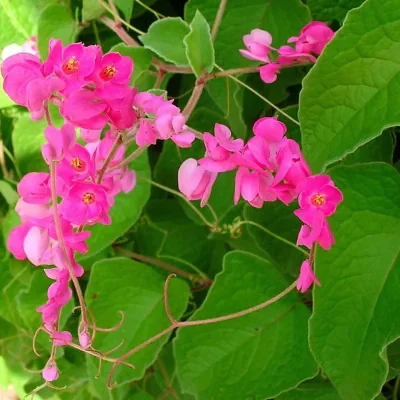
A woody vine that can grow as a small shrub or, if support from larger trees is available, as a rampant climber that can grow an amazing 5 m (16 ft.) in a single month and to 30 m tall. Originally native to Madagascar, it has now naturalized in many other tropical countries and is considered a noxious weed in Australia. In other places in the tropics it is still popular as an ornamental for its pretty flowers and its commercial grade latex. In the tropics it should perhaps best be avoided due to its invasive potential and its toxicity to livestock, but in mediterranean and desert climates where there is little chance of it escaping, it makes a great ornamental.
Germination Guide
🌍 South-west Madagascar
Easy
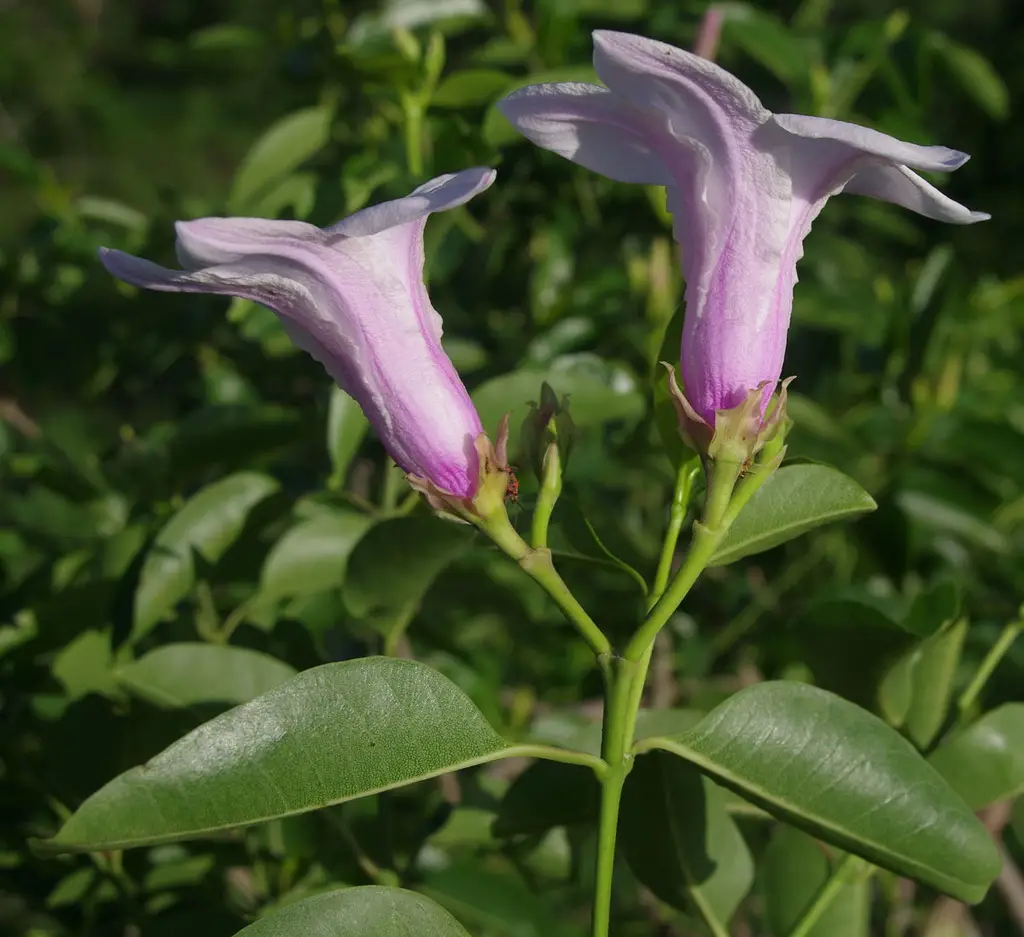
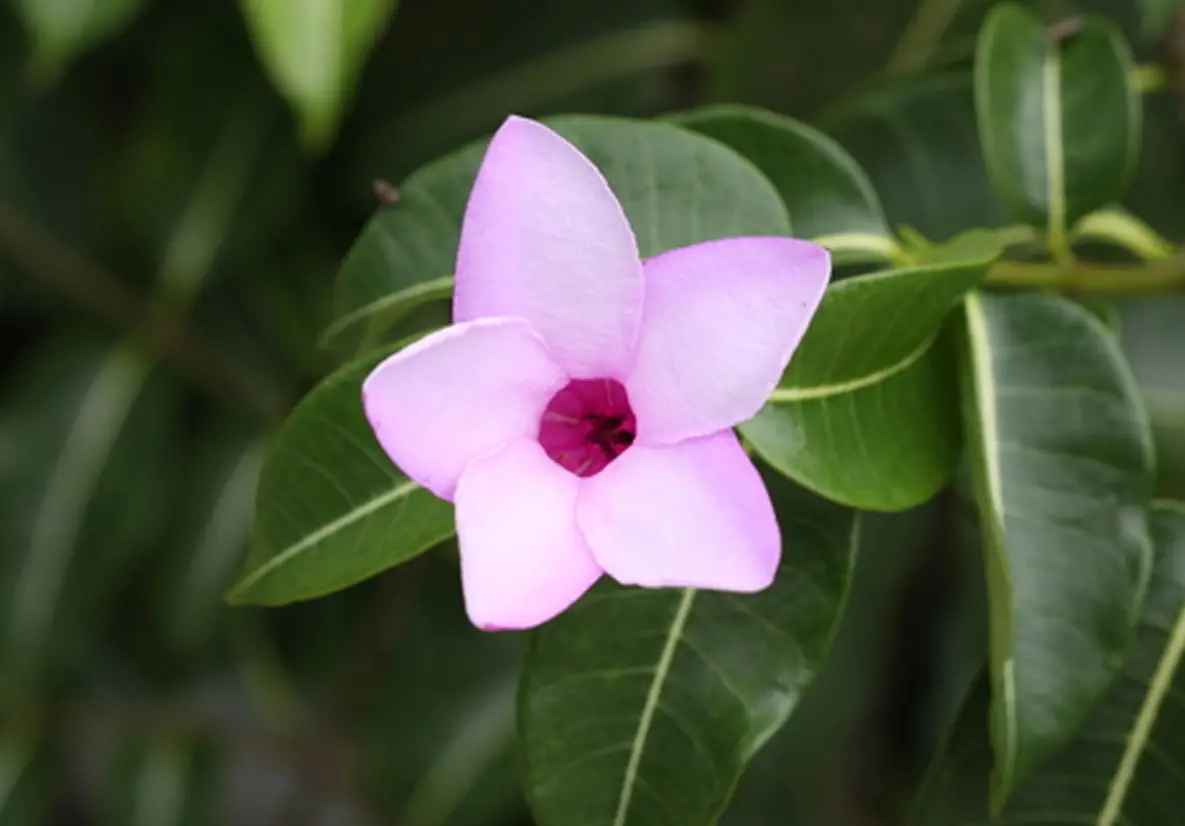
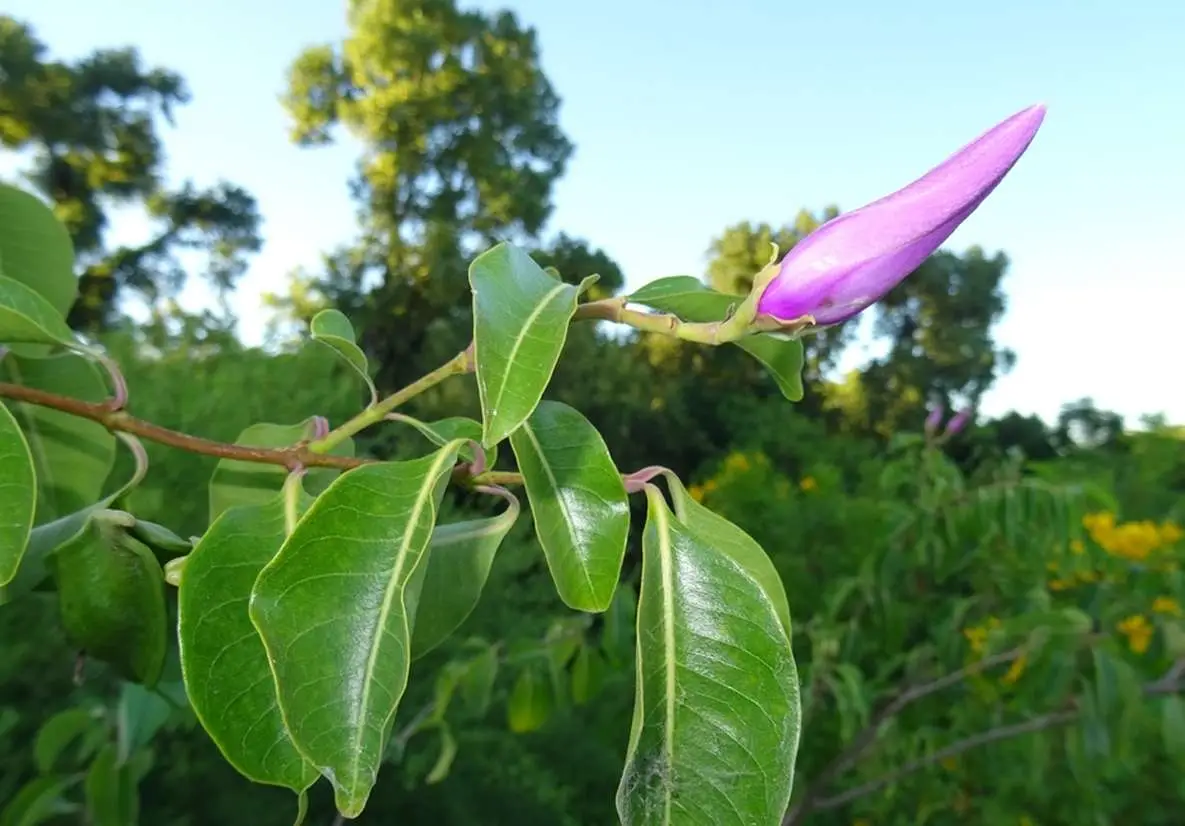
Cryptostegia grandiflora, commonly known as Rubber Vine or Purple Allamanda, is a tropical woody vine native to south-west Madagascar. It is a vigorous, fast-growing climber with glossy foliage and large funnel-shaped flowers ranging from pale pink to purple with deep maroon centers. Seeds germinate readily after exposure to moisture and warm temperatures.
Germination
Germination time
Expect germination in
5 – 28 days
Temperature
Min 20°C
Ideal 25°C
Max 30°C
Substrate moisture
💧 Medium
Seed Pre-treatment
-
💧
Soaking — 24 hours
Soaking in warm water for 12-24 hours softens hard seed coat and improves water absorption
-
🔨
Hot water scarification
Seeds have a hard seed coat requiring treatment
-
📋
Additional notes
Soaking in warm water required to break seed dormancy
Substrate & Container
Recommended substrate
peat and perlite blend or well-draining seed-starting mix
Recommended container
seed trays or pots
Growing Tips
Seeds need light to germinate, so sow on soil surface and lightly press without covering. Keep soil moist but not waterlogged. Provide bright light but avoid direct sunlight which can overheat and dry out soil. Roots of seedlings are twice as long as shoots. Fresh seeds have better viability than older seeds.
Only logged in customers who have purchased this product may leave a review.

Reviews
There are no reviews yet.