
Behold the tree that transforms into a cloud of softly scented pink pompons. Dais cotinifolia flowers in summer profusion—masses of star-shaped blooms release a Daphne-like fragrance that stops you mid-stride. Easy to grow, quick to flower (second year), hardy to frost, and stunningly ornamental year-round with luminous bluish-green leaves. Grow from seed and inherit three centuries of European garden tradition.
€6.36
Imagine summer arriving in your garden as a rolling wave of pink sweetness—a tree so intoxicatingly fragrant it draws you outside again and again. That’s Dais cotinifolia, the Pompom Tree, one of the most seductive ornamental species you can cultivate from seed.
Native to the Eastern Cape through KwaZulu-Natal in South Africa, this small but mighty tree has captivated gardeners for over 300 years. European gardens have cherished it since the early 1700s, and for good reason: it’s a showstopper that never quite fits into a single category. It’s ornament, fragrance, wildlife magnet, and sculptural form all rolled into one slender-crowned tree.
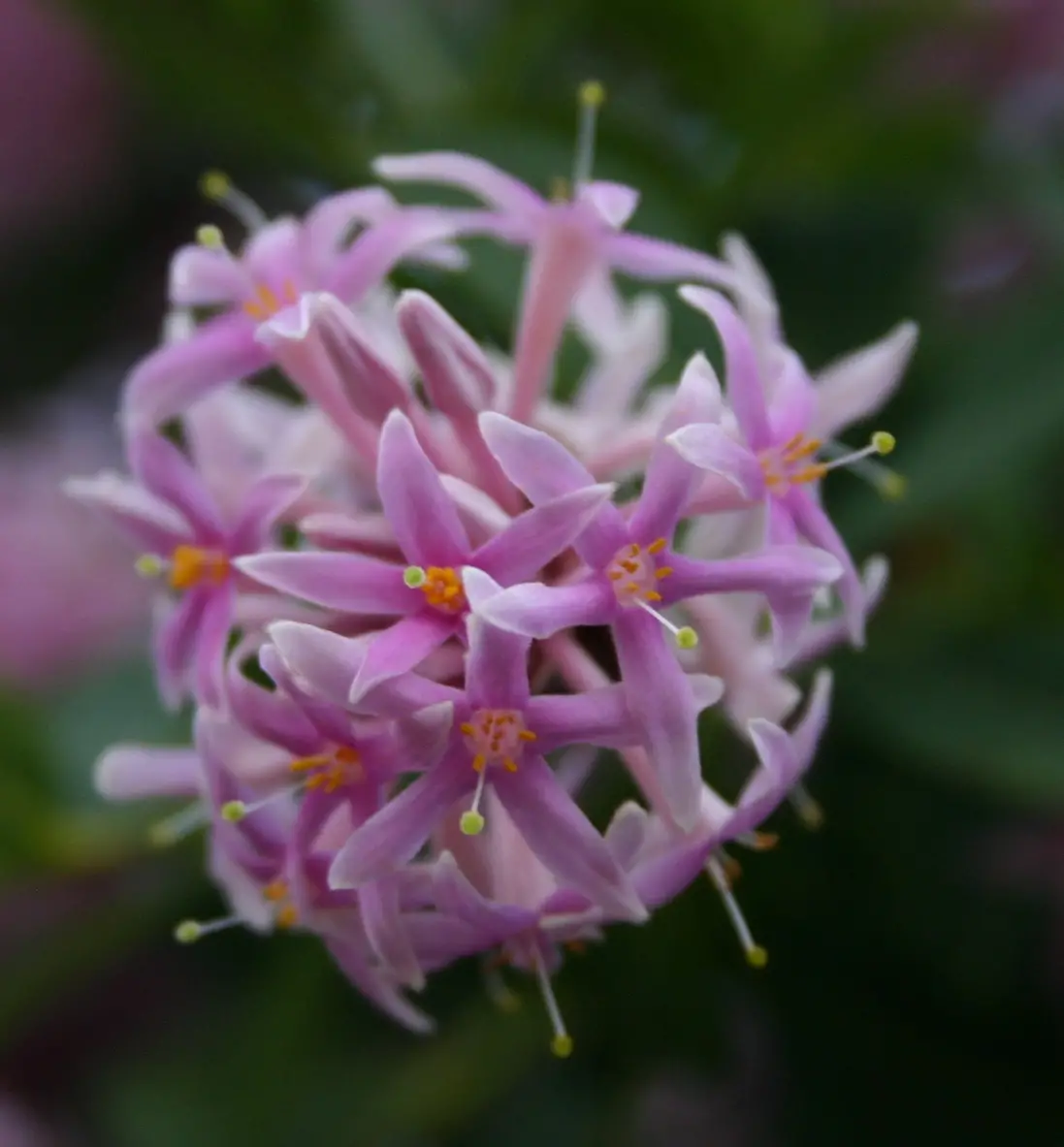
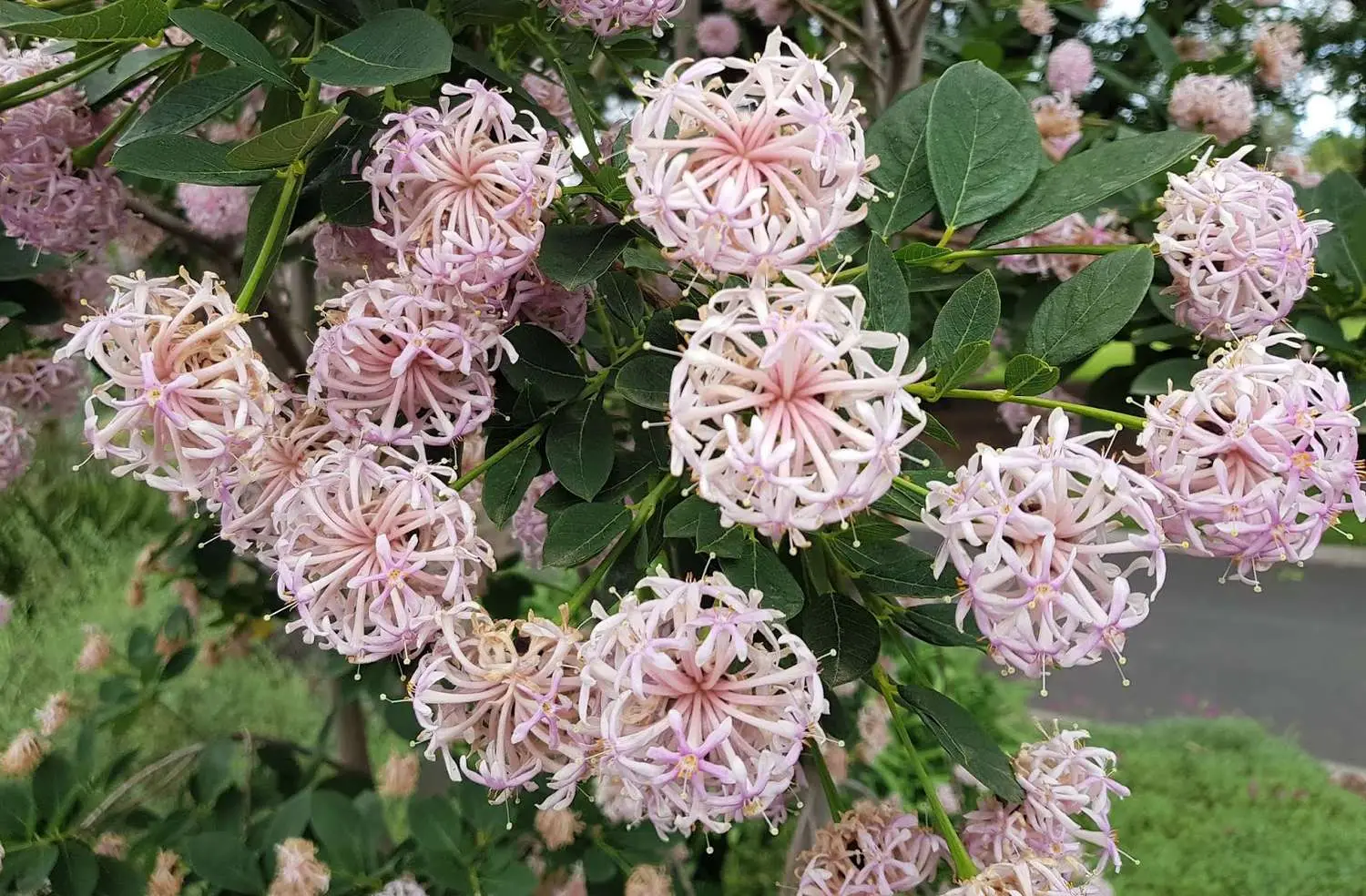
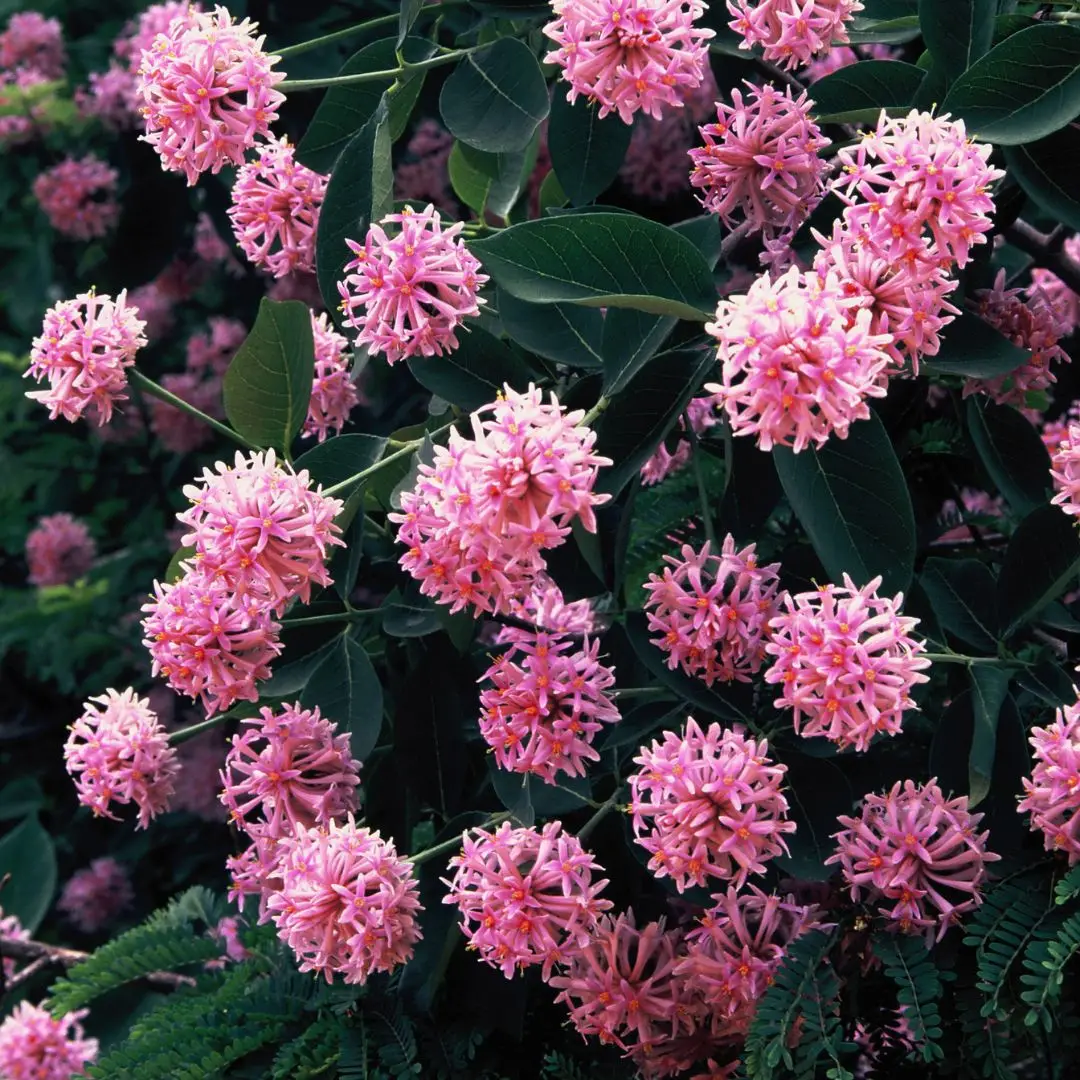
The magic happens in bloom. From November through February (or whenever your summer arrives), Dais cotinifolia produces masses of the most exquisite round flower clusters—globular pompon-like heads approximately 8 centimeters across, composed of countless tiny, star-shaped blooms in mauve, pink, or pale lilac. But here’s where it transcends the merely pretty: these flowers release a bewitching, deeply sweet fragrance compared by gardeners to Daphne itself. The scent fills the air around the tree, turning your garden into an invisible perfumerie. You’ll find yourself pausing beneath the branches just to breathe it in. This is ornamental value that speaks to all five senses—a rare gift in the plant world.
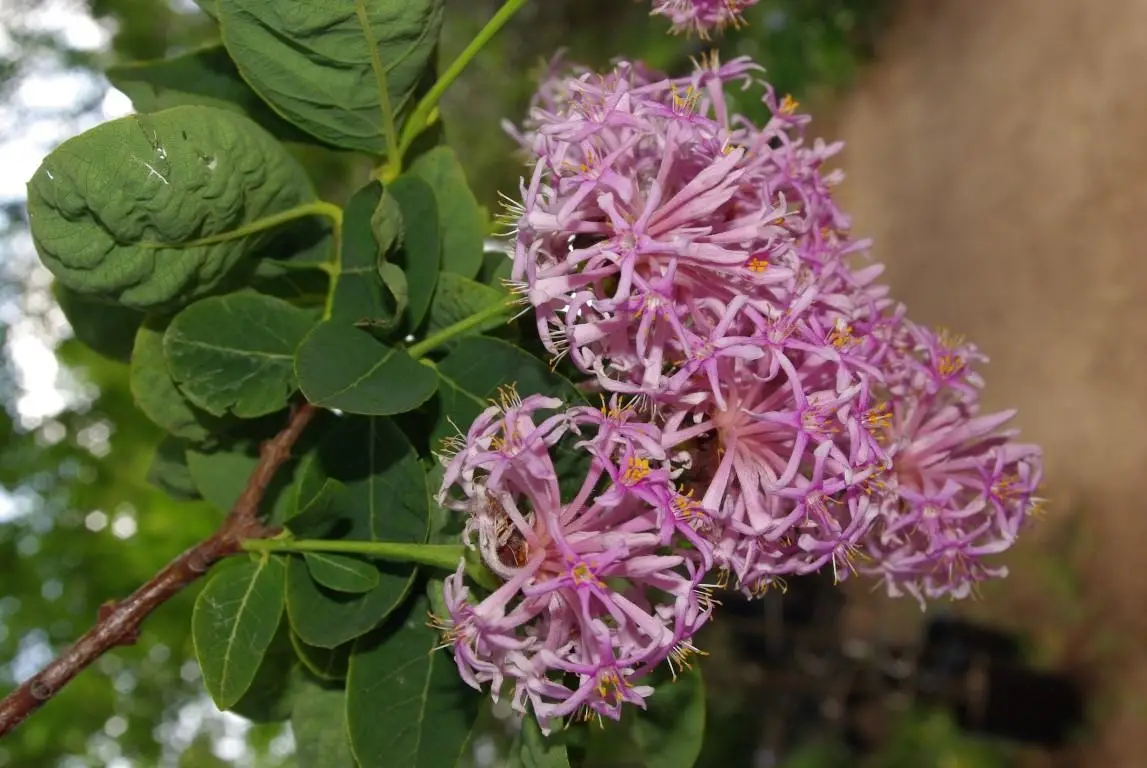
Growing this treasure from seed is surprisingly straightforward. This tree is genuinely easy to cultivate. It prefers full sun and well-drained, sandy or loamy soil (acidic to neutral pH), but once established, it’s remarkably forgiving. Young trees appreciate consistent moisture their first two years and protection from harsh frost in cold climates, but the payoff arrives swiftly: your seedlings will reach flowering age by their second or third year and attain full height (4-6 meters in most climates) within 4-5 years. It’s fast-growing without being rampant, taking the pressure off waiting. The foliage itself is ornamental throughout the season—smooth, bright green leaves with a luminous bluish tinge and translucent yellow veins that create living stained glass. Young trees develop bushy, rounded crowns; mature specimens remain perfectly scaled for smaller gardens and container planting. The tree is deciduous or semi-evergreen depending on your climate, so it never becomes monotonous. In dry climates, it tolerates drought beautifully once established. Cold hardiness to moderate frosts means it’s adaptable across temperate and warm regions. And as a final gift: the spent flower bracts persist on the tree and dry to handsome woody ornaments—perfect for harvest, crafting, or simply leaving for subtle winter structure.
Grow Dais cotinifolia from seed, and you’re not just cultivating a tree. You’re inheriting a living inheritance from European gardens, investing in fragrant summers, creating a beacon for butterflies and birds, and establishing a focal point that will entrance every visitor. This is the kind of plant that makes gardeners actually want to sit outside. Plant the seed, and in just two years, let the sweetness begin.
Only logged in customers who have purchased this product may leave a review.
Reviews
There are no reviews yet.