
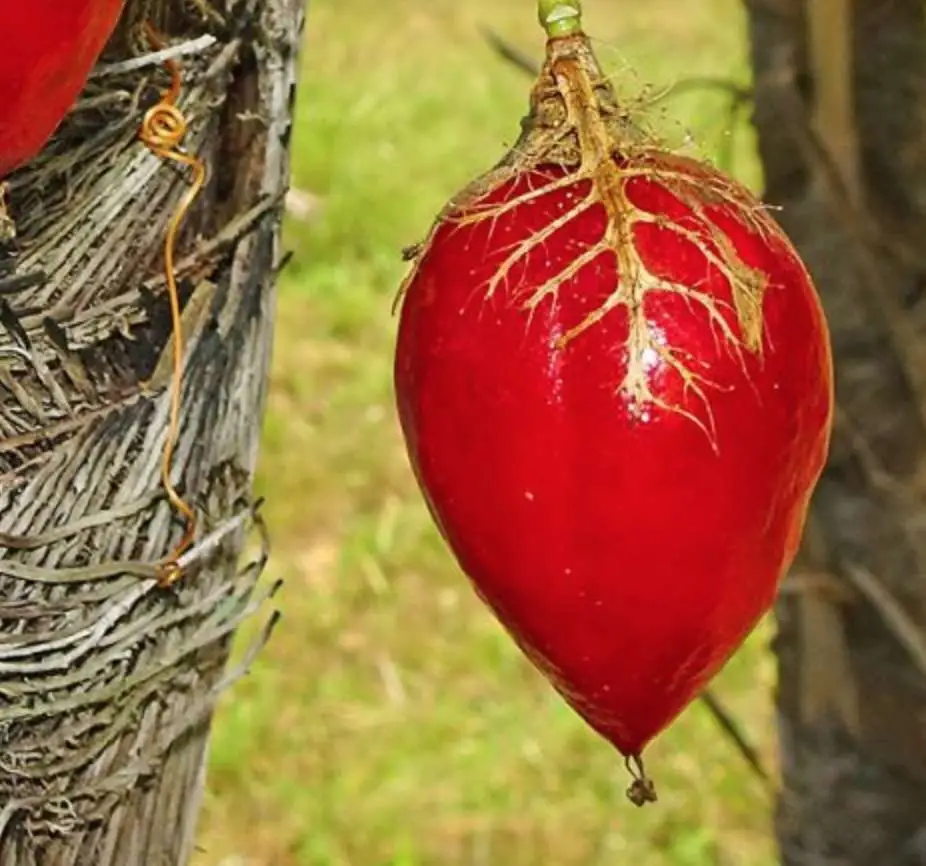

Grow your own calming remedy. This rare climbing vine yields dainty white-pink flowers followed by sweet, edible red fruit—but the real magic is in the leaves. Brew a soothing tea rich in flavonoids and alkaloids for natural anxiety relief and better sleep. Easy to grow in warm climates, quick to germinate from seed. Your own herbal pharmacy awaits.
€1.92
There’s a reason this delicate vine has been whispered about in traditional medicine across three continents—and now it’s calling your garden home.
Originally native to the swampy lowlands and moderate elevations stretching from Southern Mexico through the Caribbean all the way to Peru, Passiflora foetida var. gossypiifolia arrived in cultivation as a near-secret. The variety gossypiifolia remains beautifully rare in most gardens, which makes growing it from seed an act of reclamation. The species name ‘foetida’ means “stinking” in Latin, referring not to the fruit but to the powerfully aromatic leaves when crushed—a green, pungent scent that signals the plant’s potent chemistry within.
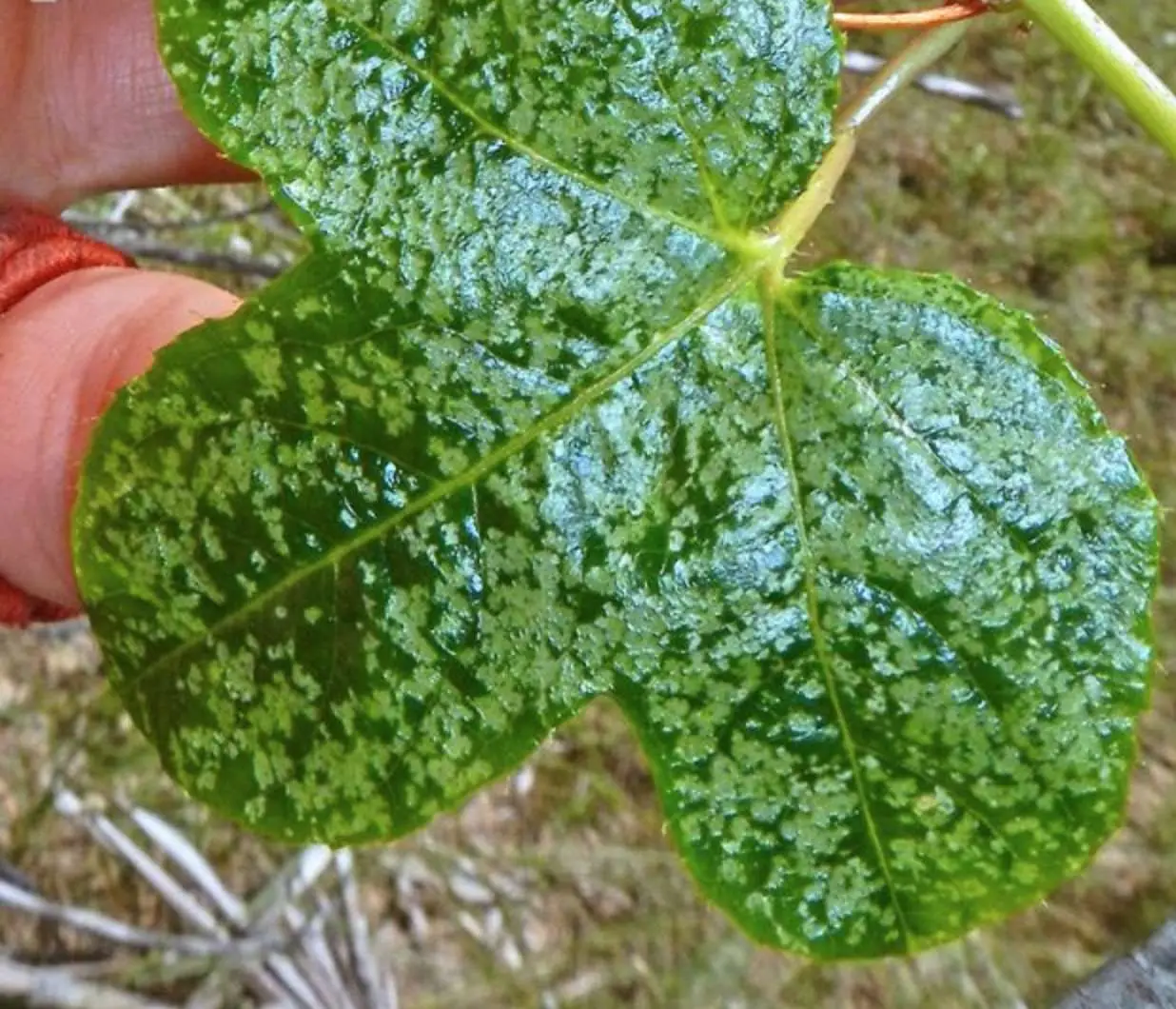
Where this vine truly reveals its gifts is in the leaves and, secondarily, the fruit. Herbalists and traditional healers across Brazil, Vietnam, India, and the Caribbean have long brewed Passiflora foetida as a leaf tea to calm anxiety, ease nervous tension, and invite deeper sleep. Modern science is catching up: studies confirm the presence of flavonoids (vitexin and quercetin), alkaloids, and phenolic compounds that work synergistically to reduce anxiety scores and improve sleep quality. The leaves can be steeped fresh or dried into a soothing infusion—delicate, slightly bitter, grounding. Beyond tea, practitioners prepare tinctures and nutritional powders from the foliage for systemic anti-inflammatory and analgesic effects. Some use leaf poultices on minor sprains. The whole plant has been traditionally boiled for respiratory support, digestive calm, and even antihelmintic action. If you’ve ever felt the pull toward growing your own botanical medicine, this is the vine for you.
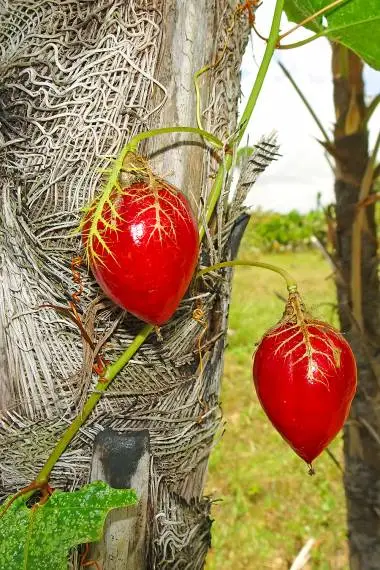
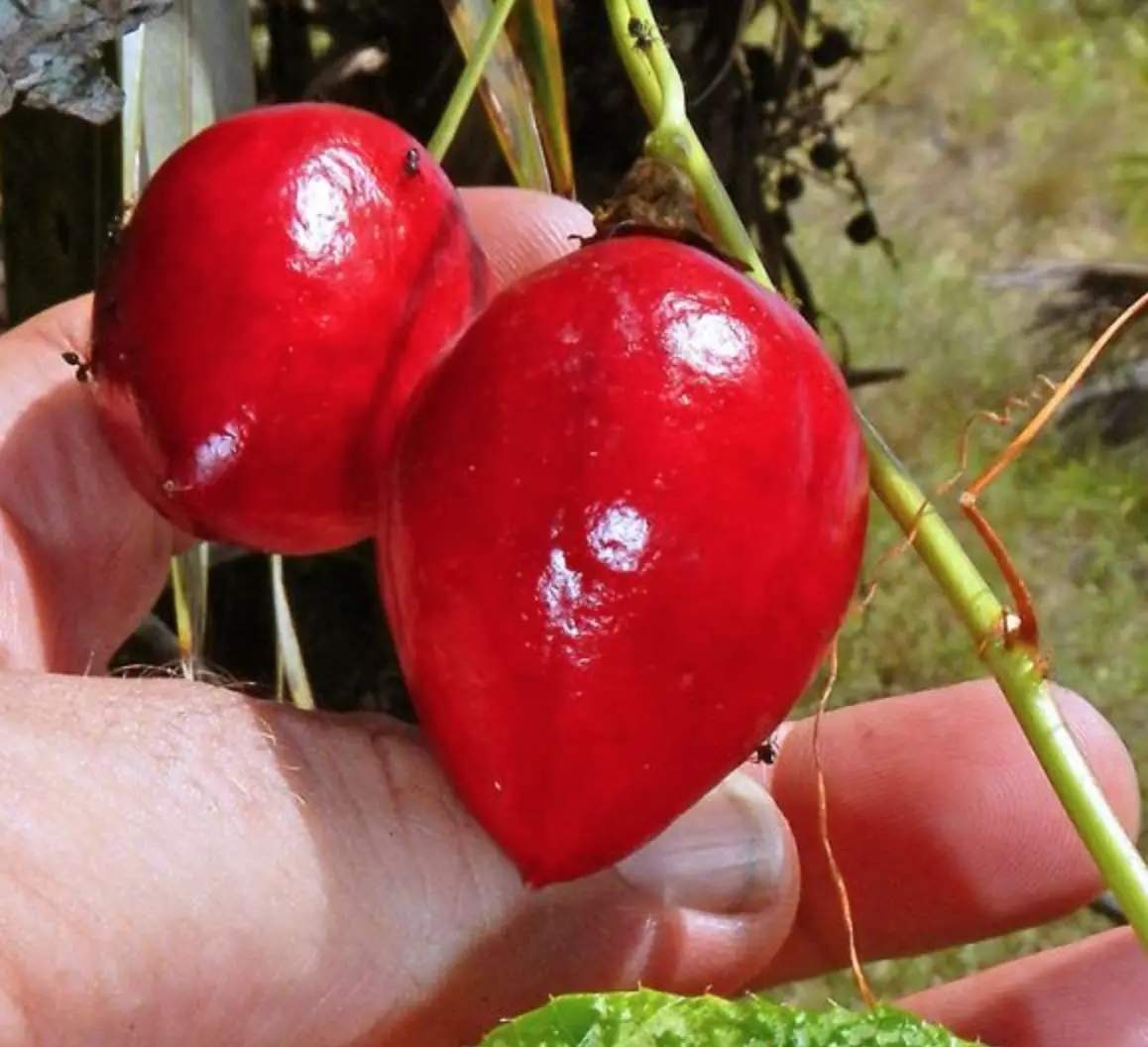
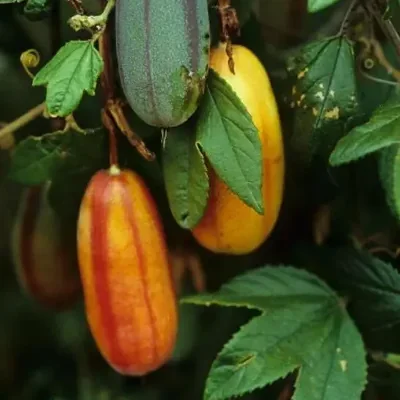
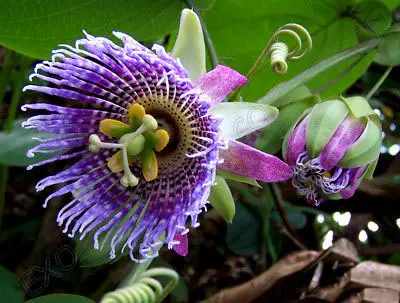
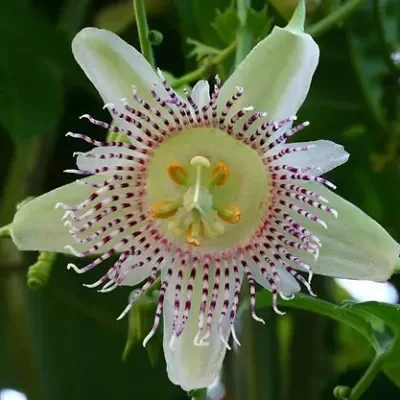
The fruit—a beautiful bonus—ripens from yellow-orange to deep red, no larger than a ping-pong ball or kumquat. Crack one open and you’ll find a mildly sweet, delicately flavored bluish-white pulp studded with black seeds. Eat them raw, steep them into juice, or cook them into jam. The vine also produces an architectural curiosity: sticky, spiky bracts surrounding the buds and developing fruit—so adhesive they can trap small insects. The flowers themselves are exquisite: white to pale pink with deep purple corona filaments, blooming prolifically from late spring through early winter in warmer zones. This is a climber that rewards the eye as much as the medicine cabinet.
Growing Passiflora foetida var. gossypiifolia is straightforward, especially in tropical and warm temperate zones. Give it full sun to part shade, well-drained soil that leans moist but not waterlogged, and a sturdy support—it will climb 12–15 feet with enthusiasm. The vine tolerates arid soil but truly thrives in moist areas. Water deeply but infrequently, allowing the soil to dry slightly between waterings. It flowers and fruits nearly year-round in suitable climates, making it a perpetual source of leaf and fruit harvest. In cooler regions, grow it in a container or conservatory; protect from frost (it can be damaged around 3°C). One of the great gifts of this species: seeds germinate quickly and reliably, far faster than many temperamental Passiflora species. Sow them just below the soil surface in warm, humid conditions, and you’ll have vigorous seedlings within weeks.
Imagine stepping into your garden on a restless night, harvesting a handful of fresh leaves, and brewing them into a cup of green calm. Imagine knowing that every sip carries the botanical wisdom of centuries—anxiety melting, sleep deepening, your nervous system settling into its natural rhythm. This is the gift of growing Passiflora foetida var. gossypiifolia from seed: not just a beautiful, productive vine, but a living connection to traditional herbalism and a daily ally for your wellness. Rare, potent, and easier to grow than you’d expect. Your journey into botanical self-care begins here.
Only logged in customers who have purchased this product may leave a review.
Reviews
There are no reviews yet.