
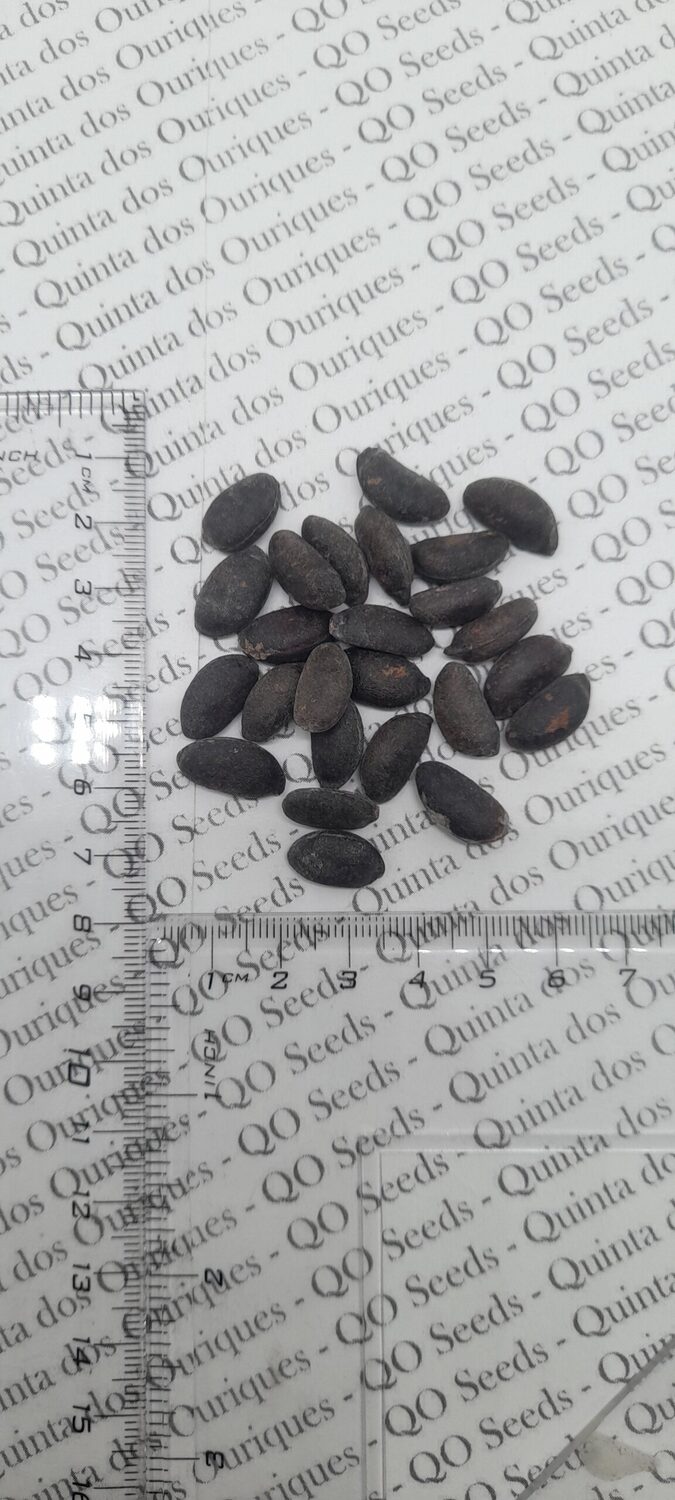
Grow the world’s most coveted timber species from seed. Diospyros ebenum produces a jet-black heartwood so prized that it commands premium prices in luxury furniture and musical instruments. With tropical climate, well-drained soil, and patience, you’ll nurture a living legacy—a slow-growing tree that builds wealth in wood over decades. Perfect for collectors and timber enthusiasts. Sow from fresh seed in shaded nursery conditions.
€6.37
Imagine owning a tree that produces one of Earth’s most valuable timbers—heartwood so stunningly dark and dense that it was called “black gold” for millennia.
Diospyros ebenum, the Ceylon Ebony, is native to the lush forests of southern India, Sri Lanka, and Indonesia, where it has been venerated since ancient times. This is the species that furnished the scepters of pharaohs, the furniture of Ming emperors, and today graces concert halls in the fingerboards of priceless violins and the keys of master pianos. In 16th-century courts across Europe and Asia, only the finest ebony was deemed worthy of royal households—and Ceylon ebony held the crown.
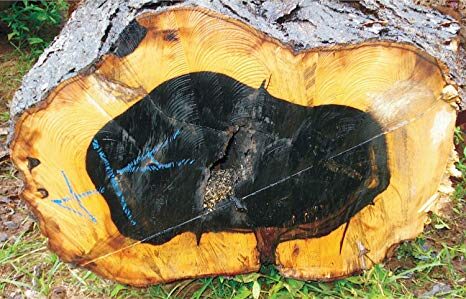
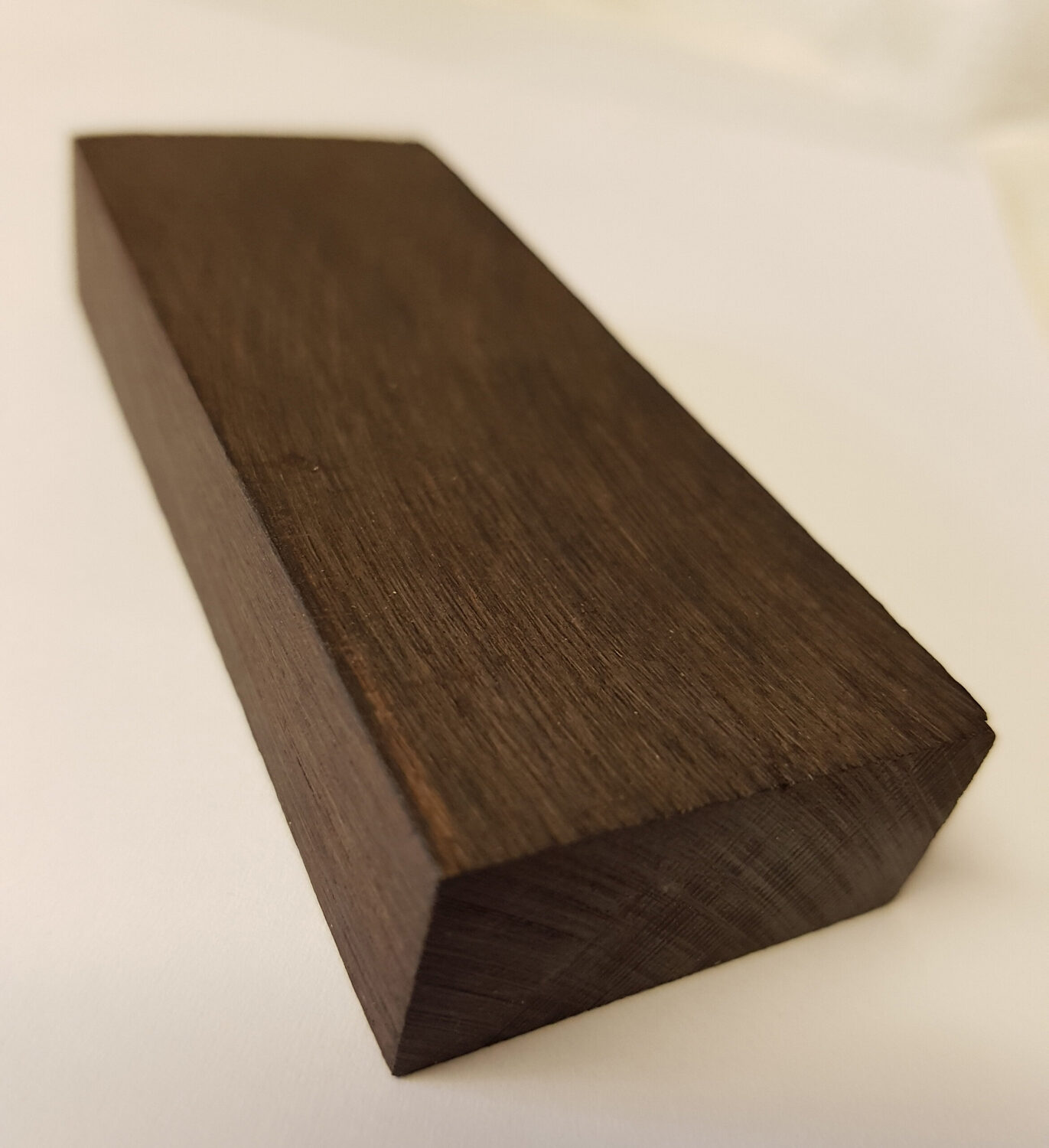
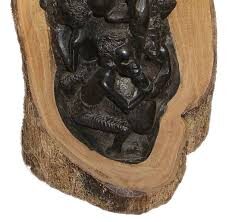
The heartwood is the protagonist here: a naturally jet-black, extraordinarily dense timber with a metallic sheen and fine, smooth grain that polishes to a mirror finish. What makes D. ebenum special isn’t just color—it’s the alchemy of density so extreme that heartwood sinks in water, hardness twice that of oak, and a wood structure so stable it resists cracking and warping where others fail. For centuries, artisans have chosen it for fine furniture inlays, hand-carved decorative objects, luxury tool handles, piano keys, chess pieces, and musical instrument components. A single premium piece of Ceylon ebony heartwood can fetch thousands—sometimes tens of thousands—of dollars in the global market, reflecting its scarcity and unmatched beauty.
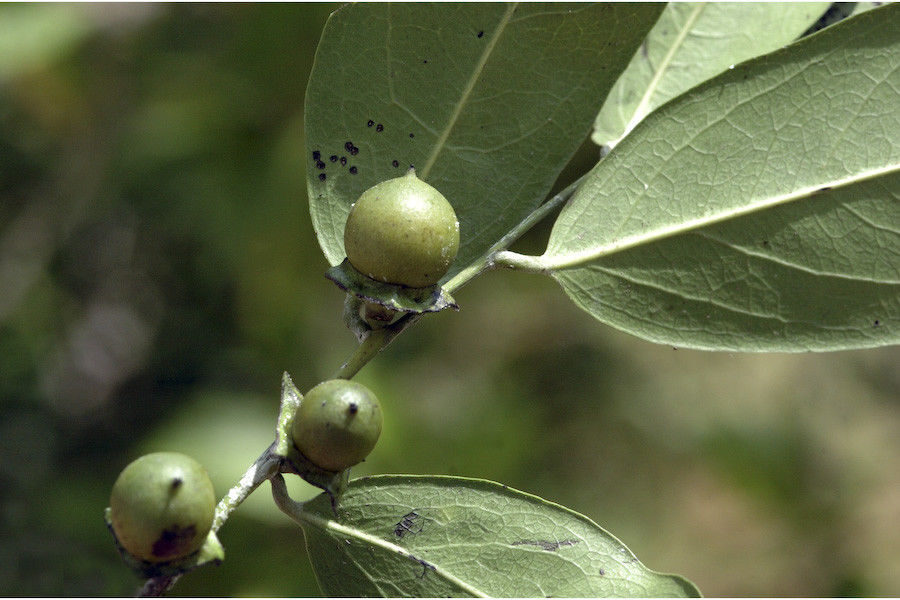
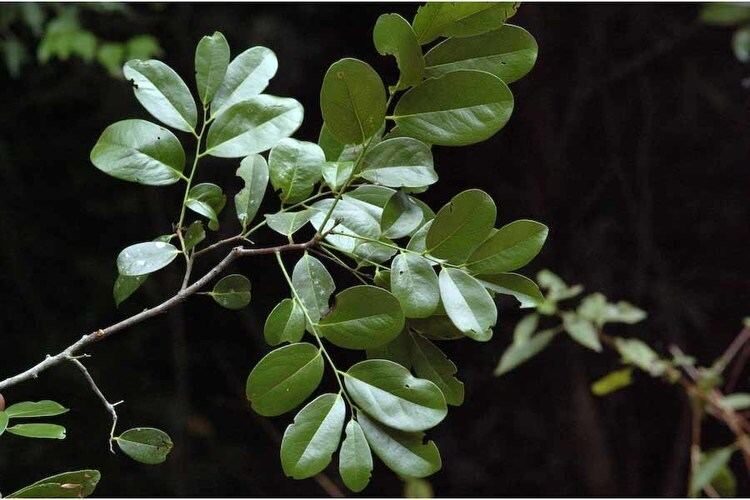
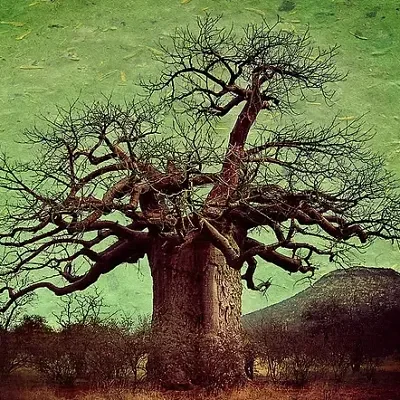
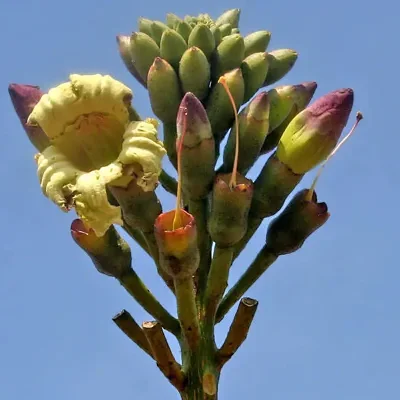
Beyond timber wealth, the tree itself is botanically fascinating. This slow-growing evergreen develops a dense, dark crown and can reach 20-30 meters tall with a remarkable straight trunk that builds buttresses up to 2 meters high for structural grandeur. The leaves are elegantly elliptical, and the tree bears small fruit resembling a persimmon—which are edible and have traditional medicinal uses in Ayurvedic practice. The bark is dark gray-black and deeply fissured, hinting at the treasure within. Culturally, D. ebenum represents ecological significance and resilience; it plays a vital role in the forest ecosystems of the Western Ghats despite centuries of over-harvesting.
Cultivating D. ebenum requires specificity but rewards patience. The tree thrives in tropical to subtropical climates (USDA zones 10-12), preferring warm, humid lowland conditions with temperatures between 60-100°F. It demands well-drained, clay-rich loamy soils—avoid waterlogging and frost entirely. The tree cannot tolerate shade; it needs full sun to light shade and prefers moist (not wet) soil. Propagation is straightforward: sow fresh seeds under shaded nursery conditions in a 3:1 soil-sand mix, keeping the bed consistently moist. Seeds germinate within 17-65 days with high viability when sown immediately after collection. Growth is deliberately slow—this is no fast ornamental—but that slowness is exactly why the wood develops such extraordinary density and dark color. Plan for 20-30 years or more before commercial harvesting size, but every year of patience is an investment in a timber of legendary value.
Grow Diospyros ebenum from seed and plant a legacy. You’re not just cultivating a tree; you’re nurturing living treasure, a botanical master-work that will reward your climate and patience with heartwood that speaks the language of luxury, history, and natural perfection.
Only logged in customers who have purchased this product may leave a review.
Reviews
There are no reviews yet.