
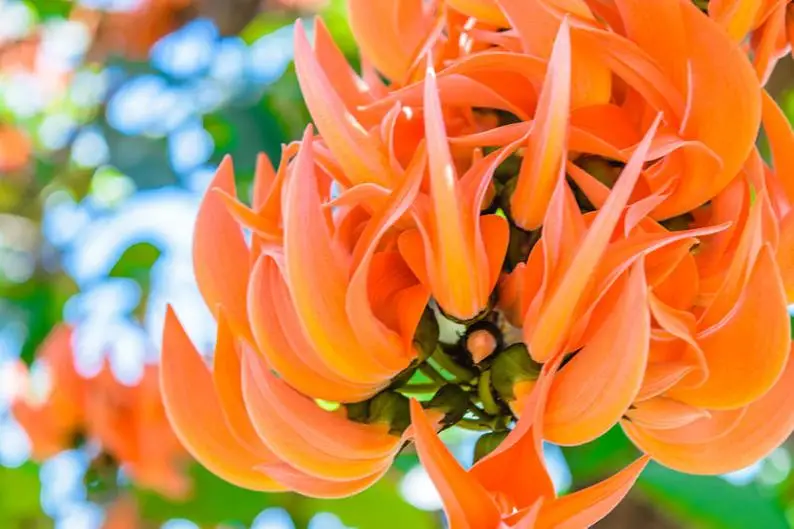
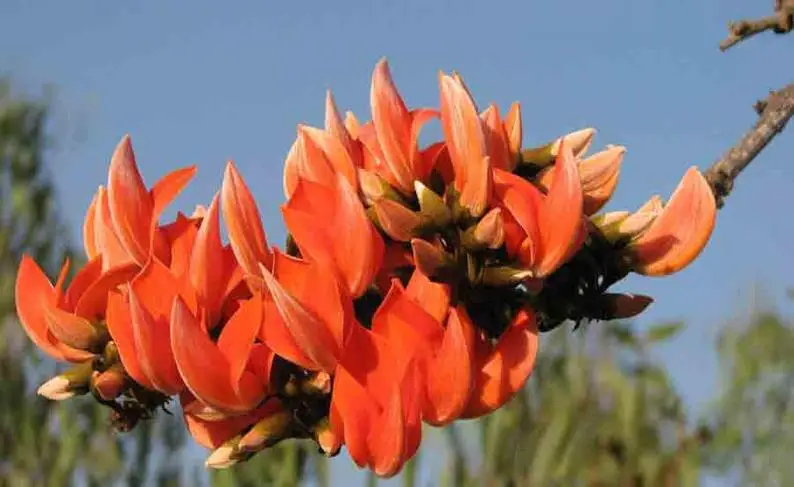
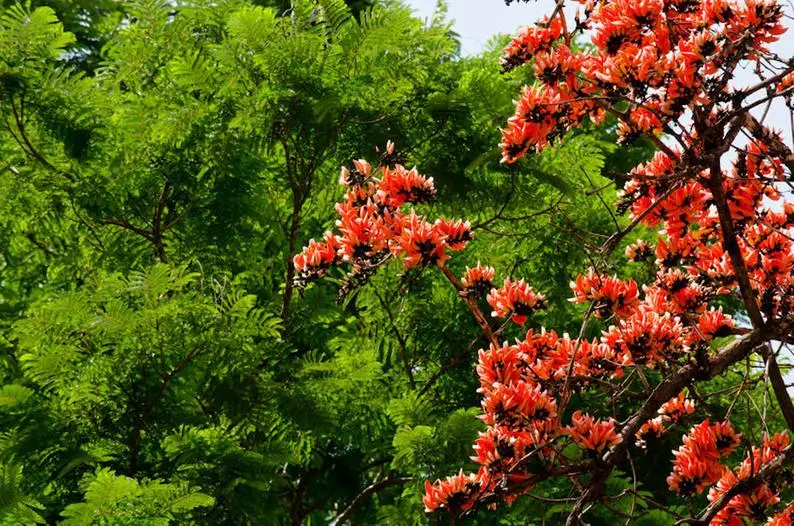
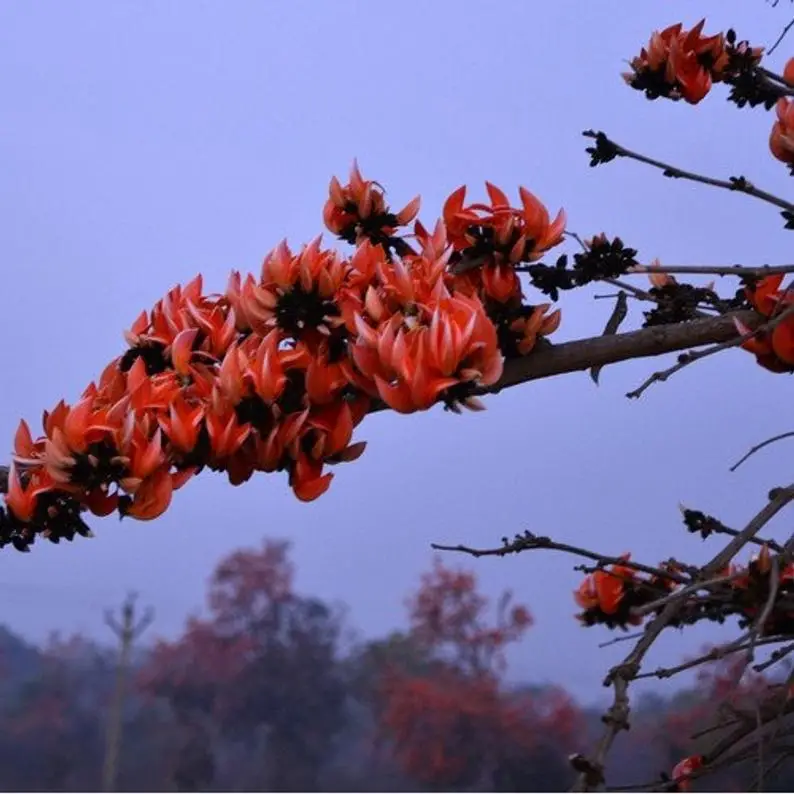
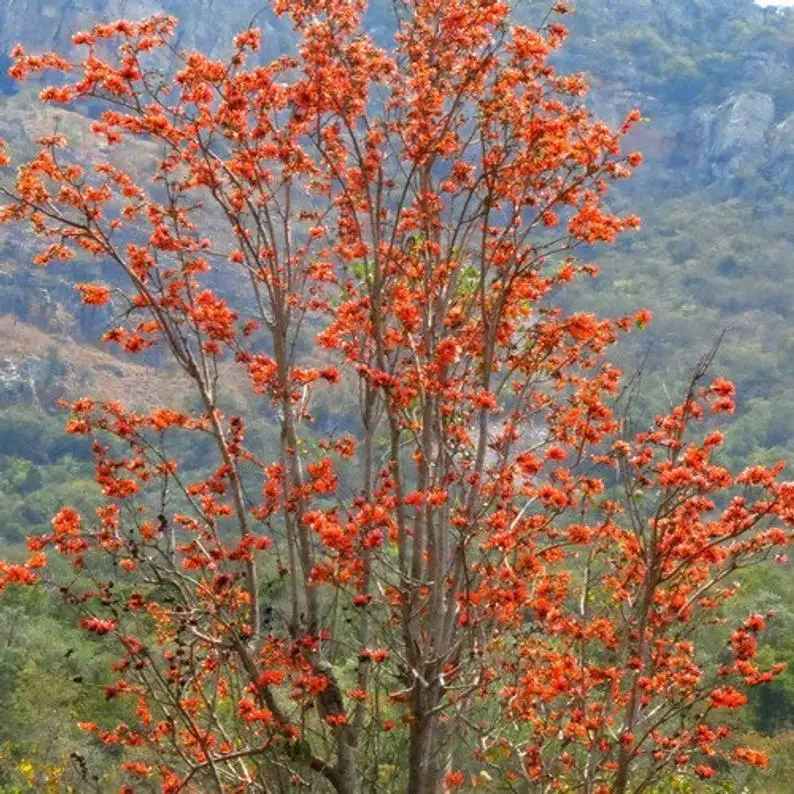
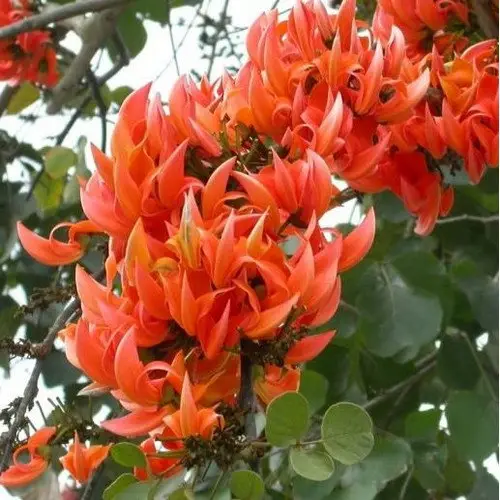
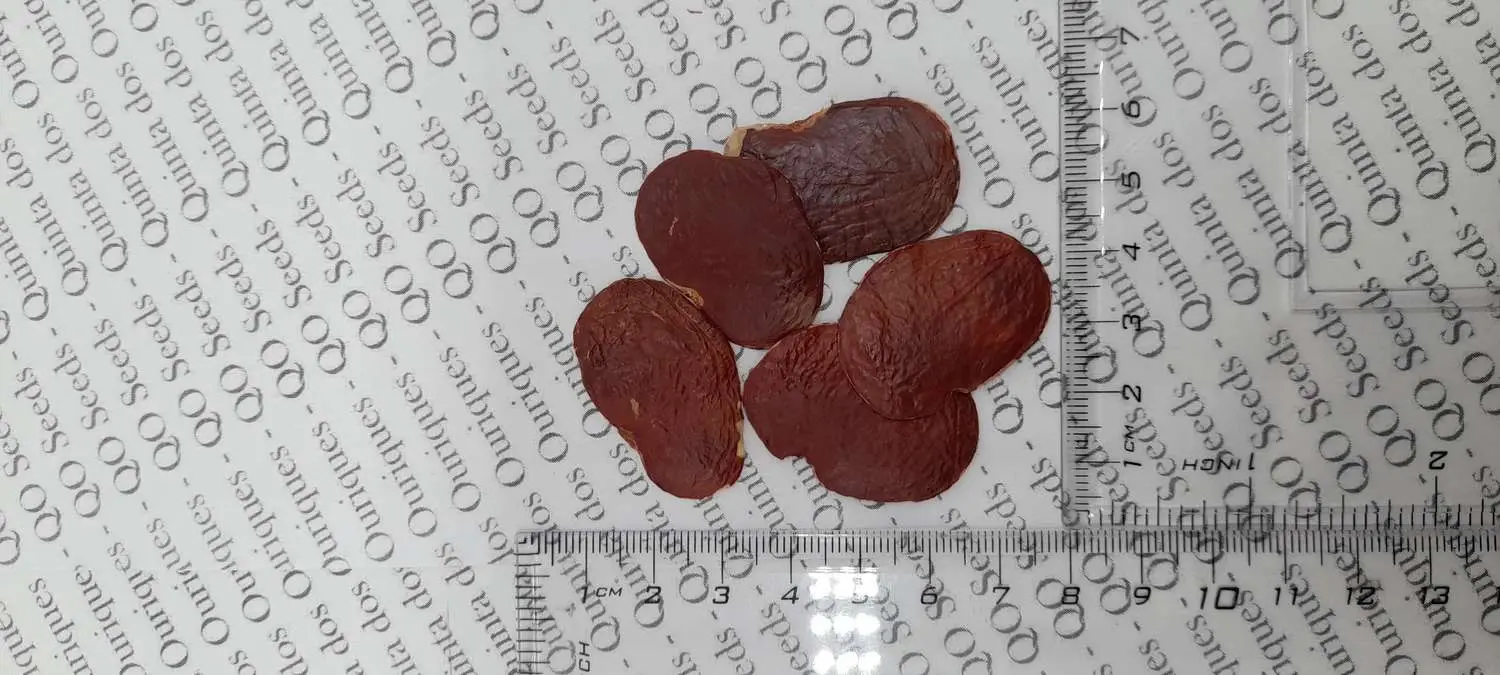
Watch spring ignite with Butea monosperma—the legendary Palash tree that erupts in blazing orange-red flowers bursting with natural dye and medicinal power. Extract a vibrant, food-safe golden-orange colorant from the petals, brew a cooling medicinal tea, or simply grow this cultural icon for breathtaking spring blooms that stop traffic. Slow-growing but extraordinarily rewarding; easy from seed in tropical and subtropical climates.
€10.19
Imagine stepping into a forest ablaze with fire—that is the moment Butea monosperma ignites in bloom.
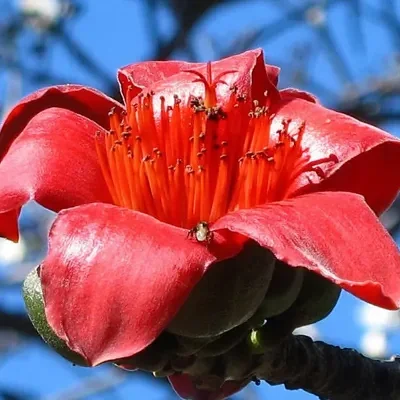
This tree is known for its vibrant orange-red flowers that bloom in the spring, and when a cluster of them flowers together, from a distance a cluster of butea monosperma trees when flowering give an impression of fire in the forest hence it is name as flame of the forest. Native to tropical South and Southeast Asia, the Flame of the Forest grows naturally across India, Pakistan, Bangladesh, Nepal, Sri Lanka, Myanmar, Thailand, Laos, Cambodia, Vietnam, Malaysia, and parts of western Indonesia. For centuries, in Hindi mythology, Palasha is considered an auspicious tree, it is believed that the tree is a form of Agni Deva, the God of Fire. Its flowers are offered to Goddess Kali as a substitute of blood in sacrifice rituals. Its wood is used in sacrificial ceremonies to God. This sacred tree is known as the treasure of God. The tree has deep roots in cultural memory—in West Bengal, it is associated with spring, especially through the poems and songs of Nobel Laureate Rabindranath Tagore, who likened its bright orange flame-like flower to fire. In Santiniketan, where Tagore and Vishalnarayan lived, this flower has become an indispensable part of the celebration of spring.
But beyond its legendary beauty lies an extraordinary gift: the flower petals can be extracted for a natural dye under an eco-friendly and organic solvent-free approach, furnishing an orange-colored dye. The dye obtained from flowers petals of Butea monosperma has high potential for use as a natural colorant in diverse range of industries including textile, pharmaceutical, medicinal and food production and processing sector. A bright yellow to deep orange-red dye, known as butein, can be prepared from the flowers. It is used especially for dyeing silk and sometimes for cotton, and is traditionally used by Hindus to mark the forehead. In Maharashtra state of India it is prepared as a summer beverage out of tea of the flower which is considered to have medicinal benefits. In villages of many parts of India, for example in Maharashtra, this tree provides the leaves that are used either with many pieced together or singly to make a leaf-plate for serving a meal. Home dyers, natural cosmetic makers, herbalists, and anyone seeking authentic plant pigments will find limitless inspiration in these flowers—from fabric art to natural food coloring to herbal apothecary.
The medicinal heritage runs equally deep. These trees have been used in traditional Ayurvedic medicine for many years because of their anti-inflammatory, antifungal, antioxidant, laxative, astringent, and anti-diabetic properties. Parts of the plant are used to treat diabetes, kidney stones, liver disorders, fever, dysentery, cuts, wounds, skin diseases, respiratory infections, bronchitis, and asthma. Palasha is a famous Ayurvedic herb, used since the times of Sushruta, a foundational text of Ayurveda dating back centuries. The roots are used in treating night blindness, its flowers too are nutritive and even its leaves are known to have antiovulatory properties. Beyond the flowers and leaves, Butea gum is a dried astringent juice obtained from incisions in the stem of the tree. The juice exuded by the bark hardens into brittle ruby colored gum beads. This gum is sanctioned to be used as a substitute for the kino gum. This resin, also called Bengal kino, contains high levels of tannins and is valued for its astringent properties and its use in medicinal applications and leather tanning.
Growing Butea monosperma is more rewarding than diffic
Only logged in customers who have purchased this product may leave a review.
Reviews
There are no reviews yet.