
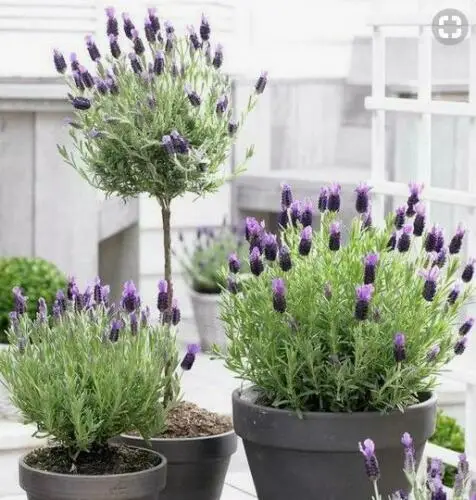

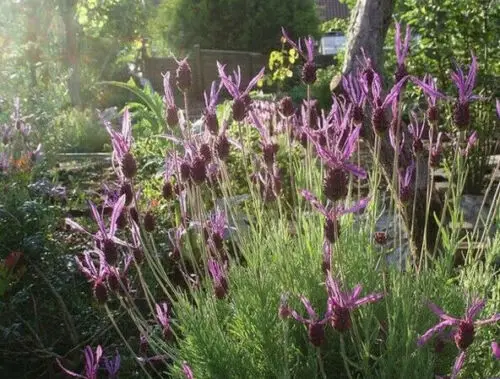
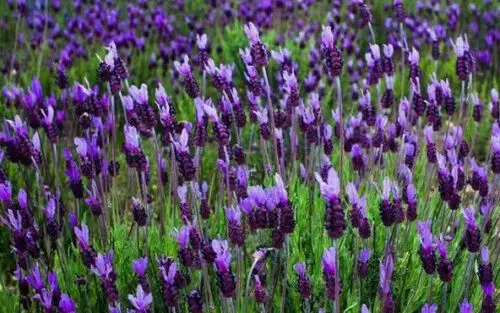
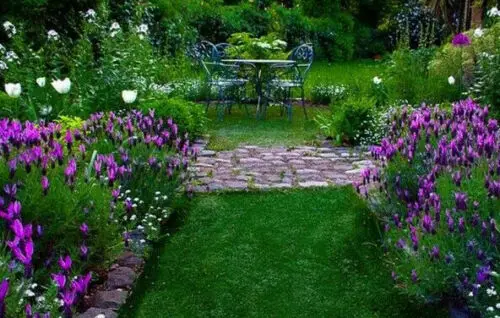
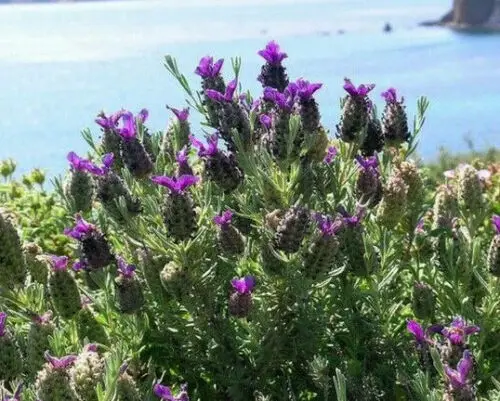
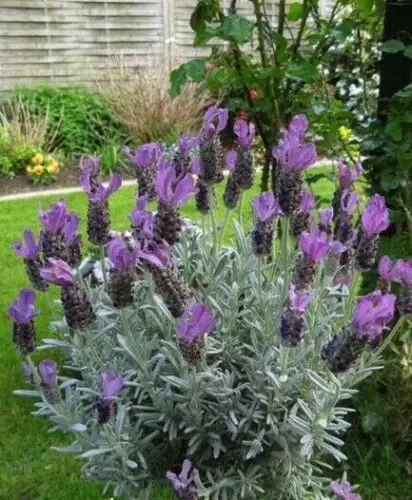
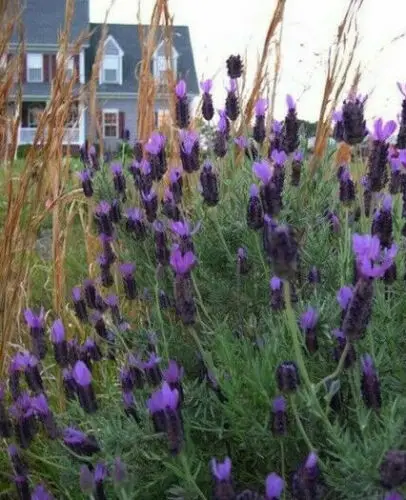
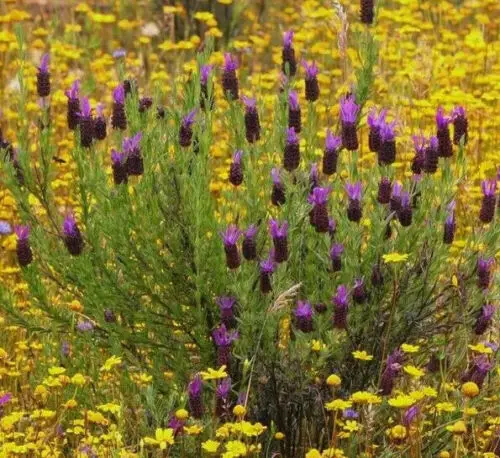
Grow the lavender that bees and butterflies cannot resist. Lavandula pedunculata dazzles with dark plum flowers crowned by delicate purple bracts that flutter like wings—the most irresistible pollinator magnet in the garden. Blooms almost continuously spring through summer. Extraordinary drought tolerance and trouble-free care make it the garden hero that keeps giving. Start from seed.
€1.92
Lavandula pedunculata—the French lavender that stops bees and butterflies mid-flight and holds them captive.
Native to the Iberian Peninsula and Northwest Africa, Lavandula pedunculata is one of the most treasured lavender species precisely because it does what most gardeners secretly crave: it brings life—humming, hovering, nectar-hungry life—to your garden with irresistible magnetism. This isn’t just another ornamental shrub. This is a living invitation to pollinator paradise.
WHY POLLINATORS CAN’T RESIST IT
Lavandula pedunculata is a specialist magnet for bees and butterflies. The plant produces abundant nectar and pollen, and its distinctive dark plum flower heads topped with long, paler purple bracts that resemble delicate wings create an almost hypnotic visual signal. The essential oils in its silvery-green leaves release a potent fragrance rich in linalool—a chemical compound that acts like a perfumed beacon to foraging bees. Once they land on those “butterfly wings,” they return again and again. This is a plant that transforms a garden into a thriving ecosystem. If you keep honeybees, cultivate native bumblebees, or simply want to support pollinators in crisis, Lavandula pedunculata is your answer. The blooms appear almost continuously from mid-spring through late summer, providing an extended buffet when other forage may be scarce. You’re not just growing a plant; you’re becoming a beekeeper’s secret weapon and a butterfly conservationist.
BEAUTY MEETS RESILIENCE
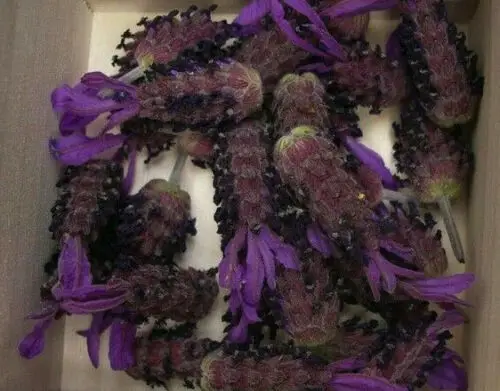
Beyond its ecological superpower, the visual reward is stunning. The flowers rise on long, elegant stems in dense spikes topped with conspicuous, almost theatrical bracts that catch light and shadow. They’re perfect for cut flowers, dried arrangements, and mass planting for maximum impact. The entire plant forms a tidy, compact mound of aromatic gray-green foliage that stays evergreen in mild climates. This is ornamental intelligence—beauty married to purpose.
TROUBLE-FREE EXCELLENCE
Lavandula pedunculata is the most drought-resistant lavender species available. Once established, it asks almost nothing: full sun, excellent drainage, and restraint with water. It thrives in poor, sandy, alkaline soils where other plants sulk. It shrugs off deer and rabbits. It requires minimal pruning—just a light trim in spring to encourage bushy growth. In other words, it’s the gift that demands almost no maintenance while delivering maximum reward. Even gardeners who kill every tender perennial can grow this with ease. Trouble-free if grown in the right conditions means you succeed, not fail.
WIN A PRESTIGIOUS AWARD
This species received the coveted Award of Garden Merit from the Royal Horticultural Society in 2002—recognition reserved for plants of exceptional garden value. That’s not hype. That’s horticultural consensus.
GROW IT FROM SEED, WATCH IT THRIVE
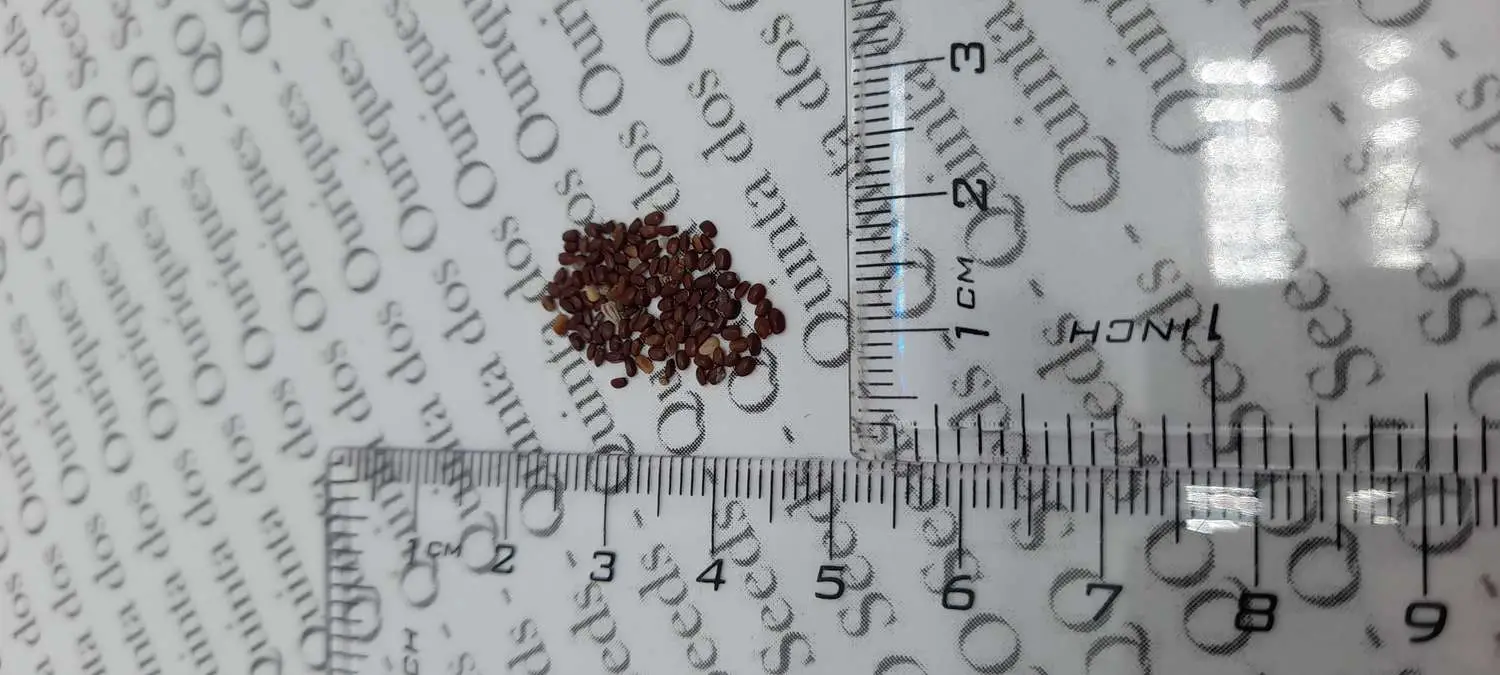
Seeds germinate readily and establish quickly. Within months, you’ll have thriving young plants ready to plant out into sunny, well-drained spots in the garden or into containers on patios and balconies. Growing from seed means you experience the entire journey—watching a tiny seedling transform into a fragrant, flowering pollinator powerhouse. There’s a profound satisfaction in that. You become the gardener who brought bees home.
Only logged in customers who have purchased this product may leave a review.

Reviews
There are no reviews yet.