
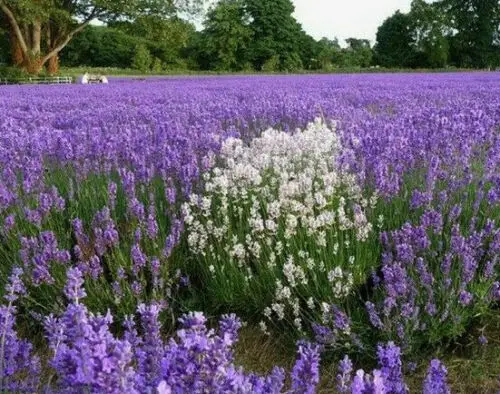
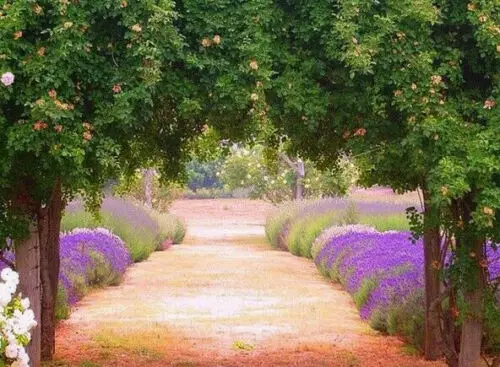
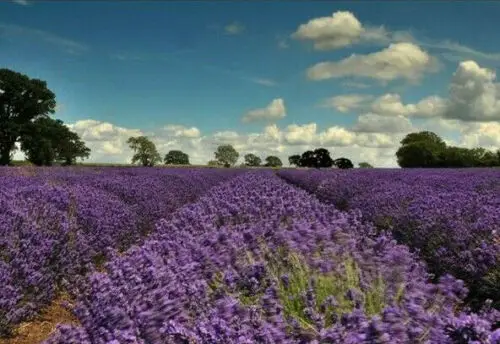
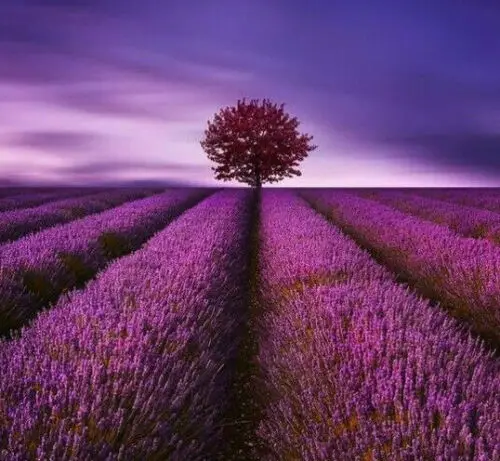
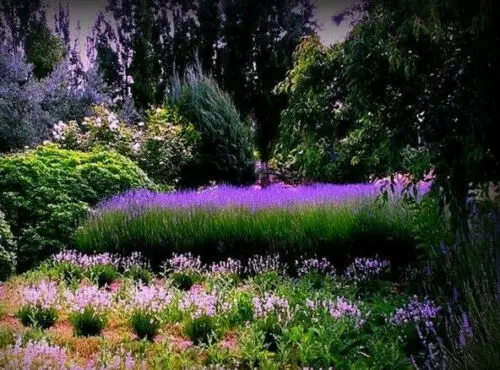
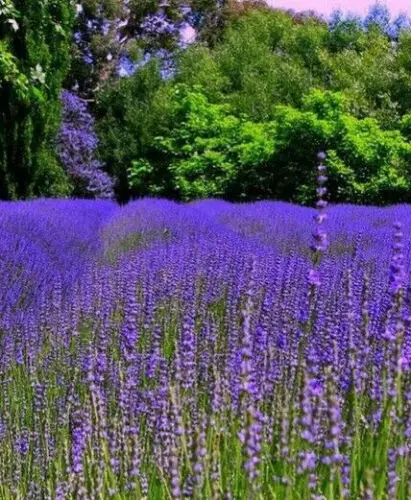
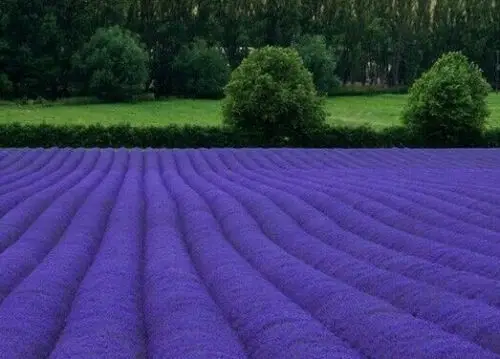
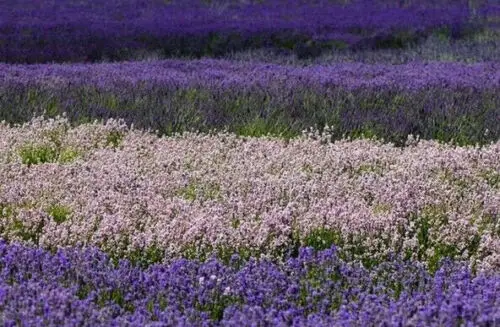
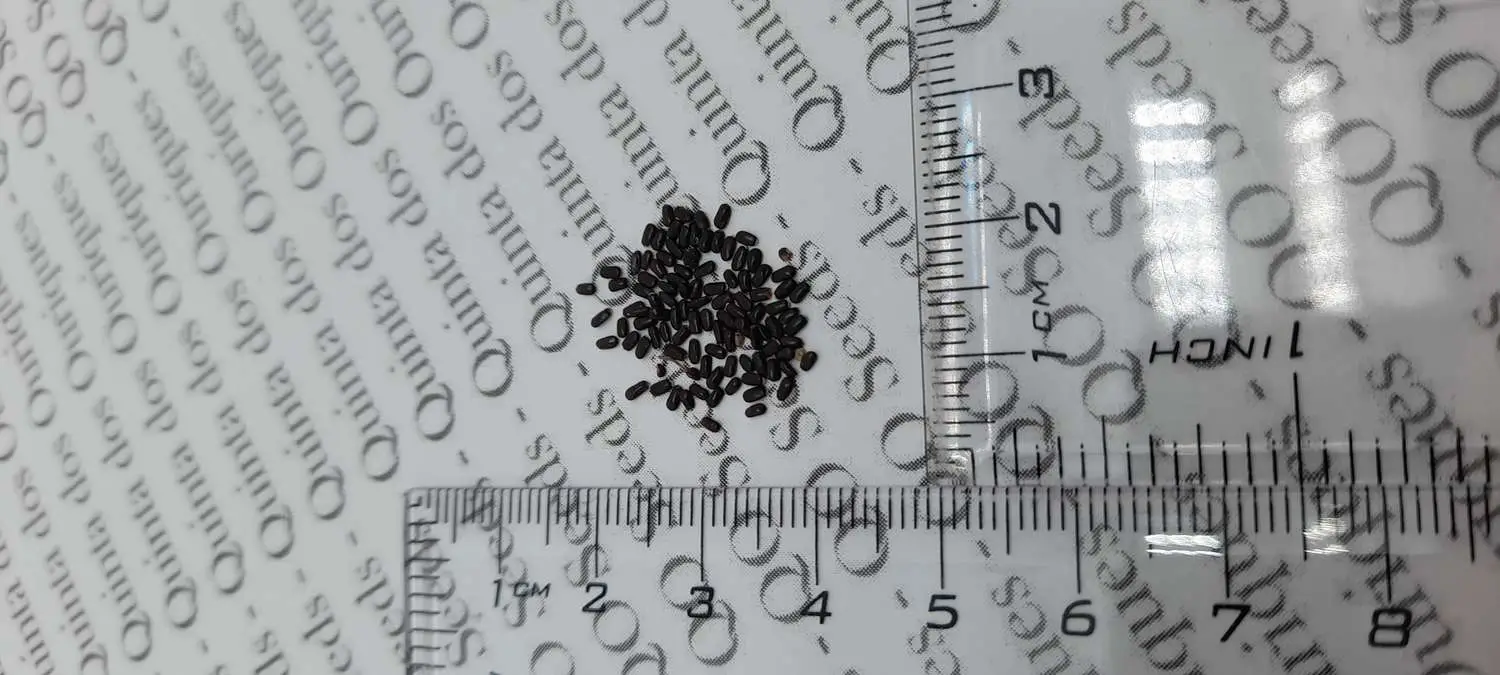
Grow the world’s most prized aromatherapy lavender from seed. Lavandula angustifolia yields the sweetest, cleanest essential oil—rich in linalool and linalyl acetate—beloved by perfumers and therapists for stress relief and calm. Easy-to-medium cultivation: full sun, well-drained soil, thrives zones 5–10. Purple spikes bloom late spring into summer. Bonus: edible flowers, medicinal tea, culinary herb. Start from seed and harvest your own liquid gold.
€1.92
Here’s the truth: when lavender essential oil meets your skin, your diffuser, or your pillow at night, something alchemical happens. That’s not poetry—it’s 2,500 years of human wisdom, backed by chemistry.
Lavandula angustifolia subsp. angustifolia is the true lavender, the one the ancients sought, the one the Romans bathed in, and the one modern aromatherapy still crowns as the supreme essential oil. This is not just another purple flower. This is the gateway to a world of therapeutic possibility.
Native to the sun-scorched Mediterranean—from the Iberian Peninsula to the Levant—Lavandula angustifolia evolved to thrive where most plants wilt. Its narrow silver-green leaves are nature’s water-conserving masterpiece; its purple flower spikes rise on slender, leafless stems like offerings to the sky. The plant itself is an evergreen semi-woody shrub that grows 1–2 meters tall, compact yet commanding, with foliage and flowers so aromatic that brushing past them releases an intoxicating cloud of pure floral magic. Nothing about this plant whispers—it speaks.
But here’s what makes Lavandula angustifolia the essential oil world’s reigning monarch: its chemical profile. Unlike Spanish lavender with its sharp camphor notes or French lavender with its thin, rosemary-tinged scent, English lavender is dominated by linalool and linalyl acetate—the twin compounds that unlock the deepest relaxation. Steam-distilled from the flowering tops, one plant yields a liquid treasure containing over 100 bioactive compounds, but those two amino alcohols are what make the difference. Science confirms what healers always knew: this oil promotes calm, soothes anxiety, improves sleep, and balances the nervous system. It’s approved by the European Medicines Agency for reducing mental stress and exhaustion. Aromatherapy practitioners call it the Swiss Army knife of essential oils. Perfumers prize it for its floral purity. You’ll prize it because growing it means harvesting your own therapeutic medicine—fresh, potent, and alive with intention. Imagine filling a diffuser with oil distilled from flowers you grew with your own hands. Imagine rubbing a drop onto your wrists before sleep and feeling the Mediterranean breeze settle into your nervous system. Imagine gifting a hand-poured sachet of your own dried lavender to someone you love, knowing it carries the power to ease their worry. That’s the real yield here—not just essential oil, but sovereignty over your own wellness.
And if essential oil isn’t your only passion, know this: Lavandula angustifolia is a culinary star too. The flowers bloom from late spring into early summer (and often rebloom in late summer with deadheading), with a sweet, citrusy flavor prized in baking, desserts, syrups, and teas. The herb is edible, safe, and far more sophisticated than most realize. It’s used in herbes de Provence blends, lavender-honey pairings, and elegant floral confections. You can dry the entire bloom for sachets, potpourris, wreaths, and craft projects that last for years. The foliage itself—silver-green and narrow-lanced—is medicinal, traditionally brewed for sleep support, nerve calm, and digestive ease. Even medieval herbalists knew: one plant, infinite uses.
Growing Lavandula angustifolia from seed is a rewarding journey, not a trial. Here’s what you need: Full sun (minimum 6–8 hours daily—this Mediterranean native drinks light). Well-drained, neutral to alkaline soil (pH 6.5–7.5); never soggy, never heavy clay. The plant is drought-tolerant once established, asking for little water beyond the transplanting phase. Sow seeds indoors in early spring, 10–12 weeks before your last frost. Keep soil moist but not waterlogged; germination arrives in 14–21 days at 70°F (use a heating mat if you have one). Cover seeds lightly with perlite—they need light to sprout. Once seedlings emerge, give them the sunniest windowsill or grow light available. Transplant outdoors after frost danger passes, spacing plants 18–24
Only logged in customers who have purchased this product may leave a review.
Reviews
There are no reviews yet.