Description
Imagine slicing into a homegrown golden kiwifruit at peak ripeness—that impossible brightness, that silken sweetness, that moment of pure sensory joy that supermarket fruit can never deliver.
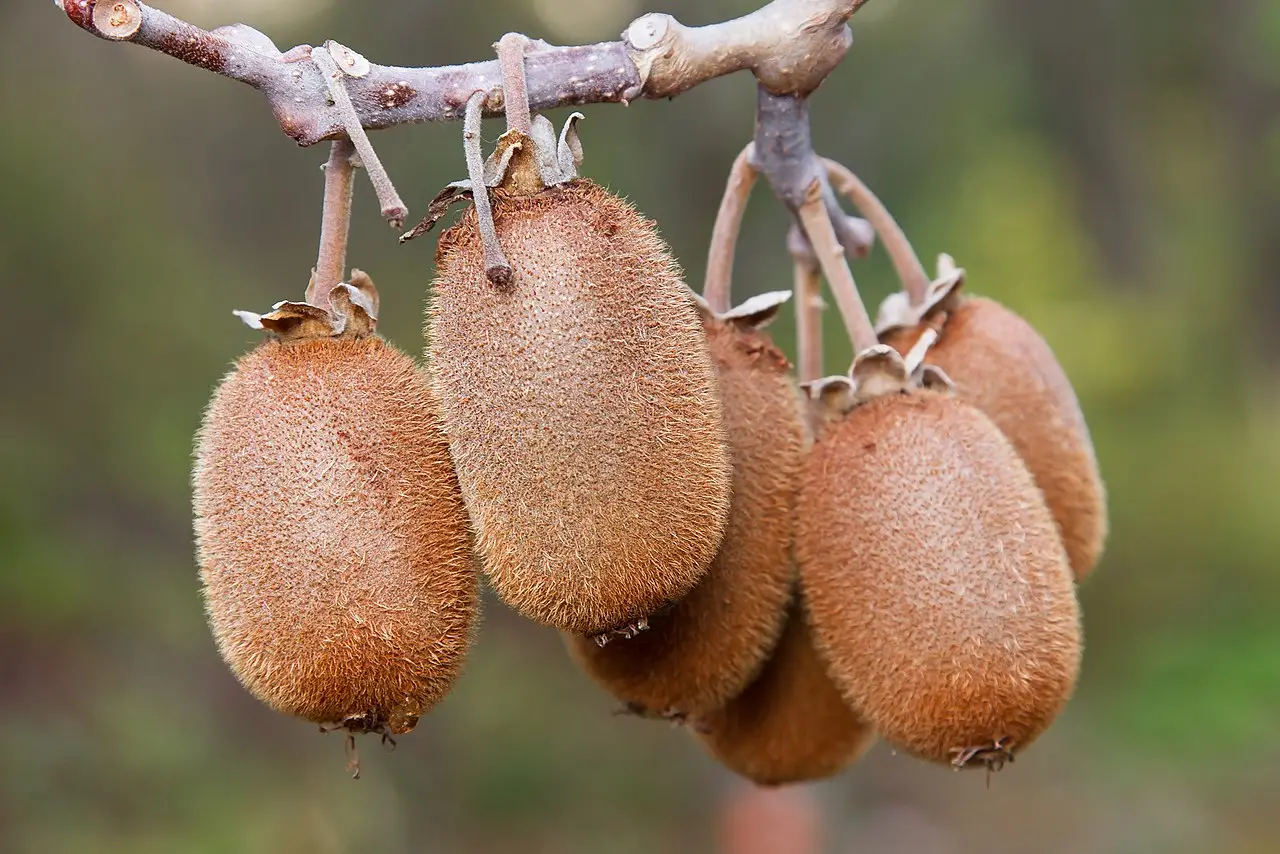
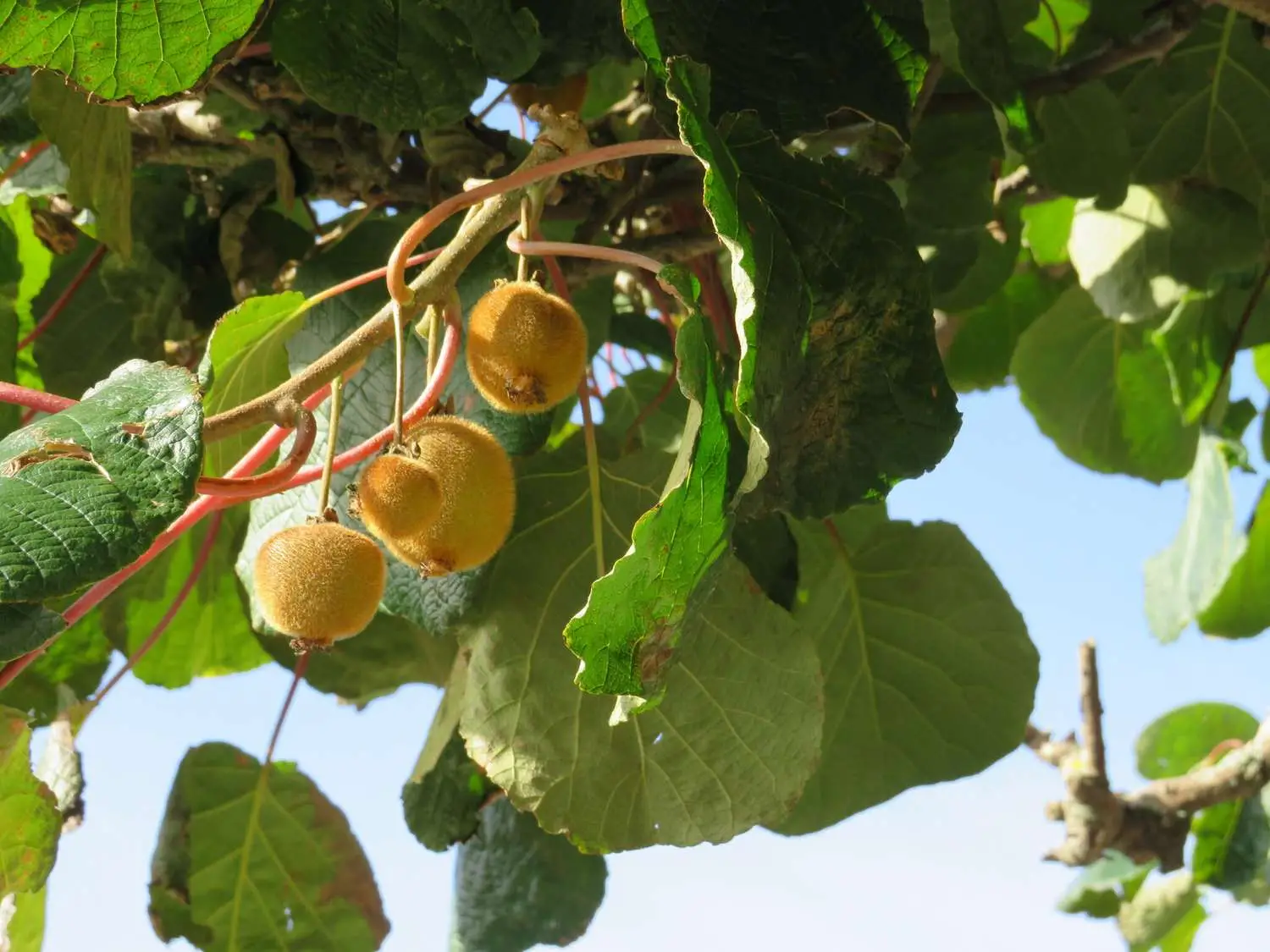
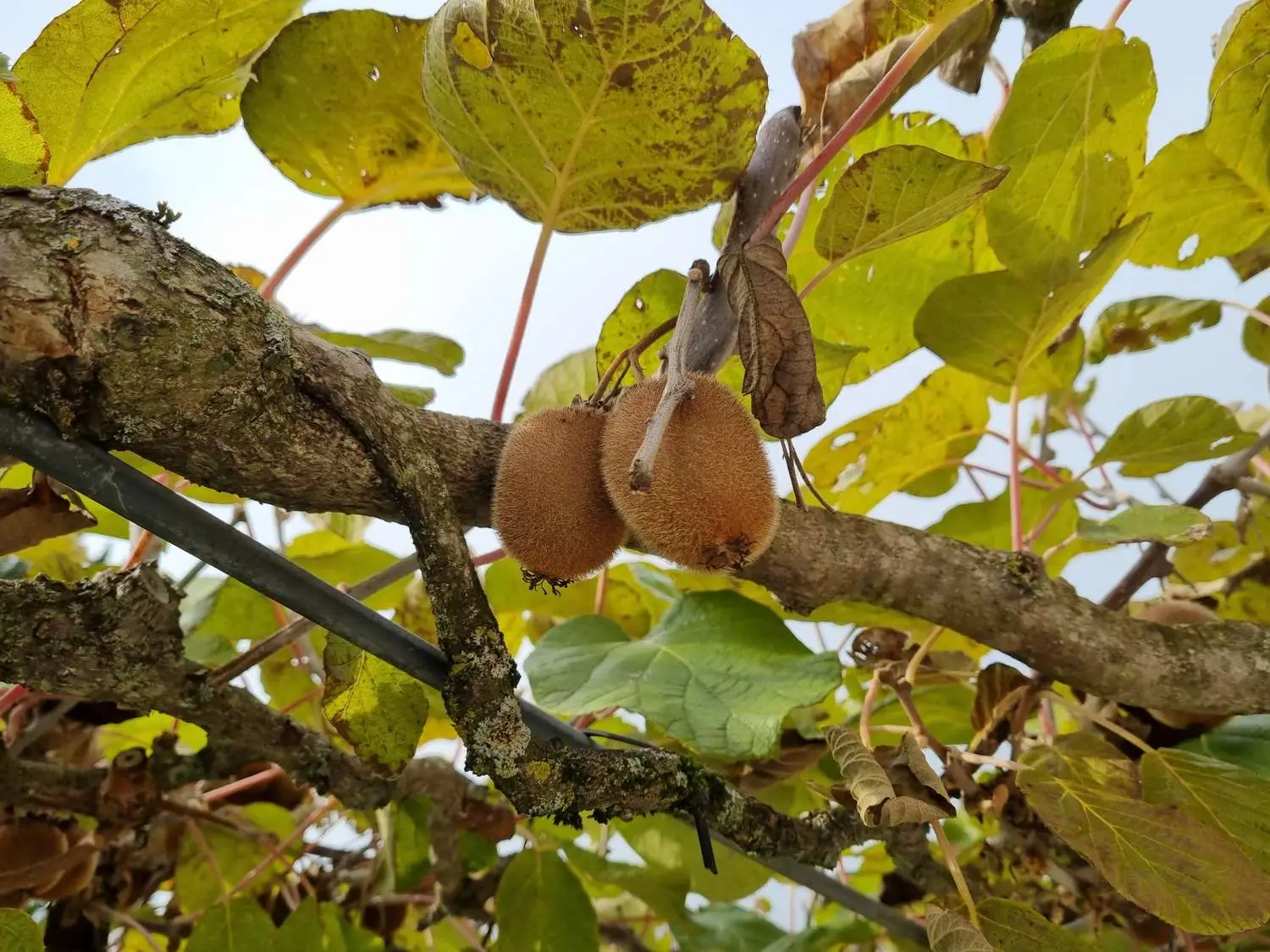
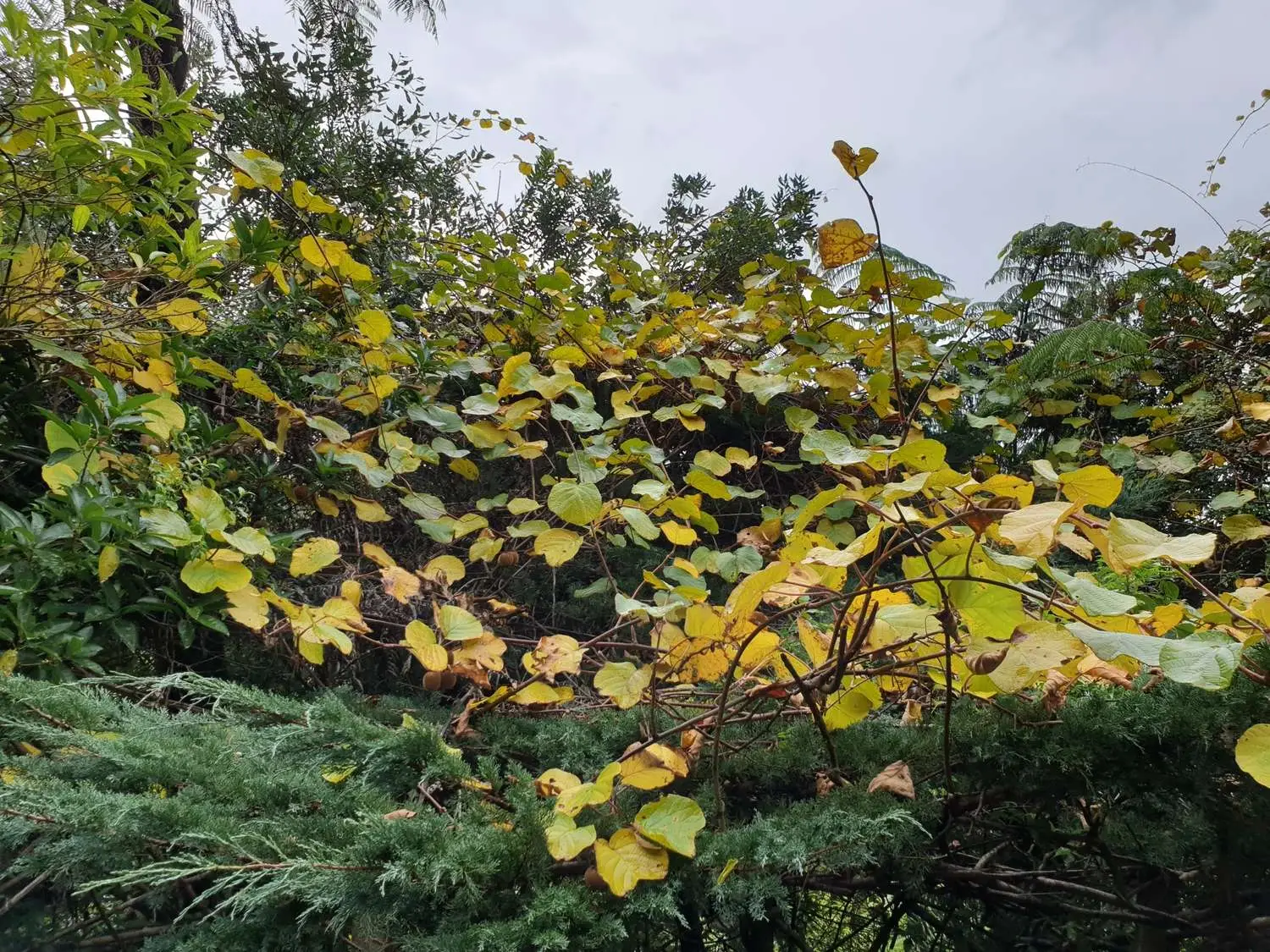
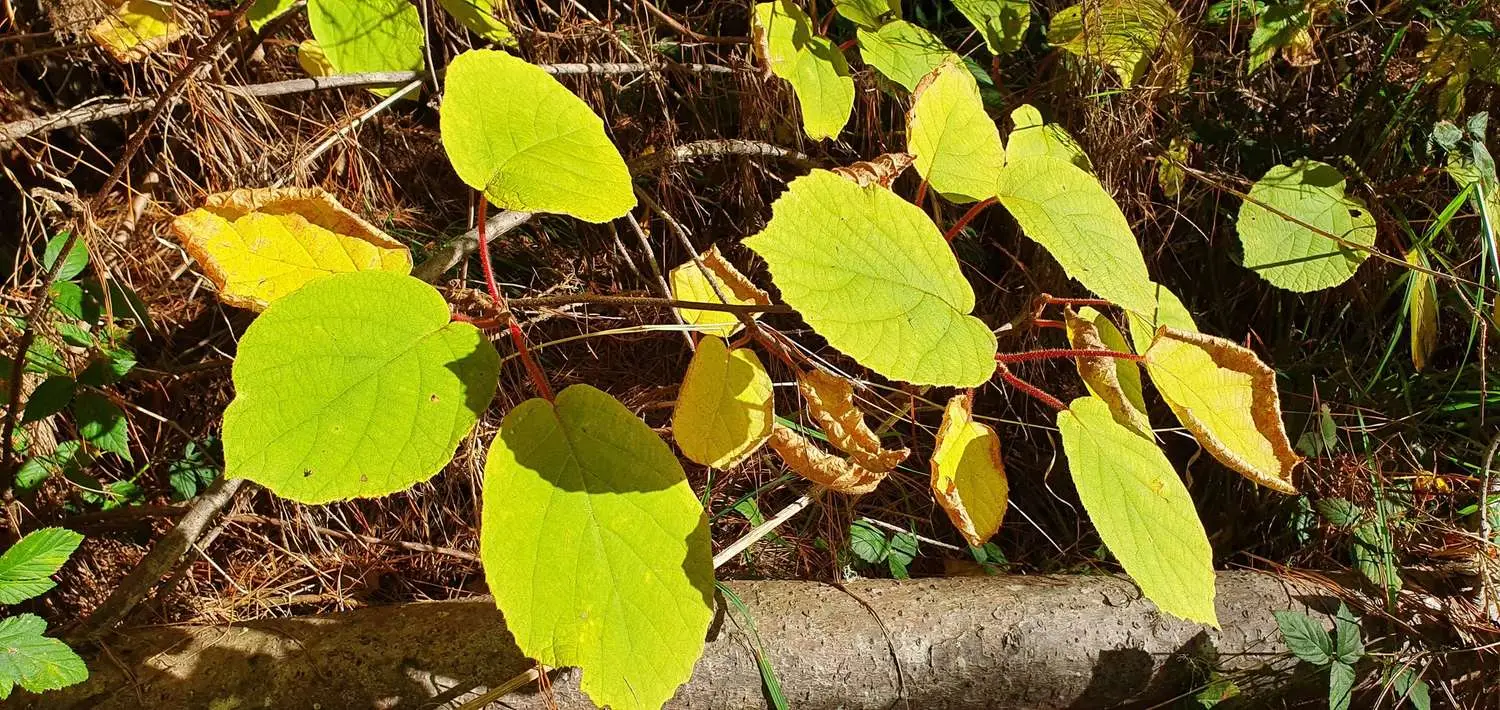
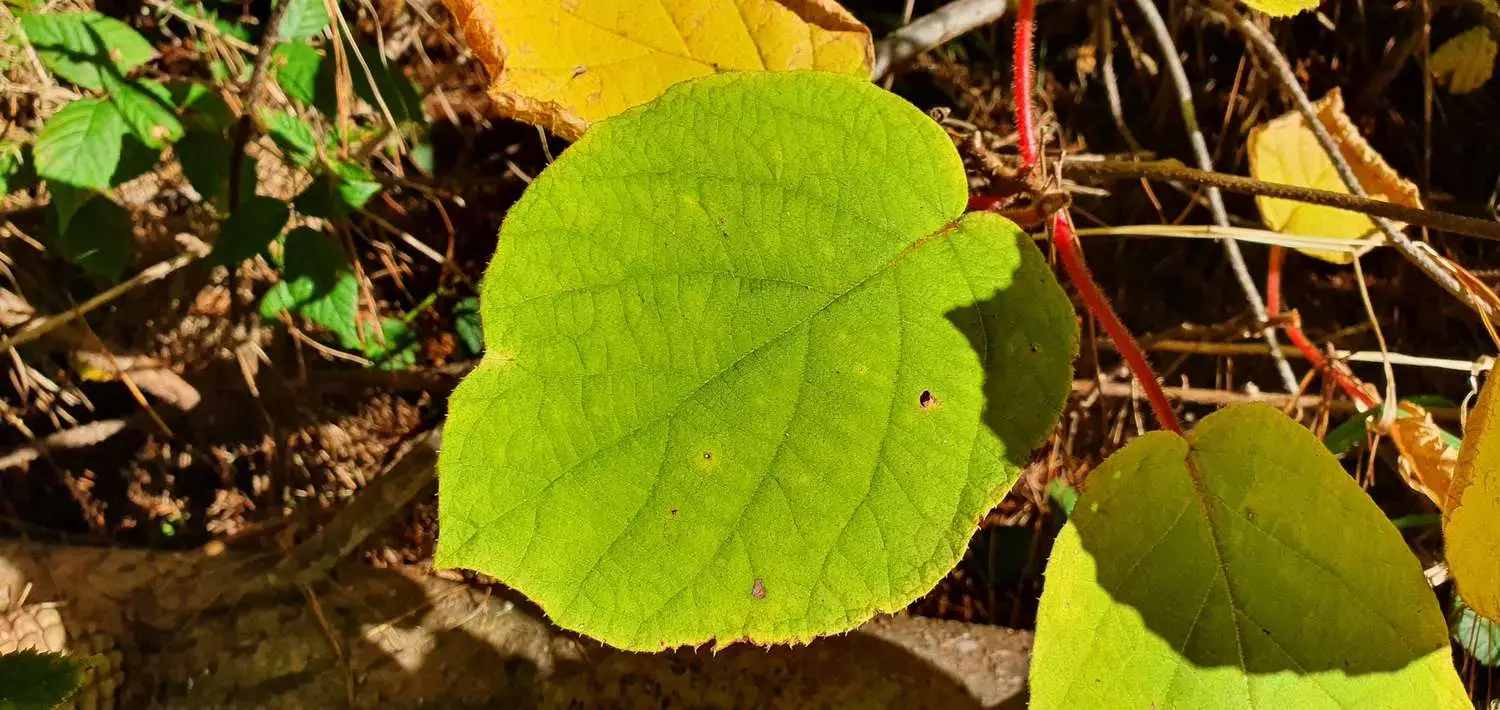
Actinidia chinensis, native to the misty forests of China, is the originating species from which modern kiwifruit was born. For centuries, it was harvested wild and treasured locally. In 1978, New Zealand breeders recognized something extraordinary in the golden-fleshed variants and began commercial cultivation—but the real magic? That belongs in your garden. This is the sophisticated cousin of the fuzzy green kiwi, refined and elevated. The vine itself is an architectural marvel: heart-shaped leaves that dance in summer breezes, elegant twining stems that clothe pergolas and arbors in living green, and come autumn, golden fruit glowing like small lanterns among the foliage. It’s ornamental *and* productive—the best of both worlds.
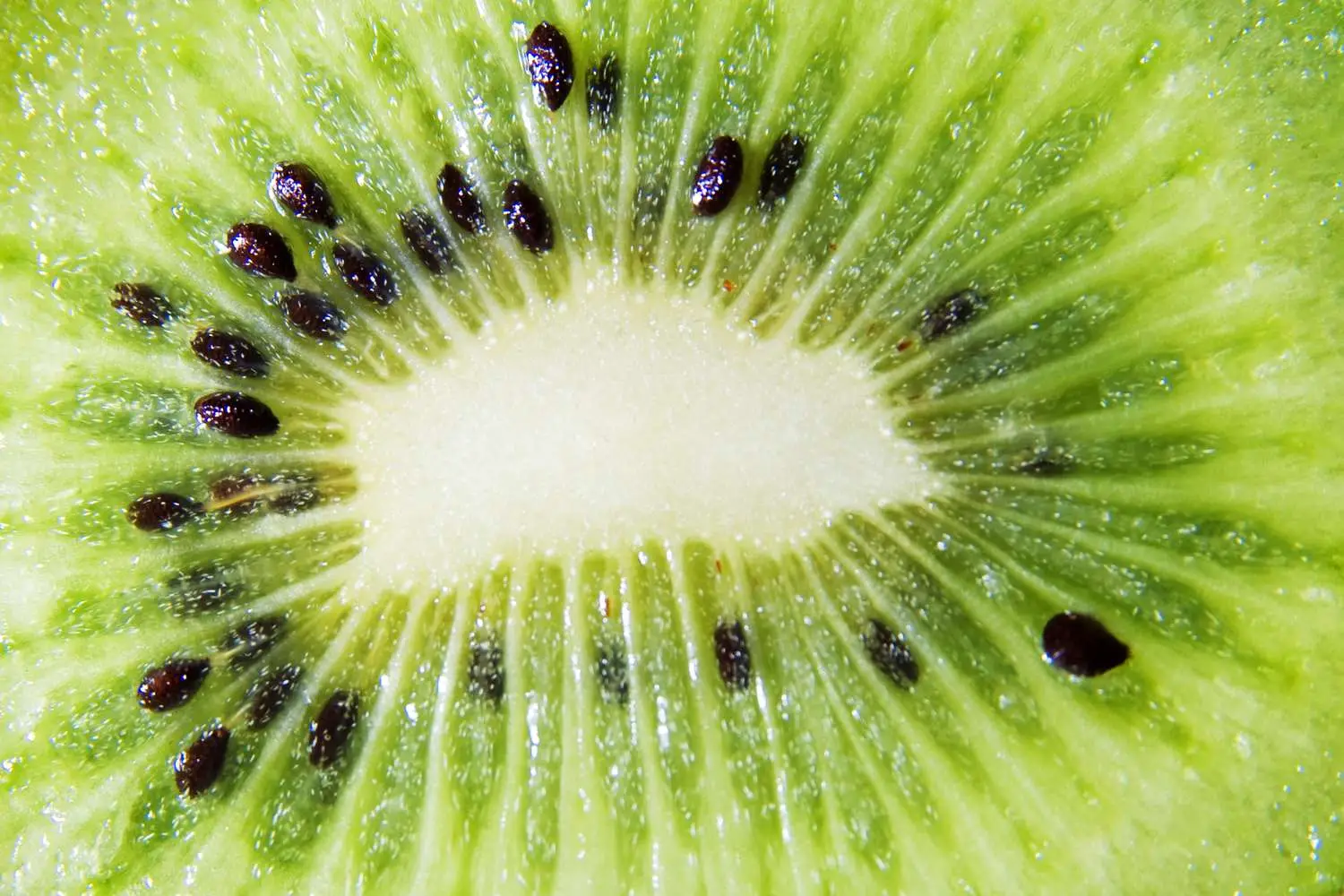
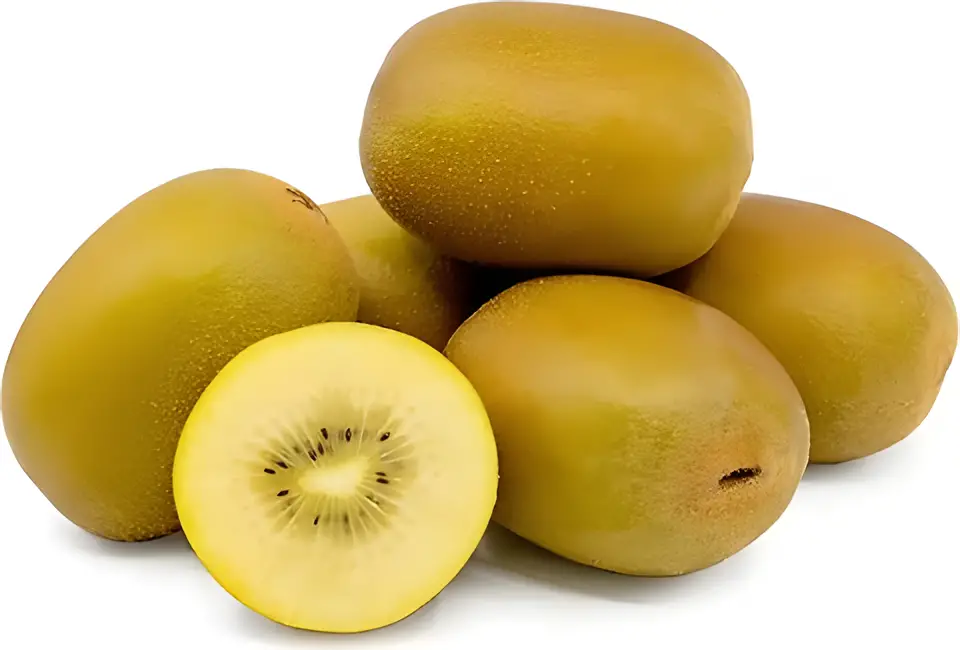
Here’s where the passion becomes undeniable: the fruit. A single ripe golden kiwifruit contains 100% of your daily vitamin C requirement, wrapped in a thin, smooth bronze skin you can actually eat (no fuzzy tedium). The flesh inside? A creamy, intense yellow so vibrant it looks like captured sunshine. The flavor is transcendent: mango and pear in conversation with citrus—sweeter and far more aromatic than green kiwis, yet with a sophisticated tang that keeps you reaching for another slice. Enjoy it fresh with a spoon straight from the fruit, blended into silk-smooth smoothies, layered into elegant desserts, or dried into chewy jewels. Each vine produces baskets of this bounty, enough to share, preserve, and celebrate the fact that you grew something this extraordinary yourself. The fruit also ripens beautifully off the vine, meaning you can harvest at peak maturity and let it finish at home—a gift for patient growers.
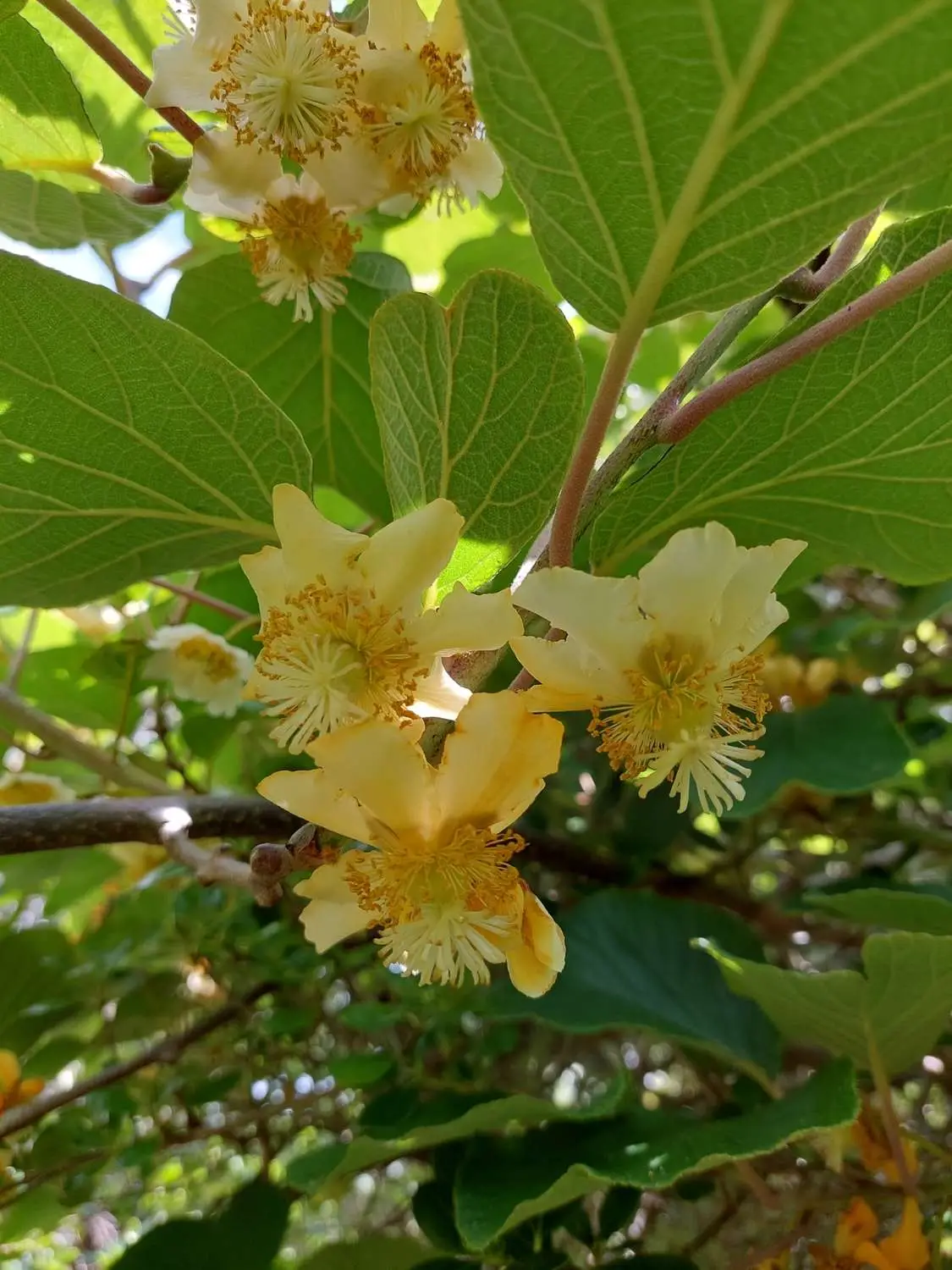
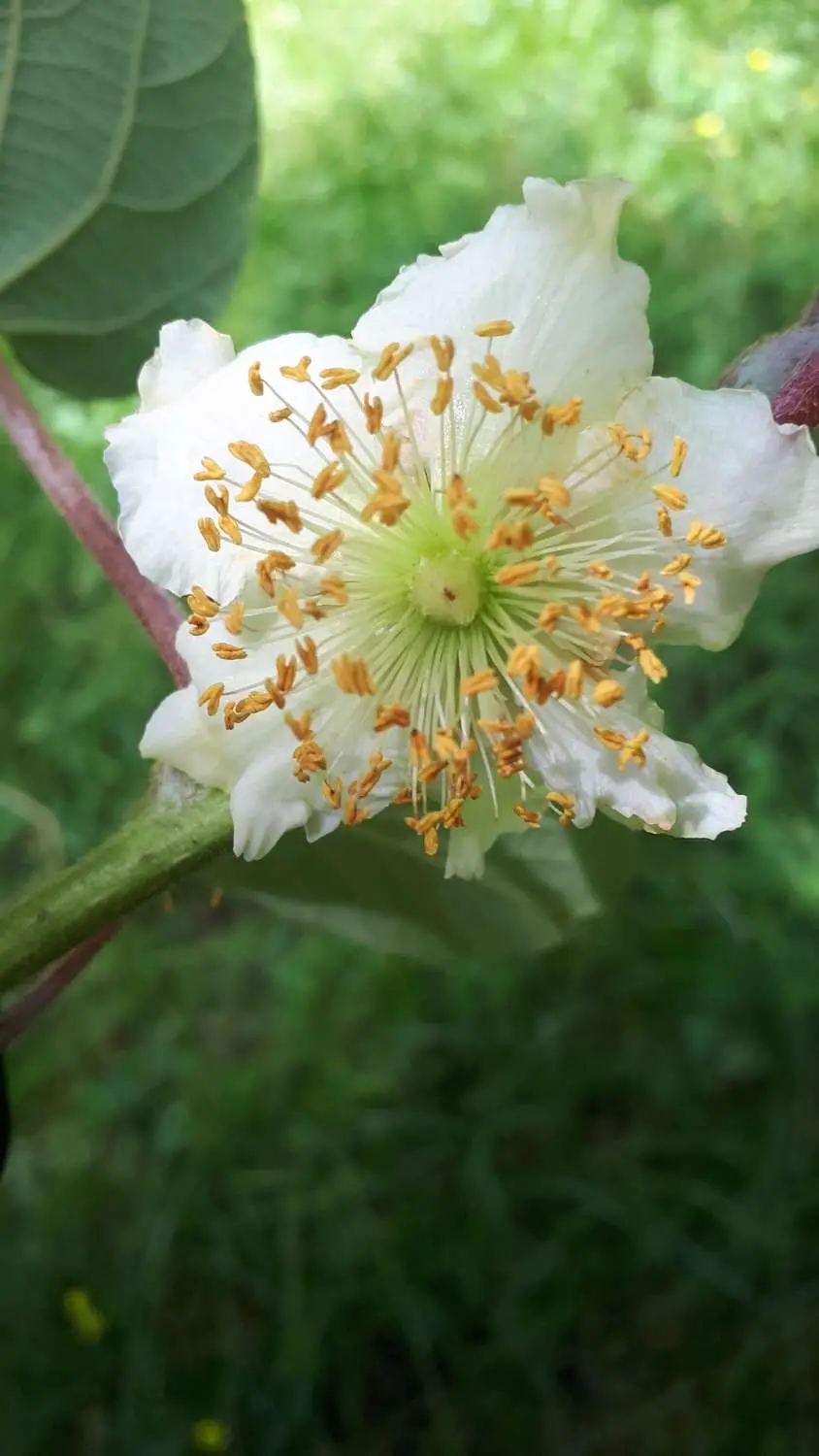
Cultivating this vine is genuinely rewarding for committed gardeners. Actinidia chinensis thrives in temperate climates (USDA zones 8–10, zone 7 with shelter) and needs full sun for best fruit production. Provide a sturdy trellis, pergola, or T-bar support—this vigorous climber can reach 30 feet if left untamed, though most gardeners train it to manageable size. Plant in well-draining, slightly acidic to neutral soil; keep it evenly moist during the growing season (drip irrigation and mulch are your friends); shelter it from harsh winds. Late spring frosts can damage new growth, so choose a protected site. The plant is dioecious (male and female flowers on separate plants), so you’ll need both a female fruiting vine and a compatible male pollinator, or select a self-fertile cultivar if preferred. Once established, expect 40–50+ years of productivity—this is a lifetime investment. Pruning is straightforward: shape in late winter, summer-tip after fruit set for light and airflow. Not fussy. Not demanding. Just generously rewarding.
Start from seed and you’re not just growing fruit—you’re joining a lineage that stretches back to ancient Chinese orchards, to Maori forests, to the plant breeders who saw potential where others saw a small, humble vine. You’re growing luxury that costs nothing once the vine matures. You’re creating a living sculpture that feeds your family for decades. You’re growing proof that the most beautiful things take patience, the right conditions, and a gardener’s tender care. Grow *Actinidia chinensis*, and every harvest will taste like your own success.
Germination Guide
🌍 Central and southern China, particularly Shaanxi, Sichuan, Hubei, Gansu, Henan provinces
Moderate
Actinidia chinensis, commonly known as golden kiwi or Chinese gooseberry, is a vigorous deciduous climbing vine native to central and southern China. Seeds exhibit morphophysiological dormancy requiring cold stratification to break seed dormancy before germination. This species requires careful attention to stratification duration, light exposure, and temperature to achieve successful germination.
Germination
Germination time
Expect germination in
21 – 42 days
Temperature
Min 15°C
Ideal 20°C
Max 25°C
Substrate moisture
💧 Medium
Sowing depth
Lightly covered
Seed Pre-treatment
-
💧
Soaking — 24 hours
Pre-soak seeds in water for 24 hours as part of stratification process
-
🔨
Hot water scarification
Soak seeds in water for 24 hours, rinse and replace water daily for 7 days before stratification
-
❄️
Cold stratification — 60 days at 4°C
-
📋
Additional notes
Seeds require cold moist stratification in refrigerator (1-5°C) for 30-90 days using moistened peat moss, vermiculite, or sand
Substrate & Container
Recommended substrate
Peat moss, perlite, or well-draining seed-starting mix
Recommended container
Seed trays or small pots with drainage holes
Growing Tips
Seeds require light for germination—place lightly on soil surface or cover with minimal soil. Use a well-draining seed-starting mix (peat moss and perlite work well). Maintain consistent moisture but avoid waterlogging. Seeds need exposure to light; use grow lights at 12-16 hours per day. After stratification, germination occurs more reliably between 16-22°C (60-72°F). Germination can take 3-6 weeks post-stratification; some seeds may take up to 3 months. Seeds benefit from pressing lightly into soil. Use a humidity dome to maintain consistent moisture but ventilate briefly daily to prevent mold. Remove dome once seedlings emerge. Keep seedlings in bright, indirect light.
Only logged in customers who have purchased this product may leave a review.

Reviews
There are no reviews yet.