Phoenix roebelenii — Pygmy Date Palm | Graceful Tropical Elegance, Container-Perfect

Grow the most elegant dwarf palm from seed: feathery arching fronds, tropical sophistication in 4–6 feet. Female plants reward you with delicate purple dates—a delightful bonus. Thrives indoors and outdoors. Easy to cultivate, naturally pest-resistant, and unforgettably graceful. Start your seeds today and nurture living architecture.

2.20

SKU: P-2200 Categories: , Tags: , ,

You May Also Like

Description

From the rainforests of Southeast Asia comes one of horticulture’s most refined treasures: Phoenix roebelenii, the Pygmy Date Palm—a plant that transforms every space it inhabits into a whisper of tropical luxury.

Native to the mist-draped riverbanks of southwestern China, northern Laos, and northern Vietnam, this remarkable species arrives with centuries of evolutionary elegance built into its DNA. Its botanical name honors Carl Roebelen, the 19th-century orchid collector who first brought it to Western attention. Today, from hotels and conservatories to the most discerning private collections, Phoenix roebelenii remains the gold standard of dwarf palms—proof that true beauty transcends trends.

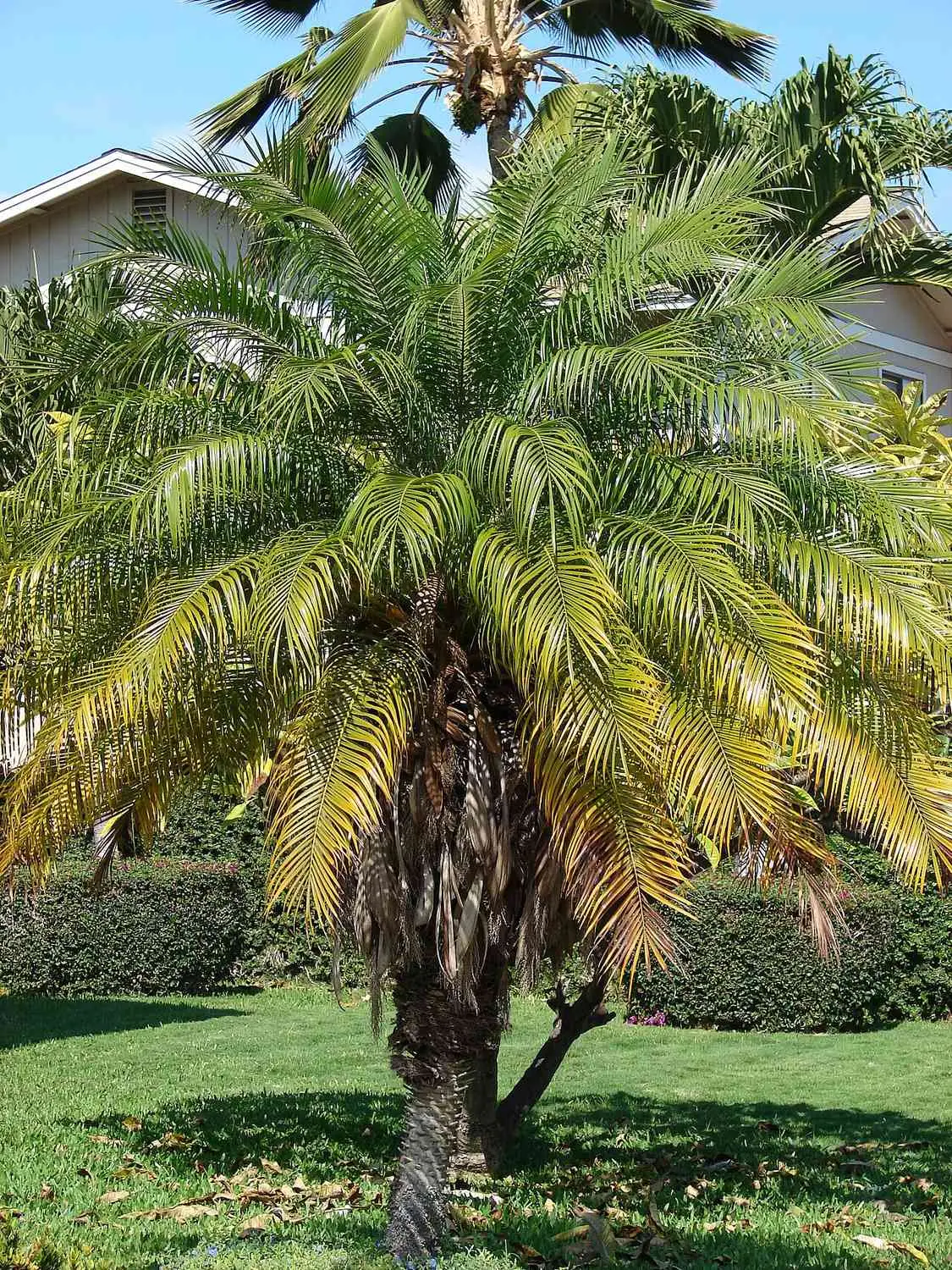
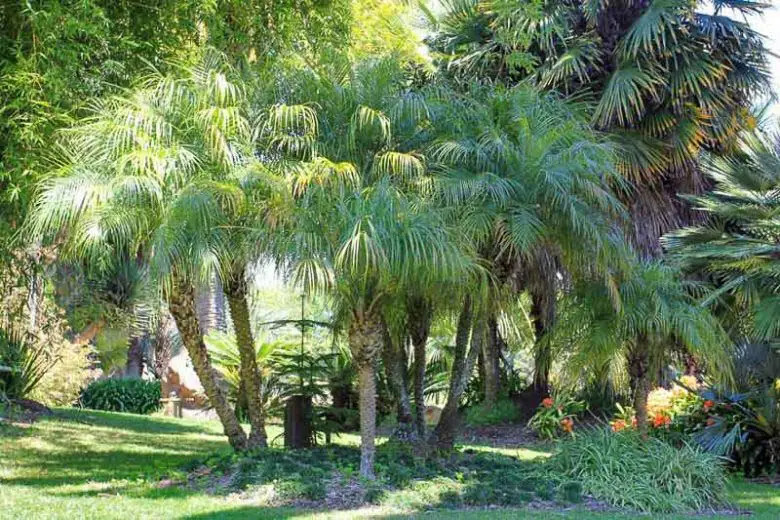
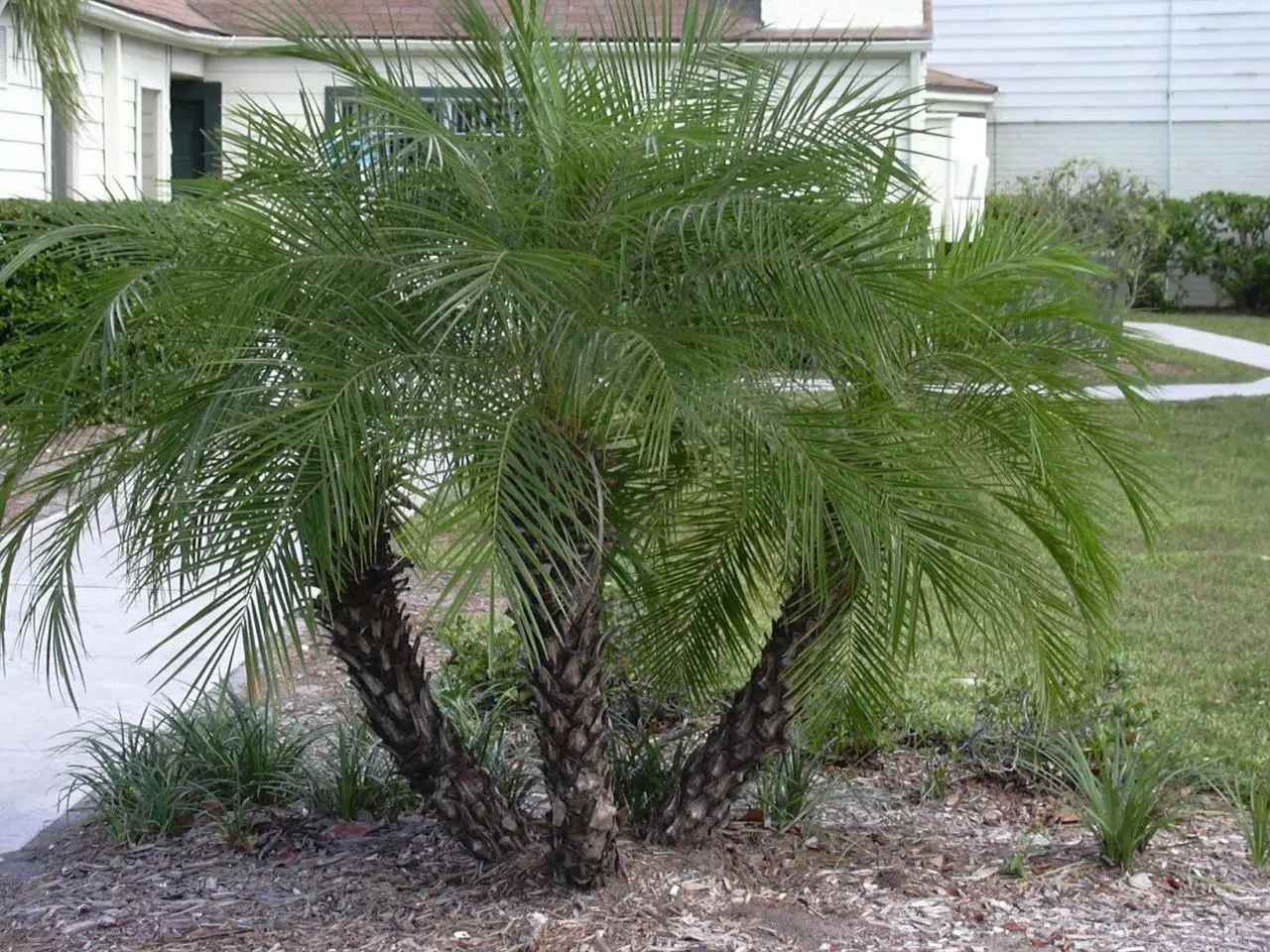
What makes this palm extraordinary is its architecture of grace. Unlike bulkier ornamental palms, roebelenii develops a slender, gracefully arching trunk topped with a dense crown of exceptionally fine-textured fronds—each leaf can stretch to nearly 4 feet, composed of 100+ delicate linear leaflets arranged like the softest feathers imaginable. The foliage displays a luminous grey-green tone with silvery undersides that catch light beautifully. When multiple plants are grouped (the classic 3-5-specimen arrangement), their trunks arch away from one another in a naturally balletic display that captures the essence of tropical sophistication without aggression or bulk. This is a palm that whispers instead of shouts—perfect for the discerning grower who understands that elegance and restraint are one and the same.

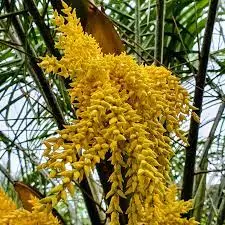
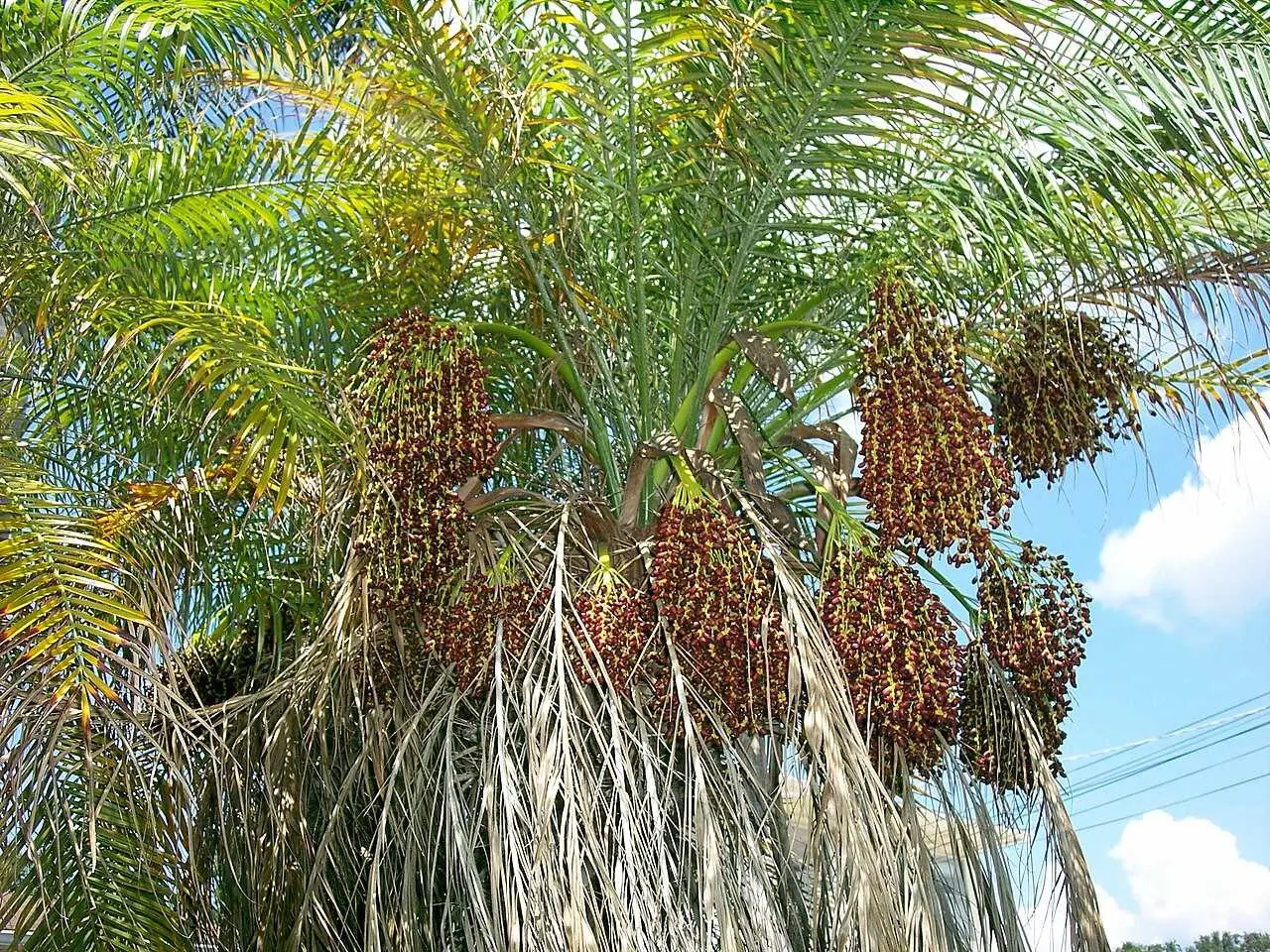
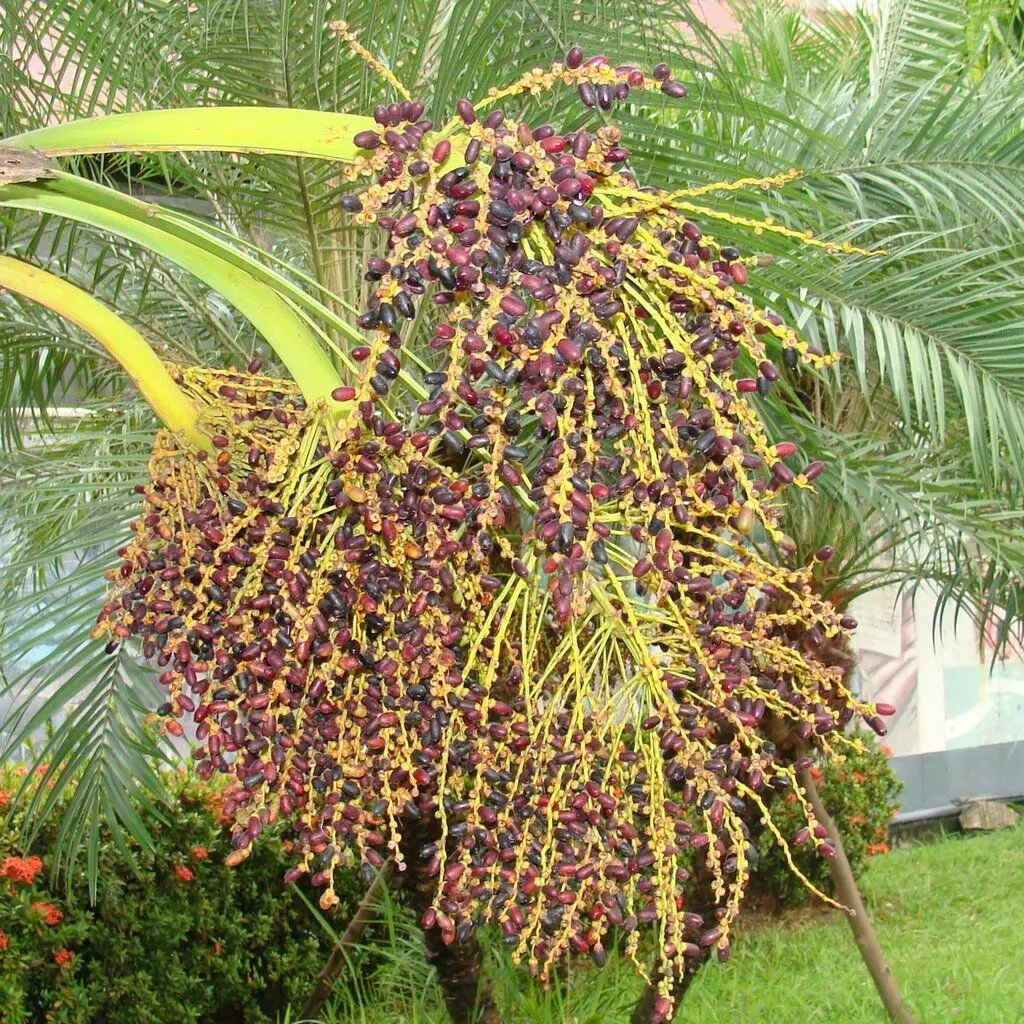
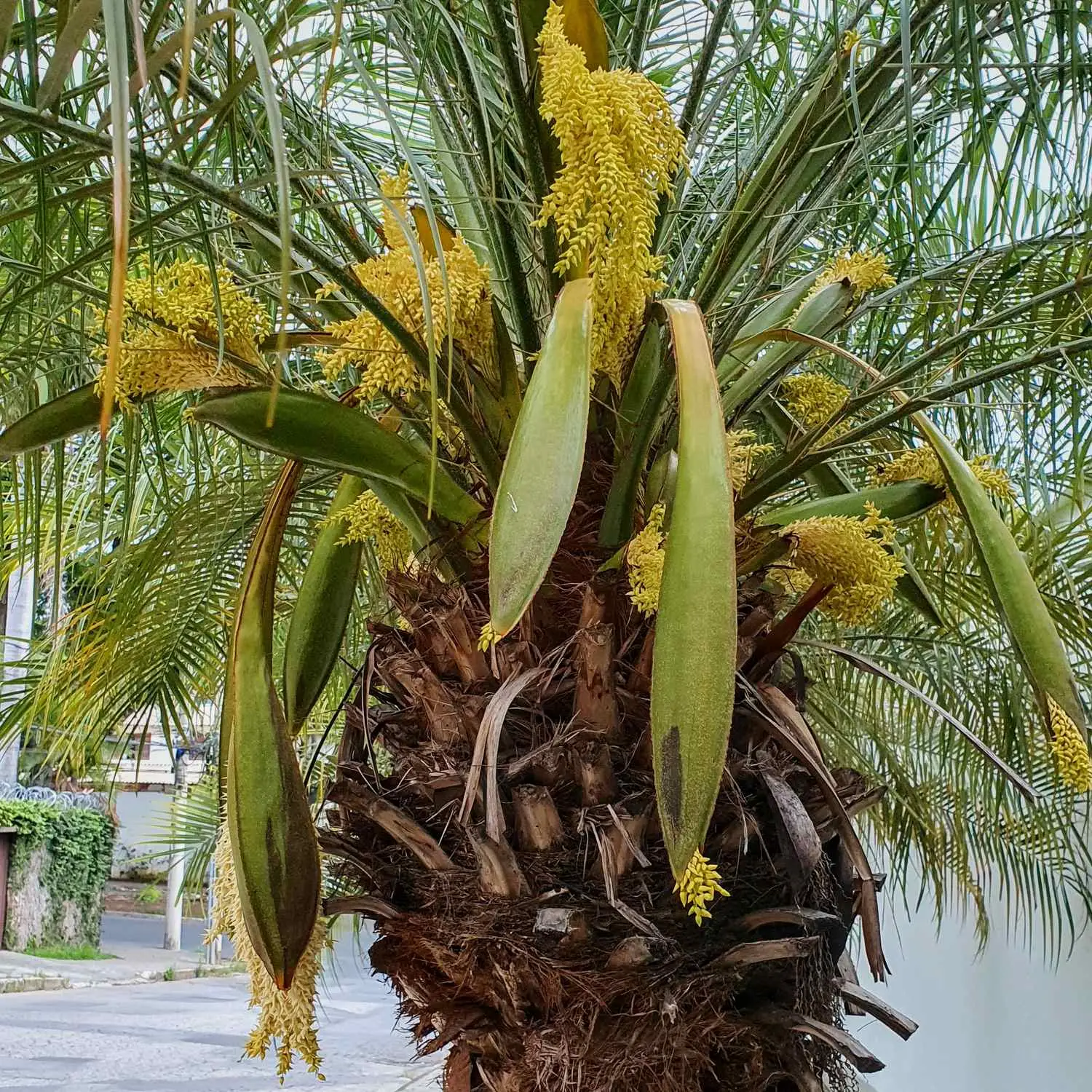
Beyond ornament lies a delightful horticultural secret: female specimens produce small, jewel-like purple dates that ripen to deep black—a genuine edible fruit, though admittedly thin-fleshed with a generous seed. But this is precisely the charm. These dates are conversation starters, living proof of your palm’s vitality, a seasonal reminder that you’re cultivating a complete, fertile ecosystem. Each flowering season (spring brings inconspicuous cream-colored blooms), female plants produce 10-13 dangling fruit clusters that dangle beneath the canopy like tiny tropical treasures. For the patient grower, this is botanical authenticity: real reproduction, real abundance, even at miniature scale.

Cultivation? Remarkably forgiving. Phoenix roebelenii is one of the easiest palms to grow, whether as an indoor specimen in bright indirect light or as an outdoor accent in warm climates. It tolerates partial shade better than most palms, adapts to varied soil types (as long as drainage is excellent), and shows genuine cold hardiness down to 26°F when mature. Growth is slow—a virtue, not a liability—meaning your investment develops into a sophisticated architectural element rather than a maintenance burden. Indoors, expect 5-6 feet of graceful height; outdoors, 6-12 feet depending on climate. Water moderately; feed with balanced palm fertilizer during the growing season; allow soil to dry slightly between waterings. It resists common pests and diseases far better than its relatives. Low pruning requirement, minimal fertilizer demand, adaptable to containers or in-ground planting. This is a plant for the beginner who wishes to think like an expert, and the expert who appreciates reliability.

When you grow Phoenix roebelenii from seed, you participate in something ancient and elemental: the transformation of a single vital embryo into a living monument of tropical elegance. You’ll watch the first feathery fronds emerge, the slender trunk develop character year by year, the crown fill with the soft geometry of perfection. Each season brings new leaves, and one day—patient grower—you’ll witness the first cream-colored flowers, and know that you’ve cultivated not just a houseplant, but a portal to the humid riverbanks of Southeast Asia, right in your own home. Start today. Your future living room deserves this grace.

Germination Guide

🌍 Southeast Asia (Laos, northern Thailand, Vietnam, southern China, Myanmar)
Difficult

Phoenix roebelenii, commonly known as Pygmy Date Palm, is a popular ornamental tropical palm tree native to Southeast Asian riverbanks and rocky outcrops. The seeds require warm, humid conditions and are known to be challenging to germinate, often taking several weeks to several months.

Germination
Germination time
Expect germination in

28 – 90 days

Temperature

Min 19°C
Ideal 30°C
Max 38°C
🌡️ Temperature alternation recommended
— Alternating temperatures 25-35°C also produce high germination rates

Light
☁️ Indifferent

Substrate moisture
💧💧 High

Sowing depth
Lightly covered


Seed Pre-treatment
  • 💧

    Soaking — 36 hours
    Soak in warm water for 24-48 hours to soften seed coat
  • 📋

    Additional notes
    Soaking improves germination rates

Substrate & Container
Recommended substrate
well-draining potting mix or sandy/loamy mix

Recommended container
plastic boxes or seed trays with humidity dome


Growing Tips
Keep seeds fresh for best germination rates. Cover containers with plastic wrap or transparent lid to maintain humidity. Use a heat mat for consistent warmth. Seeds are intolerant of dry storage - plant immediately after purchase for best results. Germination process takes about 90 days to reach steady state.

Reviews

There are no reviews yet.

Only logged in customers who have purchased this product may leave a review.

Related Products