
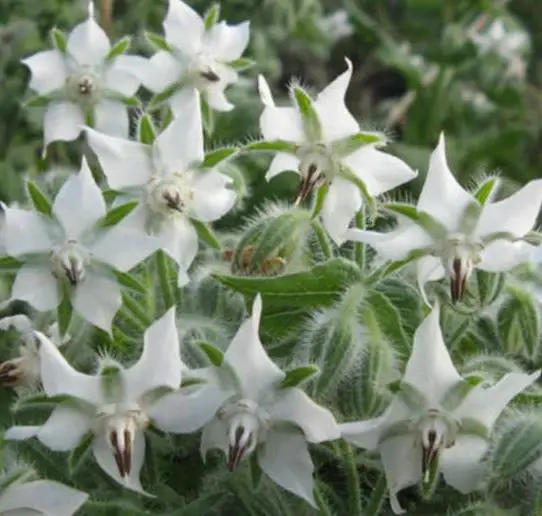
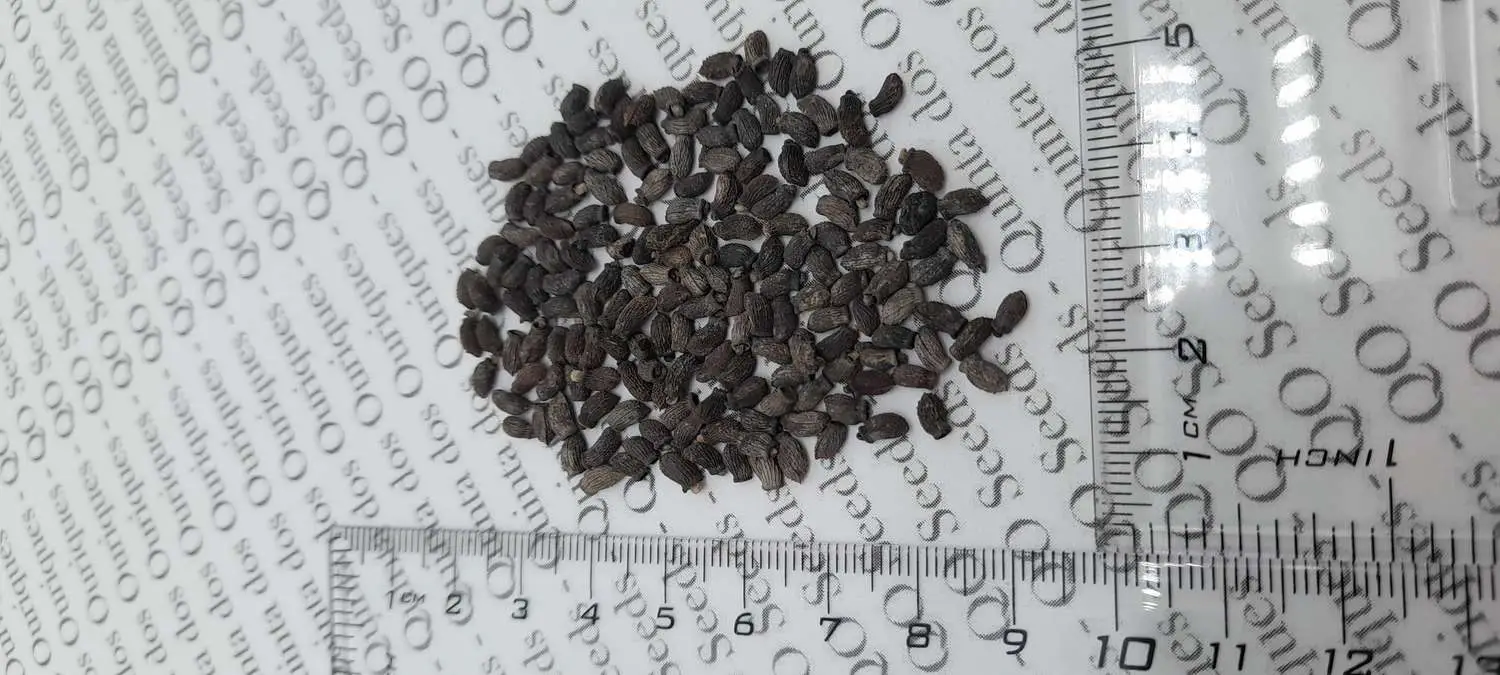
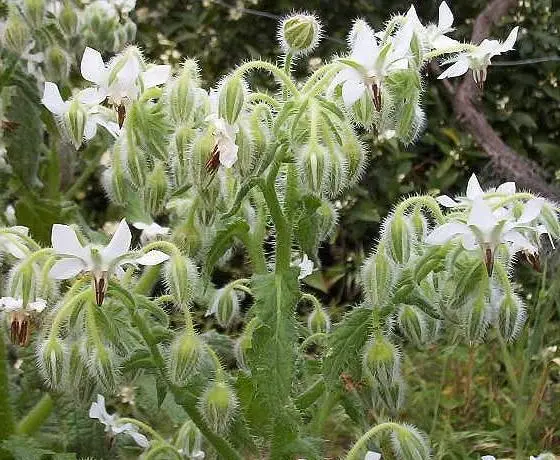
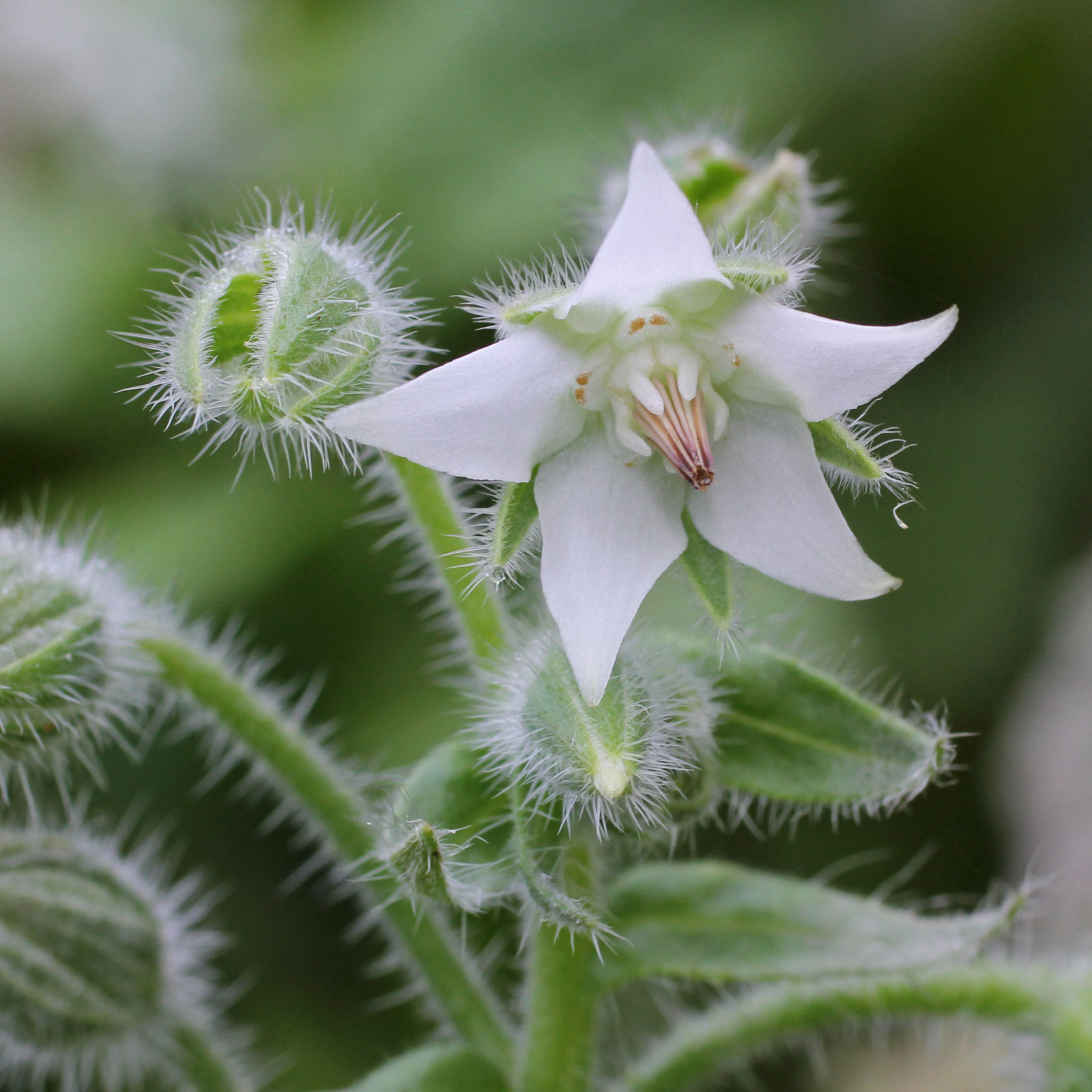
The rare white cousin of classic borage: edible star-shaped blooms with a delicate cucumber whisper, perfect frozen into ice cubes for show-stopping summer cocktails. Grows effortlessly from seed into a generous, bee-beloved bush. A plant that turns every drink into a moment of craft and beauty—the herb world’s best-kept secret is finally white.
€2.94
Imagine floating a perfect white star-shaped blossom into your guest’s gin and tonic, and watching their face shift from curiosity to wonder—that’s the magic of Borago officinalis ‘Alba’.
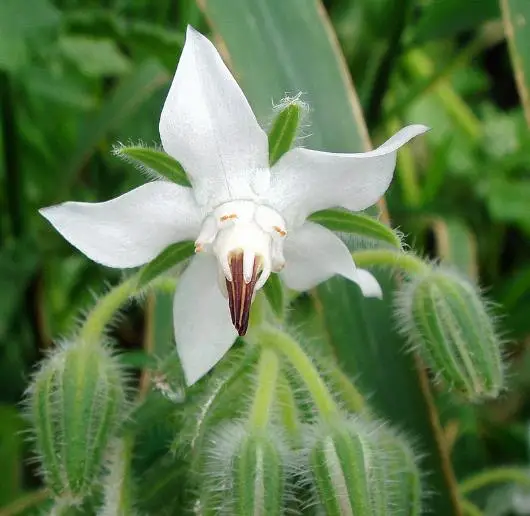
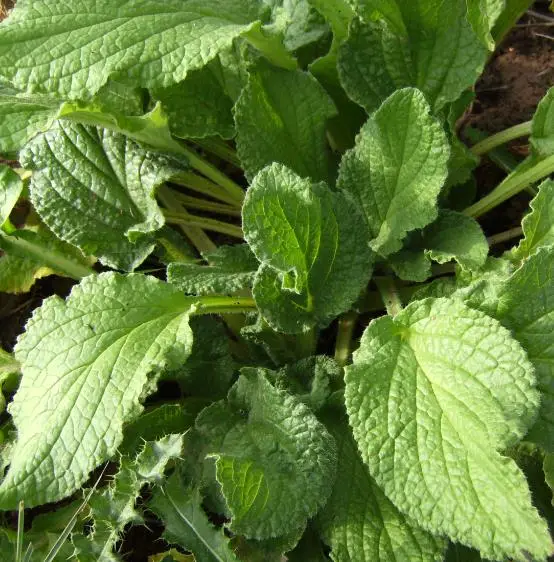
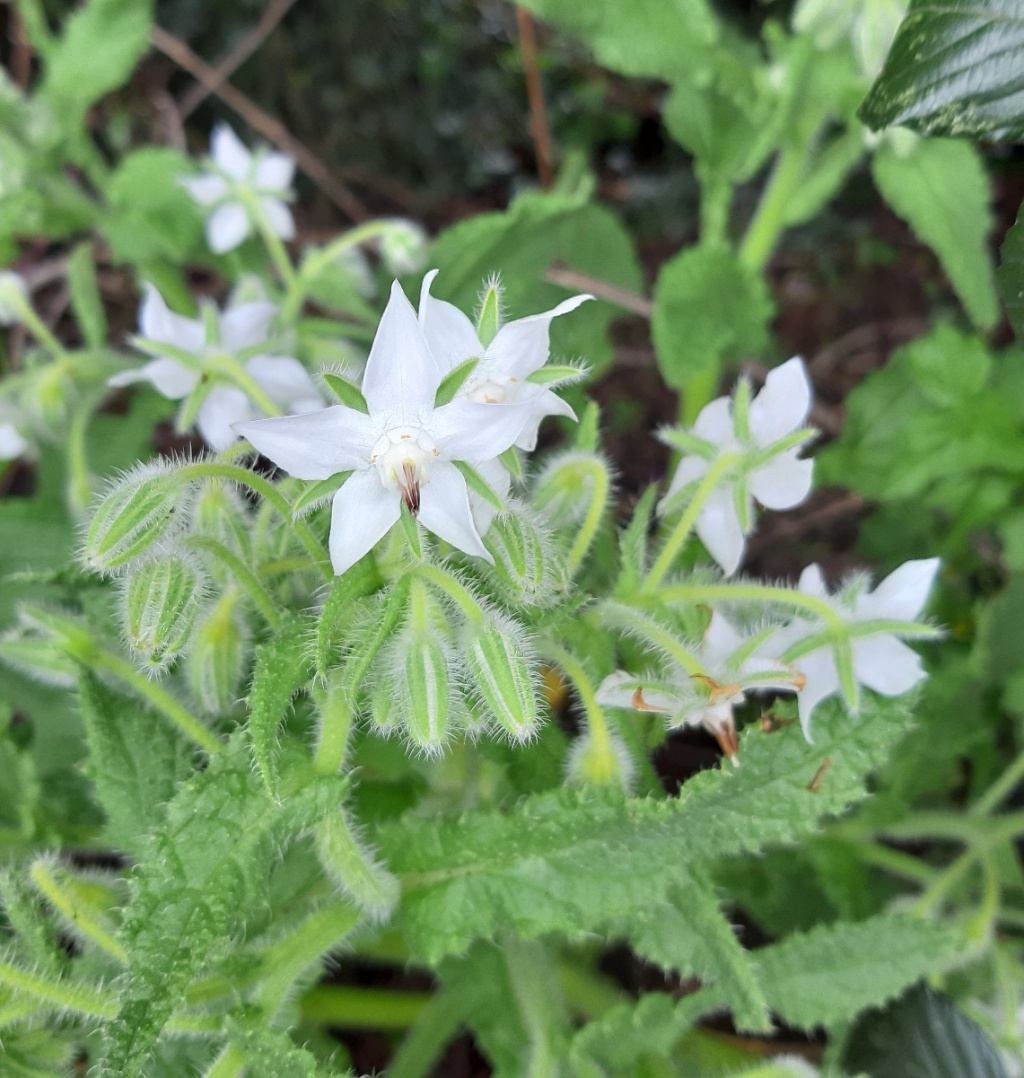
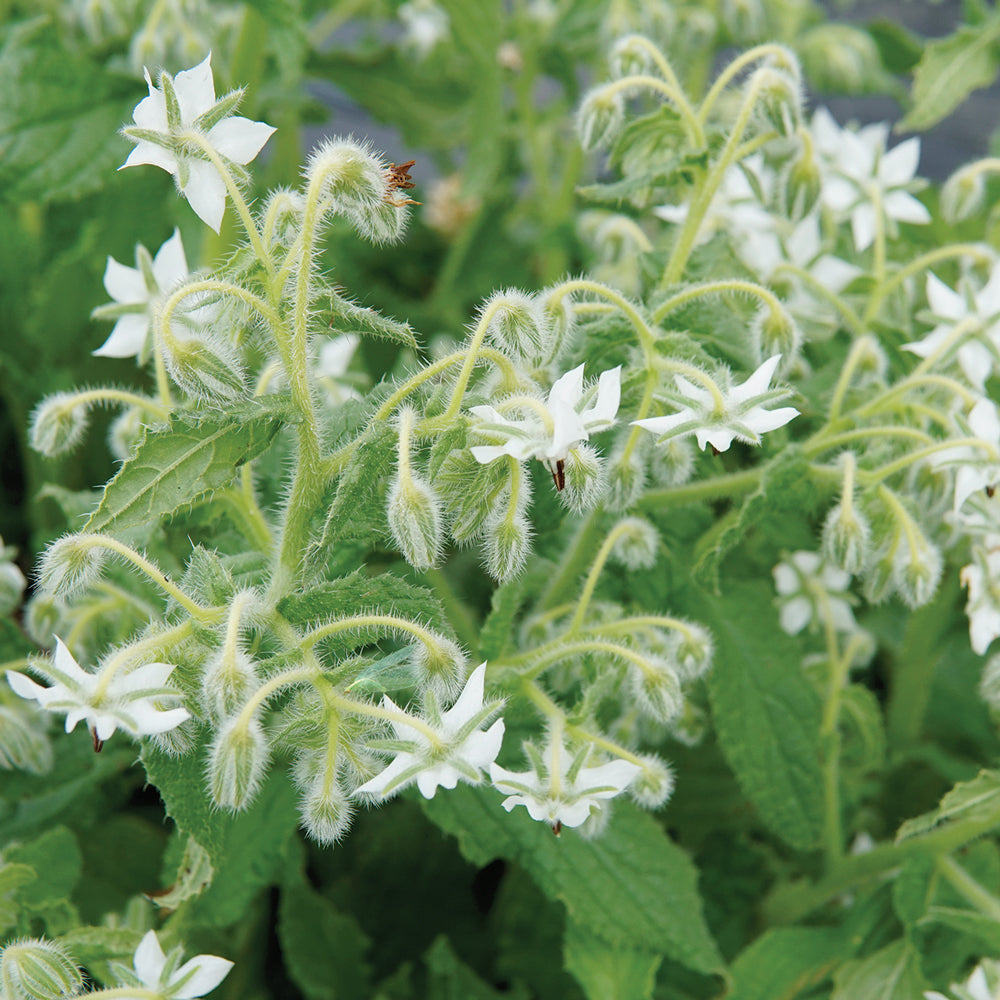
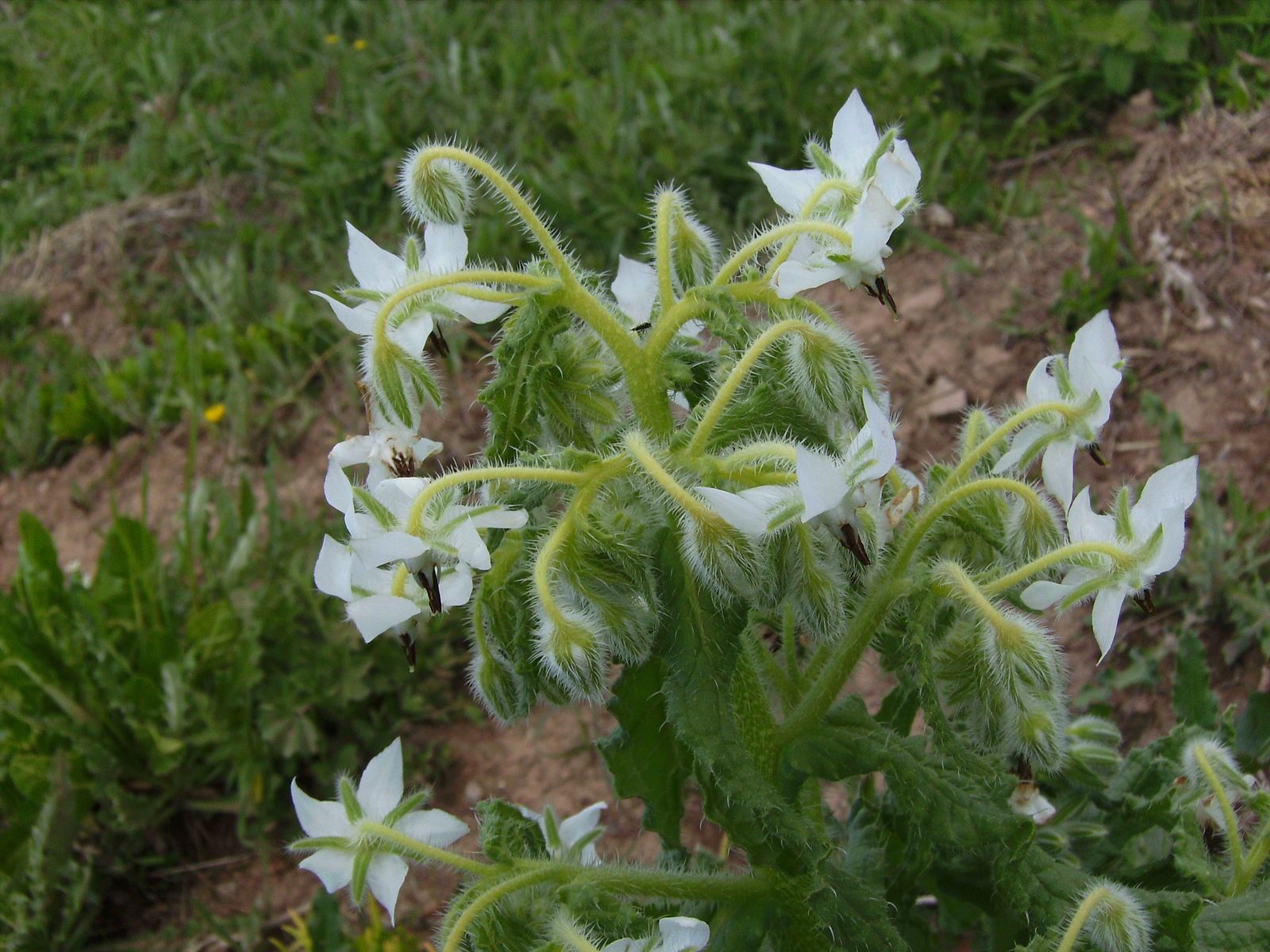
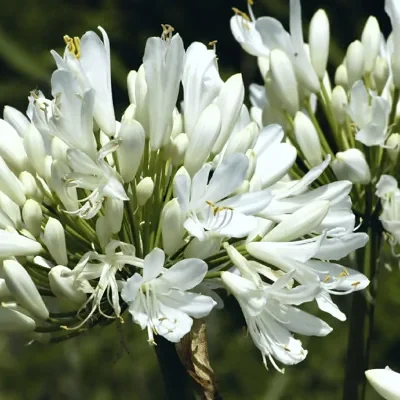
While the blue-flowered borage has graced Mediterranean gardens for centuries, this pristine white form remains rare and utterly covetable. Native to southern Europe and beloved since ancient times, the alba cultivar is even more vigorous than its celebrated blue sibling, producing an abundance of ivory-white flowers that bloom unflinchingly throughout the summer. The flowers themselves are perfectly geometric stars with dark anthers at the centre—a detail so precise it feels almost architectural. The foliage is equally distinctive: large, oval leaves in wrinkled grey-green, textured with soft bristles, with a unique charm that gardeners describe by the Arabic name ‘lisan atheur’—the tongue of the bull.
But here’s where White Borage becomes indispensable to anyone who takes their food or drink seriously: both the flowers and young leaves are edible, with a subtle, refreshing cucumber flavour that elevates everything they touch. Scatter the pristine white petals across summer salads, desserts, or chilled soups. Better yet—and this is where the magic happens—freeze individual flowers into ice cubes with spring water and serve them in Pimm’s, gin and tonics, or fruit cocktails. The flower becomes a tiny work of art suspended in ice, slowly melting to release its delicate cucumber whisper into each sip. Some gardeners candy the flowers with egg white and sugar for cake decoration; others brew the flowers and leaves into a cooling tea with honey and lemon. Each flower is a conversation starter, a moment of luxury that costs nothing but a seed and patience.
Beyond the table, White Borage is a pollinator’s dream. The flowers are nectar-rich and irresistible to bees—so generous that after a bee leaves, the flower refills with nectar within two minutes. This makes it invaluable as a companion plant in any garden growing fruit or vegetables. Plant it among your tomatoes to reduce hornworm damage; at season’s end, add the plants to your compost heap and they’ll feed the soil with minerals. The species even works as a gentle green manure and erosion-prevention cover crop.
Growing White Borage is refreshingly simple. It thrives in full sun or light shade, tolerates almost any soil type (even poor, dry soil), and requires only average water and low maintenance once established. The plants reach 2–3 feet tall and sprawl slightly wider, settling easily into flower borders, herb gardens, or vegetable beds. Seeds germinate readily at soil temperatures between 60–77°F, with high germination rates. Direct-sow in spring after the last frost, or start indoors 3–4 weeks before the last frost and transplant outdoors once seedlings are 2–3 inches tall. The only caution: borage has a deep taproot, so it’s not suited to containers—but in open soil, it’s nearly indestructible. Better still, it self-seeds reliably, so one season’s investment yields years of blooms without replanting.
Grow this seed now, and by mid-summer you’ll have an endless supply of edible white flowers to freeze, to serve, to admire, and to share. This is the herb that turns ordinary moments into small celebrations. This is the plant that makes you the gardener people talk about.
Only logged in customers who have purchased this product may leave a review.
Reviews
There are no reviews yet.