
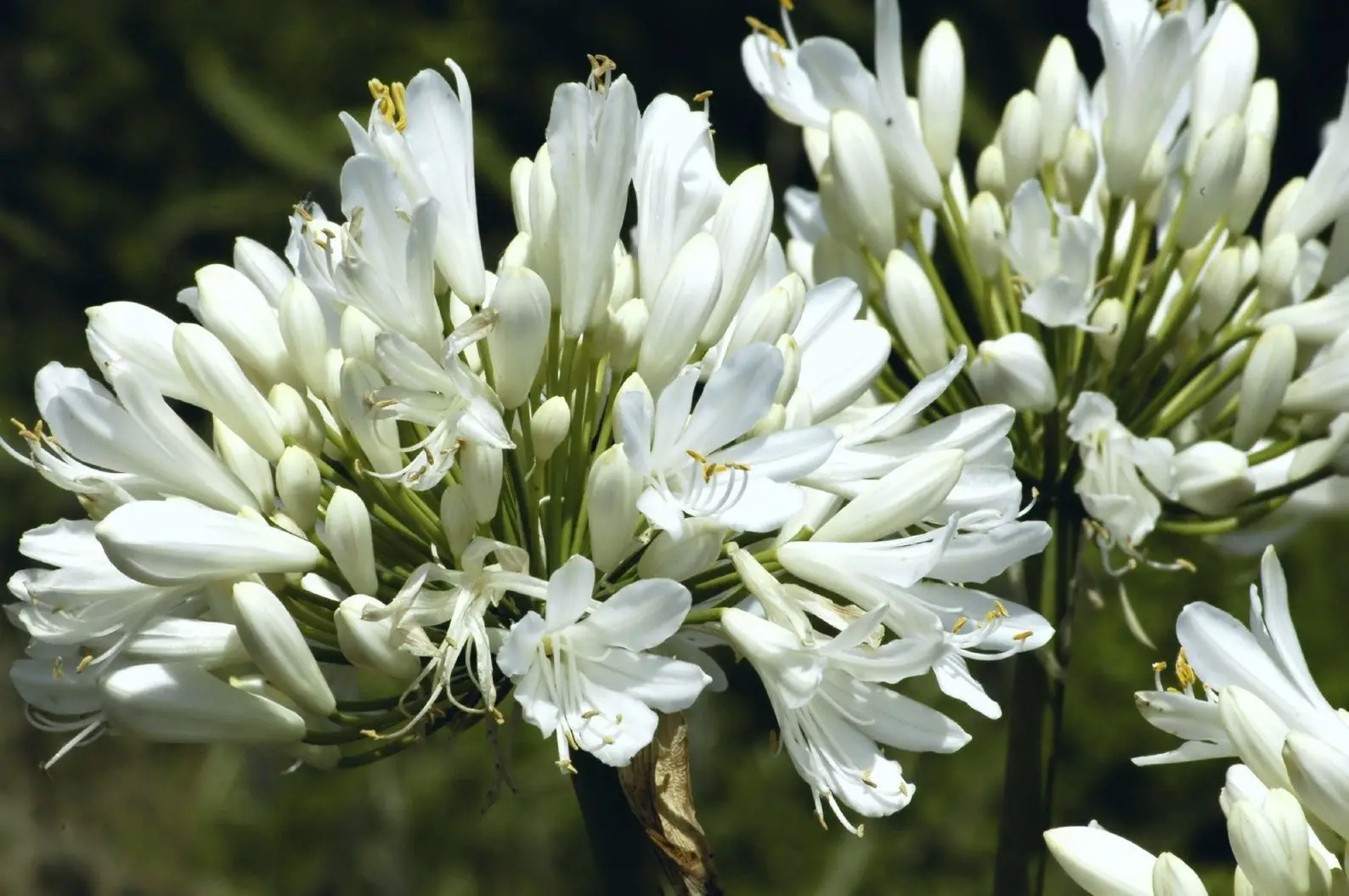
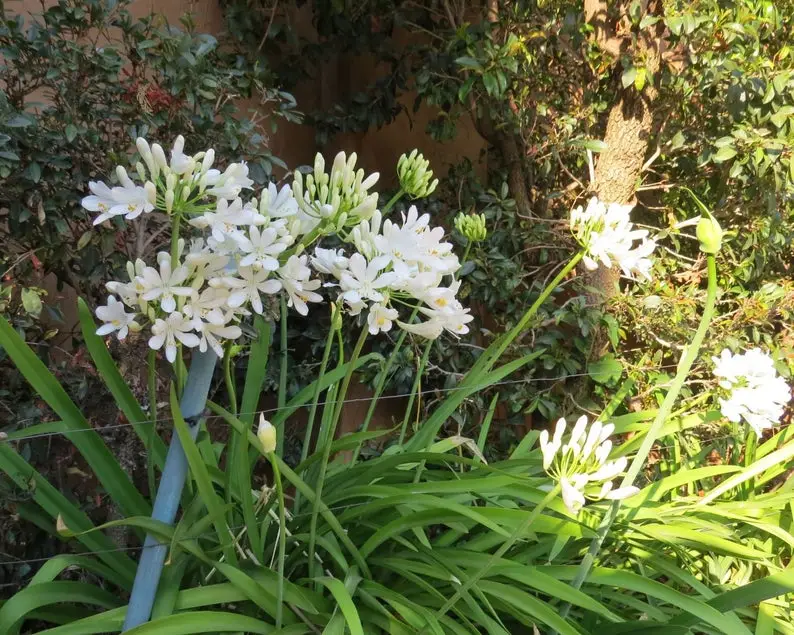
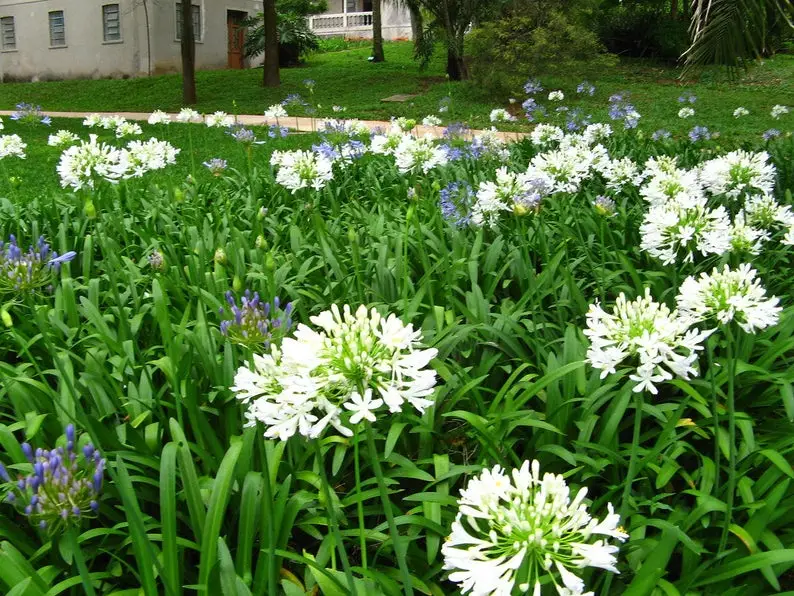
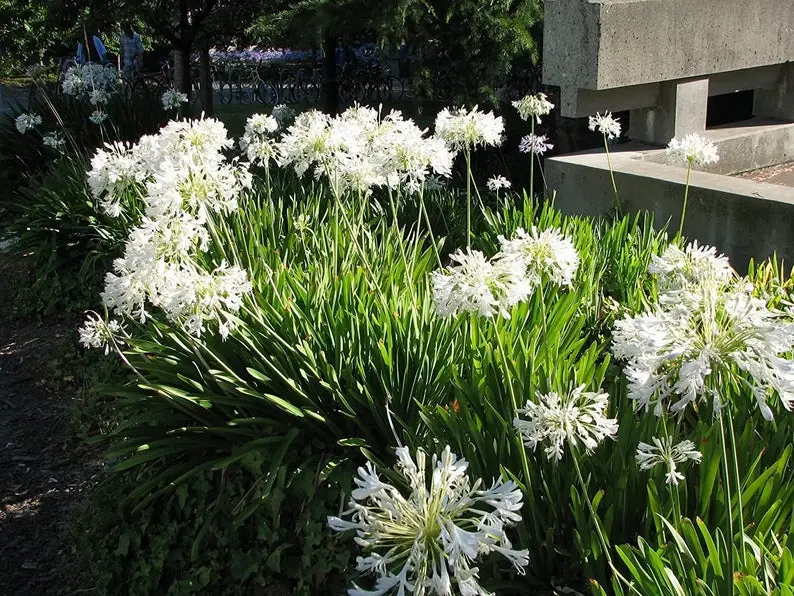
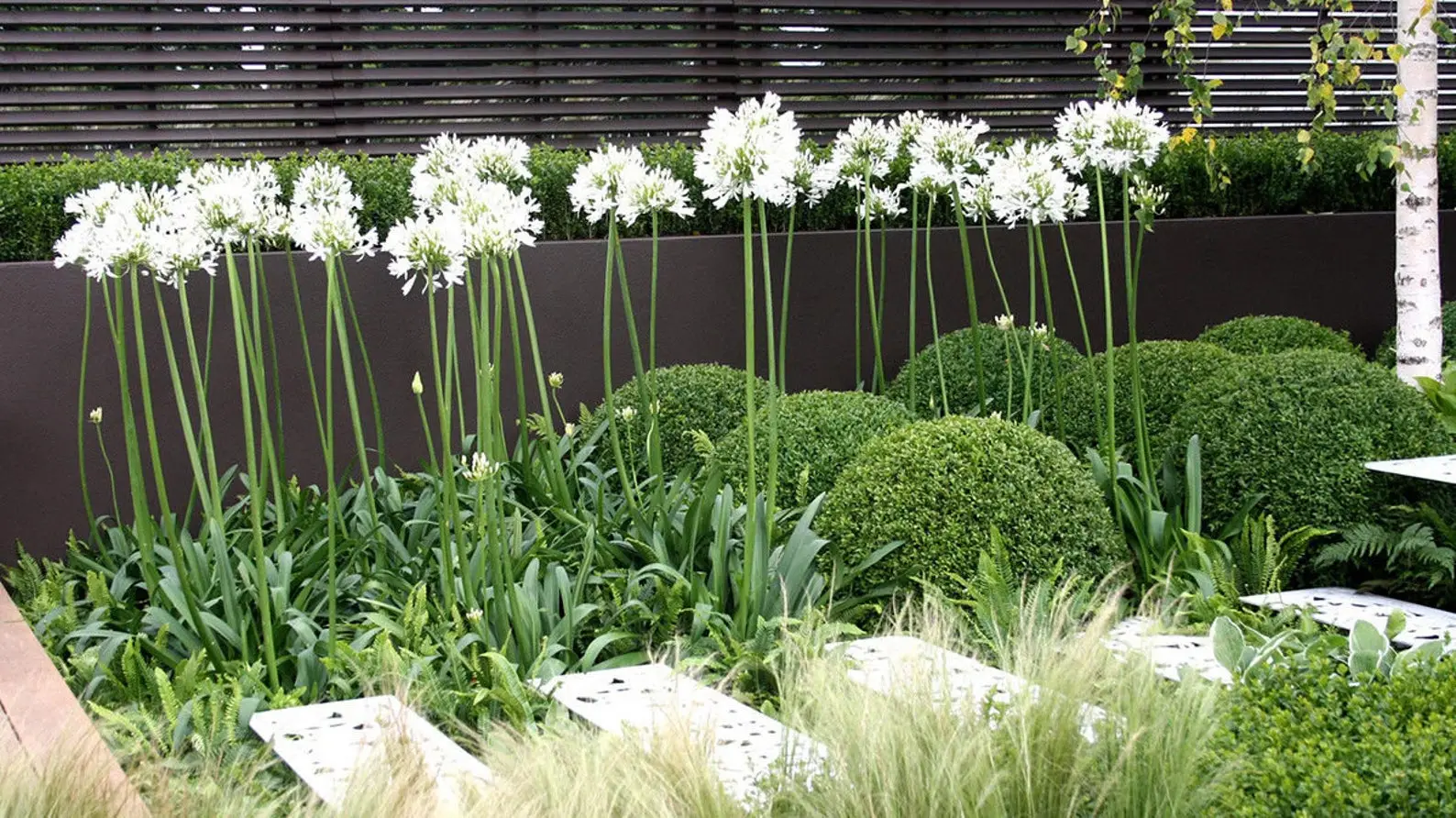
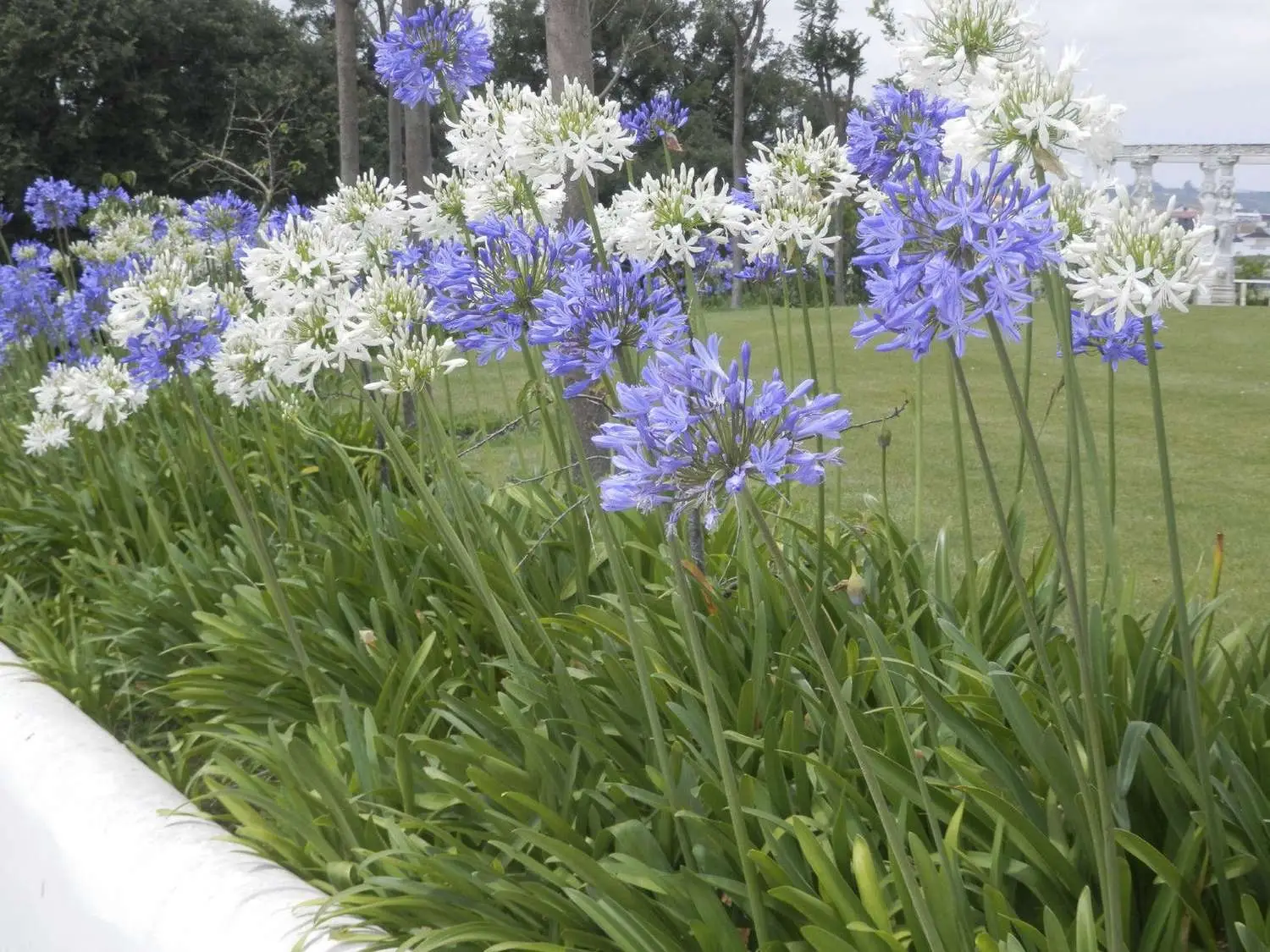
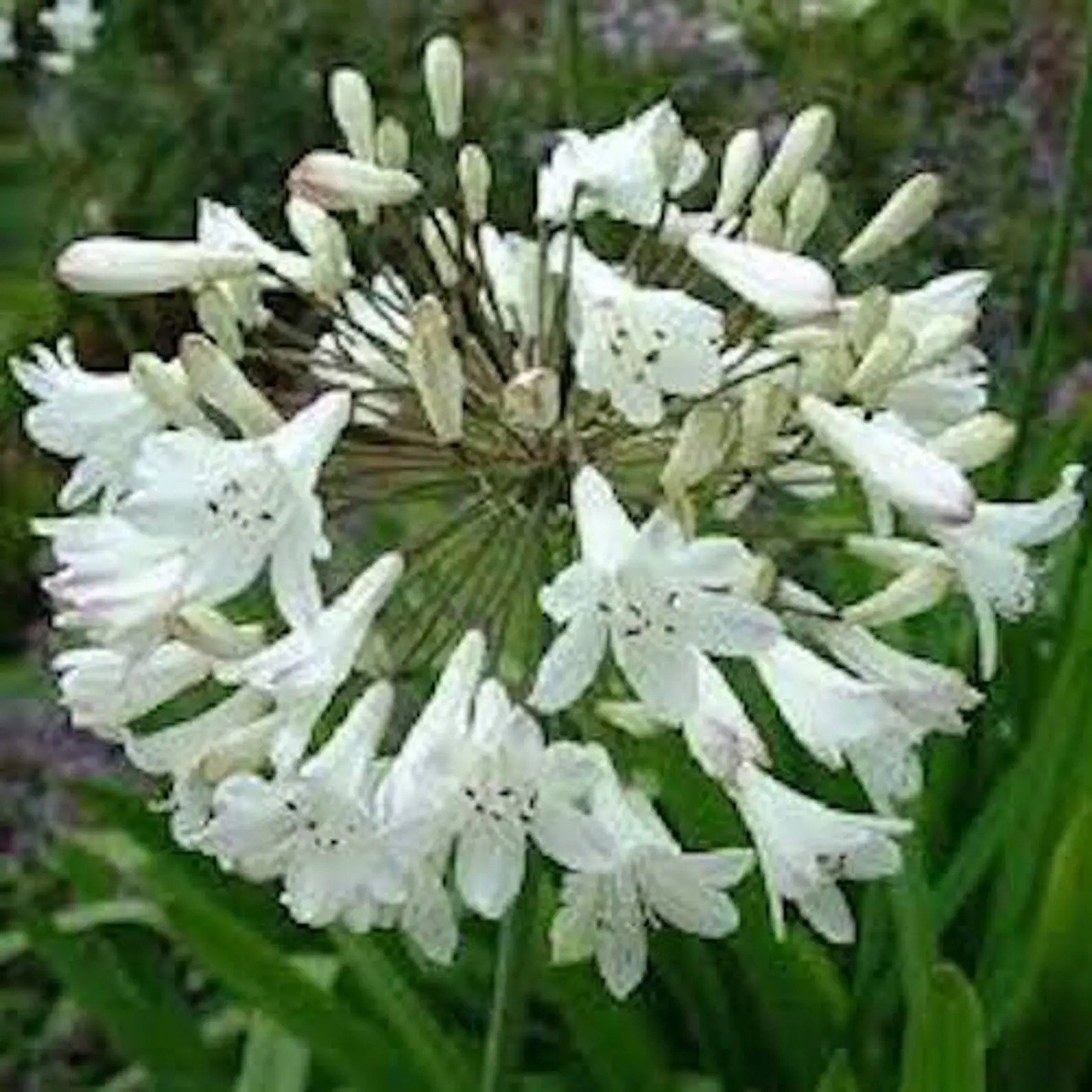
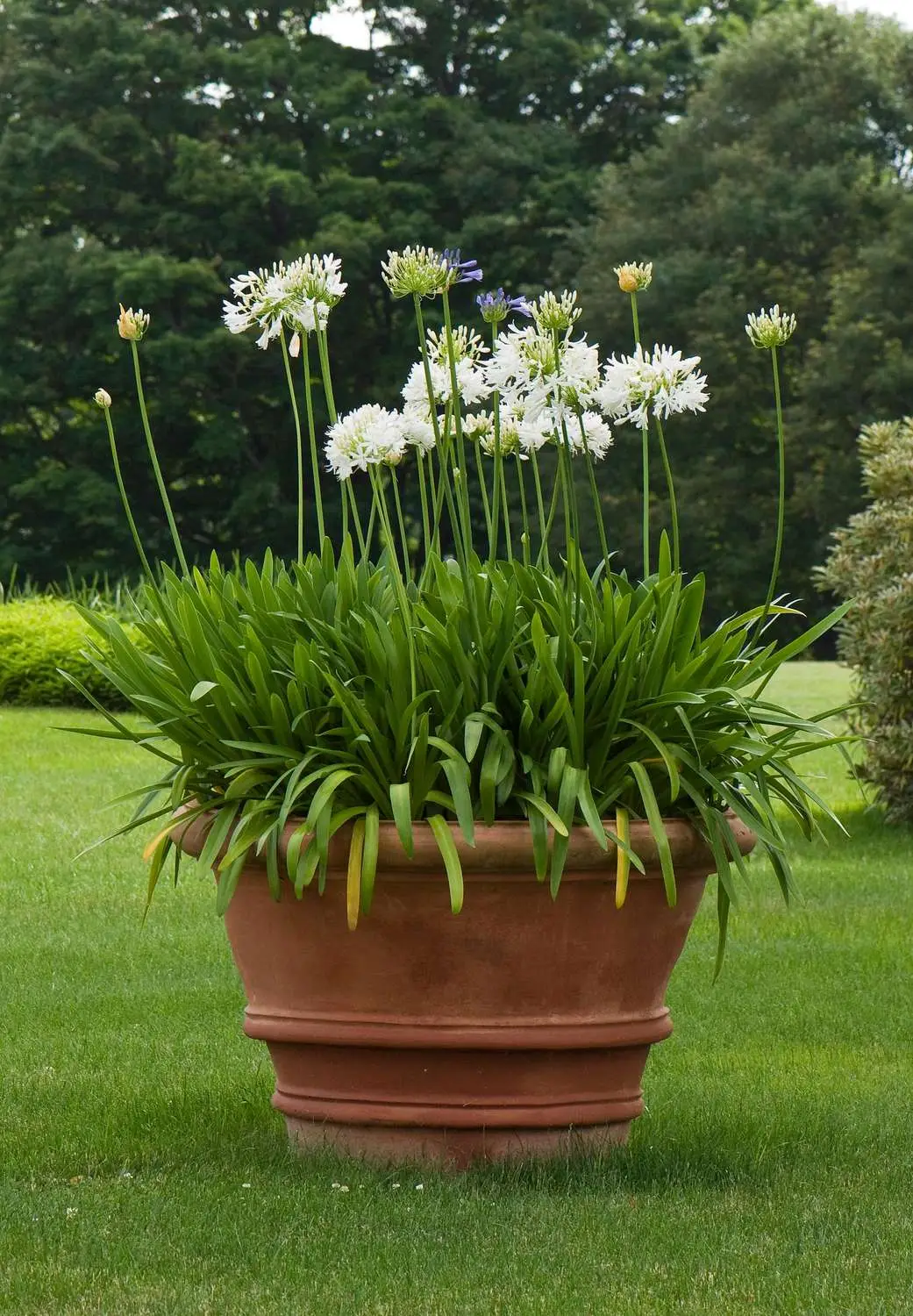
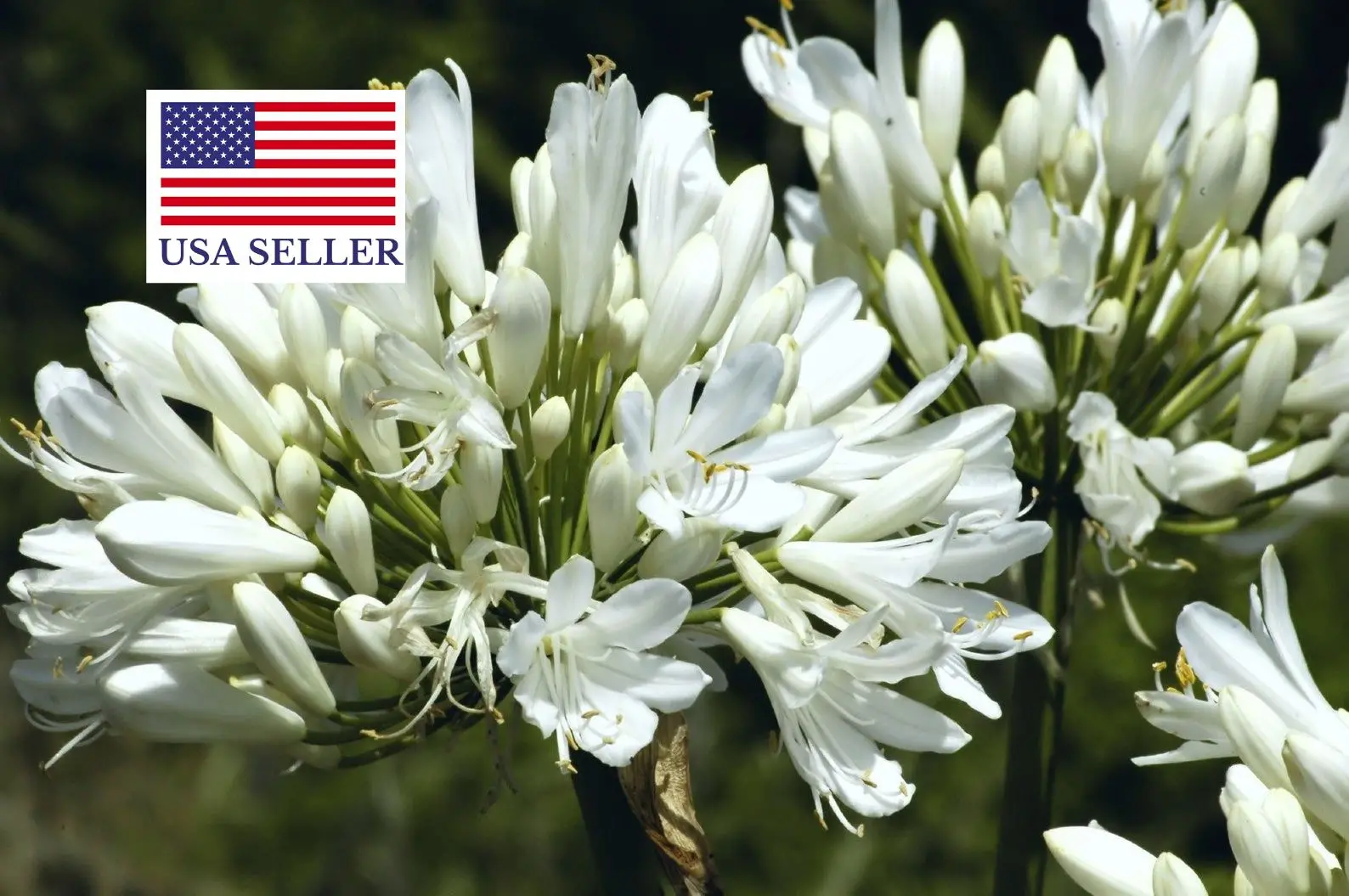
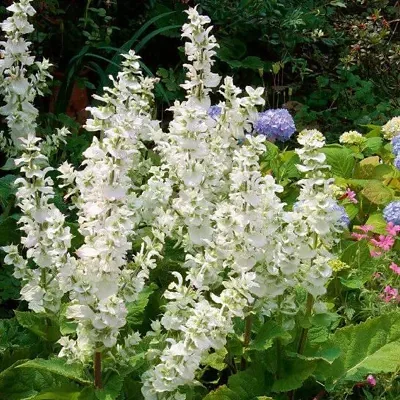
Pure white trumpet flowers packed with nectar: a gift to honeybees, bumblebees, and butterflies. This South African stunner blooms mid-summer through fall, each spherical cluster offering dozens of tubular florets that pollinators crave. Evergreen foliage, drought-tolerant, tough as stone—grow easily from seed and watch your garden come alive with the hum of beneficial insects. The ultimate win for ecological gardens.
€2.72
Imagine a summer garden alive with the sound of honeybees, the flutter of butterflies, the buzz of countless pollinators—all drawn to pure white flower clusters that glow against dark green, arching foliage. This is Agapanthus praecox subsp. orientalis alba, the White Lily of the Nile, and it’s one of nature’s most generous gifts to pollinator-focused gardeners.
Native to South Africa’s Eastern Cape and KwaZulu-Natal regions, this evergreen perennial has captivated growers since European explorers brought it back in the 17th century. For over 400 years, gardeners have cherished it for its architectural beauty and resilience—but in today’s world, where pollinators face decline, this species takes on new significance. It’s a plant with a mission: to feed and support the insects we desperately need.
Here’s what makes the white form extraordinary: each spherical flower head contains dozens of nectar-rich, tubular florets that bees—honeybees and bumblebees alike—will travel far to visit. Butterflies, too, reach deep into those trumpet-shaped blooms for the sweet reward. Research shows that agapanthus blooms from June or July through late summer and into fall, providing a critical mid-season nectar source when many other flowers have faded. The white cultivar is particularly stunning: pure, crystalline blooms that catch light beautifully and create a beacon for pollinators. Commercial beekeepers value agapanthus as a reliable honey source, and home gardeners discover that a single plant can transform a border into a living hub of pollinator activity. Beyond bees and butterflies, the flowers attract beneficial insects that support your entire garden’s health. This is no small thing—it’s ecological stewardship in flower form.
Cultivation is refreshingly simple. This subspecies is known as “tough in sun and heat, long-flowering, and a favourite for landscaping in harsh conditions”—it tolerates full sun to partial shade with equal grace. Plant in well-draining soil (sandy or loamy is ideal), and it will thrive with minimal fuss. Young plants established from seed may take 2–3 years to reach peak bloom, but this is a worthwhile investment—once established, Agapanthus praecox subsp. orientalis alba is a long-lived perennial that can flourish for decades. It’s drought-tolerant once settled, handles poor soils, and is naturally pest and disease-free. The evergreen, strap-shaped leaves provide garden structure year-round, growing in tidy clumps 2–3 feet high and wide. Flowering stems reach 2–4 feet, holding those spectacular white umbels well above the foliage.
Grow this from seed and you’re not just planting a flower—you’re building a bridge between your garden and the wild world of pollinators. You’re creating refuge, food, and beauty in one magnificent gesture. Start your seeds indoors in spring for summer and fall blooms, or direct sow after the last frost. In mild climates (zones 7–11), it’s virtually carefree. Even in colder zones, it performs admirably as a container plant. This is the agapanthus for the gardener who wants their flowers to matter, to feed the bees, to make a visible difference. Stunning to look at, essential to pollinators, impossible to kill. Grow it from seed and let the hum of a thriving garden become your greatest accomplishment.
Only logged in customers who have purchased this product may leave a review.
Reviews
There are no reviews yet.