FREE SHIPPING OVER €30 FREE SHIPPING OVER €30

Pterolobium hexapetalum — Indian Redwing | Premium Honey Plant & Medicinal Wonder

Spring cascades of pinkish-white flowers that drive honey bees into a frenzy. Pterolobium hexapetalum blooms March to April with such profuse, fragrant nectar that bees forage twice daily—producing honey of legendary quality. Add medicinal heritage (wound healing, traditional tribal use), brilliant summer fruit, and easy cultivation from seed. A powerhouse for beekeepers and herbalists alike.

1.92

SKU: P-2276 Category: Tags: , , ,

You May Also Like

Description

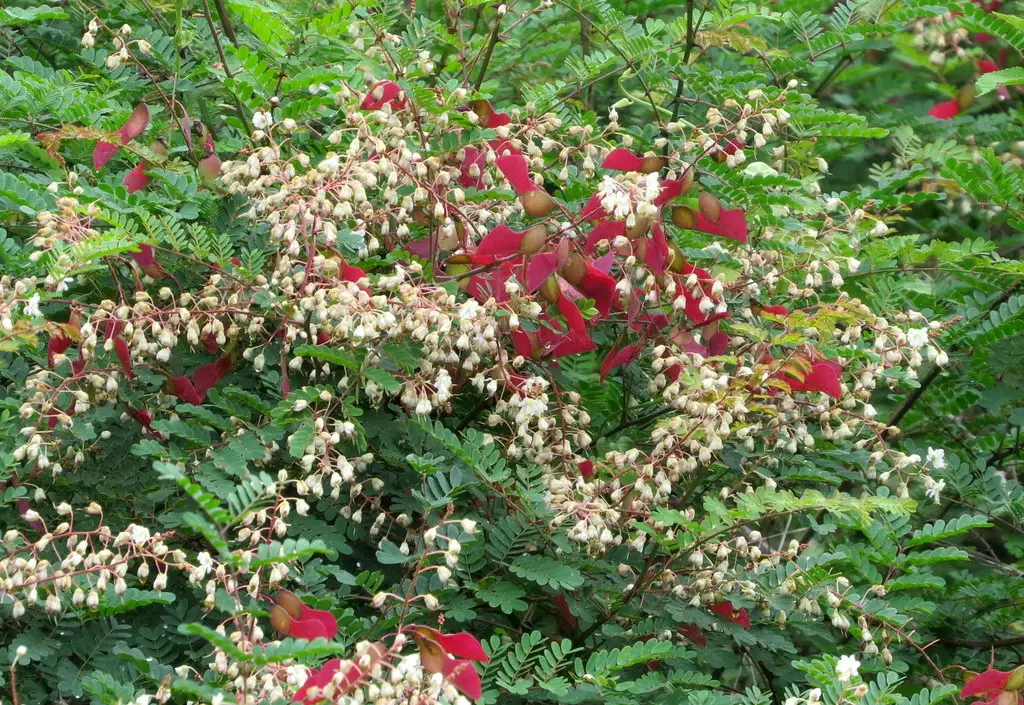
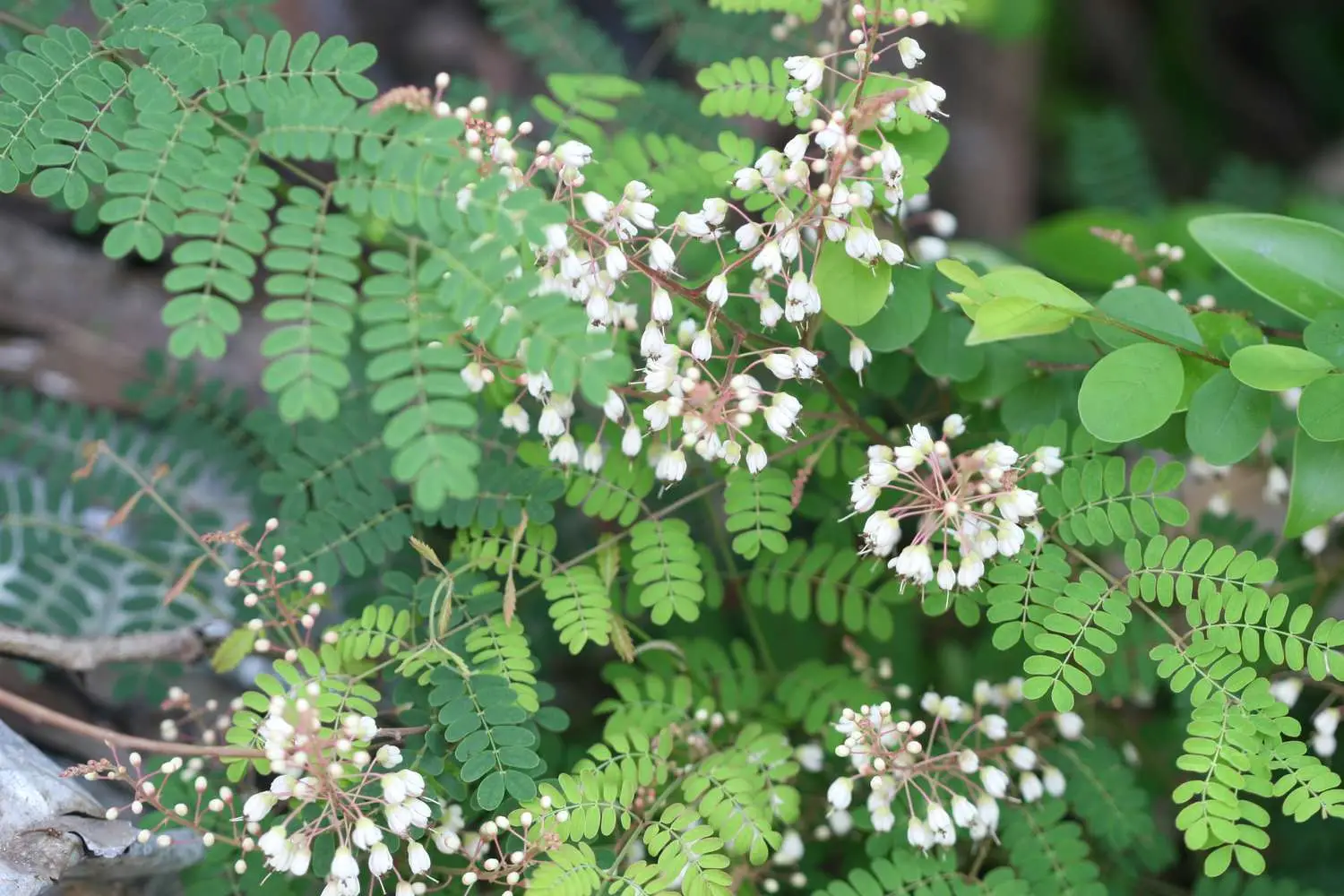
In springtime their profuse and attractive inflorescences of pinkish white flowers form a mat on tree canopies—Pterolobium hexapetalum is a visual and ecological marvel that transforms any landscape into a nectar haven.

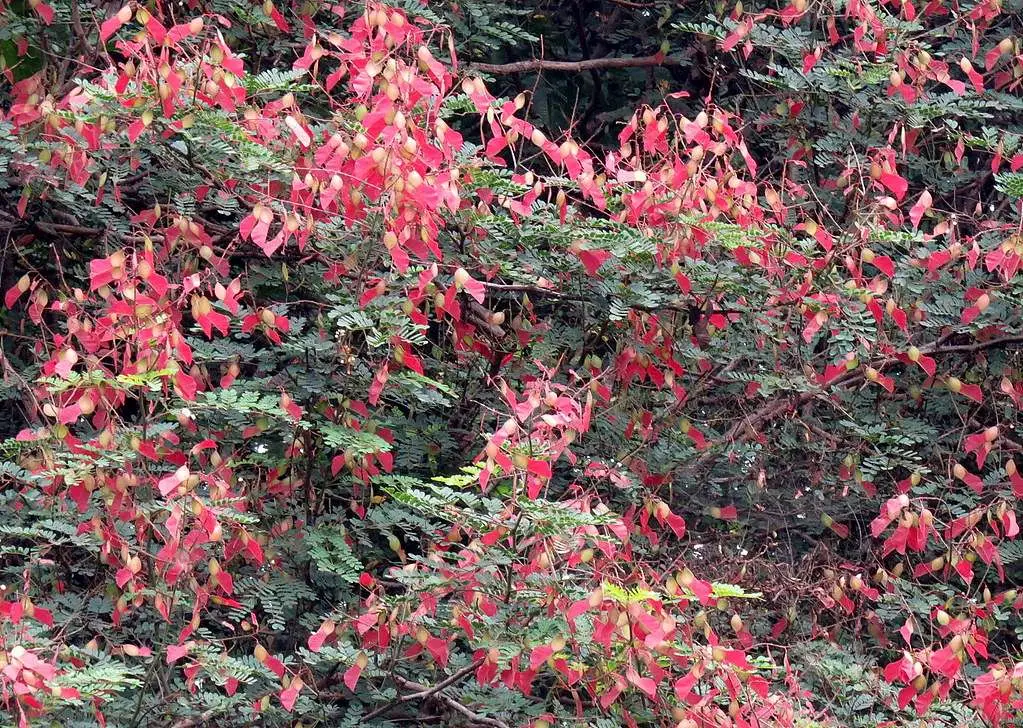
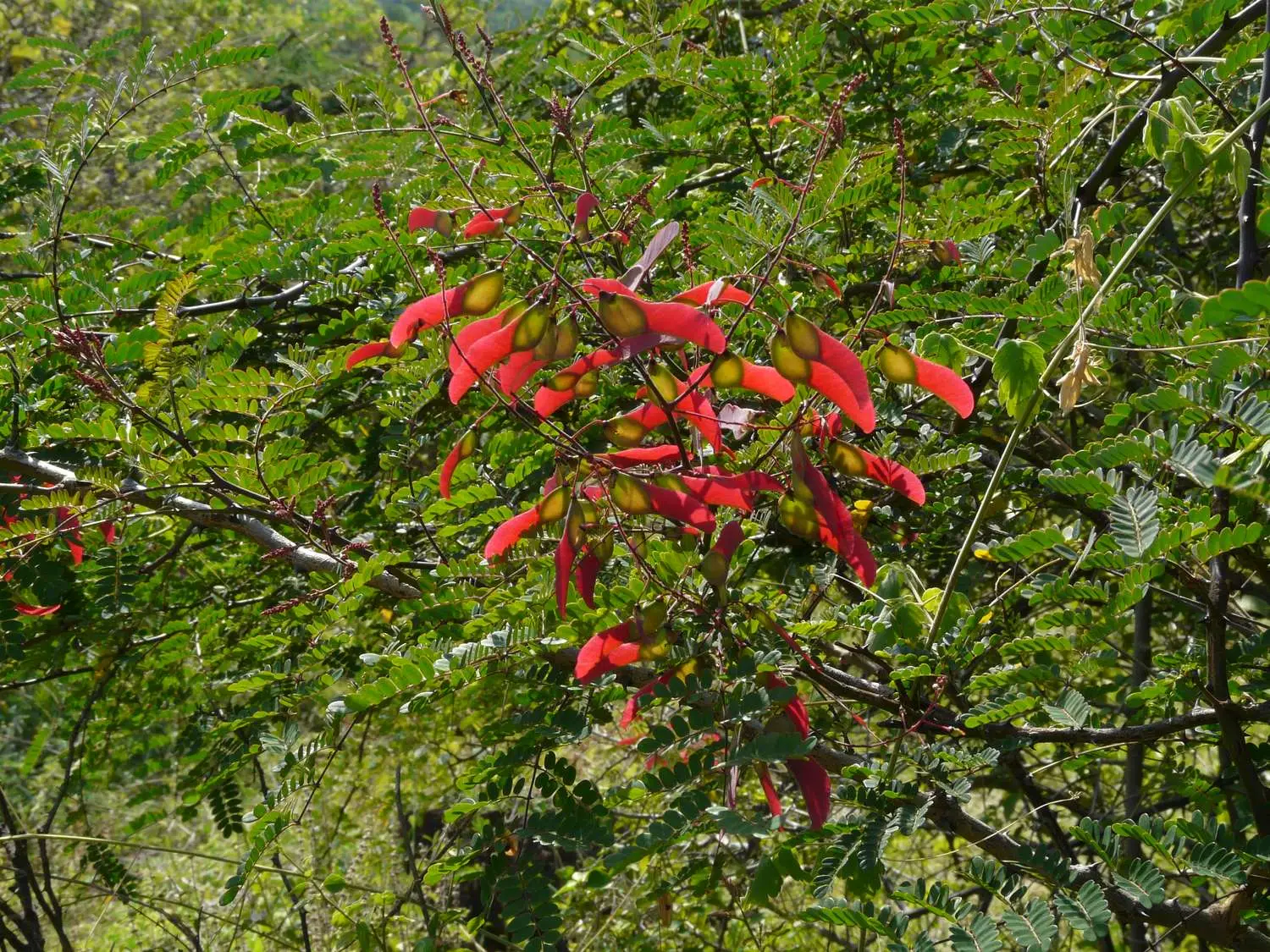
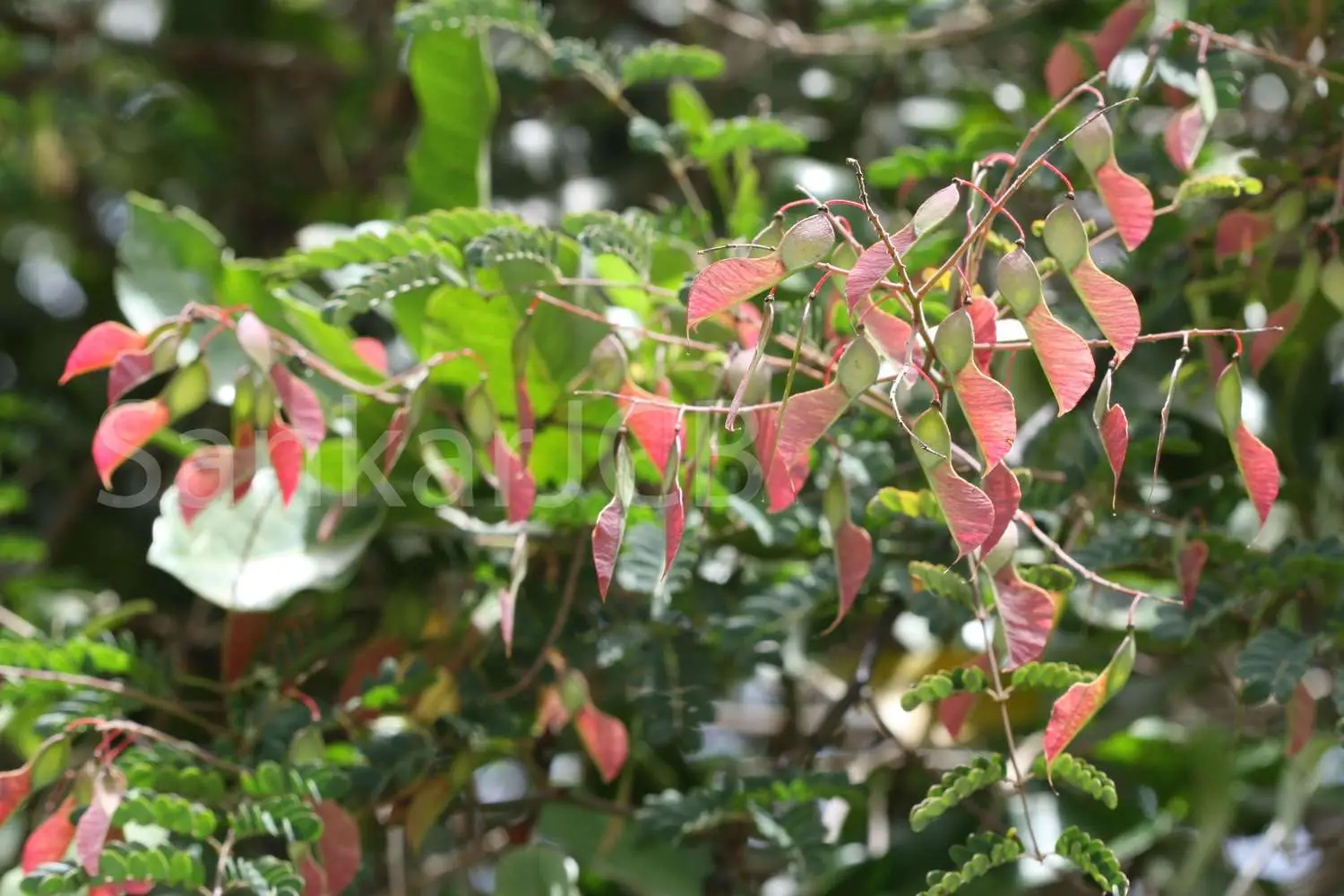
This plant is found from Burma, Bhutan and Bangladesh to southern India, where it occurs up to 1200 m altitude, growing commonly in dry deciduous forest, or as pioneer plants in open land. Its botanical name—Pterolobium, from Greek for “winged pod”—hints at the distinctive colourful samaroid fruit, containing one seed each, which paint late summer branches in coral and rust. They carry pairs of thorns below the rachis of their bipinnate leaves, and their sprawling twigs are armed with recurved thorns, lending it a wild, sculptural strength that appeals to every gardener seeking architectural drama.

But here’s where the magic lives: beekeeping gold. Starting March to April, they present a major source of nectar and pollen, and are foraged on by different species of honey bee. Indigenous knowledge confirms what modern beekeepers are discovering—honey bees forage on the flowers and the honey is very fragrant, and bees visit the same flowers twice daily. For anyone serious about honey production, pollinator gardens, or supporting bee populations, this species is non-negotiable. But there’s more: Pterolobium hexapetalum is well known medicinal plant was used by many tribal groups for wound treatment in India, with leaves evaluated for its antiradical activity. Malayali tribes are using P. hexapetalum leaves as vegetable, the leaves of plant used to reduce labour pain of women at the time of delivery, and leaves and stem bark of this plant are used to treat cough in children. This is genuine ethno-medicinal heritage backed by modern phytochemistry.

**Growing from seed is refreshingly straightforward.** It prefers full sun to partial shade and benefits from regular watering, especially during dry periods, and is generally low-maintenance. It prefers well-drained soils and can tolerate a range of soil types, although it often flourishes in slightly acidic to neutral pH conditions, and is adapted to various climate conditions, with a preference for warm, humid environments. Being a member of the legume family, this plant plays a significant role in its ecosystem, fixing atmospheric nitrogen, enriching the soil and promoting biodiversity. You’re not just growing a plant—you’re enriching your soil and inviting an entire ecosystem to thrive.

Imagine: March mornings filled with the hum of bees. Summer’s explosion of jewel-toned fruit. Your own medicinal remedy growing at hand. This is the plant that asks for little and gives endlessly. Grow Pterolobium hexapetalum from seed, and you’ll understand why it’s been cherished across the Indian subcontinent for generations.

Germination Guide

🌍 Indian Subcontinent to Myanmar, Burma, Bhutan, Bangladesh to southern India
Moderate

Pterolobium hexapetalum is a tropical legume species native to South Asia and Myanmar, commonly known as Indian redwing. As a member of Fabaceae family, it grows as a scrambling shrub in dry deciduous forests.

Germination
Temperature

Min 20°C
Ideal 25°C
Max 30°C

Light
☁️ Indifferent

Substrate moisture
💧 Medium

Sowing depth
1 cm


Seed Pre-treatment
  • 💧

    Soaking — 12 hours
    Soak seeds in warm water overnight before planting
  • 📋

    Additional notes
    Warm water soaking recommended for seed coat softening and improved water absorption

Substrate & Container
Recommended substrate
well-draining loamy soil with compost, pH 6.0-7.5

Recommended container
seed trays or cells


Growing Tips
Keep soil slightly moist but avoid waterlogging. Prefers full sun to partial shade. Established plants can tolerate drought. Plant spacing should be at least 4.5 meters apart.

Reviews

There are no reviews yet.

Only logged in customers who have purchased this product may leave a review.

Related Products